Audio recording is automated for accessibility. Humans wrote and edited the story.
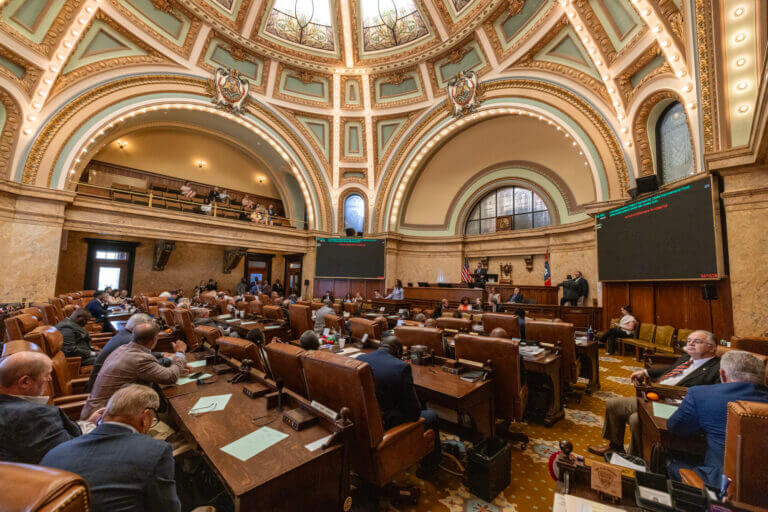
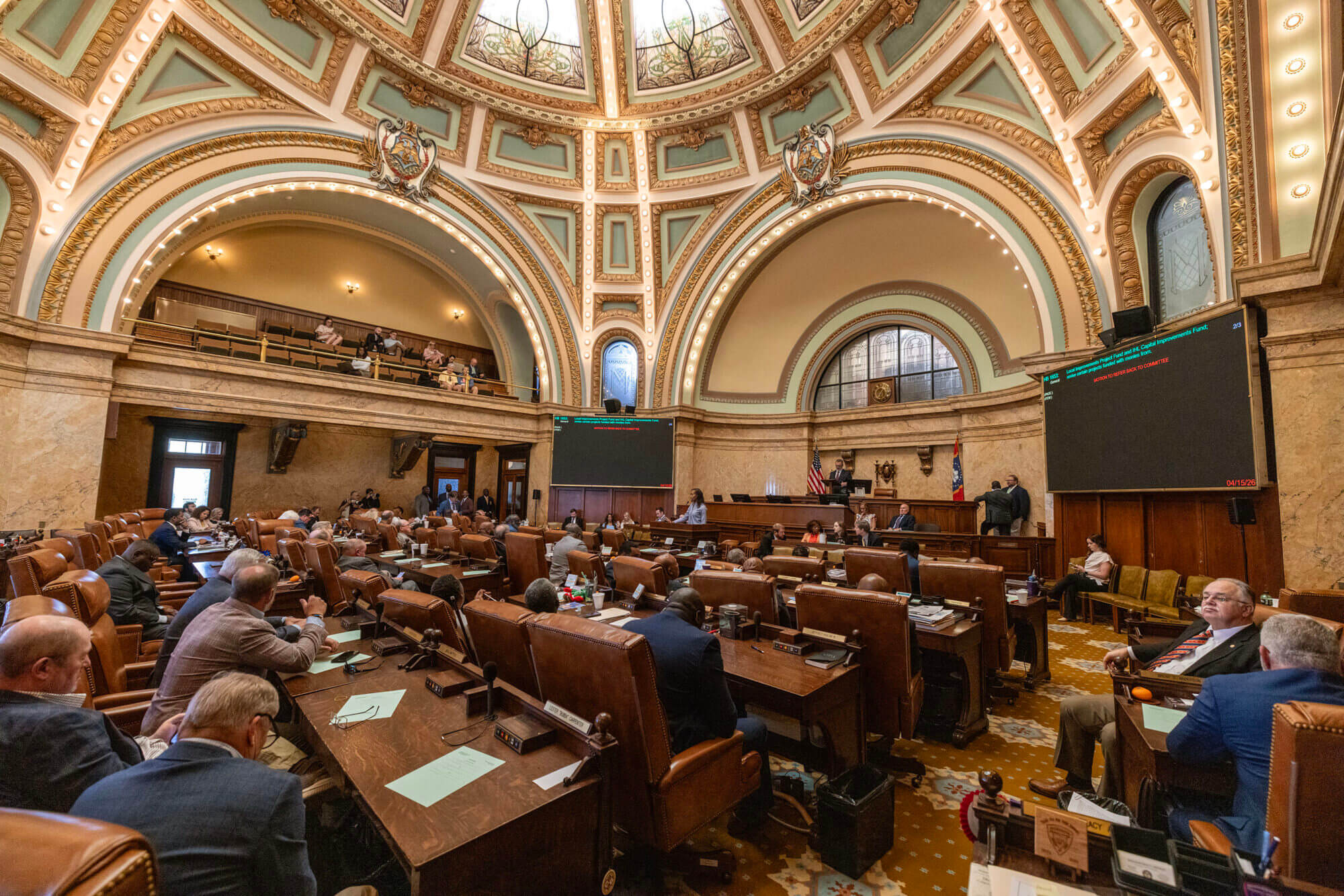
Legislative leaders are close to finalizing a deal on reforming Mississippi’s youth court system and expect Gov. Tate Reeves to call them into a special legislative session soon, according to multiple lawmakers and negotiators involved in the discussions.
It’s unclear how wide-ranging the reforms to the court would be and when exactly the special session would take place, though several legislators speculate it will happen later this month. Reeves’ office did not respond to a request for comment.
The reason for the special session is that lawmakers debated a youth court reform bill during their 2026 regular session. The reform package also contained a measure extending the “repealer” in existing law on how confidential youth court records can be shared between courts, state agencies, attorneys and law enforcement.
When a repealer, or sunset clause, is included in a state law, the law or a section goes away on a specified date unless the Legislature votes to reenact it.
Because the Legislature didn’t pass a measure extending the repealer, those confidentiality measures and other youth court laws expired.
The state Supreme Court issued an order earlier this month that state officials said will allow youth court business to proceed as usual. That order expires on July 24, but the Court could extend that order.
Audio recording is automated for accessibility. Humans wrote and edited the story.
Gov. Tate Reeves on Friday appointed an interim steward to lead the Hinds County District Attorney’s office until a Nov. 3 special election can fill the vacancy left by the resignation of District Attorney Jody Owens, who pleaded guilty last week to federal conspiracy charges.
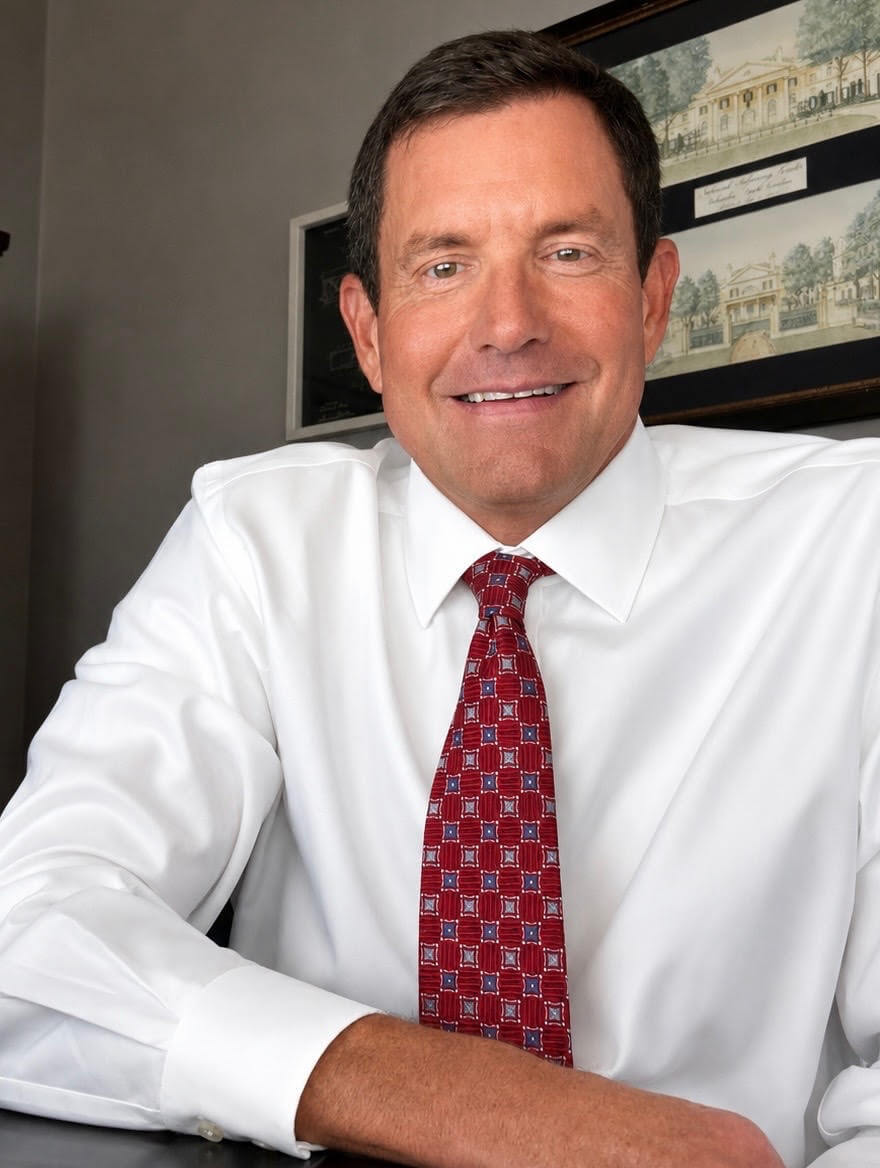
Brad McCullouch, a Madison County resident, has worked as an assistant district attorney in Hinds County since 2023. Owens pleaded guilty to federal conspiracy charges and resigned from office June 29.
The governor announced on social media that he had appointed McCullouch, saying he chose an internal candidate to minimize any disruptions.
“Everyone knows the criminal justice system in Hinds County is far from perfect, but I am convinced the rank-and-file assistant district attorneys who serve Hinds County do an admirable job prosecuting criminals,” Reeves wrote on Facebook.
Under state law, the governor must call an election to fill a vacancy in the office of a district attorney.
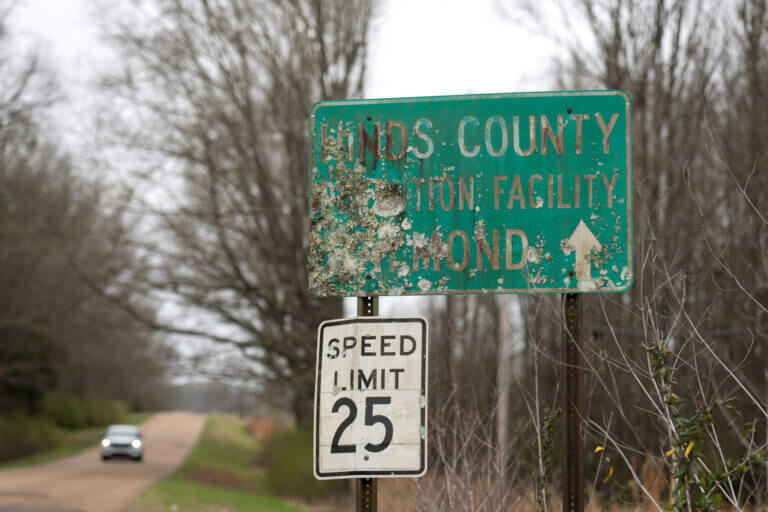
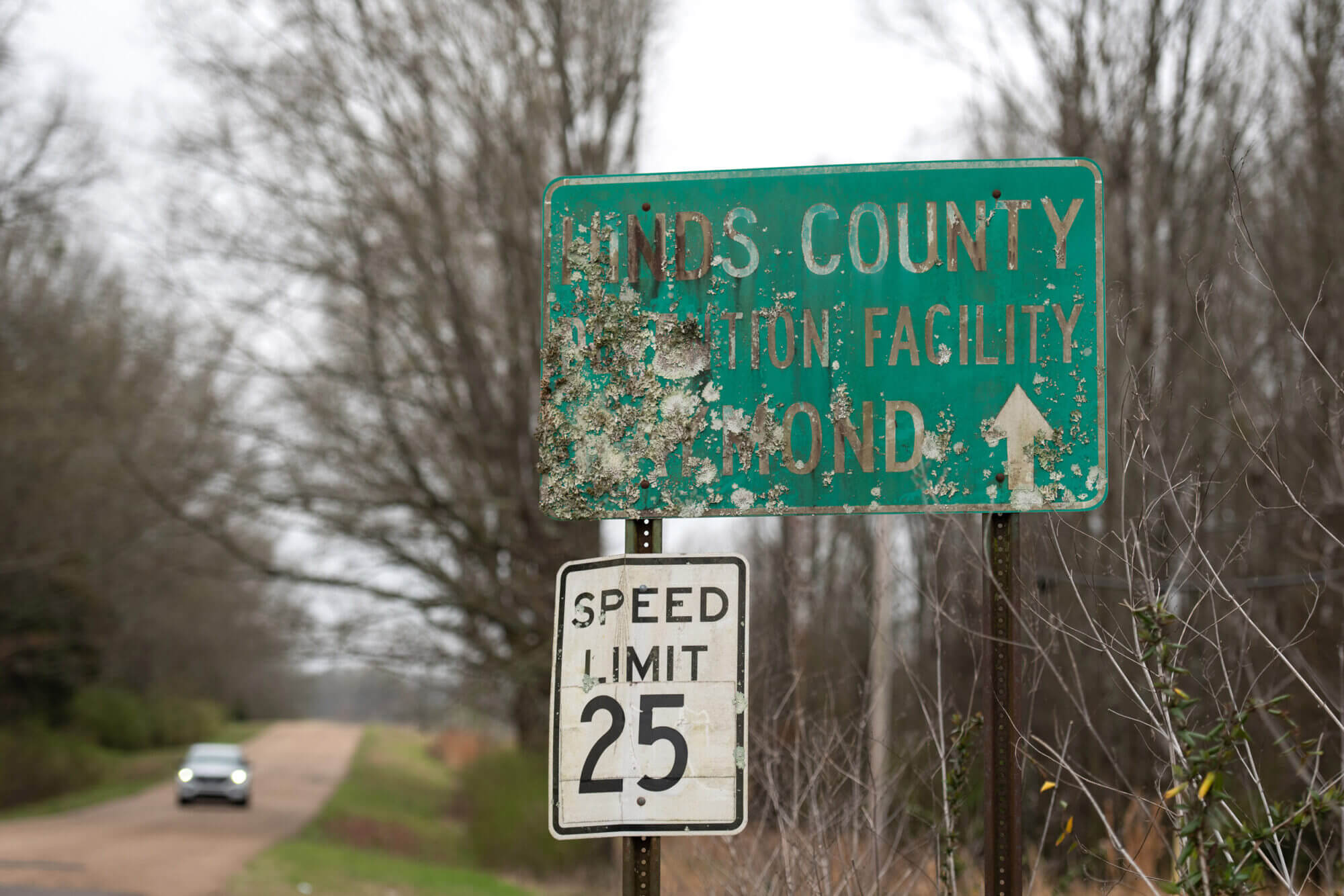
Hours before Reeves made the announcement, McCullouch appeared before a federal judge for a hearing on conditions at the Hinds County Detention Center in Raymond, which is already over capacity.
Problems at the jail are among an array of challenges McCullouch will now face as the interim district attorney.
McCullouch said the office would review if people arrested for nonviolent offenses but who have not been indicted could be released. He said that of the 219 unindicted people in Raymond, over 50 are being held on nonviolent offenses.
“There’s still fertile ground” for reducing jail overcrowding, he said.
McCullouch is the first white man to lead the district attorney’s office since Ed Peters retired in 2001. Hinds County is majority Black.
Audio recording is automated for accessibility. Humans wrote and edited the story.
Miles from the Mississippi Gulf Coast on a remote island whose beauty of clear beaches and white sand dunes was immortalized by famed American artist Walter Inglis Anderson, Nolan Xavier Wells’ young life came to an end.
How and why are among the many unanswered questions that remain after the 18-year-old from Ocean Springs was last seen on the Fourth of July and his body found two days later off Horn Island.
What happened? How did the young Black man end up in the water? Was there foul play involved? Family members and their legal team have said they have received limited information, and speculation has circulated on social media.
A state autopsy has been completed but its results, including a cause of death and toxicology, have not yet been released. The family’s attorney Ben Crump has called for an independent autopsy which is underway in Washington D.C. A funeral service is being planned. Black filmmaker Tyler Perry has offered to pay for the burial, and former quarterback Colin Kaepernick paid for Wells’ second autopsy.
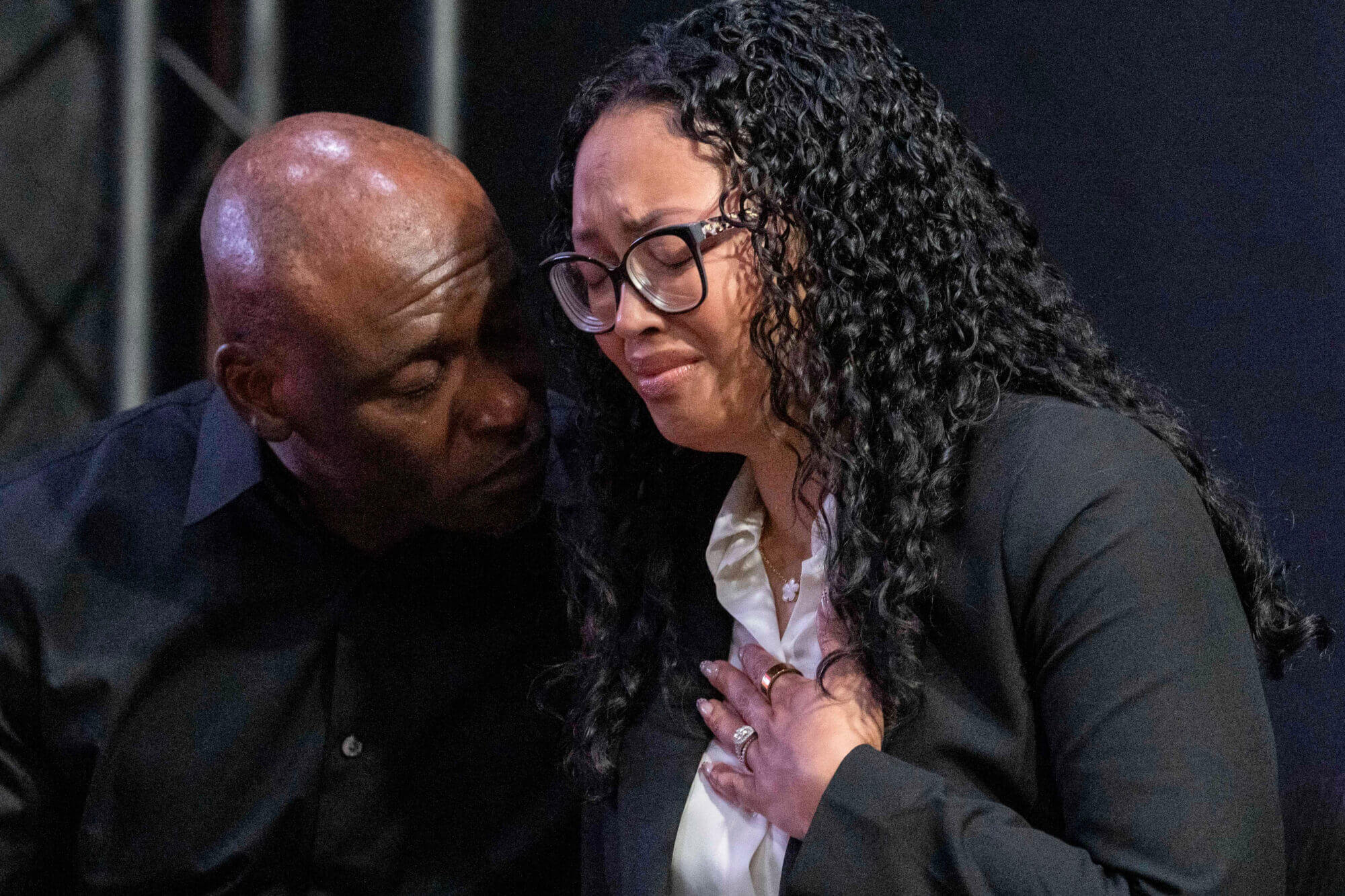
His parents, Christine and Elmore Wonsley, made their first public comments Friday on “Good Morning America,” and then spoke at an afternoon press conference in Harlem, New York, joined by Crump and the Rev. Al Sharpton.
“We just want to know,” Christine Wonsley said during the news conference as she started to tear and her voice shook.
“We just want to know what happened and why our baby didn’t come home … We want it to be an honest, thorough investigation. That’s all we’re asking for.”
What was happening on Horn Island?
Photos and videos of the July 4 get-together show multiple boats docked at Horn Island, some carrying young adults who drank beer and spiked seltzers in water reaching below their shoulder blades. Wells, a wide receiver for Southwest Mississippi Community College, arrived with a group of high school friends, who were mostly white, but did not return with them. Investigators have said he stayed behind, reportedly telling his friends he wanted to talk to a woman.
He planned to get a ride with another boat off the island. Witnesses told authorities Wells was last seen near the island around 3 or 4 p.m.
Nolan Xavier Wells
When he didn’t come home, that promoted 911 calls and a missing person’s report by one of his friends and his mother. That kicked off land and air searches involving two sheriff’s offices, a state agency, the U.S. Coast Guard, the National Park Service and a volunteer search and rescue organization called the United Cajun Navy.
A park ranger found Wells’ body off the northwest part of the island, and he was identified through dental records. Those records are a way to make an identification when other methods such as fingerprints and DNA are not available.
His disappearance and death have raised flags from his family, their attorney Crump, community members and beyond, including whether race was a factor.
Wells’ parents question why he would separate from the group and leave his phone and keys on the boat. During the news conference, his mother said they suspect videos and photos from July 4 are missing from his phone and SnapChat because Wells was known to take them often.
Dylan Johnson-Whitfield, a Biloxi High graduate, had already been out to Horn Island twice this summer when he heard about Wells’ disappearance. Johnson-Whitfield, who was noton the island on July 4, said he kept thinking: “the worst things happen to the best people.”
Johnson-Whitfield knew Wells. They played for rival football teams. He remembers Wells’ smile and talent on the field for Ocean Springs High. Johnson-Whitfield said that the football players from Mississippi Gulf Coast high schools, which are in close proximity, all were familiar with each other.
Lately, he’s noticed a change in his community. Even shy friends have spoken out about a need for transparency from local law enforcement. Johnson-Whitfield said a lot of young people who were at Horn Island are afraid to speak up – afraid their statements will get them investigated or thrust into the media spotlight.
The Jackson County Sheriff’s Office is handling the investigation and is asking witnesses to come forward.
Allegations have spread on social media about Wells being involved in an argument or altercation. On Friday, Crump cited a video in which a male can be heard saying: “Give me my freaking phone, what are you doing.” The legal team believes that voice was Wells. Mississippi Today has reviewed the video, which was taken from a boat and pans to show other boats parked and a sandbar where people stood on and waded nearby.
Sheriff John Ledbetter issued a statement Tuesday asking people to refrain from spreading unverified information.
“Our thoughts, prayers, and condolences remain with Nolan Wells’ family during this difficult time,” Ledbetter said. “We respectfully ask the public to extend compassion and privacy to his loved ones as investigators continue working diligently to determine exactly what occurred.”
Johnson-Whitfield expects more supervision at the island and a crackdown on underage drinking. He said he hopes law enforcement will start answering some of the questions that continue to swirl around Wells’ death. He also hopes that Wells’ friends speak up about what happened – and the family can get closure.
Horn Island wilderness Credit: National Park Service Photo/Kiss
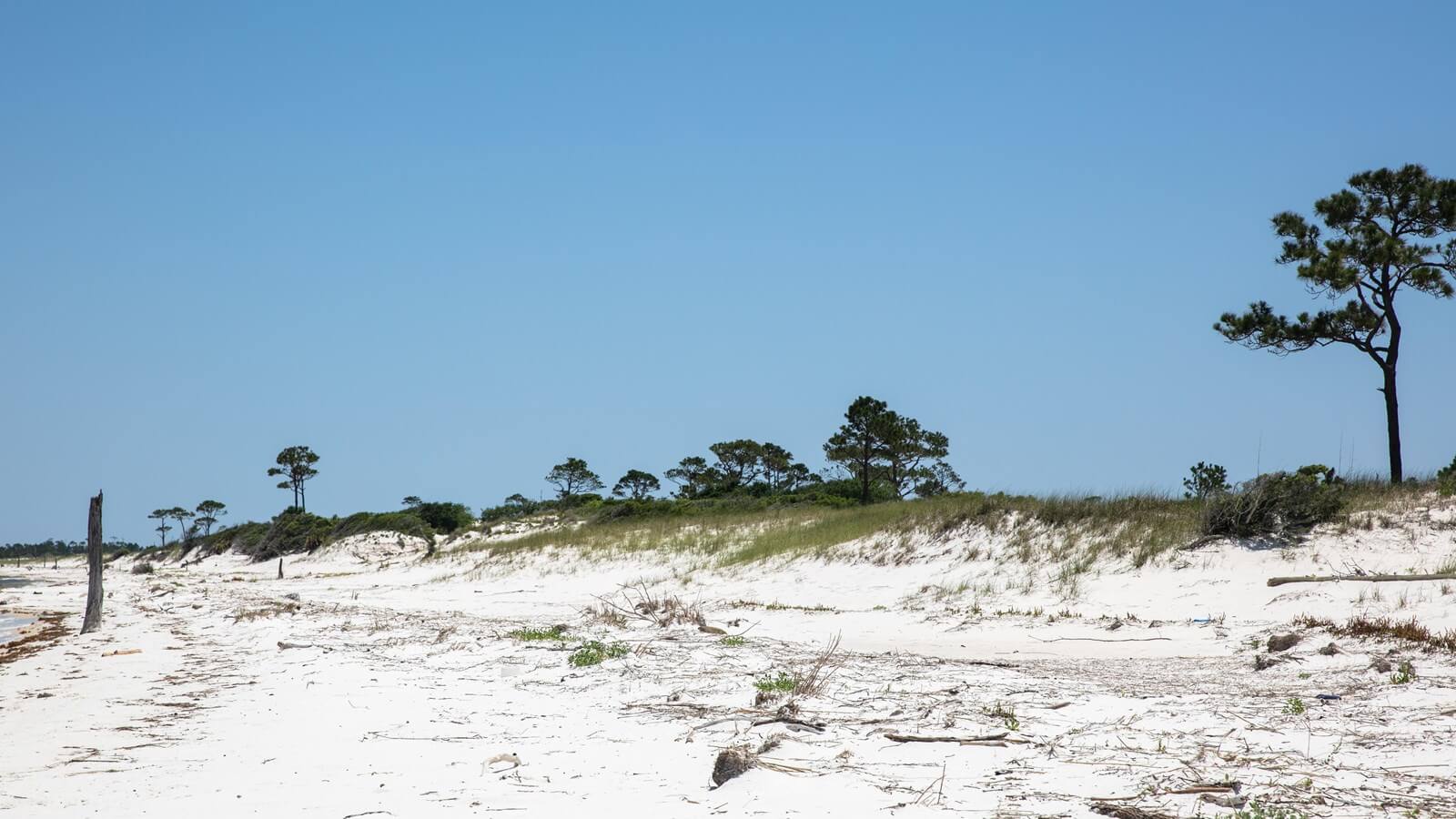
Horn Island is the largest of the Mississippi-Alabama barrier islands and is a designated wilderness area. The island is 4.2 square miles with a mixed terrain of sand dunes and beaches, sea oats and saw palmetto groves and pine trees. The island is undeveloped except for a small ranger station near its center and has no utilities and no commercial ferry service. It is reachable either by private boats or charters.
The barrier island is “the spot” for teens and early 20-somethings during the summer months because it’s a place away from adult and police supervision, Johnson-Whitfield said. Underage drinking can be common, and friend groups link up in larger groups, which isn’t always the case in Gulf Coast communities. Most house parties get busted when they get too big in the area, he said.
Johnson-Whitfield also said the island is a natural paradise and a departure from urban landscapes and city noise.
“As soon as you get there, all you see is white sand, clear water and nature,” he said. “There aren’t any buildings, traffic or crowds.”
What we don’t know
A picture of how Wells ended up in the water and died is not clear, as investigators have released limited information and autopsy results have not been shared publicly.
Ledbetter did not respond to a request for comment Friday, including whether Horn Island has been secured as a crime scene.
The sheriff’s office has not said who was on Horn Island when Wells remained behind and whether he knew them. It is not known where on the island he was seen after his friends left, or if he was in the water.
The park service operates Gulf Islands National Seashore, including patrolling the barrier islands. Gulf Islands National Seashore Superintendent Rick Clark said in a Friday statement that the park service was part of the recovery of Wells’ body, but he did not answer questions about how rangers patrolled Horn Island on July 4.
Crump said Friday that Wells knew how to swim and was in shape as an athlete.
Ocean Springs’ Nolan Xavier Wells reacts after a play during a game against Madison Central at Greyhound Stadium in Ocean Springs on Friday, Aug. 30, 2024. Credit: Hannah Ruhoff/Sun Herald
Ledbetter has also not said what the water around Horn Island was like, including whether people are discouraged from swimming there.
Brian Trascher, national vice president of the United Cajun Navy, said the volunteer organization has been in contact with Wells’ mother since he was reported missing. Volunteers canvassed the island by boat and aircraft until he was found.
Trascher said he hopes an investigation will provide answers about what happened to Wells, focusing on how Wells got into the water. If he struggled or needed help, Trascher wonders how others around Wells wouldn’t notice.
“There were so many people around that somebody would have noticed a distressed swimmer … But with so many sets of eyeballs you would think with just scanning around, you would see someone with their hands up in the air,” he said.
The family’s legal team echoed this sentiment during the Friday afternoon news conference.
The northwest tip of Horn Island is somewhere people like to visit because it has a nice beach and the water is clear. But the area is also known for rip currents, including one that was strong on July 4, Trascher said.
The Park Service, Coast Guard and various federal and state agencies issued safety messages about water, boat and heat safety. For the Gulf Coast beaches and barrier islands, authorities caution people about interacting with marine life and the presence of rip currents and drop offs.
“There are rip currents even the strongest swimmers can’t break out of,” Trascher said.
Audio recording is automated for accessibility. Humans wrote and edited the story.
“Voter Voices” is a series of people sharing their thoughts on voting rights, the state’s history of voter suppression and the new gerrymandering push embroiling Mississippi, the South and the nation after the recent U.S. Supreme Court decision in a Louisiana case gutted the federal Voting Rights Act’s requirements for majority Black districts.
One of the first things Ed Godfrey was taught when he came to Mississippi in the 1960s to help register voters was to sleep with his feet towards the outside wall of a house so that if a bomb went off it would take out his feet and not his head.
It took 30-40 years before he was able to sleep with his head against an outside wall.
“It was a lot of stress. But at the same time, you felt like you’re doing something. I’ve never felt in my life, since then, that I’ve done as important a thing. It’s something that needed to be done,” Godfrey, who now lives in the Northeast, said of the eight months he spent in Mississippi with the National Council of Churches.
As a college student in Wisconsin, Godfrey was inspired to come to Mississippi by the marches from Selma to Montgomery in Alabama.
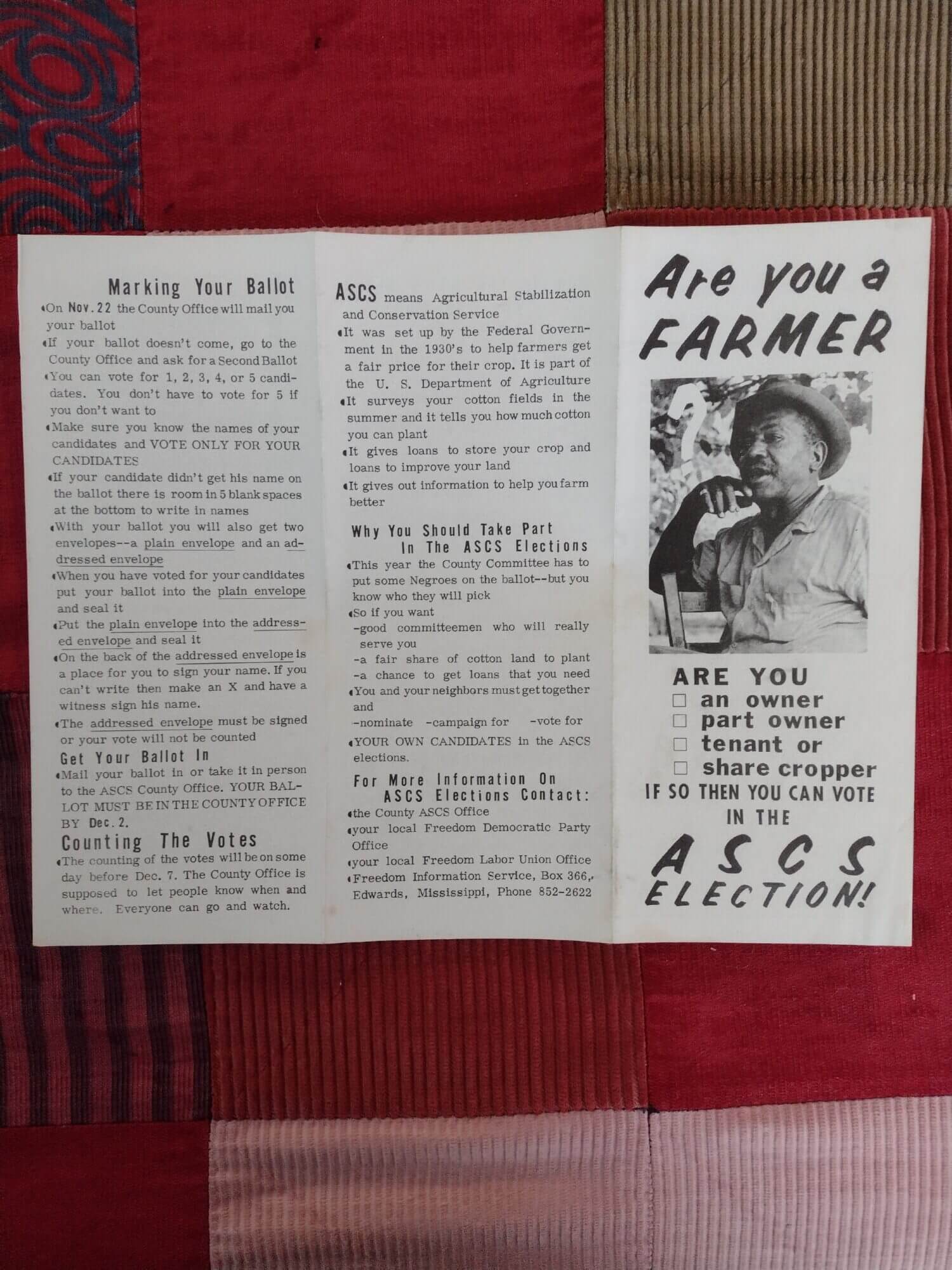
A 1960s flyer encourages Black Mississippi farmers to vote in their local Agricultural Stabilization and Conservation Service elections. Credit: Ed Godfrey
One of Godfrey’s main projects was trying to get Black farmers elected to their local Agricultural Stabilization and Conservation Service committees. The service was a federal program with committees that were in charge of surveying cotton fields in their areas and telling farmers how many acres of cotton they could plant.
According to Godfrey, white farmers were often given a higher allotment than Black farmers.
“It really limited their ability to make a living on their land,” Godfrey said.
But with the passage of the Voting Rights Act in 1965, organizers saw an opportunity to increase Black participation and representation. Godfrey worked alongside civil rights activist Benjamin Brown to campaign for Black candidates. But they were ultimately unsuccessful. Almost 10 years later in 1976, there were only three Black members out of over 900 members statewide.
“What the white power structure did was they ran an opposing group of Black farmers and sharecroppers who just happened to be deeply in debt to some of the large white farmers. And so they split the Black vote and eventually we did not get anyone on the board,” Godfrey said.
Audio recording is automated for accessibility. Humans wrote and edited the story.
It will be at least several months before a federal judge, for the second time, decides whether Mississippi’s three state Supreme Court districts violate the Voting Rights Act and deprive Black voters.
After the U.S. Supreme Court, in its Louisiana v. Callais decision, rolled back protections for racial discrimination in redistricting, the U.S. 5th Circuit Court of Appeals reversed a decision from U.S. District Judge Sharion Aycock that the court districts diluted Black voting strength.
The 5th Circuit sent the case back to Aycock for additional legal arguments and to determine how the case should proceed, in light of the U.S. Supreme Court’s ruling.
Aycock on Tuesday ordered that both the plaintiffs and defendants should conduct a new phase of evidence and information collection and said she would hold a new evidentiary hearing at a later date. After the evidentiary hearing, she would likely enter a new order finding whether the district lines violate federal law.
The U.S. magistrate judge helping manage the case, Jane Virden, on Friday ruled that discovery must be completed by Sept. 24 and that Aycock could order additional briefings from the parties.
While the court case has played out, there remain two vacancies on the nine-member Mississippi Supreme Court, leaving seven justices to rule on cases before them.
Judges Robert Chamberlain and James Maxwell left the state court in 2025 to become federal judges in northern Mississippi. Gov. Tate Reeves has not yet appointed temporary replacements for the two vacancies.
Justice David Ishee from the Southern District has also not been able to qualify for reelection this November because of Aycock’s previous order, which prevented the state from using the maps in any election. Now that an appeals court has reversed her order, state officials would have to reopen qualifying or hold a special election.
Ishee told Mississippi Today he still plans on qualifying for reelection.
“I’m ready to go across the street and qualify whenever I can,” Ishee said.
Reeves, House Speaker Jason White and Lt. Gov. Delbert Hosemann have all said they would like to redraw the state Supreme Court districts. The governor has specifically said he wants the Legislature to redraw the districts before the 2027 election cycle.
The litigation started in 2022 when a group of Black voters and politicians sued, alleging that the state Supreme Court districts violated the Voting Rights Act. Aycock issued a 2025 order agreeing with the plaintiffs.
While Aycock considered adopting a new map for the districts, the U.S. Supreme Court upended redistricting guidelines in April 2026 with its Callais ruling.
Audio recording is automated for accessibility. Humans wrote and edited the story.
Mississippi Today Ideas is a platform for thoughtful Mississippians to share their ideas about our state’s past, present and future. Opinions expressed in guest essays are the author’s own and do not necessarily represent those of Mississippi Today. You can read more about the section here.
For many Mississippians, the late Sen. Thad Cochran’s legacy is measured in roads, buildings, research centers and federal investments that changed communities across our state. But one of his most enduring accomplishments — the Delta Health Alliance — began with a simple idea: if Mississippi was going to improve the health of its residents, it had to start in the Mississippi Delta.
Few places in America have faced the persistent challenges found in the Delta. Generations of residents have struggled with limited access to healthcare, high rates of chronic disease, poverty and educational barriers. These challenges were not isolated problems. They were interconnected, reinforcing one another and limiting opportunities for entire communities.
Sen. Cochran understood that reality. Working alongside leaders from the Delta Council, he helped champion a vision that would eventually become Delta Health Alliance. The goal was not to create another short-term program or pilot project. The goal was to build an organization capable of bringing together universities, healthcare providers, community leaders, educators and local residents around a shared mission: improving quality of life in the Delta.
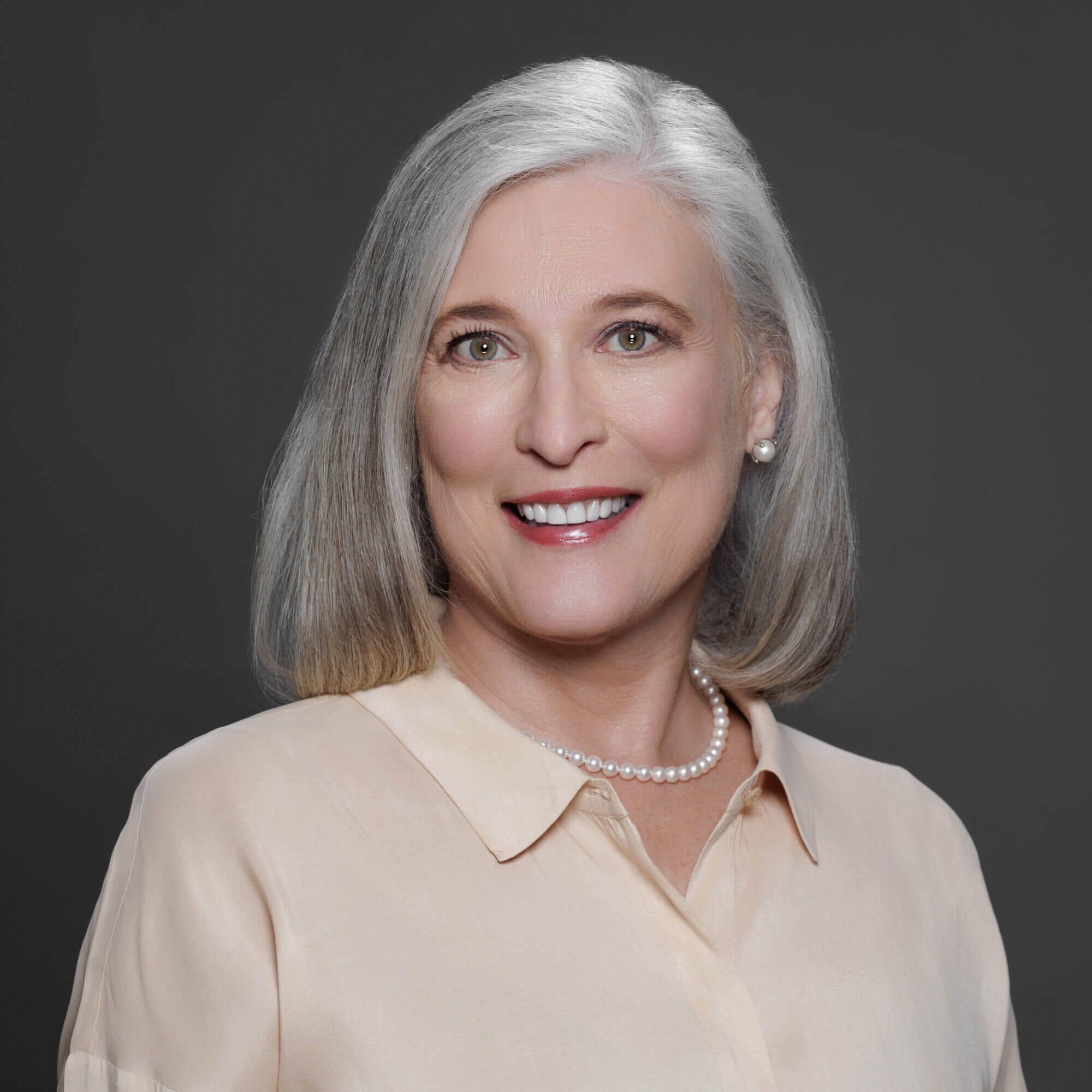
Karen Matthews Credit: courtesy photo
That vision began to take shape in 2001 and gained real momentum in 2006 when Delta Health Alliance received its first major federal grant through the Delta Health Initiative. The investment was significant, but what mattered most was the philosophy behind it. Rather than addressing a single issue, Delta Health Alliance recognized that healthier communities require more than healthcare alone.
Over the past two decades, that philosophy has proven remarkably effective.
What started as a health-focused initiative has grown into a regional organization working across healthcare, education, workforce development and community revitalization. Programs have expanded access to healthcare in underserved communities. Early childhood education initiatives have helped prepare young children for success in school. Workforce training programs have connected residents to careers and strengthened local economies.
More importantly, those efforts have produced measurable results.
In Washington County, the Deer Creek Promise Community helped support educational improvements that coincided with the Leland School District improving from an F-rated district in 2016 to a B rating by 2025.
Nearby, the Hollandale School District improved from a D rating to a B during the same period. For children enrolled in DHA’s Head Start and Early Head Start programs, gains in kindergarten readiness have helped ensure that more students begin school prepared to learn and succeed.
Healthcare outcomes tell a similar story. The Leland Medical Clinic has become a model for rural healthcare delivery, achieving the lowest rate of uncontrolled diabetes among Federally Qualified Health Centers in the Mississippi Delta and one of the lowest rates among all Federally Qualified Health Centers in Mississippi.
In 2025, that success helped drive a $10 million investment to expand the clinic’s services, bringing physical therapy, occupational therapy, speech therapy and dental care to residents who previously had limited access to those services.
These accomplishments did not happen because of a single grant, program or initiative. They are the result of years of partnership, trust and sustained investment in communities that too often have been overlooked. They demonstrate what can happen when leaders commit to addressing the root causes of challenges rather than simply responding to their symptoms.
Yet the true measure of Delta Health Alliance’s success is not found in grants awarded or programs launched.
It is found in the parent who no longer has to travel hours to access healthcare. It is found in the child who enters kindergarten ready to learn. It is found in the student who graduates with a clearer path toward college or a career. It is found in communities that have gained resources, partnerships and renewed confidence in their future.
Perhaps the most important lesson from the Delta Health Alliance story is that meaningful change takes time. The challenges facing the Mississippi Delta were not created overnight, and they cannot be solved overnight.
Progress requires long-term commitment, strong partnerships and the willingness to invest consistently in people and communities.
That is precisely what Delta Health Alliance has represented for the past 20 years.
As we look toward the future, there is still work to be done. Health disparities remain. Educational challenges persist. Economic opportunities must continue to expand.
But the impact made over the past two decades demonstrates what is possible when leaders commit to a shared vision and stay focused on long term impact.
The Mississippi Delta remains one of America’s most challenged regions. It is also one of its most resilient.
The story of Delta Health Alliance is ultimately a story about that resilience, and about what can happen when communities are given the resources, support and opportunity to build a better future for themselves.
Karen Matthews has served as president and chief executive officer of Delta Health for nearly two decades. Matthews holds a PhD in health services and health sciences from the University of Tennessee Health Science Center, a master’s from the University of Memphis and a bachelor’s degree in engineering from the University of Mississippi. She is a native of rural Mississippi and life-long resident of the South, dedicating her life to community-based research and sustainable improvements to services that eliminate health disparities in impoverished, rural communities.
Audio recording is automated for accessibility. Humans wrote and edited the story.
For months, Katie Shappley was in denial about her symptoms. Despite difficulty breathing and odd tingles in her left arm, the daughter of a “hard-headed farmer man” didn’t go see a doctor until her headaches were bad enough to call off of work.
When she finally went in, Shappley, who works in physician credentialing at the Baptist Memorial Hospital in Columbus, remembers the nurse practitioner being alarmed by her blood pressure reading. It was well above the normal range, which should be less than 120 over 80 mm Hg.
Shappley didn’t think she could have high blood pressure, which had shown up in her older family members in their 50s and 60s. She ate healthy, had given birth to her second son and ran around after two young kids. She was only 30 years old. And she’s not the only one.
In recent months, a spate of studies have highlighted increasing rates of high blood pressure in younger people, with people living in the South and who identify as Black at greater risk. Mississippi already leads the nation in rates of high blood pressure, a leading contributor to maternal deaths and a growing concern for young women.
In March, researchers from the University of New Mexico presented findings at the American Cardiology Conference showing that deaths related to high blood pressure increased fourfold for young women in the last two decades. Mortality rates were higher for women in the South relative to the rest of the United States, and for Black women relative to women of other racial groups. On July 3, a team at Northwestern University published their study that analyzed disparities in high blood pressure between Black and white first-time mothers.
“Hypertension is a silent killer, and it’s called that for a reason,” said Sandra Melvin, executive director of the Ridgeland-based Institute for the Advancement of Minority Health.
People who have high blood pressure, also known as hypertension, might not realize why they’re feeling more tired than normal, getting headaches, feeling pain or swelling in their extremities or experiencing blurry vision. Even those symptoms might not show up for the first year while blood vessels are already being damaged, she explained.
“People get used to working when they feel tired,” Melvin said.
Blood pressure education
Dr. Barry Bertolet is one of Shappley’s doctors and a Tupelo-based cardiologist who has been practicing for over 30 years. Recently, he has seen an increase in younger patients with high blood pressure.
He tells patients to consistently check their blood pressure numbers. Two numbers make up these readings. The top number, the systolic pressure, measures the pressure of blood against arteries when your heart is active and pumping. The bottom one is called diastolic pressure, measured when your heart is resting between beats.
Anything 120 over 80 mmHg is an elevated blood pressure, he explained. Readings above 130 over 80 mmHg is stage one high blood pressure, and above 140 over 90 mmHg is where he would recommend getting started on medication.
As blood pressure increases, it can impact blood vessels in several ways, Bertolet explained. The innermost layer of a blood vessel is only one cell thick. When the heart is pumping blood too fast, it can damage those cells. If the body senses an injury, it will send repair materials to the site – but their presence narrows the channel, potentially making matters worse.
The force of the blood can also damage the connection points between blood vessels, when they branch off of one another. These repeated strains build up over time, harming the heart, brain and kidneys and leading to increased risk of strokes, heart failure and dementia.
“If people were to put their dime on something that’s going to make the biggest impact, because it does affect a multitude of systems across the body, this has a big bang for its buck,” he said.
With the University of New Mexico study, where young adults were defined as people from the ages of 25 to 44, researchers found that Mississippi led states in the 90th percentile for high blood pressure-related mortality, Bertolet told Mississippi Today.
“We’re the worst state for young women having hypertension and then dying of that hypertension,” Bertolet said.
Health experts recommended that people follow these steps to maintain healthy blood pressure:
Focus on lean meats, fruits and vegetables, and reduce salt
Increase movement — it can be as simple as walking
Reduce amount of alcohol intake and smoking
Reduce stimulants, including excessive caffeine and drugs such as adderall
Check blood pressure at least annually, and monitor at home with a blood pressure cuff, if necessary
High blood pressure after pregnancy
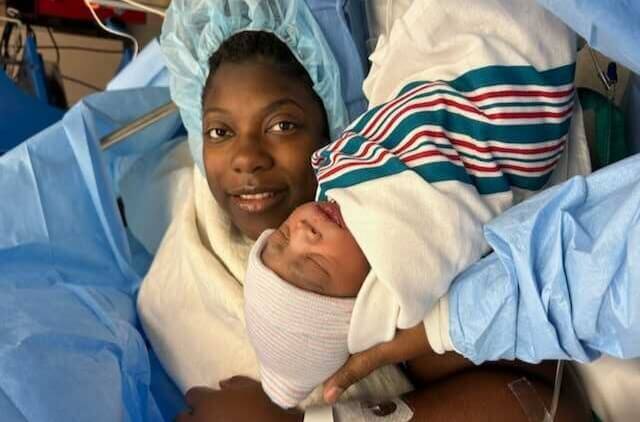
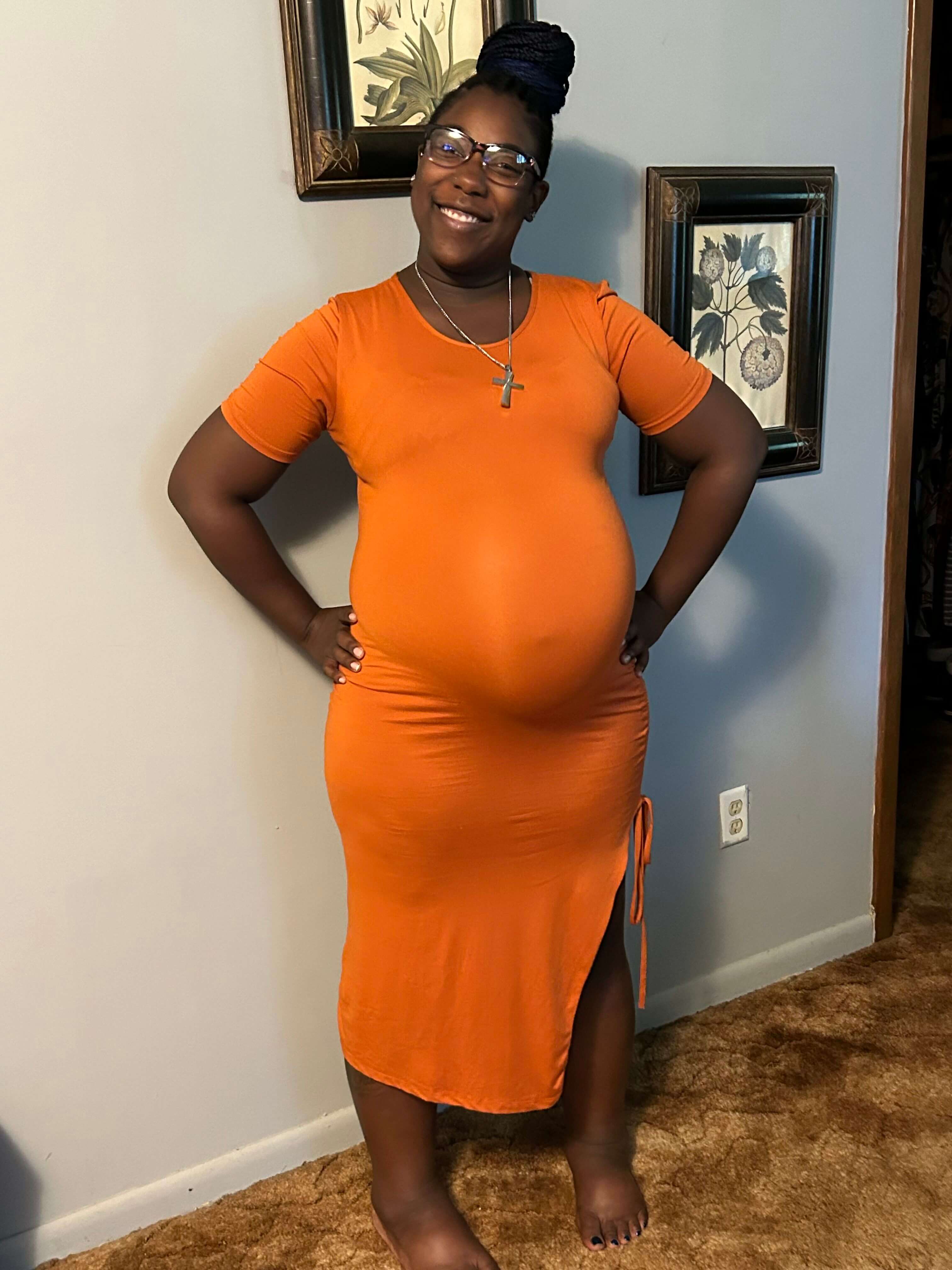
At 30, Canton office manager Natasha Keys was confronting high blood pressure for the first time. She was pregnant with her son, Cedarian. She calls her son her “miracle baby” because her pregnancy was so fraught.
Keys had never had blood pressure problems before, she said, but once she got pregnant, she saw a shift. In her third trimester, the numbers “skyrocketed,” she said. High blood pressure changed the trajectory of her pregnancy, and forced her into decisions that she didn’t want to make.
At times her systolic blood pressure, the top number, reached into the 300s. A number that high is dangerous and very rare, Bertolet said, while the 200 range is more common for women experiencing preeclampsia or eclampsia. Key’s baby needed to come out early, but she said healthcare providers told her natural methods, which Keys had wanted, weren’t going to work.
Credit: Photo courtesy of Natasha Keys
“Everything that I didn’t want, I had to get,” she said. “I got the epidural. I ended up having a C-section.”
Keys remembers being in the hospital, her mother sitting beside her, and being afraid that she wouldn’t survive the pregnancy.
“I’m saying to myself, ‘Am I gonna make it? Am I going to see my son?,’” Keys said.
Through the difficult journey, Keys leaned on her support network, including her mother and the doula she connected with through Magnolia Medical Foundation, Kashuna Watts.
Watts has been a practicing doula for almost 13 years and has seen an increase in young clients with high blood pressure, including ones as young as 15 and 24 years old. She started training to be a doula after one of her best friends died a day after giving birth from postpartum preeclampsia, a life-threatening condition related to high blood pressure. Now, she provides educational support for new mothers and specializes in high risk pregnancies like Keys’.
“Natasha never experienced hypertension before pregnancy,” Watts said. “So, they don’t realize that it’s a thing. Even if you have no history of hypertension or preeclampsia, it still can happen to you.”
She wants new moms to know that postpartum preeclampsia can happen up to three months after giving birth, and advocates for them to know what their own “normal” is. If you’re seeing a spike, especially if it’s 20 points higher than baseline, it’s time to speak up, she said.
Landscape for treatment options evolves
Treatments for high blood pressure are better tolerated than they were a few decades ago, said Keith C. Ferdinand, a heart specialist and professor of medicine at Tulane University.
For people looking to manage their blood pressure, Ferdinand recommends engaging in lifestyle changes first, then following up with medication, if needed. He likes the DASH diet, which emphasizes lean meats and fruits and vegetables high in potassium, which can help lower blood pressure. He acknowledged these foods can be more expensive, and pointed to frozen vegetables as a budget-friendly alternative to fresh ones.
“Blood pressure begets blood pressure,” he said, encouraging young people with normal blood pressure to get it checked once a year. “It doesn’t stay. It rises.”
Ferdinand, who is from New Orleans, isn’t surprised that studies have found an increase in high blood pressure and associated mortality, with a bigger jump in the South. He pointed to factors like the “Southern Diet,” which tends to be high in sodium and fried foods. He also said young people may be unaware of their blood pressure numbers.
Another study identified marker of uncontrolled blood pressure is not having a regular source of medical care, Ferdinand said. With insurance costs rising and Medicaid becoming more inaccessible, it will be harder for people to maintain consistent care. Meanwhile, reductions in social safety net programs, including the Supplemental Nutrition Assistance Program, or SNAP, will make it harder for families to purchase healthy foods, he said.
Melvin also pointed to the systemic barriers facing communities with fewer green spaces where they can exercise, or who live in food deserts where fresh produce may require reliable access to transportation to reach.
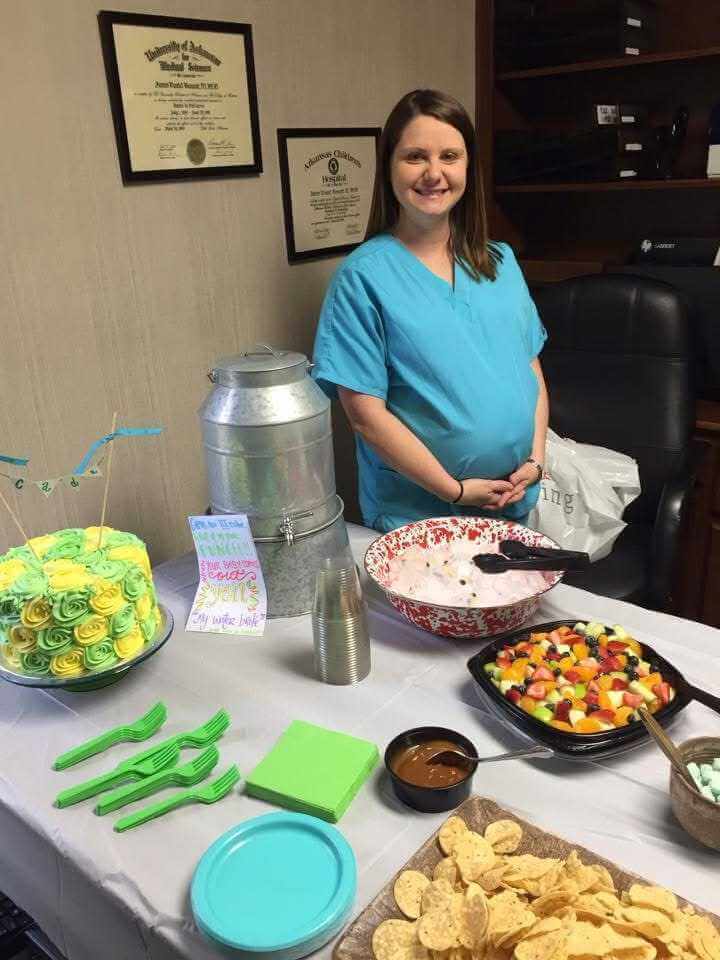
Katie Shappley at her workplace baby shower while pregnant with her second son, in 2015 Credit: Photo courtesy of Katie Shappley
Outside of lifestyle changes, common methods of managing high blood pressure focus on medications, which can vary by stage of the condition. While many of these strategies are still effective, Bertolet said few new medications have emerged in the past two decades.
Two and a half years ago, Shappley underwent a relatively new procedure called renal denervation, which uses sound or radio waves to destroy kidney nerves that increase blood pressure. Bertolet introduced it to her, explaining that it can help people with high blood pressure resistant to medication, which Shappley had.
For her it was transformative, and allowed her to bring her blood pressure down to the normal range. She’s now nearing 40 and is finding that her medication can keep her blood pressure under control when previously it couldn’t.
Shappley now recognizes that she was being stubborn and said she should have gone for treatment earlier — if not for herself, then for her family.
“If you ignore it and you don’t accept it, then you won’t be around for the people that love you,” she said.
She knows intimately how this can happen. Shappley said her father didn’t take his medication consistently after suffering a heart attack and undergoing open heart surgery. He started fainting, but only went to seek medical help after a faint-induced fall hurt his arm. By then, it was too late for doctors to address the blood clot that had formed in his heart, and he died at the age of 60.
“My dad ignored his problem, and now I don’t have him,” Shappley said.
Living with high blood pressure
Since giving birth almost a year ago, Keys has made lifestyle changes including watching her diet, and she still takes medications to address her blood pressure. Life has moved on, she’s taking classes in information technology and business administration, working, taking care of her young child.
But she still gets emotional when recalling the challenges of her pregnancy.
“I try to tell everybody, ‘Hey, having high blood pressure isn’t a joke,’” said Keys, who is watching a friend enter her pregnancy with elevated blood pressure. “Having those high numbers, it just was scary.”
With summer rolling in, doctors have warned Keys that heat can be dangerous for her blood pressure and her thyroid disease. She doesn’t spend much time outdoors during the day.
She’ll be making an exception soon, though. For Cedarian’s first birthday, she wants to take him to the water park to splash around and spend time together as mother and miracle son.
This story was produced with support from the Sarah Yelena Haselhorst Fund for Health Journalism.
Audio recording is automated for accessibility. Humans wrote and edited the story.
An 18-year-old killed in the Hinds County Detention Center in Raymond last week was stomped to death, the coroner said Thursday.
“It appeared he had shoe prints all over his head,” Hinds County Coroner Jeremiah Howard told Mississippi Today.
The teen, Mielun Butler, was booked in jail on July 1 after he was arrested in connection to a killing at a south Jackson apartment complex. By the morning of July 3, a video circulating on social media showed an unidentified person kicking his limp and bloodied body while he lay on the floor.
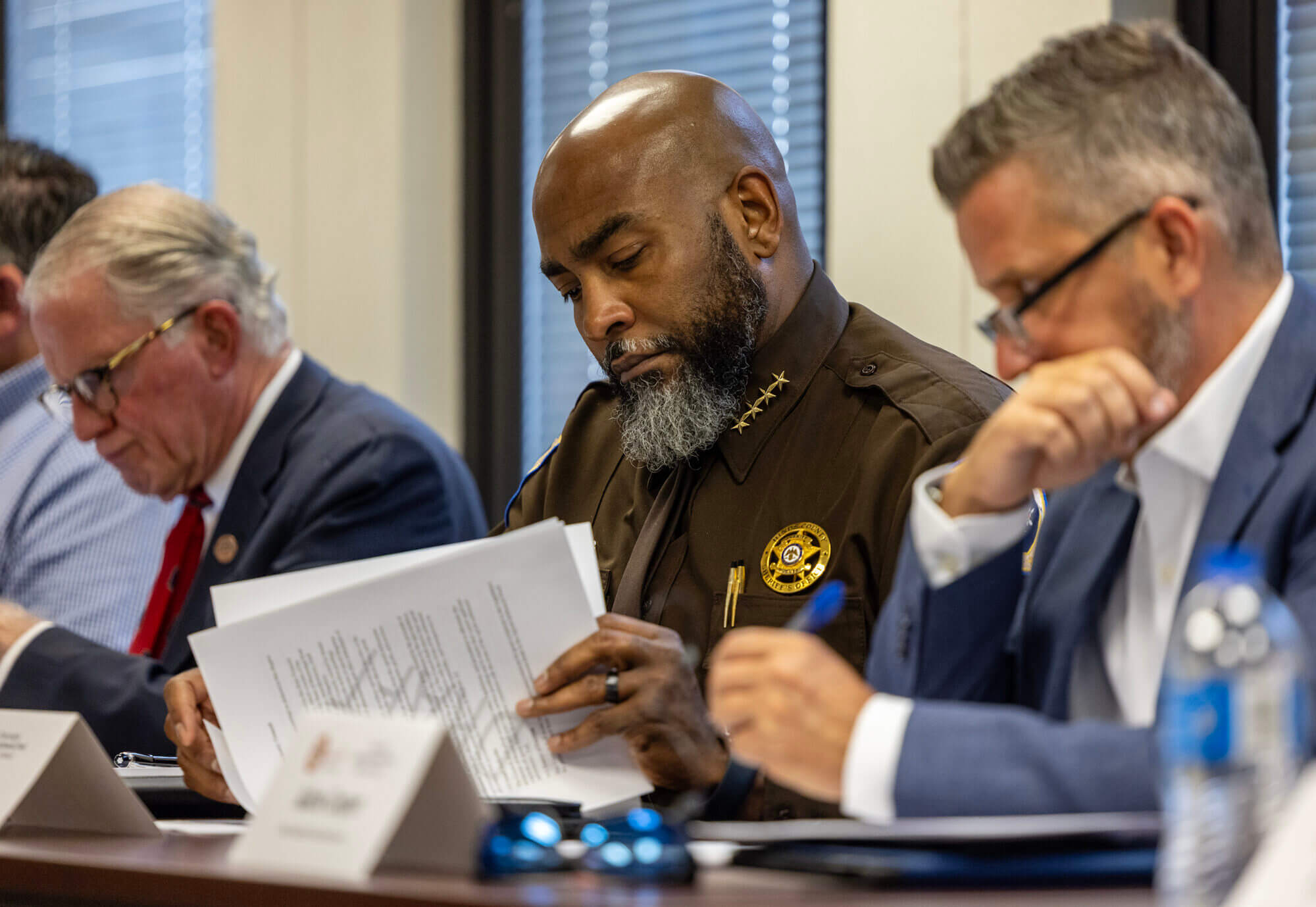
Hinds County Sheriff Tyree Jones, center, reviews a draft document during their first meeting at the Walter Sillers Building in Jackson, Miss., on Wednesday, July 9, 2025. Credit: Eric Shelton/Mississippi Today
At a Monday press conference, Hinds County Sheriff Tyree Jones confirmed the authenticity of the video. He told Mississippi Today on Thursday that he placed a detention officer on administrative leave with pay this week. Jones said he would not share the officer’s name because the incident remains under investigation.
In October, Jones ceded operational control of the jail to Wendell France, a court-appointed federal receiver. The federal judge overseeing the court case, Carlton Reeves, will hold a hearing on Friday to discuss conditions at the jail.
Jones said he believed the incident could be gang-related but did not offer details.
“I think it’s no secret that some of the violence that we have been witnessing in our community has eventually spilled over into the jail,” he said. “We believe there may be a strong connection.”
Jones could not say how many assaults have occurred at the jail.
Butler’s death occurred the same day that a Hinds County Chancery Court judge ordered the sheriff’s office to turn over jail death records that it had withheld from the Southern Poverty Law Center, which requested those records more than a year ago under the state’s public records law.
At Butler’s initial appearance on July 2, Municipal Court Judge Jeffery Reynolds set a $1 million bond, an amount the judge acknowledged the teenager could not post.
By July 3, Butler was dead. In a video posted on Facebook, a person wearing black sandals stomps on Butler’s body as someone orders Butler to say, ‘Long live Melvin.’”
Audio recording is automated for accessibility. Humans wrote and edited the story.
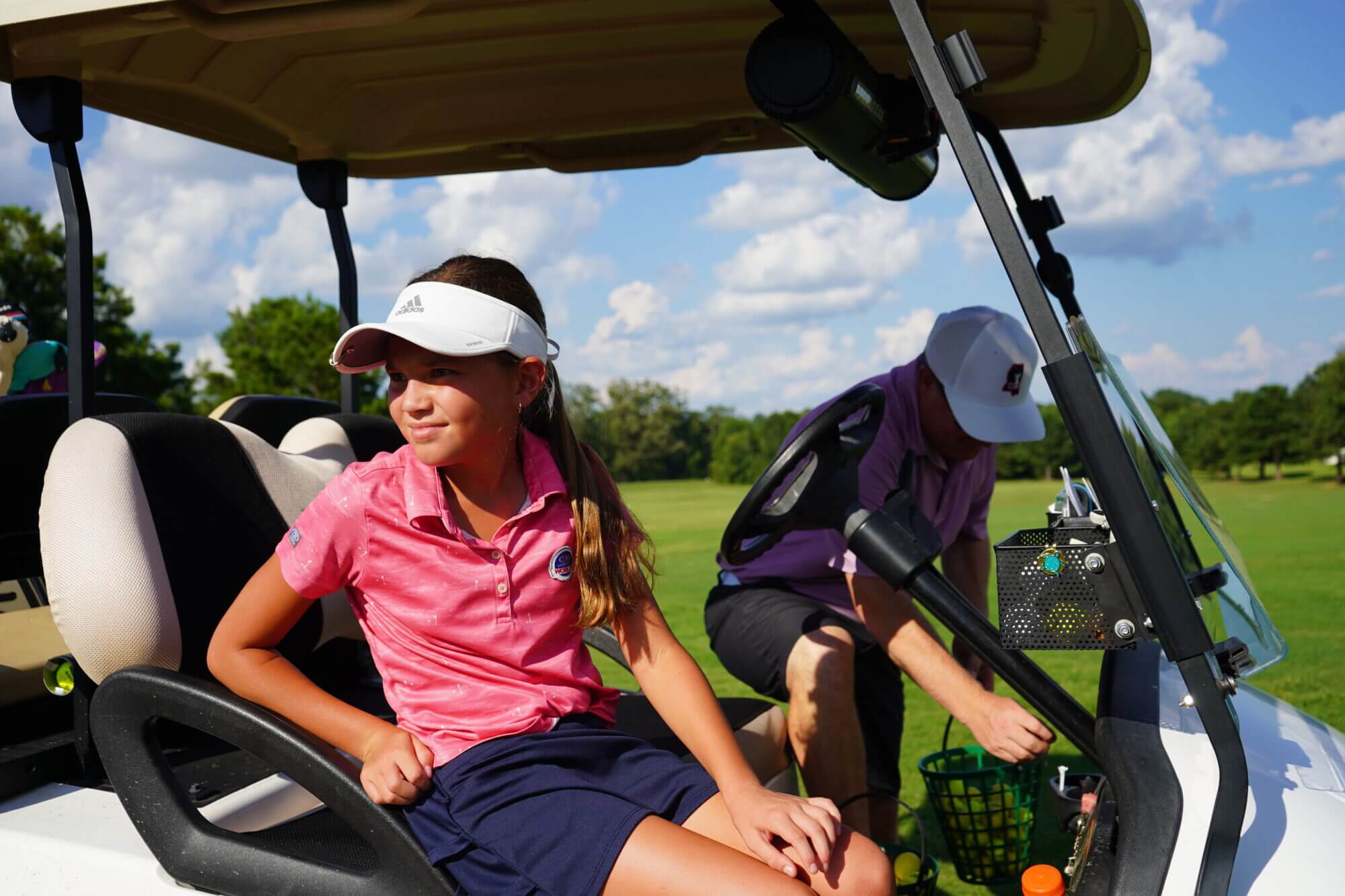
PEARL – Meet Addilyn Stephens. She’s 10 years young, cute as the proverbial button, weighs all of 65 pounds and unless you are really good at golf – I mean really, really good – she will beat your brains out.
Listen to how Addilyn celebrated the Fourth of July weekend: She went to France with her parents, Randy and Melissa Stephens, and won the Paris Junior Golf Invitational against an international field, shooting 4-under-par for 27 holes. Competing in the 9-10 age division, she won the top prize by 10 shots. She shot a 3-under 33 the final nine holes. She lapped the field is what she did.
Rick Cleveland
And this is what will most impress people who play the eternally frustrating sport of golf: The soon-to-be-fifth-grader played 27 holes and hit 24 of the 27 greens in regulation. That’s precision. Scotty Scheffler, the world’s No. 1 ranked golfer, leads the tour hitting 72.5% of greens in regulation. At Paris, Addilyn Paige Stephens hit 88.9% of the greens in regulation.
The Stephens family flew back into Mississippi around 5 p.m. Tuesday. By 6:30 p.m., she was back on the practice tee at Patrick Farms in Pearl, where they live next to one of the greens. Jet lag? At 6 the next morning, she was on the putting green practicing again. That persistence, that dedication to improving, surely is her greatest asset.
Addilyn Stephens shows off her Paris Invitational trophy. Credit: Courtesy photo
Says Patrick Farms pro Derek Benson, Addilyn’s primary teacher for four years, “I have worked with dozens of kids over the years, but I have never worked with one who is as driven as Addilyn. She is a perfectionist. I mean, she works at it for hours day after day after day. She wants to be the best she can be. She wants to be the best in the world.”
But before you begin to think Addilyn is a pony-tailed golfing robot, listen to what Benson says a few moments later, “She is the sweetest, kindest soul I have ever been around. Everybody in this golf club loves her. Everybody gravitates to her. She’s the princess of Patrick Farms.”
I watched Addilyn practice late on a hot, humid Wednesday afternoon. After spending much of the day at a theater camp in Brandon, she began by hitting wedges on the practice range, aiming at a target pole about 100 yards away. Shot after shot, she hit a nice, little right-to-left draw, all landing within five yards either side of that pole. She moved to an 8-iron with the same result, hitting the same little draw about 20 yards farther. Shot after shot she hit squarely in the middle of the club face.
Next, her dad handed her her driver and she started pounding 200-yard draws, none of which would have left any fairway she’ll ever play. Then, we went to the practice green where she began with a three-ball drill, lining the balls up for putts of two, four and six feet. She sank them all, dead center of the cup over and over. When she finally missed one, she grimaced, lined it up again and sank it. When she began chipping drills, she sank the second one she hit from about 30 feet. She sank two more before she put her wedge away.
All this skill doesn’t necessarily come from genetics. Randy Stephens is a self-professed “80s shooter.” Melissa, the mom, doesn’t play. “I provide the snacks and the wardrobes,” she says. “That’s my job.”
Randy started taking Addilyn to the golf course when she was 4. At 6, she began lessons. At 7, she beat her dad for the first time. She now gives him six shots a side and wins nearly always.
“I remember one day I shot 74, which is about as good as I can play, and I was feeling really good about myself,” Randy says. “Then Addilyn reminded me she shot one-under.”
She said she doesn’t feel sorry for her dad when she beats him: “No. Because on the tee box, he is, like, flexing and all that.”
Addilyn Stephens swings her wedge at Patrick Farms Golf Club in Pearl on Wednesday, July 9, 2026. Credit: Richard Lake/Mississippi Today
Randy, who is from St. Louis, works in sales. Melissa, from Fort Walton Beach, Florida, is an assistant principal at Rouse Elementary School in Brandon.
Addilyn, an only child, plays a golf schedule that includes 22 tournaments this year. Not all are as costly as the Paris trip, but, Randy admits, “It does get expensive. But then you see that joy on her face. She loves it. She loves to compete. If she didn’t enjoy it so much, we wouldn’t do it. We pick and choose the tournaments, and this year Mom wanted to go to Paris so we just treated it like a family vacation. We had a blast.”
Both parents talked with obvious pride about how Addilyn used Google Translate to converse with the girls from all over the world during the competition. A girl from Utah finished second, but Top 10 finishers included girls from France, Cambodia, Turkey, Nicaragua, Romania and Turkey.
Asked what she enjoyed most about the trip, besides the golf, Addilyn said it was meeting girls her age from so many different places and cultures who spoke so many different languages. As her dad put it, “She figured out how to communicate with girls who didn’t speak a lick of English.”
Addilyn saw the Mona Lisa in a visit to the Louvre. “I thought it was cool,” she said. “It was really small.”
She also saw the Eiffel Tower, the Arc de Triumphe and her favorite, the Palace of Versailles.
Winning the tournament – her biggest victory to date – surely made it all the more enjoyable.
Addilyn Stephens wraps up a putting session at Patrick Farms Golf Club in Pearl on Wednesday, July 9, 2026. Credit: Richard Lake/Mississippi Today
Now then, anyone who plays golf knows not all her golf experiences will be 10-shot victories. Golf, perhaps the most fickle sport of all, will rip your heart out. Jack Nicklaus, the most accomplished golfer of all time, put it this way: “Golf isn’t, and never has been, a fair game.”
David Duval famously went from No. 1 in the world to barely being able to crack 80. Michelle Wie qualified for the U.S Open at 10, turned pro at 15, was ranked No. 2 in the world at 16 and was widely predicted to become the greatest women’s player of all-time. She won only one major tournament and stepped away from the LPGA Tour at age 32, unranked in the world.
Ray Floyd, the World Golf Hall of Famer and winner of four majors, may have said it best: “They call it golf because all the other four-letter words were taken.”
Watching Addilyn practice brought back memories of watching Greenwood’s Cissye Gallagher hit balls nearly half a century ago. Gallagher, who has won the Mississippi State Am 12 times, was a remarkable junior player and then helped raise two daughters who were terrific golfers. She knows a thing or two about expectations. She hasn’t watched Addilyn play yet but looks forward to the opportunity.
“Good for her,” Gallagher said. “She’s got so much to look forward to. That’s so crazy winning a tournament in Paris at age 10. When I was 10, I hadn’t played farther away from Greenwood than Greenville.”
There will be struggles. In golf, there are always struggles. Gallagher knows that, too.
“Golf’s hard,” Gallagher said. “Expectations can destroy you. Golf really is a marathon, not a sprint.”
Marathon or not, Addilyn Stephens is off to a remarkable start. Next? She’s headed to Pinehurst, North Carolina, July 30-Aug. 2, for the Junior World Championships, which will attract 1,500 golfers from more than 50 countries. Last year, competing as a 9-year-old, she finished 42nd in the world.
“I was so nervous last year,” she said, sheepishly. “I didn’t play my best.”
She’s a year older, a year wiser, a good bit stronger and she has won on an international stage. Believe this: She expects to do better.
Addilyn Stephens and her father, Randy Stephens, discuss strategy at Patrick Farms Golf Club in Pearl on Wednesday, July 9, 2026. Credit: Richard Lake/Mississippi Today
Audio recording is automated for accessibility. Humans wrote and edited the story.
Total revenue collected by the state increased by around $87.59 million, or 1%, for FY 2026. The state fiscal year begins July 1 and ends June 30 of the following calendar year.
Sales tax collections, the largest source of state revenue, were down by $11.91 million or 0.42% year over year. The Individual income tax, which is slowly being phased out, was the second-largest contributor to state revenue, bringing in $2.28 billion, up 0.01%.
Katherine Lin
The largest gains came from corporate income taxes and use taxes. Corporate income tax revenue increased by $57.44 million, or 7.81%, and use tax collections increased by $51.87 million or 11.79%. However, combined they bring in a little over half of the revenue collected from individual income taxes.
Overall, state collections were $176.72 million, or 2.34%, over the revenue estimate. The revenue estimate is set by the Joint Legislative Budget Committee based on recommendations from state financial experts. The estimate is used as a starting point to set the state’s annual budget.
Economic impact of heat in Mississippi
A new report on the impact of extreme heat found that Mississippi is among the states with the largest heat-related economic losses. And these losses may continue to increase over the next decade.
An Anduril Industries solid rocket motor exploded during a test in Mississippi, confirmed on social media by the company’s Chief Operating Officer Matt Grimm. No one was injured, and Grimm said “the safety systems worked exactly as designed. The team responded exactly the way they’ve trained to, and damages to our test stand were minimal.”
Anduril is part of the state’s growing defense industry. In 2024, the Mississippi Development Authority announced Anduril would spend $75 million to expand its presence in Stone County.
In other news:
Soybeansare Mississippi’s second-largest agricultural product and last year’s rising production costs and tariff uncertainty made for a difficult year. This year, things are looking slightly better for soybean farmers with slightly higher prices, but margins will continue to be thin.
A proposed settlement for an antitrust lawsuit brought against Ridgeland-based Cal Maine and two other egg producers would require the companies to pay $3.3 million and donate 53 million eggs to food banks. The companies are accused of fixing egg prices. The companies have not acknowledged any wrongdoing.
Madison County property values have skyrocketed and the county’s property tax revenue is also expected to grow, thanks in large part to Amazon’s data centers. An attorney for the Madison County Economic Development Authority said “It’s an embarrassment of riches.”
Gov. Tate Reeves announced that Jabil, a Florida-based manufacturing company, will build a new facility to make data center infrastructure in Marshall County. The $119-million investment is expected to create 2,200 jobs.
The Mississippi Business Alliance released its 2026 Legislative Report. The report summarizes the major business related legislative accomplishments (and misses) and grades each member of the legislature on their support for business.