
In this episode of Mississippi Stories, Marshall Ramsey tours the Medgar and Myrlie Evers Home National Monument with Reena Evers-Everette.
For more videos, subscribe to Mississippi Today’s YouTube channel.

In this episode of Mississippi Stories, Marshall Ramsey tours the Medgar and Myrlie Evers Home National Monument with Reena Evers-Everette.
For more videos, subscribe to Mississippi Today’s YouTube channel.



Mississippi’s crop of elite young golfers has become so accomplished in recent years it takes something especially special to raise this longtime observer’s eyebrows.
And then someone comes along and does what 18-year-old Jake Moffitt of Ripley did recently in the State Amateur Championship played at Grand Bear Golf Club in Saucier. Hold on to your visors, folks: Playing on the difficult Jack Nicklaus-designed golf course measuring over 7,100 yards, Moffitt, a Southern Miss signee, shot 21-under par for 72 holes and won by a whopping 10 shots over runner-up Jackson Cook of West Point. Cook, a two-time Mississippi junior champion, has signed to play at Mississippi State.
Both Moffitt’s 72-hole score and his victory margin set State Am records. Moffitt’s final round of nine-under-par 63 – 10 pars, 7 birdies and an eagle – was just one off the Grand Bear course record of 62, shot by 10-time PGA TOUR champion Steve Elkington in a Champions Tour tournament in 2022.

When the PGA TOUR held its first round of tour qualifying at Grand Bear two years ago, the winning 72-hole score was 280 – 13 shots worse than what young Moffitt just shot.
Says accomplished, 42-year-old Belden amateur Joe Deraney, who shot 3-under at Grand Bear and finished in a tie for eighth place, “Twenty-one under par on that golf course is an amazing score. He lapped the field. And I can’t tell you how good that final round 63 was. To shoot that score under fire when he held the lead and all the pressure was on him is really, really something.”
Yes, it is, and it qualifies Moffitt to play in the U.S. Amateur Championship at the famed Olympic Club’s Lake Course in San Francisco. That’s a far cry from his hometown course, a nine hole track called Pine Hill Country Club where Moffitt says he plays “95 percent of my golf.” And it’s not bad for a country kid, with a decided Hill Country accent, who took up the game of golf five years ago at age 13 when he was looking for something he could do for fun during the Covid pandemic.

Before that, Moffitt played all the team sports, especially baseball where his usual position was third baseman. Once he began to play golf, he was hooked. And he got better fast, breaking 80 within a few months of beginning to practice and play regularly.
“What I love most about golf is that it’s an individual sport,” he said. “It’s all on you and you are depending on you, yourself, the whole time. It’s a game where you are always trying to reach perfection but you never can. Every shot, every practice shot, the goal is to get better. I like that.”
Moffitt led Ripley to three Class 4A state championships and won the individual championship himself all three times. Earlier this year, he won the Oxford Country Club Invitational, making birdies on the last three holes to come from behind and beat Deraney.
In April, he qualified for a PGA Korn Ferry Tour event, the Club Car Championship in Savannah, Georgia. So of course, he shot 66 and made the field and missed a week of school.
He shot 78 and 76 and missed the cut but says, “It was about as much fun as I have ever had on a golf course.”
Southern Miss golf coach Eddie Brescher, who has finished as runner-up in the State Am three times himself, began recruiting Moffitt three years ago, and Moffitt committed over a year ago.
“We could see his potential three years ago, and he’s gotten a lot better since then,” Brescher said. “We are trying to do in golf what Southern Miss has done in baseball and that’s compete on a national basis. We’re headed in the right direction and signing Jake is a big step. His game has no weaknesses and he’s only going to get better. He’s a humble country boy who doesn’t mind hard work and can really, really play this game.”
The U.S. Amateur will be played Aug. 11-17 at Olympic, which has hosted so much golf history, including the 1966 U.S. Open when Arnold Palmer lost a seven-shot lead and then the playoff to Billy Casper. Moffitt says he knows little about Olympic but does know the rough will be high and the greens will be lightning fast, as is the case for all USGA events.
Says the 18-year-old from rural northeast Mississippi, “I can’t wait.”


President Donald Trump on Tuesday nominated Baxter Kruger to become Mississippi’s new U.S. attorney in the Southern District and Scott Leary to become U.S. attorney for the Northern District.
The two nominations will head to the U.S. Senate for consideration. If confirmed, the two will oversee federal criminal prosecutions and investigations in the state.
Kruger graduated from the Mississippi College School of Law in 2015 and was previously an assistant U.S. attorney for the Southern District. He is currently the director of the Mississippi Office of Homeland Security.
Sean Tindell, the Mississippi Department of Public Safety commissioner, oversees the state’s Homeland Security Office. He congratulated Kruger on social media and praised his leadership at the agency.
“Thank you for your outstanding leadership at the Mississippi Office of Homeland Security and for your dedicated service to our state,” Tindell wrote. “Your hard work and commitment have not gone unnoticed and this nomination is a testament to that!”
Leary graduated from the University of Mississippi School of Law, and he has been a federal prosecutor for most of his career.
He worked for the U.S. Attorney’s Office in the Western District of Tennessee in Memphis from 2002 to 2008. Afterward, he worked at the U.S. Attorney’s Office for the Northern District of Mississippi in Oxford, where he is currently employed.
Leary told Mississippi Today that he is honored to be nominated for the position, and he looks forward to the Senate confirmation process.
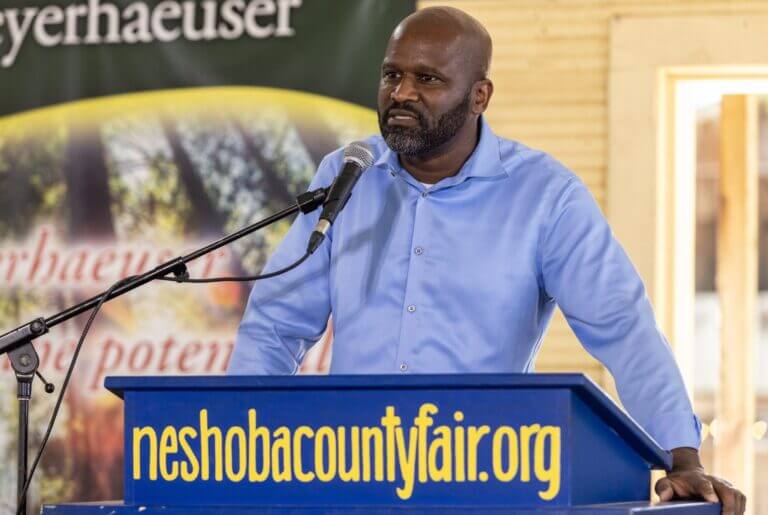
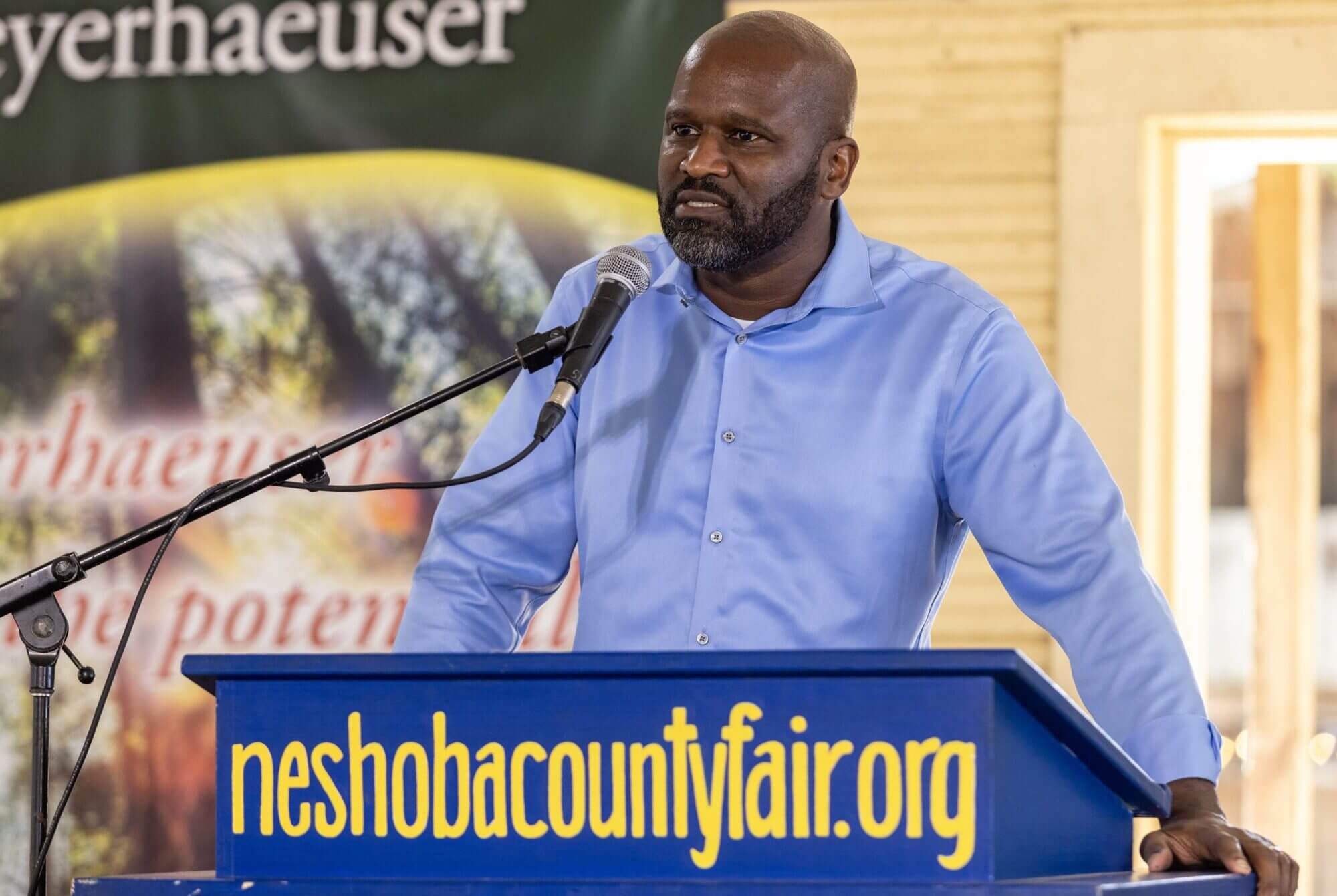
Two former Democratic candidates in Mississippi will be running for office under different affiliations.
Ty Pinkins, a former Democratic nominee for the U.S. Senate in 2024, announced recently that he would run as an independent candidate for the U.S Senate in 2026. Shuwaski Young, a former Democratic candidate for Congress and Mississippi secretary of state, announced that he will campaign as a Republican for secretary of state in 2027.
The announcements from the two politicians come in an election cycle where the Democratic Party is trying to make inroads in a state dominated by Republicans.
Pinkins, a Rolling Fork native, unsuccessfully challenged incumbent Republican U.S. Sen. Roger Wicker in 2024.
The Delta resident in a recent blog post attributed the lack of support from the state Democratic Party and Democratic officials as part of the reason for his poor performance. Pinkins wrote that certain party leaders were “gatekeepers” who attempted to block him from advancing in politics.
“Gatekeeping is how the party protects its fragile status quo — by silencing anyone who might disrupt it,” Pinkins wrote. “Candidates who challenge convention or dare to ask hard questions are often ignored, undermined, or outright punished.”
If he qualifies to run for the seat, he will challenge incumbent U.S. Sen. Cindy Hyde-Smith, who has announced she is running for reelection and has the endorsement of President Donald Trump.
Scott Colom, a state prosecutor in the Golden Triangle area, is considered a likely candidate in the Democratic primary for the U.S. Senate, but he has not publicly announced his plans.
Young, a Neshoba County native, has worked in various roles at the California Democratic Party, the Department of Homeland Security under President Barack Obama’s administration, and the Mississippi Secretary of State’s Office under former secretaries Eric Clark and Delbert Hosemann.
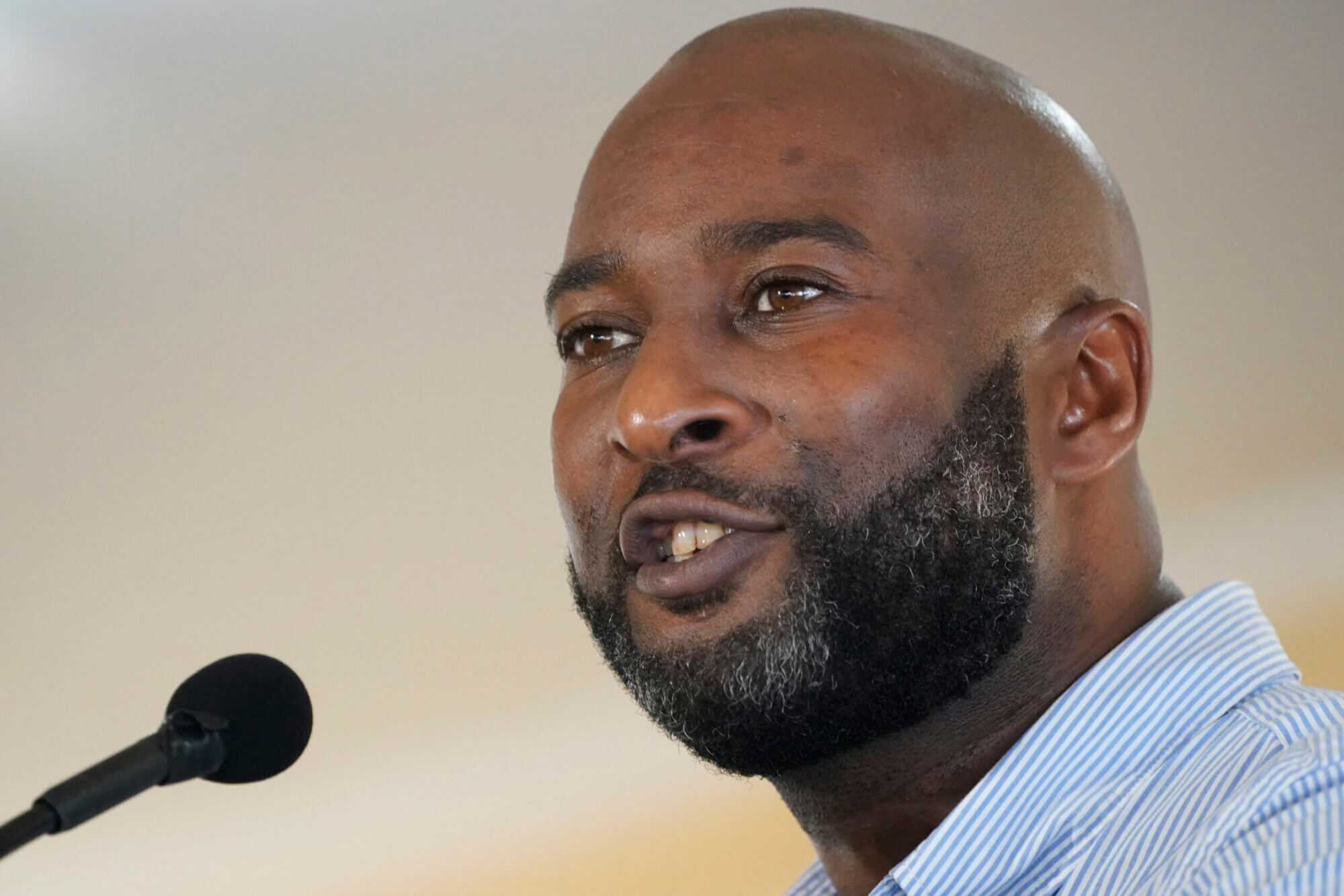
The Democratic Party nominated Young for secretary of state in 2023, but after the Daily Journal and Secretary of State Michael Watson’s office raised questions about Young’s residency, he withdrew from the race due to medical reasons.
Other candidates who are considering running for secretary of state are Republican state Sen. Jeff Tate of Meridian and Republican state Sen. Joel Carter of Gulfport. Current Secretary of State Michael Watson has not announced his plans, but is widely considered a top contender for lieutenant governor.
Candidates for U.S. Senate and other congressional offices can begin qualifying in January, and candidates for Mississippi’s statewide elections can begin qualifying for those offices in January 2027.
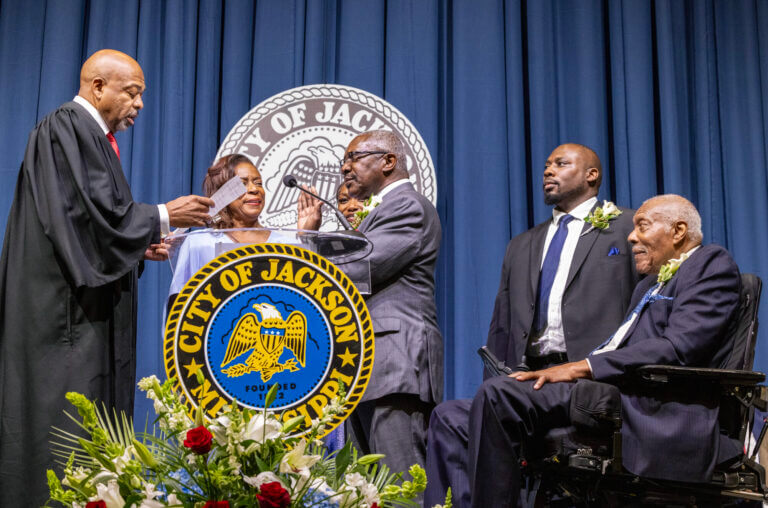
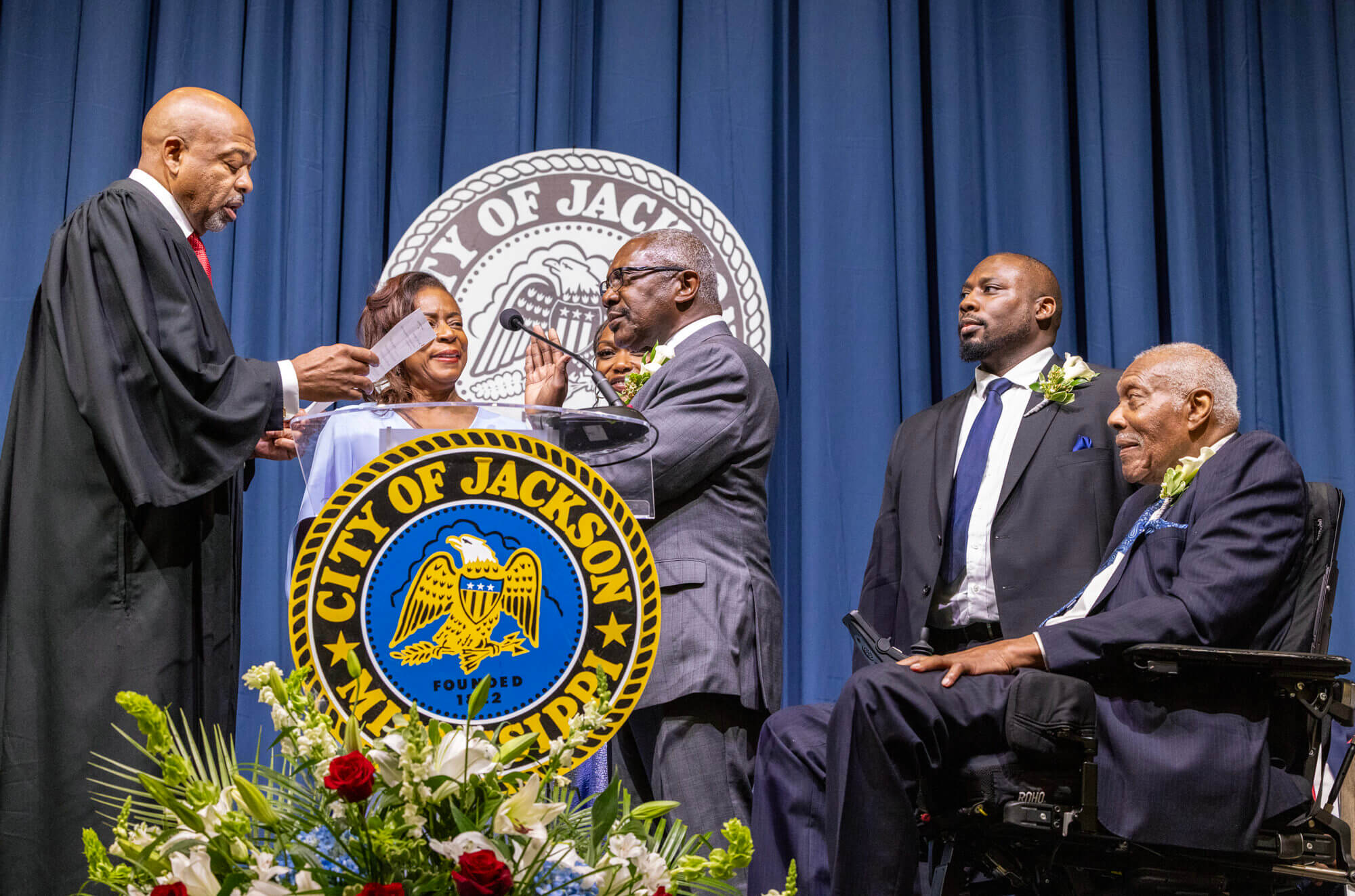
John Horhn finally became mayor of Jackson Tuesday, after his fourth run for the office, more than $300,000 in campaign donations and too many church visits to count.
Horhn is the 54th mayor of Jackson. His inauguration marks a shift in leadership from a young progressive visionary to a seasoned moderate who promises to restore basic services, tackle blight and bring back economic development.
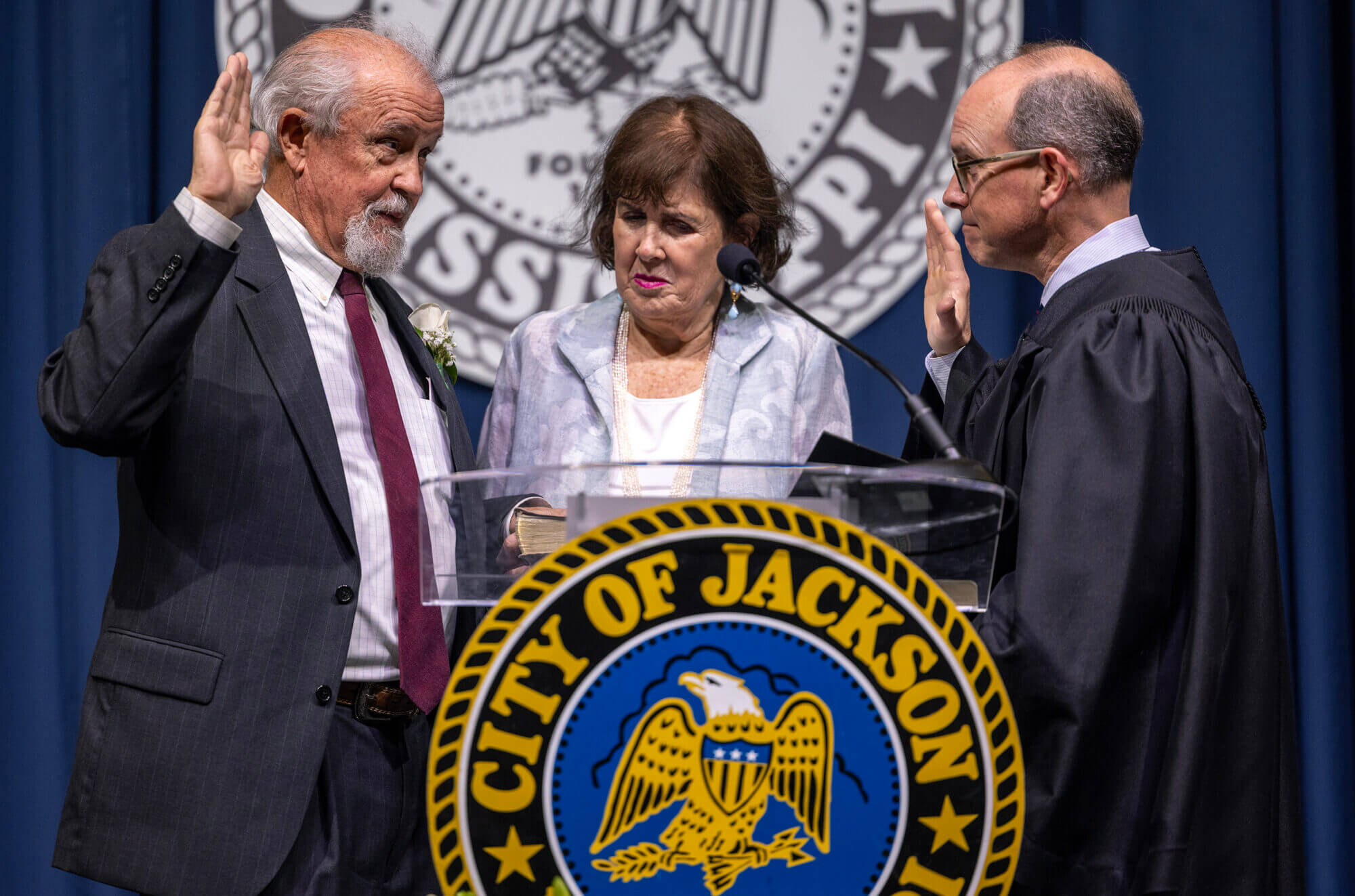
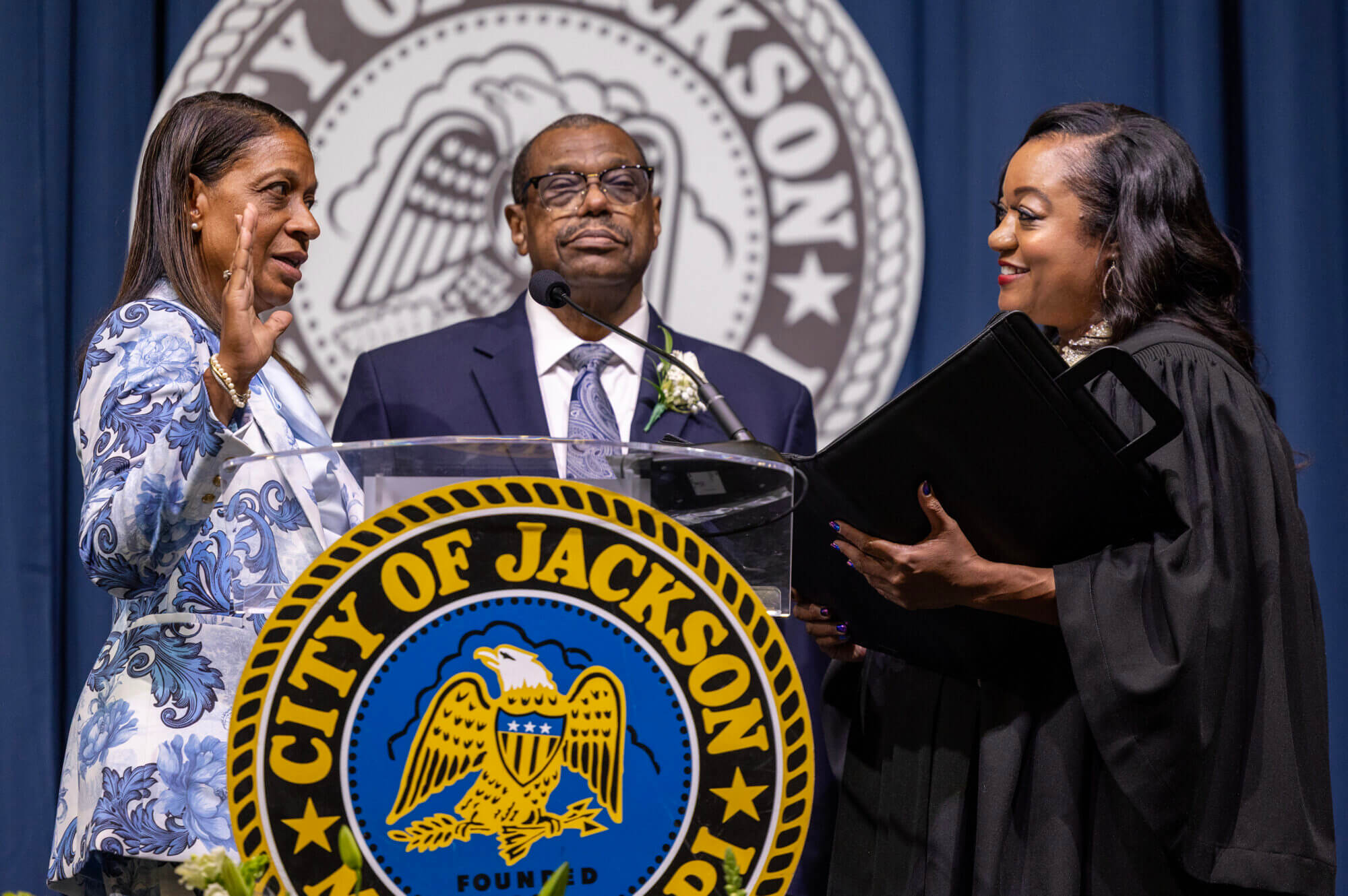
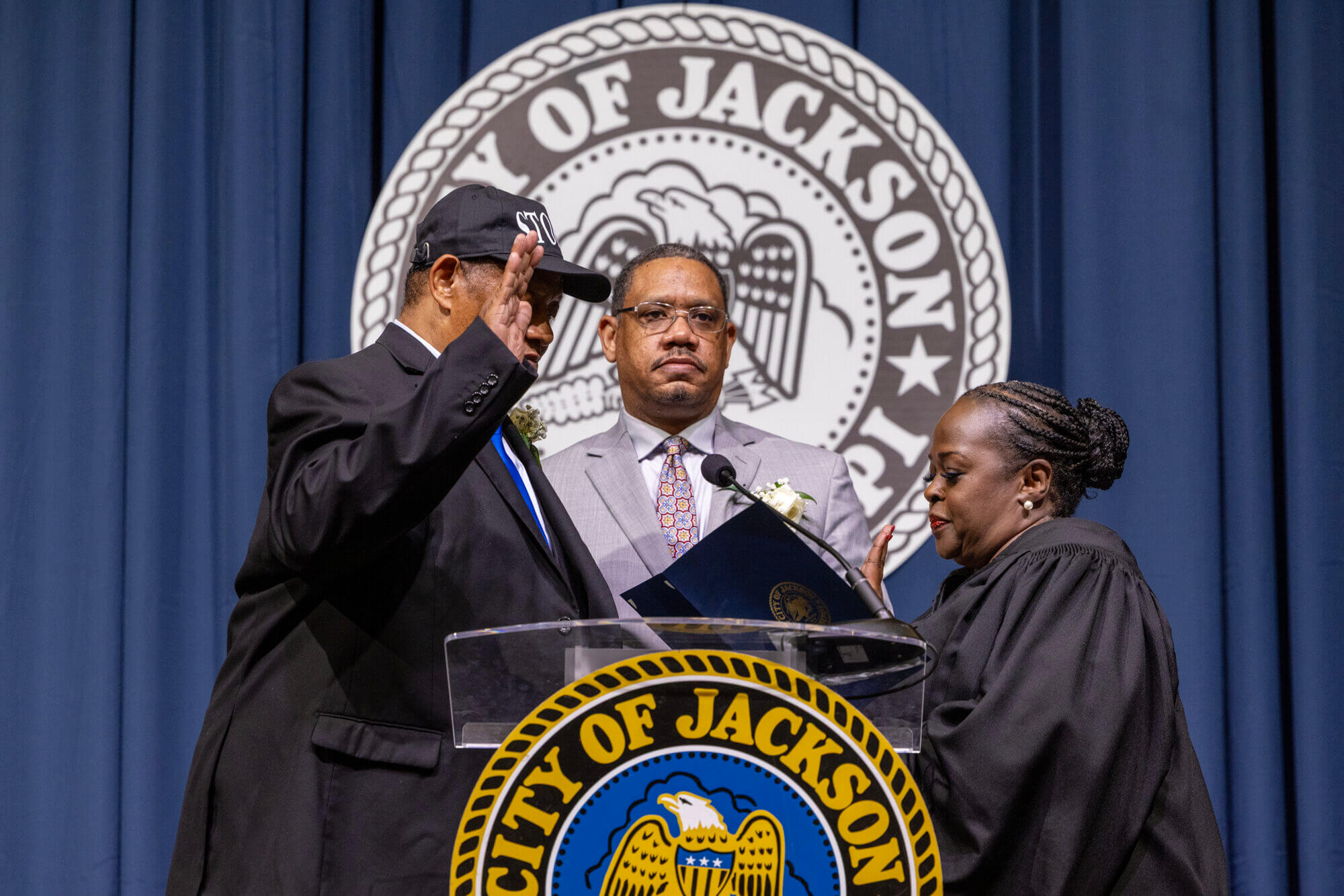
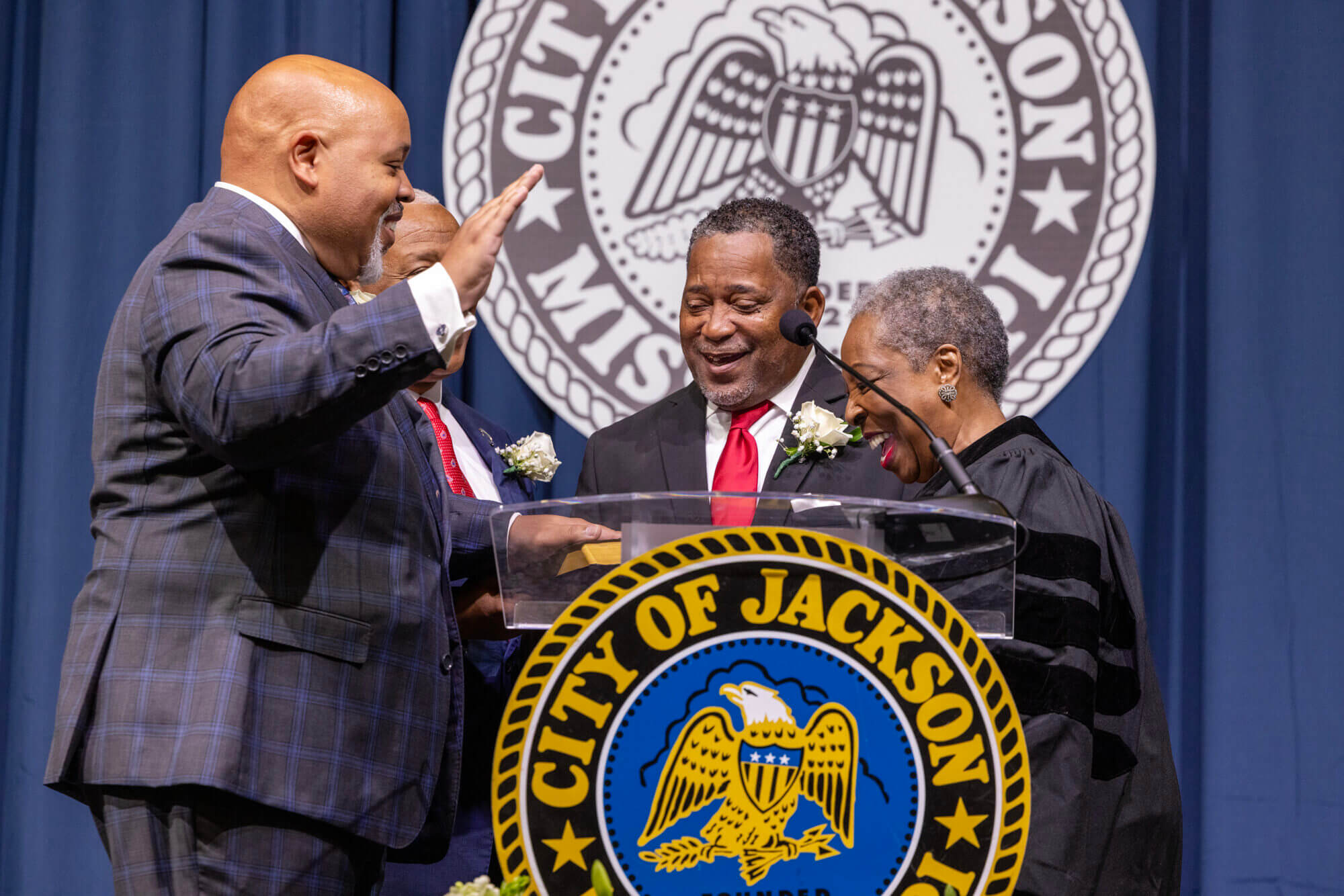
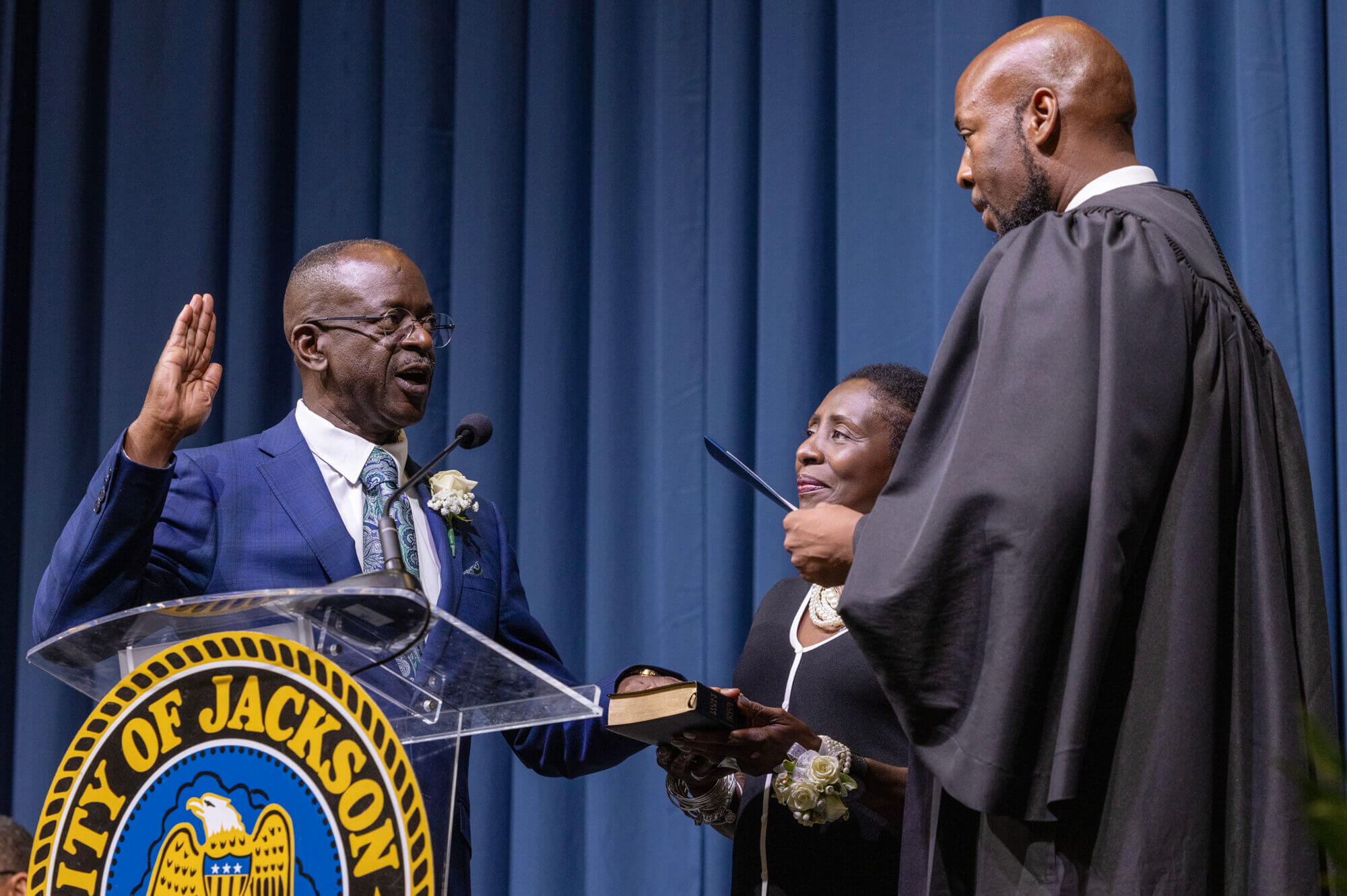
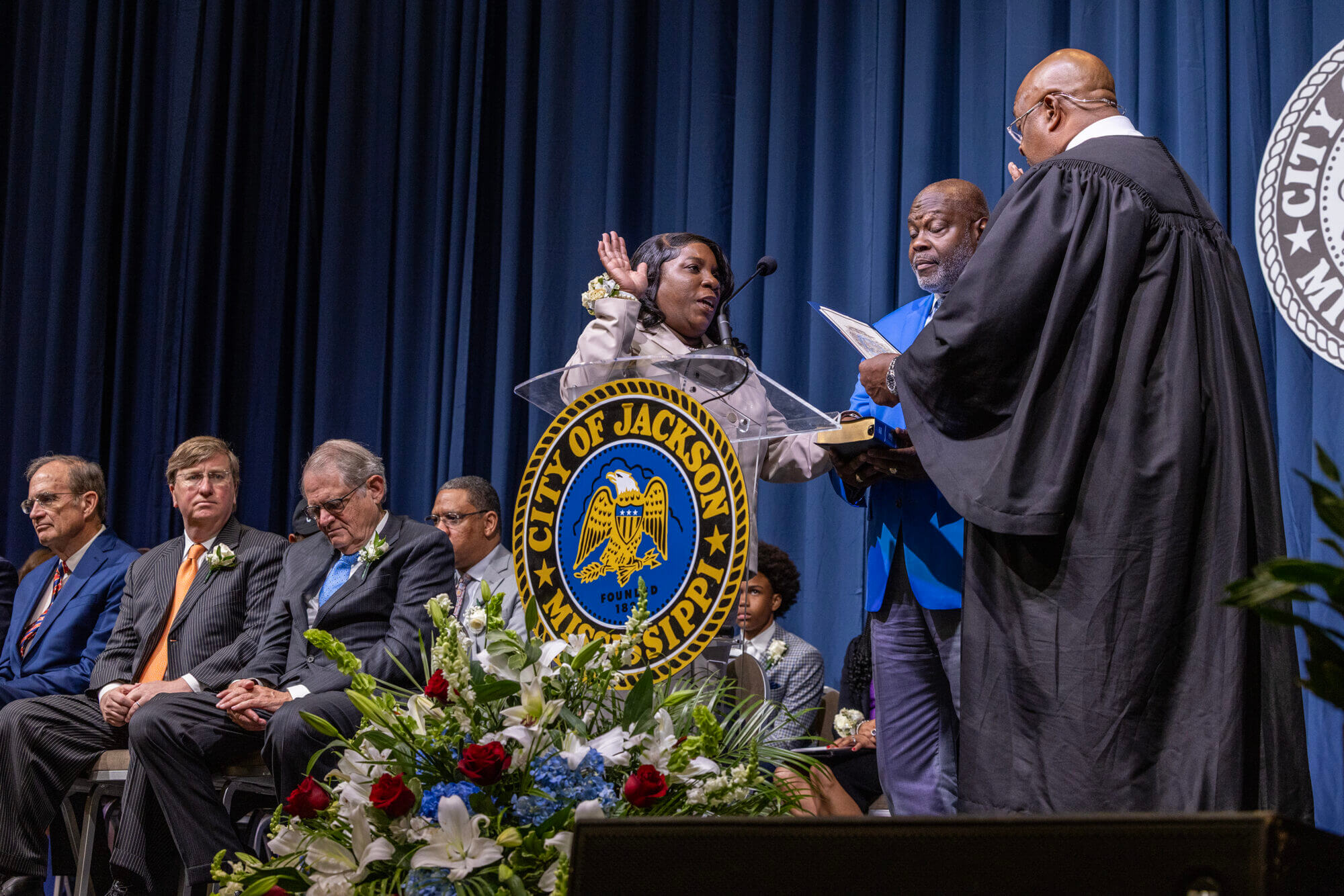
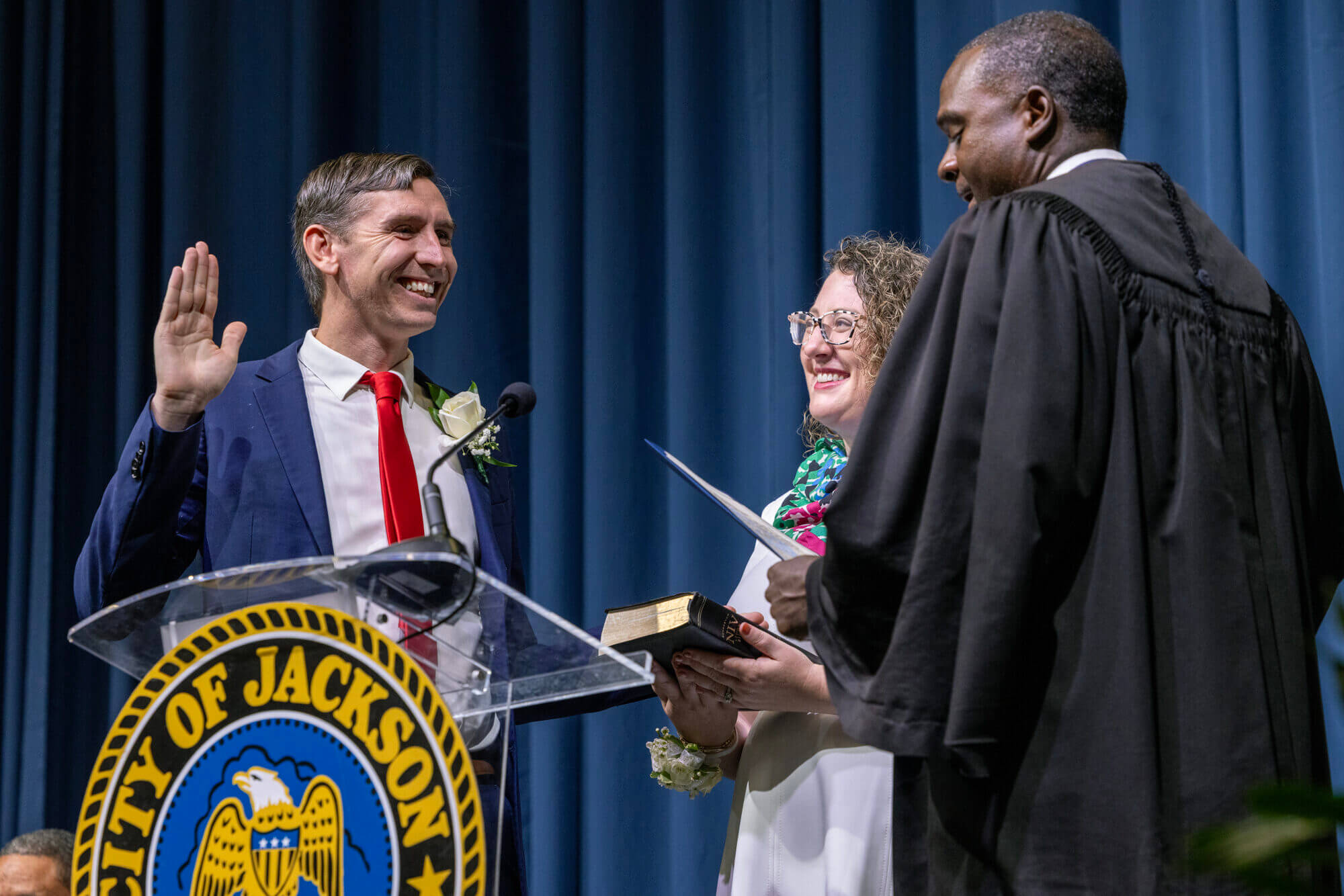
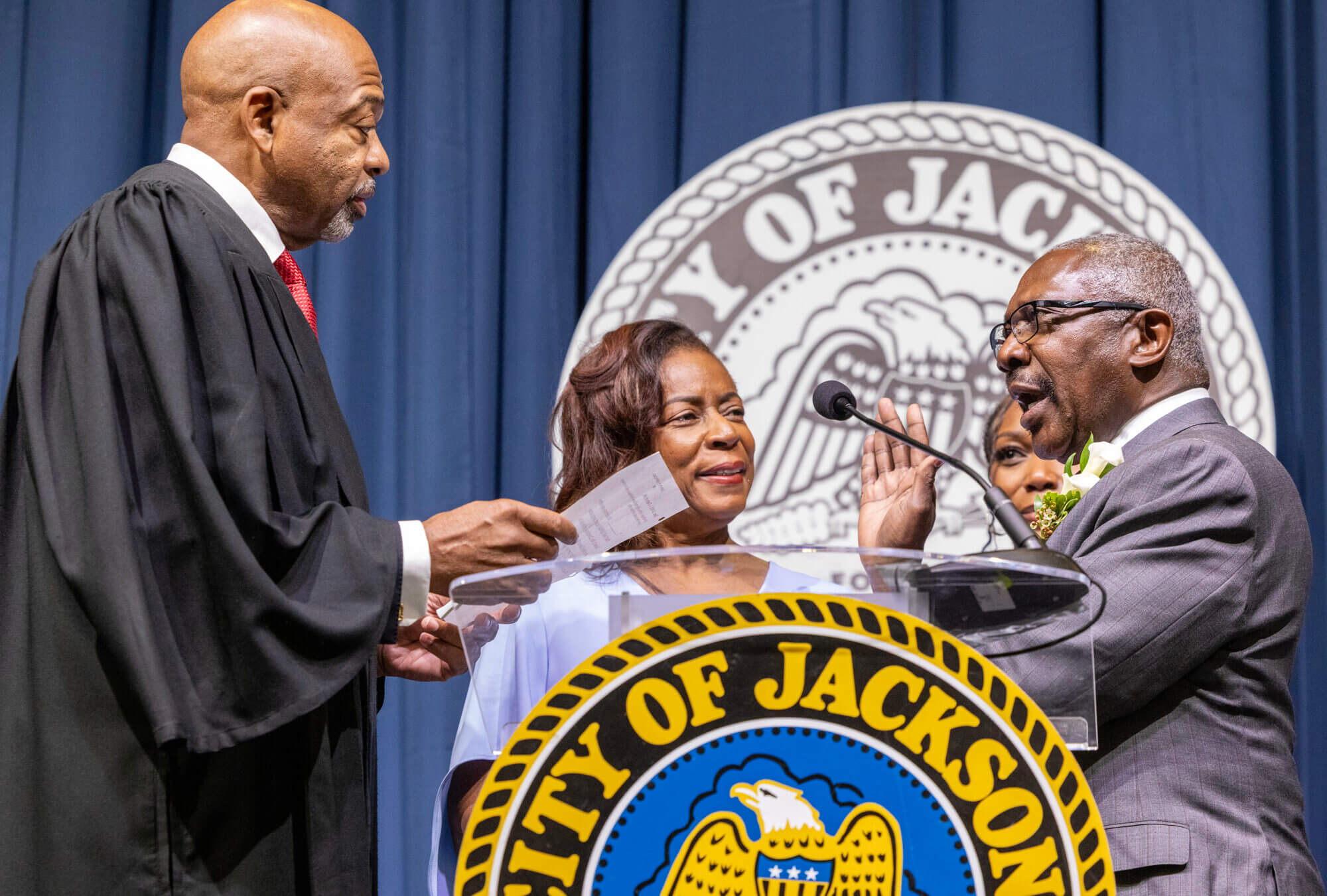
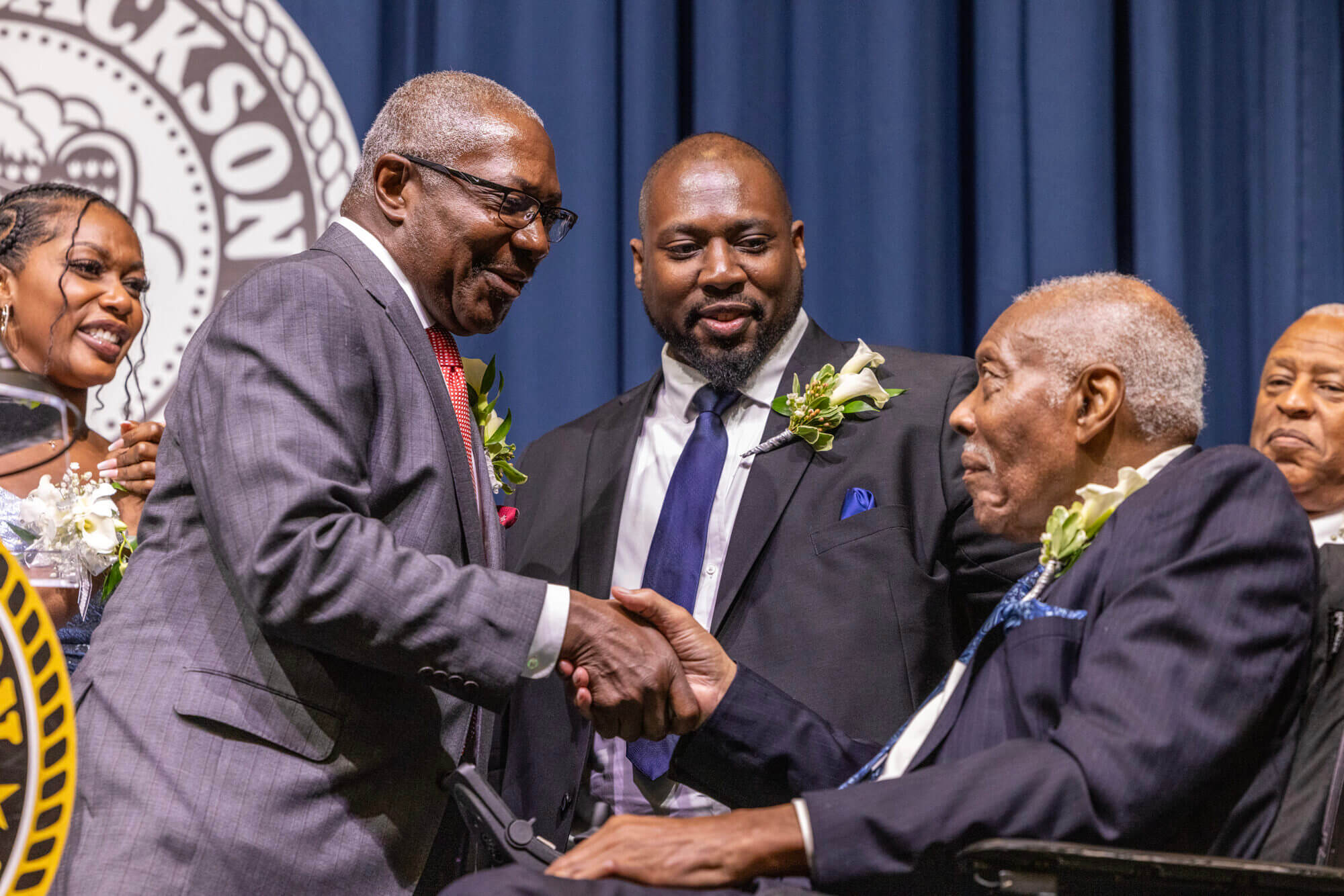
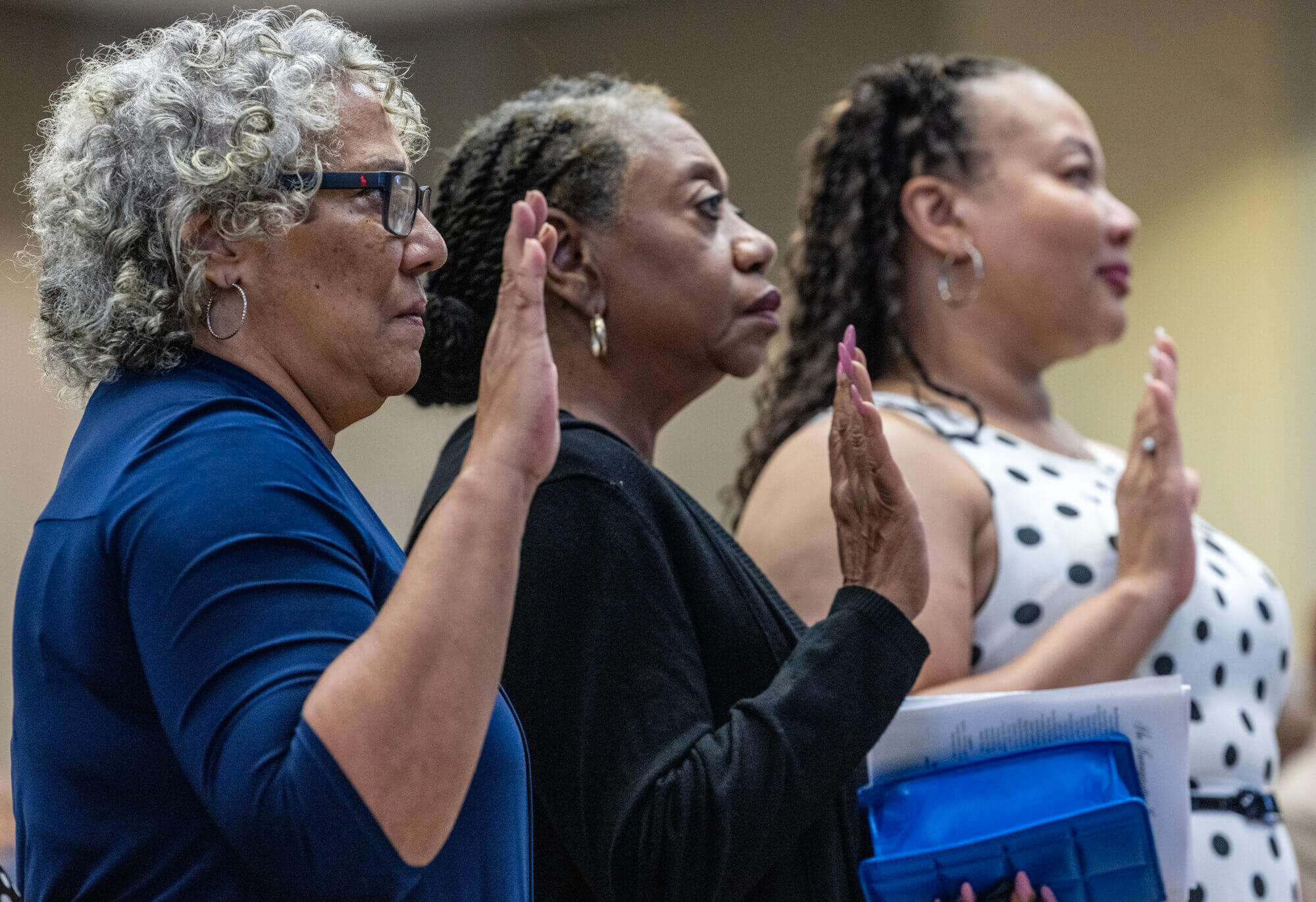
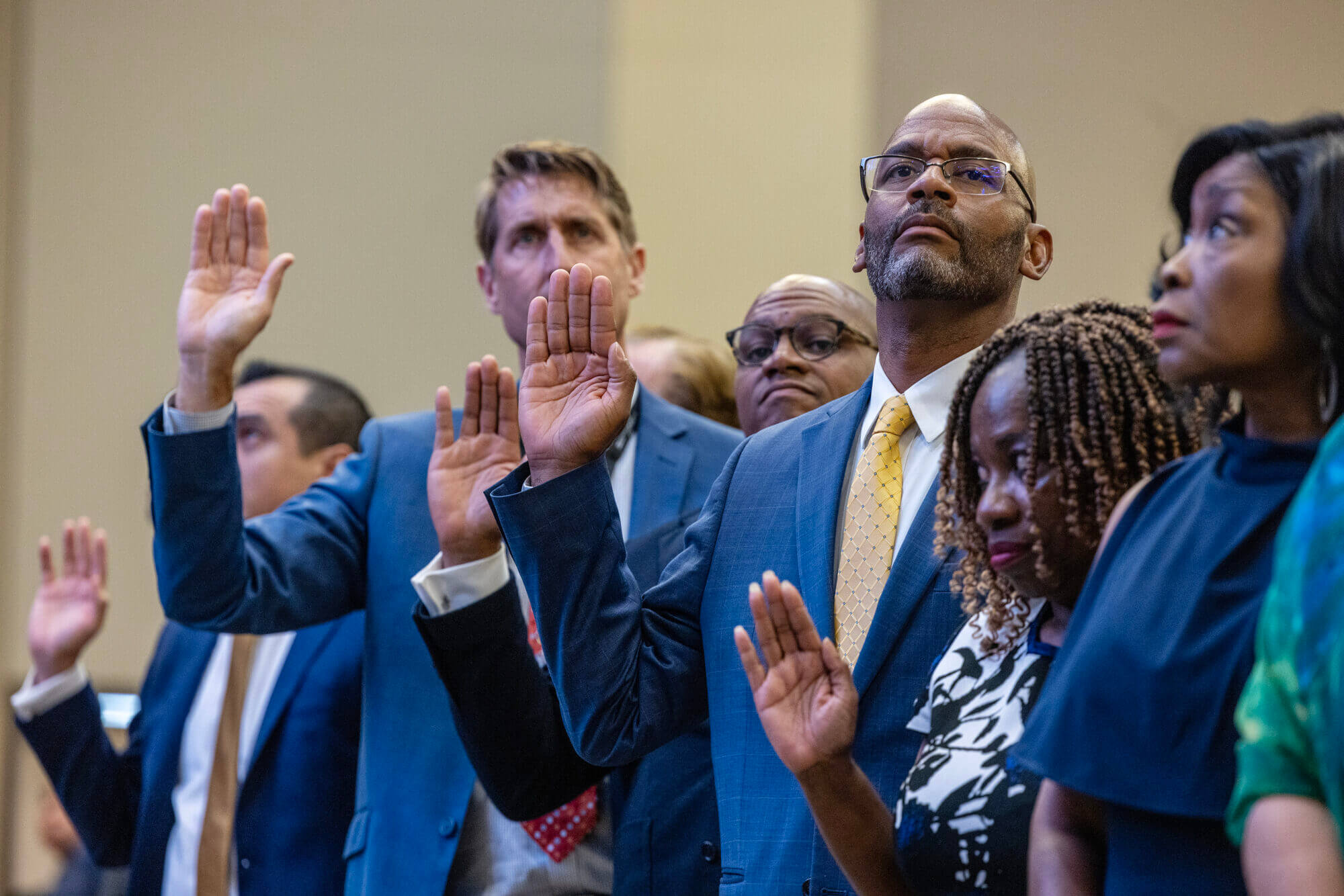
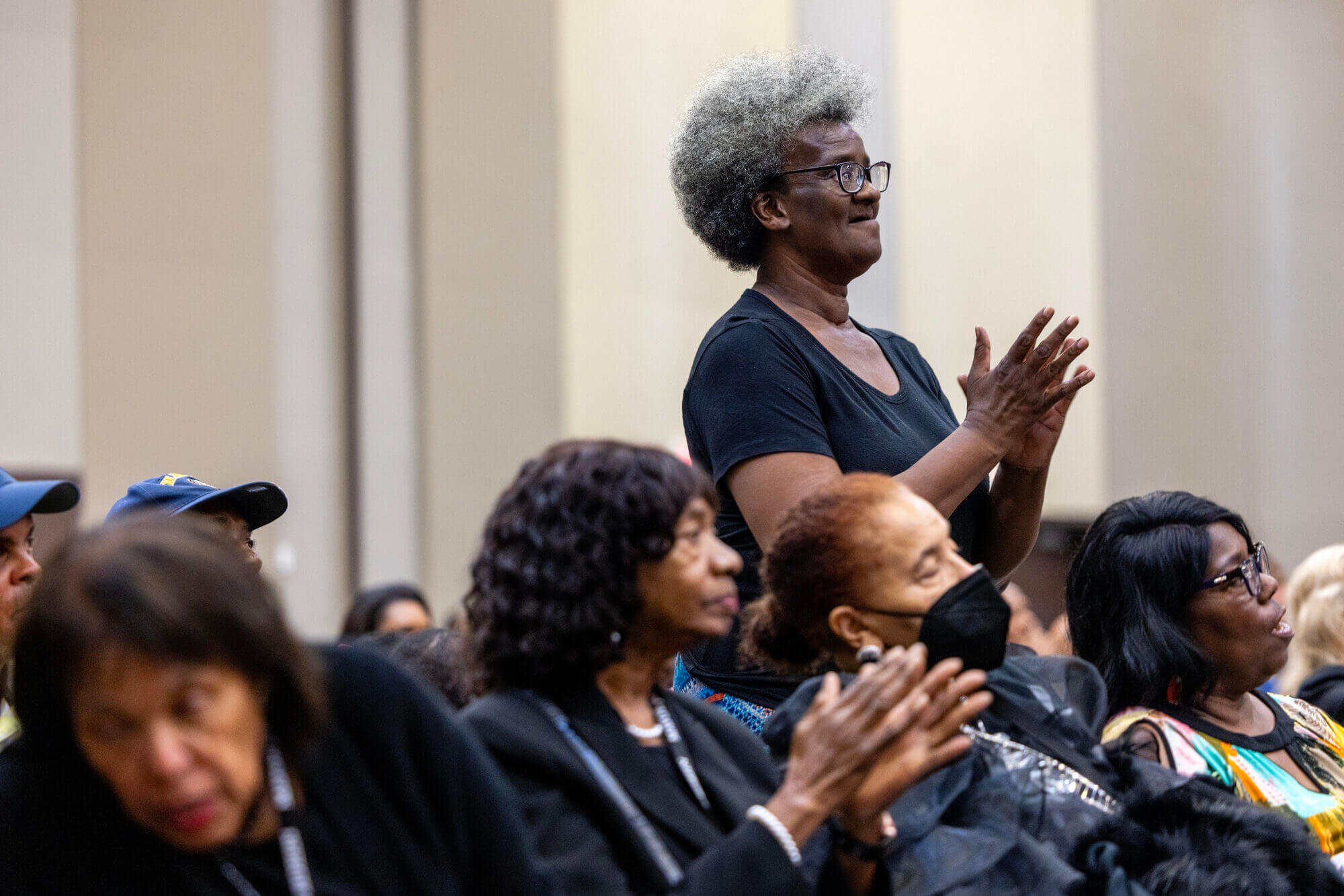
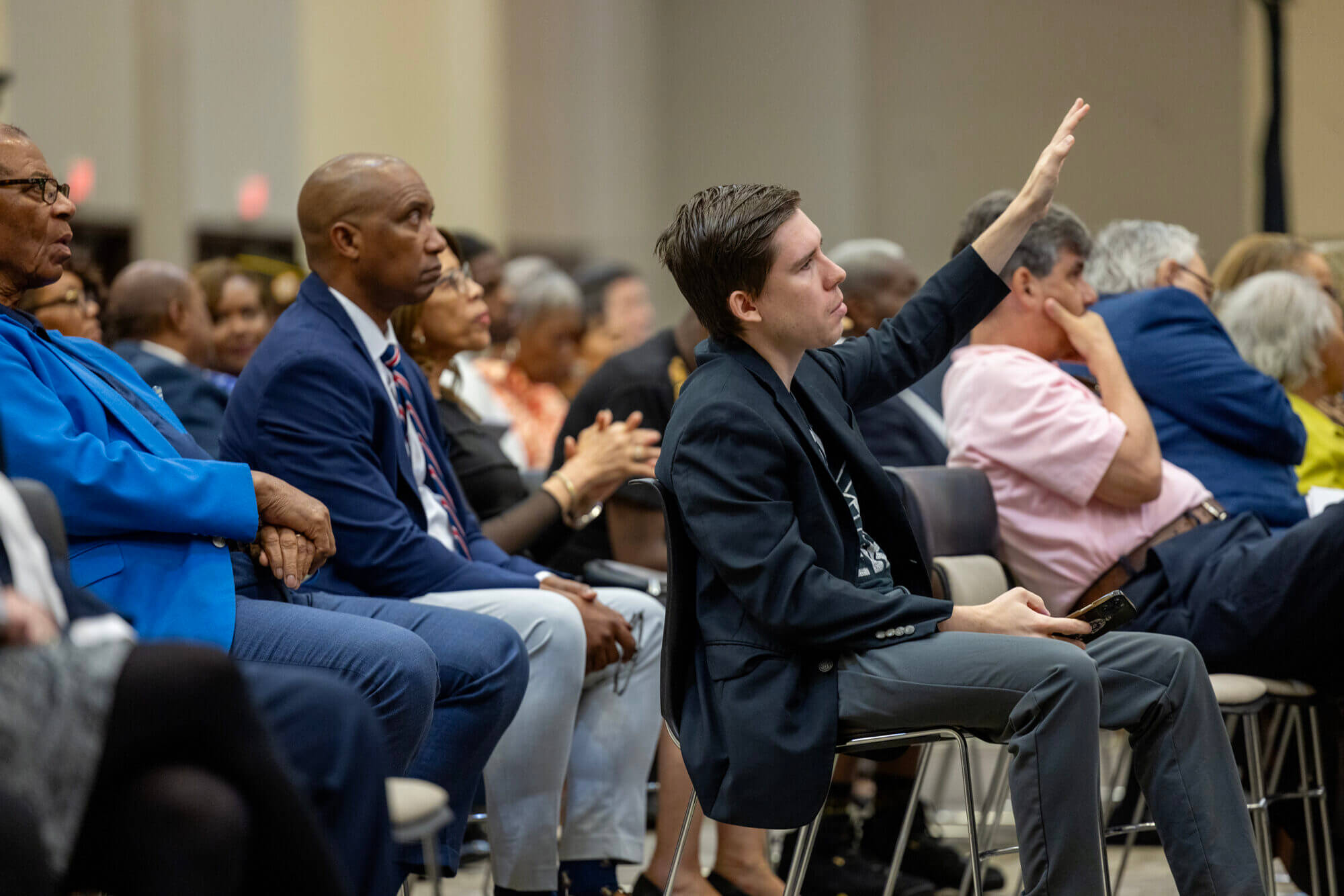
Horhn, 70, took the oath of office at 11 a.m. at the downtown Jackson Convention Complex following a prayer service led by eight religious leaders of different denominations. Council members, including the newly elected Kevin Parkinson of Ward 7 and Lashia Brown-Thomas of Ward 6, were also sworn into office.
The day concludes with an evening gala featuring performances from blues musicians Willie Clayton and Bobby Rush.
A longtime state senator representing parts of northwest Jackson and southern Madison County, Horhn has pledged to reorganize a dysfunctional City Hall, create a comprehensive plan, and work with developers to bring more business to Jackson.
The challenges are great: Jackson is the fastest shrinking capital city in the country, and many residents have lost faith in the city’s leadership to respond when they call with problems, much less fix systemic issues such as blight, economic divestment or Jackson’s relationship to the state government.
But Horhn will have the support of a coalition of city leaders representing real estate, restaurants, unions, city contractors and nonprofits. With their backing, Horhn rode to election, winning 3 to 1 in the Democratic primary runoff over outgoing Mayor Chokwe Antar Lumumba and facing no serious opposition in the general election.





Check back for updates to this developing story.

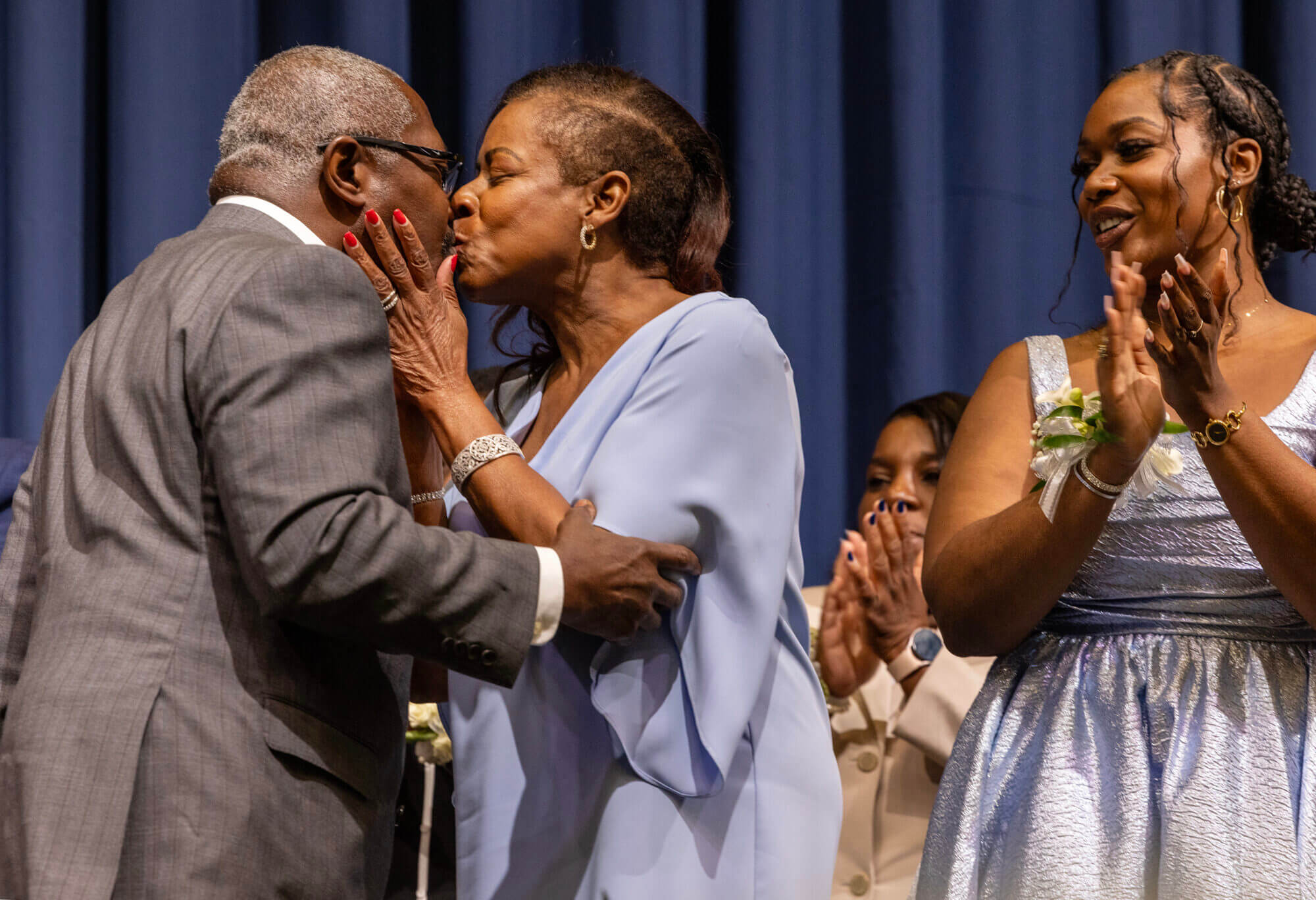
“But because of our combined love for Jackson,” Mayor John Horhn said in his inaugural address, referencing his wife, Lydia Gail Horhn. “We decided that we’re gonna do this.”
Horhn said he’s putting together a team he’s asking to do three things:
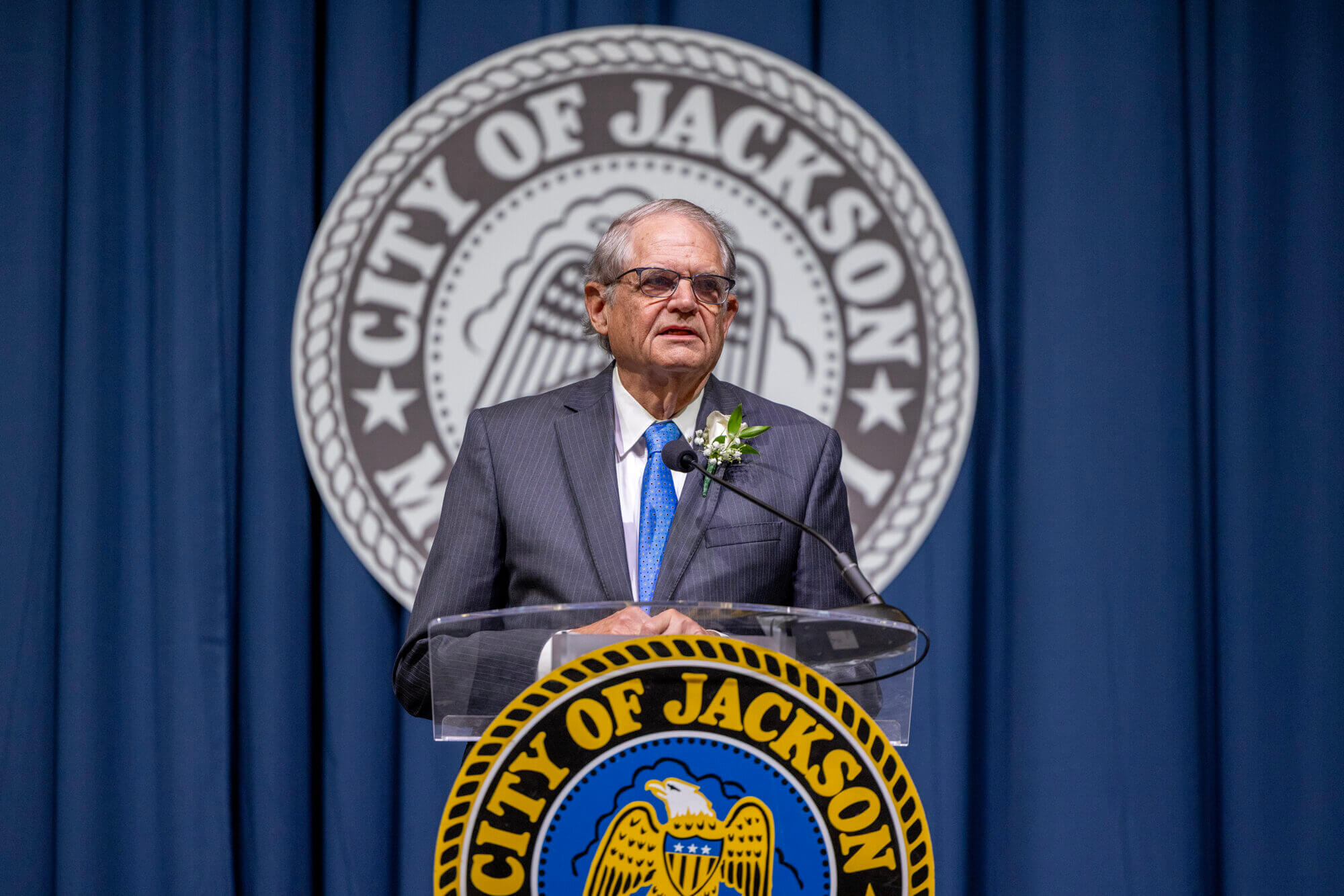
In his inaugural address, Jackson’s new mayor John Horhn spoke directly to the state’s top leaders.
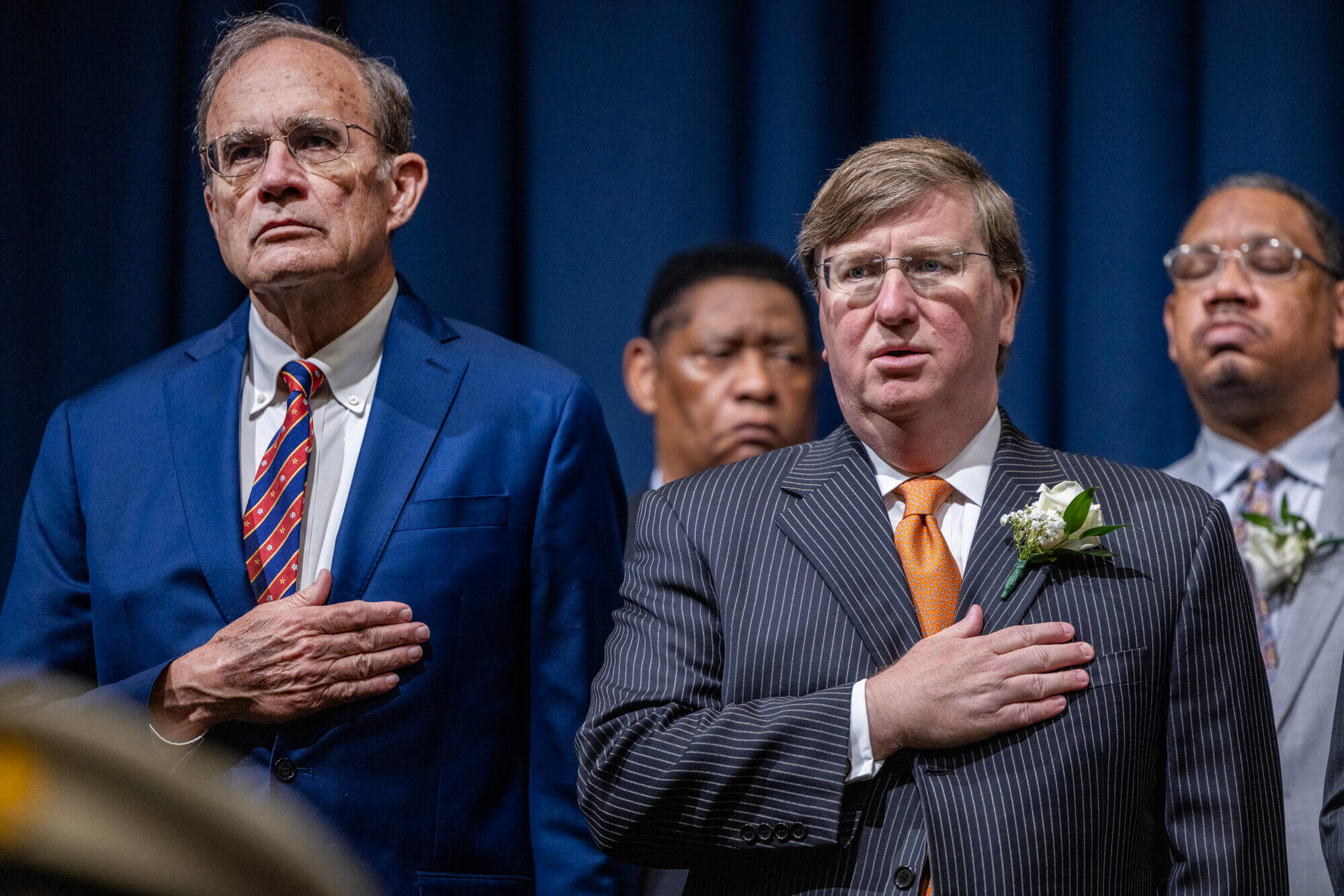
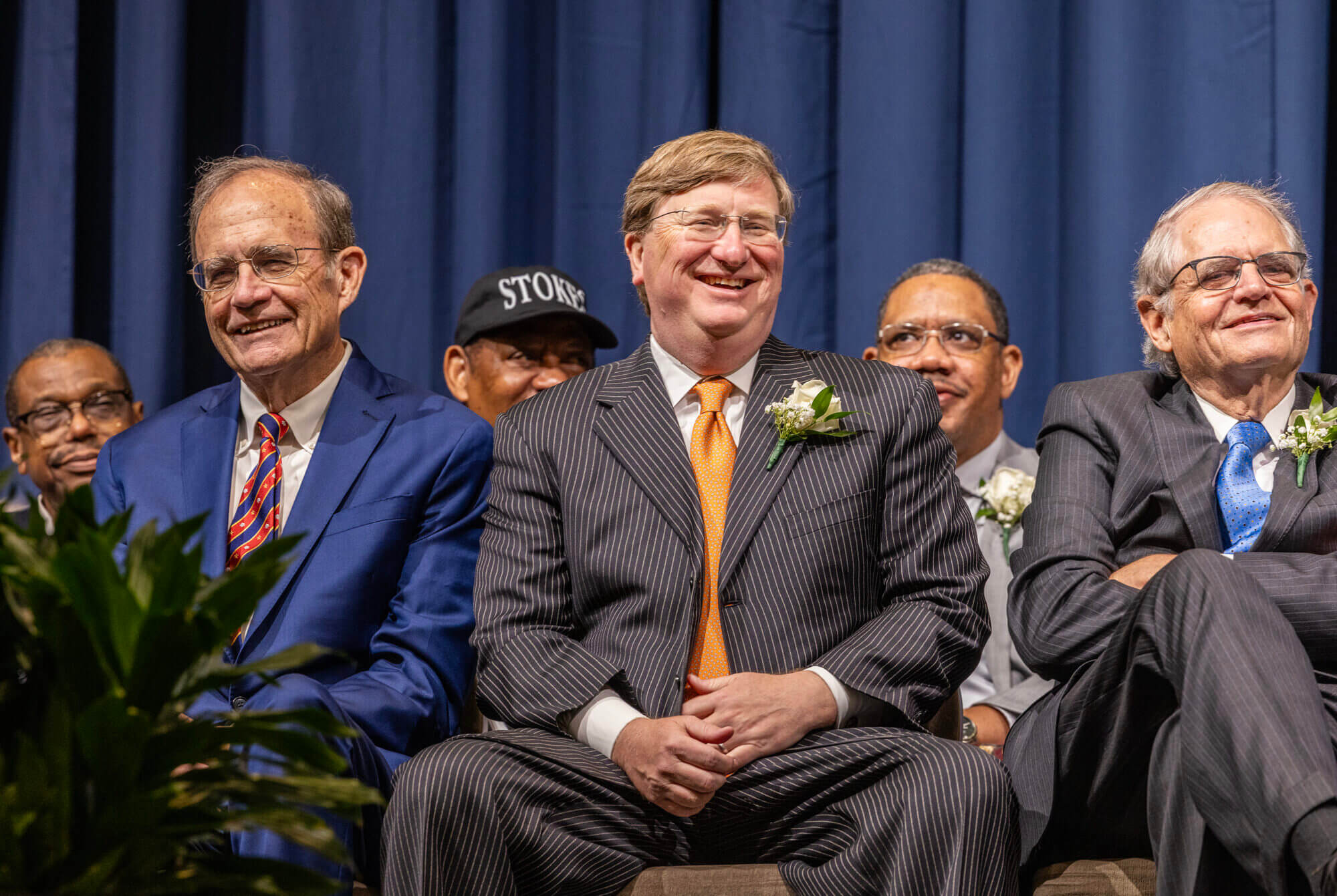
“You gentlemen lead the state,” Horhn said to Gov. Tate Reeves and Lt. Gov. Delbert Hosemann. “And you’re doing everything you can, I believe, to lead it to greatness. And we in the city of Jackson, the capital city, look forward to working with both of you gentlemen.”
He said that he’s met with leaders in Washington, who told him, “We want to help Jackson, just tell us what you need.”
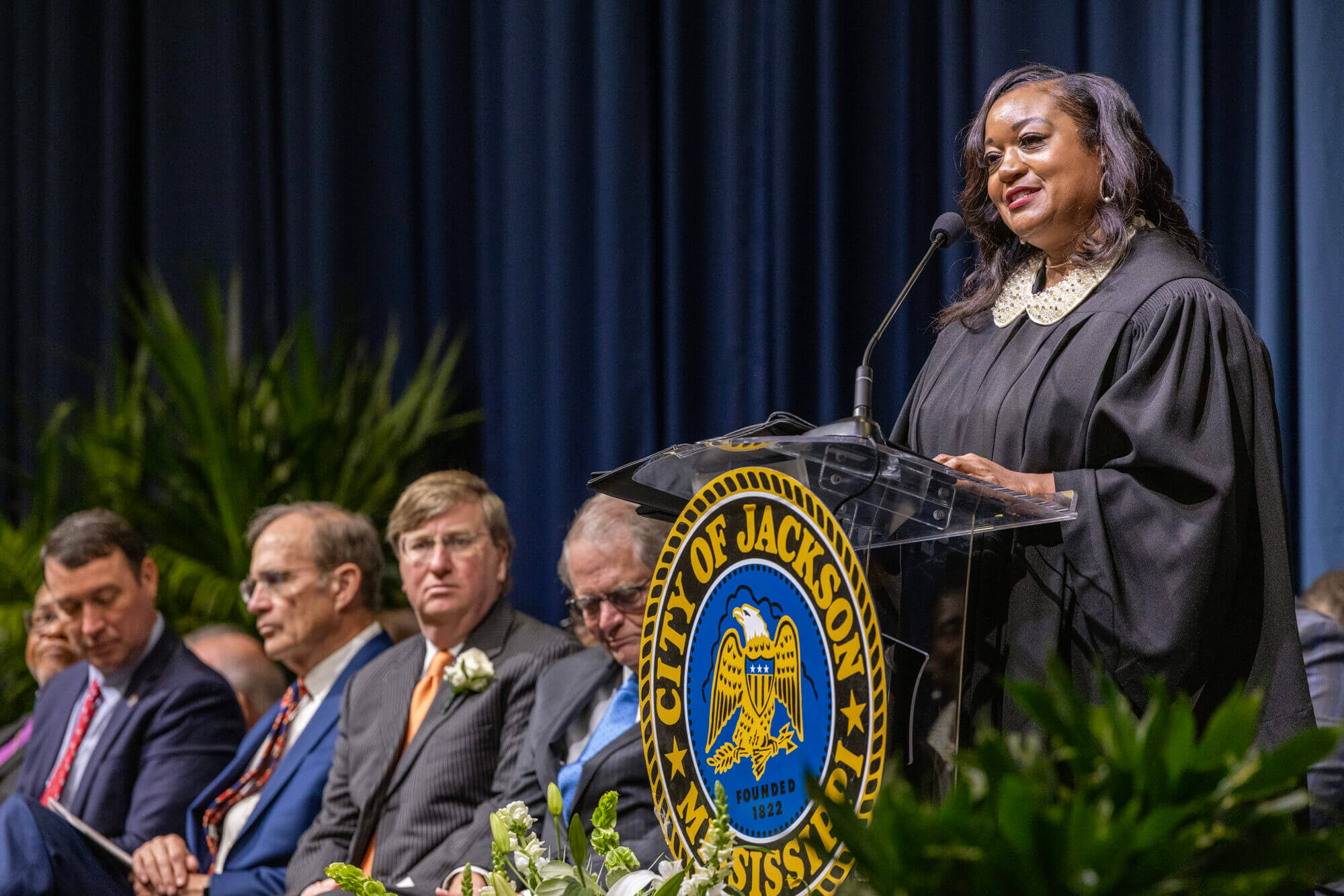
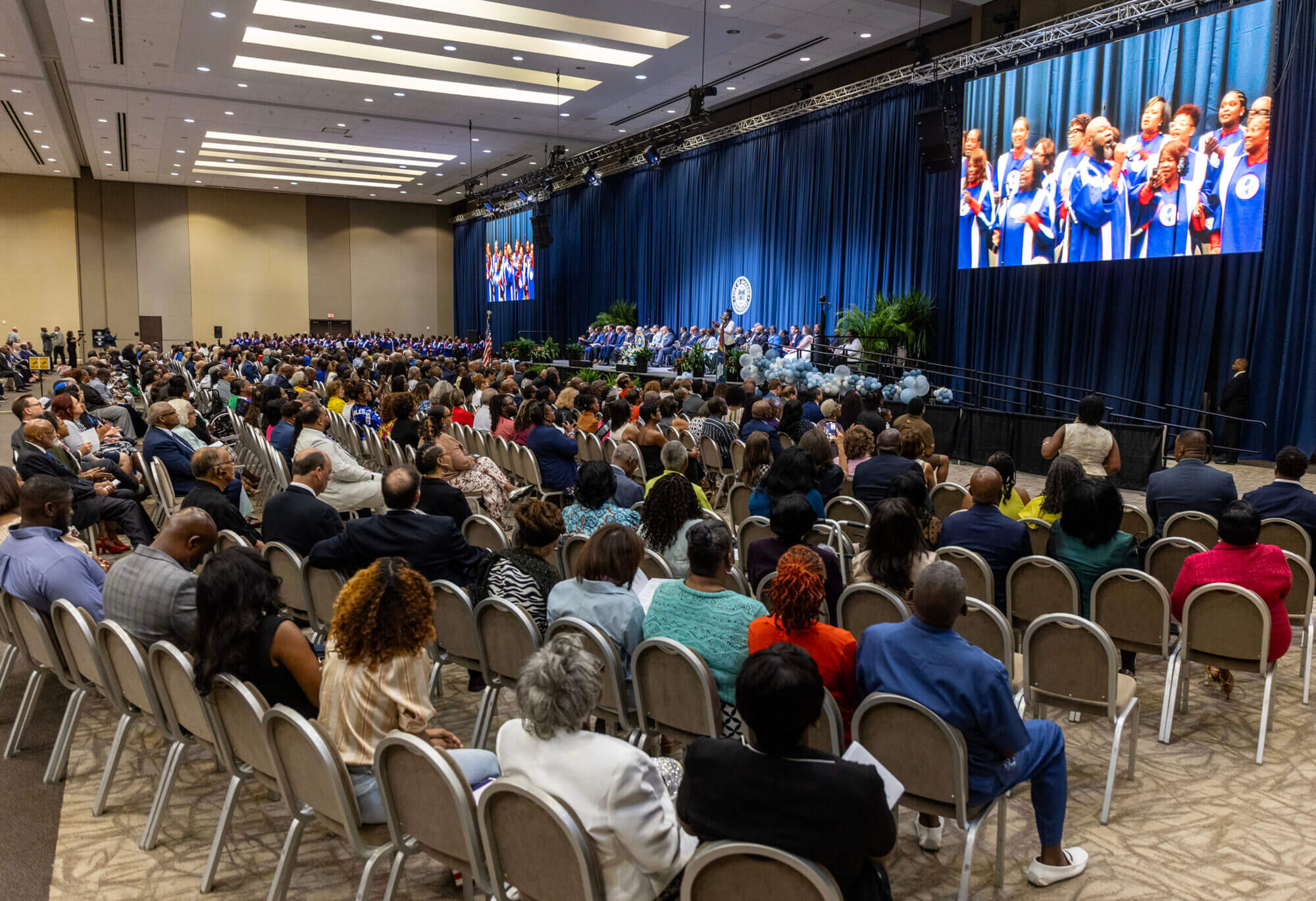
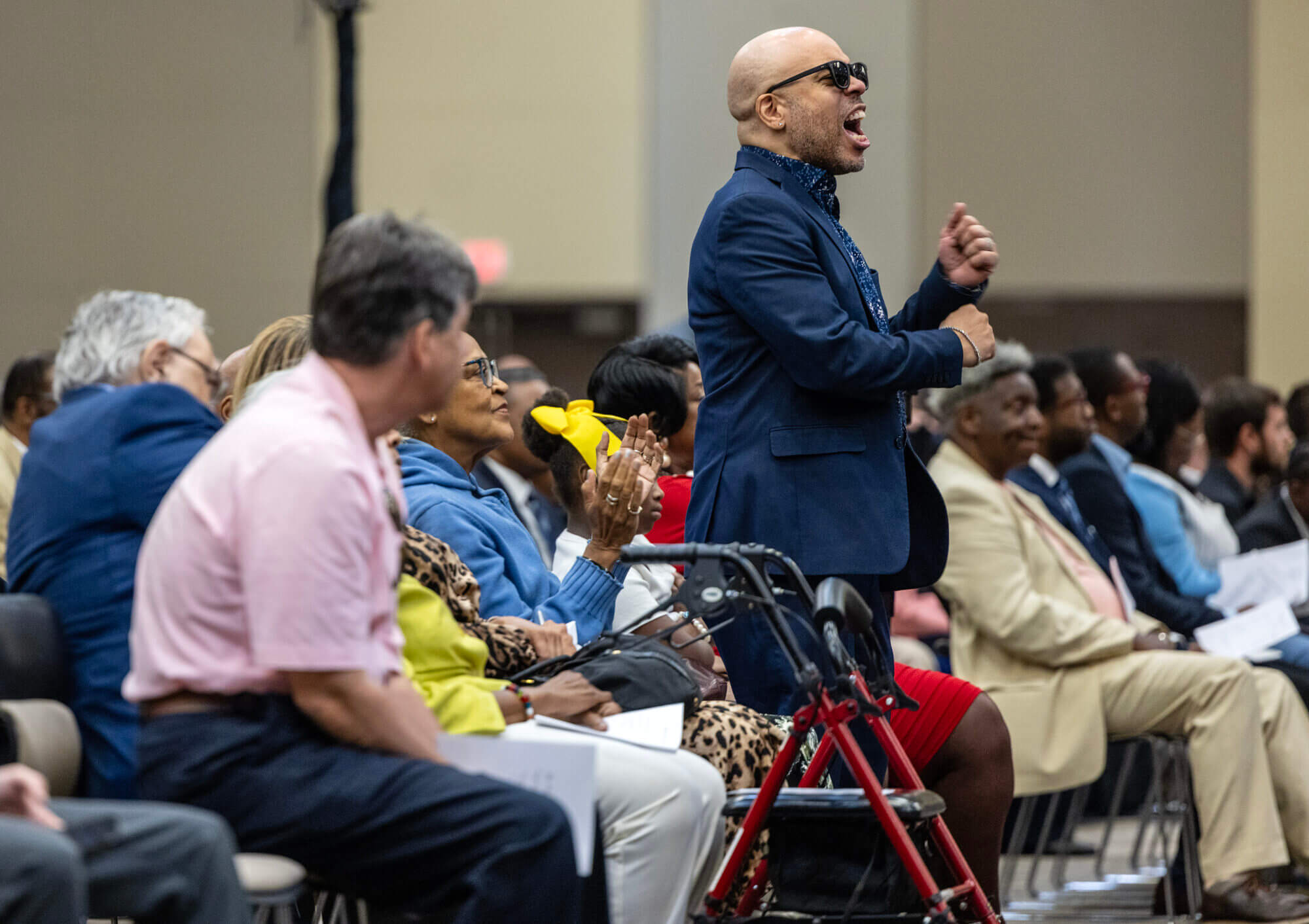
After John Horhn took the oath of office, becoming Jackson’s 54th mayor, Hinds County Chancery Court Judge Crystal Wise Martin asked inauguration attendees to emulate the Mississippi Mass Choir – which minutes earlier delivered a powerful rendition of “We Praise You” – while taking the people’s oath of support for the mayor and city council.
“I want you to give a resounding ‘We will,’ just like you were listening to the Mississippi Mass Choir,” Martin said.
“Together, we will shape a Jackson that reflects the strength of pride and the promise of its people,” she said, followed by a pledge of service to Horhn and council members; the crowd returned.
After, the Mississippi Mass Choir sang “The Promise,” with the repeating refrain, “I’m ready.”

As Jacksonians filed into the downtown convention center Tuesday morning to watch Mayor John Horhn take the oath of office, a notable face was missing from the crowd.

Former Mayor Chokwe Antar Lumumba said at a press conference Monday that he would not be able to attend the inauguration because he had to go to work. Before becoming mayor in 2017, Lumumba led a local law firm, Lumumba and Associates.
A visit to the address listed for the firm at 440 N. Mill Street Tuesday morning showed a building that appears to have been deserted for some time. A large crack in the front door’s glass was covered with poster board and a pot of fake purple flowers.
There were no cars in the parking lot. Multiple calls to Lumumba and a number listed on a piece of paper taped to the inside of the front door were not returned. A call to the number for the law office on Google yielded a busy signal.
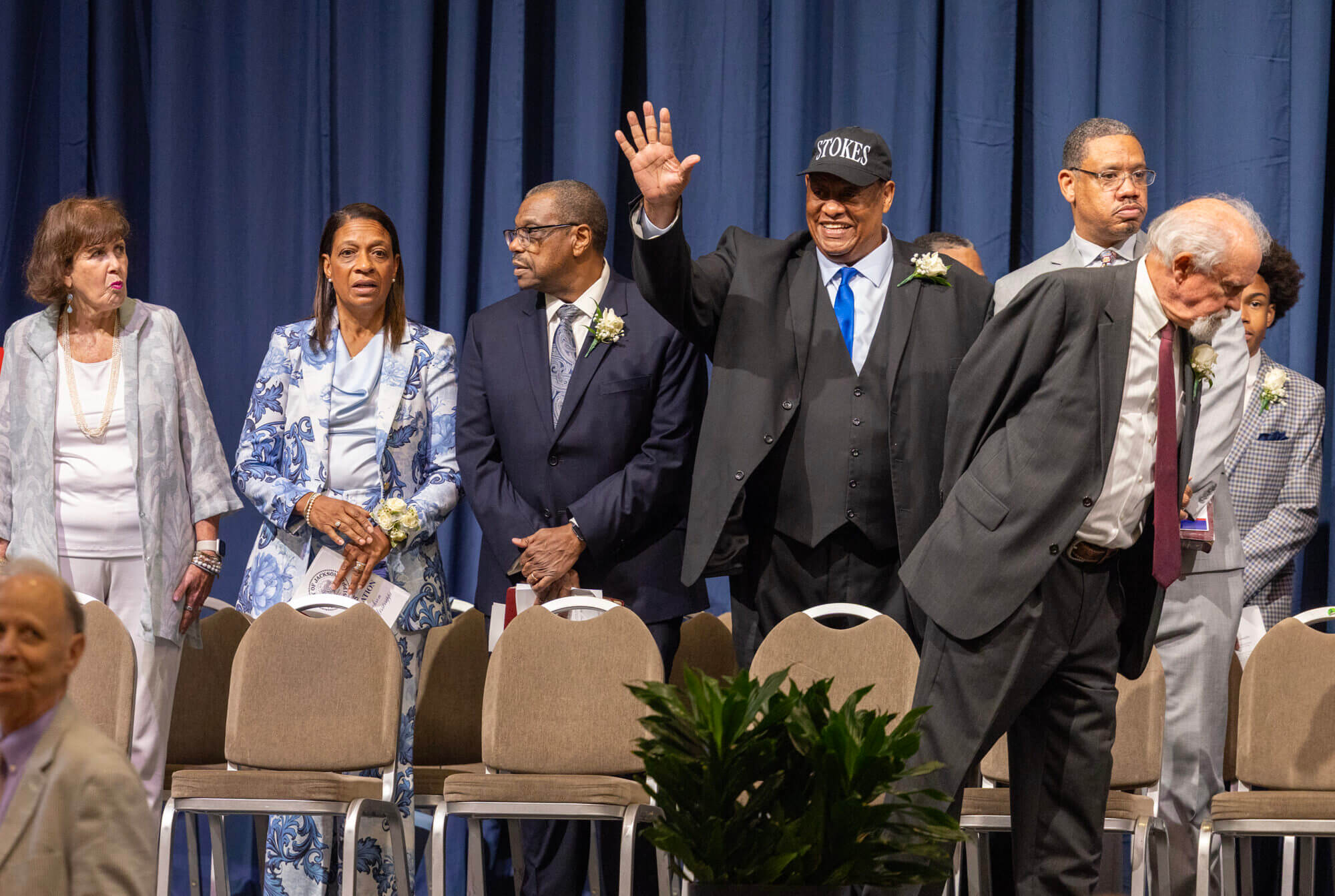
“I’d like to take just a moment of personal privilege here to acknowledge my good friend Kenny Stokes. And the reason I’m doing this to him is because he was on the city council when I was mayor,” said former Jackson mayor Kane Ditto, garnering a laugh from the audience.
Councilman Kenny Stokes is the longest serving member of the current Jackson City Council. He and Ditto both took office in 1989, and Ditto served until 1997.

Gov. Tate Reeves, the Republican governor of Mississippi who served as a foil to Jackson’s Democratic leadership in recent years, pledged a “renewed commitment” to progress in the capital city, calling it vital to the future of the state in a speech during Mayor John Horhn’s inauguration Tuesday.
“I want everyone to know the state stands ready to work with Mayor Horhn and the city of Jackson,” Reeves said. “We may not always agree on everything, and that’s OK, but what matters most is we keep our eye on the bigger picture.”
Those shared goals include clean water, better schools, safer neighborhoods, good jobs and more opportunity for every Jacksonian, Reeves said, commending Horhn for stepping up to what he called “a big job.”
“Our capital is more than a geographic center,” Reeves said. “It is a cultural hub, an economic driver and a symbol of who we are as a state. For Mississippi to reach our full potential, we need Jackson to succeed.”
From his experience working with Horhn in the Legislature, Reeves, who served as lieutenant governor from 2012 to 2020, said he knows Horhn possesses a deep love for Jackson and a vision for its future.
“He’s been a tireless advocate for the capital city in the state Senate, and I dare say no one can speak more authoritatively on that fact than someone who had to deal with his passion daily for years,” Reeves said, garnering chuckles from the crowd before adding, “someone such as myself.”
When former Mayor Chokwe Antar Lumumba was in office, some politicos in Jackson felt it would be impossible for Reeves, a conservative, to work with a mayor who had pledged to make the city the most radical in the country, an observation that Reeves seemed to reference toward the end of his speech.
“I believe in what’s possible if and when we work together,” he said. “Not as what many politicos and even some of our constituents may see as a mutually beneficial adversary, but as partners.”
But the inability to work together went beyond optics: In 2022, Reeves blamed the water crisis on what he deemed “the “absolute and total incompetence of this mayor and his administration.”
After Reeves spoke, U.S. Congressman Bennie Thompson quipped the audience had just heard “all the good stuff” the state’s other leaders said they would do for Jackson. Then he addressed Horhn.
“Mayor, I know at some point you’ll go looking forward to collect,” he said.
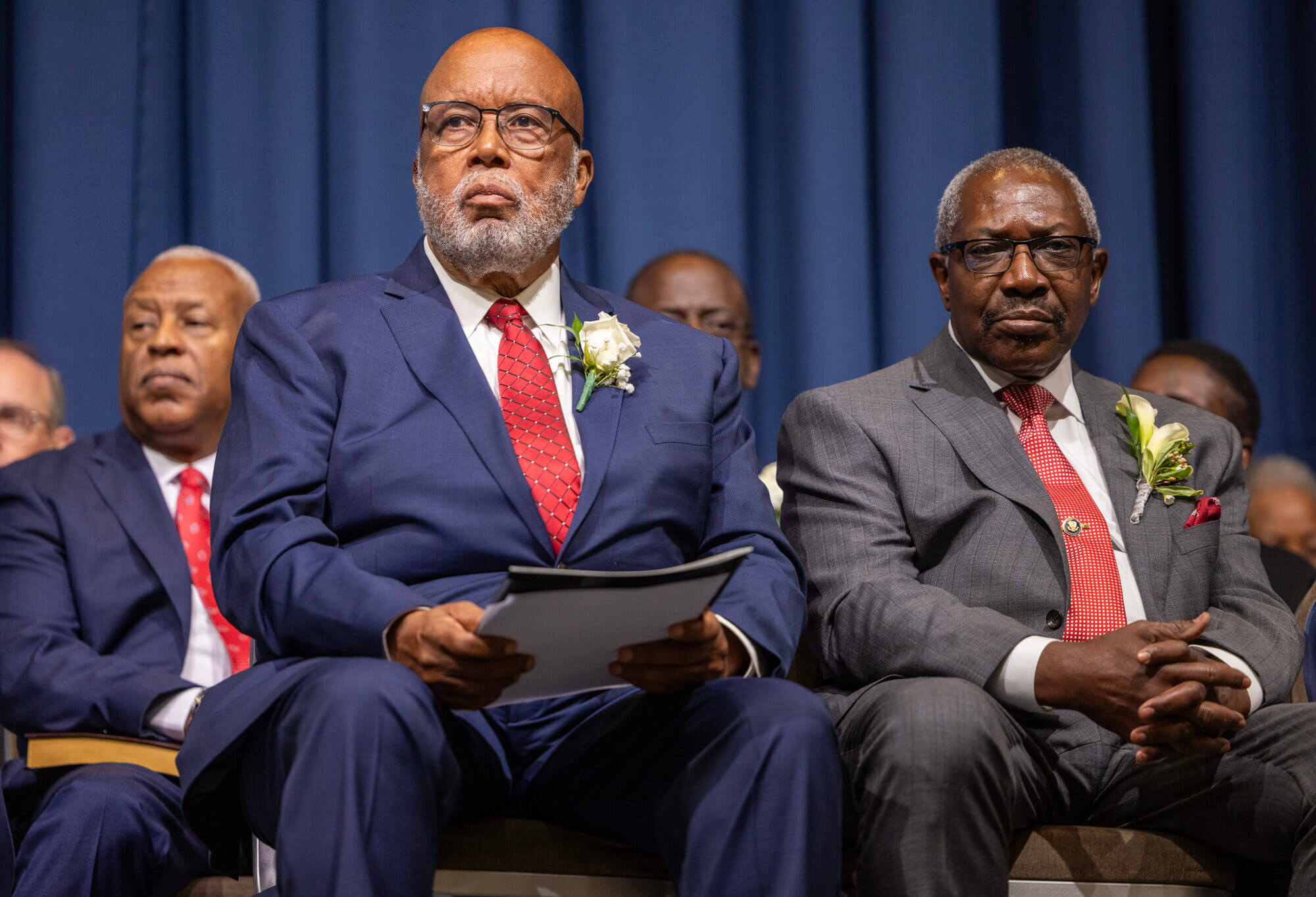
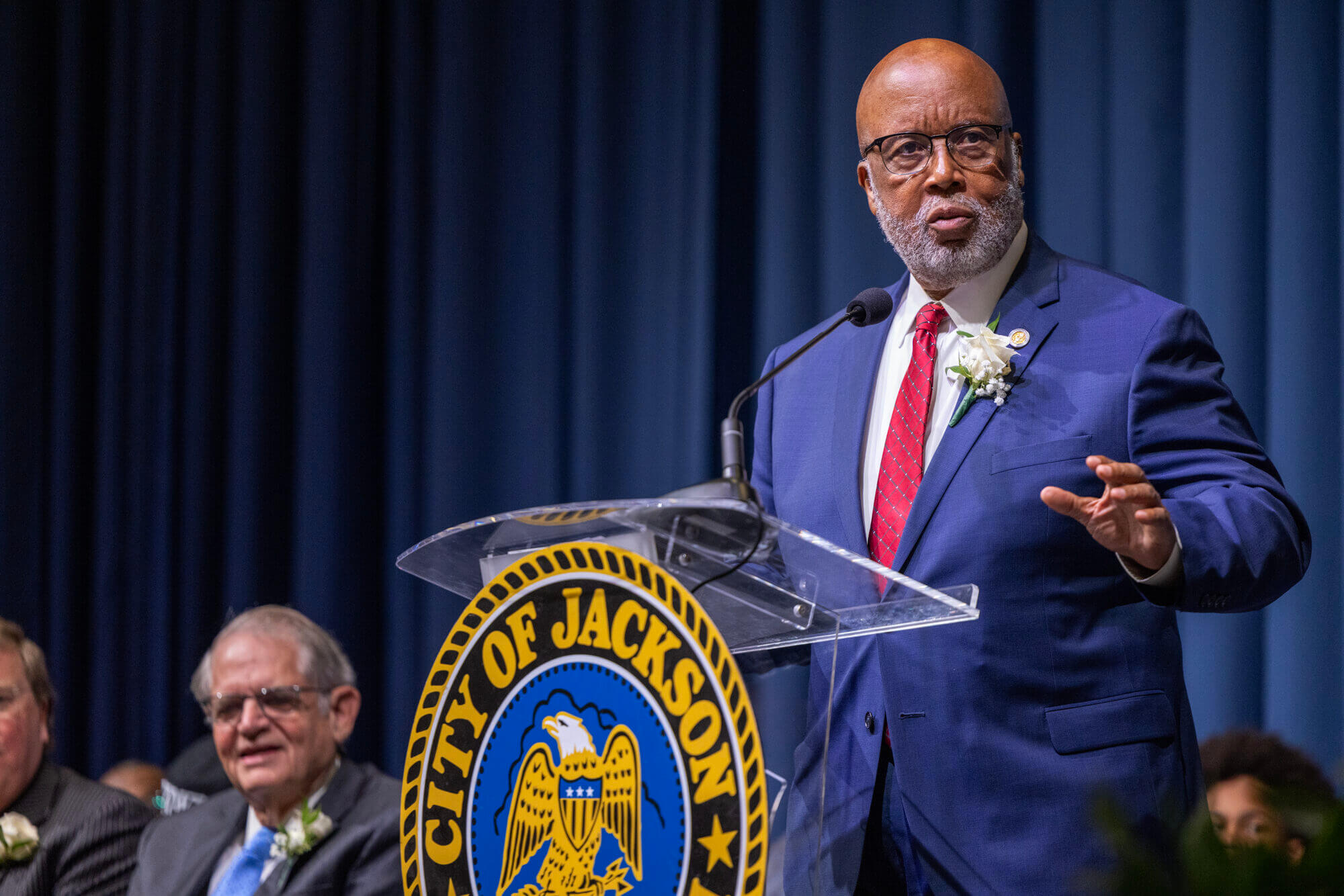
U.S. Congressman Bennie Thompson spoke first at the inauguration of Jackson Mayor John Horhn. Thompson endorsed Horhn during the April Democratic primary runoff.
“This is what we do in a democracy,” said Thompson, who chaired the House Select Committee to investigate the Jan. 6, 2021 attack on the nation’s Capitol. “We settle our differences at the ballot box. Sometimes we win, sometimes we lose. But we don’t tear the place up. … I’m pleased that we can stand as a community to commemorate this iconic event and bear witness to another beginning, a newly elected administration, a new vision, a new energy and a renewed commitment to build the city of Jackson.”
Jackson clergy said they felt hopeful after the inaugural prayer service held this morning for Mayor John Horhn.
John Allen, associate pastor at Anderson United Methodist Church, said the prayer service reinvigorated the community’s faith in its elected officials.
“This kind of thing brings renewal,” he said. “It helps us to renew our faith, and also when we’re actually praying over the mayor and over the city, it kind of reinvigorates a renewal in our faith and the person that we’ve elected, but also in God in orchestrating all of that.”
Domini Henry, pastor at Central United Methodist Church, said that a leader’s faith in God helps build the community’s trust in them as a leader.
“When we see them exemplifying faith, and when we see them trust Him, then it helps us put our trust in them and that leads to more positive things happening for the city, because the leadership has placed themselves in God’s hands for guidance,” Henry said.
He said that though the prayer service was for one day, clergy should continue to come together and support the mayor in his journey as an elected official.
“This is just a mark of what we ought to continue to do,” Henry said. “This just shouldn’t be a one day thing. We should continue to circle around our mayor as clergy and as leaders to pray and uplift him and the city.”
Before John Horhn officially took office Tuesday morning, the city of Jackson’s website was already sporting a new look, complete with a new logo, a new slogan and a form inviting users to “follow us for update (sic) now!”
The new home page includes photos of Jackson City Hall and Horhn sitting in front of the building’s historic marker. The website’s former logo, which showed a colorful rendering of the city’s skyline, has been replaced with one inspired by the city’s official flag and a new slogan, “the city with vision and results.”
Under former mayor Chokwe Antar Lumumba, some Jacksonians expressed frustration with the city’s website, which was migrated to a new platform toward the end of last year. While the website had a host of information – from city council agendas and meeting minutes to a weekly schedule – it was often hard to find through the search function.
As of Tuesday, the city’s homepage is the only part of the website that appears to work. When a user tries to access the council meeting minutes, a message stating “this page either doesn’t exist, or it moved somewhere else” is returned. But Jacksonians can still access those pages via the Internet Archive.
A banquet hall at the Jackson Convention Center in downtown Jackson transformed into a church sanctuary Tuesday morning as local clergy gathered to pray over incoming Mayor John Horhn.
“Prayer is warfare, and we came to do battle,” said Jerry Young, pastor of New Hope Baptist Church. “We came here to fight for the city of Jackson, Mississippi.”
Hundreds packed into the hall for Horhn’s inaugural prayer service. Ten leaders from churches and temples across the city came together to pray for the city of Jackson. They prayed for key issues in Jackson, such as equity and justice, the city council, and for healing.


After more than 10 months closed due to mold, asbestos and issues with the air conditioning system, Thalia Mara Hall has officially reopened.
Outgoing Mayor Chokwe A. Lumumba announced the reopening of Thalia Mara Hall during his final press conference held Monday on the arts venue’s steps.
“Today marks what we view as a full circle moment, rejoicing in the iconic space where community has come together for decades in the city of Jackson,” Lumumba said. “Thalia Mara has always been more than a venue. It has been a gathering place for people in the city of Jackson. From its first class ballet performances to gospel concerts, Thalia Mara Hall has been the backdrop for our city’s rich cultural history.”
Thalia Mara Hall closed last August after mold was found in parts of the building. The issues compounded from there, with malfunctioning HVAC systems and asbestos remediation. On June 6, the Mississippi State Fire Marshal’s Office announced that Thalia Mara Hall had finally passed inspection.
“We’re not only excited to have overcome many of the challenges that led to it being shuttered for a period of time,” Lumumba said. “We are hopeful for the future of this auditorium, that it may be able to provide a more up-to-date experience for residents, inviting shows that people are able to see across the world, bringing them here to Jackson. So this is an investment in the future.”
In total, Emad Al-Turk, a city contracted engineer and owner of Al-Turk Planning, estimates that $5 million in city and state funds went into bringing Thalia Mara Hall up to code.
The venue still has work to be completed, including reinstalling the fire curtain. The beam in which the fire curtain will be anchored has asbestos in it, so it will have to be remediated. In addition, a second air-conditioning chiller needs to be installed to properly cool the building. Until it’s installed, which could take months, Thalia Mara Hall will be operating at a lower seating capacity of about 800.
“Primarily because of the heat,” Al-Turk said. “The air conditioning would not be sufficient to actually accommodate the 2,000 people at full capacity, but starting in the fall, that should not be a problem.”
Al-Turk said the calendar is open for the city to begin booking events, though none have been scheduled for July.
“We’re very proud,” he said. “This took a little bit longer than what we anticipated, but we had probably seven or eight different contractors we had to coordinate with and all of them did a superb job to get us where we are today.”
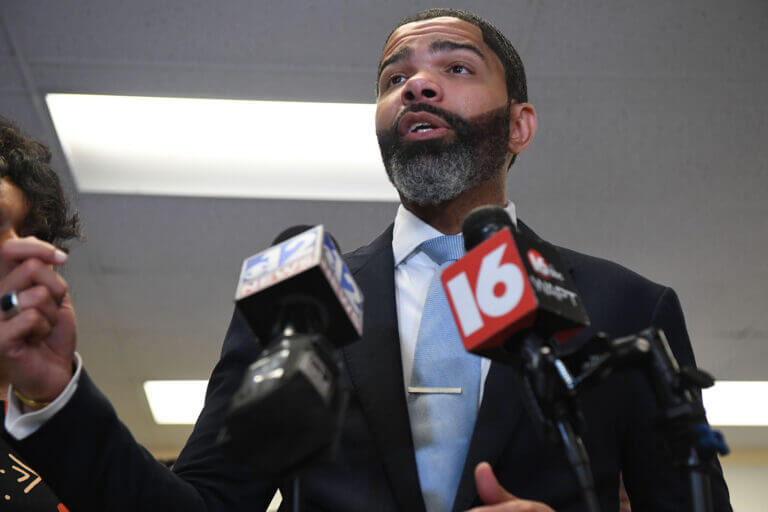
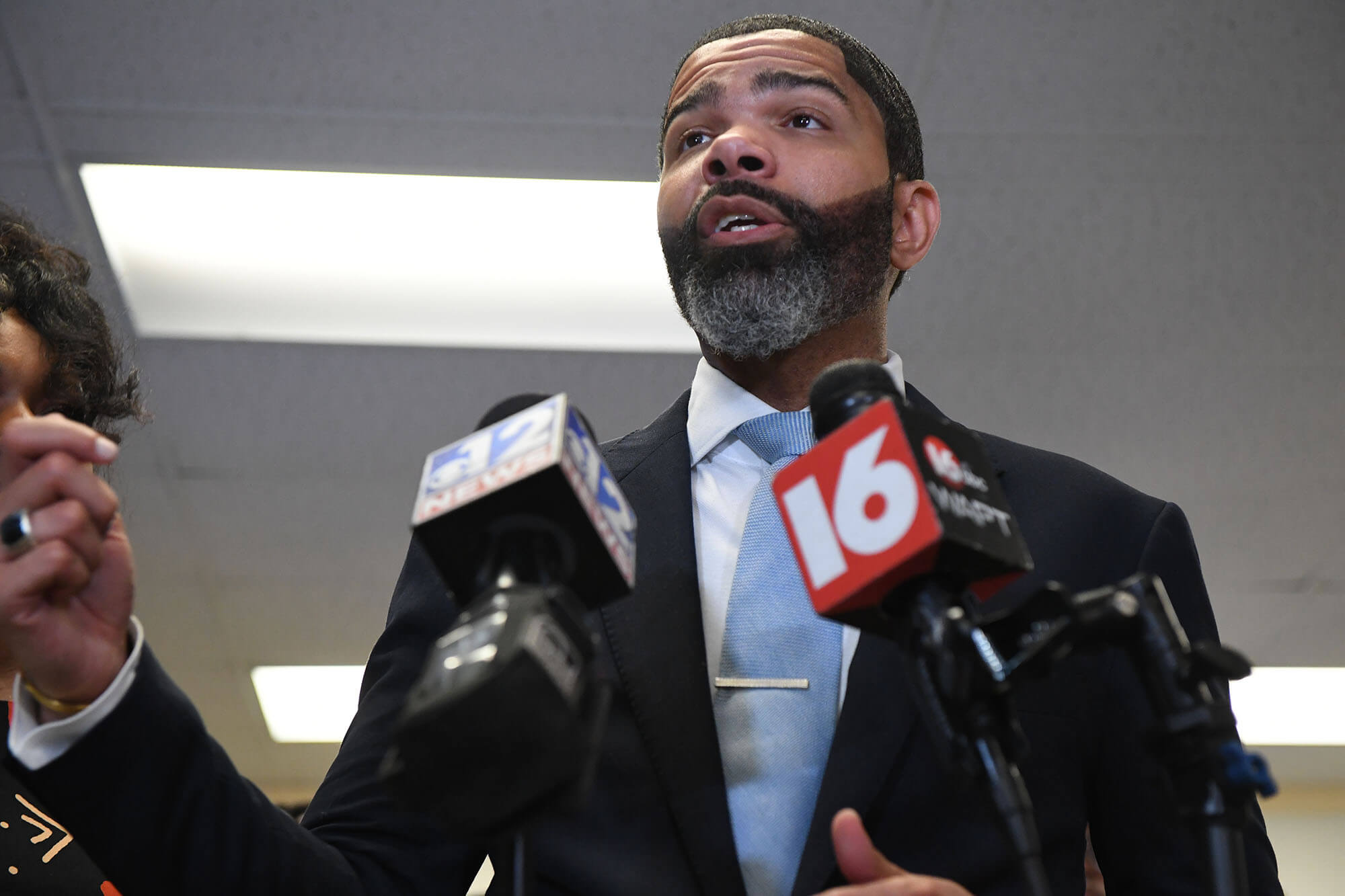
On his last day as mayor of Jackson, Chokwe Antar Lumumba recounted accomplishments, praised his executive team and said he has no plans to seek office again.
He spoke during a press conference outside of the city’s Thalia Mara Hall, which was recently cleared for reopening after nearly a year of remediation. The briefing, meant to give media members a peek inside the downtown theater, marked one of Lumumba’s final forays as mayor.
Longtime state Sen. John Horhn — who defeated Lumumba in the Democratic primary runoff — will be inaugurated as mayor Tuesday, but Lumumba won’t be present. Not for any contentious reason, the 42-year-old mayor noted, but because he returns to his private law practice Tuesday.
“I’ve got to work now, y’all,” Lumumba said. “I’ve got a job.”
Thalia Mara Hall’s presumptive comeback was a fitting end for Lumumba, who pledged to make Jackson the most radical city in America but instead spent much of his eight years in office parrying one emergency after another. The auditorium was built in 1968 and closed nearly 11 months ago after workers found mold caused by a faulty HVAC system – on top of broken elevators, fire safety concerns and vandalism.
“This job is a fast-pitched sport,” Lumumba said. “There’s an abundance of challenges that have to be addressed, and it seems like the moment that you’ve gotten over one hurdle, there’s another one that is waiting in the shadows.”
Outside the theater Monday, Lumumba reflected on the high points of his leadership instead of the many crises — some seemingly self-inflicted — he faced as mayor.
He presided over the city during the coronavirus pandemic and the rise in crime it brought, but also the one-two punch of the 2021 and 2022 water crises, exacerbated by the city’s mismanagement of its water plants, and the 18-day pause in trash pickup spurred by Lumumba’s contentious negotiations with the city council in 2023.
Then in 2024, Lumumba was indicted alongside other city and county officials in a sweeping federal corruption probe targeting the proposed development of a hotel across from the city’s convention center, a project that has remained stalled in a 20-year saga of failed bids and political consternation.
Slated for trial next year, Lumumba has repeatedly maintained his innocence.
The city’s youngest mayor also brought some victories to Jackson, particularly in his first year in office. In 2017, he ended a furlough of city employees and worked with then-Gov. Phil Bryant to avoid a state takeover of Jackson Public Schools. In 2019, the city successfully sued German engineering firm Siemens and its local contractors for $89 million over botched work installing the city’s water-sewer billing infrastructure.
“I think that that was a pivotal moment to say that this city is going to hold people responsible for the work that they do,” Lumumba said.
Lumumba had more time than any other mayor to usher in the 1% sales tax, which residents approved in 2014 to fund infrastructure improvements.
“We paved 144 streets,” he said. “There are residents that still are waiting on their roads to be repaved. And you don’t really feel it until it’s your street that gets repaved, but that is a significant undertaking.”
And under his administration, crime has fallen dramatically recently, with homicides cut by a third and shootings cut in half in the last year.
Lumumba was first elected in 2017 after defeating Tony Yarber, a business-friendly mayor who faced his own scandals as mayor. A criminal justice attorney, Lumumba said he never planned to seek office until the stunning death of his father, Chokwe Lumumba Sr., eight months into his first term as mayor in 2014.
“I can say without reservation, and unequivocally, we remember where we started. We are in a much better position than we started,” Lumumba said.
Lumumba said he has sat down with Horhn in recent months, answered questions “as extensively as I could,” and promised to remain reachable to the new mayor.
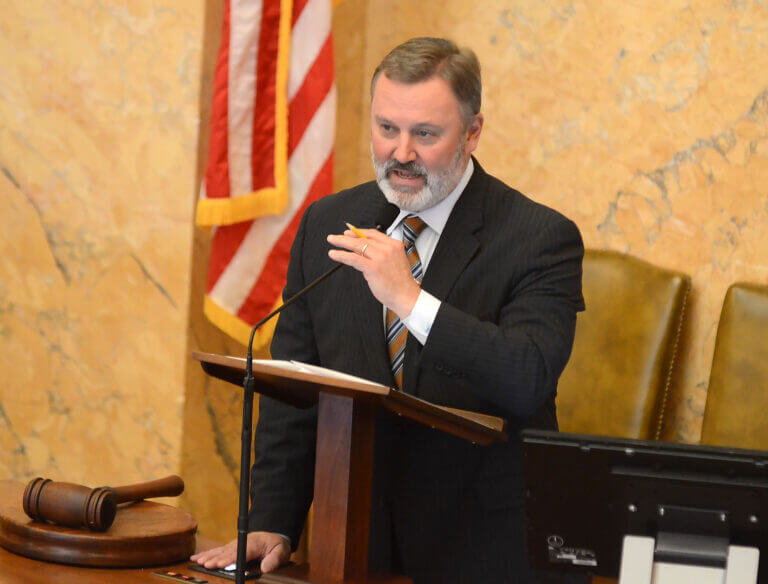
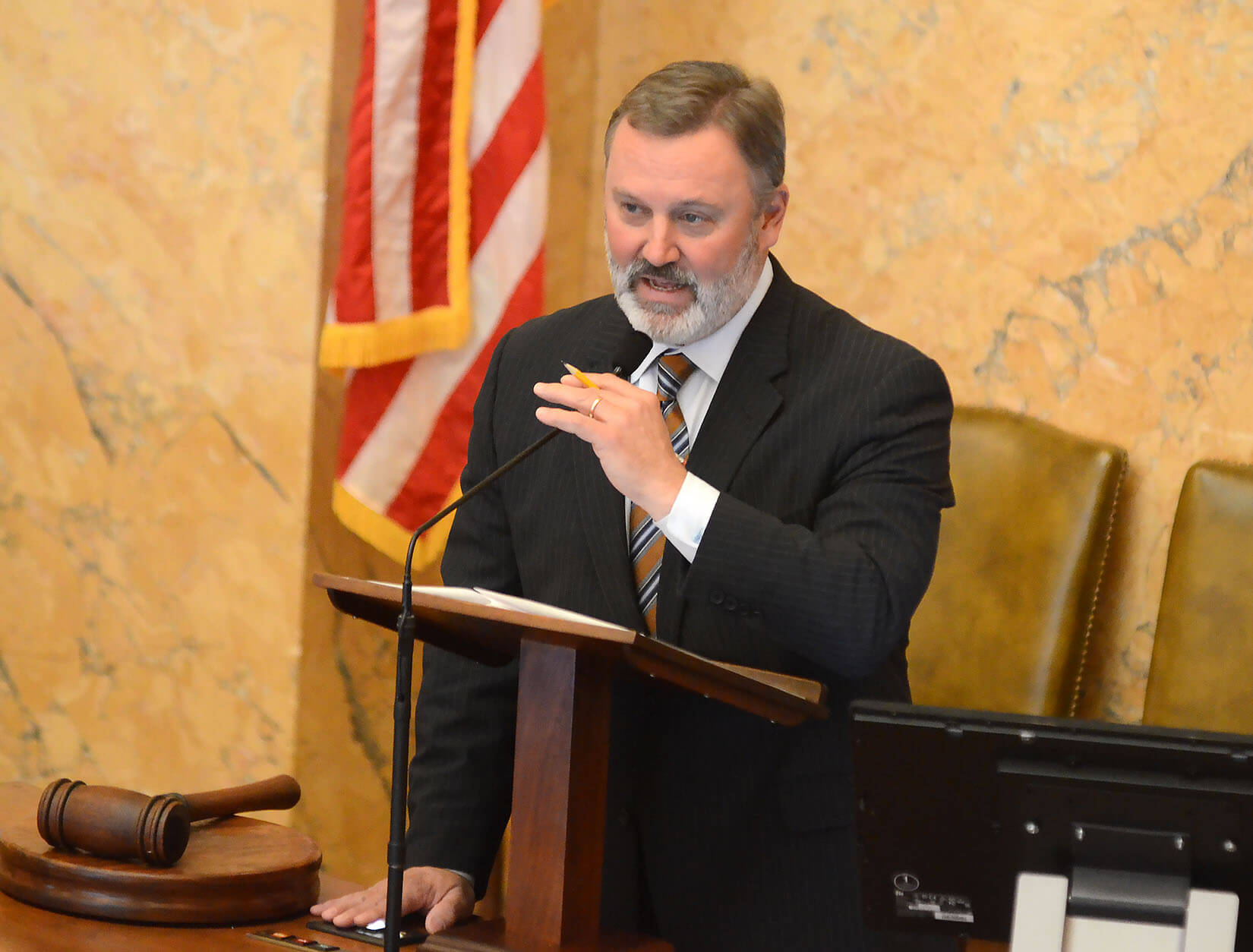
Mississippi House Speaker Jason White outlined on Monday a list of priorities he will aim to advance during the 2026 legislative session, a policy agenda whose viability will depend on negotiations with the state Senate and the impact of federal legislation moving through Congress.
In broad terms, these policies will focus on reshaping the state’s K-12 education system, addressing financial challenges facing Mississippi’s pension system for state workers, expanding voting rights and addressing infrastructure challenges facing the capital city of Jackson.
Days after White announced the formation of three new select committees to study key policy areas ahead of the 2026 session, White spoke Monday to the Mississippi State University Stennis Institute of Government and Capitol Press Corps.
White offered more specifics on the legislative strategy he plans to push next year after a 2025 legislative session shaped by Republican infighting, historic tax reforms and uncertainty at the federal level.
The House will propose one sprawling education reform package containing many of the “school choice” provisions that died last session, White said.
This is a departure from the piecemeal strategy House Republicans undertook last session, where the chamber passed a series of standalone education bills. Many of the House’s bills either died in the Senate or, in the case of a proposal that would have allowed some Mississippi parents to use taxpayer money to pay for private schools, didn’t come up for a vote on the House floor.
The new approach is modeled after the sweeping tax reform package that the Legislature passed last session and the “Big Beautiful Bill” moving through the Republican-controlled Congress.
“I think it’s why you see even in our national Congress now considering that one huge bill because in the volatile political world that we live in, there are things in there that folks for whatever reason, because of a certain voter base or political ideology, they say they can’t go there, but there are enough good things (in the bill) that they’re able to get there,” White said.
The congressional measure, which was being debated Monday in the United States Senate, could itself alter public education funding in states around the country.
Next session, White said the House will introduce a “comprehensive” package containing all of its key priorities, which include lifting restrictions on public school transfers, closing and consolidating some schools, and allowing Mississippi children being home-schooled to play public school sports.
White also said he wants to focus on social factors, such as poverty, that may hinder academic performance.
“It’s going to be comprehensive, it’ll be bold and it’ll be uncomfortable,” White said. “It’ll be uncomfortable for me, it’ll be uncomfortable for people in my own caucus, and for people on the other side of the aisle. But it can absolutely alter the (education) landscape.”
White said he is a proponent of “universal school choice,” which often refers to policies that allow all households — regardless of income level — to use public education dollars to send their children to private schools or other institutions of their choice, rather than being assigned to public schools based on where they live.
But White acknowledged on Monday that there haven’t been enough votes in his chamber to advance such a measure, a political reality he traced back to the racial politics of education in Mississippi. Following the Civil Rights reforms of the 1960s, many private schools in Mississippi opened as bulwarks against racial integration.
White, who favors the term “education freedom” instead of the “school choice” moniker embraced by most conservative education groups, said the new Education Freedom Select Committee will examine education policies passed by many other Republican-controlled legislatures nationwide.
White said the House will try again to pass legislation with a “dedicated revenue stream” for the Public Employees’ Retirement System, or PERS, which currently faces an over $25 billion unfunded liability.
White said his House Republican Caucus still favors either diverting most of the state’s lottery proceeds to PERS or legalizing mobile sports betting and using the revenue to help make the pension system solvent. These proposals will be the subject of another House select committee.
The Senate has favored a “hybrid” retirement plan to shore up the system financially by cutting benefits for future employees.
The House will again aim to implement early voting in Mississippi, which is one of only three states without no-excuse early voting or no-excuse absentee voting.
Senate leaders, on the last day of their regular 2025 session, decided not to send a bill to Gov. Tate Reeves that would have expanded pre-Election Day voting options. The governor has been vocally opposed to early voting in Mississippi and would likely have vetoed the measure.
A House Voters’ Rights Select Committee will examine paths forward for restoring suffrage for individuals convicted of crimes who have completed their sentences. The committee will also explore re-establishing a ballot initiative process, an effort that has failed for several years in a row after the previous initiative process was struck down by the state Supreme Court.
In the Senate, such a measure would have to go through the Accountability, Efficiency, Transparency committee, where last session it died under the leadership of Republican chairman Sen. David Parker.
Parker is not running for reelection, a development that bodes well for restoring the ballot initiative process, White said Monday, without naming Parker.
The Capital and Metro Revitalization Select Committee, established in 2024, will continue to focus on local governance issues in the capital city of Jackson after helping pass five bills into law last session.
In 2026, White said, the House will focus on addressing infrastructure woes plaguing Jackson’s water and sewer systems. White said the state would not aim to “take over” the systems, a concern often voiced by Democrats, almost all of whom are Black, about the majority-white, Republican-controlled Legislature usurping local rule in Jackson.
Last session, a source of Republican infighting between the House and Senate concerned whether to pass a “Christmas Tree” bill, or a bill that appropriates hundreds of millions of dollars in local projects around the state. To the House’s chagrin, that never happened, and White said he remains “disappointed” in the Senate leadership over the disagreement.
“We should have funded local projects, and we didn’t because of politics and nothing else,” White said.
White said he heard the Senate might introduce a local projects bill in January next session, earlier than normal, but he remains concerned the chambers are far from reaching an agreement.


A former federal probation officer who pleaded guilty will serve a decade in prison for receiving video and photos of child sexual exploitation, U.S. Attorney Clay Joyner announced Monday.
Lonnie Everill, 46, of Water Valley, whose work focused on supervising and rehabilitating sexual offenders, was sentenced in federal court, months after receiving over 1,400 images sent and received over a four-month period.
An FBI investigation began after Everill sent chats with an undercover agent about arranging to travel to California and have sex with a child Everill believed was the agent’s niece, according to court records.
They began to exchange chats after Everill joined a public group on the platform KIK that the agent was in – a group with about 100 members who were exchanging child sexual abuse material and talking about children.
Investigators found images and videos of young children and toddlers not being sexually abused on Everill’s accounts. The material also included selfies of Everill and pictures of local minors not engaged in sexually explicit conduct.
Joyner and Robert Eikhoff, special agent in charge of the FBI Jackson Field Office, called the crime a betrayal of trust for the victims, community and credibility of federal probation officers in the district.
Everill had worked in several states including Mississippi, according to Joyner’s office.
“No matter their badge or title, the FBI will always aggressively pursue those that prey on our children,” Eikhoff said in a statement.
U.S. District Judge Dan Jordan sentenced Everill to 10 years in the Bureau of Prisons followed by 10 years of supervised release. Everill will be required to register as a sex offender, and the judge also ordered requirements meant to restrict Everill’s access to children and the internet.
The judge also ordered him to pay $3,000 in restitution to the victims in the images he had, and an additional $10,000 assessment.


The federal government is restoring $137 million in education funds to Mississippi schools.
The U.S. Department of Education notified states last week that it would reinstate pandemic relief funds. The decision comes less than three months after the federal government revoked billions nationwide as part of Trump administration efforts to cut government spending.
State education agencies and school districts originally had until March 2026 to spend the money, but the federal government claimed that because the pandemic was over, they had no use for the money.
That March 2026 deadline has been reinstated following a series of injunctive orders.
A coalition of Democratic-led states sued the federal government in April over the decision to withhold the money. Then, a federal judge granted plaintiff states injunctive orders in the case, which meant those states could continue spending their COVID-relief dollars while other states remained restricted.
But the education department decided that wasn’t fair, wrote Secretary Linda McMahon in a letter dated June 26, so the agency was restoring the money to all states, not just the ones involved in the lawsuit.
“The original intent of the policy announced on March 28 was to treat all states consistently with regards to safeguarding and refocusing their remaining COVID-era grant funding on students,” she wrote. “The ongoing litigation has created basic fairness and uniformity problems.”
The Mississippi Department of Education notified school districts about the decision on Friday.
In the meantime, schools and states have been requesting exemptions for individual projects, though many from across the country have been denied.
Eleven Mississippi school districts had submitted requests to use the money to fund services such as tutoring and counseling, according to records requested by Mississippi Today, though those are now void because of the federal government’s decision.
Starting immediately, school districts can submit new requests to the state education department to draw down their federal allocation.
Mississippi Today previously reported that about 70 school districts were relying on the federal funds to pay for a range of initiatives, including construction projects, mental health services and literacy programs.
In 2023, almost half of Elementary and Secondary School Emergency Relief funds, pandemic relief money allocated to schools across the country, went to students’ academic, social, and emotional needs. A third went to operational and staff costs, according to a report from the U.S. Department of Education.
Though Lt. Gov. Delbert Hosemann previously said that legislative leaders might consider helping agencies that were impacted by federal funding cuts, House Speaker Jason White said Monday that he did not have an appetite for directing state funds to pandemic-era programs.
Small school districts were already feeling the impact of the federal government’s decision to rescind the money. In May, Greenwood Leflore Consolidated School Board voted to terminate a contract on a school construction project funded with federal dollars.
The litigation is ongoing, so the funding could again be rescinded.
Clarification: A previous version of this article misstated the status of school districts’ pandemic relief money.