Rolling Fork – 2 Years Later


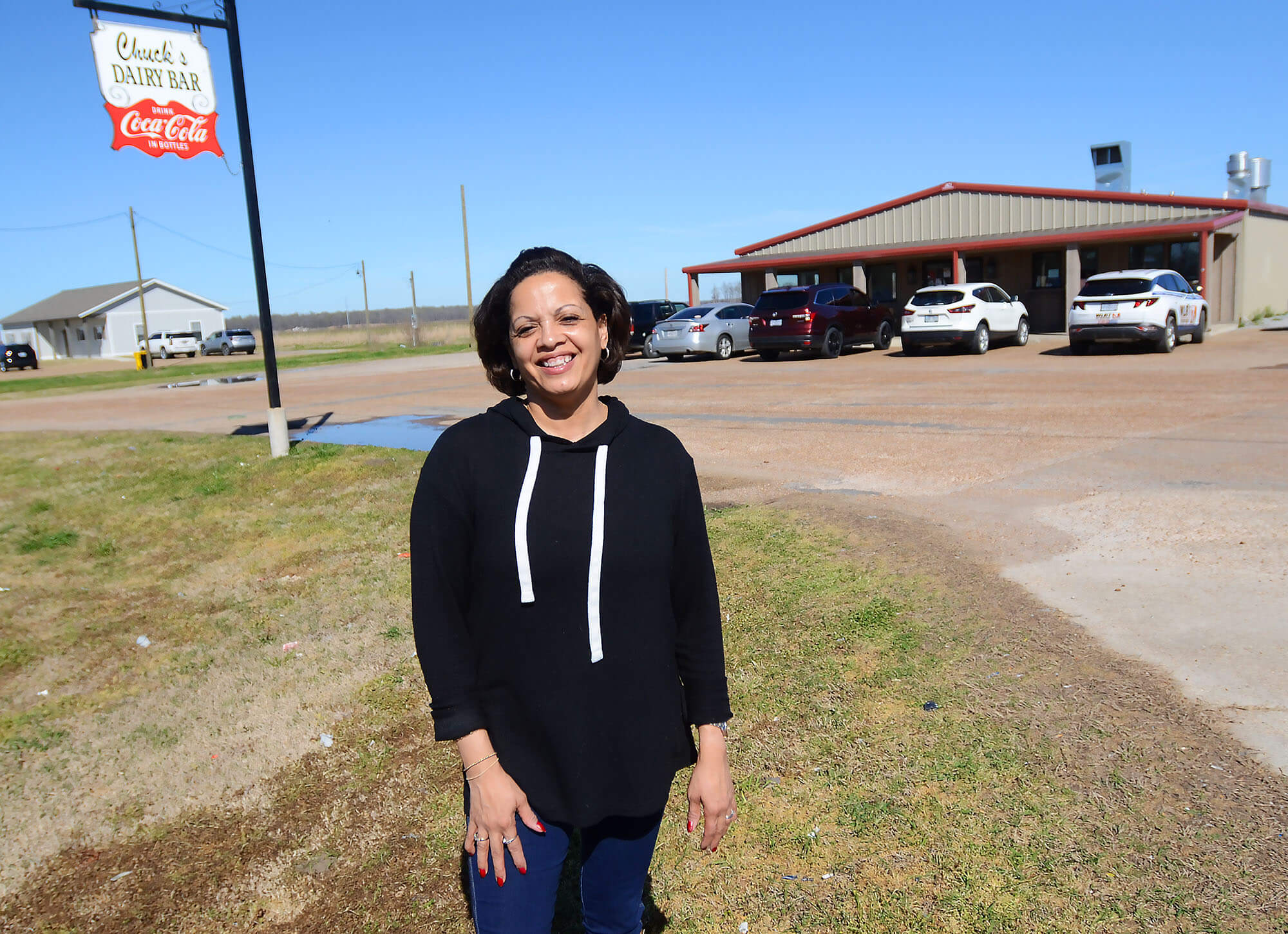
Tracy Harden stood outside her Chuck’s Dairy Bar in Rolling Fork, teary eyed, remembering not the EF-4 tornado that nearly wiped the town off the map two years before. Instead, she became emotional, “even after all this time,” she said, thinking of the overwhelming help people who’d come from all over selflessly offered.
“We’re back now, she said, smiling. “People have been so kind.”

“I stepped out of that cooler two years ago and saw everything, and I mean, everything was just… gone,” she said, her voice trailing off. “My God, I thought. What are we going to do now? But people came and were so giving. It’s remarkable, and such a blessing.”

“And to have another one come on almost the exact date the first came,” she said, shaking her head. “I got word from these young storm chasers I’d met. He told me they were tracking this one, and it looked like it was coming straight for us in Rolling Fork.”
“I got up and went outside.”
“And there it was!”
“I cannot tell you what went through me seeing that tornado form in the sky.”
The tornado that touched down in Rolling Fork last Sunday did minimal damage and claimed no lives.
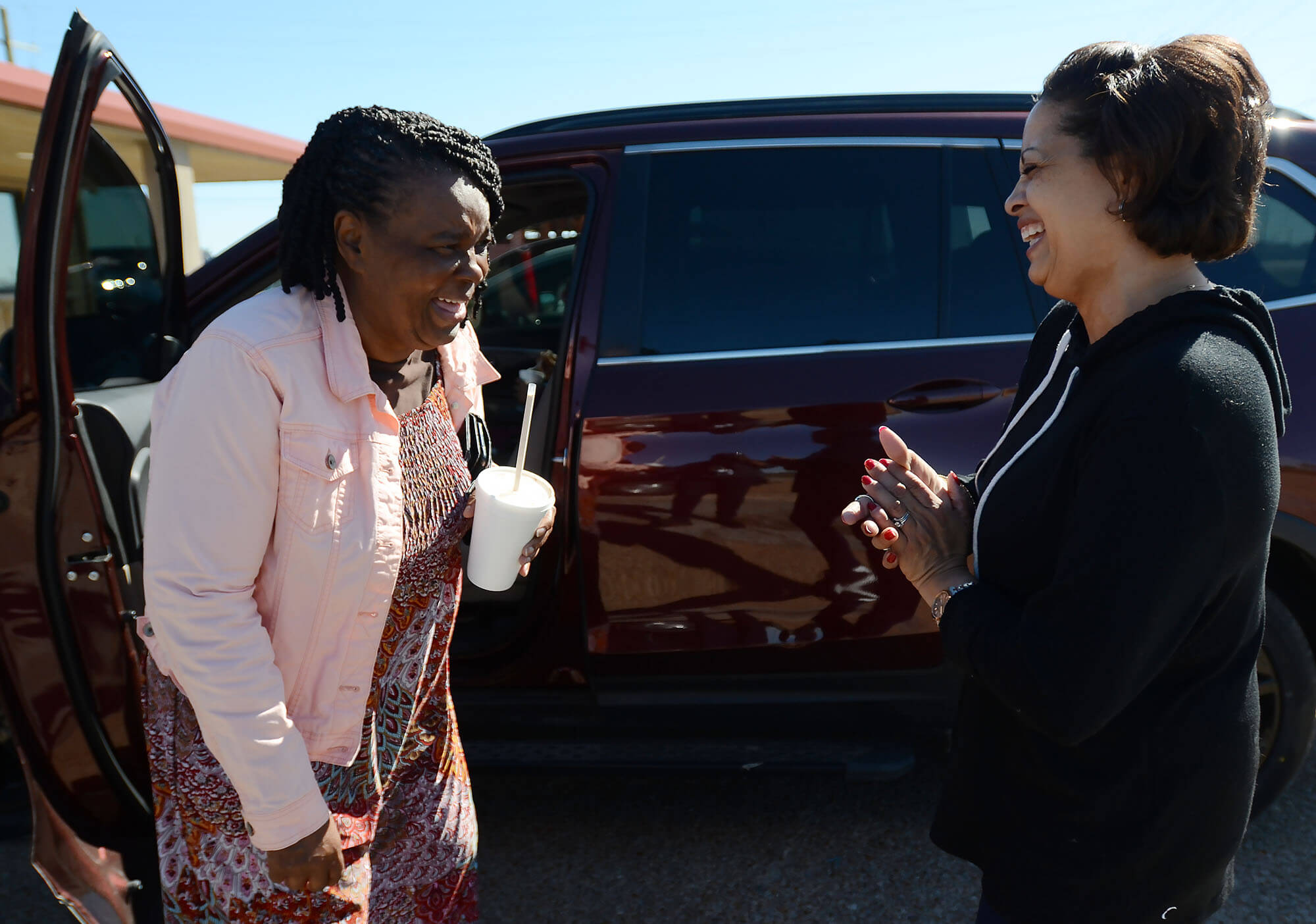
Horns honk as people travel along U.S. 61. Harden smiles and waves.
She heads back into her restaurant after chatting with friends to resume grill duties as people, some local, some just passing through town, line up for burgers and ice cream treats.

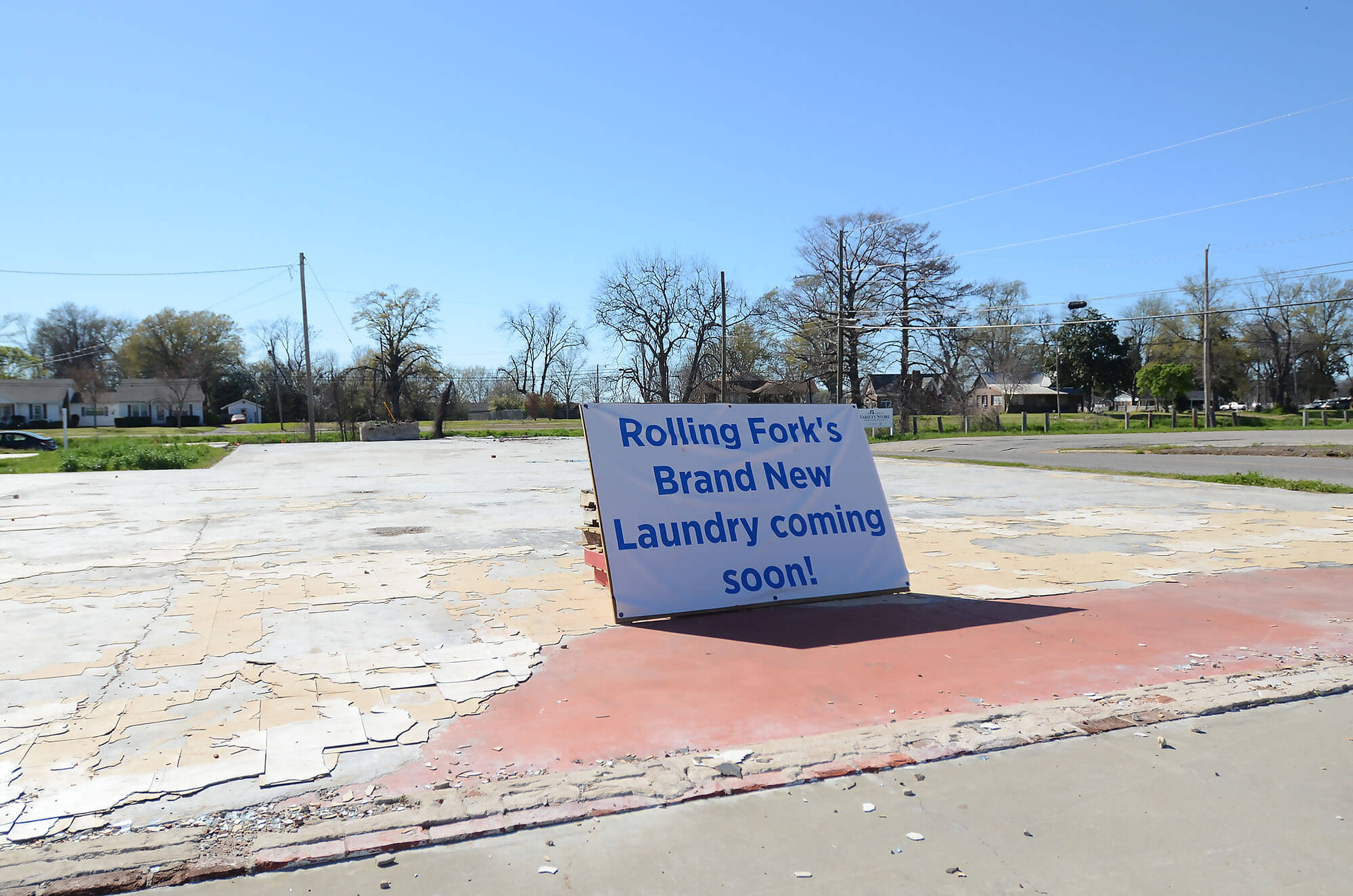
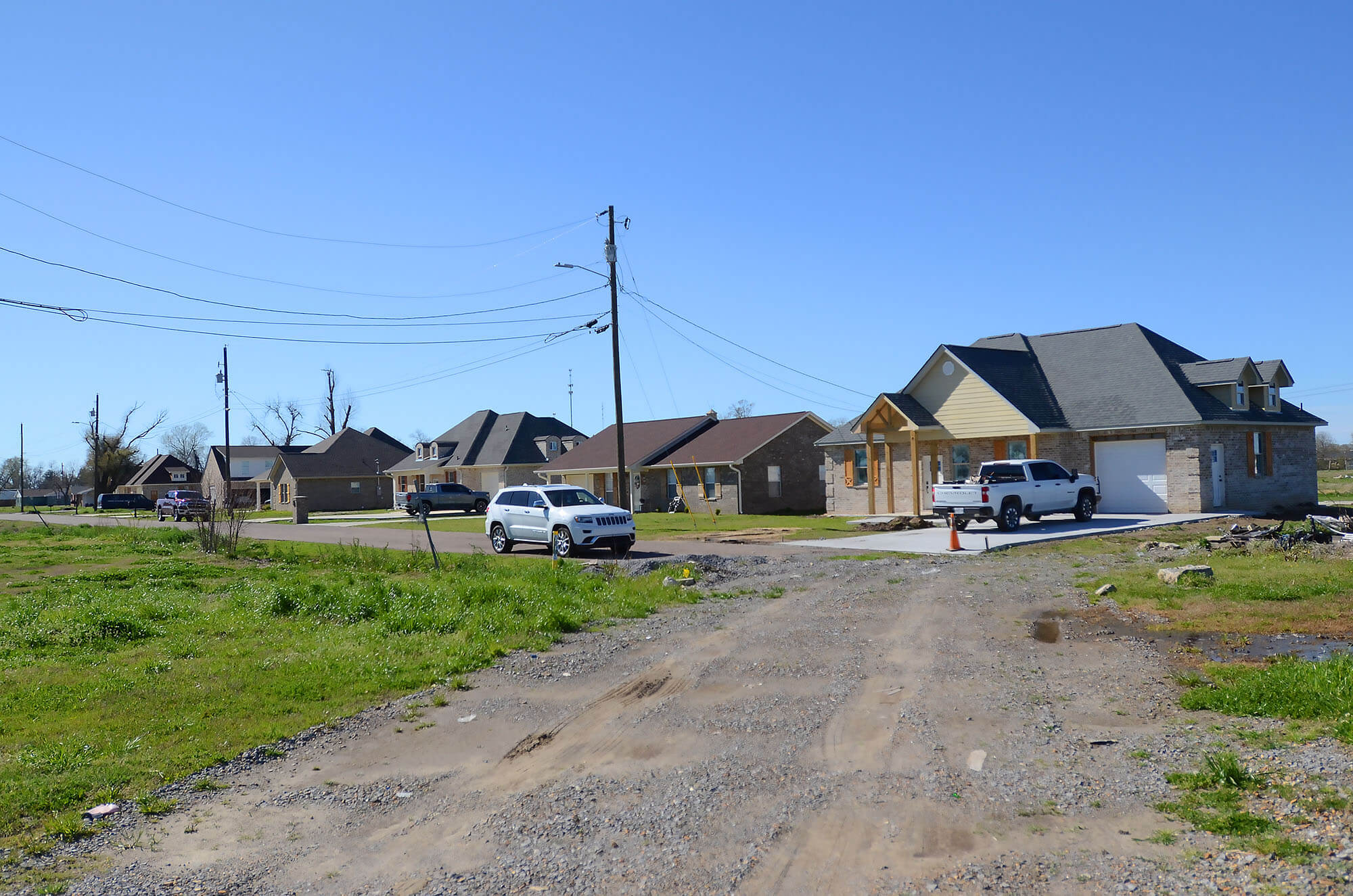
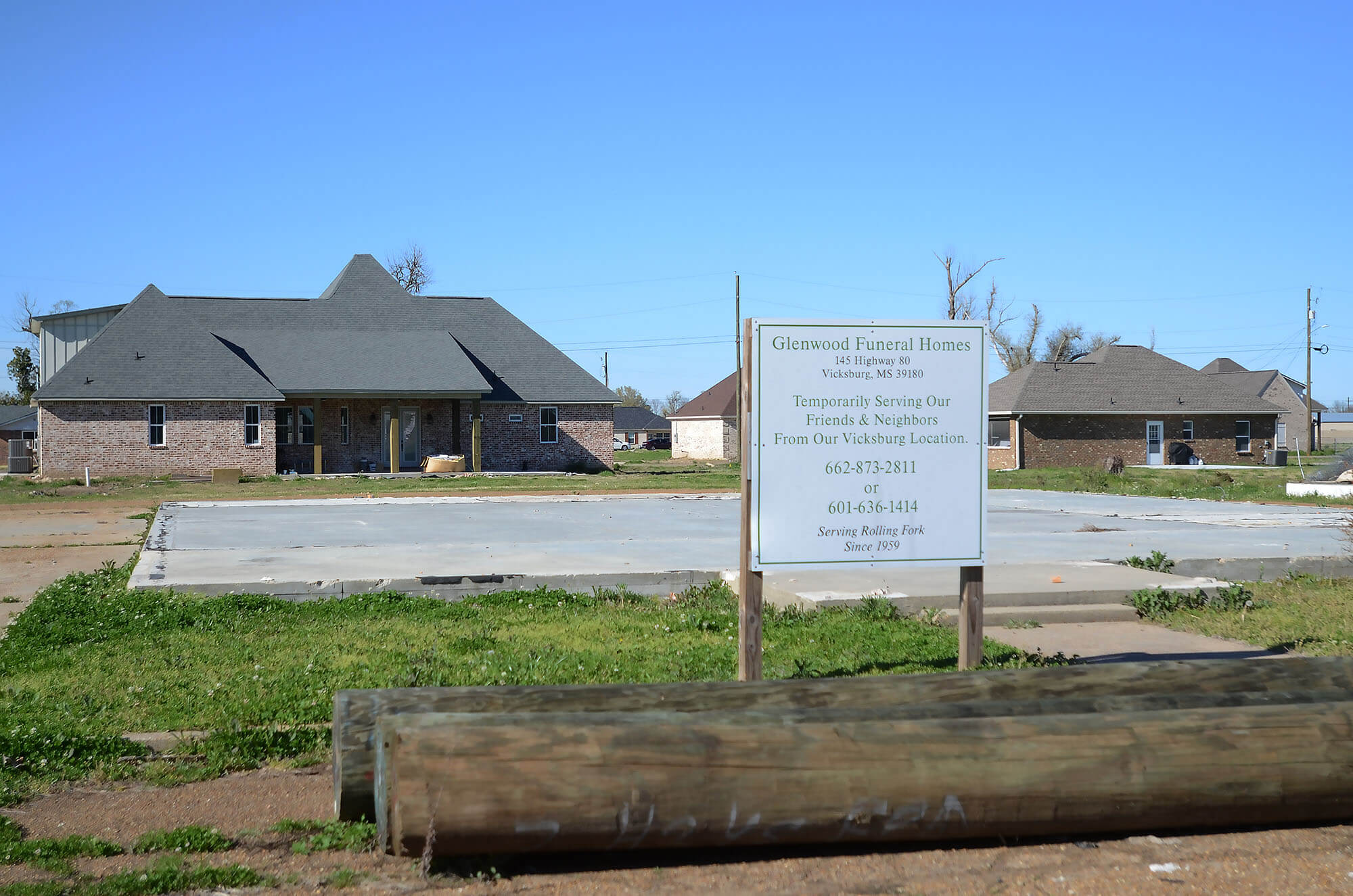
Rolling Fork is mending, slowly. Although there is evidence of some rebuilding such as new homes under construction, many buildings like the library and post office remain boarded up and closed. A brutal reminder of that fateful evening two years ago.















The post Rolling Fork – 2 Years Later appeared first on Mississippi Today.
Remembering Big George Foreman and a poor guy named Pedro
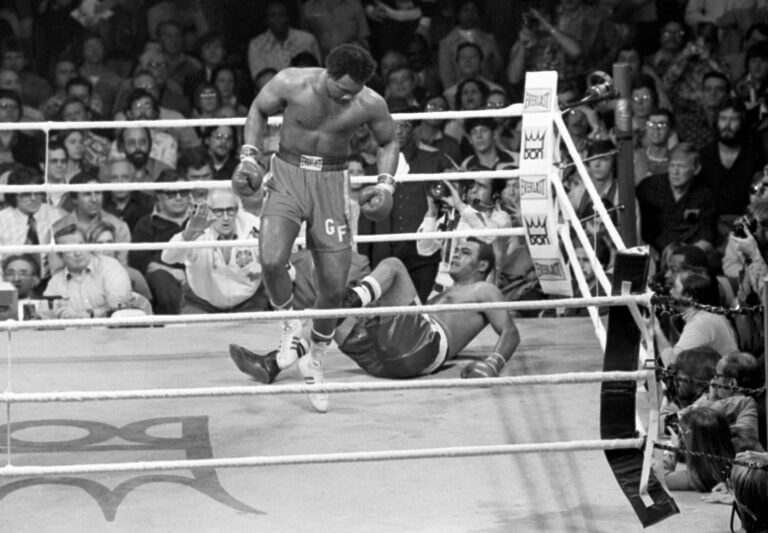
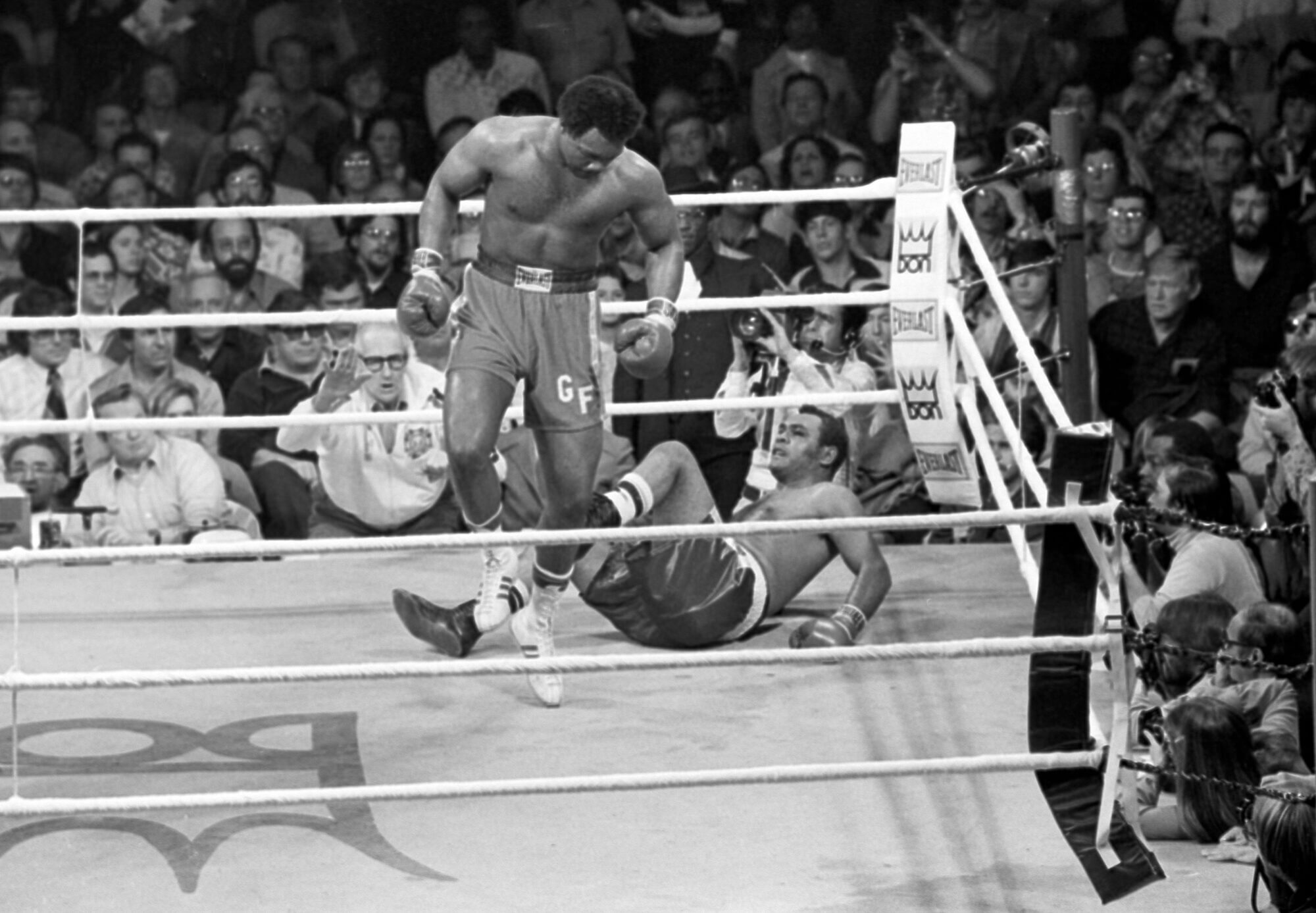
George Foreman, surely one of the world’s most intriguing and transformative sports figures of the 20th century, died over the weekend at the age of 76. Please indulge me a few memories.
This was back when professional boxing was in its heyday. Muhammad Ali was heavyweight champion of the world for a second time. The lower weight divisions featured such skilled champions and future champs as Alex Arugello, Roberto “Hands of Stone” Duran, Tommy “Hit Man” Hearns and Sugar Ray Leonard.

Boxing was front page news all over the globe. Indeed, Ali was said to be the most famous person in the world and had stunned the boxing world by stopping the previously undefeated Foreman in an eighth round knockout in Kinshasa, Zaire, in October of 1974. Foreman, once an Olympic gold medalist at age 19, had won his previous 40 professional fights and few had lasted past the second round. Big George, as he was known, packed a fearsome punch.
My dealings with Foreman began in January of 1977, roughly 27 months after his Ali debacle with Foreman in the middle of a boxing comeback. At the time, I was the sports editor of my hometown newspaper in Hattiesburg when the news came that Foreman was going to fight a Puerto Rican professional named Pedro Agosto in Pensacola, just three hours away.
Right away, I applied for press credentials and was rewarded with a ringside seats at the Pensacola Civic Center. I thought I was going to cover a boxing match. It turned out more like an execution.
The mismatch was evident from the pre-fight introductions. Foreman towered over the 5-foot, 11-inch Agosto. Foreman had muscles on top of muscles, Agosto not so much. When they announced Agosto weighed 205 pounds, the New York sports writer next to me wise-cracked, “Yeah, well what is he going to weigh without his head?”
It looked entirely possible we might learn.
Foreman toyed with the smaller man for three rounds, almost like a full-grown German shepherd dealing with a tiny, yapping Shih Tzu. By the fourth round, Big George had tired of the yapping. With punches that landed like claps of thunder, Foreman knocked Agosto down three times. Twice, Agosto struggled to his feet after the referee counted to nine. Nearly half a century later I have no idea why Agosto got up. Nobody present– or the national TV audience – would have blamed him for playing possum. But, no, he got up the second time and stumbled over into the corner of the ring right in front of me. And that’s where he was when Foreman hit him with an evil right uppercut to the jaw that lifted the smaller man a foot off the canvas and sprayed me and everyone in the vicinity with Agosto’s blood, sweat and snot – thankfully, no brains. That’s when the ref ended it.
It remains the only time in my sports writing career I had to buy a T-shirt at the event to wear home.
So, now, let’s move ahead 18 years to July of 1995. Foreman had long since completed his comeback by winning back the heavyweight championship. He had become a preacher. He also had become a pitch man for a an indoor grill that bore his name and would sell more than 100 million units. He was a millionaire many times over. He made far more for hawking that grill than he ever made as a fighter. He had become a beloved figure, known for his warm smile and his soothing voice. And now he was coming to Jackson to sign his biography. His publishing company called my office to ask if I’d like an interview. I said I surely would.
One day at the office, I answered my phone and the familiar voice on the other end said, “This is George Foreman and I heard you wanted to talk to me.”
I told him I wanted to talk to him about his book but first I wanted to tell him he owed me a shirt.
“A shirt?” he said. “How’s that?”
I asked him if remembered a guy named Pedro Agosto. He said he did. “Man, I really hit that poor guy,” he said.
I thought you had killed him, I said, and I then told him about all the blood and snot that ruined my shirt.
“Man, I’m sorry about that,” he said. “I’d never hit a guy like that now. I was an angry, angry man back then.”
We had a nice conversation. He told me about finding his Lord. He told me about his 12 children, including five boys, all of whom he named George.
I asked him why he would give five boys the same name.
“I never met my father until late in his life,” Big George told me. “My father never gave me nothing. So I decided I was going to give all my boys something to remember me by. I gave them all my name.”
Yes, and he named one of his girls Georgette.
We did get around to talking about his book, and you will not be surprised by its title: “By George.”
The post Remembering Big George Foreman and a poor guy named Pedro appeared first on Mississippi Today.
Speaker says House willing to renegotiate typo tax bill
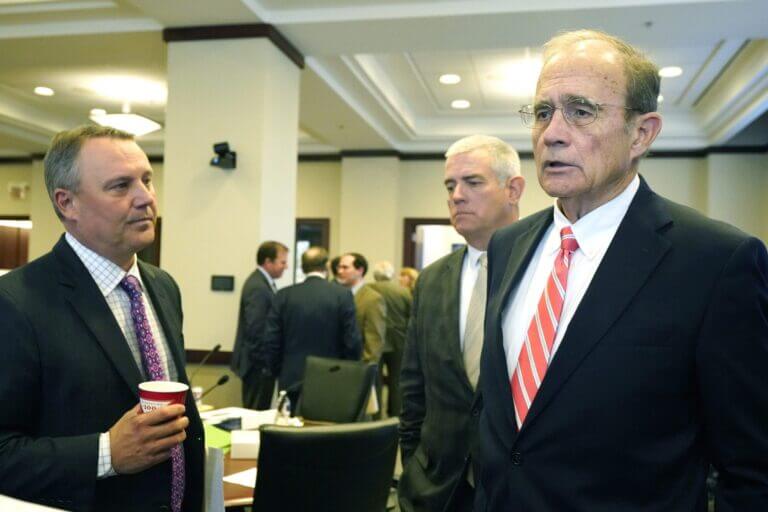
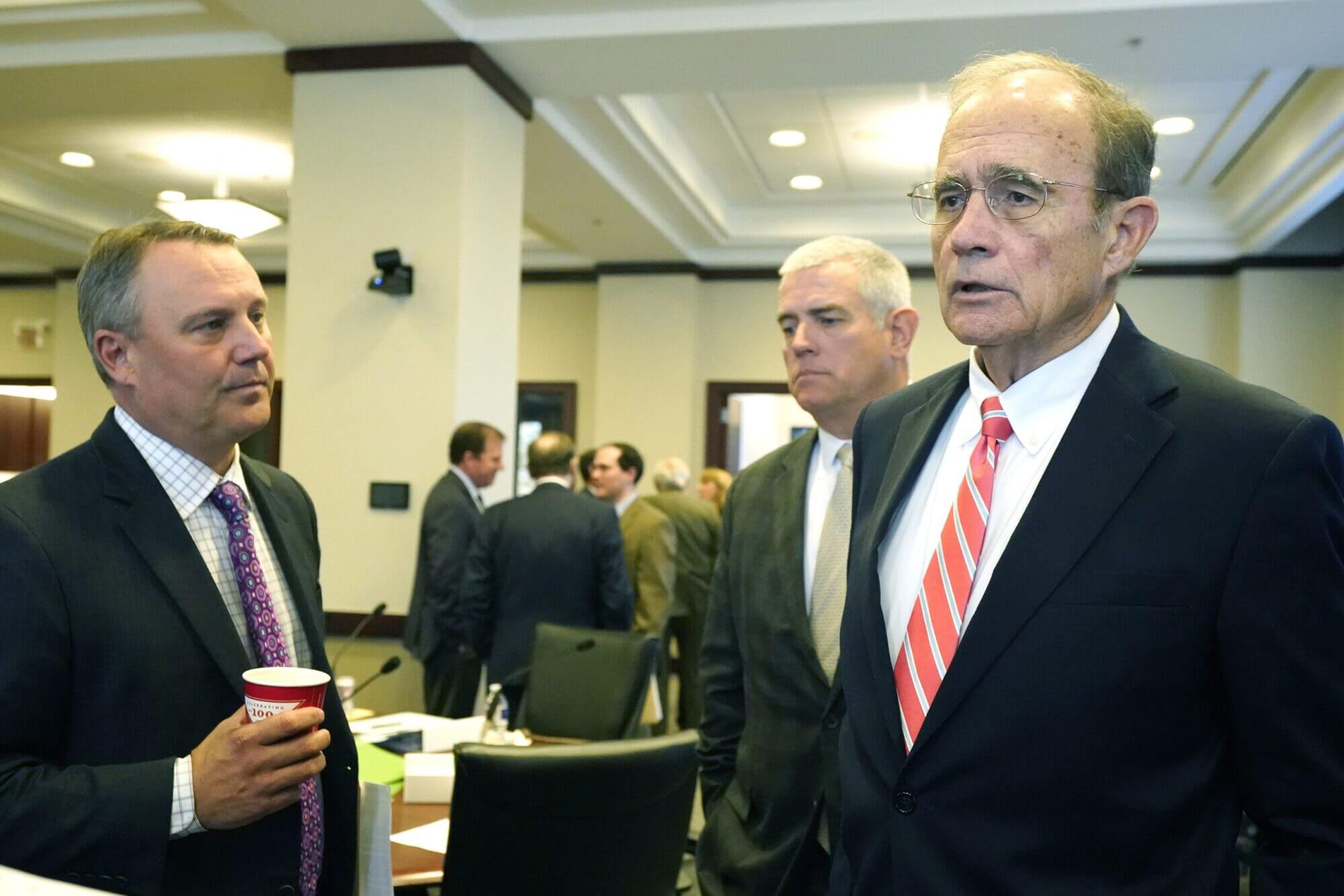
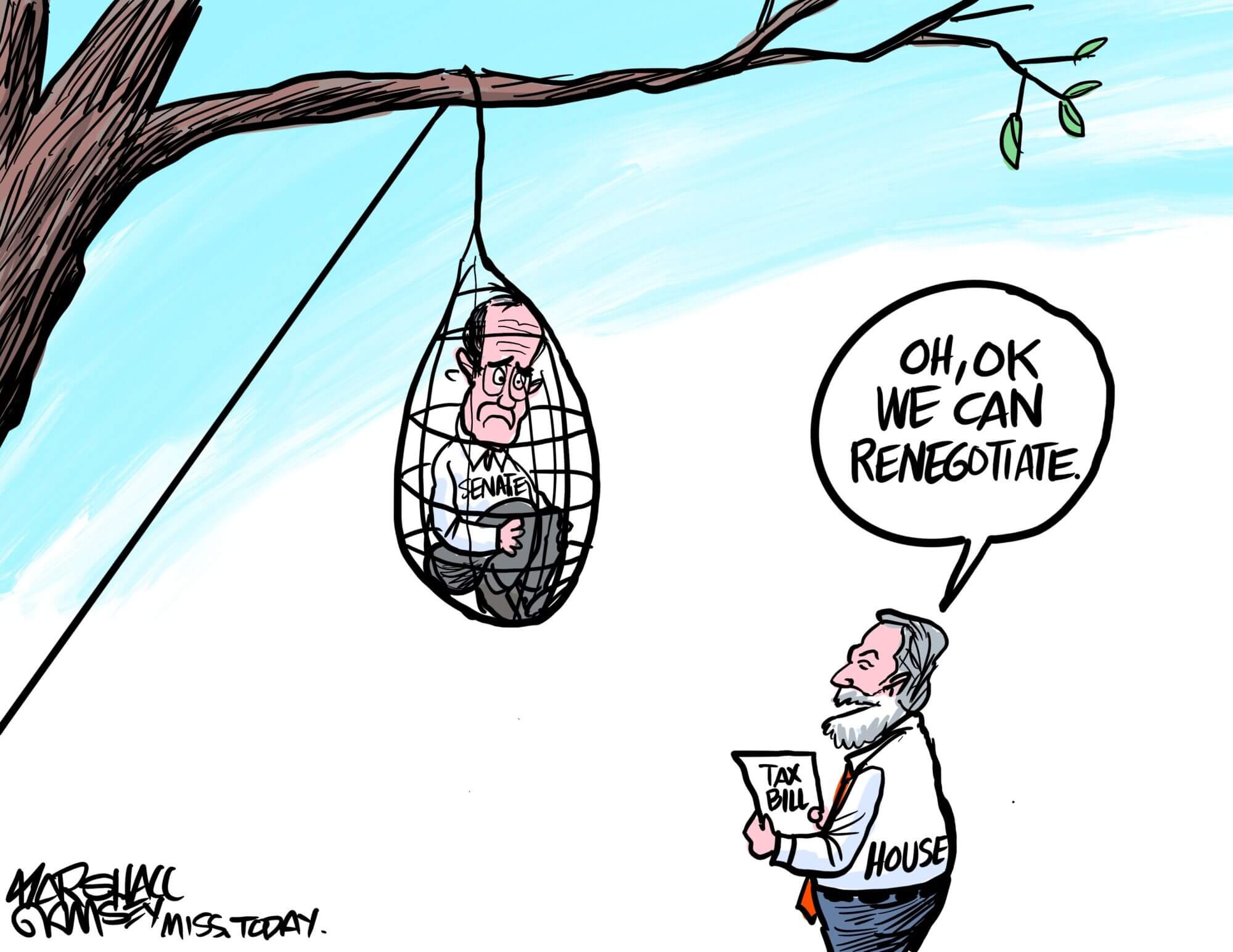
House Speaker Jason White acknowledged for the first time on Monday that House leaders knowingly passed a typo-riddled plan to overhaul Mississippi’s tax system that Senate leaders have since admitted was a mistake.
White also said his Republican caucus is willing to use a still-alive Senate bill to restart negotiations on some elements of the tax overhaul that could override the bill headed to Gov. Tate Reeves’ desk. The speaker appeared to underscore that last week’s typo tax snafu gave his House caucus the upper hand, and that they would extract further concessions from the Senate in exchange for restarting negotiations in a conference committee.
House leaders have pushed for years for eliminating the state personal income tax, and doing so in relatively short order. The Senate has urged a more cautious approach, saying it’s foolhardy to slash a third of the state’s revenue in uncertain economic times. Senators last week had conceded to eliminate the income tax, but only with economic growth “triggers” as safeguards — the tax wouldn’t phase out unless the state saw robust economic growth and controlled spending.
Or so they thought. The Senate bill had typos that essentially nullified the growth triggers and would eliminate the income tax nearly as quickly as the House proposed. The House passed the flawed bill on to the governor, who said he will sign it into law.
READ MORE: Policy analyst: Income tax elimination risks significant harm to Mississippi’s future
Speaker White on Monday confirmed for the first time when he and his caucus realized the Senate had sent them a bill with language different from what the chamber had intended to pass, even as he claimed he didn’t know what the Senate’s intentions were.
“Wednesday is when we knew. We met and we talked about it. Then we met as a Republican caucus and talked about it. And y’all heard the debate in here as the chairman called it up to concur,” White said.
The two chambers had appeared to remain dramatically far apart from a final compromise. White said his chamber was left in the dark by Senate leaders, who often call their chamber the “deliberative body.”
“You hear a lot about transparency, deliberateness,” White said. “It really wasn’t until after they passed it that were able to look at it, and they certainly didn’t talk to us about it on the front end.”
White said the Senate had communicated through multiple channels, including Senate Finance Chairman Josh Harkins, that the bill the upper chamber sent over would be their final offer. So he said the House to take the Senate at its word and send the bill with the Senate’s mistake to the governor.
“They said that’s it, we’re not going any further, we’ve barely got the votes, that sort of thing,”White said. “So that played into our decision. So do we take this, take them at their word that this is it, or do we invite conference and see if they can get this fragile vote count together again on their end?”
The House on Thursday morning surprised the Senate, unaware of its typos, by voting to agree with the Senate’s latest plan.
But lobbyists, legislators and the media soon discovered the reason the House hurried to pass the Senate plan is because senators inadvertently inserted decimal points that essentially rendered the growth triggers meaningless and would almost ensure a quicker timeline for eliminating the income tax.
“After they passed it, we got theirs amended and sent to them, then we sat down and started looking at theirs, and we, I mean, it’s page six and seven,” White said. “It’s the first thing you see when you get into the meat of the bill … So it was pretty apparent once you read it, you’re like ‘that trigger doesn’t seem as cumbersome as what has been explained or talked about.’ So we’re like, we can live with this.”
Now, Senate leaders are hoping they can convince the House to correct the mistake, but it appears that might not be an easy sell with the House.
“We are willing to talk about a reasonable trigger, but not a cumbersome trigger that nobody can ever hit,” White said. “Of course, if we’re going to revisit that, there are other features of the tax reform package that we would certainly like to address as well.”
Republican Lt. Gov. Delbert Hosemann told Mississippi Today he would not talk about the bill and deferred comments to Harkins, the chamber’s lead tax-cut architect. Hosemann last week feigned ignorance about the typo and tried to claim victory over the final product.
On Monday, Harkins, a Republican from Flowood, took responsibility for the error but said he hoped House leaders would work with the Senate to “clarify any ambiguity” about the “growth trigger” language because it was not what the Senate meant to propose to the House.
But it appears House leaders, who have expressed frustration with the GOP-majority Senate this year for killing a lot of its major policy proposals, want the Senate to reverse course and pass some policies that they have otherwise been hesitant to agree to.
If negotiations were to resume, the House hopes to use its leverage to force the Senate into adopting its preferred approach to changing the structure of the Public Employees Retirement System, which had been a key wedge issue between the chambers in their negotiations over tax reform. The Senate wants to cut benefits for future public employees while the House wants to divert about $100 million a year in state lottery money to the system.
Harkins was not asked about White’s specific comments on the public employee retirement system. Still, he told reporters, in general terms, he did not think there was any appetite in the Senate to dedicate a recurring revenue stream to the retirement system.
The Rankin County senator stopped shy of rebuking House leaders for how they handled the tax bill, as some have done behind the scenes. But he questioned whether his fellow GOP House colleagues “worked in good faith” to deliver a final compromise.
“In legislating, when you’re asked to work in good faith to help get to a position, and you do so, I think there should be some mutual respect on both sides,” Harkins said. “We’re both trying to get to a policy that we can both agree on.”
When asked if he was concerned senators might feel burned by the House leadership, White said: “If they were misled, it was on that end of the building. There was no misleading from down here. They amended our bill as they saw fit.”
Harkins also said that he met with Lamar, his House counterpart, sometime around Friday, March 14, to discuss what the Senate planned to propose regarding trigger language, though he was still ironing out specific details. The two chambers then passed their different proposals the following Tuesday.
Gov. Reeves has said on social media that he intends to pass the mistake-filled bill into law. The growth triggers, under the plan, would not take effect for four years. So lawmakers could try and address the mistakes in future sessions.
Given the four-year window before triggers would take effect, White said legislators didn’t necessarily have to reach an agreement. They could instead tweak the bill when “you would conceivably have other leadership in place.”
The post Speaker says House willing to renegotiate typo tax bill appeared first on Mississippi Today.
Policy analyst: Income tax elimination risks significant harm to Mississippi’s future
Editor’s note: This essay is part of Mississippi Today Ideas, a platform for thoughtful Mississippians to share fact-based ideas about our state’s past, present and future. You can read more about the section here.
The state’s tax system plays an important role in the function of our government. Mississippi, like all states, needs enough revenue to meet its current needs and invest in the future of its communities.
However, the state’s tax system is regressive, meaning that the state’s top income earners pay a smaller share of all state and local taxes than their share of all income. Meanwhile, the bottom 80% of the state’s income earners pay more.
In fact, in Mississippi, families earning less than $19,300 per year – who represent 20% of the population – paid 12.4% of their income in state taxes in 2023, according to the Institute of Taxation and Economic Policy. Those earning between $19,300 and $31,500 – also 20% of the population – paid 10.8% in state taxes. In contrast, the wealthiest, the top 1% who earn more than $362,300, paid 6.9%. This disparity is particularly concerning in a state where nearly 20% of the population lives in poverty.
Sadly, our tax system is becoming even less equitable. Currently, the 2025 Mississippi Legislature is on track to eliminate the state income tax. The plan, House Bill 1, which is pending Gov. Tate Reeves’ signature, calls for gradually reducing the 4% income tax rate by 0.25% annually from 2027 to 2030, reaching 3% in 2030. After that, further reductions would depend on “growth triggers” tied to state revenue and spending. It also includes cutting the sales tax on groceries from 7% to 5%, increasing the gasoline tax by 9 cents per gallon over three years, and changing retirement benefits for government employees hired after March 2026.
Altogether, while this plan aims to reform the state’s tax structure, it poses significant risks to Mississippi’s long-term prosperity. Mississippi’s income tax is a major source of revenue, generating approximately $2.1 billion annually—nearly 30% of the state’s total revenue. The 2022 income tax cuts are already expected to create a $535 million hole in the state budget once fully implemented. These cuts add to the more than 50 tax cuts totaling $577 million since 2012, according to Mississippi Today. Those tax cuts mostly benefited Mississippi’s wealthiest individuals and corporations.
The loss of $2.1 billion in revenue would severely impact funding for education, healthcare, roads, and other vital services. For comparison, this amount is nearly equal to Mississippi’s entire K-12 education budget. It could fully cover the state’s share of Medicaid expansion for at least eight years, support at-risk hospitals, replace deficient roads and bridges, or fund policies like a child tax credit to reduce poverty—costing $1 billion less than eliminating the income tax.
At the same time, eliminating the income tax disproportionately benefits wealthier Mississippians. Once fully phased in, less than 20% of the benefits of the 2022 tax cuts will go to families earning under $50,000. Also, the $25,500 tax cut the top 1% of Mississippians will get is more money than over a third of Mississippi households make in a year.
Under the current plan, these disparities could worsen. If the income tax is fully eliminated as House Bill 1 aims to achieve, the state’s wealthiest residents would receive a $41,000 tax break, close to the state’s average annual salary. Meanwhile, the average Mississippian would save just $700 per year, barely enough for a month’s groceries for a family of four. And low-income residents would save only $3 per year, according to ITEP.
Additionally, the increased reliance on sales and gas taxes would widen income disparities. This is because as the wealthy are let off the hook from paying their fair share. This tax shift is especially severe for Black and Hispanic communities, women and rural residents, who already face higher living costs and financial challenges due to historic inequities.
And while cutting the grocery tax may benefit everyone, the savings could be offset by other tax increases for Mississippians with lower incomes. Also, without clear and stable revenue sources at both the local and state levels, local governments should be concerned about losing crucial revenue, which could lead to budget shortfalls and further challenges, particularly in rural areas and places with higher food insecurity.
In all, this tax cut, combined with other fiscal policy challenges like inflation, a $101 million welfare repayment to the federal government, proposed federal budget cuts at a time when Mississippi is the second most federally dependent state, and the threat of potential school voucher programs, could exacerbate financial strain for Mississippi’s families.
Past tax cuts after the 2007-2009 recession show the potential consequences—jeopardizing funding for infrastructure, schools, healthcare and other public services.
We can also look to states like Arizona, Kentucky and Ohio, which have faced severe budget deficits due to recent tax cuts, resulting in cuts to public services and higher costs for residents, underscoring the unsustainability of such tax policies. Arizona faces a $1.6 billion deficit due to a flat personal income tax and private school vouchers, forcing cuts to colleges, universities and public services. Kentucky’s income tax cuts are costing $1.3 billion annually, with most benefits going to the wealthiest 20%. Ohio’s revenue is down by half a billion dollars, as a result of a series of tax cuts and lower-than-projected revenue collections in the state.
Proponents claim eliminating the income tax will attract people and businesses, but evidence shows that tax cuts don’t guarantee stronger growth. Instead, a focus on quality education, affordable healthcare, strong infrastructure and inclusive leadership is more likely to foster greater opportunity, build stronger communities and grow economies.
Instead of prioritizing tax cuts that benefit the wealthy, policymakers should prioritize building a fair and sustainable tax system, where the wealthy and corporations pay their fair share, ensuring that every family, regardless of income, has the resources necessary to succeed and thrive.
Kyra Roby is policy analyst for One Voice, a non-profit, civic engagement organization working to give voice to marginalized and vulnerable communities across the South.
The post Policy analyst: Income tax elimination risks significant harm to Mississippi’s future appeared first on Mississippi Today.
Gas outage affecting thousands in Lee County nearly resolved

Five days after an Atmos Energy crew accidentally released high-pressure gas in northeast Mississippi, the company is nearly done restoring gas to the over 17,000 affected customers.
All 17,000 customers have their gas restored, and technicians are working to help a handful of customers get their appliances relighted, according to Atmos.
The accident on March 12 injured three contractors and caused outages to commercial and residential customers in Belden, Guntown, Plantersville, Pontotoc, Saltillo, Shannon, Tupelo, and Verona. The three injured workers were contractors with Atmos, but the company said it doesn’t know their conditions.
“Atmos Energy’s highly-trained technicians have visited every customer multiple times, going door to door, to restore service in the impacted areas,” reads the official updates page.
“If you were not home or at your business?when our crews were restoring service,?a door tag with instructions to schedule an appointment was left on your front door. If you are without gas service, please call 866.322.8667 and press 1 to schedule an appointment to restore your gas service.”
An adult who lives in the home or is a representative of the business must be present for the restoration to take place.
Over 700 technicians from across eight states are on the job to restore gas, going door-to-door for customers.
The post Gas outage affecting thousands in Lee County nearly resolved appeared first on Mississippi Today.
Does a Trump order halt broadband funds for Mississippi?


by Joshua Wilson
A reader from Forrest County recently asked the Roy Howard Community Journalism Center’s “What Is True?” fact-checking service if a Trump administration executive order, issued on the president’s first day in office for his second term, would halt federal funding aimed at expanding broadband internet access to rural portions of Mississippi.
On Jan. 20, President Donald Trump signed a flurry of executive orders, including one called “Unleashing American Energy.” This particular order directed federal agencies to pause the disbursement of funds appropriated through the Infrastructure Investment and Jobs Act, a $1.2 trillion package aimed at modernizing U.S. infrastructure, improving sustainability and boosting economic growth. The act, which was signed into law by President Joe Biden in November 2021, allocated $65 billion for broadband expansion and affordability efforts.
Mississippi’s broadband expansion and federal funding
The act also created the Broadband Equity, Access, and Deployment Program, better known as BEAD. The goal of BEAD is to expand high-speed broadband access across the country and particularly to rural, unserved and underserved communities. BEAD was given $42.45 billion to accomplish this goal, and each state, territory and the District of Columbia received a slice of that funding. After state officials submitted a comprehensive plan for expanding access, the Magnolia State was awarded more than $1.2 billion of this funding.
At the time of this award, state leaders were already well on their way to expanding broadband access to hundreds of thousands of Mississippians. In a 2023 interview with the Mississippi Business Journal, Sally Doty, head of the state broadband office, said that funding streams for this effort included about $450 million from the federal Rural Digital Opportunity Fund, about $75 million from the 2020 federal CARES Act, $32 million from the U.S. Department of Commerce’s Broadband Infrastructure Program and around $152 million from the federal American Rescue Plan Act of 2021.
In that interview, Doty said the BEAD funding would have a “tremendous impact on Mississippi.” She said her office was working with federal officials on an implementation plan, and, in August 2024, the Biden administration announced that an initial plan proposal had been approved, enabling “Mississippi … to request access to funding and begin implementation.”
Clarifying the order’s impact
After Trump took office and signed the “Unleashing American Energy” order, several news outlets — including StateScoop — reported that broadband expansion was “in limbo.” To clarify matters, the Trump administration issued a memo stating that the funding “pause only applies to funds supporting programs, projects, or activities that may be implicated by the policy established in Section 2 of the order.” Section 2 discusses the administration’s plans to expand domestic energy production, reduce reliance on foreign resources and eliminate regulatory barriers that favor technologies like electric vehicles.
While this executive order does not mention internet expansion efforts and will likely not affect BEAD funds for Mississippi, CNN recently reported that the U.S. Commerce Department, which has oversight of the program, is “revamping” it. The original BEAD framework prioritized fiber-optic networks as the preferred solution for high-speed internet expansion, but the department’s changes, according to CNN, include the adoption of a technology-neutral approach, allowing satellite providers like Elon Musk’s Starlink to compete for federal funding.
According to British daily newspaper The Guardian, Musk, a senior White House adviser, has publicly called for defunding BEAD while also suggesting that Starlink “could provide internet connectivity to rural homes at a fraction of the connectivity cost.”
State broadband office responds
Doty told “What Is True?” that she foresees “no drastic change in Mississippi’s plan for the buildout of broadband infrastructure to the approximately 125,000 households across the state that remain unserved.” She added that her office “had already anticipated that (low-Earth orbit satellite providers Starlink and Amazon’s Project Kuiper) or fixed wireless would be used for our extremely high-cost locations in Mississippi.”
“Alternative technologies are the right answer in certain situations and can provide acceptable speeds, especially as this technology evolves,” Doty said. “Starlink will have a role in our buildout, but (it) is not the answer for all remaining unserved locations in Mississippi.”
She said that she agreed with Musk’s criticism surrounding the program’s “slow rollout.”
“I emphatically agree that the program has been excruciatingly slow,” Doty said. “From my view, many of the federal requirements that states must meet are time-consuming, expensive and unnecessary for an effective program.”
Doty said that she expects the new administration to “streamline the process,” which will allow her office to move “with more urgency.”
Looking ahead
Although the Trump administration’s executive order does not explicitly halt broadband expansion funding, the Commerce Department’s revamp of BEAD introduces uncertainty about its future in Mississippi. While state officials, including Doty, anticipate progress will continue, the implementation process may shift under new federal guidelines.
“What Is True?” is a media literacy initiative dedicated to investigating false and misleading information. Our team fact-checks claims, provides context and helps the public navigate today’s complex news landscape. Submit your claim.
Transparency Note
This article is based on publicly available sources, media reports and information collected from interviews. The Mississippi Business Journal article cited in this report was written by Joshua Wilson, who is also the author of this article. In the interest of full transparency, we disclose this connection to ensure readers are aware of the author’s previous reporting on this topic. The “What Is True?” fact-checking service follows rigorous verification standards, and readers are encouraged to review the linked sources for further context and verification.
The post Does a Trump order halt broadband funds for Mississippi? appeared first on Mississippi Today.
Fifth student receives full ride to college on writers scholarship


The grin on best-selling author Angie Thomas’s face could not have been bigger. The Zoom call, surprising Owen Jarvis with news he had won the full-ride scholarship to Belhaven University named in Thomas’ honor, was a giddy secret that was hers to share.
“Sometimes when it happens, I feel like Oprah when she gave out the cars,” a gleeful Thomas said of informing the winner. For the Young Adult author and Jackson native, now living in Atlanta, the activity falls right in line with her stories’ focus on young people as they find their own voice and the power it can hold.
Thomas, a 2011 Belhaven grad, is the author of New York Times bestselling novels “The Hate U Give” and “On the Come Up” (both made into major motion pictures), “Concrete Rose” and “Nic Blake and the Remarkables: The Manifestor Prophecy.”
The scholarship in her name began in 2020, established by Belhaven University to support aspiring writers as they pursue dreams of authorship. “To watch in real time, the burden lift off of them, is incredible because, you know, we talk about education, but we don’t talk enough about the cost of education, and the stress and the burden of it,” Thomas said, noting that several winners were the first in their families to attend college.
She attended Belhaven on partial scholarship, but still had to take out student loans because of family financial struggles. “My mom was a full-time caregiver to my grandmother, and so money was tight at the time. There were plenty of times where I wasn’t sure how I was going to pay for gas … much less books and all of those things. So, by the grace of God, I was able to get my education and now to know that that’s a burden that these future creative writing graduates won’t have — that’s incredible to me, and to know that it was done in my honor is even more incredible.”

Jarvis, of Pelham, Alabama, is the fifth recipient of the Angie Thomas Writers Scholarship. While only one is awarded annually, other applicants receive partial scholarships. “They kind of set me up really, really good,” he said with a sheepish chuckle about the surprise. He thought the call was a finalist interview, right up to the moment Thomas chimed in with congratulations. “I was blown away.”
He grew up in south Florida and moved to Alabama as a teen. His writing focus took hold the summer between freshman and sophomore years in high school, after a friend’s death. “It was kind of a big shock in my life, and the way I dealt with the grief was writing poetry,” he said, then moving on to other forms. A self-described fantasy writer, he also delves into sci-fi, dystopian stories and more.
“There’s so many crazy things in the world today that you can just look at and say, ‘Wow, that would be really interesting to make it a little more extreme.’ It’s not peering into the future, but it’s sort of, almost, a ‘What if?’” he said.
The first student awarded the scholarship, Imani Skipwith of Jackson, graduated in April 2024. Now pursuing her master’s degree at Jackson State University, she is also working on a poetry collection and exploring creative nonfiction. “It just opened a door,” she said of the scholarship that made college more accessible. “It’s a reminder, for me, that I’m on the right path.”
Skipwith is an avid reader turned writer. “I read a lot, but I didn’t see a lot of characters that looked like me. And, if they did look like me, they were the supporting characters of white people. … They weren’t representative of me.” Later, her interest expanded into the mental health of her community, and highlighting needed change.
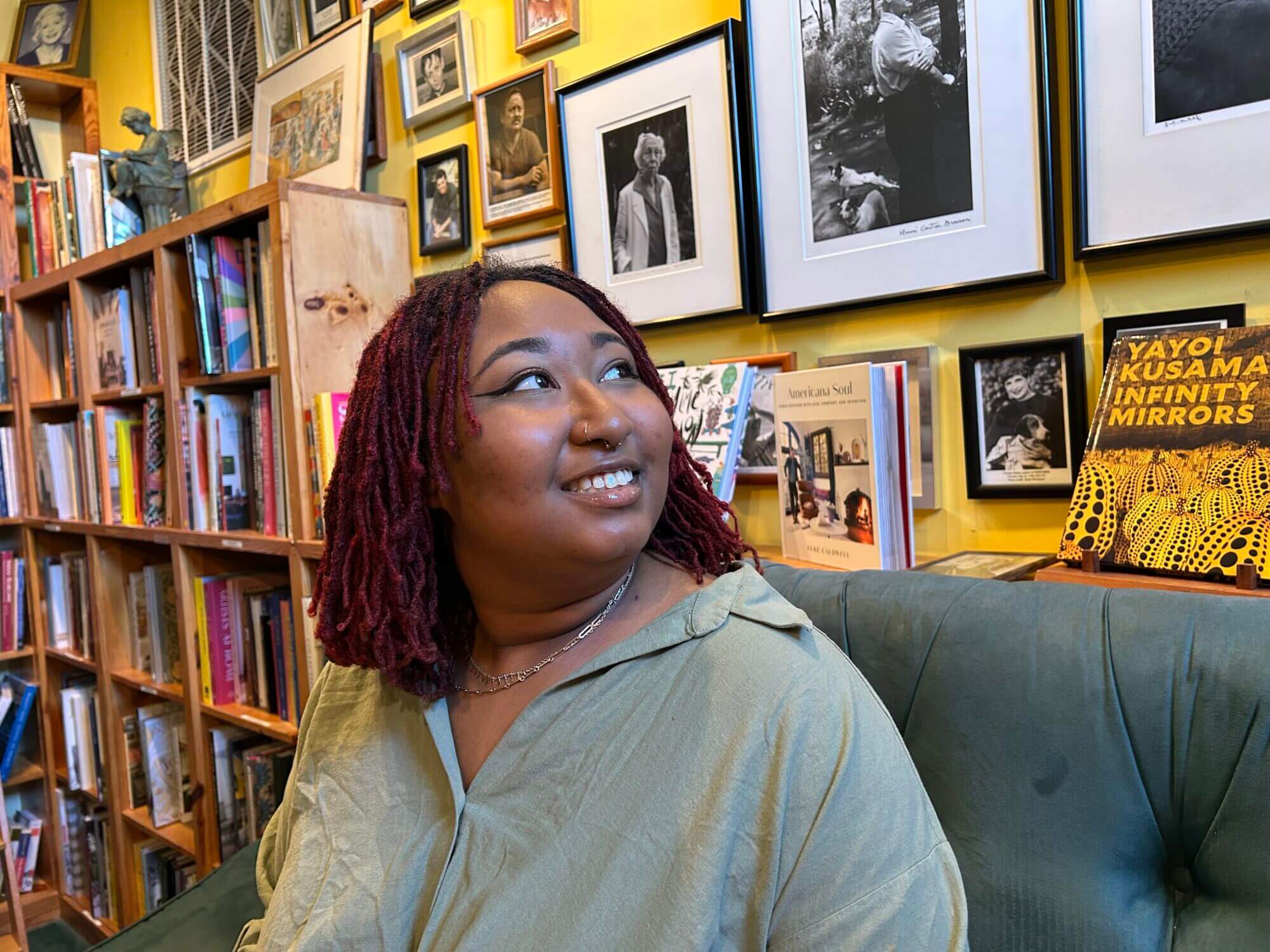
“I like to say that I write for the eldest daughter,” said Skipwith, whose own sister is about a decade younger. “In a sense, I kind of helped raise her. … There is a lot that I experienced, being an eldest daughter, and being a Black eldest daughter, that I felt like I should share, for guidance.”
Thomas pulls from her own experience for advice and encouragement for scholarship students. “I always remind them that they earned this, and they deserve it,” the author said. “One thing I’ve noticed about us writers — we have a lot of doubts, and all of us, at one point or another, struggle with imposter syndrome and we have these moments, even when we’ve seen success, where we’re like, ‘Did I really?’ ‘Am I that good?’
“I always want them to know that they deserved it, and I always, too, want to remind them that this is a journey,” she said. The university’s creative writing program, founded and led by Randall Smith, can help hone young writers’ gifts.
“Seeing these young people come in, finding their voices through the program, and also seeing such a diversity in the voices is incredible. It’s much more diverse now,” she said, than when she was the only Black student in the program. “Not just racial diversity, but diversity in the voices and the types of stories young people are telling, and the socioeconomic backgrounds that are now coming to the program, and it’s a great place to nurture that.”
Next up from Thomas is the second book in her Nic Blake series for younger readers, due out this fall, “It’s a fantasy series that partially takes place in Jackson, which is fun to be able to do, to bring a little magic to Jackson because Jackson sure could use it.”
Though she cannot talk now about her next Young Adult book in progress, “I think that fans of ‘The Hate U Give’ will be happy once this one is announced,” she said.
Work on movie and TV scripts continues.
Scholarship involvement is a good fit for a writer who sets stories, targets audiences and puts her belief in the younger set. “I’ve, in a lot of ways, given up on older generations for fixing and changing,” Thomas said, with a characteristically youthful laugh. “Day by day, my hope in older generations is just dying out little by little. And so, I see young people, obviously as the future, but as the hope.
“What I’m doing, hopefully, is an investment in the future, and seeing a world more like the one I would love for us to have right now.”
She wants more young people to recognize and use their power. “I look at every movement in this country, specifically, in which true change was achieved and usually young people were either at the forefront of it, or they were the motor behind it.
“If I’m the one who wants to see change in the world, I think the best way to do that is to invest in young people. Invest in them through the stories that I tell. Invest in them through the opportunities that I can provide, and just give them mirrors, windows and sliding glass doors.” Books, films — literature, period — can do that, she said.
“They can show young people themselves, and help them see the beauty in themselves, the power in themselves, or they can show young people lives unlike their own situations and … to give them a window into others’ lives. Or, they can be a sliding glass door that opens up opportunities for them to see a wider world.
“One of the big issues we have right now is that we have people in power who have a very limited worldview.
“If we want change, we have to make sure we’re giving them a worldview that is beyond just their little pocket of the world, so that they can understand the world, and they can understand others better. And so, honestly, we can at least have some empathy again.”
The post Fifth student receives full ride to college on writers scholarship appeared first on Mississippi Today.
How did the Mississippi Typo Tax Swap Act of 2025 happen? Legislative recap
The week of March 17 in the Mississippi Legislature dawned with a continuing tax standoff between the state House and Senate as they entered the final weeks of a three-month legislative session.
The two chambers remained so far apart with their tax plans that lawmakers and politicos expected the governor would have to force them into special session for more negotiations or else they would leave with no tax plan — heck, maybe even with no state budget.
Speaker Jason White and his GOP House leadership were steadfast in their yearslong desire to relatively quickly eliminate the state income tax and increase the state’s sales and gasoline taxes. This shift to more regressive taxation would stand to strip more than $2 billion from the $7 billion general fund of America’s poorest state, hitting lower-income people hardest and generally helping the more affluent.
Mississippi would, under this House proposal, become the first state to eliminate an existing income tax in American history. But House leaders promise the experiment will lead Mississippi to beulah land and generate more than enough economic growth to cover the billions cut from income tax revenue.
But on the other side of the Capitol, Lt. Gov. Delbert Hosemann and his GOP Senate leadership were standing firm that this House proposal is foolhardy, particularly with massive federal spending cuts and economic uncertainty looming. Mississippi is perennially dependent on money from Washington, and no one can confidently say they know what the coming months from the new Trump administration will mean for the state.
Senate leaders had instead offered only another cut to the state’s income tax, which is already among the lowest in the nation, rather than a total elimination the House was proposing. It was also pretty clear they’d be OK with ending this 2025 legislative session with no major tax changes at all if the House didn’t rein it in.
The stakes on this disagreement between the House and Senate are high for Mississippians for generations to come.
... In the end, it wasn’t earnest negotiation or any agreement between the two sides that led to the passage of total income tax elimination in Mississippi — it was a few typos.
The Senate had accidentally put in some decimal points that essentially eliminated the growth triggers that would have staved off full elimination of the income tax for years …
READ THE FULL ANALYSIS: The Typo Tax Swap Act of 2025 may be the most Mississippi thing ever
Quote of the Week
“I know the snake oil salesman who showed up in Mississippi selling this bill of goods must be laughing uncontrollably that they’ve put this one over on the rubes in Mississippi.” — Sen. Hob Bryan, speaking in committee against a measure to eliminate the state’s individual income tax and raise the gasoline tax
In Brief
Legislators introduce over 60 suffrage restoration bills
Lawmakers introduced around 66 measures to restore suffrage to people who have had their voting rights taken away from them because they were convicted of a disenfranchising felony offense.
Mississippi strips voting rights away from people for life if they have committed one of around 23 disenfranchising offenses. The only way for a person to regain their suffrage is to get two-thirds of lawmakers in both chambers to agree to restore it.
Governors can restore suffrage to people through pardons, but no governor has issued such a pardon since the end of Gov. Haley Barbour’s administration. – Taylor Vance
Governor signs turkey stamp bill into law
Gov. Tate Reeves signed a bill requiring hunters to obtain a turkey stamp before harvesting the wild birds into law.
Senate Bill 2280 requires in-state hunters to purchase a $10 turkey stamp and out-of-state hunters to pay a $100 fee for the stamp. In addition to the new stamp, the law still requires hunters to obtain a normal hunting license.
Proponents of the measure said the stamp fees would be used to maintain and improve turkey-hunting lands around the state. – Taylor Vance
Lawmakers haggle on absentee voting measure
A bill that could either establish early voting or expand absentee voting in the state is headed to a conference committee for final negotiations.
House Speaker Jason White named Republican Rep. Noah Sanford of Collins, Republican Rep. Mark Tullos of Raleigh and Republican Rep. Jansen Owen of Poplarville as the House conferees.
Lt. Gov. Delbert Hosemann named Republican Sen. Jeremy England of Vancleave, Republican Sen. Kevin Blackwell of Southaven and Republican Sen. Lydia Chassaniol of Winona as the Senate conferees.
The Senate passed a bill earlier in the session to establish two weeks of no-excuse early voting, but the House rejected that idea and proposed expanding absentee voting options. – Taylor Vance
Ed board recommends moving MSMS to MSU
The state Board of Education last week voted to recommend to lawmakers that the Mississippi School for Mathematics and Science be moved from the Mississippi University for Women to Mississippi State University.
The board had sought proposals from the universities to run the school for gifted high schoolers, which was created in 1987. The board said MSU’s proposal scored far higher than MUW’s. The Legislature would have to approve the move, and provide funding for it, which is not likely to happen as lawmakers enter the final days of the 2025 legislative session. – Geoff Pender
Bill requiring panhandler permits heads to governor
The Legislature has passed a bill to require panhandlers to get a permit costing up to $25 from their city or county government.
Proponents of the measure said it is a safety measure, to prevent people soliciting donations on busy streets. Opponents said it unjustly punishes and taxes homeless people. Failure to get a permit before soliciting donations would carry a fine up to $500 and jail time up to six weeks. – Geoff Pender
By the Numbers
.85% instead of 85%
Errant decimal points prompted an end to debate and passage of a monumental change in taxation for Mississippians. The Senate, urging caution in the move to eliminate the state’s personal income tax, in its proposal had an economic growth “trigger” that was supposed to ensure the tax would be phased out only with booming economic growth — for instance, when revenue surplus equals 85% or more of the cost of a 1% cut in the tax rate. But the bill accidentally put decimal points in front of the percentage, basically eliminating the trigger. The House, which wanted faster elimination, seized on the typos and passed the bill, and Gov. Tate Reeves says he will sign it into law.
Full Legislative Coverage
Legislature stumbles into final weeks of session in a tax-fight funk
As the Mississippi Legislature stumbles into what is supposed to be the final few weeks of its 2025 session, it’s in a funk, caused primarily by the continuing standoff between Republican House and Senate leaders over cutting/eliminating/increasing taxes. Read the story.
Podcast: Bill to ensure rape kits are available pending in final days of legislative session
Rep. Dana McLean, R-Columbus, joins Mississippi Today’s Bobby Harrison and Sophia Paffenroth to explain the importance of passing her legislation during the 2025 session to ensure local emergency rooms use rape kits in a timely manner. Listen to the podcast.
Lt. Gov. Hosemann feigns ignorance on typo that led to tax overhaul passing by mistake, claims victory
Lt. Gov. Delbert Hosemann’s House counterparts took advantage of typos in a bill his Senate approved — bringing forth the most sweeping tax overhaul in modern Mississippi history. Read the story.
Sweeping Mississippi tax overhaul passed … by mistake. Gov. Reeves eager to sign typo tax swap into law
The House on Friday took advantage of Senate typos — a few errant decimal points — in a bill and sent to Gov. Tate Reeves the most sweeping overhaul in taxation in modern Mississippi history. Read the story.
OOPS! Senate sent House an income tax bill with typos. House ran with it. What’s next?
Mississippi Senate leaders have said a House plan to eliminate the state income tax over about a decade was foolhardy, and instead proposed a much longer, more cautious approach. Read the story.
Doctors, advocates rally at Capitol: ‘Defend and expand Medicaid’
Dozens of advocates, doctors and spiritual leaders gathered outside the Capitol Tuesday to call for the “defense and expansion of Medicaid.” Read the story.
Following reports of victims unable to access rape kits in ERs, lawmaker pushes fix
Rape victims aren’t guaranteed a rape kit when they show up at a hospital emergency room – though it’s not clear how often they are turned away. Read the story.
The post How did the Mississippi Typo Tax Swap Act of 2025 happen? Legislative recap appeared first on Mississippi Today.
At St. Paddy’s Parade, voters want ‘almost everything’ to change in Jackson, but say they don’t know who to vote for
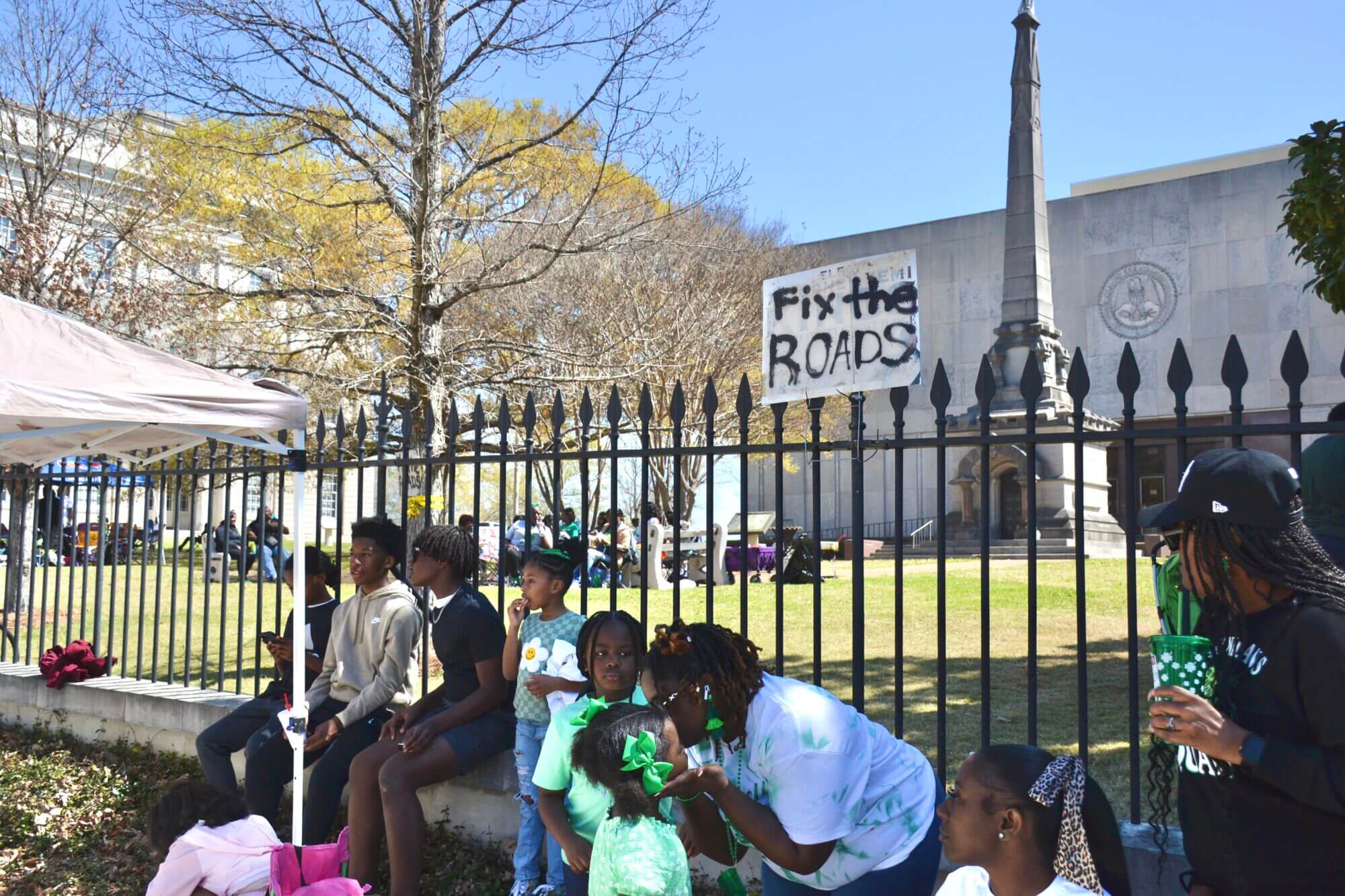
Portia Scott interjected when her friend didn’t want to talk about Jackson’s upcoming mayoral election as they waited for the annual Hal’s St. Paddy’s Parade to begin.
“I’ve got something to say,” she declared: It’s time for a change in the city.
A 26-year-old Willowood resident, Scott just wants the stoplights to work in her south Jackson neighborhood. She wants the city to stop giving her the “runaround” when she calls. And she wants to feel more confident in how her tax dollars are being spent than she does under Democratic Mayor Chokwe Antar Lumumba’s administration.
“It’s not just Republicans, Democrats, we’re looking at independent people who actually can come into the city and transform it, because that is so important right now,” she said. “It’s not about race, Black or white, it’s about the integrity of the people.”

Despite these strong feelings, and her efforts to make sure her friends are registered to vote, Scott doesn’t yet know who’s going to win her over in the April 1 primary election. While she follows TV news and plans to watch candidate interviews in more detail within the next week, she hasn’t been to a forum, because she doesn’t know how to find out about them.
“They don’t really publicize it for the people,” she said.
Many voters out at the parade Saturday felt similarly. Jackson needs new leadership, they said, but they don’t know who they want to lead it. And they haven’t had the time yet to get educated on the candidates.
“I spend a lot of time at work,” said Dalisha Christon, a 31-year-old west Jackson resident who thinks the city needs to create more after-school programs for its youth.
Plus, with 19 candidates on the ballot, Jackson voters who are trying to be informed face a daunting task this election season. There are 12 people running in the Democratic primary alone, which historically decides the city’s next mayor and is likely to go to a runoff on April 22.
“It’s so many candidates,” said Rickey Ellis, an employee at a medical supply warehouse. He was leaning against a black Nissan under the shade of a live oak tree.
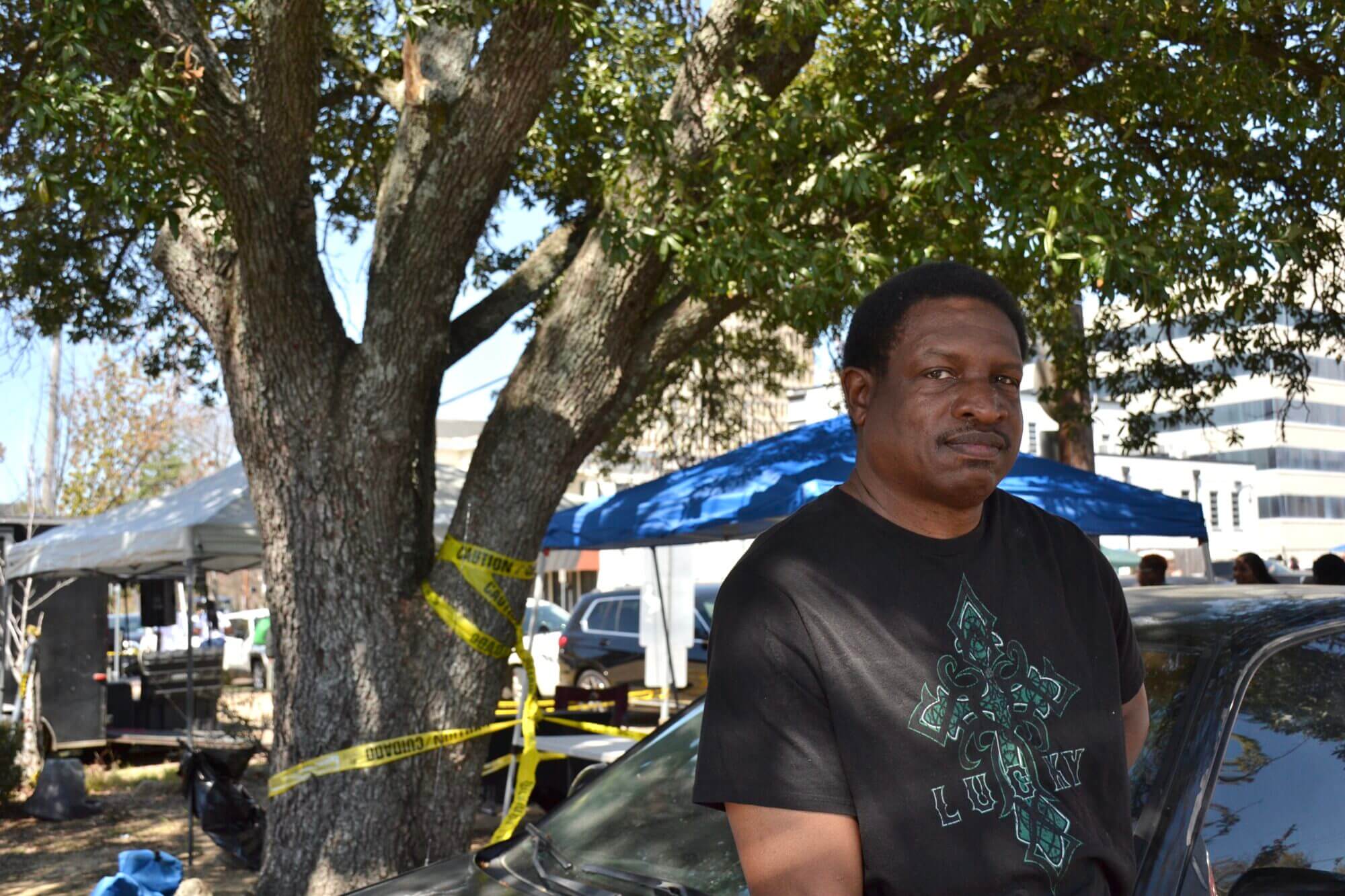
What Jackson needs, Ellis said, is a mayor with experience. He’s liking state Sen. John Horhn, who’s represented the city in the state Legislature for more than 30 years, or Socrates Garrett, a longtime city and state subcontractor.
But when it comes to Lumumba, Ellis said he thinks the mayor should’ve accomplished more in his eight years at the helm.
“I hate crime,” Ellis said, adding that he wants to stop hearing nightly gunshots in his south Jackson neighborhood.
Safety was a big issue for voters, along with the state of the city’s roads. Several brought up Lumumba’s recent bribery charges, to which he pleaded not guilty, as a reason they would not vote for him this cycle.
“Yeah, we feel bamboozled,” exclaimed Jasmine Giles, who voted for Lumumba in 2017. “He’s out in the club, and we down here suffering.”
Giles, a 30-year-old nurse who lives downtown but grew up in the Georgetown neighborhood, elaborated: Individually, many Jacksonians are doing well, earning money, taking care of their families and trying to avoid the negative traits of living here, such as the primarily interpersonal violence occurring across the city.
“Actually, we okay, but the picture that they draw of the city is a suffering picture to look at,” she said. “It’s a lot of murdering going on, it’s a lot of crime, the police could be doing a lot more than they’re doing.”
Just after 7 p.m., hours after the parade concluded, a shooting near the parade route on Pearl and Lamar streets claimed the life of one individual, 21-year-old Cortez George, and injured seven others. Bailey Martin, a spokesperson for the Capitol Police, wrote in a text that the information she was able to provide is subject to change, because officers are continuing to investigate.
“It is believed that two groups of individuals were involved in a dispute that escalated for unknown reasons,” Martin wrote. “This shooting was not targeting parade goers, nor was it random.”


Cities across the state face the similar problems as Jackson, Giles said, but since it’s her home, she wants Jackson to thrive, which she added was also the state’s responsibility. That sentiment was echoed by other parade-goers who said the capital city’s problems are greatly the result of state leaders’ neglect, which one man said he believes is due to racism against its primarily Black population.
“We all have to experience our experiences,” Giles said. “But overall, people can obviously do a lot more. The mayor – not the mayor, but the governor, he could do way a lot more, but that’s a whole other conversation.”
Jackson has never had a female mayor, and this race, dominated by men, suggests that won’t change any time soon. But there are two women on the ticket: Lillie Stewart-Robinson, an independent, and LaKeisha Crye, a Democrat.
Lillyunna Robinson, a recent Belhaven University graduate, said she was considering voting for Crye after meeting her at Soulé Coffee in Fondren. During their conversation, Robinson said Crye was asking voters “did we even know she was running for mayor.”
What does Robinson want to see changed in Jackson?
“Man,” she said, drawing out the word. “Almost everything.”
She wants to see more jobs for young people. And she thinks the city should offer more financial assistance for those who don’t have very much.

Instead, Robinson feels like she mainly sees abandoned homes and people moving away. Other parade-goers Mississippi Today spoke to had grown up in Jackson but moved away to Clinton; Ridgeland; Dallas, Texas; and Georgia.
“Jackson overall is kind of becoming a bare city,” Robinson said.
For that, Scott has one explanation she wants the mayoral candidates to hear.
“You wanna see Jackson grow, you wanna see Mississippi grow, you wanna keep the money here, you wanna keep your residents here,” she said. “But if you’re not really just out here putting in the work, I will go.”
CORRECTION: This story was updated to reflect that in addition to the person killed, seven people were injured in the shooting on Saturday.
The post At St. Paddy’s Parade, voters want ‘almost everything’ to change in Jackson, but say they don’t know who to vote for appeared first on Mississippi Today.