Home Blog Page 38

Congressional Democrats launch probe of efforts to deport US military members and their families

0

Congressional Democrats said they are investigating the Trump administration’s efforts to deport military service members and their families after The Associated Press found more than 50 active-duty troops’ spouses and parents have been detained by immigration authorities.

In a letter sent Sunday evening to the Department of Homeland Security, the Defense Department and the Department of Veterans Affairs, the Democrats said they will investigate whether the Pentagon and DHS are coordinating to deport military service members and their families.

Army Staff Sgt. Alexis Jaramillo shows photos of his wife, Maisa Lopes Eliaser, a Brazilian national who is detained by ICE, near the South Louisiana ICE Processing Center where she is currently held, in Basile, La., Sunday, Aug. 2, 2026. Credit: AP Photo/Joseph Vidrine

“These efforts imperil military readiness, weaken service members’ morale, and betray America’s promises to the people who put their lives on the line for our nation,” according to the letter, which was signed by more than 60 lawmakers and provided to the AP.

The Pentagon declined to comment, stating it would “reply directly to the authors of the letter.”

DHS told the AP that it values service members’ contributions and “U.S. military service alone does not automatically grant lawful immigration status, or exempt aliens from the consequences of violating U.S. immigration laws.”

The VA did not immediately respond to a request for comment.

In their letter, the Democrats provided an extensive list of questions to the agencies. They said the apparent collaboration between DHS and the military to deport troops’ families “raises both ethical and legal concerns.”

“Donald Trump is breaking our country’s promises to service members by tearing apart dozens of military families who were promised immigration protections,” Massachusetts Sen. Elizabeth Warren said. “That’s just plain cruel, and it’s hurting our military readiness and morale.”
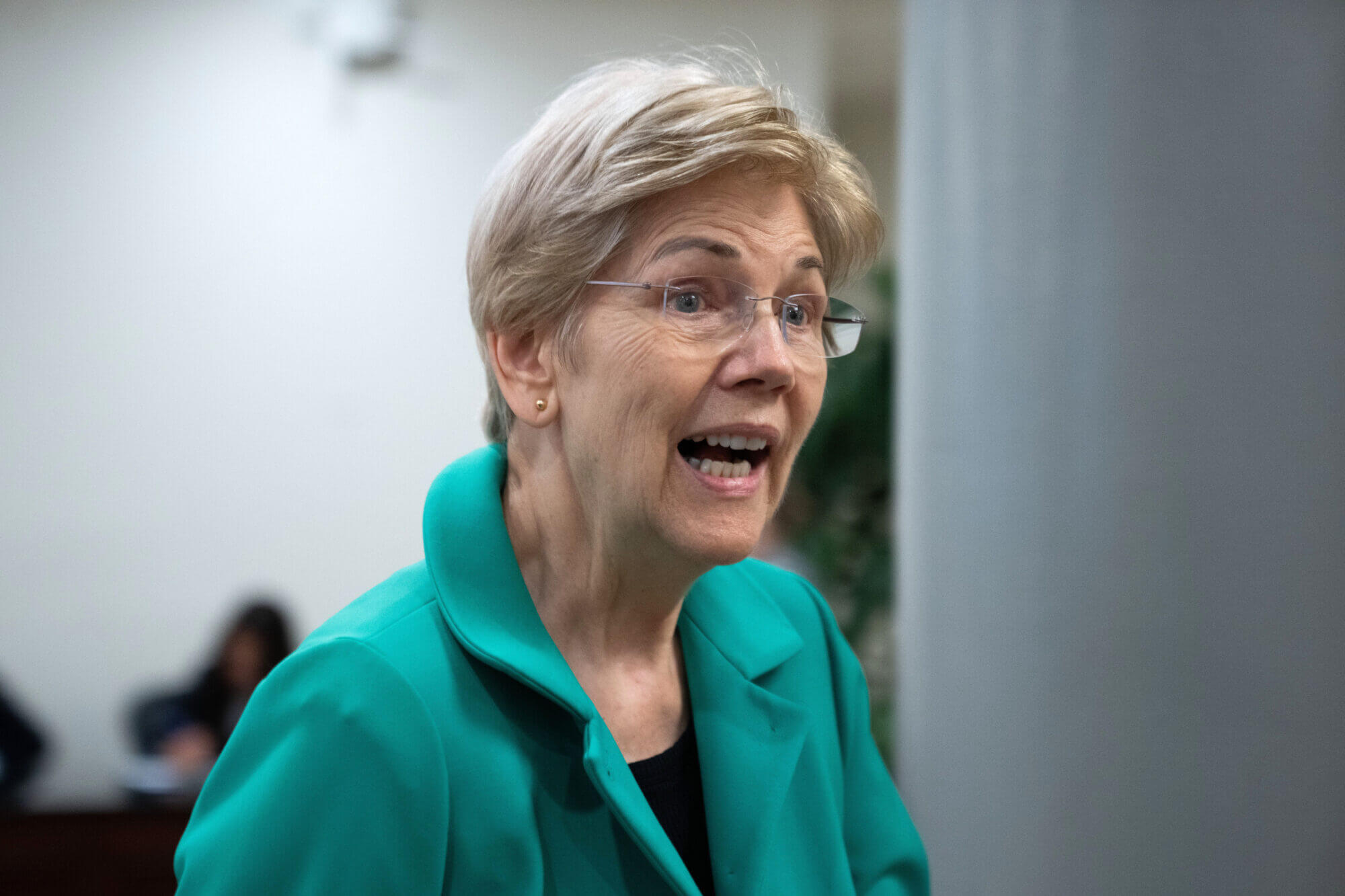
Sen. Elizabeth Warren, D-Mass., walks through the Capitol during votes in Washington, Thursday, July 16, 2026.  Credit: AP Photo/Allison Robbert

Warren’s office is leading the probe alongside Connecticut Sen. Richard Blumenthal, Illinois Sen. Tammy Duckworth and several House Democrats.

The AP investigation found President Donald Trump’s administration has rolled back protections for military families and departed from longstanding bipartisan consensus to carry out its mass deportation agenda. Service members have been forced to take leave of their duties, including delaying deployment, to care for their children after their spouses were detained.

The lawmakers pressed the administration on why military recruiters are still promoting immigration protections.

Citing the AP’s reporting, the lawmakers urged the Trump administration to restore policies that had previously shielded military service members’ families from immigration enforcement while allowing them to adjust their legal status.

“This report is appalling and shows the unbelievable cruelty at the center of the Trump immigration agenda,” said Blumenthal, the ranking Democrat on the Senate Committee on Veterans’ Affairs. “We will be demanding answers and accountability.”

The Republican chairs of the armed services and veterans’ affairs committees, Mississippi Sen. Roger Wicker and Kansas Sen. Jerry Moran, did not respond to requests for comment.

Sen. Roger Wicker, R-Miss., chairman of the Senate Armed Services Committee, walks to a closed-door briefing on the Iran war at the Capitol, March 10, 2026, in Washington. Credit: AP Photo/Jose Luis Magana

Last week, Trump established the Military Spouse Commission, chaired by Defense Secretary Pete Hegseth’s wife, Jennifer Rauchet, to develop policies and recommendations for improving life for troops’ spouses.

“Military spouses are intrinsically linked to the good order, readiness, and retention of our military,” Trump stated in a letter published in the Federal Register on Aug. 6. “Their support and contributions to our Armed Forces are crucial to mission success.”

The White House did not respond to a request for comment.

The Defense Department said in a December letter to Democratic lawmakers, obtained by the AP, that it had not implemented any recent policy changes for noncitizen family members in the military and has not conducted analysis on how deportations impact troop readiness and morale.

Danitza James, president of Repatriate Our Patriots, an organization providing support to military families and veterans facing deportation, said troops are being betrayed.

“Our military service members are the ones that sign on the dotted line to go and defend our country and maybe not come back,” James said. “They trust our government to take care of their families, and they’re not doing that.”

___

Brook is a corps member for The Associated Press/Report for America Statehouse News Initiative. Report for America is a nonprofit national service program that places journalists in local newsrooms to report on undercovered issues.


Mississippi officials urge regular upkeep at high-hazard dams

0

LAKE SERENE — As hurricane season enters its busiest stretch, state officials say routine inspections and maintenance by private dam owners are critical to reducing the risk of failures at Mississippi’s high-hazard dams. 

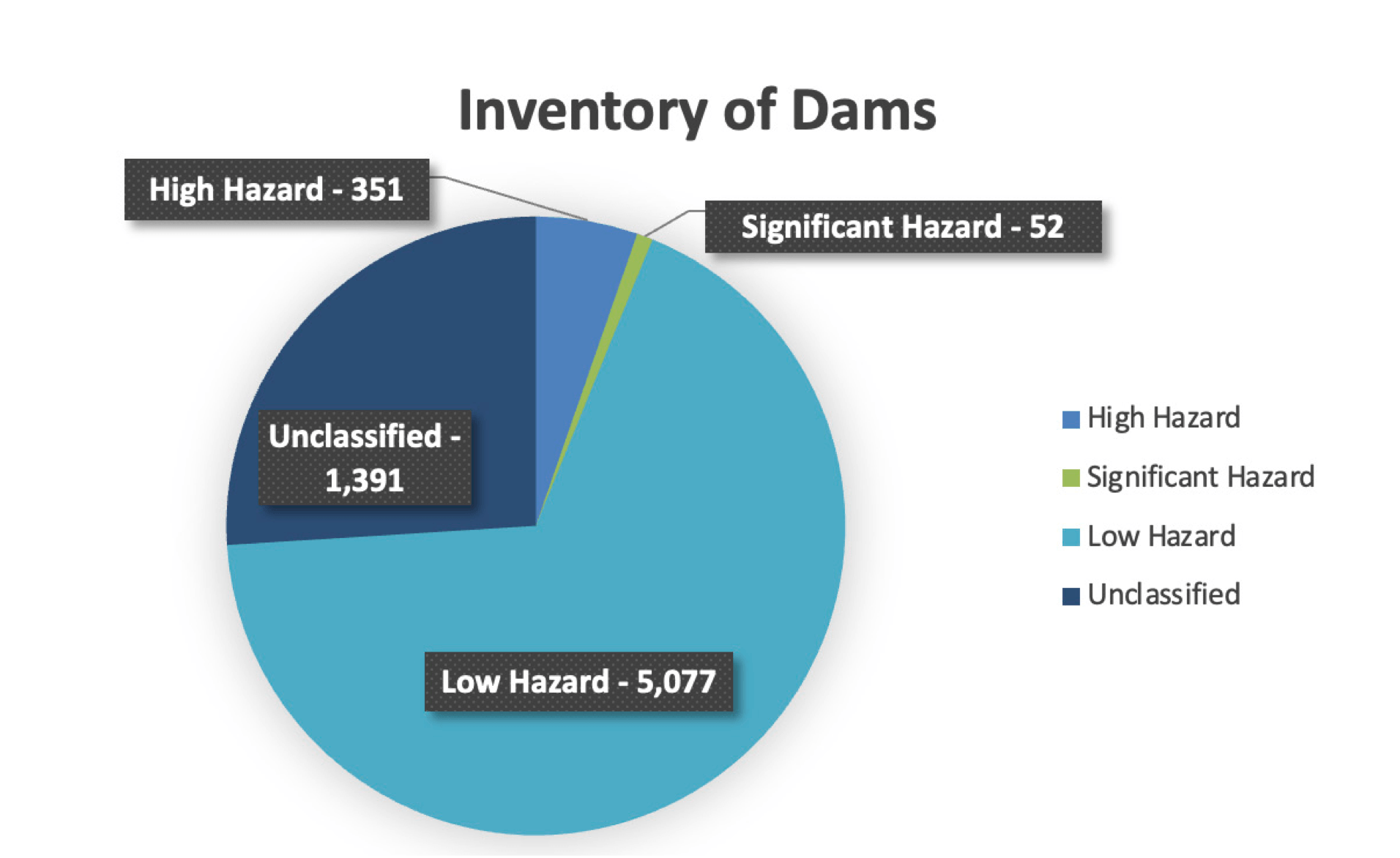
A high-hazard designation reflects the potential consequences of a dam failure — not the likelihood that one will occur. Mississippi has more than 6,800 dams, including 351 classified as high hazard.  

According to the Mississippi Department of Environmental Quality’s 2025 annual report, Mississippi has 6,871 dams. Of those, 351 are classified as high hazard, 52 as significant hazard, 5,077 as low hazard and 1,391 remain unclassified. Credit: Mississippi Department of Environmental Quality

Matthew Iburg, with the Mississippi Department of Environmental Quality’s Dam Safety Division, said 52 high-hazard dams are classified as being in unsatisfactory condition. Most have already been intentionally breached or placed under lake-level restrictions to reduce risk while repairs are completed. 

MDEQ Executive Director Chris Wells said each of the agency’s regional project managers is responsible for an average of 1,380 dams. 

“This is much higher than the national average of approximately 280 dams per employee as obtained from the Association of State Dam Safety Officials,” Wells said. 

Because MDEQ cannot inspect every dam frequently, he said owners’ routine inspections and maintenance are essential to identifying problems before they become emergencies. 

Owners of high- and significant-hazard dams are required to complete annual inspections and obtain a formal inspection from a Mississippi-licensed professional engineer every five years, Iburg said. MDEQ compares its findings with owner reports and provides guidance to help owners recognize potential problems. 

“They’re following a checklist, but they may not know what all the terminology is,” Iburg said. “We try to give them as much information as possible, so they understand what they’re looking for.” 

Inspectors routinely look for seepage, cracks, overgrown vegetation, animal burrows and spillway deficiencies that can weaken a dam. While many of Mississippi’s dams are decades old, Iburg said age alone is not the greatest concern. 

“Our dams are aging infrastructure,” he said. “The main reason for them becoming more hazardous is lack of maintenance.” 

That inspection process plays out every month at Lake Serene in Lamar County, where the homeowners association maintains five lakes, including two dams classified as high hazard. 

Jonathan Williams, president of the Lake Serene Homeowners Association, said the group conducts monthly inspections, documents potential problems and works with MDEQ before repairs begin. 

“Sometimes we find weak spots or spots that just need a little bit of attention,” Williams said. “Before we do any maintenance, we have to involve them.” 

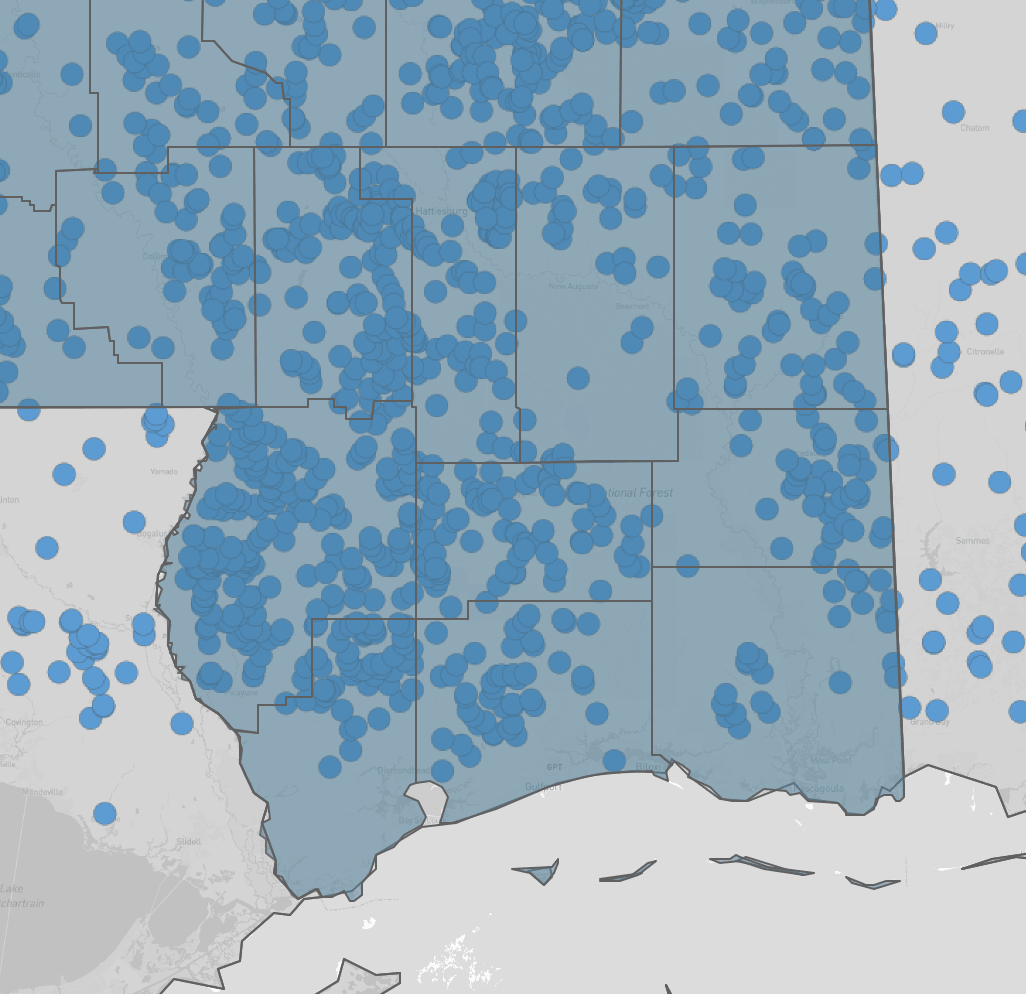
A map highlights dam locations across southern Mississippi, including Greene, Lamar, Forrest and surrounding counties. Credit: National Inventory of Dams

Williams said the association submits reports describing proposed repairs and, if needed, MDEQ brings in outside engineers to evaluate the structure. 

Despite having two dams with a high-hazard classification, Williams said residents should not assume the dams are likely to fail. 

“It is very, very unlikely, if everyone is doing what they’re supposed to do, of a dam failure to that magnitude,” he said. 

Residents can use MDEQ’s online dam map to locate nearby dams and view flood maps showing areas that could be affected if a dam were to fail. 

Iburg said residents living downstream from high-hazard dams should stay informed during severe weather, monitor emergency alerts and know their evacuation routes. Every high-hazard dam is required to have an emergency action plan identifying areas that could be affected by a failure and outlining notification procedures for emergency responders and public officials. 

Opioid advisory council to tackle delays in addiction response projects

0

Mississippi’s Opioid Settlement Fund Advisory Council will meet Thursday in Jackson to discuss which awarded grant applicants can rearrange their payment plans. 

Tasked with recommending how the state Legislature should spend hundreds of millions of lawsuit dollars to address the addiction crisis, council members said at their July meeting that some awardees would not be able to move forward with their projects with the default arrangement — reimbursements for work done every three months. 

To address that, council members voted in July to let organizations request monthly work reimbursements. The council will review requests on a case-by-case basis on Thursday. In late July, Mississippi’s Attorney General’s office sent emails to granted applicants that instructed them to say why the default arrangement would not work. With that information, the council could decide if the payment change is necessary. 

The meeting will be held at 1 p.m. on the first floor of the Carroll Gartin Justice Building.

Each year since 2022, Mississippi has been paid tens of millions of opioid settlement dollars, money that is supposed to help respond to the overdose public health crisis. But 15% of those dollars — the money controlled by the state’s towns, cities and counties — is unrestricted and being spent with almost no public knowledge. Mississippi Today spent the summer finding out how almost every local government receiving money has been managing the money over the past three years.
Read The Series

Council members raised other concerns at their last meeting about how their committee reviews project applications. Sen. Nicole Boyd, a Republican from Oxford, said without a comprehensive report to show where the state’s addiction responses needs are greatest, the Legislature wouldn’t know which efforts to fund.

“We need a strategic plan from y’all,” she told the other council members.

The council and Legislature awarded $100,000 for Mississippi’s Department of Mental Health to create that type of report, but it’s not completed yet.

Boyd also said the entire committee, including herself, could benefit from training on the addiction crisis from a health perspective. 

“There are experts in this, in public health, that really can talk through what the science is,” she told the council members. “If it’s something that we tape, that we watch — at night, at home, whatever — I would encourage us to have somebody really do some presentations on what this looks like.” 

Shari Veazey, executive director of the Mississippi Municipal League, said it wasn’t clear to the council where in the state this year’s opioid settlement abatement funds would be going. She suggested the council create a map that could show where last cycle’s funds went, and which parts remained underfunded.

James Moore, a Hattiesburg recovery advocate and member of the council, applied for funds himself. Like people who submitted grant proposals, he said he never heard from anyone about why his application was graded poorly and ultimately not funded by the Legislature. 

Moore asked that in the future, the council send all applicants their proposal scores and some explanation of why members graded them the way they did.

“I don’t know what to do to improve, should I apply again,” he told the members. 

The council ended its July meeting and did not vote on a plan to address Moore’s concerns.

Lynn Fitch hopes her campaign for governor exceeds previous best effort by woman, Evelyn Gandy in 1979

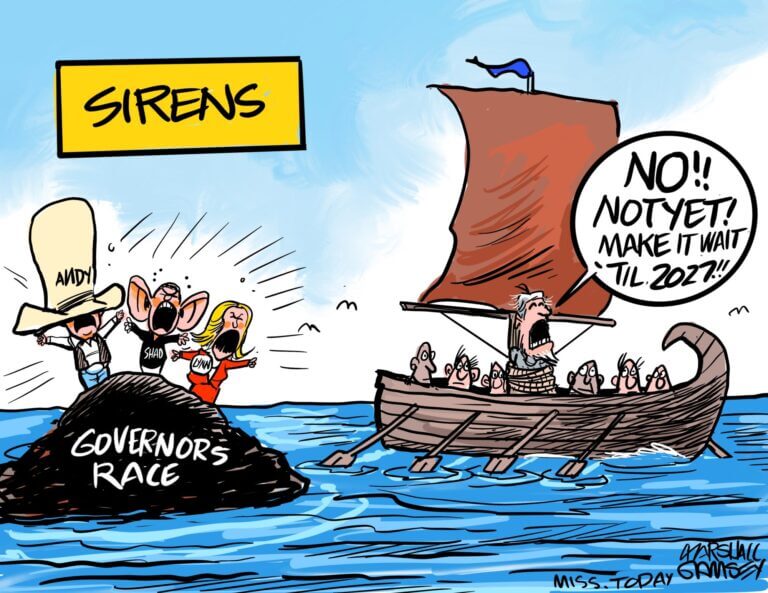
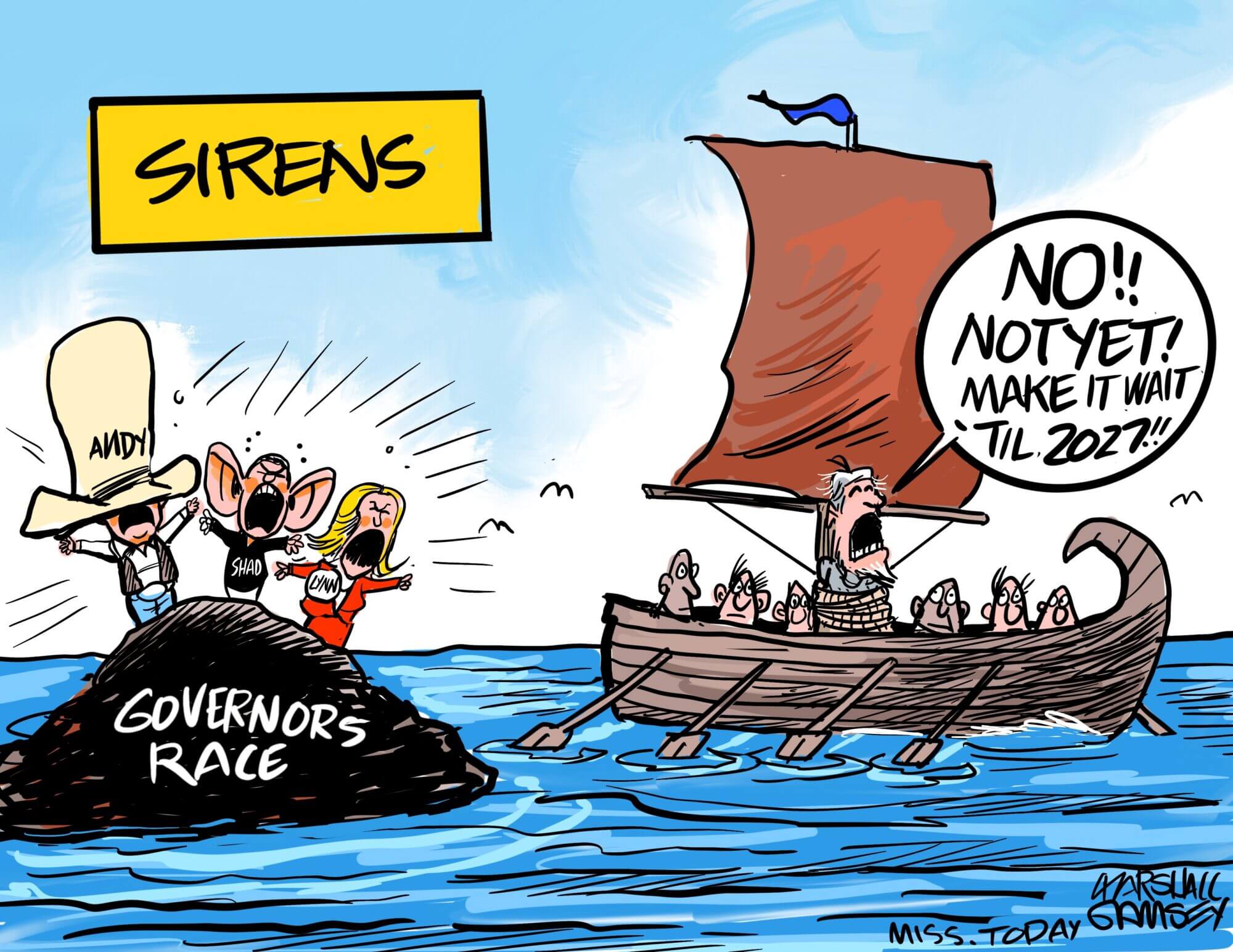
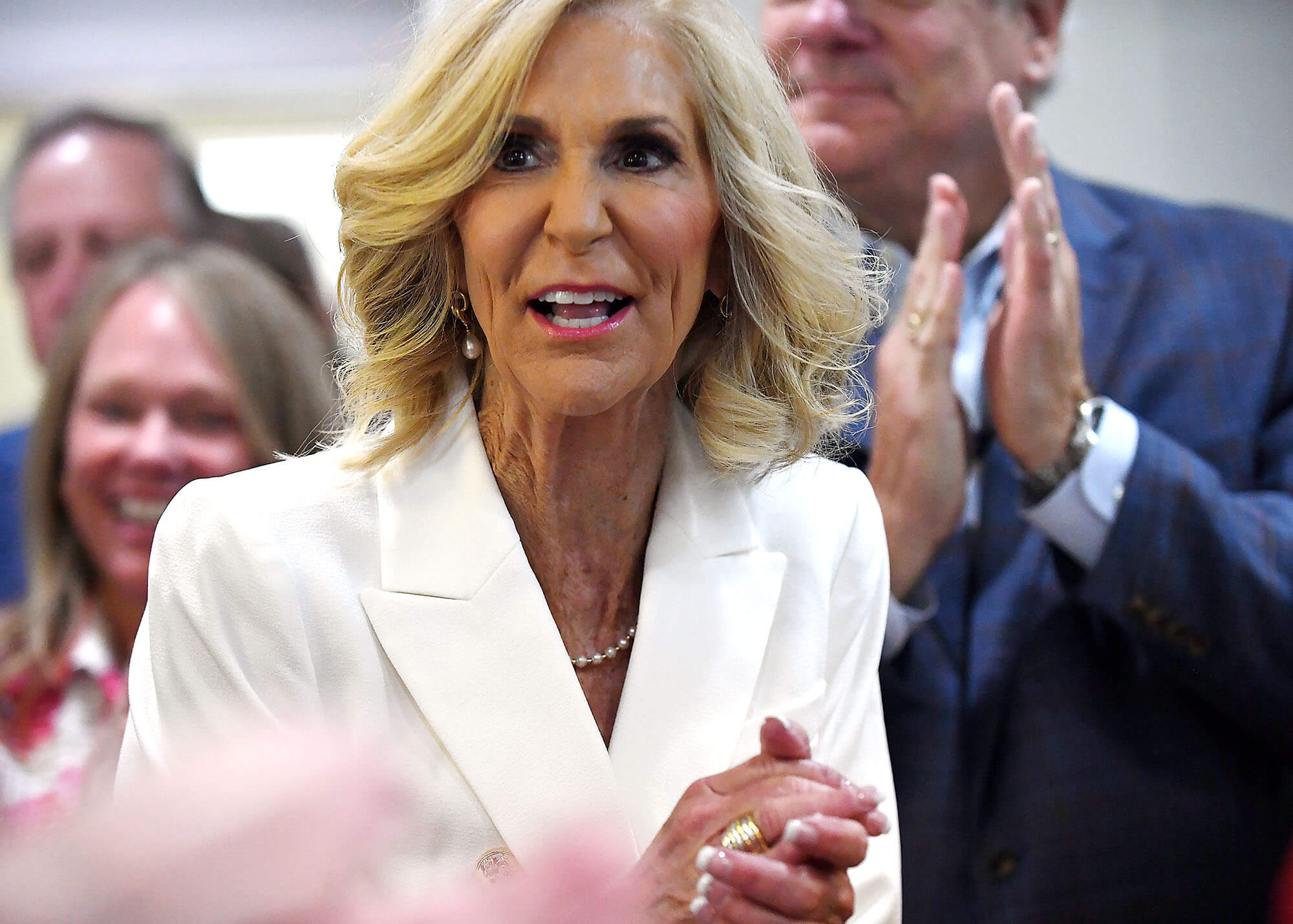
Attorney General Lynn Fitch is vying to do what has never been done in Mississippi and in 16 other states – be elected governor as a woman.

The Republican attorney general completed a three-day tour of the state last week touting her qualifications after announcing she is joining what is expected to be a crowded field in 2027 to succeed Gov. Tate Reeves, who is term limited.

Fitch is in her second term as attorney general after serving two terms as treasurer. She has to be considered the most serious and formidable female candidate for governor in Mississippi since 1979. 

That year, then-Lt. Gov. Evelyn Gandy led the competitive field of six candidates in the Democratic primary. She was unable to garner a majority of the vote, prompting a runoff between her and former Lt. Gov. William Winter.

In the runoff, Winter won 57% of the vote to capture the Democratic nomination, which at the time was tantamount to winning the office of governor. In those days, the Republican nominee, if there was one, did not pose much of a threat in the November general election.

In 1979, both Gandy and Winter were veteran politicians who had held multiple statewide offices.

Winter had served in the Mississippi House and in the statewide posts of tax collector (now abolished), treasurer and lieutenant governor. He had waged two unsuccessful campaigns for governor before his 1979 victory.

Gandy, the first Mississippi woman elected to a statewide constitutional office, had served as treasurer, insurance commissioner and lieutenant governor before the 1979 campaign. Like Winter, she also got her start in the Mississippi Legislature.

While Winter and Gandy both were entrenched politicians, each had unique attributes. Winter is praised for his work to improve public education at a time when anti-integration sentiment literally threatened the existence of public schools. His work on racial reconciliation after leaving public office was also notable.

Former Mississippi Lt. Gov. Evelyn Gandy. Credit: AP file photo

Gandy, of course, was a true trailblazer in terms of female involvement and success in Mississippi politics.

Fitch will be the first woman serving in a statewide office in Mississippi to run for governor since Gandy in 1979.

Many believed that Amy Tuck, who served as lieutenant governor from 2000 to 2008, would run for the office of governor and would be a strong candidate, thanks to her ability at retail politicking. But after finishing two terms as lieutenant governor, Tuck took an administrative job at Mississippi State University and has never ventured back into politics.

The political timing was bad for Tuck, who was first elected as a Democrat and switched to become a Republican. She was constitutionally prohibited from running for a third consecutive term as lieutenant governor, leaving her with the options to challenge Republican Gov. Haley Barbour, pursue a lesser office or step aside from politics.

Many believed after Barbour’s tenure ended, she eventually would pursue the office of governor, but she never did.

In more recent times, Cindy Hyde-Smith, who won the post of agriculture commissioner in 2011, might have been considered a strong candidate for governor. But she took a different path, becoming the first woman to serve Mississippi as a United States senator. Like Tuck, Hyde-Smith was first elected as a Democrat before becoming a Republican.

The timing was bad for Tuck in 2011. Fitch is hoping the timing is right for her now as she pursues the vacant office of governor.

And perhaps the timing seems right based on what has happened in surrounding states. Both Arkansas and Alabama currently have Republican female governors, and Republican U.S. Sen. Marsha Blackburn, a native of Jones County in south Mississippi, is attempting to become the first female governor of Tennessee.

Women also are vying for the governorships of Georgia, Florida and Texas.

Could one of those Southern states become the 34th state to elect a woman governor and could that history maker be Fitch?

Who was No. 1 in college football 66 years ago? The US Senate chimes in

You could not make what follows up, and I am not. 

Anyone keeping up with all that’s going on in college athletics knows the U.S. Senate is discussing and presumably debating the Protect College Sports Act. The proposed legislation attempts to bring some sanity in the form of regulations on name, image and likeness; the transfer portal; eligibility; and the ever-shifting landscape of college athletics.

Rick Cleveland

Most, if not all, major conferences support the Protect College Sports Act. It’s not perfect, but it’s a start. University presidents and athletic directors clamor for legislation because the NCAA has failed its membership miserably. Still, nothing as yet has been resolved.

Ah, but the Senate did act on something Thursday, and you won’t believe what it was – or maybe, considering all the ways our legislators have failed us, you will. The Senate adopted by unanimous consent Senate Resolution 833, recognizing Missouri as one of the teams with a claim to the 1960 college football national championship. I am laughing through tears as I type.

If you can’t fix what’s wrong today, do something about something that happened 66 years ago, I guess. 

You should know four other universities, including Ole Miss, already claim a version of the 1960 national title. Ole Miss finished 10-0-1 that year, beating Rice in the Sugar Bowl. The only blemish was a 6-6 tie with LSU. Those Rebels were voted No. 1 by the Football Writers Association of America, which was a pretty big deal back then.

Missouri finished the 1960 season with a 10-1 record, defeating Navy in the Orange Bowl. But Missouri was thrashed by Kansas 23-7 at Missouri in a late-season game. It was later determined that Kansas used an ineligible player in the game, therefore Missouri claims victory by forfeit. Never mind that the Tigers didn’t achieve a first down until late in the third quarter of the game.

Other claims to the 1960 title:

  • Minnesota, which finished 8-2, and still was recognized as national champion by both wire service polls, The Associated Press and United Press International.
  • Iowa, which finished 8-1, losing only to Minnesota, and was recognized as No. 1 by Litkenhous Ratings.
  • Washington, which finished 10-1 and defeated Minnesota in the Rose Bowl, was deemed the national champion by the Helms Athletic Foundation. The Huskies’ only loss was by one point to Navy.

As you can see, none of the teams have a clear claim to the national championship, but Missouri was the only one the five that suffered a one-sided defeat – at home, no less. That didn’t deter current Missouri Sen. Eric Schmitt, a Republican, who introduced and championed the resolution.

“More than six decades later, the 1960 Tigers embody the character of Missouri,” Schmitt said. “We are a people who work. We are a people who endure. We are people who keep our promises. The men of that team brought home a Big Eight Championship and the Orange Bowl championship game in a perfect season.”

Spoken like a true politician. No doubt, it will earn Schmitt some brownie points in the Show-Me State. Only, it wasn’t a perfect season, not even close. Kansas, which lost twice to other teams and by two touchdowns to Iowa, crushed Missouri at Missouri.

What the Senate achieved was adding one more team to the four that already claimed a disputed national championship. Again, Ole Miss claims two more of those. The 1959 Rebels finished 10-1 and avenged their only defeat that season, trouncing LSU 21-0 in the Sugar Bowl. The Rebels, for my money the best college football team in Mississippi history, out-scored opponents 329-21. Nevertheless, Syracuse (11-0 and winner over Texas in the Cotton Bowl) was No. 1 in both wire service polls and is widely considered the 1959 national champion. Perhaps Ole Miss was better, but we will never know.

The 1962 Rebels, who finished 10-0 and beat Arkansas in the Sugar Bowl, were ranked No. 1 by Litkenhous Ratings. But Rose Bowl champion Southern Cal finished 11-0 and was ranked No. 1 in both major (AP and UPI) polls.

College football is all screwed up these days. Teams now travel across three time zones to play conference games. Players transfer willy-nilly from school to school, based on how many hundreds of thousands of dollars (sometimes millions) the next school will pay. So now seems a good time to remind every one that college football at least does one thing right in 2026.

That is, the national championship is now decided on the field – not by wire service polls, not by various fly-by-night rating services and certainly not by the U.S. Senate. 

FAITH scholarship funding scare fuels push for state lawmakers to step up 

My’Kayla Gaines Cochnauer was delivering DoorDash orders Wednesday when a text from her adoptive mother ended days of uncertainty over how she would pay for her first semester at Mississippi State University.

The message shared a screenshot of an email telling the 18-year-old from Natchez that her Fostering Access and Inspiring True Hope, or FAITH, Scholarship had been restored — a week after the state Office of Student Financial Aid told applicants the awards would not be funded.

Her family had been scrambling to figure out how to cover roughly $5,000 in college costs before she was supposed to move into her dorm and begin studying psychology in mid-August. 

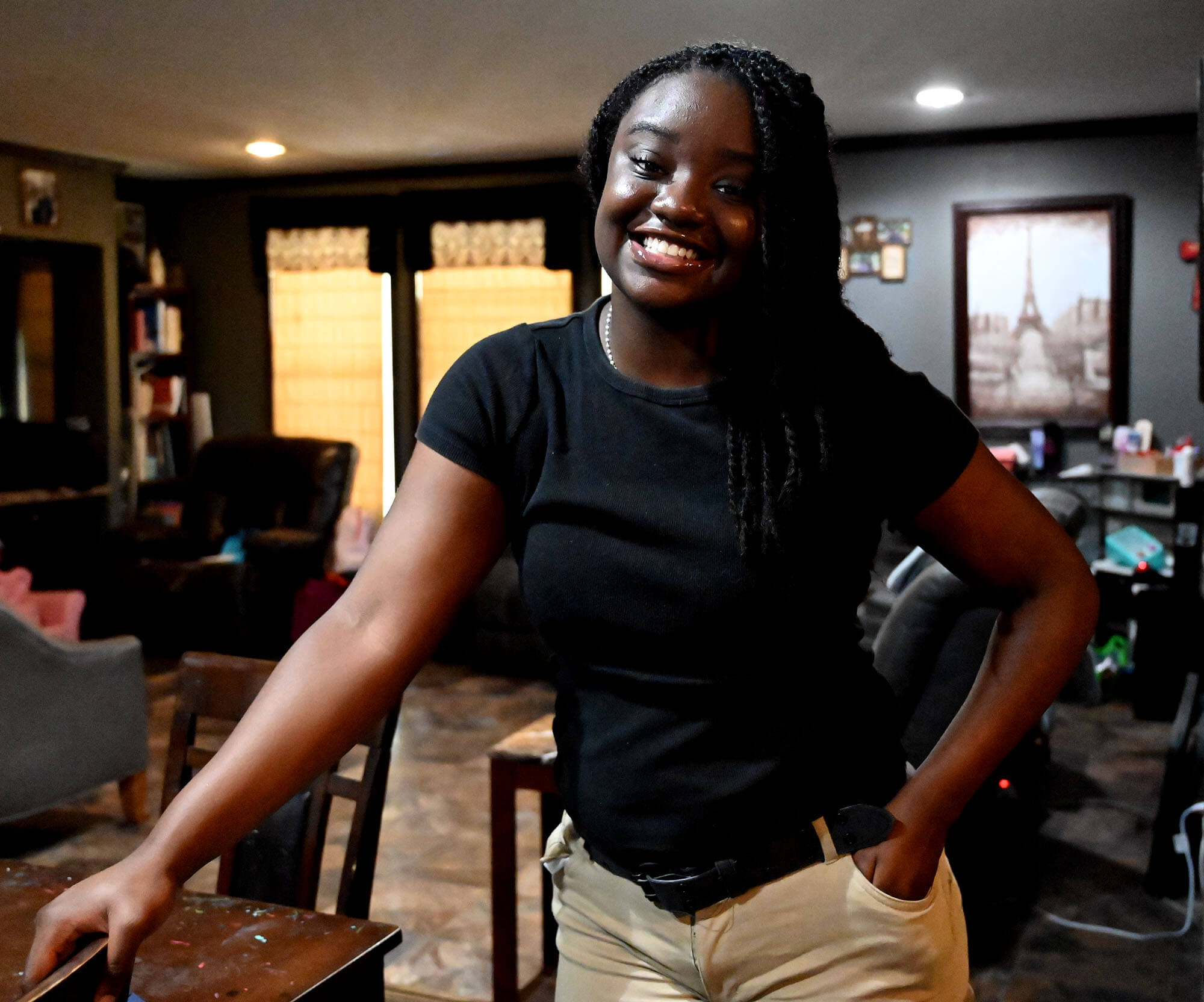
My’Kayla Gaines Cochnauer at her Natchez home on Friday, July 31, 2026. She is looking forward to studying psychology at Mississippi State University in Starkville. Credit: Vickie D. King/ Mississippi Today

“I am really happy that I and other kids can now go to college without having to worry about work or where my next dollars will come from,” Cochnauer said. “But I wonder why it took all this media attention to fix this problem?” 

Cochnauer is among 170 former foster youths whose scholarships will now be covered for their first semester of college after the Woodward Hines Education Foundation pledged $800,000 to help fill a funding gap in the state aid program. The foundation is also soliciting donations to help cover the scholarships..

The foundation’s contribution is a one-time fix. Mississippi’s financial aid office still faces a $7.3 million shortfall that could reduce aid for nearly 27,000 students, such as those receiving the Mississippi Tuition Assistance Grant (MTAG), Mississippi Eminent Scholars Grant (MESG) and the Higher Education Legislative Plan (HELP). The shortage could affect programs serving low-income students and teachers as well as the FAITH scholarship recipients.

Woodward Hines President and CEO Jim McHale learned about the FAITH  scholarship funding issue on Monday. The foundation’s board met Tuesday and unanimously approved a plan to cover eligible students’ first college semester. Officials at state universities and college foundations have also pledged to support FAITH scholarship students.  

But private donations can’t solve Mississippi’s broader financial aid funding crisis, McHale said. 

“If legislators say they want a strong, educated population and economic workforce then it’s imperative that they invest in the aid that covers tuition of young students and adults looking to boost their careers or education,” he said. 

READ MORE: FAITH Scholarships get $800K boost from Woodward Hines foundation

Earlier this year, state financial aid office officials requested $6.5 million from the Legislature for FAITH scholarships and the Winter-Reed Teacher Loan Repayment Program, which helps eligible teachers repay student loans. Lawmakers appropriated $3 million for both programs. The financial aid office applied the full appropriation to the FAITH scholarships, leaving the loan repayment program unfunded for the first time since it was created in 2021.

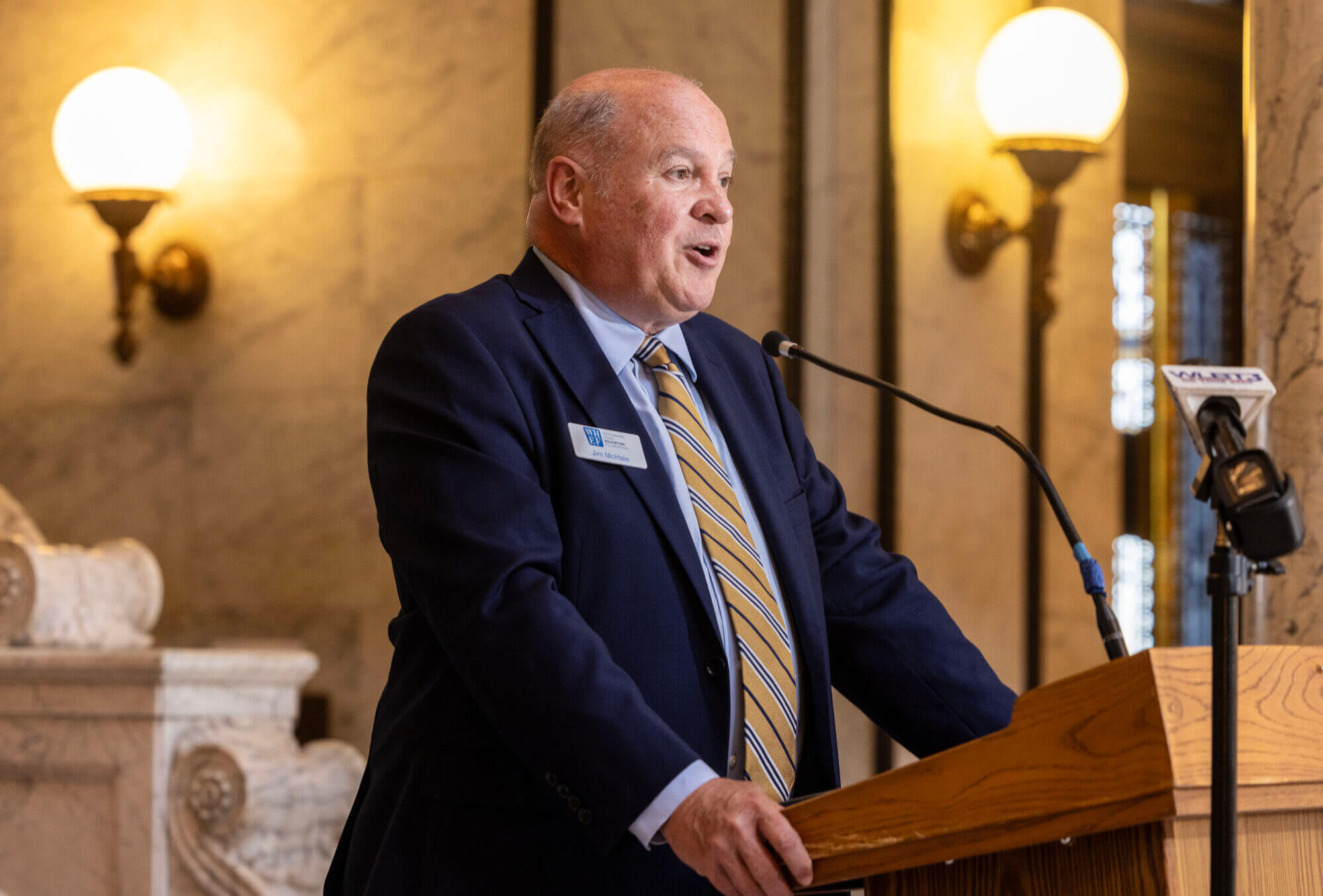
Jim McHale, president and CEO of the Woodward Hines Education Foundation, speaks about the FAITH Scholarship during a news conference at the Capitol in Jackson on Wednesday, Aug. 5, 2026. Credit: Eric Shelton/Mississippi Today

Senate Appropriations Chairman Briggs Hopson, a Republican from Vicksburg, did not respond to a request for comment before publication. 

Some colleges and universities, including Delta State and Mississippi Christian University — formerly Mississippi College — have committed to financially supporting FAITH recipients, said Sen. Nicole Boyd, a Republican from Oxford who is chair of the Senate Universities and Colleges Committee.

The state financial aid office prioritized new FAITH applicants on a first-come, first-served basis, said Jennifer Rogers, the agency’s executive director. The $3 million was enough to cover scholarship renewals for 159 students and first-time awards for 23 new applicants, she said. 

With the Woodward Hines foundation’s support, about 170 new applicants will get scholarships, too.

Most of those students, 95 of them, plan to attend community colleges, Boyd said.

On Wednesday, officials notified the new applicants that the scholarships would be funded after all.

At least that’s true for this year.

Demand for state financial aid has grown, Rogers said. In 2025, the financial aid office distributed more than $51 million to 22,377 students. Changes to the Free Application for Federal Student Aid, known as FAFSA, and state eligibility requirements have expanded the pool of students who are now eligible for aid, she said. Rogers also said  a reduction in the number of credit hours required to qualify as a full-time student and changes to the HELP grant made another 4,520 students eligible for state-funded grants.

State lawmakers need to prevent another funding shortfall, said Rep. Bill Kinkade, a Republican from Byhalia, who sponsored the legislation that created the FAITH scholarship in 2022. The scholarship also has special meaning for Kinkade, who spent part of his childhood in a group home in Jackson. 

“We made a promise to these students and we will try to honor them by funding those scholarships next year,” Kinkade said.

Rep. Bill Kinkade speaks about the Bill Kinkade Fostering Access and Inspiring True Hope, or FAITH, Scholarship during a news conference at the Capitol in Jackson on Wednesday, Aug. 5, 2026. He spent part of his childhood living in a group home in Jackson. Credit: Eric Shelton/Mississippi Today

Kinkade said he plans to work with lawmakers before the legislative session starts in January to address anticipated funding needs for the state financial aid office.

Kell Smith, executive director of Mississippi’s Community College Board, said he was grateful for the recent work to ensure FAITH scholarship students have the opportunity to attend college. 

“The FAITH scholarship is integral to a population like first-generation students that oftentimes need help navigating higher education and processes,” Smith said. “This is just an opportunity for us to continue to provide those training and educational opportunities that are so beneficial to our students and to our families and to the state.” 

Tammy Cochnauer, My’Kayla’s adoptive mother, said she wants the Legislature to establish rules requiring earlier notification whenever scholarship funding is in jeopardy. The funding crisis erects burdens for students who are determined to get an education, she said. 

“The state should be encouraging students like My’Kayla to stay in Mississippi to pursue a  higher education, and eventually give back to our communities,” Tammy Cochnauer said. 

For My’Kayla, the immediate uncertainty is over. She plans to move into her Creswell dorm room at Mississippi State on Aug. 14 

As grateful as she is for the financial support, she worries about scholarships disappearing again. 

“It’s good and all that we got it returned back,” My’Kayla Gaines Cochnauer said. “But 170 kids were left to figure out what would come next. It doesn’t erase what happened, and it doesn’t erase the feeling of being abandoned by the system.”

On Mississippi’s death row, ‘Humans Remain,’ advocate says

Thirty-four men and one woman in Mississippi await a death sentence handed down years ago, sometimes decades ago. Some people know their names, their victims and details of their crimes. Few probably know who they are or how they spend their days. 

Abdur Rahim Ambrose Sr. enjoys fixing broken things for a challenge. Kelvin Lashaun Jordan works on puzzles, draws and writes poetry. Tim Ronk, nicknamed Jersey because he is from the Garden State, likes to read fantasy.

These self-written introductions are possible through a nonprofit organization called Humans Remain, an online platform for Mississippi’s death row prisoners to talk directly to the public by sharing their stories, academic achievements and writing. 

“The guys have a platform to talk … and for people to try and understand that, perhaps, they’re not their worst 15 minutes,” said Liz McCann, a co-founder of the group based outside of London, England. “There’s a whole lot more of a story to these people.”

Mississippi is among the few Southern states where she has connected with death row prisoners. McCann began talking with some of the death row men about four years ago, and last year she partnered with some of them to create the organization, which celebrates its first anniversary this weekend. 

“It’s an honor to be able to be a voice and to give a voice to so many men and women. We are no longer voiceless and faceless with this inhumane system which seeks to execute us,” Joesph Patri Brown, a co-founder of the group, said in a message shared by McCann. 

Joesph Patri Brown, who has been on incarcerated in Mississippi for over 30 years, is the author of “The Image They Had Painted.” The cover is a person emerging from a whirlpool, which he uses to describe the criminal justice system. The book gives a glimpse into his life and the lives of the men around him and critiques the death penalty. Credit: Publication Studio Guelph

Brown has been on death row for over 30 years for his conviction in the shooting death of a convenience store clerk in Adams County during an armed robbery but has maintained his innocence. He is a published author who has used his writing as a form of advocacy for himself and on behalf of others on death row in Mississippi. 

He said he is proud Humans Remain has become a national and world-recognized group opposing the death penalty. 

McCann has built relationships with the people on death row through consistent phone contact, video calls and exchanging messages on tablets. 

She said the organization’s name came from conversations with the men about gruesome headlines used to write about crime.  

“We read a lot about human remains, and I thought, ‘Well, yes, but what about the people behind that?’” she said. “ ‘Humans Remain’ became our working title, and we all agreed it was visceral and hit the note that we were looking for.”

McCann, who has previously campaigned for human rights issues, said she has been interested in death penalty abolition since reading a book about it when she was 19. 

After finishing her education, having a career and raising children, she focused on meeting people on death row, starting with pen pal correspondence with one man in Florida and another in North Carolina. 

Her interest in Mississippi came from reading about the American South and watching the 1987 BBC documentary “Fourteen Days in May,” which was about the days leading up to the execution of Edward Earl Johnson. It featured attorney Clive Stafford Smith, who unsuccessfully tried to stop the execution.

McCann said some of the men who remain on Mississippi’s death row remember Smith, who went on to challenge death sentences across the South and advocate against the death penalty and human rights abuses internationally. In recent years, he has represented detainees at Guantanamo Bay. 

“Personally, I am proudest of the things I have done that help to humanize those who society tells us to demonize, so it’s great to see Liz doing just that,” Smith said in a testimonial about Humans Remain that is featured on its website.

The men on death row at the Mississippi State Penitentiary at Parchman meet weekly with McCann over a video call to give updates about Humans Remain, work on projects for the organization and plan for future ones. She said a core group of about nine men play an active role in the nonprofit. 

McCann helps maintain the organization’s website featuring journal entries by the men and Lisa Jo Chamberlin, who is the only woman on death row in Mississippi, and occasional blog posts from McCann’s perspective as an advocate. There are also educational sections about developments in the death row prisoners’ cases, writings about ending the death penalty and information about death row exonerees. 

She also helps them create videos to share on social media. 

Caleb Corrothers, who received two death sentences in 2011, is an artist and one of the over 30 men Humans Remain co-founder Liz McCann has gotten to know through phone and video calls over the past four years. Humans Remain, founded in August 2025, is a platform where death row inmates like Corrothers have been able to share their first hand experience on death row through writing, art, journals and advocacy. Credit: Courtesy of Liz McCann, Humans Remain

McCann said people are curious about death row and the prisoners’ lives there. People can submit questions on the Humans Remain website for the men to answer. 

A common question is about what they eat because people have seen horror stories about prison food, McCann said. 

Since moving to Parchman’s Unit 17 late last year, they have a dedicated kitchen team and they are getting good meals using fresh produce from their garden, which is under the watch of Blayde Grayson, she said. 

The dedicated kitchen team, garden and self-contained unit where the men live are a stark contrast to the living conditions for Chamberlin, who is in segregated housing and has experienced restrictions, including access to phone calls and enrollment in classes.  

On Friday, Chamberlin’s location was listed at the Delta Correctional Facility, the second women’s prison located in Greenwood. It’s over 100 miles away from the women’s section at the Central Mississippi Correctional Facility in Pearl, where she had been housed since her 2006 conviction for the murder of two people in Hattiesburg. 

McCann said people are also inquisitive about the executions and some have asked for commentary about states adding execution methods. Mississippi uses lethal injection. In 2022, it added toxic gas, firing squad and electrocution as execution methods, although those options have not been used

McCann said the death row men have also found it bizarre to be living in the “death house” where the execution chamber resides, and they find it baffling when people have come to visit the chamber. 

Tennessee voters oust Trump-backed congressman and set matchup for redrawn Memphis-area US House seat

MEMPHIS, Tenn. — Former Tennessee Agriculture Commissioner Charlie Hatcher defeated U.S. Rep. Andy Ogles in a Republican primary Thursday for a significantly reshaped congressional district — marking a rare rejection of a candidate endorsed by President Donald Trump.

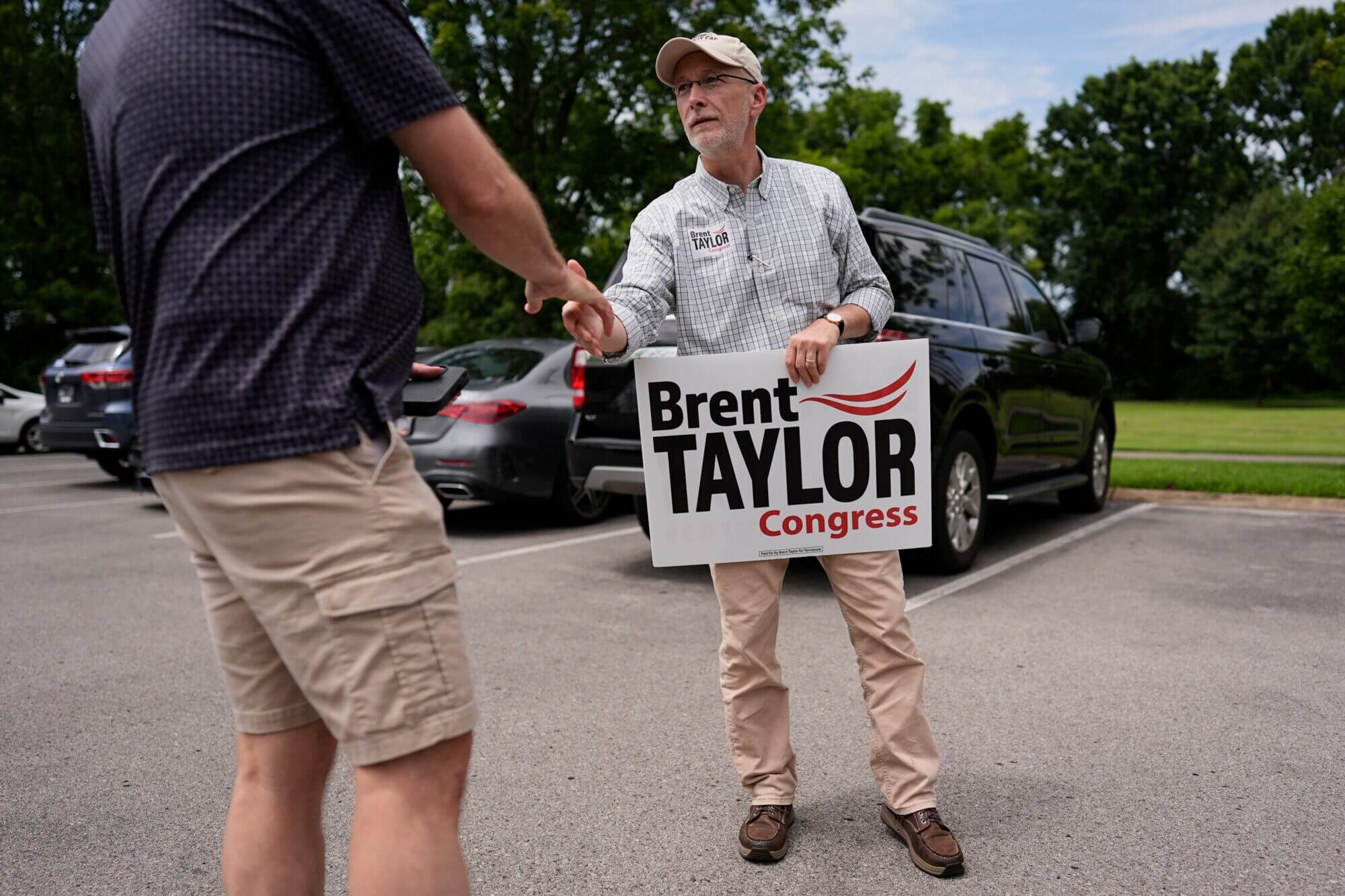
Voters also picked a pair of Memphis-area lawmakers to square off in another vastly reconfigured U.S. House district. Trump-backed state Sen. Brent Taylor will face Democratic state Rep. Justin Pearson, who gained national prominence when he was expelled from the Tennessee House for protesting in support of gun control measures and then reelected by voters.

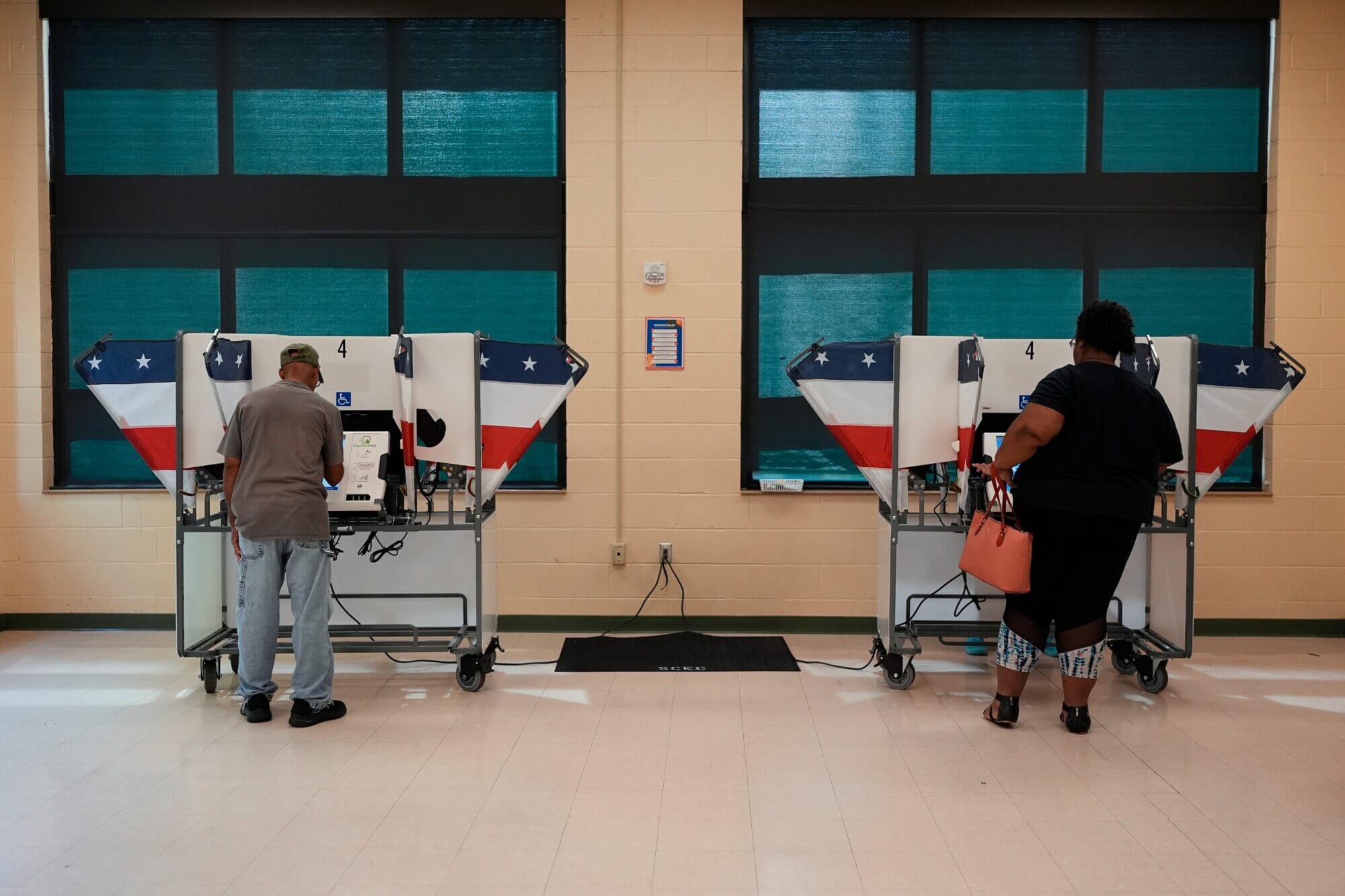
The primaries provided the first test of a new U.S. House map that was redrawn in May by Republican state lawmakers after the U.S. Supreme Court weakened federal Voting Rights Act protections for minorities. Trump cheered along the redistricting as part of a broader national plan to try to hold on to a slim House majority in the midterm elections.

Republicans already hold eight of the state’s nine congressional seats and will be going for a clean sweep of the districts in November.

The previously compact 9th Congressional District, based in Memphis, had a majority Black population and is represented by a Democrat. But it was cracked apart by Republicans this year, causing a ripple of changes that also reconfigured Ogles’ 5th District.

A Trump-endorsed candidate is defeated

Ogles, a member of the conservative Freedom Caucus, had faced controversies related to his campaign finances and his resume, among other things. But Trump gave him an early endorsement last fall — and praised him on Election Day as “a Conservative Warrior” — as Ogles sought a third term.

Ogles capitalized on a previous redistricting in the 2022 elections, winning a formerly Democratic-held seat that was reshaped to Republicans’ advantage by splitting the Nashville area among three districts.

The new 5th District stretches from Ogles’ base in central Tennessee to the northwest corner of the state before snaking south along the Mississippi River to Memphis — with 82% of its voters new, according to an Associated Press estimate.

Although he lacked Trump’s endorsement, Hatcher was backed by Republican Gov. Bill Lee, under whom he served for seven years. Hatcher campaigned as pro-Trump while emphasizing his farming background.

“The message resonated, and the message was: Work like a farmer, get things done and serve others,” Hatcher told the AP after winning the primary.

Ogles’ campaign declined to comment. Ogles’ controversies have included the FBI seizing his cellphone in 2024 as part of an investigation into his campaign finance reporting. The Justice Department recently agreed to return the device, signaling that it was abandoning the probe, which began under the Biden administration.

In 2023, Ogles acknowledged that he had graduated with a liberal studies degree from Middle Tennessee State University, saying he was “mistaken” for previously describing it as an international relations degree.

Columbia Mayor Chaz Molder won the Democratic primary in the 5th District.

Democratic congressional candidate State Rep. Justin J. Pearson, D-Memphis, speaks to supporters at a primary election night party on Thursday, Aug. 6, 2026, in Memphis, Tenn. Credit: AP Photo/George Walker IV

Pearson and Taylor to face off in revamped Memphis district

The new 9th District stretches about 200 miles east from Memphis across rural areas before reaching north toward Nashville. It previously favored Democrats but now tilts Republican, with 71% of voters new to the district, according to an AP estimate.

After the redistricting, longtime Democratic Rep. Steve Cohen announced that he would no longer seek reelection.

Pearson noted to supporters Thursday night that it was 61 years ago to the day that the Voting Rights Act was signed. He said the Supreme Court and Tennessee lawmakers have effectively undone portions of it, leading to the redrawing of the formerly majority-Black district.

“The political dilution and degradation of our rights is happening,” Pearson said. But he added: “We’re one step closer to Washington, D.C.”

Taylor said in a statement to supporters that “Pearson is the face of the extreme left in this race — the same activist who has repeatedly put chaos over order.”

Republican congressional candidate State Sen. Brent Taylor, R-Memphis, speaks to a supporter outside an early voting polling place Friday, July 24, 2026, in Brentwood, Tenn. Credit: AP Photo/George Walker IV

While Pearson opposed Trump’s deployment of National Guard troops to address crime in Memphis last year, Taylor joined other Republicans in supporting it, calling it “an investment.”

Taylor also sponsored a 2024 law that required law enforcement agencies to communicate with federal immigration authorities if they discover people are in the country illegally.

Memphis voters voice dismay over redistricting

For decades Memphis, the most populous city in Shelby County, formed the base of its own congressional district. Now the county is split among three districts that extend outward like spokes into rural areas.

Lonzo Taylor, a retired postal worker and military veteran, said Black voters like himself have had their voices diluted.

“We only had one district in the whole state of Tennessee, and you don’t even want that to be fair? It’s just terrible,” said Taylor, 72. “I love this state, but I am very disappointed in our governor,” who called lawmakers into a special session for the redistricting.

Terrice Thomas, 45, an educator who votes for Democrats, had to learn a lot more about the candidates when she got switched from District 9 to District 8. She is concerned Memphis constituents could get overlooked.

“Is everybody going to have an equal say on what’s happening in their communities or even the people that you’re voting for?” Thomas said. “Are they going to really take into account the different areas and what makes us unique?”

Garrett wins GOP primary for open seat in 6th District

Republican U.S. Rep. John Rose opted not to seek reelection in the 6th to run for governor instead. That created a contentious primary for the GOP-leaning district, which stretches east from Nashville.

State Rep. Johnny Garrett won a Republican contest that included Rose’s recent chief of staff, former U.S. Rep. Van Hilleary. Mike Croley won a five-way Democratic primary.

Sen. Marsha Blackburn, R-Tenn., speaks during a ceremony to rename a bridge after President Donald J. Trump, Thursday, July 9, 2026, in Dandridge, Tenn. Credit: AP Photo/George Walker IV

Republican voters pick Blackburn for governor

U.S. Sen. Marsha Blackburn, who is a Mississippi native, defeated Rose in the GOP primary to succeed Gov. Lee, who is barred by term limits from seeking reelection. Memphis City Council member Jerri Green won for the Democrats.

Republicans have held the governor’s office since 2011 and won every U.S. Senate election since 1994.

Sen. Bill Hagerty won the Republican primary without opposition and will face Marquita Bradshaw, who won the Democratic nomination, in November.

___

Lieb reported from Jefferson City, Missouri. AP writer Geoff Mulvihill in Haddonfield, New Jersey, contributed.

Transport company KLLM is accused of discrimination against women in truck driver training

The U.S. Equal Employment Opportunity Commission filed a lawsuit against Richland-based KLLM Transport Services for allegedly discriminating against female students at its driver training academy. The company is owned by Mississippi billionaire brothers Tommy and James Duff.

Tommy Duff has publicly said he is considering running for governor in 2027 but has not announced as a candidate.

The commission, which enforces federal worker discrimination laws, filed the lawsuit against the company Wednesday in the U.S. District Court for the Northern District of Texas under Title VII of the Civil Rights Act. KLLM runs training programs in Mississippi and Texas. 

Duff Capital, which is at least a part owner of KLLM, is owned by the Duff brothers. According to Forbes, Duff Capital Investors purchased KLLM for $12 million in 2008 and in 2018 the trucking company brought in $600 million in revenue.

Duff Capital is the largest privately held business in Mississippi with ownership in over 20 companies, making the Duff brothers the wealthiest people in the state. They are estimated to be worth a combined $7 billion.

Court filings said that as early as 2021, students who received a conditional offer of employment from KLLM were required to complete on-the-road training with an experienced driver before they could work independently. Before the approximately six-week training, students were given a form where they could mark whether they preferred a male or female trainer or opt for the earliest available trainer. Trainers were also allowed to indicate the same preferences for their student driver.

KLLM did not assign female students to male trainers who said they preferred to only train male students. Because there were fewer female trainers, female students often had to wait longer to start their training. 

In addition, female student drivers who stated a preference for a female trainer for on-the-road training were not paid while they waited to be paired with a trainer, but male students who indicated a preference for a male trainer were paid, the lawsuit said.

The lawsuit also said the company had a policy that required female students to inform their spouse that they had requested for the first available trainer or a male trainer, and that they had to certify that the information was shared. There was no similar requirement for male students. The company also required trainers and students to sleep in the truck’s bunk bed, even when the trainer and driver were the opposite sex. 

“Rather than provide the female student driver’s single-sex sleeping quarters that protected their privacy and ensured equal employment opportunity, the employer here instead decided to adopt a series of sex-based discriminatory policies that treated women trainees worse than male trainees and disadvantaged them in their employment opportunities, which is unlawful disparate treatment,” said acting Employment Commission General Counsel Catherine Eschbach in a statement. 

KLLM and a representative for Tommy Duff did not respond to a request for comment by publication time Thursday.