As we near the holiday season, you may be looking to treat yourself to those set of wheels you’ve been eyeing, or perhaps it’s time to purchase your loved one their dream car. In today’s financial climate, managing your vehicle costs efficiently is key, as it could help you save money and limit potential headaches down the road. Here are some helpful tips to finally make that purchase for your (or a loved one’s) dream vehicle this holiday season:
Set your holiday budget, and stick to it. There are a variety of different expenses that come with getting a car – the purchase cost, insurance, maintenance and fuel being a few of them. Knowing how much you can afford, especially if you plan to pay for it over time, is key to avoiding a car bill that stretches your finances. Look for access to different budgeting tools and tips that can help you save for your purchase.
Look for the best holiday deals. Like many other items, vehicles have a price cycle; the end of the year tends to be when you can find a better deal, as dealers may need to meet quotas or clear out inventory. Generally, make sure you are considering multiple vehicles and shopping around at several dealerships to get the best price.
Test drive the vehicle to make sure it fits your needs. This is your time to see how the vehicle looks and feels, try out the interior systems and figure out if the vehicle fits your needs. Schedule test drive appointments to ensure the car you want is still available, ideally a few in the same day or week to keep your impressions fresh in your mind. It’s also helpful to simulate your daily driving conditions as much as possible, such as bringing any car seats or equipment you may have in your car daily. After your test drive, you can ask about the car’s warranty and fuel and maintenance requirements, as well as the possibility of getting an extended test drive or bringing the car to your own mechanic for a second opinion.
Determine whether you are financing or leasing. There are benefits of both a lease and a loan. With a loan, there is no milage limit and you are free to customize and change the car as you see fit. After completing your finance payments, you own it. Leases typically have lower upfront costs than loan payments, and at the end of the term you can return, purchase or trade the vehicle in. But keep in mind that most leases have a mileage limit, so it might not be the best option if you travel often.
How to know if an electric vehicle is right for you. With so many major manufacturers building EVs, there are more options than ever before. However, cost, maintenance, range and charging logistics are all key factors to consider. For maintenance, EVs typically require less maintenance than traditional cars. EV batteries tend to be covered by 8-10 year warranties (outlasting the amount of time most people own their cars) but EV tires degrade faster due to the weight of the battery. And just as gas prices vary, so do electricity costs – based on your location, your driving style and the size of your battery.
The median range of an EV with a fully charged battery is roughly 250 miles, but that number depends on the make and model as well as other factors like weather, traffic conditions and driving style. And when it comes to charging infrastructure, some cities and states may have more charging stations than others. Make sure to plan your trip ahead of time and map your route.
Be sure to do your homework first before making that big purchase. There are many tools available that can help you plan for costs in addition to the vehicle loan or lease payments, such as sales taxes, registration fees, and insurance—which can vary depending on the car make, model and even the color. For instance, using a car payment calculator can help estimate your monthly car payment for different scenarios, by inputting the ballpark amount you’d like to finance along with some other basic info.
For informational/educational purposes only: Views and strategies described in this article or provided via links may not be appropriate for everyone and are not intended as specific advice/recommendation for any business. Information has been obtained from sources believed to be reliable, but JPMorgan Chase & Co. or its affiliates and/or subsidiaries do not warrant its completeness or accuracy. The material is not intended to provide legal, tax, or financial advice or to indicate the availability or suitability of any JPMorgan Chase Bank, N.A. product or service. You should carefully consider your needs and objectives before making any decisions and consult the appropriate professional(s). Outlooks and past performance are not guarantees of future results. JPMorgan Chase & Co. and its affiliates are not responsible for, and do not provide or endorse third party products, services, or other content.
Deposit products provided by JPMorgan Chase Bank, N.A. Member FDIC. Equal Opportunity Lender.
Only a fraction of Mississippi inmates diagnosed with hepatitis C receive treatment, which has allowed the treatable infection to develop into a life-threatening illness, interviews and documents obtained by Mississippi Today reveal.
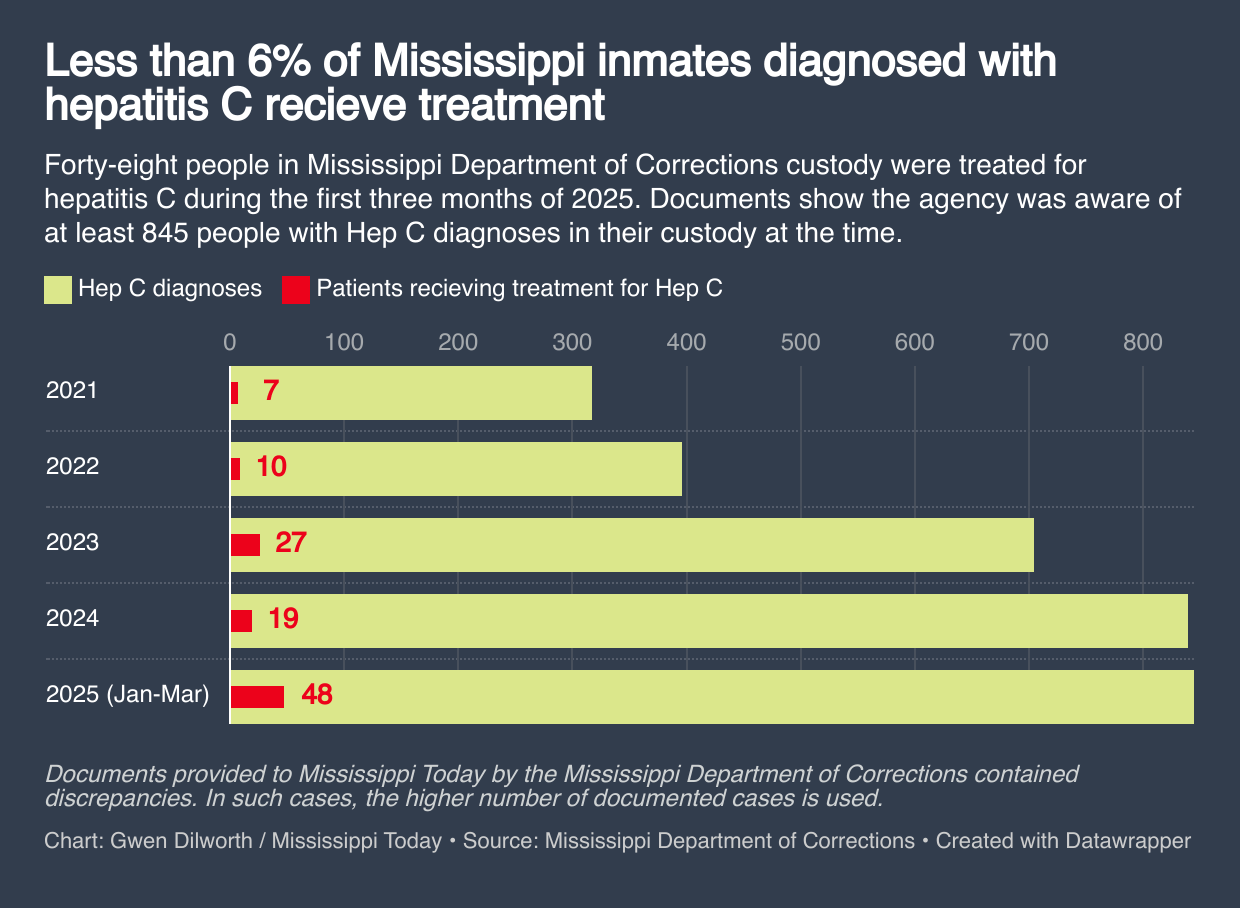
As many as 845 people incarcerated in Mississippi Department of Corrections facilities were confirmed to be living with hepatitis C between January and March of this year, records show. During the same period, 48 people – or less than 6% with documented diagnoses – received treatment.
But in private, officials have at times cited a much higher caseload – 5,000 cases out of about 19,000 people incarcerated by the state. This suggests that public records may reveal only a small portion of a widespread hepatitis C problem in Mississippi’s prisons, a state lawmaker with direct oversight over the corrections department told Mississippi Today.
As people in the care of the state suffer and the treatable illness continues to fester, she said, officials aren’t using resources available to them to lower the costs of medications.
This year’s treatment numbers represent an improvement over last year, when 19 people in state prisons – or 2% with diagnoses – received medication for hepatitis C. In 2020, only three people received treatment.
Department of Corrections spokesperson Kate Head did not answer questions from Mississippi Today about why at least hundreds of people in its custody with the contagious illness are not receiving treatment. But she said the agency’s medical contractor “is responsible for providing appropriate medical treatment to inmates with all medical conditions, including Hep C.”
VitalCore Health Strategies, a company that holds a three-year, $357-million contract to provide medical care to Mississippi prisoners, declined to comment. The company was previously awarded over $315 million in emergency, no-bid state contracts from 2020 to 2024.
Behind closed doors, state officials and VitalCore executives have been briefed on a much larger volume of cases, House Corrections Chairwoman Rep. Becky Currie told Mississippi Today.
Mississippi has one of the highest incarceration rates per capita in the world. Currie, a Republican from Brookhaven, has oversight of Mississippi’s prison system and those who manage it. During a private meeting at the Central Mississippi Correctional Facility in Rankin County with some of these leaders, Currie said Dr. Raman Singh, VitalCore’s chief medical officer, told her and State Health Officer Dr. Daniel Edney that about 5,000 MDOC prisoners and some prison workers had contracted hepatitis C.
Corrections Commissioner Burl Cain shared the same number with her in a separate meeting, Currie said.
Singh did not respond to requests for comment.
MDOC and VitalCore did not respond to questions about whether such conversations occurred. Department of Health spokesperson Greg Flynn said Dr. Edney did not believe it would be appropriate to comment on a private conversation, but he said it “absolutely could be the case” that as many as 5,000 people incarcerated in Mississippi suffer from hepatitis C.
Mississippi Today identified inconsistencies in testing and diagnosis numbers, such as low numbers of tests that resulted in large increases in new diagnoses, obtained through public-records requests. “Data collection and streamlining of the reception and diagnostic unit” contributed to the discrepancies, Head said.
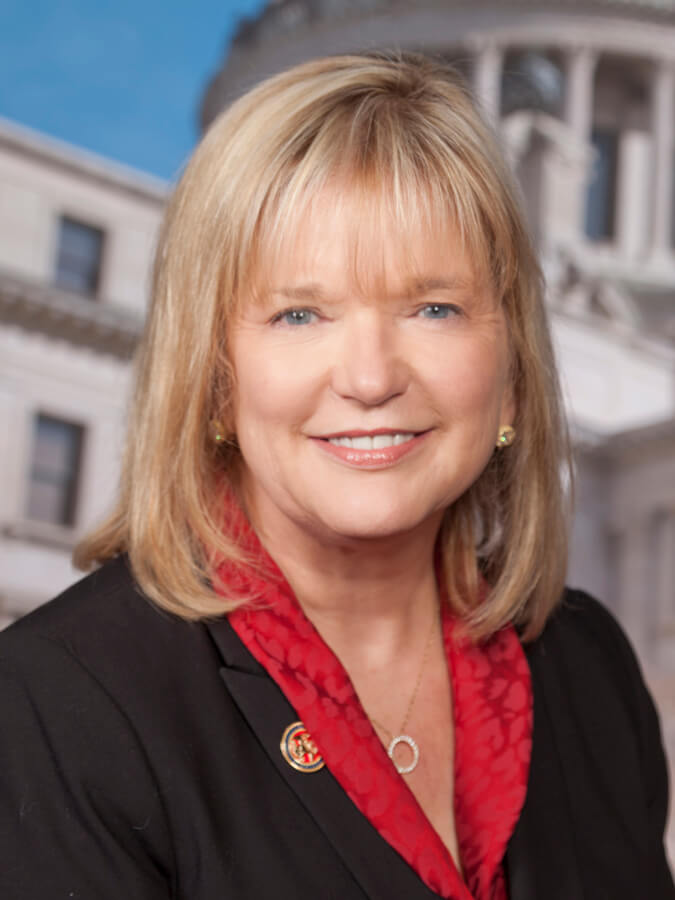
Rep. Becky Curry, R-Brookhaven Credit: Gil Ford Photography
During a series of tours of Mississippi prisons last year, Currie, who is a registered nurse, said she witnessed prisoners suffering from a wide range of health ailments, including hepatitis C, without treatment. The suffering is preventable, and raises questions about how hundreds of millions of taxpayer dollars have been spent, she said.
Currie called the denial of hepatitis C medication in Mississippi prisons a “public health crisis” that she couldn’t look away from as a nurse and a Christian.
Left untreated, the contagious blood-borne virus can cause serious health problems, including liver disease, liver failure and cancer. It is the leading cause of liver transplants in the U.S.
Hepatitis C proliferates in state prisons across the country, where its prevalence is nine times greater than the general population.
Risk factors for hepatitis C, such as injecting drugs, overlap with those for incarceration, said Dr. Anne Spaulding, an associate professor of epidemiology at Emory University’s Rollins School of Public Health who studies hepatitis C in prisons. She formerly served as medical director for the Rhode Island Department of Corrections.
Spaulding said prisons should make the medication available to every person who wants treatment.
“There should be no reason why a prison can’t treat most of their patients,” Spaulding said.
The first treatment for hepatitis C arrived in the 1980s. But the medication had low success rates and debilitating side effects, including flu-like symptoms, fatigue, depression and suicidal ideation.
A major scientific advance in the early 2010s – direct-acting antiviral drugs – transformed treatment regimens, offering high cure rates, shorter treatment durations and fewer side effects.
“The cure is something that you can really count on,” Spaulding said. “So it’s gone from a difficult-to-treat infection to an infection that is much, much simpler and effective (to treat).”
But the breakthrough in treatment has meant little for most Mississippi prisoners with hepatitis C, who have been fighting for years to receive the medication in prison.
“It is a problem that has been left so long without any answers,” Currie said.
In 2017, Chad Spiers, then incarcerated at South Mississippi Correctional Institution in Leakesville, filed a lawsuit against the Mississippi Department of Corrections and the medical contractor at the time for denying him medication after he tested positive for hepatitis C.
Magistrate Judge Robert H. Walker dismissed Spiers’ complaint, ruling that his care was constitutional because, though he did not receive medication, he was monitored for progression of the illness.
“The Constitution guarantee (sic) prisoners ‘only adequate, not optimal medical care,’” reads the ruling.
The Department of Corrections’ hepatitis management policy obtained by Mississippi Today says it will provide treatment for people with hepatitis C diagnoses “when indicated.” Spokesperson Head did not respond to questions about which cases warrant treatment.
But a person with direct knowledge of medical care inside Mississippi’s prisons, who was granted anonymity to speak candidly about how inmates are treated, said prisons are financially incentivized to wait to treat inmates until they get sick enough for prison officials to justify purchasing the expensive medication.
“(Prison staff) were told he’s not sick enough yet,” the person said.
The medication can cost the Mississippi system almost $30,000 for a six-week course, the person said.
However, many state prison systems have negotiated cheaper prices for the medication and are able to treat more patients.
Delaying treatment runs counter to recommendations from the Centers for Disease Control and Prevention and the Federal Bureau of Prisons, which say clinicians should treat people and not wait for the illness to resolve spontaneously.
The CDC’s guidance should be applied to people who are incarcerated, said Dr. Kate LeMasters, as assistant professor at the University of Colorado who studies the public health implications of the prison system.
Most people with hepatitis C do not have symptoms, and about 25% will spontaneously clear the infection without treatment. The disease is slow moving and can take years for symptoms to show. But left untreated, it can wreak havoc on a person’s immune system, turning their skin yellow from jaundice and causing joint pain that leaves them immobile. Its longer-term health consequences, such as liver failure and cancer, are life-threatening.
“What we do now is that we let them get sick and die, or we let them get so sick that they get a liver disease, cirrhosis or cancer, and they die,” Currie said.
Disincentives and unused discounts
Even as the price of costly medication has fallen and treatment has become more effective, some state prison systems argue that treating hepatitis C is prohibitively expensive.
Several states have negotiated innovative payment models to treat people and prevent the spread of the disease inside and outside of prison walls.
Some use what is called the “Netflix” model – a subscription-based program that gives a state unlimited treatment doses during a fixed period. Other states have negotiated lower costs with pharmaceutical companies or obtained the medication through health care organizations enrolled in the federal 340B program, which requires pharmaceutical companies to sell outpatient drugs at discounted prices. The program can offer discounts on drugs in the range of 20% to 50%.
In its February 2024 contract proposal, VitalCore wrote it was “confident” it would be able to access discounted prices for hepatitis C medications using the 340B program.
“We have had tremendous success in accessing 340B purchasing and pricing in other similar contracts for the purpose of purchasing more expensive medications such as those for the treatment of HIV and Hepatitis C,” the proposal reads.
In the 2025 legislative session, a bill proposed by Currie would have required the Mississippi Departments of Health and Corrections to establish a hepatitis C program for inmates and work to obtain the medication at a discounted price through the 340B program.
The legislation passed the House with a large bipartisan majority, but didn’t survive negotiations with the Senate, in part because of a disagreement over the bill’s proposed audit of prison health care.
MDOC and VitalCore did not respond to questions about whether they receive 340B pricing for hepatitis C drugs. University of Mississippi Medical Center, the state’s largest hospital system, did not respond to a request for comment about whether the hospital partners with VitalCore to obtain discounted hepatitis C medication.
The Department of Health provided MDOC information about how to access 340B pricing several months ago, but the agency has not yet taken steps to obtain the reduced prices, Health Department spokesperson Flynn told Mississippi Today.
“The Department of Health has given information about how to go about getting 340B pricing and joining the program to the Department of Corrections,” Flynn said. “But to our knowledge, they are not utilizing the 340B, at least not that we know of right now.”
This means the Corrections Department isn’t making use of the tools it has to purchase hepatitis C medications at a cheaper price, Currie said.
“They’ve been able to get it all along,” she said.
A fate no one deserves
One study suggests it is most cost-effective to test and treat hepatitis C widely and provide linkage to care when people are released from prison because it prevents expensive complications and limits the spread of the infection.
“It’s going to cost the taxpayers more because we don’t initially treat it,” Currie said.
Currie told Mississippi Today she has personally asked the corrections department to treat several people she met while touring the prison system last year. One was “literally about on his deathbed” before receiving treatment, but has shown significant improvement since receiving medication, she said.
Despite evidence that suggests broad testing and treatment save money in the long run, Mississippi does not test widely for hepatitis C. Testing is performed “when deemed clinically indicated by the healthcare providers,” who take into consideration risk factors and the probability a patient has hepatitis C, Head said.
Incarceration itself is a risk factor for hepatitis C, given its high prevalence in prisons, LeMasters said.
“Everyone should be screened when entering prison because people who have a history of incarceration are considered at risk,” she said.
Opt-out testing, where patients are tested unless they specifically decline it, is the most effective way to identify hepatitis C, Spaulding said.
Incarcerated people are one of the few groups in the U.S. with a constitutional right to health care. MDOC has told Mississippi Today that it provides health care to prisoners that meets constitutional standards.
But a former top corrections official, after reading Mississippi Today’s coverage of prison health care issues, turned over internal communications to the news outlet that revealed top prison officials bemoaning the poor medical care provided to prisoners.
Inside prison facilities, hepatitis C patients are denied lifesaving medication – a fate no one, not even people convicted of crimes, deserves, Currie said.
“Our whole ‘because you’re in jail, we don’t care if you die’ program really doesn’t work for me,” she said.
Based on the ongoing rhetoric surrounding the federal government shutdown, perhaps it is time to ask the question.
The question is, do we – the United States of America – really want undocumented immigrants receiving medical treatment in our hospital emergency rooms?
If a non-citizen falls off a roof of a house while doing carpentry work, do we want to transport him to the hospital or just leave him in the yard to fend for himself – broken legs and all? If a non-citizen child is sick, should she be provided emergency care?
Hospitals, if they receive federal funds, are obligated to provide “stabilizing care” in their emergency rooms to all who show up, including undocumented immigrants.
The issue is worth discussing now because Republicans, led by U.S. House Speaker Mike Johnson, are complaining that Democrats are shutting down the federal government demanding federal funds to provide health care to undocumented immigrants.
U.S. Rep. Mike Ezell of Mississippi’s 4th District wrote on social media, “Senate Democrats failed America. They shut down the government because we refused to give free healthcare to people who broke our laws to get here.”
U.S. Sen. Cindy Hyde-Smith of Mississippi reposted the Senate Republicans proclaiming, “Senate Democrats are putting illegal aliens ahead of our troops and American families in need.”
In reality, the issue that led Democrats to oppose the continuing resolution to fund the federal government and thus leading to the shutdown has little to do with illegal immigrants. Instead, Democrats are trying to extend federal subsidies that make insurance policies purchased through the federal Affordable Care Act exchanges dramatically cheaper than they would otherwise be.
If the subsidies are not extended before the end of the year, the cost of insurance will go up on average $480 annually for the estimated 285,000 Mississippians on the exchange, according to KFF, a national nonprofit health care research organization. The premiums will go up much more for some Mississippians.
Some Republicans counter that they will discuss the subsidies once the government is funded. But the main talking point for many Republican lawmakers is that the Democrats want free health care for non-citizens.
Under federal law, undocumented immigrants are not eligible to receive coverage through federal health care plans, such as Medicare, Medicaid and the Children’s Health Insurance Program. Republicans had a chance to take up that issue when they passed what they called the “One Big Beautiful Bill Act” earlier this year at the urging of President Donald Trump. They did not.
Granted some states – yes, California _ do use their own state funds to provide health care for undocumented immigrants. Congressional Republicans considered trying to penalize those states for using their own money to provide health insurance for undocumented people, but opted not to in the big bill that President Trump signed into law in July.
While undocumented immigrants do not get health care through any federal program, hospitals do receive compensation for treating in their emergency rooms people, including non-citizens, without insurance and with limited ability to pay.
Trump’s big bill reduced the amount of compensation hospital emergency rooms receive for treating undocumented immigrants. That reduction hurts the hospitals, not the undocumented immigrants who the hospitals still must treat if they show up in emergency rooms.
Hospitals are partially reimbursed for the uncompensated care they give to help ensure their financial sustainability and help hold down the cost of health care for Americans. Without the federal assistance, hospitals could be forced to close or reduce services or increase costs for those with the ability to pay through private insurance or through other means.
So, if congressional Republicans and President Trump are complaining about Democrats trying to provide health care for undocumented immigrants, perhaps the options should be discussed.
One option was the big bill’s reduction of money going to the hospitals to treat undocumented people. This option penalizes hospitals and potentially those with insurance or the ability to pay. The alternative would be to provide adequate federal funds for the care that federal law mandates the hospitals provide.
Another option is to stop requiring hospital emergency rooms to treat undocumented immigrants. That could save a lot of money.
How does the United States of America, a country where a majority of people claim some type of religious views, want to address that issue?
Perhaps it is time to cut through the rhetoric and ask that question.
High school homecoming celebrations in Mississippi ended in gunfire Friday night, with separate shootings on opposite sides of the state that killed at least eight people dead and injured many more, authorities said.
Six were killed in downtown Leland after a high school football homecoming game in the Mississippi Delta on the state’s western edge, a coroner said Saturday. Four died at the scene, one died after being taken to Mississippi’s capital city of Jackson and one died after being taken to Memphis, Tennessee.
On the east side of the state, a pregnant woman was one of two people killed, Gov. Tate Reeves said.
About 20 people hurt in Delta region shooting
In Leland, about 20 people were injured in the gunfire after people gathered in the downtown area following the game, state Sen. Derrick Simmons said. Of the 20 who were hurt, four were in critical condition and flown from a hospital in nearby Greenville to a larger medical center in Jackson, Simmons told The Associated Press. He was being updated on developments from law enforcement authorities in the Delta.
On Saturday, pieces of tattered, yellow crime scene tape were wrapped around a pole in the city’s tiny downtown area. The police tape could also be seen in front of a boarded-up storefront, tangled up at the base of a sign commemorating the late soul singer Tyrone Davis, who was born nearby.
The crime scene is not far from City Hall, where family members gathered to seek answers. Members of the media were not allowed inside.
“People were just congregating and having a good time in the downtown of Leland,” Simmons said of the town with a population of fewer than 4,000 people.
He was told that after the gunfire, the scene was “very chaotic,” as police, sheriff’s deputies and ambulances “responded from all over.”
“It’s just senseless gun violence,” Simmons said. “What we are experiencing now is just a proliferation of guns just being in circulation.”
No arrests have been announced, and Simmons said late Saturday morning that he had not heard any information about possible suspects.
One witness, Camish Hopkins, described seeing people wounded and bleeding from various parts of their bodies and four people lying dead on the ground.
“It was the most horrific scene I’d ever seen,” Hopkins told The Associated Press after the meeting at City Hall.
Police shouted at people to keep behind crime-scene tape in the chaos, Hopkins said.
“No one was trying to really help,” Hopkins said. “Leland failed Leland yesterday, but I know that we can do better because this isn’t Leland.”
Washington County Coroner LaQuesha Watkins said in a statement Saturday that four people died at the scene of the shooting and two died later, the Delta Democrat-Times reported.
A separate shooting in eastern Mississippi killed 2
Meanwhile, police in the small Mississippi town of Heidelberg in the eastern part of the state are investigating a shooting during that community’s homecoming weekend that left two people dead.
Both of them were killed on the school campus Friday night, Heidelberg Police Chief Cornell White said. He declined to say whether the victims were students or provide other information about the crimes.
“Right now we’ve still got a subject at large, but I can’t give specifics,” White said Saturday morning.
An 18-year-old man was being sought for questioning in the Heidelberg shooting, the Jasper County Sheriff’s Office said in a statement. The sheriff asked that anyone with information contact the police chief or sheriff’s office.
The shooting in Heidelberg happened on the school campus where the Heidelberg Oilers were playing their homecoming football game Friday night. The town of about 640 residents is about 85 miles southeast of Jackson.
It wasn’t clear exactly when the gunfire occurred or how close it was to the stadium. White said he was at the scene Saturday investigating, and more information might be released in coming days.
“Our state is praying for the victims and their families, as well as the entire Heidelberg and Leland communities,” Gov. Reeves said in a social media post. “Those responsible will be brought to justice.”
A third shooting under investigation, sheriff says
In Sharkey County, also in the Delta, the local sheriff was investigating yet another shooting after a high school football game, authorities said.
Two people were arrested in that shooting, which happened at a local school after its game Friday night, Sharkey County Sheriff Herbert Ceaser Sr. said in a statement.
The statement did not include information on possible injuries, but said: “Our thoughts and prayers are with the victim’s family during this incredibly difficult time.” The sheriff couldn’t immediately be reached for more information Saturday.
The Mississippi Bureau of Investigation is helping local law enforcement authorities investigate the shootings in Heidelberg and Leland but not in Sharkey County, state Department of Public Safety spokesperson Bailey Martin told Mississippi Today.
Update 10/11/2025: This story has been updated with additional details from the shootings in three locations, including an increase in the death toll in Leland.
Mississippi’s capital came alive Saturday as the Jackson State University homecoming parade drew fans and alumni from near and far. Spectators cheered as the Sonic Boom of the South played lively tunes, the Prancing J-Setts showcased their dance moves and drum majors led the procession with high-stepping precision.
The parade brought music, movement and excitement to downtown Jackson, creating a lively mood for homecoming weekend. Among the guest performers were a marching band and dancers from Chandler Park Academy High School in Harper Wood, Michigan.
Jackson State University drum majors, known as the Jackson Five, perform in the JSU homecoming parade on Saturday, Oct. 11, 2025, in Jackson, Miss. Credit: Eric Shelton/Mississippi TodayThe Prancing J-Settes perform in the JSU homecoming parade on Saturday, Oct. 11, 2025, in Jackson, Miss. Credit: Eric Shelton/Mississippi TodayDancers from Chandler Park Academy High School in Harper Woods, Mich., perform during Jackson State University’s homecoming parade on Saturday, Oct. 11, 2025, in Jackson, Miss. Credit: Eric Shelton/Mississippi TodayBroadcast journalist DeMarco Morgan, Jackson State’s homecoming parade grand marshal, waves to the crowd during the parade on Saturday, Oct. 11, 2025, in Jackson, Miss. Credit: Eric Shelton/Mississippi TodayMembers of the Jackson State University dance department participate in the JSU homecoming parade on Saturday, Oct. 11, 2025, in Jackson, Miss. Credit: Eric Shelton/Mississippi TodayCandy is given to spectators during the Jackson State University homecoming parade on Saturday, Oct. 11, 2025, in Jackson, Miss. Credit: Eric Shelton/Mississippi TodayCandy is given to spectators during the Jackson State University homecoming parade on Saturday, Oct. 11, 2025, in Jackson, Miss. Credit: Eric Shelton/Mississippi TodayThe Chandler Park Academy High School band performs during Jackson State University’s Homecoming Parade on Saturday, Oct. 11, 2025, in Jackson, Miss. Credit: Eric Shelton/Mississippi TodayThe Chandler Park Academy High School from band from Harper Woods, Mich., performs during Jackson State University’s homecoming parade on Saturday, Oct. 11, 2025, in Jackson, Miss. Credit: Eric Shelton/Mississippi TodayParadegoers watch as bands pass during the Jackson State University homecoming parade on Saturday, Oct. 11, 2025, in Jackson, Miss. Credit: Eric Shelton/Mississippi TodayThe Sonic Boom of the South performs in the JSU homecoming parade on Saturday, Oct. 11, 2025, in Jackson, Miss. Credit: Eric Shelton/Mississippi TodayThe Sonic Boom of the South performs in the JSU homecoming parade on Saturday, Oct. 11, 2025, in Jackson, Miss. Credit: Eric Shelton/Mississippi TodayJackson Mayor John Horhn waves to the crowd during the JSU homecoming parade on Saturday, Oct. 11, 2025, in Jackson, Miss. Credit: Eric Shelton/Mississippi TodayJackson State University cheerleaders participate in the JSU homecoming parade on Saturday, Oct. 11, 2025, in Jackson, Miss. Credit: Eric Shelton/Mississippi TodayJackson State University cheerleaders participate in the JSU homecoming parade on Saturday, Oct. 11, 2025, in Jackson, Miss. Credit: Eric Shelton/Mississippi Today
WASHINGTON — More than half the states contributing National Guard troops to President Donald Trump’s federal law enforcement initiative in Washington have set target dates for their withdrawal later this fall, state officials told The Associated Press. Mississippi is among them.
The dates, in late October and November, could be extended, and it is not immediately clear when the other three states will remove their troops. But the planned withdrawals signal that the surge of troops into the nation’s capital may head toward a drawdown or a change in scope.
The plans by the contributing states come as Trump takes his push to send the military to other American cities, including Chicago and Portland, Oregon, which have each pushed back with legal action to try to stop any deployment.
The National Guard was activated in D.C. in August after Trump issued an executive order proclaiming an emergency over what the Republican president said were crime concerns. The order placed the local police department under the president’s authority for 30 days and then lapsed when Congress did not renew it.
But roughly 2,300 Guard members from eight states, as well as D.C., and hundreds of federal law enforcement officers remained in the city. According to official figures, more than 4,000 people have been arrested as part of the campaign since August.
Authorities in Georgia, Mississippi, South Carolina, Ohio and West Virginia all told The Associated Press they had a planned end date for their deployments. The other states with troops in D.C. — Alabama, Louisiana and South Dakota — did not respond to requests seeking information.
South Carolina, which initially sent 200 troops and now has about 40, said it plans to withdraw by the end of October, according to Maj. Karla Evans, South Carolina Guard spokesperson.
Ohio, Georgia, Mississippi and West Virginia said they planned to remove their troops by Nov. 30.
The five states together make up more than 80% of the 1,300 out-of-state troops deployed to D.C. The D.C. National Guard deployment is made up of around 1,000 forces and has had its orders extended at least through December.
Asked about the planned withdrawals, White House spokesperson Abigail Jackson said Trump’s law enforcement campaign in the capital had led to a reduction in crime. “These are undeniable positive results that everyone can celebrate.”
Trump has heralded his crime-fighting campaign in the nation’s capital as a resounding success. And data shows crime has decreased during that time, although rates were already falling before. But the lingering presence of the National Guard in Washington, D.C., has raised questions about Trump’s endgame for the deployments.
The Guard troops have patrolled transit hubs and tourist sites and as the deployment has dragged on, have become a fixture of the city’s urban scenery at parks and in neighborhoods. Their presence, at times armed, has been enough to unnerve residents, although no violent incidents have been reported. They also have picked up trash and in the case of the D.C. Guard, run an initiative that has done everything from help package meals for.
The news of a planned drawdown could be a relief for some residents, who have seen the unprecedented military deployment as increasingly normalized.
“This is not normal,” said Joseph Johnson, a local elected official who chairs a neighborhood advisory commission. “We know this should never have happened in the first place.”
D.C. Mayor Muriel Bowser’s office declined to comment. Bowser has said on several occasions that National Guard deployed from other states “has not been an efficient use of those resources.”
Some, however, said since the deployment was unavoidable, they tried to take advantage of it, especially with the D.C. Guard members running an initiative that has included cleaning neighborhoods and removing graffiti, as well as working with local food banks to package food and helping to revitalize a recreation center.
“They have no guns. They have no rifles, and they are truly doing what we have asked them to do to come and be a part of our community clean up,” Johnson said.
His fellow neighborhood advisory commissioner, Marcus Hickman, welcomed the additional help when the D.C. Guard emailed commissioners and asked if there were any needs. It allowed community members to work side by side with the guard members. Other plans are in the works, including the D.C. Guard joining in a school reading program, he said.
“When someone offers to come and help you clean your house, there is something to be said. A cleaner community is often a safer community.”
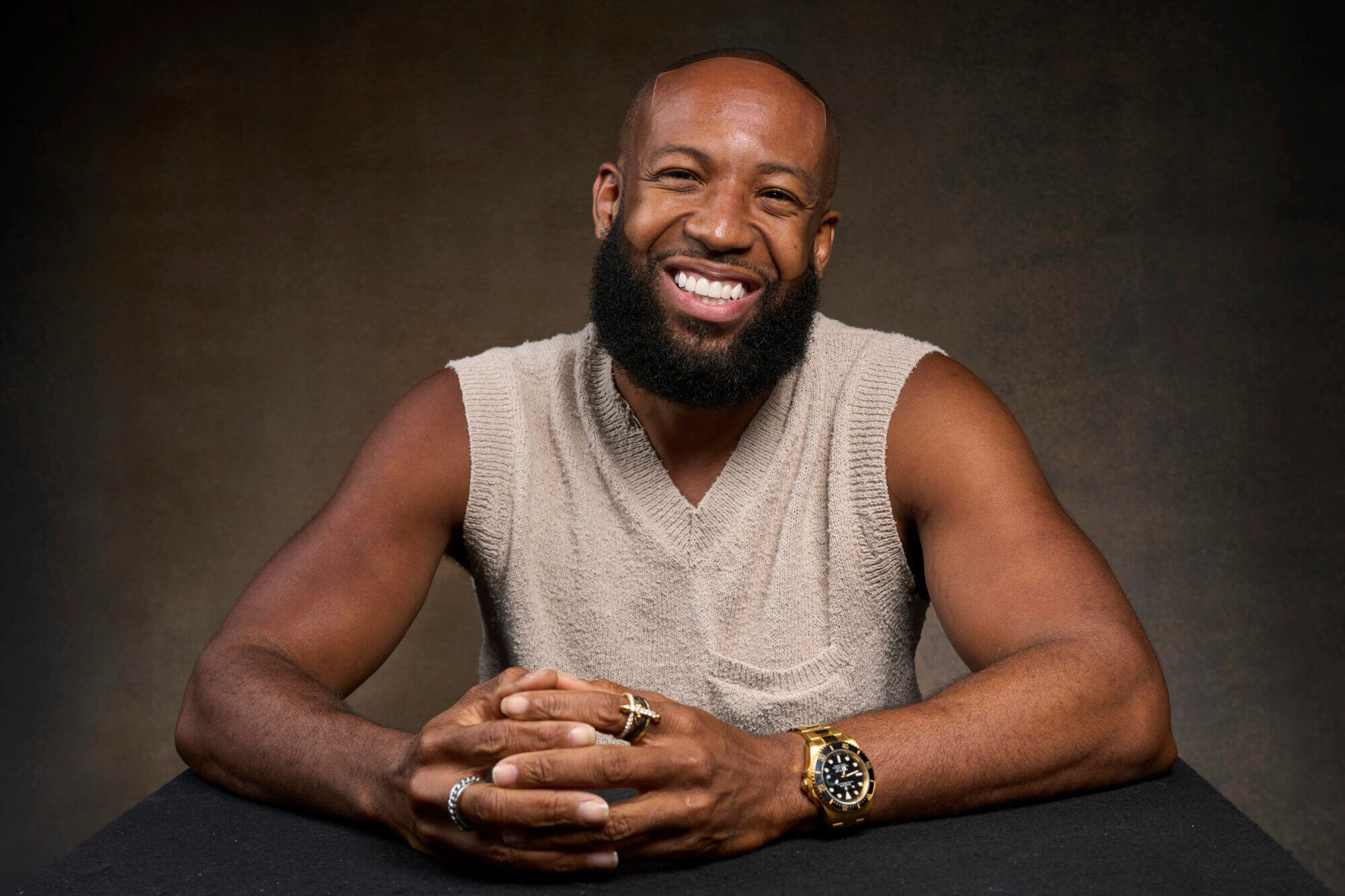
LOS ANGELES — Carlos King is the face of Black unscripted storytelling without ever needing to be the star of his hit shows.
Dubbed by fans and peers as the King of Reality TV, the Detroit-born producer has built franchises that travel beyond the coasts. His “Love & Marriage” franchise has turned Huntsville, Alabama, Detroit and Washington into must-see television along with “Family Empire: Houston.” His other hit “Belle Collective” put Jackson, Mississippi, on the cultural map and returned with a new season this month on OWN.
As a former “Real Housewives of Atlanta” producer, King is showing that compelling stories thrive wherever real people live, love and grind. Through his company, Kingdom Reign Entertainment, he says more than 60% of OWN’s original programming carries his imprint, crediting the network’s top executives such as Oprah Winfrey, Tina Perry and Drew Tappon for backing his vision.
Beyond television, King has expanded his reach with the popular podcast “Reality with the King” and on-camera hosting, cementing his status as both creator and voice of the culture.
In a recent conversation with The Associated Press, King opened up about independence, building generational wealth, navigating racism and homophobia as an openly gay Black man. He also touches on how he feels about being called the “Black Andy Cohen,” a nod to the “Real Housewives” executive producer and late-night host who became Bravo’s on-air face.
AP: What does the “King of Reality TV” mean to you?
KING: It solidifies my place in this business of unscripted television. Having a successful production company, Kingdom Reign Television, having the No. 1 show on Oprah Winfrey’s Network, “Love and Marriage Huntsville,” to a number one podcast, “Reality with the King,” so all those things are underneath me, my brand and my empire. The title means a lot to me and my brand. The audience understands I’m multifaceted and multitalented. It holds a lot of weight, but I’m definitely somebody that understands the assignment.
AP: Why is ownership such a priority for you?
KING: In our business, unfortunately, you create a show and you’re at the mercy of the network, which is just our business. And that’s just the way things are, right? You do the work and once you sell the show to the network, you don’t own the show anymore. I’m all about ownership and the fact that if I put in the sweat equity, then I want all of the profits. I want all of the margins coming to me because I did the work, I created the idea. I found the cast. I developed the show. I want to own everything that I do, and that’s where my vision is right now.
The beauty of my podcast is the fact that I own it. No one can tell me what to do with it. Those opportunities of ownership is fantastic because you’re able to really create your own destiny and look for partnerships that makes sense versus doing the archaic way of this business that I just don’t have the desire to do anymore.
AP: How have you navigated systemic barriers?
KING: I have seen it all, I’ve been through it all: homophobia, racism. I’ve seen that all of my life, personal and professional. However, for me, I never allowed that to be my disadvantage. I found ways to make that my superpower. I found ways to make sure that I stood up for myself and for my people in meetings, in conversations, and inappropriate discussions where shade was thrown very subliminally. I allowed myself to be a disrupter in a very different way.
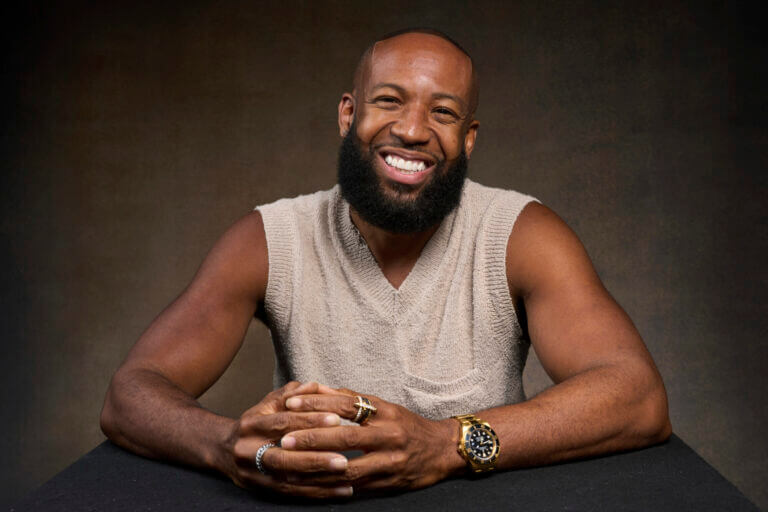
Producer Carlos King poses for a portrait in Los Angeles Friday, Aug. 22, 2025. Credit: AP Photo/Damian Dovarganes
I didn’t feel the need to be super outspoken in the moment and made a scene out of it. Because I knew that if I did that, I wouldn’t be asked back to do the job. I knew to stand up for myself and my community in a way that was digestible to them. But I always knew that you have learned a valuable lesson, and you take these conversations that are happening around you, and you allow that to fuel you into being an agent of change in other situations.
AP: What are the three keys to building a successful reality show?
KING: No. 1, the cast. A show lives or dies by the cast. You got to find a great cast. No. 2 is what’s the angle? If I did a show about a group of Black people in Atlanta … oh right, kind of seen it. But if I do a show about Black couples in Huntsville. Well, that piques my interest. Tell me more about it. Find the angle that isn’t already out there. No. 3, authenticity is key. Have an authentic group of people who want to share their lives.
The three things that don’t work:
First is a group of cast members who do not want to share their reality. You’re losing. Two, an angle that is familiar. I get pitched sometimes, “I’m going do a show about X, Y and Z.” And I’m like, “That’s already on the air. There’s nothing special about that. Take another big swing at the idea.” Find out what’s missing on television and create that yourself. Don’t create another copy of a show that’s already on the air. And No. 3, fakeness. Oh my gosh, the audience can spot a fake. I can spot a fake.
AP: Why did you set “Love & Marriage” in Huntsville and “Belle Collective” in Jackson?
KING: I wanted to tap into a market that I felt was underserved and just wasn’t getting their just due. I wanted to tell Black stories in inner cities and towns that aren’t prevalent like a LA, New York, Miami. I wanted to be able to show the world that these people do exist, and they should not be forgotten about. Not a lot of people, including me, have heard of Huntsville until I met some of the people and I’m like, “Oh, you guys have a great story.”
AP: How do you feel about being referred to as the Black version of Andy Cohen?
KING: I want people to really pay attention to the individualism that we both offer in this community of unscripted. For me, when it comes to my legacy, I feel very confident that people are now seeing the difference between (him) and I, and they’re now seeing the amount of work I’m doing with my podcast, my YouTube channel, the work that I’m doing with creating shows in different parts of the world that are untapped. They’re seeing more of that. I want them to keep watching because it’s only going to get better.
As state House leaders press for overhauling the state’s education system through privatization, the Senate Education Committee over Thursday and Friday heard a decade-long list of Mississippi public schools’ academic achievements.
State Superintendent Lance Evans and his executive team made a case at the hearings for their $3.38 billionappropriation request from the Legislature this coming year, while senators subtly signaled their support for the state’s public education system. It could foreshadow a fight between the House and Senate in the 2026 legislative session, as the House leadership makes a full-court press for expanding “school choice” and using public money for private education options.
Over the course of two days, Wendy Clemons, the Mississippi Department of Education’s chief academic officer, and Paula Vanderford, chief accountability officer, gave a detailed account of the public education system’s successes over the past 10 years, including increased graduation rates and higher elementary reading and math scores.
A decade ago, Mississippi had some the nation’s lowest fourth-grade reading scores. That changed in 2019 when the state began making headlines for having the most gains in the country in fourth-grade reading.
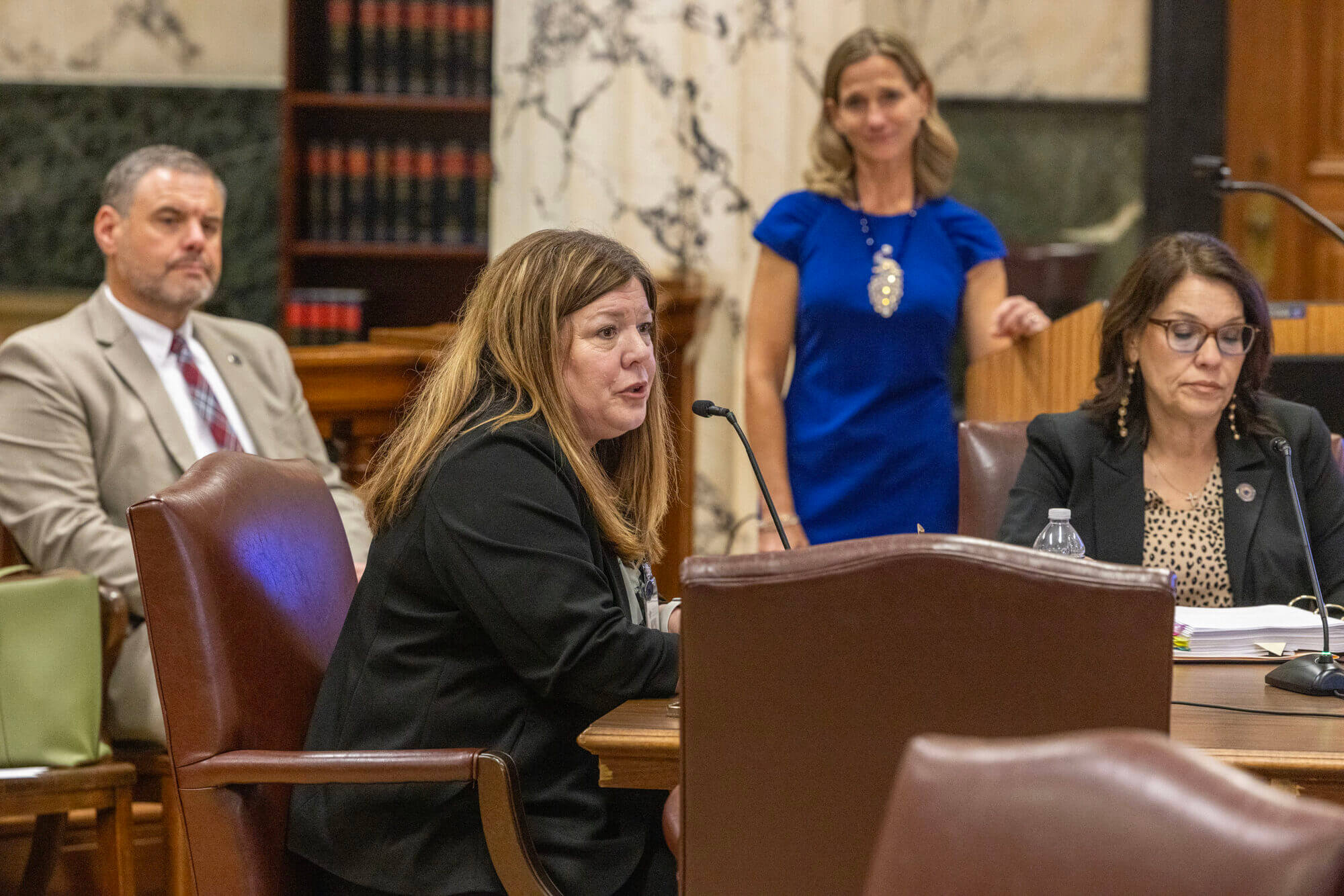
Christy Hovanetz, senior policy fellow at ExcelinEd, gives a presentation during the Senate Education Committee hearing at the state Capitol in Jackson, Miss., Thursday, Oct. 9, 2025. Credit: Eric Shelton/Mississippi Today
ExcelinEd’s senior policy fellow Christy Hovanetz moderated the first hearing on Thursday, and said the state’s educational progress is a direct result of targeted policy decisions and funding investment, such as the 2013 literacy act that established a third-grade reading test and drastically changed how reading is taught in Mississippi. MDE has also pushed districts to adopt and teach using “high-quality instructional materials.”
“Mississippi is a national story,” she said. “Be proud of your success. You have done amazing things for students and your state.”
But there’s more work to do, officials said.
The agency hopes to build on the work of the literacy act, expanding it into grades 4-8. Data shows that despite “miraculous” growth in reading proficiency among fourth graders, it’s challenging to sustain those gains through eighth grade. Increased math proficiency, too, is a focus for the education department.
And while the state has ramped up teacher recruitment, Mississippi still faces a teacher shortage. That’s largely due to low pay, Vanderford said.
Though legislators gave teachers a pay raise in 2022, health insurance increases almost immediately absorbed the extra money. Nearby states also have increased teacher pay in recent years. Adjusted for cost of living, the agency says Mississippi’s teacher pay — at $54,200 — is ranked 46th out of 49 states, as of May 2024.
That means Mississippi, once again, is near the bottom.
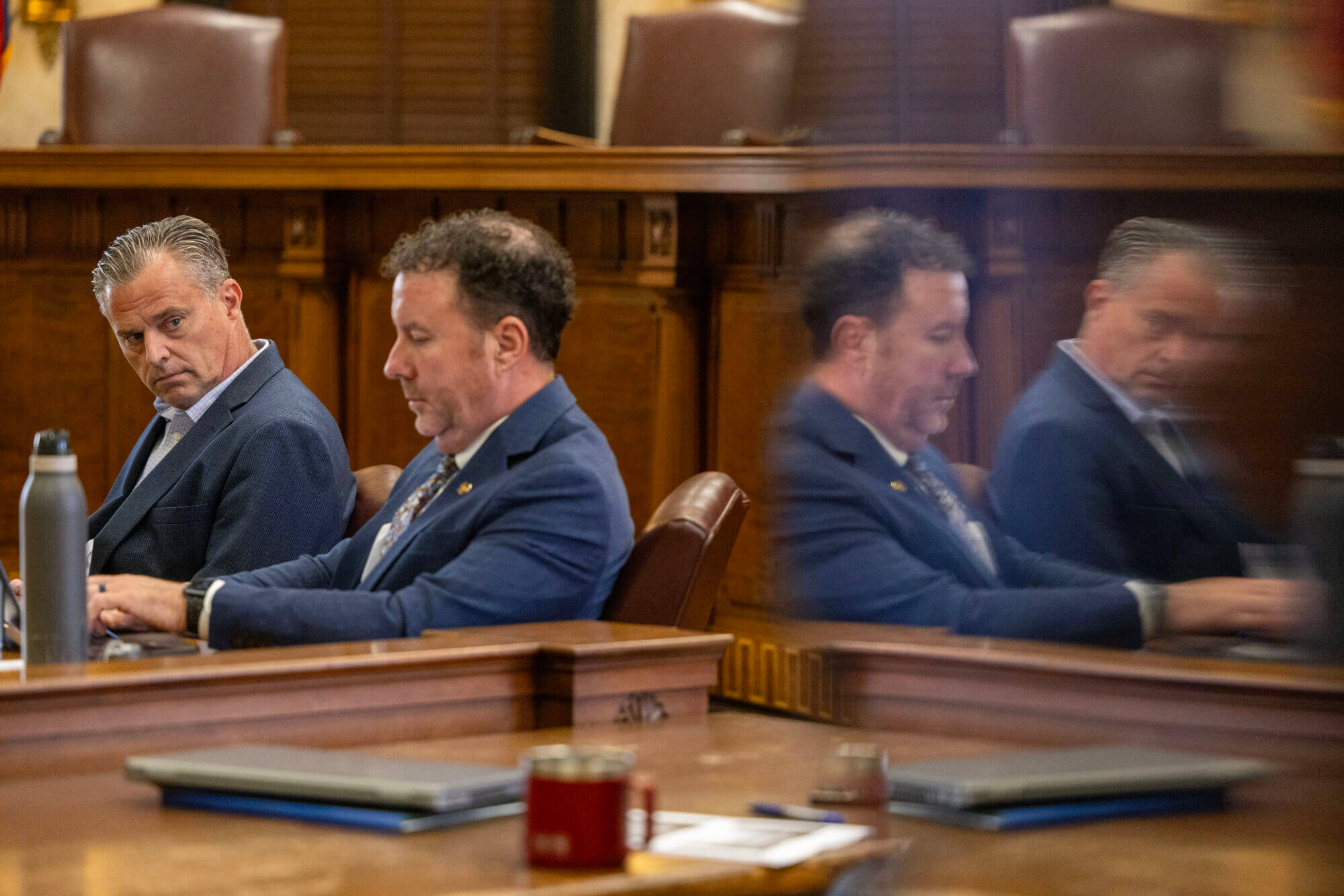
Sen. Chad McMahan, R-Guntown (left) and Sen. David Parker, R-Olive Branch (right), listen to presenters during the Senate Education Committee hearing at the state Capitol in Jackson, Miss., Thursday, Oct. 9, 2025. Credit: Eric Shelton/Mississippi Today
Legislators seemed surprised to hear that the agency’s accountability model, the system by which schools and districts are measured, was recently revamped to include more college and career standards and is already being implemented across the state. As a result, Vanderford said, we’ll likely see fewer A- and B-rated schools this coming year.
That’s not an indication that student learning is getting worse, though. This year, there were some A-rated districts with less than half of students proficient in reading or math. The revisions to the accountability model are in effort to increase those proficiency levels, Vanderford said.
The agency also plans to focus on decreasing chronic absenteeism, which is defined as missing 10% of the school year, or 18 days, in Mississippi. Since the pandemic, those absentee rates have seen a significant uptick, according to MDE data.
Moving forward, the agency will set up consistent systems for documenting absenteeism, emphasize graduation success rather than dropout prevention and build outreach systems to intervene earlier when students start missing school.
Those efforts will likely also implement the work the agency is doing to support low-performing districts, especially the four struggling “districts of transformation” that the state has taken over.
“We have no intention of losing momentum,” Evans said at the end of the hearings. “I personally feel the full weight of everything we’ve talked about. I live it every day, and I impose that on the people at the department.
“We’re not satisfied with where we are. We’re the type of people who will never be satisfied with where we are.”
Senate Education Committee Vice-chairman David Blount, D-Jackson (left), and Chairman Dennis DeBar, R-Leakesville (right), listen as Christy Hovanetz, senior policy fellow for ExcelinEd, gives a presentation during a hearing at the state Capitol in Jackson, Miss., Thursday, Oct. 9, 2025. Credit: Eric Shelton/Mississippi Today
Senators peppered the education leaders with questions through the two days of presentations, pressing officials on early education initiatives and what they were doing to help the state’s lowest- and highest-achieving students.
Chairman Dennis DeBar, a Republican from Leakesville, said the committee would likely meet again on Oct. 28.
“We’re on the right track,” he said in closing remarks. “As we move forward, we are hesitant to make major changes in the way we operate. These minor tweaks are necessary. We’re going to keep pushing you as a department to make these changes. We’re here to work with you and give you the tools you need to support these districts.”
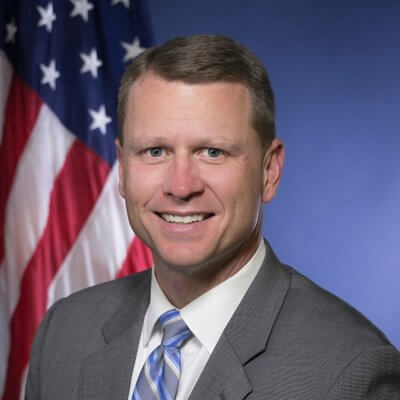
The Republican National Committee has named Mississippi GOP Chairman Mike Hurst as general counsel for the national party.
“As a former U.S. Attorney for the Southern District of Mississippi appointed by President Trump, Mike brings invaluable legal expertise and a proven commitment to our party through his time at the Mississippi GOP,” Joe Gruters, chairman of the RNC, said in a statement.
Hurst’s appointment as general counsel means he will be the top lawyer at the national party. He will still serve as state GOP chairman while advising the national party on legal matters.
The Mississippi Republican Party on social media congratulated Hurst on his new role. It said it was confident he would “continue to bring the same passion, wisdom, and dedication to the RNC that he has shown throughout his career in public service and leadership.”
Before his role at the state GOP, Hurst served as U.S. attorney for the Southern District of Mississippi under President Donald Trump’s first administration. Hurst was elected MSGOP chairman in 2024, after being endorsed by Republican Gov. Tate Reeves. While the state chair post is technically elected, a sitting governor is de facto head of the party and has say over who serves.
Editor’s note: Historian Derrion Arrington reflects on early positions taken by Robert Clark, who in 1967 became the first Black Mississippian elected to the state Legislature in the 20th century, and how those issues championed by Clark are being addressed today.
Mississippi’s struggles with Medicaid are deeply tied to the state’s broader history of social, racial and political tension.
When President Lyndon Johnson established Medicaid nationally in 1965, it marked a landmark federal expansion to provide health care for low-income Americans. The program coincided with sweeping civil rights reforms, placing the provision of basic health care at the center of debates about equality, federal authority and social justice.
In Mississippi, resistance to Medicaid reflected long-standing patterns of political conservatism, racial segregation and apprehension toward federal oversight. Many state leaders feared that expanding social programs would upset the established social hierarchy and erode local control. Southern governors repeatedly requested delays in implementation, citing concerns about raising funds and securing legislative approval, while conservative lawmakers warned against what they framed as a slippery slope toward socialism.
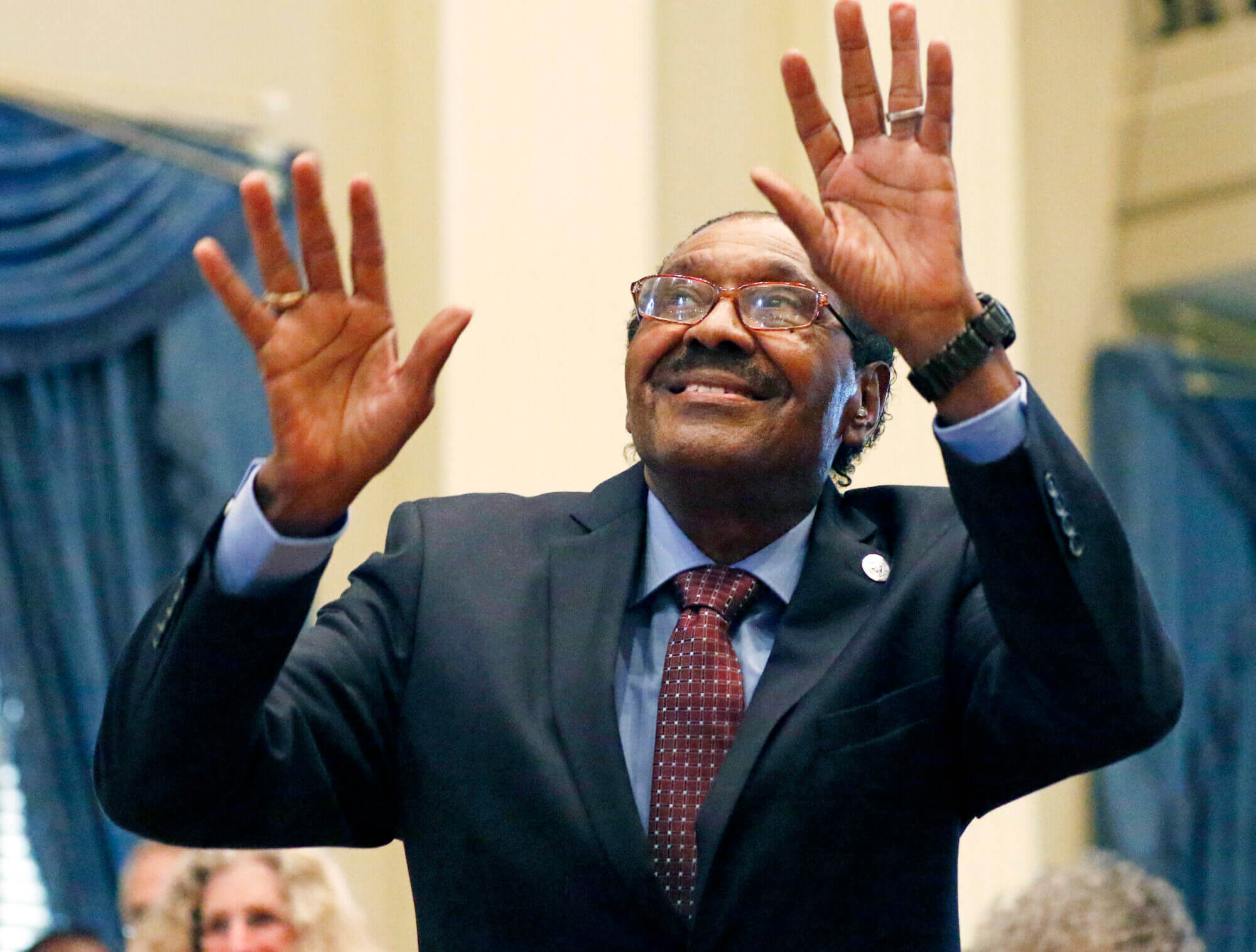
Amid this climate, state Rep. Robert Clark Jr., the first Black legislator in Mississippi in the 20th century, emerged as a rare voice insisting that moral imperatives should outweigh political caution. Clark called for a special session to prioritize Medicaid over other state programs, arguing that the needs of Mississippi’s most vulnerable citizens demanded immediate action.
Derrion Arrington Credit: Courtesy photo
“Before we place any new tax burdens on the backs of poor people, we must do something to help them survive,” Clark declared.
Clark’s proposals were ambitious. He sought to fund Medicaid by reallocating state resources, including defunding the state Sovereignty Commission – a segregationist spy agency that had long promoted racial hierarchies under the guise of preserving state autonomy. He also proposed expanding Medicaid to include welfare recipients who had previously been excluded.
Conservative factions, led by figures such as Sen. W. B. Alexander of Cleveland, opposed these measures vigorously, arguing that Medicaid expansion threatened to increase taxes and represented a form of “government overreach.”
Ultimately, in 1969 Gov. John Bell Williams did call a special session as Clark proposed. It was intense. Legislators debated heatedly, weighing fiscal concerns against human need. At one point, Rep. Sterling Seabrook collapsed on the House floor, a stark illustration of the session’s tension.
Despite the opposition, the Medicaid bill passed the House 79-34 and later secured Senate approval on Aug. 7, 1969. Mississippi, though late to the program, became the second-to-last state to implement Medicaid — a testament to the persistence of advocates like Clark, who fought to protect the state’s most marginalized residents.
This episode established a pattern that would endure for decades. Medicaid and other social programs in Mississippi were repeatedly subjected to political compromise, delay and retrenchment. Welfare reform in the 1990s introduced work requirements and time-limited benefits, disproportionately affecting Black and low-income communities.
Starting in 2010, Mississippi has repeatedly rejected Medicaid expansion under the Affordable Care Act, leaving hundreds of thousands without coverage and cementing structural gaps in health access.
The historical arc of Medicaid in Mississippi demonstrates a fundamental tension between the ethical imperative to protect vulnerable populations and the political pressures to restrict government programs. Each policy decision, delay or rollback reverberates through communities, shaping health outcomes, economic opportunity and intergenerational equity.
The battles of 1969 are not distant history. They are a lens for understanding contemporary struggles over access, equity and the moral responsibilities of government.
The 2025 policy context
More than five decades after Clark’s advocacy, Mississippi faces another high-stakes battle over public health coverage. In July 2025, the federal government enacted what supporters labeled the “One Big Beautiful Bill,” a sweeping package that significantly reduces Medicaid and Supplemental Nutrition Assistance Program funding.
While the bill – now law – was framed as a measure to promote fiscal efficiency and personal responsibility, public health experts warn its provisions could have profound consequences for the state’s most vulnerable populations. The law imposes work or community engagement requirements for Medicaid recipients aged 19 to 64, tightens SNAP eligibility and reduces overall Medicaid spending by 12%.
Proponents argue the reforms encourage self-sufficiency and reduce federal spending, yet in a state like Mississippi – where poverty is widespread, rural infrastructure is limited and access to health care is already precarious – the practical effects are stark. Analysts estimate tens of thousands could lose coverage and critical nutritional support, amplifying structural inequities that have persisted for generations.
The Mississippi Legislative Black Caucus convened a hearing in September to examine the fallout. Lawmakers, researchers and advocates warned that the federal law threatens health outcomes, workforce stability and community well-being. Nearly 1 in 5 Mississippians lives below the federal poverty line, and the state ranks among the worst nationwide for maternal mortality, chronic disease management and child nutrition. For these communities, Medicaid and SNAP are lifelines, not abstractions.
Dr. Laila Henderson of the University of Mississippi Medical Center testified: “Policy is never abstract. It determines who lives and who suffers. Cutting Medicaid coverage for working families destabilizes entire communities.”
The debate over the federal law also highlights the persistent tension between federal mandates and state autonomy – a tension that has shaped Mississippi’s social welfare history. Just as Southern governors in the 1960s delayed Medicaid citing funding and legislative concerns, modern leaders navigate the pressures of balancing political priorities, federal requirements and urgent public needs.
Looking forward: A moral imperative
The struggle over Medicaid in Mississippi is both a continuation of a decades-long battle and a reflection of enduring questions about the role of government in protecting its most vulnerable citizens.
From Robert Clark’s 1969 advocacy to the debates surrounding the “One Big Beautiful Bill” in 2025, the state has repeatedly confronted the tension between political priorities and moral responsibility. Clark framed Medicaid not as a political program but as a matter of survival and justice.
“There’s no need for babies to continue to suffer for lack of medical attention,” he said.
This ethos remains urgent. Today’s policymakers face the consequences of decades of delayed or restricted programs. The cuts in the 2025 federal legislation threaten to widen health disparities, destabilize families and strain fragile rural and urban infrastructures.
The moral question is clear: Will Mississippi once again prioritize political expediency over human need, or will it act decisively to protect access to essential services?
The stakes are both ethical and practical. Reductions in coverage jeopardize public health, weaken the workforce and threaten economic stability. They exacerbate cycles of poverty and inequality that have long defined Mississippi’s social landscape.
Conversely, expanding access to Medicaid and SNAP strengthens communities, stabilizes local economies and promotes intergenerational equity – the very goals Robert Clark championed more than 50 years ago.
Ultimately, the fight over Medicaid is a measure of Mississippi’s values. Clark died earlier this year. His legacy reminds contemporary leaders that social programs are not merely budgetary line items. They are lifelines that define the character and conscience of the state.
As Mississippi navigates the 2025 policy landscape, the state faces a choice: continue a legacy of resistance that leaves vulnerable populations at risk or embrace a vision of governance that prioritizes care, equity and moral responsibility.
The stakes are profound, the consequences tangible and the opportunity to act morally and decisively is as urgent as it was in 1969.
Bio: Derrion Arrington is an award-winning historian from Laurel and a graduate of Tougaloo College. He currently works for the ACLU of Mississippi. Arrington is also the author of two books: “Standing Firm in the Dixie: The Freedom Struggle in Laurel, Mississippi” and the forthcoming work, “Robert Clark: The Rise of Black Politics in Mississippi.”