
The manslaughter trial for two former Capitol Police officers in the fatal shooting of a 25-year-old Jackson man ended Monday with both defendants walking free.
After nearly five hours of deliberation, a Hinds County jury deadlocked on whether to convict Michael Lamar Rhinewalt, who fired the fatal shot, and acquitted Steven Frederick Jr., who also shot his gun.
The hung jury meant the lawyers for Attorney General Lynn Fitch’s office who handled the prosecution could decide to retry Rhinewalt as soon as February, when Hinds County Circuit Judge Faye Peterson said she would be available. But the office said it would not pursue another trial.
“The benefit of the doubt goes to our law enforcement officers, and we will not seek to retry this case,” the attorney general’s office wrote in an email Monday night. “The men and women who wear the uniform have earned that.”
The defendants, who are white, told jurors they shot Jaylen Lewis, a Black man, in the head in self-defense during a traffic stop when he started to drive away. This is the first criminal trial related to the Capitol Police’s record year of shootings in 2022.
Lewis was the lone fatality in the agency’s four shootings by officers that year — the most of any law-enforcement agency in the state. The spike came as the Legislature expanded the force to cover a larger stretch of Jackson, in a controversial effort to address record homicide rates.
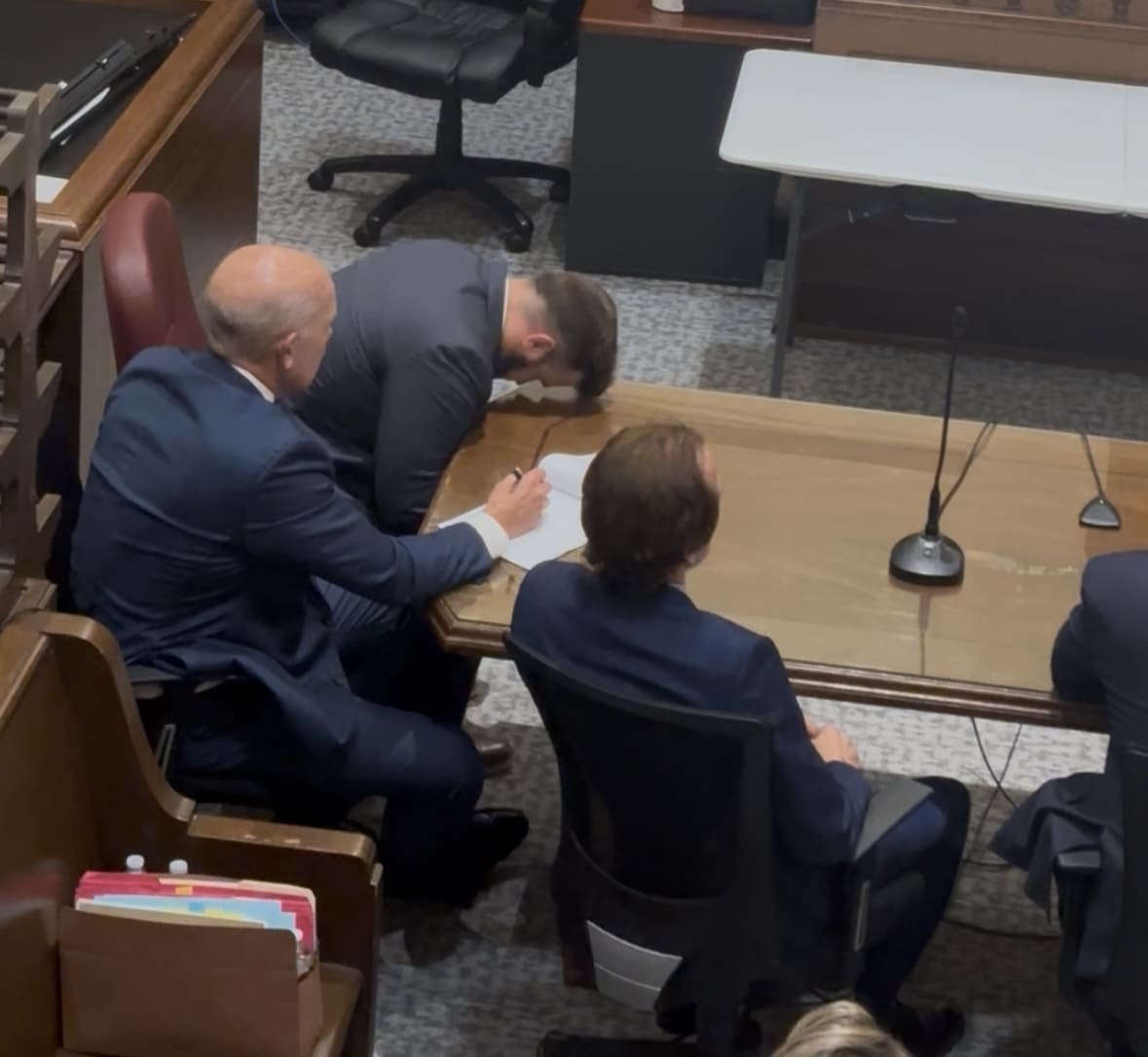
When the judge read the jury’s decision to acquit Frederick, the former officer appeared emotional, leaning his head down on a table while one of his attorneys, Boty McDonald, reached out to him. Neither he nor Rhinewalt responded to questions from reporters.
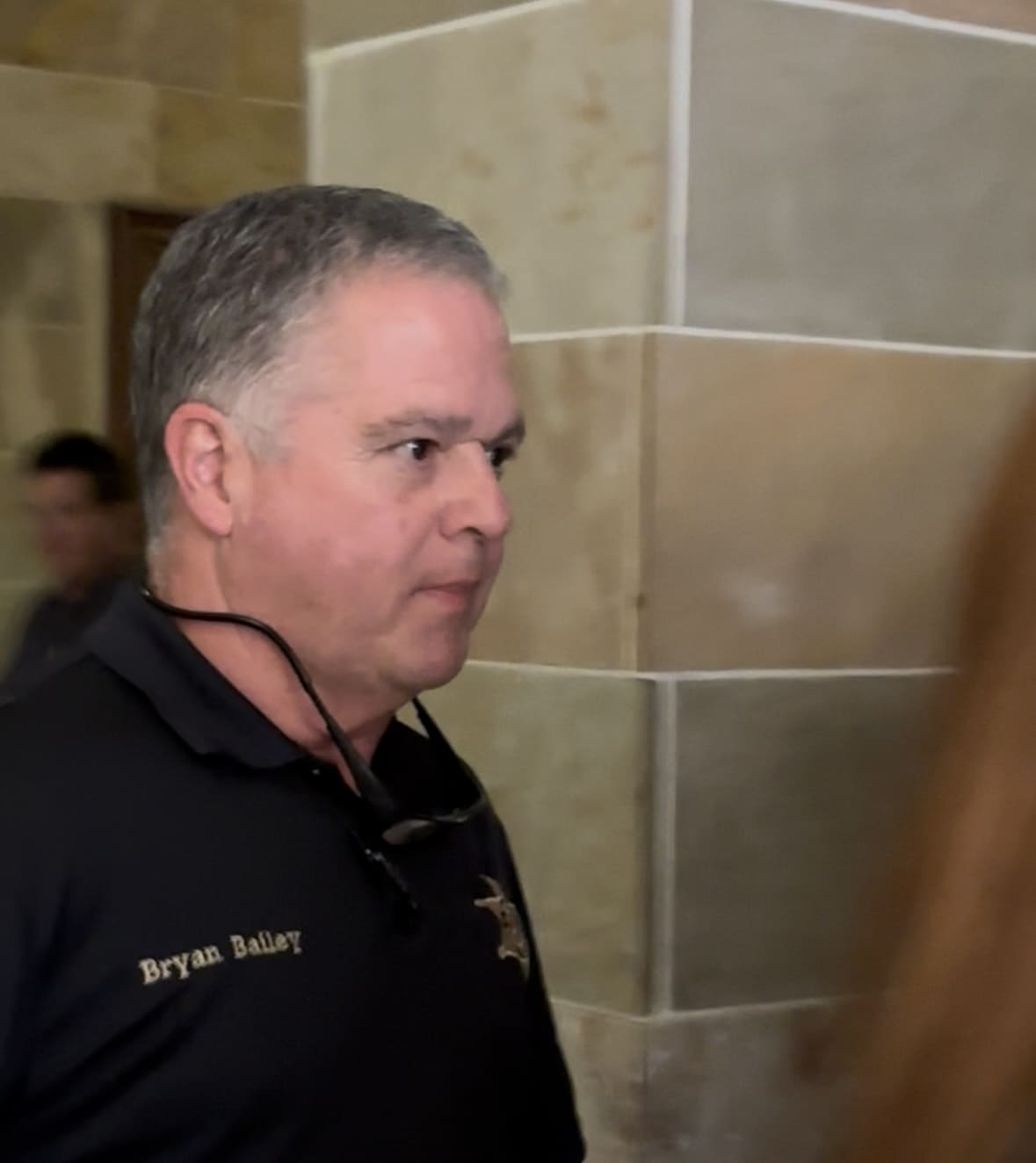
Frederick’s father-in-law, Rankin County Sheriff Bryan Bailey, attended the close of the trial and walked with him out of the Hinds County Courthouse in downtown Jackson. The sheriff had previously been under investigation by state and federal authorities over whether he helped his son-in-law escape a DUI charge in 2023, when Frederick totaled a Capitol Police truck — allegations the sheriff denies.
For the nine Black and three white jurors, the trial stretched into an extra third day of testimony last week after both former officers unexpectedly took the stand Friday — the fourth anniversary of Lewis’ death.
Both officers testified they shot Lewis because he turned his car toward them in an effort to run them over.
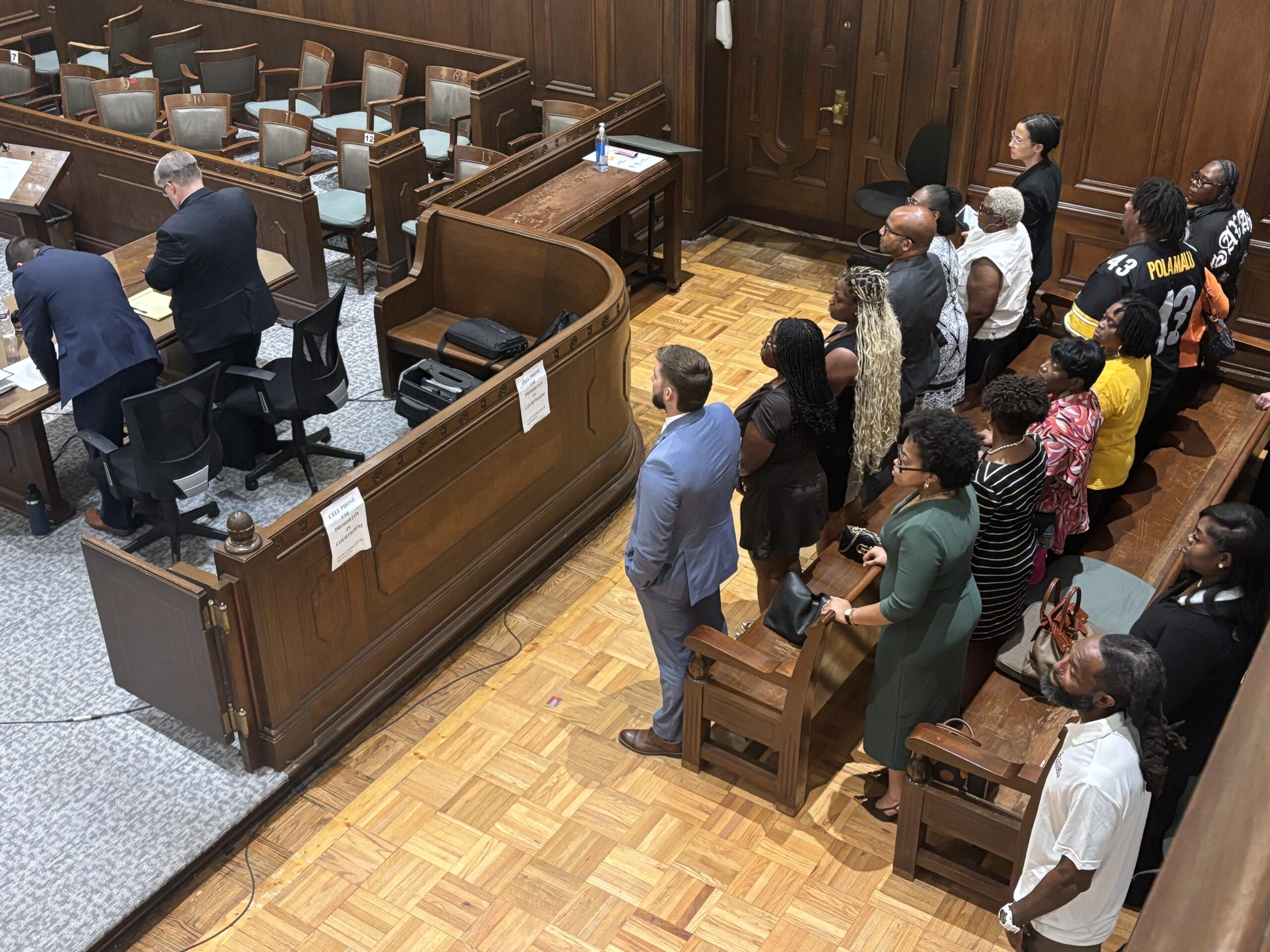
Lewis’ parents were both present for the last day of the trial. His father, William Drake, said Monday’s outcome adds to the list of unresolved questions surrounding his son’s killing.
“I wish we could get some type of conclusion today, some type of ending today,” Drake told reporters. “Unfortunately, we didn’t get that, but I still have faith that justice will be served.”
Did Lewis want to run over officers?
The prosecution’s case seemed doomed from the start as five of their law enforcement witnesses backed the former officers’ story, found evidence consistent with their statements or said they followed police protocol.
During final arguments, prosecutors and the officers’ defense attorneys sparred over whether Lewis intended to ram his car into the officers or even knew he was the subject of a traffic stop.
The prosecution focused on the passenger in Lewis’ car, Selena Hayes, who testified the pair didn’t know they were being stopped by officers. She said all she saw was a car pulling in front of them, a bright light and then a white man with a gun.
As a result, she testified, Lewis moved his car because he was trying to drive around the man, not at them.
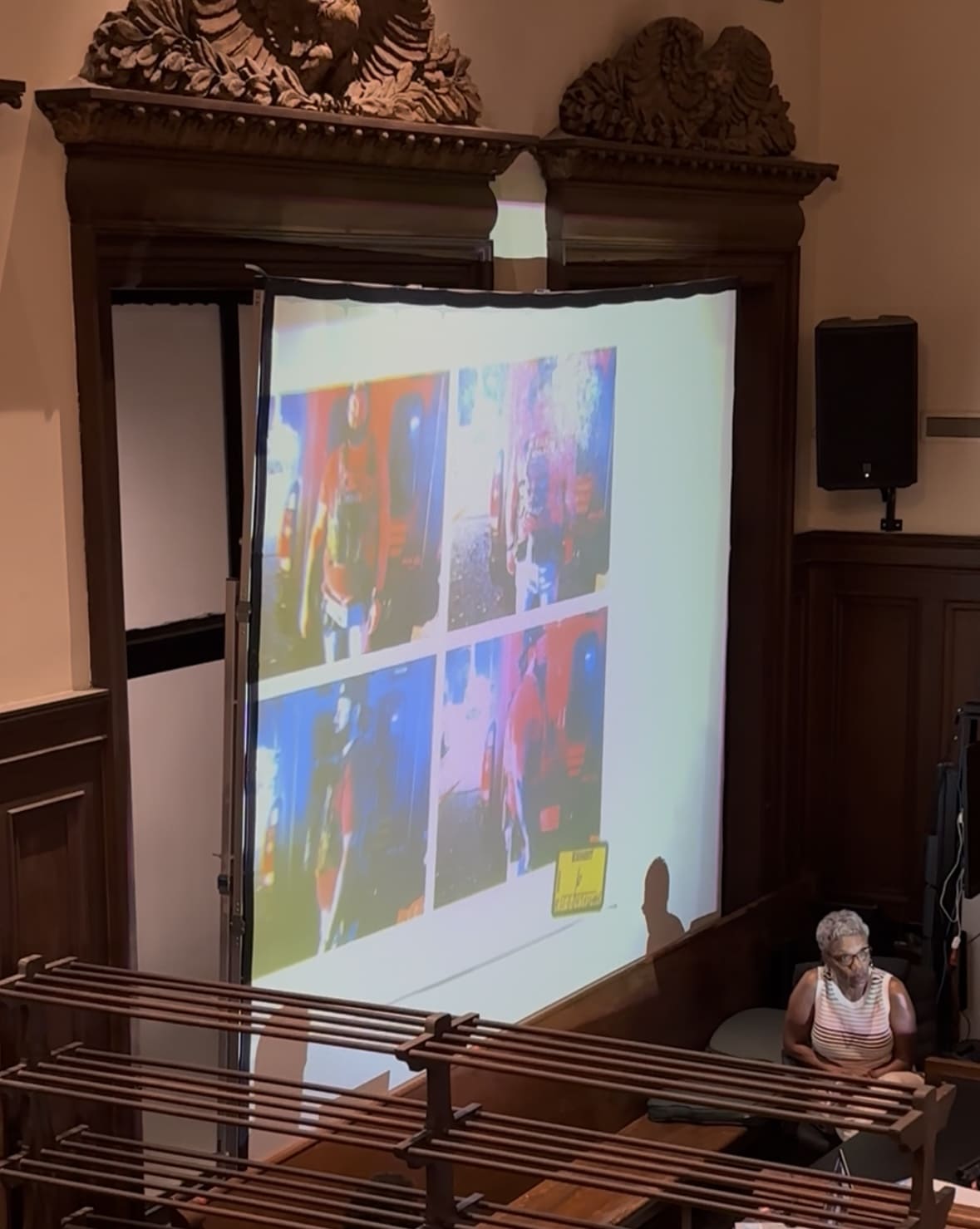
To back up their case, prosecutors presented photos showing that instead of typical uniforms, the former officers were dressed in plain clothes and tactical vests. They were also driving unmarked police cars, although the defense argued their blue lights were on.
“These defendants claim self defense after they chose to approach Jaylen Lewis’ Jeep in unmarked cars, in plain clothes, in a very dark location at night,” Special Assistant Attorney General Luke Williamson said. “We believe that the evidence has shown that the actions of these defendants killed Jaylen Lewis and were unreasonable and unnecessary.”
But in an impassioned closing argument, Frederick’s defense attorney, Merrida Coxwell Jr., blasted the prosecution’s words as akin to “QAnon conspiracies.”
“If you can’t see those police cars, you need to get your glasses fixed,” Coxwell told the jury. “As you can see those lights, there can be no question whatsoever that there are policemen there.”
Instead, the defense attorney presented a different theory, arguing that Lewis “fled” because he didn’t want officers to discover he was violating his probation. After the shooting, officers discovered Glock pistols, an assault weapon and bags of marijuana in Lewis’ car, Coxwell said.
By shooting Lewis, the defense argued, the former officers acted like any “reasonable person” would when faced with a “supercharged,” 707-horsepower car. The attorneys also contended that the former officers acted in line with their training to protect themselves from getting run over and potentially killed.
“You understand that we have to allow for police officers to make split-second decisions,” Coxwell told the jury. “They had, at that point, no option left (but) to fire.”
Rhinewalt’s attorney, J. Scott Gilbert, said the officers’ later discovery of guns in Lewis’ car — including a pistol with an extended clip — showed the officers were “dead correct” in suspecting the driver.
“You know how many people you kill with 30 rounds?” Gilbert asked the jury.
Not Frederick’s first time avoiding a conviction
State certification records show six months after Lewis’ death, Frederick resigned from Capitol Police in March 2023 “to prevent termination” after totaling a squad Ford F-150 and flunking a breathalyzer test.
State troopers arrested Frederick, but a judge dropped the DUI charge against him after a trooper failed to appear in court to testify in the case.
State authorities learned that a prosecutor said Sheriff Bailey called him to ask what would happen if a trooper didn’t show up for a DUI hearing, and the prosecutor replied the case would be dismissed.
Bailey has denied these allegations, telling WLBT, “Whoever said that I talked to a prosecutor is a liar.”
A year and a half after the incident, Frederick wrecked another patrol vehicle, this time as a Scott County sheriff’s deputy.
Regardless of prosecutors’ decision on whether to retry Rhinewalt, his legal troubles aren’t over.
Just a month before Lewis was killed, Rhinewalt and former Flex Unit officer Jeffery Walker also opened fire on a car, shooting a passenger in the head. That victim, Sherita Harris, survived but now has “permanent neurological and facial injuries,” according to a lawsuit she filed against Rhinewalt and Walker.
A Hinds County grand jury indicted Rhinewalt and Walker for aggravated assault in that case. No weapon was recovered from Harris’ car, according to the lawsuit.
The pair are scheduled to stand trial for Harris’ shooting in the county courthouse next Monday.
Prosecutors showed jury officers’ explanations for shooting, in blow to their own case
Prosecutors last week introduced Frederick and Rhinewalt’s recorded statements to investigators, where they gave their explanations for why they shot Lewis.
The defense hadn’t planned to put the pair on the witness stand, leading Judge Peterson to say she would instruct the jury to consider these statements as “self-serving” hearsay because the officers were never cross examined under oath.
Frederick and Rhinewalt then decided to take the stand. They told jurors they feared for their lives.
Frederick and Rhinewalt were serving on the Capitol Police’s crime suppression Flex Unit when they stopped the Jeep Grand Cherokee Lewis was driving after he ran two red lights. They said the vehicle matched the general description of a car suspected in auto burglaries.
After their unmarked police car boxed in Lewis’ Cherokee, he rammed the police vehicle behind him and then gunned the Cherokee to flee, Rhinewalt told investigators. Both officers fired their guns through the car’s windshield.
“I felt like he was going to run us over,” Rhinewalt said.
But Hayes, Lewis’ passenger, testified the driver didn’t know officers were performing a traffic stop and didn’t see the police car behind him. Lewis backed into the police vehicle in his effort to drive away, she said.
9/28/2026: This article has been updated to show that the attorney general’s office said it will not retry Michael Lamar Rhinewalt.
