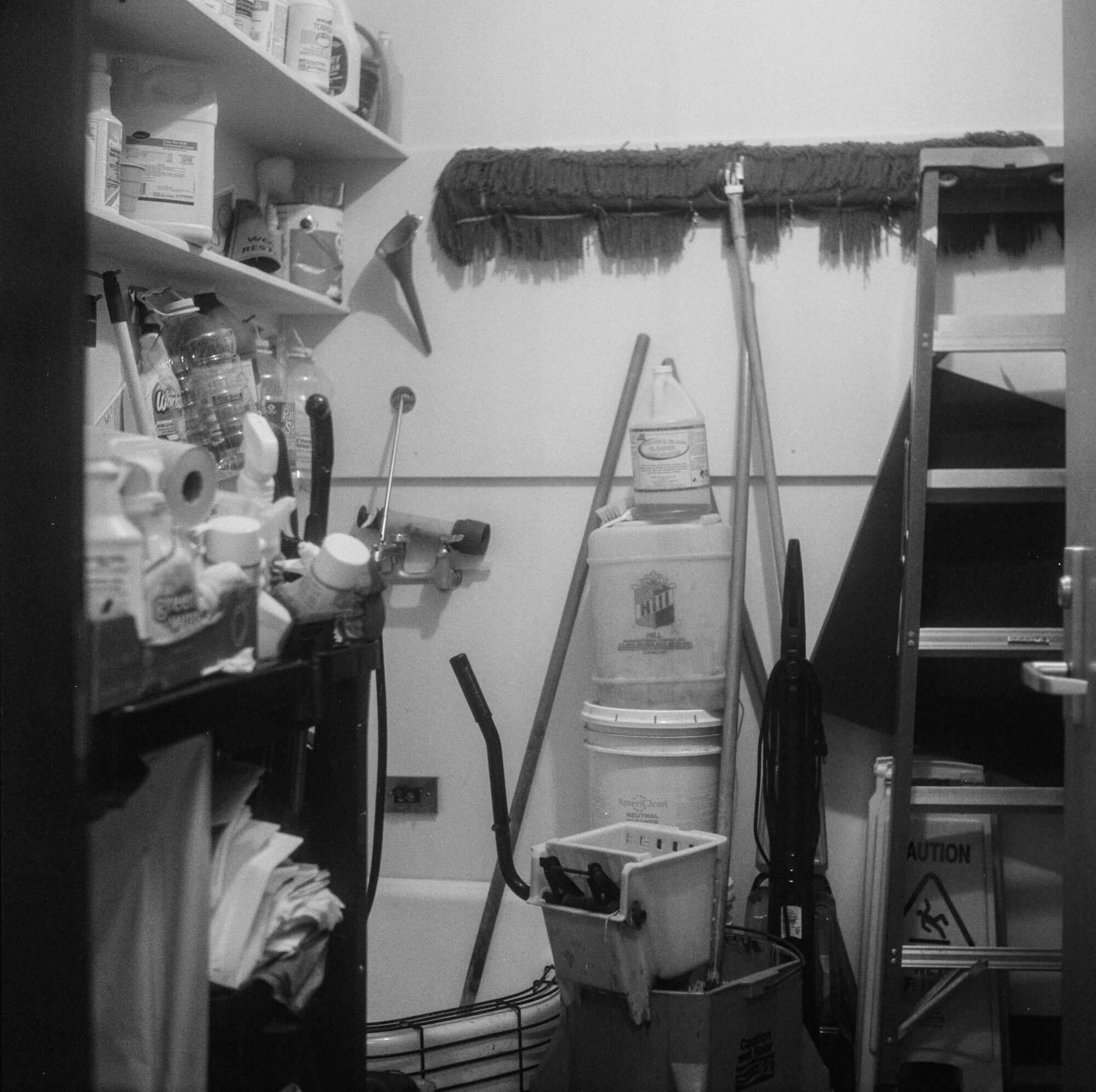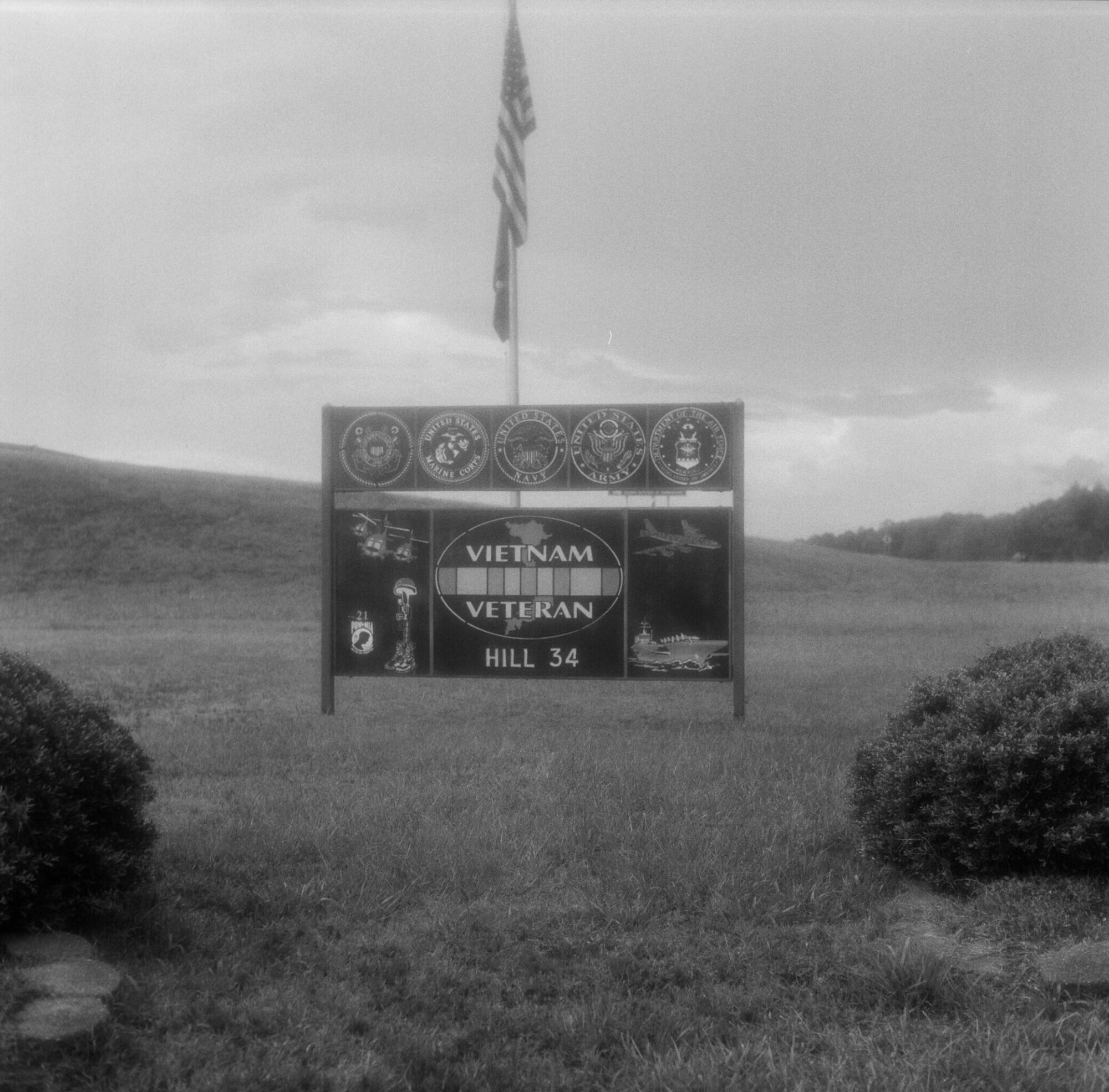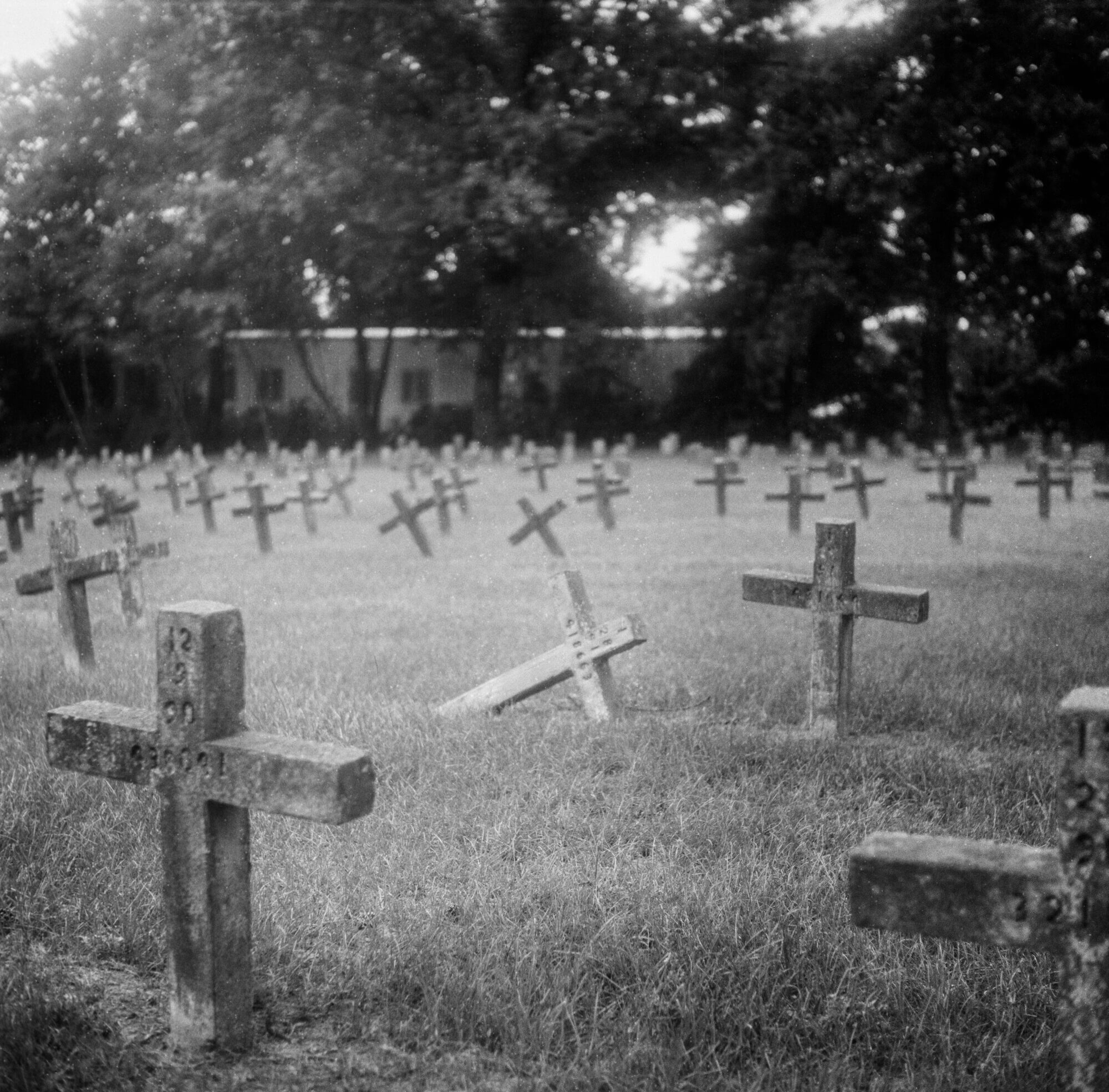

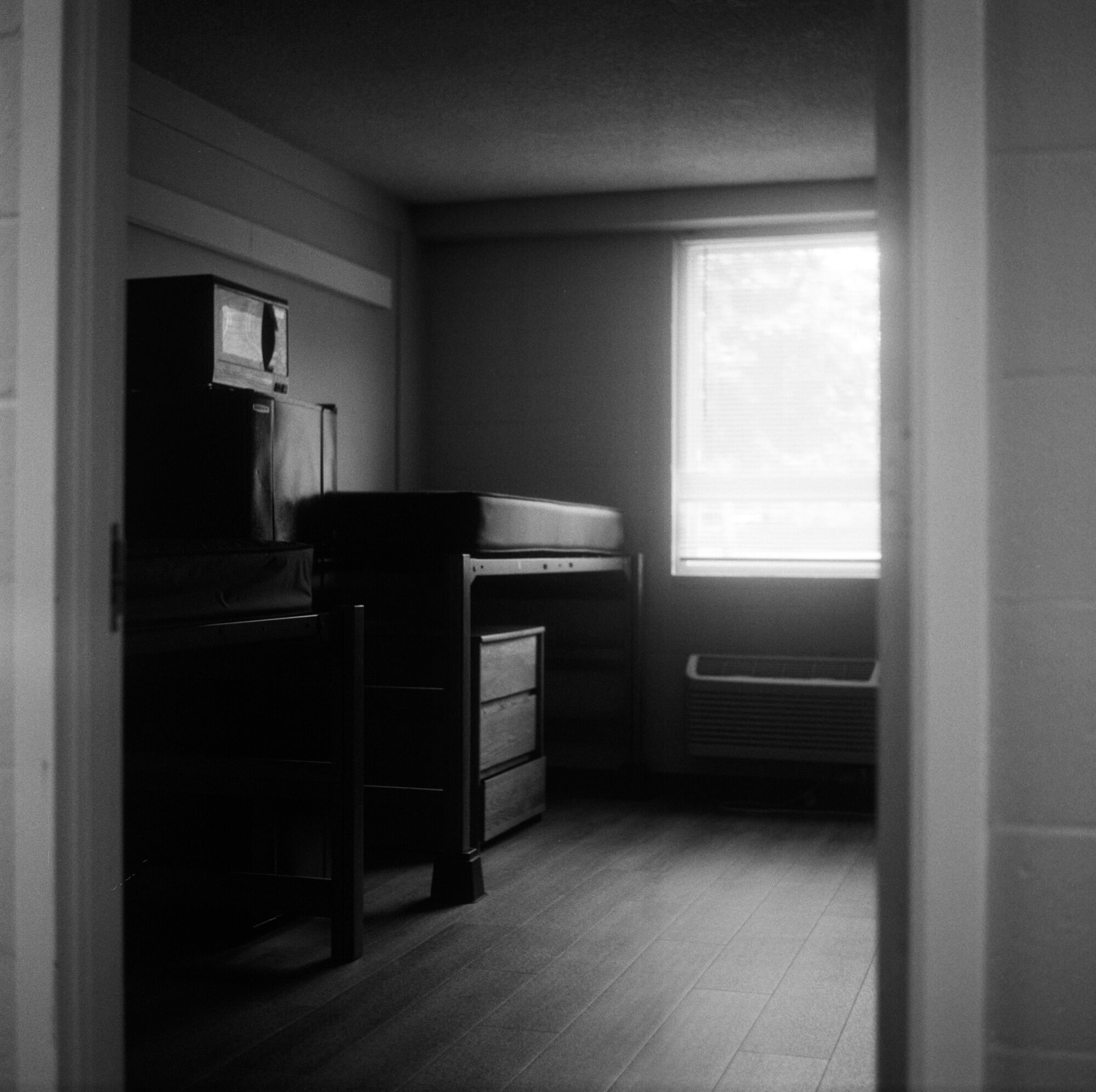
I spent last summer scouring the South for the products of prison labor in a strange scavenger hunt across small-town America.
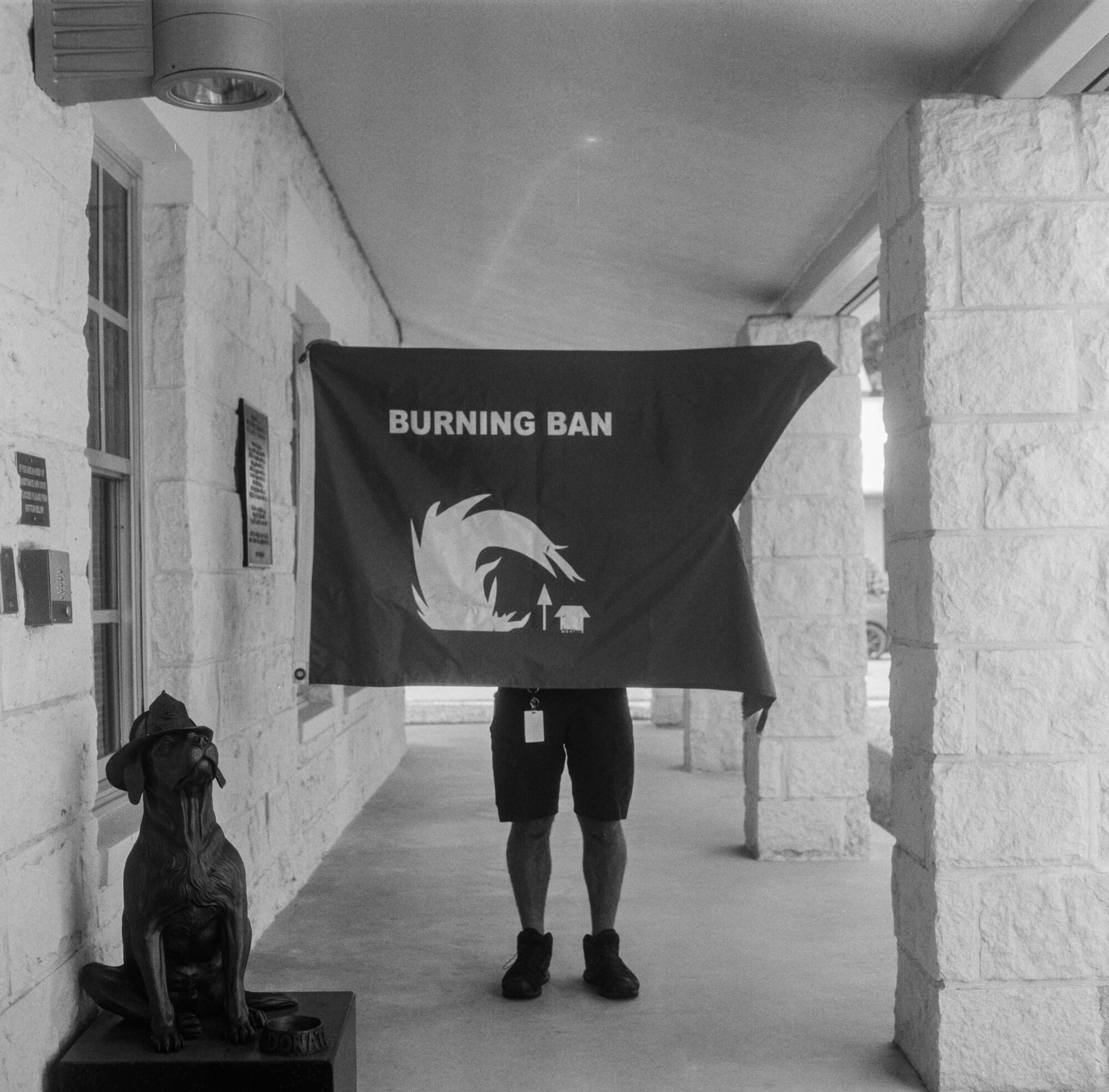
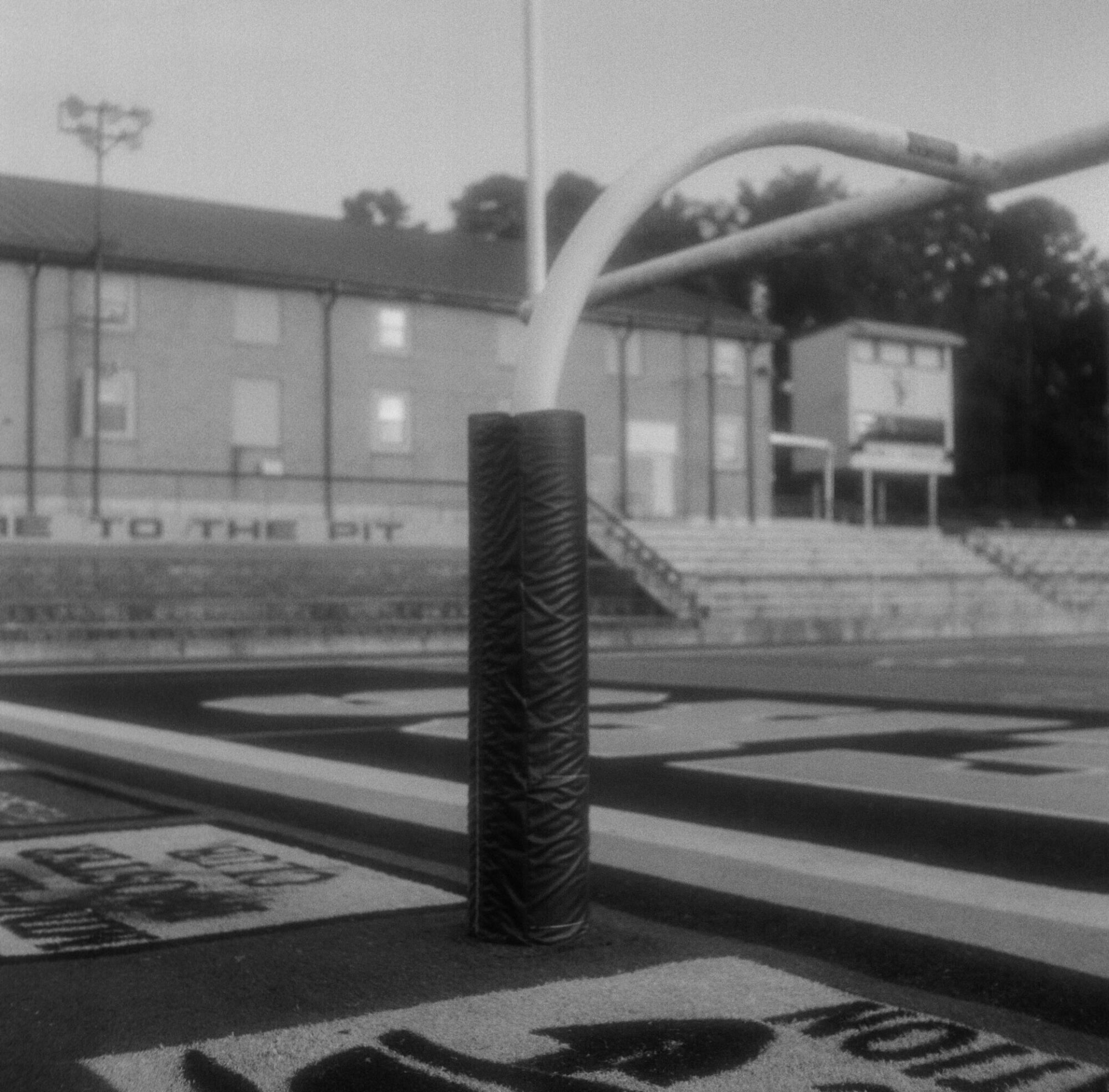
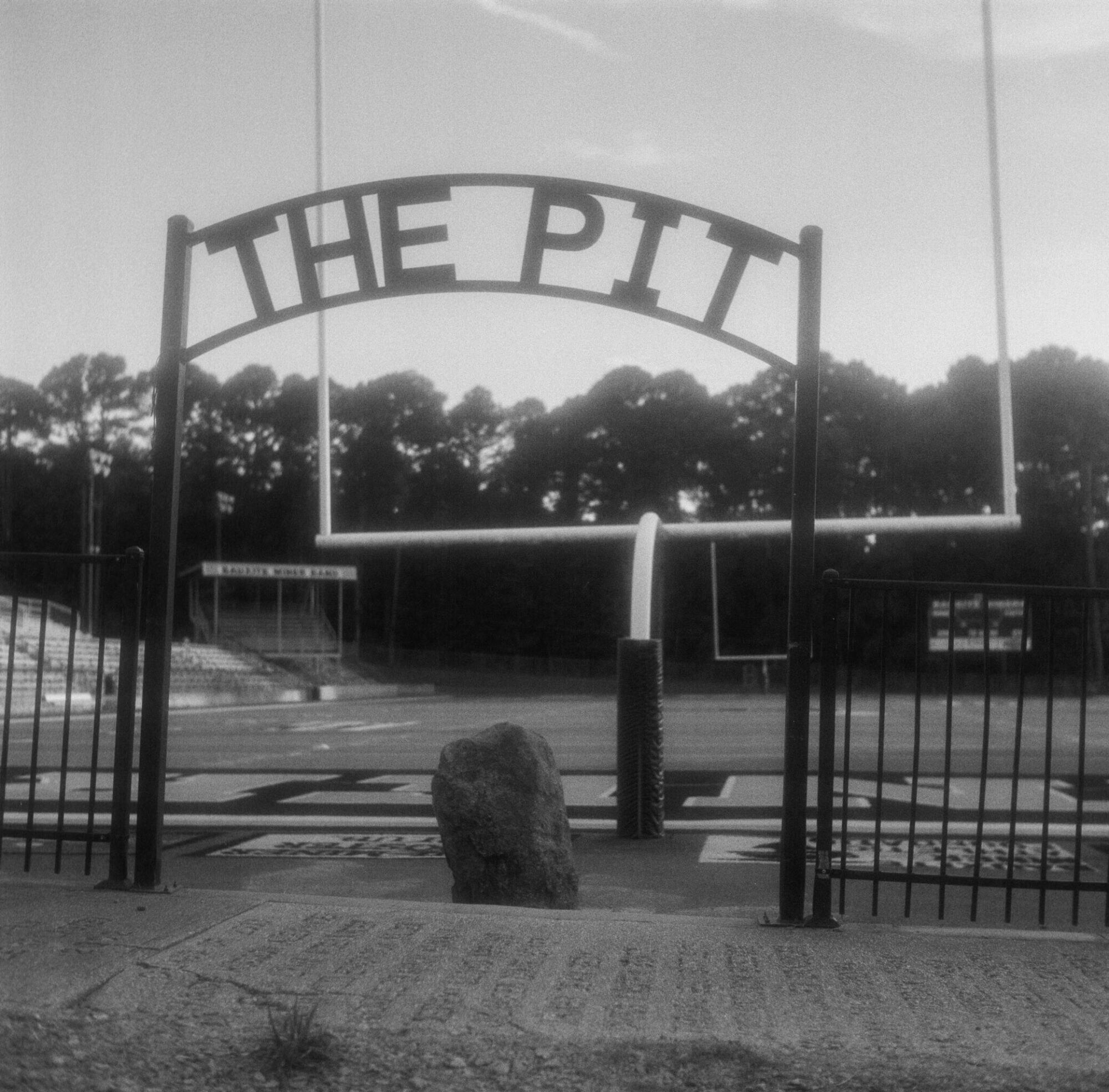
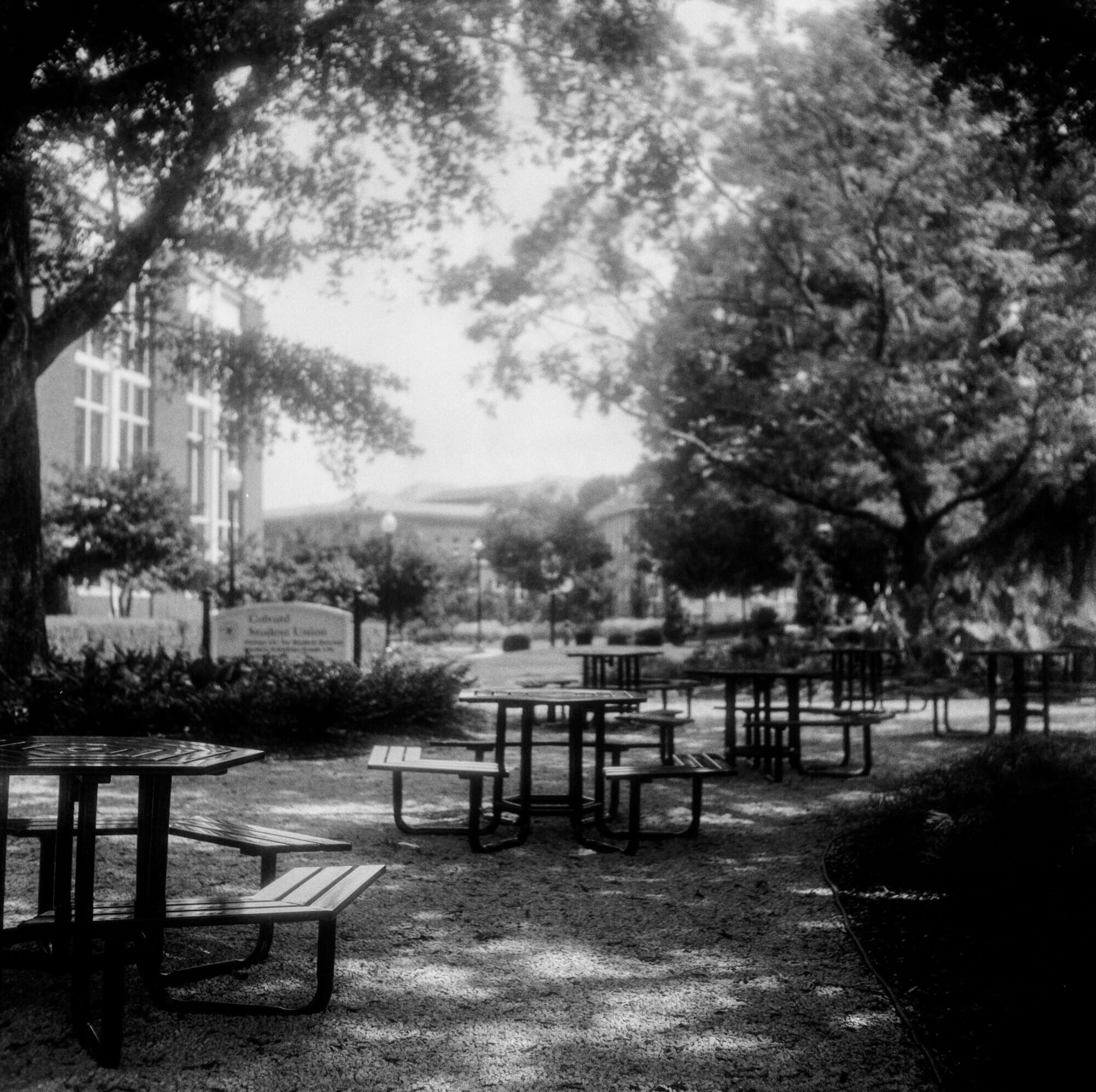
A freshman’s dorm mattress at Mississippi State University. A Georgia Medicaid patient’s eyeglasses. The goalpost padding at Bauxite High School in Arkansas. The burn ban flag at the Boerne Fire Department in Texas Hill Country.
All of them were made by people incarcerated in American prisons.
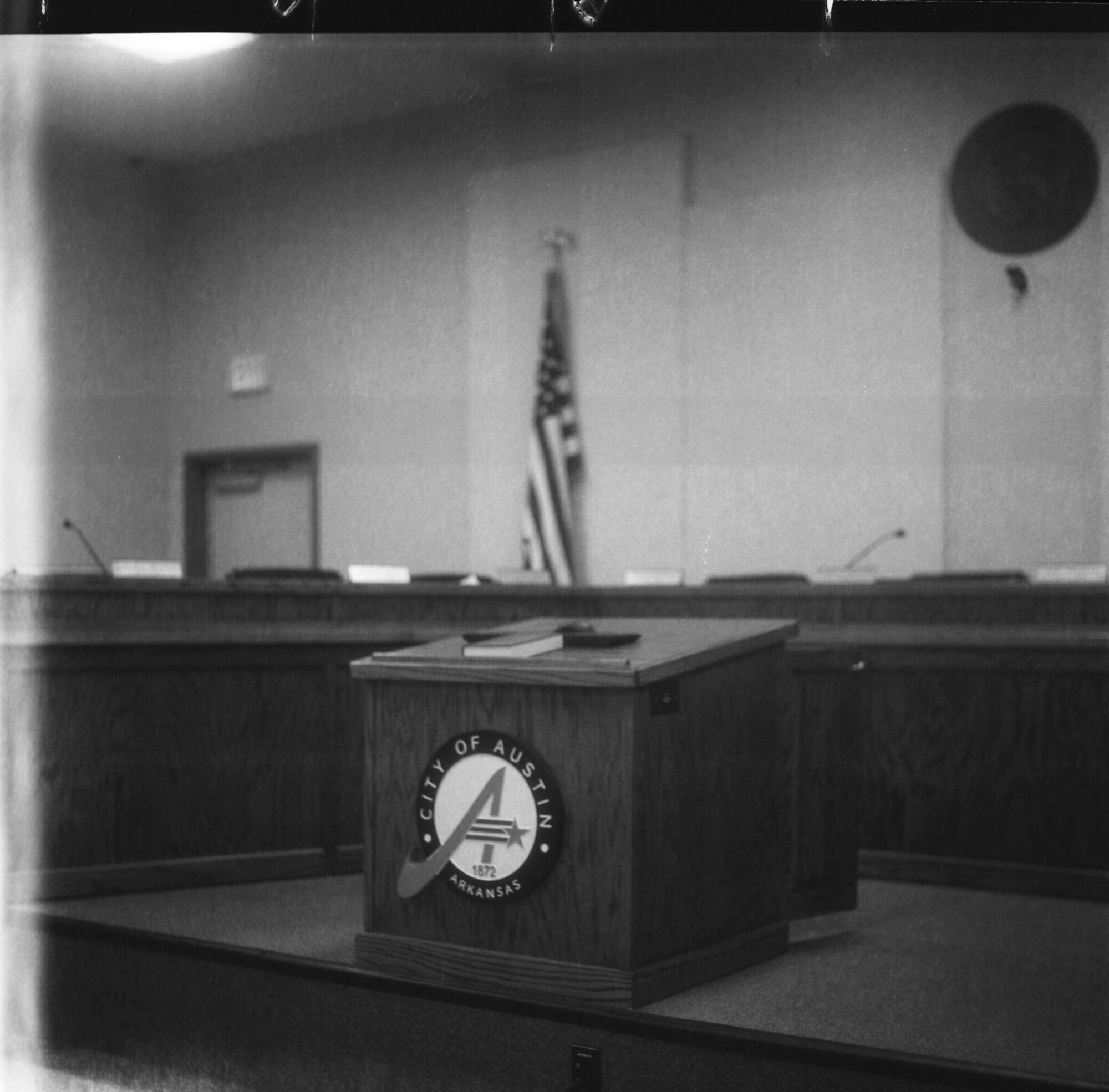
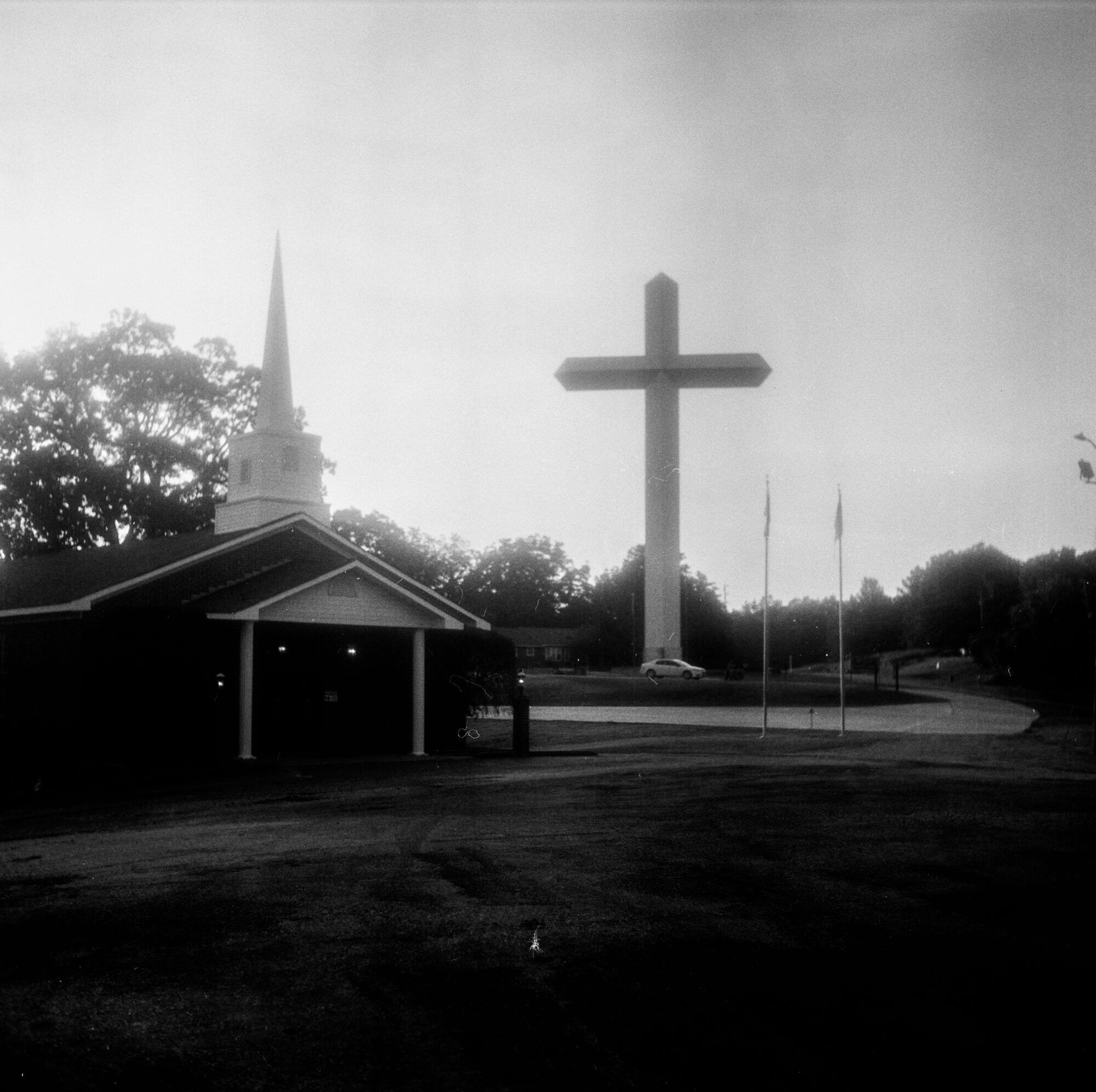
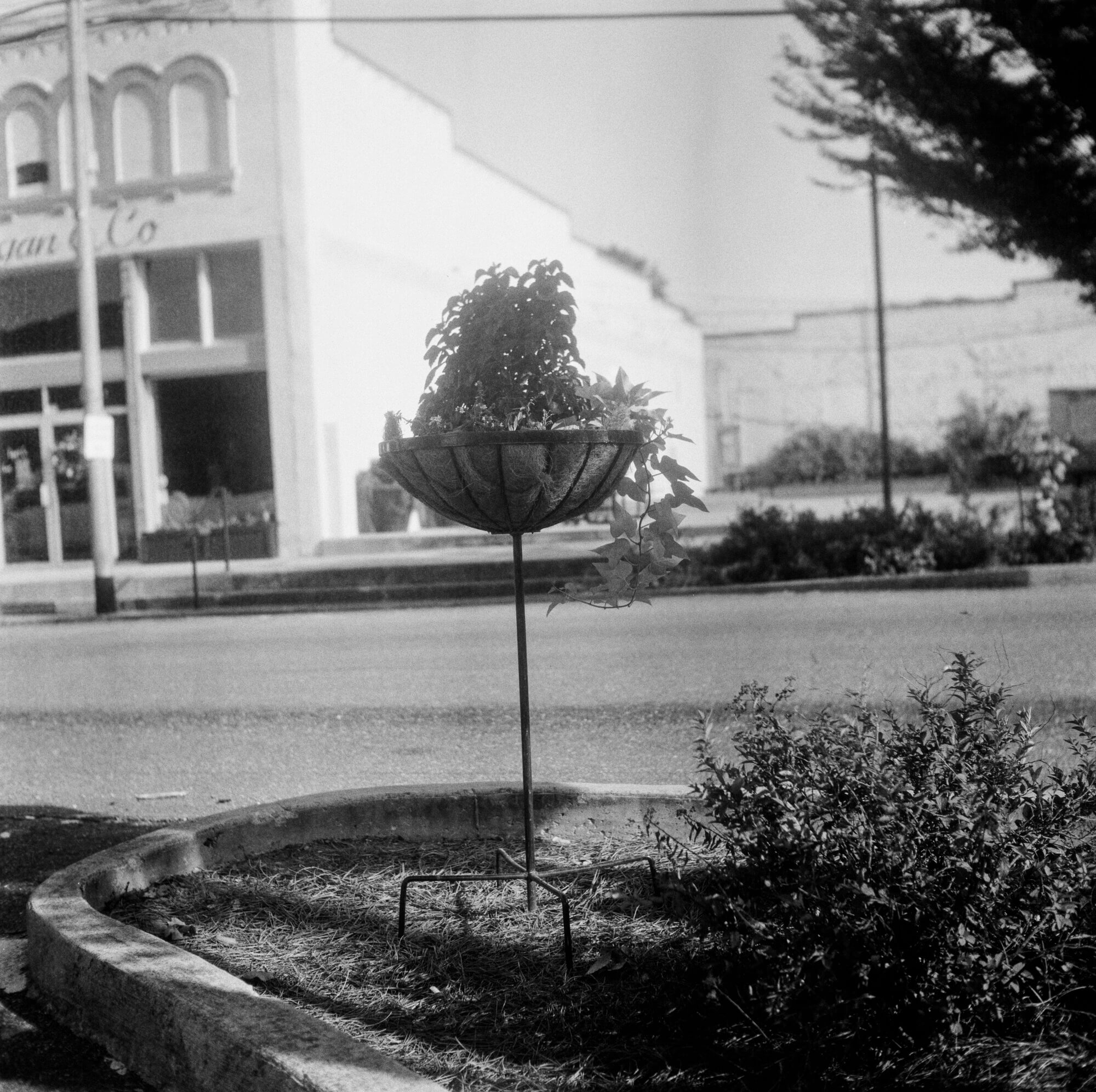
These are photos of just some of the two dozen objects I was able to track down using state prison industries catalogs and social media accounts. Most are the actual products made by prisoners, others stand in for ones that were.
In the United States, prison labor is everywhere, a practice nearly as old as our nation itself. Incarcerated workers are responsible for producing over $2 billion in goods annually, much of which is sold via federal and state prison industries to public institutions like libraries, schools, courthouses and government agencies.
Incarcerated workers make between 33 cents and $1.41 per hour working for state-owned businesses — though in six states, prison workers aren’t paid for their labor at all.
Proponents of prison labor argue that these work programs are designed to be rehabilitative and beneficial for incarcerated people: by providing a source of income, teaching someone a new skill or giving a person a purpose once they’re released. Manufacturing braille books, for instance, remains one of the most coveted prison jobs because it allows incarcerated workers to spend the majority of their day reading, and teaches them a marketable skill.
But Carla Laroche, Felder-Fayard associate professor of law at Tulane University and the Murphy Institute, says it’s more complicated. “Prison labor goes back to enslavement,” she said. “Someone is being held in a facility, a prison, and told, ‘You must work.’ They don’t have a choice whether they work or not, what skills they want to learn, or what kind of job they have. And some people might say, great — everybody has to work. Everybody has to pay their bills. But we have the ability to leave. We have the ability to choose. And we can work for ourselves. In some prisons, if you do not work, you will be held in solitary confinement.”
Do you know what in your community is made by incarcerated people?
This project was supported by a Carol Lavin-Bernick Faculty Grant from Tulane University. It was published in partnership with The Marshall Project, a nonprofit news team covering Mississippi’s criminal justice systems.
Daniella Zalcman is a documentary photographer based in New Orleans. She is the founder of Women Photograph, a journalism professor at Tulane University, and a multiple grantee of the National Geographic Society and the Pulitzer Center on Crisis Reporting, and has held fellowships with CatchLight and the International Women’s Media Foundation.