
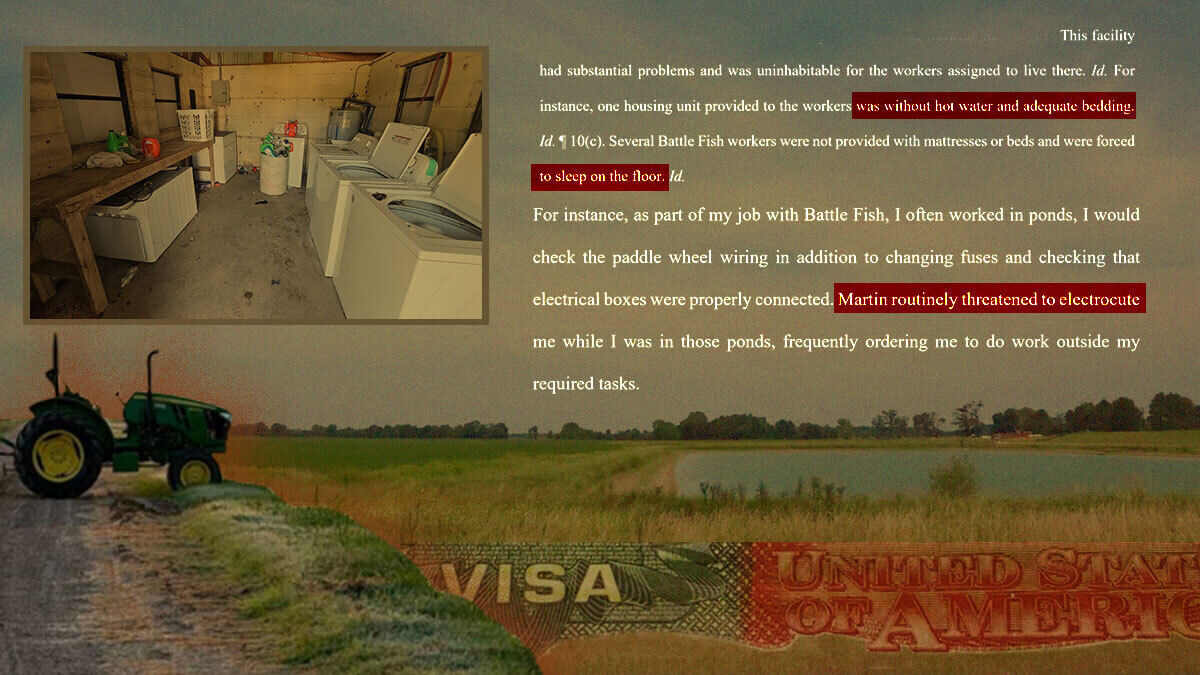
TUNICA – The U.S. Department of Labor is investigating a Mississippi Delta catfish farm where some seasonal workers allege persistent verbal abuse and racism, unpaid wages, substandard living conditions and other violations.
Employees at Battle Fish North said that, for years, management has relied on threats of violence and denying seasonal work contracts to discourage them from reporting the abuses to authorities.
The Labor Department also investigated the farm in 2023 for alleged violations of the Fair Labor Standards Act and H-2A regulations and subsequently sued the company and its owners for obstructing the investigation. In the court complaint, which represents one side of a legal argument, the department said the farm concealed noncompliant living quarters and vehicles and threatened to retaliate against workers who agreed to interviews with federal investigators.
The case ended in a settlement with no findings, and Battle Fish did not “admit or deny” the allegations in the consent judgment. But in a previous memo to the court, the defendants said that they “did not disrupt the DOL’s investigation let alone retaliate against employees who may have participated,” claiming that the “evidence shows the Battle-Magnolia Defendants cooperated in good faith to facilitate the government’s investigation.”
The judge ordered the farm to comply with the Fair Labor Standards Act and improve access to information about the workers’ rights.
“The contracted employees lose hope because the Labor Department went but they didn’t see changes of any kind,” said an employee who left Battle Fish but remains in contact with former coworkers.
The employee requested anonymity due to concerns over repercussions for current workers at the farm.
Regarding the 2023 investigation, Andrew Dulaney, an attorney for Battle Fish, told Mississippi Today that “Battle Fish North and Magnolia Processing, Inc have successfully and amicably resolved the employment issues with the Department of Labor in 2023. As the Court’s judgment provided and as we believe all parties understand, there was a misunderstanding on a number of issues. These misunderstandings have been resolved.”
Mississippi Today examined court records and government documents, spoke with government agencies and Battle Fish’s legal representation, and interviewed seven current and former employees who worked at the farm between 2012 and 2026.
The employees are Mexican citizens who have worked in the U.S. seasonally on H-2A visas, which allow agricultural employers to hire workers from outside the U.S. on a temporary basis. Four said they decided to leave rather than continue facing abuse. One said the company wouldn’t rehire him after he spoke with Labor Department investigators about the conditions.
Five spoke to Mississippi Today on the condition of anonymity because they feared retaliation, and two former employees who returned to Mexico – Jacob Vargas Huante and Francisco Chavez Barajas – agreed to their names being published.
“I was a victim, but tomorrow there could be another,” said Vargas.
Former workers told Mississippi Today that the intimidation has come primarily from Houston Battle, one of the owners, and Martín Valencia, an overseer who supervises operations and communicates with workers since Battle does not speak Spanish.
Neither Battle nor Valencia could be reached for comment after Mississippi Today left multiple voicemails and written messages.
“During my investigation, multiple Battle Fish employees informed me that Battle and Martín degrade workers by repeatedly threatening to physically harm them, as well as to fire them or have them deported,” read a declaration by Kristina Espinoza, one of 10 investigators who inspected the farm in 2023. According to the court records, an employee told investigators, “I couldn’t tolerate the treatment from the supervisor, Martin Valencia, or the boss at the ranch.… Every day was like that, with insults being hurled at us.”
Former Secretary of Labor Julie Su wrote in a memo to the court that the Labor Department’s investigation had revealed an “extensive and ongoing pattern of threatening and intimidating Battle Fish workers.”
In a motion hearing, primary owner Bill Battle denied having retaliated against workers.
Labor Department spokesperson Erika Ruthman confirmed that an investigation into the company is open and ongoing, but said she could not give further details to ensure its integrity. Ruthman declined to comment whether the current investigation is routine or in response to a complaint.
Brandon Davis, a lawyer representing Battle Fish, said it would be “inappropriate” to discuss the investigation but that Battle Fish would “continue to work with the federal government as our regulator, as well as with the public and with our various groups of employees.”
A family operation
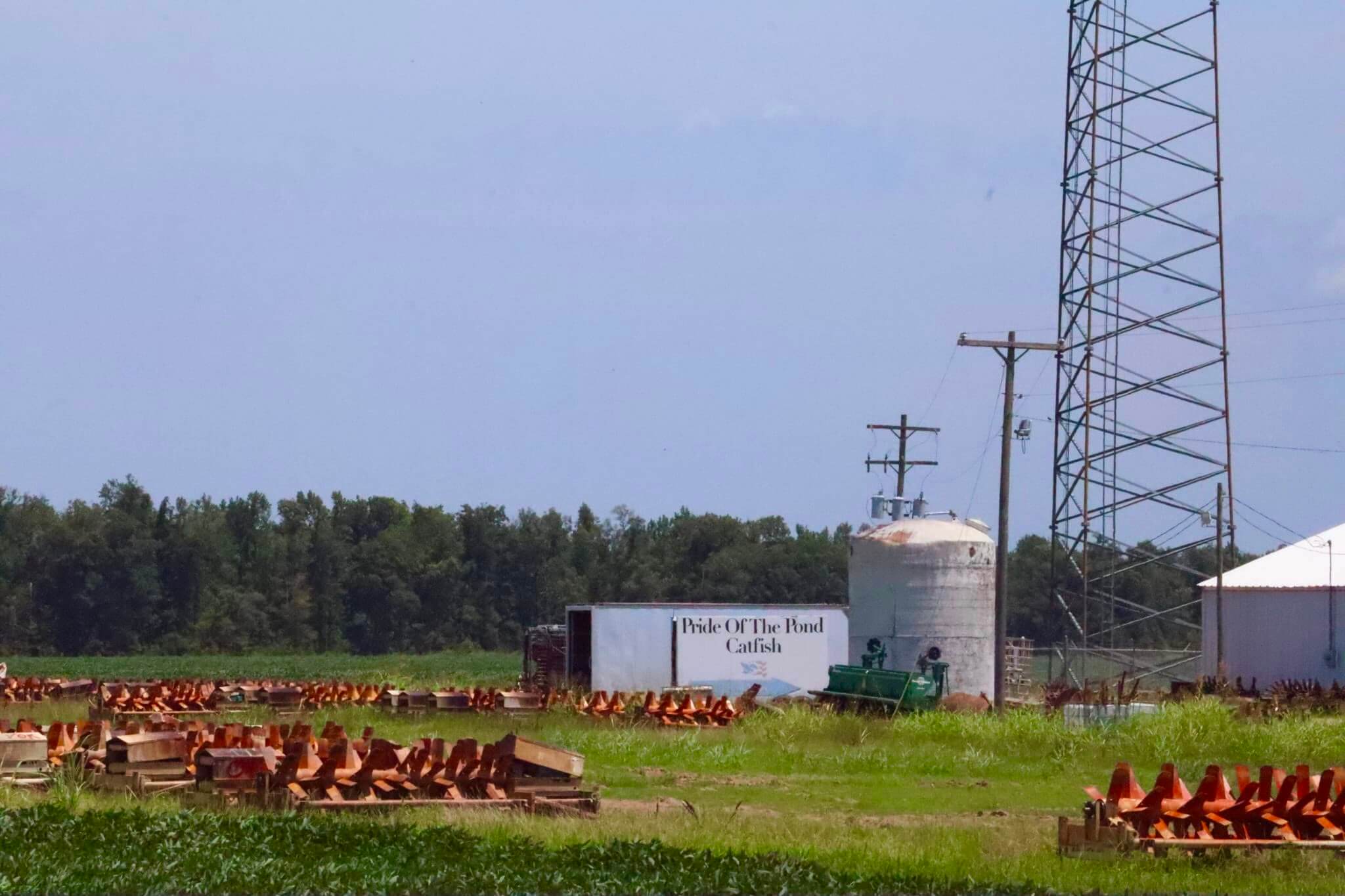
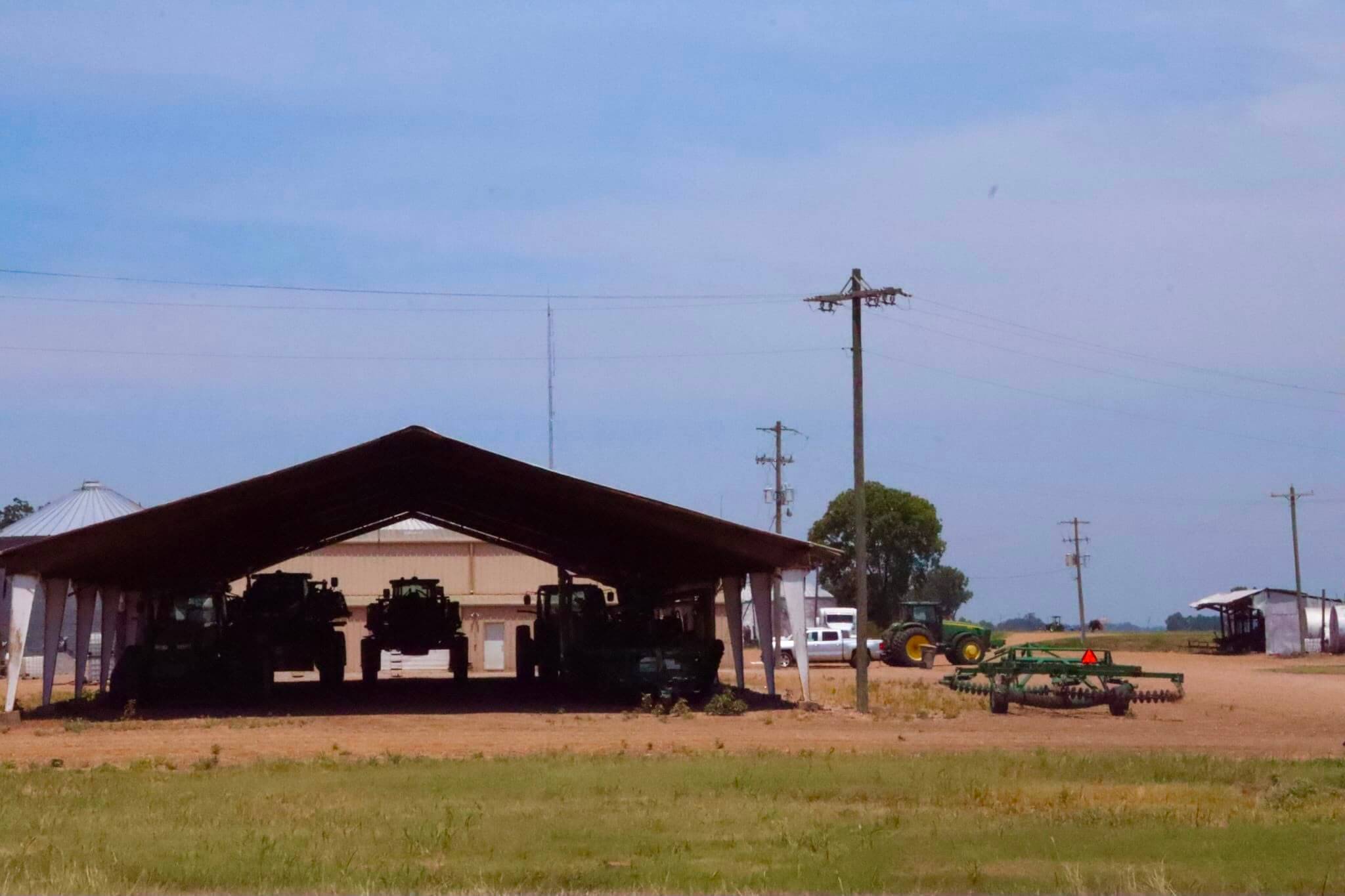
Battle Fish sits just outside Tunica in Mississippi’s northern Delta. Hundreds of acres of clustered rectangular ponds punctuate a flat expanse of fields surrounding the two-lane Highway 4.
The family-run catfish farm and an on-site processing plant, Magnolia Inc., are both owned and operated by members of the Battle Family — Houston Battle along with his brother and father. Houston Battle’s grandparents founded the operation in the late 1960s, and today the plant processes around 10 million pounds of fish annually.
The farm and the processing plant both hire seasonal foreign workers and were defendants in the 2023 court case. Previously, a Labor Department investigation had found that Magnolia Inc. owed over $11,000 in back wages to U.S. employees.
The Labor Department cleared Battle Fish to hire 14 workers through the H-2A visa program for the 2026 season, from February to November. Hundreds of thousands of people work in the U.S. on H-2A visas annually, the majority from Mexico.
Former Battle Fish employee Jacob Vargas Huante provided a court declaration in the 2023 lawsuit, and he told Mississippi Today that he worked for three employers in the U.S. through the H-2A program without issues before coming to Tunica. “I never had problems, I was never mistreated … only there with Battle Fish.”
However, Noemí Hernández, consul general of Mexico in New Orleans, said the consulate frequently receives reports of violations from Mexican nationals working in Mississippi. “There are cases that are deplorable,” Hernandez said about reports from across the state. “In a few cases employers even turned to violence.”
‘A chilling effect’
When Labor Department investigators arrived at the farm in 2023, they reported that the management’s threatening conduct created a “chilling effect” on workers and made them afraid to speak. Two investigators, Espinoza and Jose Berrios testified that they had to speak to workers at a gas station away from the worksite, and even there some workers hid behind dumpsters and cars and poked their heads out to see who was around.
In his court declaration, Battle said that the Labor Department “apparently even took some of those employees away from the farm to question them at a gas station and behind a dumpster,” but a former employee who spoke to Mississippi Today said that when investigators approached him at the farm, it was he who suggested speaking at a gas station instead.
“I knew what the situation was,” the former worker said. “I said to him, ‘You want to interview me? You want me to tell you the truth? Let’s go to the gas station where they can’t see me, and we can talk there and I’ll tell you everything that’s going on.’”
“We were forbidden to talk to you … Martín (Valencia) told us that we couldn’t complain, and he said that if we did, he would send us back to Mexico,” an employee told investigators in a written statement.
During the investigation, Battle Fish management “routinely threatened to fire, deport, or physically harm,” workers who risked talking to investigators, reads a memo from Former Secretary Su to the court.
In his court declaration, Battle denied retaliating or threatening to retaliate against employees who spoke with Labor Department investigators, adding that “the agents treated me and Battle Fish North in a prejudicial way like we had engaged in wrongdoing.”
A former employee told Mississippi Today that Houston Battle “yells at us because he thinks he has us in his hands because we don’t want to lose a work visa. It’s difficult to get another one.”
“They do not treat us well here but we have to work. We do make some money here and Mexico is very difficult,” another employee told Labor Department investigators.

According to Vargas, some employees are also concerned about compromising family members’ chances of obtaining visas through Battle Fish because of pressure from the employers.
“They tell you if you complain or anything, ‘We won’t bring you over, we won’t bring over your family, we’re not going to want your cousin here, your brother,’” Vargas said.
Battle Fish did not respond to requests for comment about not renewing work contracts to employees who reported issues.
Vargas worked at Battle Fish for around eight years before leaving because of what he described as repeated verbal abuse and death threats from Valencia. Vargas told Mississippi Today that even in his hometown in Michoacán, almost three years after leaving Battle Fish, “there are times I wake up at night because I have nightmares, I think I’m drowning, that they electrocute me, or Martín Valencia kills me.”
Vargas’ work included maintaining electrical wiring around the fish ponds, and he described in his court declaration how Valencia once tried to turn on the electrical current as he worked. Francisco Chavez Barajas worked alongside Vargas and recalled the incident. “We lived all that mistreatment and abuse first hand,” Chavez said.
Tunica County Justice Court records show Martin Rodriguez filed simple assault charges against Jacob Huante in 2019. Vargas, whose second last name is Huante, said the Martin listed as filing the charges is Valencia. Vargas pleaded not guilty, and the charges were dropped in 2020. He told Mississippi Today that the charges were falsified and Valencia invented the details of an alleged confrontation. Vargas said that when the police arrived at the farm, “I actually wanted them to arrest me so I could file a counterclaim against him, because everything he was doing to me was false.”
Valencia could not be reached for comment, but in Battle’s court declaration, he said that no employee had reported abusive conduct from Valencia to him.
In Vargas’ federal labor complaint that preceded the 2023 investigation, he stated that Valencia “bullies” him and other workers, calling him “pendejo” (“dumbass”) and a “fucking liar.” A current employee described Battle as “explosive,” and a former employee remembered Battle’s behavior as “racist” and “arrogant.”
A former employee noted that Valencia was also sometimes “scolded” and “mistreated” by Houston Battle. “Valencia tries to defend Houston more than the people.”
In a written statement from the previous Labor Department investigation, an employee described Battle as intolerant and prone to anger. “If Houston gets angry with a worker, we all pay the consequences,” the statement read.
Investigator Espinoza wrote in a court declaration that when she was preparing to leave the worksite, she overheard a conversation between Battle and his brother.
“They think I am threatening, they don’t know what threatening is,” she quoted Battle as saying before he went “storming back into the front office.”
Workers also told investigator Jose Berrios about a physical confrontation in which Battle allegedly grabbed a worker, spun him around and started yelling at him. Battle denied having any knowledge of this incident during a September 2023 motion hearing in the Northern District of Mississippi.
Battle’s father, Bill Battle, was also questioned about violent retaliatory practices during the motion hearing. He admitted to having been on probation for breaking the windshield of a vehicle that two employees were driving. A complaint says Vargas sent investigators a TikTok video that showed Bill Battle smashing the windshield “after brandishing his gun at them as they were leaving after going to get their last paychecks.”
Overworked and underpaid
A Labor Department clearance form that authorizes Battle Fish to hire H-2A workers specifies an 11-hour work day from 7 a.m. to 6 p.m., but some workers said upon arrival they found themselves working 12- to 14-hour night shifts without overtime pay.
“Some years, I never rested,” said one former employee. He remembered investigators told him Battle Fish owed him wages for the years of overtime, which he still has not received. “We didn’t get one day to rest.”
“We’re human beings, we’re not machines or animals,” Vargas said.
“The contract doesn’t say I’ll work at night,” said another former employee. “The first year when I arrived they just told me you need to sleep during the day because you’re going to work at night.”
In a declaration to court, Vargas wrote that he worked at least three hours per week over his contracted hours without pay.
Multiple workers said they only received partial reimbursements for travel costs between their hometowns and the farm, expenses that the H-2A program requires employers to cover. In 2022, the Labor Department reported that the processing plant failed to fully reimburse travel expenses to its employees.
Battle Fish denied failing to fully cover travel costs in an email to Mississippi Today.
Davis said he had no knowledge of the night shifts, but he said that “Battle Fish complies with the Fair Labor Standards Act as to all employees.” This federal law requires employers to pay time and a half when employees work more than 40 hours in one week.
‘Uninhabitable’
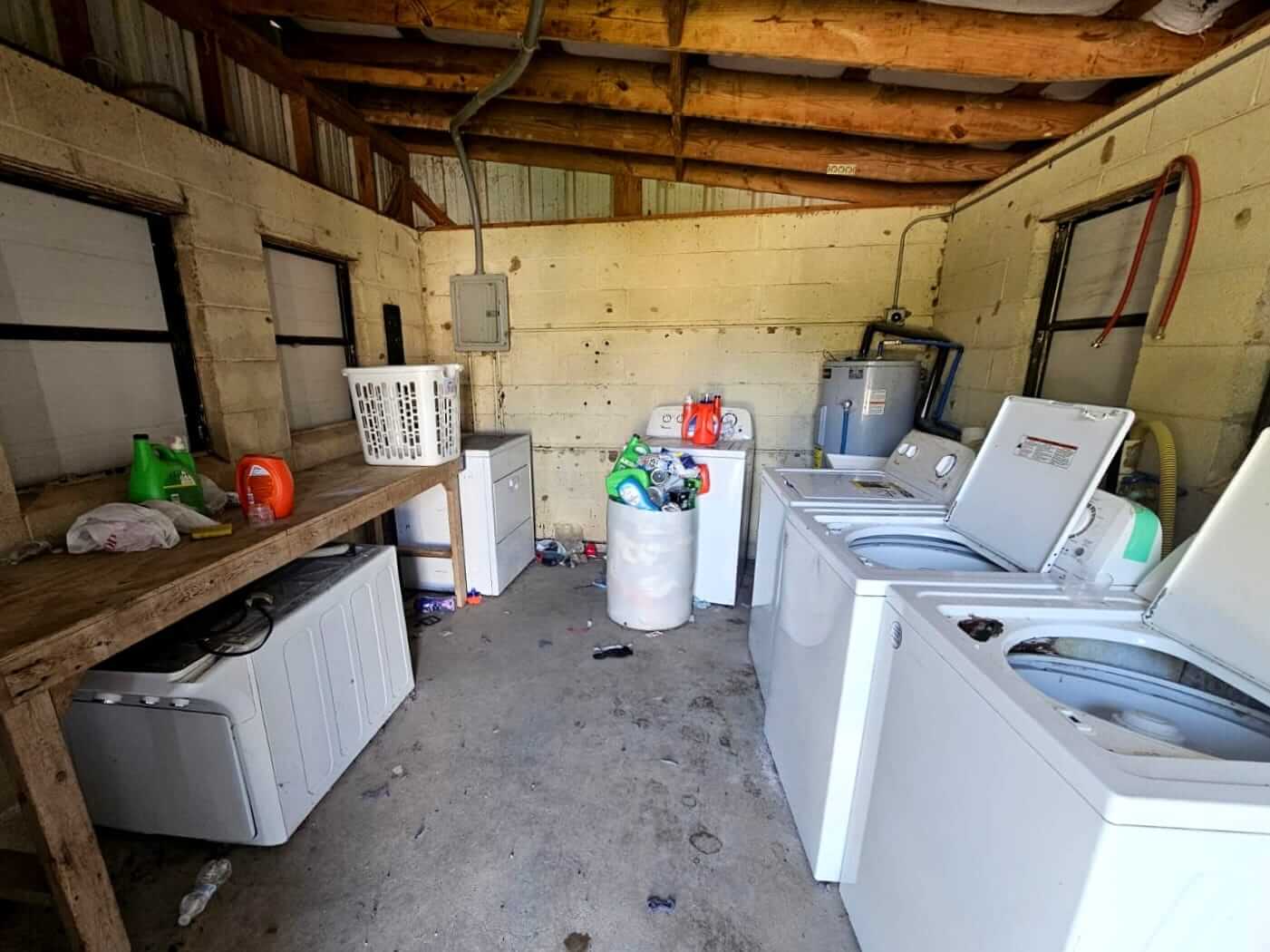
Federal regulations require employers to provide H-2A employees with housing, reliable transportation between living quarters and the worksite, and access to meals. At Battle Fish, workers stay in small apartments and trailers at two locations, both a few minutes’ drive from the processing plant.
An investigator testified that, according to her interviews, several workers slept on the floor and lacked access to running water.
“The stoves do not work, nor does the air conditioning,” reads one employee’s statement to investigators. “The floor and the shower are sinking.”
Some workers told Mississippi Today they lived at the farm in crowded quarters infested with rats and cockroaches, where the flooring was falling to pieces.
Former Secretary Su called one of the facilities “uninhabitable” for workers in a memo to the court.
In another statement, a worker said, “transportation is in very poor condition. It doesn’t have air conditioning, the windows are broken, and the tires are bad.” Former employees told Mississippi Today that unreliable vehicles meant it was hard for them to access grocery stores, and they sometimes had to walk to work through heavy rainfall.
“We were having problems to buy food, it was only one vehicle for everyone and that is not enough and sometimes we can’t go shopping for food,” wrote one employee in a statement.
In his court declaration, Thomas Cooper Battle said that “contrary to the Department of Labor’s assertions, the farm vehicles were in an appropriate state of repair to service Battle Fish North’s on-farm work.” He also said that Magnolia “regularly engages the services of McElhaney Construction to repair and maintain the housing units.”
Battle Fish did not reply to requests for comments on the conditions of employee housing and vehicles.
Lives at risk
In a remote corner of the Delta thousands of miles from family support networks, employees said accessing medical care was another recurring challenge.
The Labor Department requires that H-2A employers have state or employer-provided health insurance insurance for “injury and disease arising out of and in the course of the worker’s employment.” However, six Battle Fish employees who spoke with Mississippi Today recalled incidents where they or their coworkers were severely ill or injured and their boss did not help them access treatment.
An employee who worked with Battle Fish for one season during the COVID-19 pandemic said that management “abandoned” him when he developed a cough that persisted for days and left him unable to sleep because he felt like he was suffocating. He said that when he asked Battle and Valencia to help him get to a hospital, they got angry and told him he had to keep working. After three days he said he “couldn’t bear it anymore” and ended up paying $100 round trip for a taxi to take him to a hospital in Memphis, and $200 for treatment.
Employees also reported dangerous working conditions. One employee who worked night shifts said he “risked his life” driving tractors without brakes up to the edge of the fish ponds to operate fans that oxygenate the water. “There was the danger that you’d end up in the lake along with everything else.”
“They’ve never been concerned about people’s well being,” said a former employee. Another worker said in a statement to inspectors, “If an accident happens to you, sometimes they don’t take you to the doctor anymore.”
Battle Fish did not reply to requests for comments about specific incidents, but wrote “we value our workers and have a very strong safety record.”
“We are proud to be catfish farmers in the Mississippi Delta and to have the opportunity to provide food for America,” the company stated in an email to Mississippi Today.
‘My life’s worth more than that’
Battle “treats them as if they were slaves, as if they were trash,” said a former employee who is now working in another state, where he says conditions are better.
Vargas said, “I’d never go back to Battle Fish … not even if they paid me 2 or 3 million dollars. Because my life’s worth more than that.”
For an employee who left this year, government mechanisms for accountability feel slow and ineffective. He said that a lawyer associated with the Mexican consulate told him his case could take years. He risks becoming undocumented if he stays in the U.S. while he waits for a resolution. “I think they want me to give up hope, that I won’t know what to do and I’ll go back to Mexico.”
“The Department of Labor did nothing. The government didn’t do anything to help. The Mexican consulate is supposed to help Mexicans, but they don’t do anything,” he said.
In response to the employees’ statements, a Labor Department spokesperson said that workers who have questions about wages can contact the Wage and Hour Division. Consul General Hernández said the consulate provides guidance to Mexican workers on how to report the issues to U.S. authorities but that the consulate itself does not have the authority to investigate alleged violations.
The employee, who remains in limbo weeks after leaving Battle Fish, said he had been supporting his two children in Mexico with his salary for years, which made leaving a difficult decision. But in the end he renounced his contract mid-season due to the conditions and treatment. “I couldn’t take it anymore,” he said. “I want this to stop here.”
Georgie Pease joined Mississippi Today for a 10-week fellowship through the University of California Berkeley Graduate School of Journalism. Claudia Amendoeira is at Mississippi Today on a fellowship from the Columbia Graduate School of Journalism.
