Podcast: Mississippi Today goes to Washington


Mississippi Today reporters Michael Goldberg and Taylor Vance recount their recent trip to Washington, D.C., and meetings with the state’s congressional delegation, covering topics including the use of National Guard troops in U.S. cities — potentially even in Jackson — disaster relief policies and the debate over the release of the Epstein files.
Could Roger Wicker be part of another rare bipartisan health plan in U.S. Congress?
There is a chance that a rare case — not a pandemic but a single occurrence of bipartisanship on a health care issue — could break out in the U.S. Congress before the end of the year.
Such cases are few and far between, but national press reports indicate that the Republican-controlled Congress, fearing the backlash in the 2026 midterm elections, is pondering extending the program that provides enhanced federal financial assistance to people purchasing health insurance policies through the Affordable Care Act exchanges.
If the enhanced subsidies expire at the end of 2025 as scheduled, it would create a substantial increase in cost for the millions of Americans who get their health insurance coverage through the marketplace exchange — a key component of former President Barack Obama’s Patient Protection and Affordable Care Act.
During the administration of former President Joe Biden, Democrats increased the federal subsidies provided to help people pay for the ACA exchange policies. No Republican voted for the enhanced federal subsidies just as they did not vote for the ACA in 2010.
But now fearing a backlash in the 2026 midterm elections, some are reportedly trying to find a way to extend the enhanced subsidies for at least another year.
If the federal financial assistance for the cost of the marketplace policies expires, Mississippi will be hit particularly hard.
Unless Congress acts before the end of the year, the price of the marketplace’s health insurance policies will increase an estimated $480 annually in Mississippi, according to KFF, a national group that conducts health care research. The subsidies are provided based on income levels, so the costs for some could be much higher next year if the enhanced assistance expires at the end of 2025.
Participation in the marketplace by Mississippians has increased 242% in recent years since the enhanced federal assistance program was enacted, according to KFF. Only Texas has seen a greater increase at 255%.
Many of the Republicans who expect tough elections in 2026 now want to extend the program.
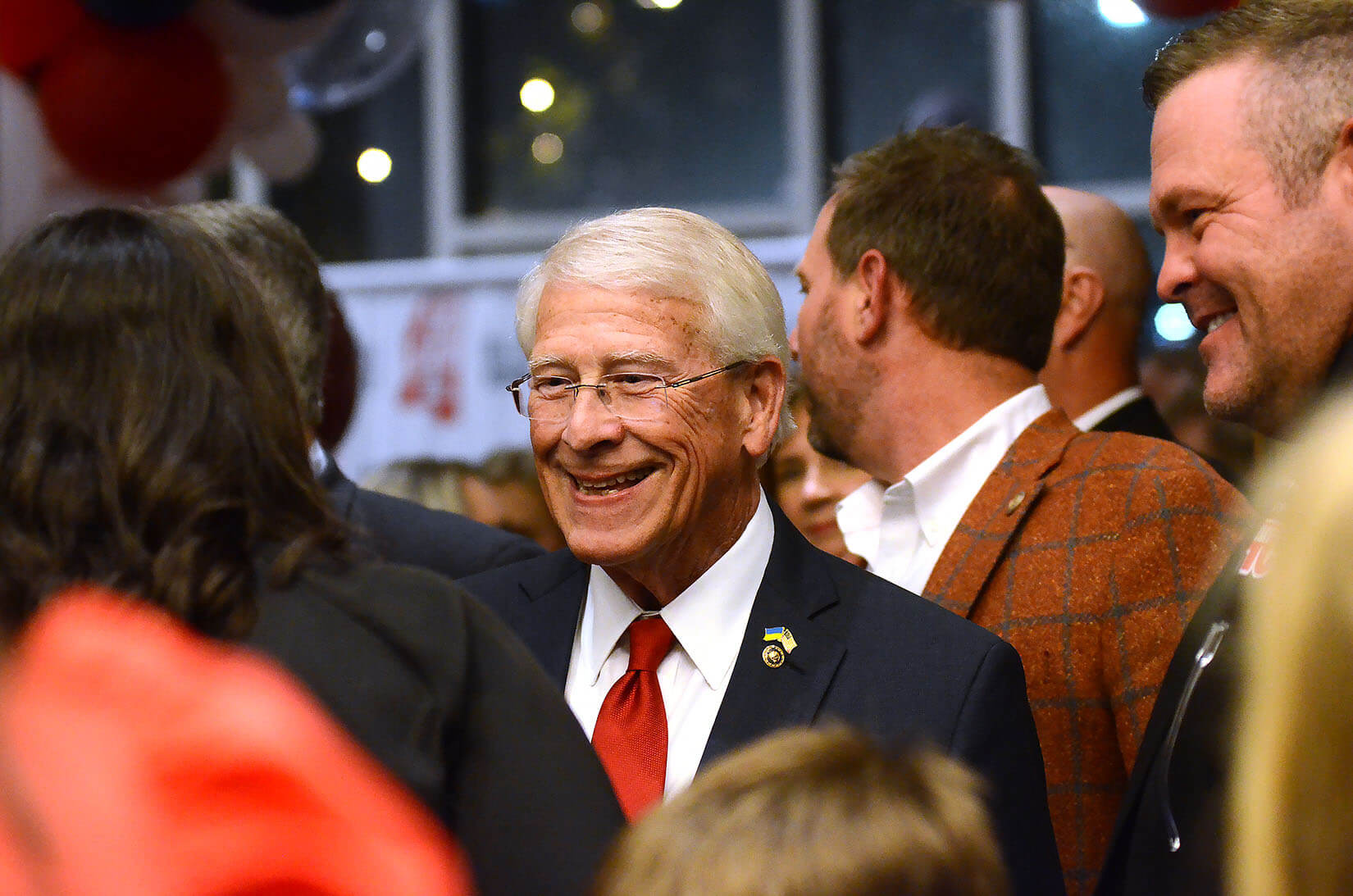
Republican Roger Wicker of Tupelo, Mississippi’s senior U.S. senator, is not up for reelection in 2026, but he has at times worked with Democrats on bipartisan health bills.
In 1997, Wicker, then a new member of the U.S. House, was part of a bipartisan alliance that passed the Children’s Health Insurance Program, which helped children of the working poor obtain health insurance.
The program has been pivotal in Mississippi, a state with one of the nation’s highest poverty rates and a large segment of its population working in low paying jobs. About 85,000 Mississippi children are enrolled in CHIP, according to Medicaid.gov.
The creation of CHIP occurred against big political odds. Before it was proposed, then-President Bill Clinton tried to pass his version of universal health care with First Lady Hillary Clinton leading that effort. The bill, which was derisively called Hillarycare, was savaged. The bill crashed and burned and created considerable ill will in Washington.
But in the wake of that failure, a bipartisan group of lawmakers, led by Sens. Ted Kennedy, a Democrat from Massachusetts, and Orrin Hatch, a Republican from Utah, passed CHIP. Hillary Clinton, history should note, is also credited with playing a role in the passage of CHIP.
Wicker was part of that bipartisan effort. Wicker, who had been a member of the state Senate only three years earlier where he chaired the Public Health Committee, viewed CHIP as a proposal that would help Mississippi families.
Trent Lott of Mississippi, who at the time was the Senate majority leader, opposed CHIP, calling it “a big government program.” Thad Cochran, the state’s senior U.S. senator, like Wicker, supported the program.
And Cochran, a key member of the Senate Appropriations Committee for years, played pivotal roles in ensuring CHIP continued in future years when it appeared it might be in jeopardy.
In 2025, it will be interesting to see if Wicker or any other member of Mississippi’s congressional delegation is instrumental in ensuring the enhanced subsidies continue for the ACA exchange.
After all, all four U.S. House members and Cindy Hyde-Smith, the state’s junior U.S. senator, will be up for reelection in 2026.
Guide complet du casino en ligne – Tout ce que vous devez savoir
Guide complet du casino en ligne – Tout ce que vous devez savoir
Le secteur des jeux d’argent s’est métamorphosé au cours de la dernière décennie : les plateformes de casino en ligne attirent chaque jour des millions de joueurs français grâce à l’accès instantané depuis un smartphone ou un ordinateur. Cette explosion s’explique par la combinaison d’une offre ludique toujours plus diversifiée, de technologies de streaming haute définition et de réglementations européennes qui rassurent le public. En conséquence, le choix d’un site fiable n’est plus anodin ; il doit être guidé par des critères précis afin d’éviter les arnaques et les mauvaises surprises fiscales.
Basketnews.Net s’est imposé comme le comparateur indépendant le plus complet pour identifier le nouveau casino en ligne qui correspond à chaque profil de joueur. Le site teste les licences, analyse les bonus et vérifie la fluidité des paiements avant de publier ses classements mensuels. Grâce à cette expertise reconnue, les joueurs peuvent consulter des avis impartiaux et sélectionner rapidement le meilleur casino en ligne 2026 sans perdre de temps dans des essais hasardeux.
Dans cet article nous décortiquons les points essentiels : la législation et les licences applicables en France et à l’étranger, la variété des jeux disponibles (slots, tables, live dealer), les mécanismes des bonus et leurs conditions de mise, la sécurité des transactions ainsi que l’expérience client et mobile. Vous disposerez ainsi d’un guide pas à pas pour jouer sereinement tout en maximisant vos chances de gains.
Section 1 : Les licences et la régulation des casinos en ligne
Les autorités de jeu délivrent des licences qui garantissent que le casino opère dans un cadre légal strict ; elles protègent le joueur contre les fraudes et assurent l’équité du RNG (Random Number Generator). En France, l’ANJ supervise toutes les plateformes autorisées à proposer leurs services aux résidents français ; hors territoire hexagonal, des juridictions comme la Malta Gaming Authority (MGA), la UK Gambling Commission ou Curaçao eGaming offrent également une surveillance reconnue à l’international.
Pour vérifier qu’un site est légitime, il faut d’abord repérer son numéro de licence affiché au bas de chaque page – souvent sous forme d’un code alphanumérique – puis consulter les conditions générales où sont détaillés les droits du joueur et les obligations du prestataire. Les audits indépendants tels qu’eCOGRA ou iTech Labs publient régulièrement leurs rapports d’inspection ; leur présence sur le site est un bon indicateur de transparence et de conformité technique.
La différence entre une licence française et une licence offshore
Une licence française impose aux opérateurs un taux fiscal réduit sur les gains des joueurs français mais exige que tous les serveurs soient hébergés sur le territoire européen afin d’assurer un contrôle direct par l’ANJ. En revanche, une licence offshore comme celle de Curaçao offre davantage de flexibilité tarifaire aux casinos mais limite souvent le nombre de méthodes bancaires locales disponibles pour les Français (par exemple moins d’options Visa ou prélèvements SEPA).
Le rôle des organismes de test tiers
Ces laboratoires certifient que le RNG produit réellement une distribution aléatoire conforme aux standards internationaux ; ils testent également la volatilité des machines à sous pour garantir que le RTP annoncé est respecté sur le long terme. Les certifications eCOGRA « Safe & Fair », iTech Labs « RNG Certified » ou Gaming Laboratories International sont généralement visibles sous forme d’icônes cliquables menant à un rapport détaillé accessible au public.
Tableau comparatif des principales licences
| Juridiction | Taux fiscal moyen | Exigences serveur | Méthodes paiement courantes | Supervision |
|---|---|---|---|---|
| ANJ (France) | 0 % sur gains joueurs | Europe uniquement | Carte bancaire FR, PayPal, Skrill | Contrôle national quotidien |
| MGA (Malte) | 5 % sur revenus opérateur | Europe + certains pays hors UE | Visa/MasterCard, Neteller, crypto | Audits trimestriels |
| UKGC (Royaume‑Uni) | 15 % sur bénéfices nets | Serveurs UK ou UE | Paysafecard, Trustly, crypto limité | Rapports publics mensuels |
| Curaçao eGaming | <2 % sur revenus brut | Aucun localisation requise | Bitcoin, cartes prépayées internationales | Inspection annuelle minimale |
Section 2 : Les types de jeux proposés et comment choisir celui qui vous convient
Les machines à sous restent la vitrine du casino en ligne ; on distingue trois familles principales : les slots classiques à trois rouleaux avec peu de lignes payantes, les vidéos slots comportant cinq rouleaux et jusqu’à 1024 lignes ainsi que des fonctionnalités bonus interactives, puis les jackpots progressifs où le gain augmente tant qu’il n’est pas remporté (exemple : Mega Moolah avec un jackpot dépassant parfois 20 M€). Pour choisir judicieusement on regarde le RTP moyen (généralement entre 94 % et 98 %) et la volatilité qui détermine la fréquence mais aussi l’amplitude des gains éventuels.
Les jeux de table offrent quant à eux une dimension stratégique plus marquée : blackjack classique avec règle « dealer stands on soft 17 », variantes comme Blackjack Switch ou Spanish 21 ; roulette européenne avec zéro simple versus roulette américaine ajoutant double zéro ; baccarat punto banco où chaque main possède un léger avantage maison que l’on peut compenser par une gestion stricte du capital. Chaque variante possède ses propres tableaux de paiement qui influencent directement votre espérance mathématique.
Live dealer
L’expérience live dealer combine l’interaction directe avec un croupier réel via streaming HD et la sécurité d’un jeu contrôlé par une autorité officielle grâce aux caméras multiples utilisées par Evolution Gaming ou NetEnt Live . Les tables populaires incluent le Lightning Roulette où chaque spin peut déclencher un multiplicateur jusqu’à ×500 , ainsi que le Blackjack Infinite Bet permettant aux high rollers d’enchérir sans plafond prédéfini – idéal pour ceux qui cherchent l’immersion totale sans quitter leur salon.
Paris sportifs & jeux hybrides
Certains nouveaux casinos en ligne proposent aussi une plateforme sportsbook intégrée où vous pouvez parier sur football Ligue 1 ou e‑sport comme Counter‑Strike pendant que vous jouez aux slots traditionnels ; cela crée une synergie intéressante pour ceux qui veulent diversifier leurs sources de revenu tout en restant sur un seul compte bancaire sécurisé fourni par Basketnews.Net lors du processus d’évaluation comparative.
Adapter son choix à son budget et à son style de jeu
- Jeux à faible mise : slots avec pari minimum €0,10 – parfaits pour tester plusieurs titres sans trop risquer son bankroll initiale.
- Jeux haute mise : tables VIP blackjack avec limite maximale €5 000 – réservées aux high rollers capables d’appliquer une stratégie avancée telle que le comptage simplifié des cartes ou la martingale contrôlée dans certaines variantes roulette premium.
En gérant votre bankroll selon votre profil (« amateur », « intermédiaire », « high roller ») vous éviterez l’écueil fréquent du chase loss qui conduit rapidement à une perte totale même sur un jeu au RTP élevé.
Section 3 : Les bonus et promotions – Décryptage des offres alléchantes
Le bonus de bienvenue constitue généralement la première incitation proposée par tout nouveau casino : il combine souvent un dépôt matché allant jusqu’à 200 % + 100 tours gratuits sur une machine populaire comme Starburst ou Gonzo’s Quest . Cependant chaque offre comporte ses propres exigences telles qu’une mise minimum (€10) avant toute activation ainsi qu’une sélection restreinte de jeux éligibles (souvent uniquement les slots).
Les promotions récurrentes maintiennent l’engagement du joueur : cashback quotidien pouvant atteindre 10 % du volume perdu net pendant la journée précédente ; programmes VIP où chaque euro misé rapporte des points échangeables contre des retraits sans wagering ; tournois exclusifs mettant en jeu jusqu’à 50 000 € au total répartis entre plusieurs gagnants selon leur rang dans le leaderboard hebdomadaire . Ces initiatives sont régulièrement mises à jour par les opérateurs afin d’attirer tant les novices que les joueurs confirmés recherchant du contenu frais chaque semaine.
Les exigences de mise (wagering)
Le wagering indique combien fois il faut miser le montant du bonus avant pouvoir retirer ses gains associés ; typiquement on retrouve un ratio entre 20x et 40x selon la politique interne du casino . Par exemple un bonus cash‑in of €100 avec exigence “30x” signifie devoir placer €3 000 en mises admissibles avant toute demande de retrait – ce calcul doit inclure uniquement les jeux spécifiés dans les termes & conditions afin d’éviter toute mauvaise surprise lors du traitement final du paiement .
Pièges fréquents
Certains sites limitent sévèrement la période pendant laquelle vous devez remplir ces exigences — parfois seulement 7 jours — ce qui rend difficile atteindre le seuil requis si vous jouez modérément . D’autres imposent un plafond maximal sur les gains issus du bonus gratuit : même si vous remportez €5 000 lors d’une session avec tours gratuits limités à €20 chacun , vous ne pourrez encaisser que jusqu’à €200 supplémentaires selon cette restriction . Enfin certaines offres ne sont valables que sur quelques titres sélectionnés dont le RTP moyen est inférieur à celui habituel , réduisant ainsi votre marge théorique globale .
Stratégies pour maximiser la valeur d’un bonus
1️⃣ Choisir une promotion dont le ratio mise/bénéfice est inférieur à 30x afin d’alléger rapidement l’effort requis tout en conservant une marge nette intéressante après retrait.
2️⃣ Prioriser les programmes fidélité offrant cashback sans condition supplémentaire – ils permettent récupérer directement une partie perdue sans passer par un processus complexe.
3️⃣ Utiliser systématiquement la FAQ fournie par Basketnews.Net pour comparer chaque offre disponible chez différents opérateurs avant votre inscription ; cela évite bien souvent d’accepter un bonus attrayant mais peu rentable lorsqu’on considère toutes ses contraintes cachées.
Section 4 : Sécurité des transactions et méthodes de paiement
La protection SSL/TLS constitue aujourd’hui le socle indispensable pour chiffrer toutes vos communications entre votre navigateur et le serveur du casino ; elle empêche toute interception malveillante lors du transfert d’informations personnelles ou financières grâce au protocole HTTPS certifié par des autorités reconnues telles que DigiCert ou GlobalSign . Une absence totale ce protocole doit immédiatement déclencher une alerte chez tout joueur avisé suivant nos recommandations publiées régulièrement sur Basketnews.Net .
Méthodes classiques
Les cartes Visa/MasterCard restent largement acceptées partout en Europe ; elles offrent généralement un délai standardisé entre 24 heures et 48 heures pour valider un dépôt tandis que les retraits peuvent prendre jusqu’à 5 jours ouvrés selon la banque émettrice française concernée – parfois accompagnés frais minimes autour de 0·90 €.
Les virements bancaires SEPA assurent quant à eux zéro frais supplémentaires mais demandent souvent 3‑4 jours ouvrés avant créditation complète tant côté émetteur que récepteur — pratique surtout pour déposer plusieurs milliers d’euros sécuritairement sans passer par intermédiaires.
Portefeuilles électroniques
Skrill & Neteller permettent quant à eux presque instantanément (moins d’une minute) tant au dépôt qu’au retrait grâce à leur réseau dédié aux jeux en ligne ; ils offrent également une couche supplémentaire d’anonymat partiel puisqu’ils ne révèlent pas directement vos coordonnées bancaires au casino.
PayPal a intégré récemment son service “PayPal Casino” dédié aux marchés européens : il combine rapidité (15 minutes) avec protection buyer‑seller adaptée notamment aux litiges liés aux paiements non reçus.
Crypto‑monnaies
Bitcoin & altcoins comme Ethereum ou Litecoin représentent aujourd’hui une option émergente très prisée parmi ceux qui recherchent instantanéité absolue (quelques secondes) ainsi qu’une confidentialité accrue grâce aux adresses publiques non traçables directement vers votre identité réelle . Néanmoins ces monnaies restent soumises à une volatilité élevée pouvant impacter fortement votre solde si vous ne convertissez pas rapidement vos gains — risque supplémentaire rappelé dans nos guides détaillés chez Basketnews.Net concernant nouveaux casinos en ligne acceptant ces moyens numériques.
Processus KYC (Know Your Customer) – Quand et pourquoi il est demandé ?
Le KYC devient obligatoire dès que vous souhaitez retirer plus que €1 000 ou activer certains bonus spécifiques ; il consiste généralement à fournir :
- Une copie lisible d’une pièce officielle (carte nationale ou passeport).
- Un justificatif récent datant moins de trois mois (facture EDF/Internet ou relevé bancaire montrant votre adresse).
Ces documents permettent au casino – sous contrôle strict des autorités compétentes – d’empêcher blanchiment d’argent et fraude identitaire tout en accélérant ultérieurement vos retraits lorsque votre dossier est déjà complet.
Section 5 : Le support client и expérience utilisateur
Un service client efficace se mesure surtout via trois critères clés : temps moyen réponse (<2 minutes via chat live), niveau linguistique adapté au public francophone (« bonjour », « merci » inclus) ainsi que capacité réelle à résoudre rapidement disputes relatives aux paiements ou aux conditions bonus.
Les meilleurs sites listés par Basketnews.Net proposent désormais :
- Chat live disponible 24/7 avec agents spécialisés dans chaque langue européenne dont français natif.
- Adresse email dédiée répondant sous <12 heures ouvrées même durant week‑ends.
- Ligne téléphonique directe exclusivement réservée aux joueurs français afin d’éviter toute barrière linguistique durant appels critiques liés aux retraits urgents.
Qualité du service
En testant personnellement plusieurs plateformes classées parmi nos top‑10 « meilleur casino en ligne 2026 », nous avons observé qu’un temps moyen global était compris entre 45 secondes (chat) et 4 minutes (email), tandis que seules deux plateformes présentaient plus d’un jour complet avant résolution complète — critère éliminatoire automatique selon notre grille méthodologique stricte.
Interface du site & version mobile
L’ergonomie joue ici un rôle décisif : tableau bord clair affichant solde actuel, historique transactions filtrable par date/jeu/montant permet au joueur avancé comme au novice naviguer sans effort.
Sur mobile , nous privilégions aujourd’hui deux approches :
- Sites responsives optimisés HTML5 fonctionnant parfaitement même sous réseaux mobiles faibles grâce au chargement différentiel (« lazy load »).
- Applications natives Android/iOS dédiées offrant notifications push instantanées lors réception bonuses personnalisés – fonction très appréciée chez nos lecteurs avidesde nouveautés quotidiennes.
Tester le support avant l’inscription définitive
Nous recommandons toujours envoyer dès votre première visite une question simple via chat (« Quel est mon délai moyen retrait ? ») afin :
1️⃣ Mesurer rapidité rédactionnelle.
2️⃣ Vérifier pertinence réponse vis-à-vis des conditions affichées.
3️⃣ S’assurer qu’une FAQ exhaustive couvre déjà ce point — sinon privilégier autrement plateforme mieux documentée.
Conclusion
En résumé, choisir judicieusement son casino repose avant tout sur quatre piliers fondamentaux : disposer d’une licence valide délivrée soit par l’ANJ soit par une autorité reconnue internationalement ; aligner sa sélection ludique avec son budget personnel afin qu’elle corresponde réellement à son style—que ce soit low‑stake slots ultra‑volatiles ou high‑roller tables premium ; décrypter minutieusement chaque offre promotionnelle pour éviter pièges cachés tels quotas temporels courts ou plafonds restrictifs ; sécuriser chacune des transactions via SSL/TLS combiné aux méthodes fiables listées ci‑dessus tout en préparant préalablement son dossier KYC afin fluidifier retraits futurs.
Enfin veillez scrupuleusement au niveau du support client ainsi qu’à l’expérience utilisateur globale—un service réactif garantit résolution rapide face aux problèmes éventuels.
En suivant ce guide détaillé publié par Basketnews.Net, chaque lecteur pourra sélectionner le nouveau casino en ligne qui correspond parfaitement à ses attentes tout en jouant dans un cadre sûr et transparent.
Bonne chance et bons gains !
IHL board selects firm for Jackson State president search
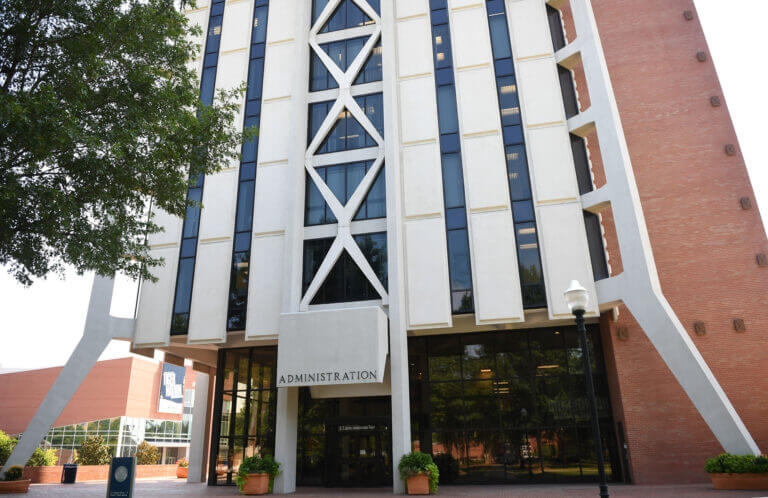
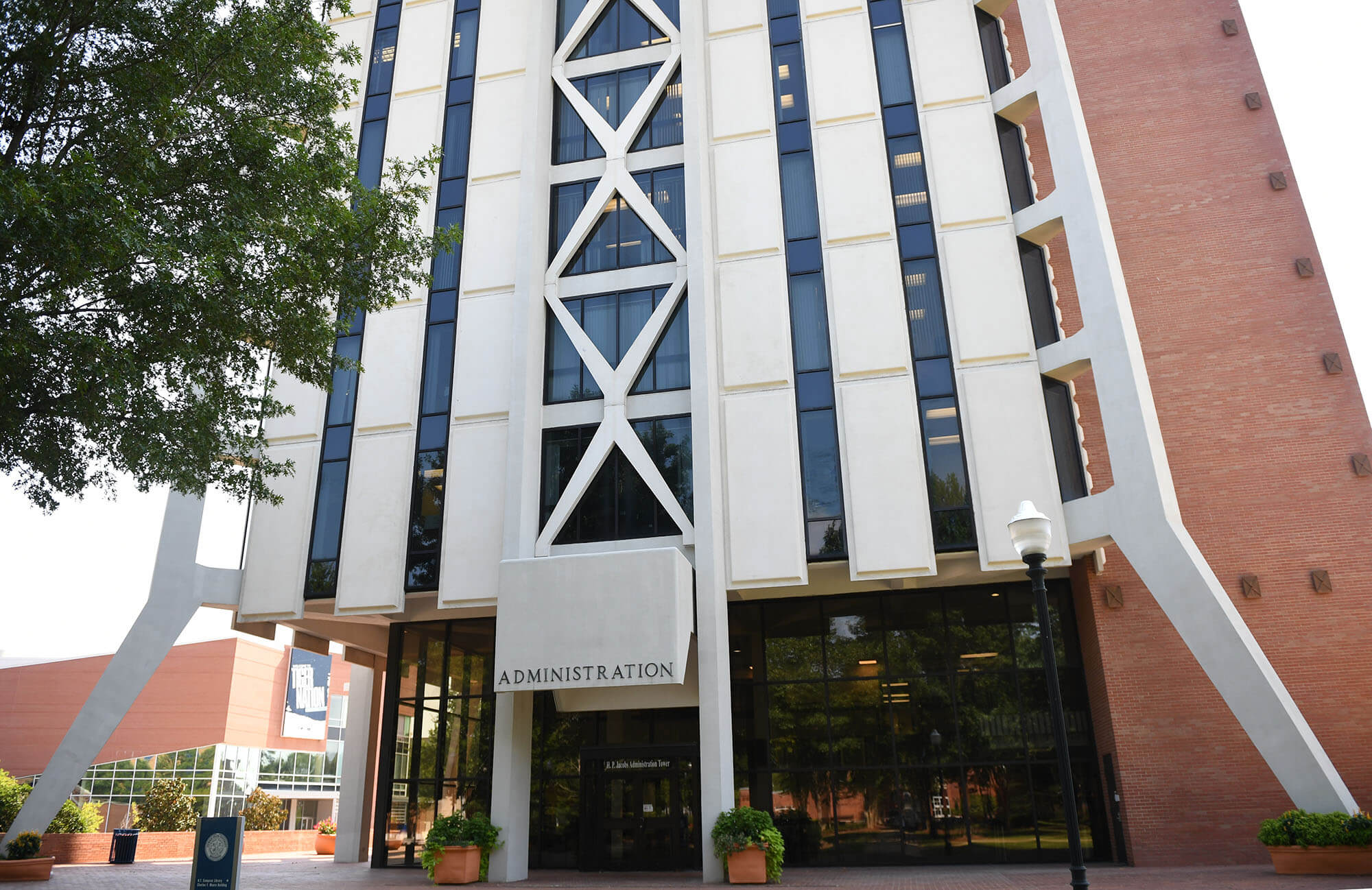
The Mississippi Institutions of Higher Learning Board has selected a search firm to assist with Jackson State University’s president search from the 11 proposals submitted. The position has been vacant since May when Marcus Thompson resigned as president less than two years into his tenure.
The state’s governing body that oversees Mississippi’s eight public universities voted in open session Thursday at its annual retreat to select Association of Governing Board of Universities and Colleges Search, an executive headhunting firm based in Washington, to assist with naming the historically Black university’s next leader.
The move is a departure from the IHL board’s usual pick, Academic Search, an executive firm it has used twice for past university president searches.
In 2023, the board hired Academic Search for $115,000 after Thomas Hudson, Thompson’s predecessor, resigned. The board also paid the firm $85,000 for the Delta State University search, which resulted in Dan Ennis.
The firm presented a proposal that “best matched the qualifications outlined in the formal request for proposals,” a press statement from the board said. Trustees said they will iron out a formal contract with the firm in the next few days.
In August, the board announced to the public it began its official search process three months after Thompson’s resignation. For months, alumni and supporters of the university have raised questions and called for a fair, transparent national leadership search for the university.
The board did not announce additional details regarding the JSU president search.
Correction 9/19/25: This story has been updated to correct that the vote on the search firm was in open session.
Meridian pharmacist passionate about use of vaccines to prevent diseases


Editor’s note: This essay is part of Mississippi Today Ideas, a platform for thoughtful Mississippians to share fact-based ideas about our state’s past, present and future. You can read more about the section here.
I was born and raised in Meridian, Mississippi just four minutes from the Walgreens where I now work as a pharmacist. Some might say my roots in this community run deep.

My family owned a group of independent pharmacies in the area for years, and when they were ready to exit the profession, Walgreens gave me the opportunity to continue doing what I’ve always known: caring for my community through pharmacy.
Today, I serve as a district immunization lead, which means I often lead local vaccine clinics and outreach efforts across the region. It’s a role that allows me to expand my impact beyond the pharmacy counter and bring care directly to the communities that need it most.
A big reason I’m so passionate about preventive care is because I’ve seen firsthand how vaccines can make a difference and how the absence of one can lead to regret.
I recently counseled two patients who are twins about the importance of getting the shingles vaccine. One accepted my recommendation and got vaccinated. The other declined. About a month later, the patient who didn’t get the vaccine came into the pharmacy with shingles.
The patient immediately expressed regret and wished they had gotten the shot. I walked them through when they’d be eligible to receive it, and they’re now planning to get vaccinated. That experience reminded me why I chose this profession — to help people make informed decisions that protect their health.
Mississippi has long struggled with low vaccination rates, and this year, I’m especially concerned.
Misinformation is making it harder for people to trust the principles of how vaccines protect us. I hear it every day: “I’ve never had the flu, so I don’t need the shot.”
But the truth is, flu vaccines aren’t just about individual protection. They’re about keeping our hospitals from being overwhelmed, reducing treatment costs and protecting our most vulnerable neighbors, including children, seniors and those with chronic conditions.
At my store on the east side of Mississippi, we take care of a lot of patients who need vaccines. I’ve worked hard to build trust with my patients, and they rely on me to make sure they’re getting the right care.
That trust is something I don’t take lightly. We host onsite vaccine clinics and do everything we can to raise awareness about the importance of getting vaccinated – especially in more rural areas where hesitancy is higher.
The misconceptions around flu vaccines aren’t new, but they’ve been amplified in recent years. That’s why it’s more important than ever to have honest conversations with your pharmacist – someone who knows your health history, your concerns and your community.
Getting a flu shot is quick, easy and one of the most effective ways to protect yourself and those around you.
I trust vaccines. I’ve seen firsthand how they help prevent disease and reduce hospitalizations.
And I’ll continue doing everything I can to make sure my neighbors in Mississippi have access to the care they need — starting with a simple flu shot.
Chris Waldron is a pharmacy manager and district immunization lead at Walgreens in Meridian. With a lifelong connection to the community and a background rooted in local pharmacy, Waldron now leads vaccine clinics and outreach efforts across the region. He’s especially passionate about preventive care and helping patients make informed decisions about their health.
In its battle for water autonomy, JSU pushes plan JXN Water calls ‘engineering malpractice’


In the latest twist in Jackson State University’s quest to insulate itself from the city’s water woes, testimony before U.S. District Judge Henry Wingate revealed that a years-in-the-works, nearly complete plan to install backup water tanks on campus could put students at risk of consuming water not intended for drinking.
But the historically Black university, which has not been involved in the city’s ongoing lawsuit until now, was not forced to court over the issue. Instead, the university was the one that filed a grievance. It sought Wingate out for help with what it described as an insurmountable roadblock: Ted Henifin, the federal water receiver, who was refusing to permit the project to move forward.
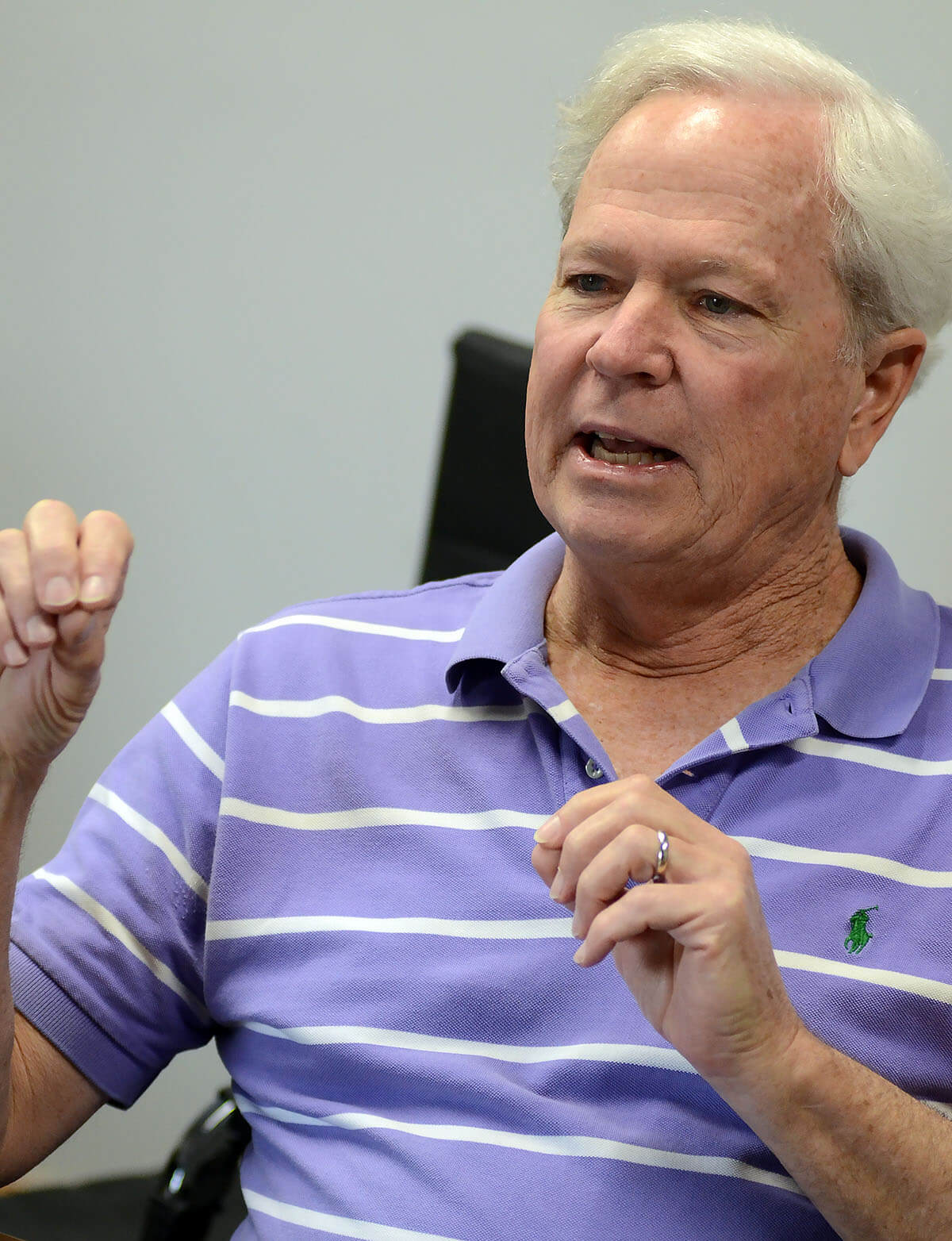
“It has an enrollment effect on us, a morale effect on us, and most important, an operational effect on us,” Vance Siggers, the director of campus operations, told Wingate, adding that each time the university experiences days without water, it loses “somewhere between 50 and 100 students just on the basis of we don’t have water on campus.”
The two sides mostly talked past each other during the Thursday proceedings, with Jackson State contending that it was not attempting to build its own water system for human consumption. The university has been working on this project since the 2022 water crisis disrupted the fall semester for weeks.
Henifin, backed by testimony from the Mississippi State Department of Health, responded that the university’s plan for the backup tanks did not follow safety regulations. That’s in part because, during emergencies, health officials said the plan would route nonpotable water through the same pipes the university normally uses to deliver potable water to the kitchen and dormitories.
“Looking back, it would have been great to work with them from the very beginning,” Henifin said. “At the end of the day, Jackson State hired an engineering firm and they should have reached out to the health department. … It’s engineering malpractice that they got this far along.”
Wingate began the proceedings by reading aloud a Sept. 11 letter he received from the university’s lobbyist. The letter described how Jackson State has a looming deadline to spend $8 million in pandemic relief funds administered by the Department of Finance and Administration to install four water tanks on its campus as part of a plan designed by a local contractor, the Pickering Firm.
Those tanks, which can’t be returned, are currently sitting unused on state property because Henifin will not sign a document that the Mississippi State Department of Health needs in order to formally review Jackson State’s plans.
Instead, the letter portrayed Henifin as pulling strings with the health department to block the project. JSU claimed Henifin had wrongly surmised that the university was attempting to build its own water system.
“Our goal is not to create a new water system but to ensure access to backup water tanks to prevent our students from experiencing water shortages,” Jacqueline Anderson-Woods wrote to Wingate, hoping the plea would lead the judge to force JXN Water’s approval
Over the next three hours, Wingate attempted to unpack the disagreement, an effort that involved testimony from Henifin, Siggers and Bill Moody, the director of the health department’s public water supply division.
The university argued it does not want to build an independent water system and will continue to draw from the city’s water system and pay its bills.
“This is not an independent water system, this is a backup water system,” Siggers said. “We still have to cut those 18 payments a month that I will sign off on every month.”
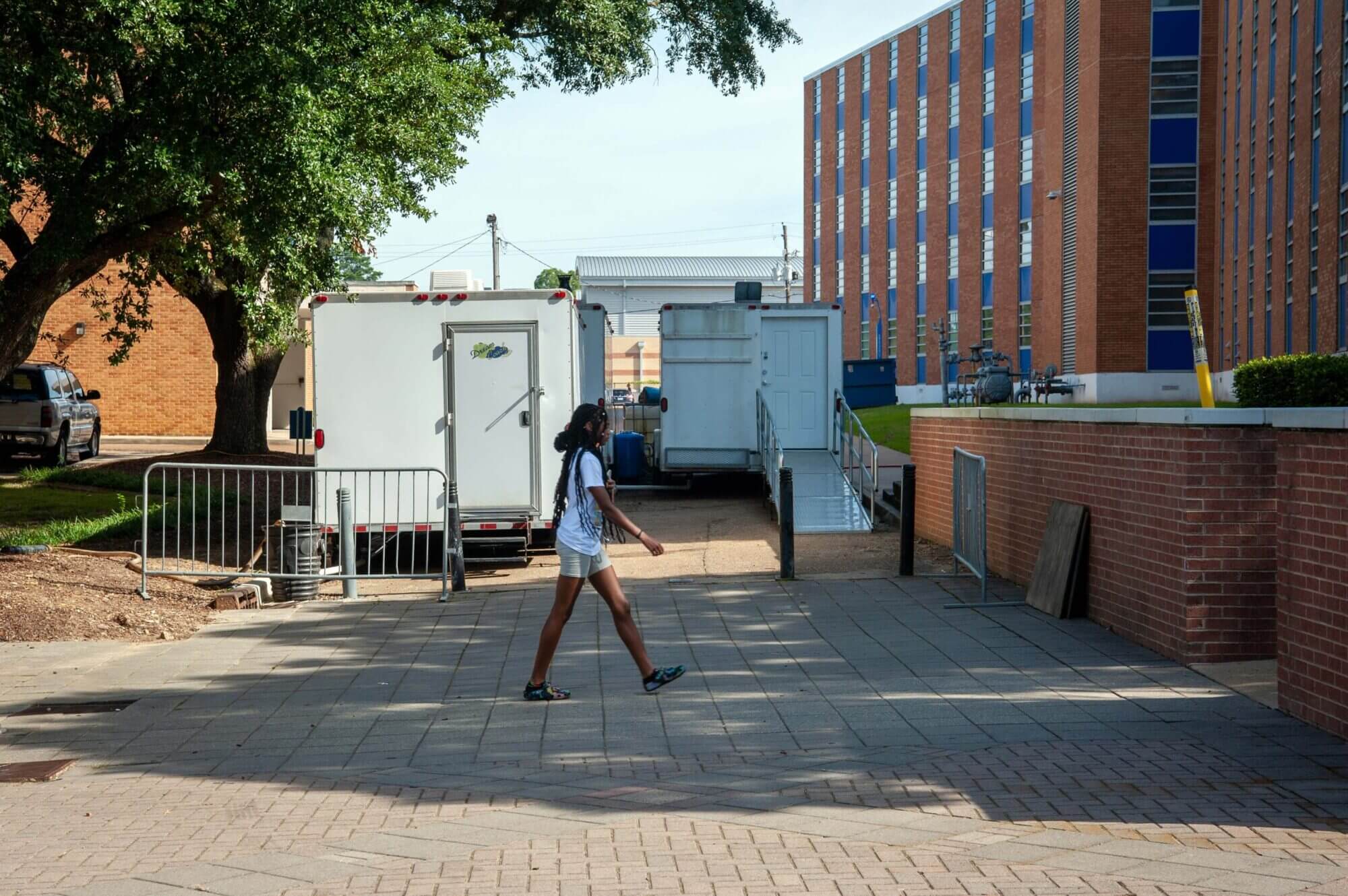
Siggers described what he envisioned: During periods when issues with the city’s water system resulted in low water pressure on campus, the university could trigger the backup water tanks to keep its cooling and heating systems going.
Students could use the backup water to flush toilets and shower so they did not have to leave their dorms to use portable toilets, such as during the 2022 water crisis. Dining hall staff could continue to use the water to keep the kitchen clean.
“It is important that we keep a certain level of PSIs on campus for student use in residence halls such as flushing toilets, shower needs, and washing,” he said. “Over in the dining facility, it is used for back-up such as maintaining cleanliness in the dining facilities while we serve our students.”
When the university reached out to Henifin after learning he was blocking the project, Siggers said they did not receive a response. Henifin even ignored a letter from Alfred Rankins, the commissioner of the university’s board, the Institutions of Higher Learning, in support of the project.
In response to Siggers’ testimony, Henifin told Wingate he was “very confused” because as far as he knew, there was no way in the proposed design for the university to separate nonpotable water that goes to a shower from potable water that goes to a bathroom sink.
“They don’t have a dual-pipe system where they can put nonpotable water into their system and only go to toilets for flushing,” Henifin told Wingate. “If it goes into a shower, people open their mouths when they shower. Nonpotable water is not allowed to be used in showers in buildings.”
Henifin also noted that if Jackson State is storing unused water in these tanks for months, bacteria or other contaminants are likely to grow. That means if there is a possibility students could consume the water, the university must treat it — which requires obtaining the necessary regulations, hiring a water operator and conducting regular testing.
“As the protector of Jackson’s water … I cannot sign off on anything that may cause people to have contaminated water,” he said.
The first Henifin learned of the project was when the contractor reached out to ask about an “infrastructure tie-in,” he said. He added that he thought improvements JXN Water had made to the city’s delivery system, including winterizing its facilities, meant Jackson State no longer needed to pursue this project.
This testimony led Wingate to call on the Mississippi State Department of Health. Moody, the director of the department’s bureau of public water supply, told Wingate he had determined that regardless of university’s intent, it was seeking to build a system intended for “consumptive” use.
Moody had informally reviewed the plans, which the university had not provided to him until he issued a cease-and-desist order on the project in May.
“The plans that I’m looking at fully indicated the water would be flowing into the tanks and flowing back out into the building using their pipes,” Moody said.
Moody added the university could solve this if it routed the water from the tanks solely to mechanical systems like HVAC, so that students do not risk consuming the nonpotable water.
Another solution would be for the university to become a public water system, a legal designation for a system that delivers drinkable water to more than 25 people for at least 60 days out of the year.
But Jackson State kept reiterating to Wingate that it did not want to become a public water system because it did not intend for students to drink its backup water, despite the testimony from the health department that its plans would result in students consuming nonpotable water.
“This goal is to be achieved by installation of above ground tanks on the customer side of existing taps to distribute water to dining services, campus housing, the student health center,” said Monica Davis Allen, an attorney for the university. “The intention is to ensure continuous campus operation and not for human consumption.”
At the end of the proceedings, Wingate asked Jackson State to submit a brief to the court within five days as to whether it was building a public water system.
Mississippi Rep. Trent Kelly, retired general, supports Trump’s Guard crackdown in U.S. cities


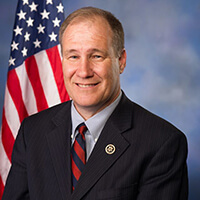
WASHINGTON — U.S. Rep. Trent Kelly, a retired Mississippi National Guard officer, is supporting President Donald Trump’s efforts to mobilize National Guard troops to Washington and other cities around the country to crack down on crime.
Kelly, a Republican who has represented northeast Mississippi in Congress since 2015, said about 200 members of the Mississippi National Guard are still in the nation’s capital, and he believes the troops have sufficient training to aid law enforcement officers in the city.
“It’s part of our civil response,” Kelly said of the Guard. “We know how to do that mission. They’re not law enforcement. They know what they can and can’t do. They’re supporting law enforcement.”
The president has threatened to send troops to other cities he believes have problems with violent crime. Opponents of this policy say the use of federal troops for domestic law enforcement violates federal law and usurps individual states’ sovereignty.
Kelly, a Saltillo resident, first joined the National Guard at the age of 19 in 1985. He mobilized for Operation Desert Storm in 1990 and deployed to Iraq in 2005 and 2009.
In 2018, Kelly was promoted to the rank of brigadier general. In 2020, he was promoted to major general and designated as the state’s assistant adjutant general. Earlier this year, he retired from the Guard. During his tenure in the Guard, he was one of the highest-ranking members of the military serving in Congress.
He told Mississippi Today in an interview at his Capitol office that he has met with about 15 members of the Mississippi unit in Washington, and all of them said they were enjoying their assignment.
“They were on their off time,” Kelly said. “They came by, and we gave them a Capitol tour. It was informal.”
Following the governors of at least three other Republican-led states, Gov. Tate Reeves last month announced he was deploying Mississippi National Guard troops to Washington to bolster Trump’s “effort to return law and order to our nation’s capital.”
The move comes after Trump signed an executive order federalizing local police forces and activating about 800 District of Columbia National Guard members. Washington’s elected officials and several Democratic lawmakers have disputed these claims, noting that violent crime is lower than it was during Trump’s first term in office.
After he mobilized the National Guard in Washington, Trump deployed troops to Memphis, with the support of Tennessee’s Republican governor and U.S. Senators. The president has also suggested sending troops to Chicago, St. Louis and New Orleans.
State leaders have speculated whether Reeves or Trump would send Guard troops to deal with crime in Mississippi’s capital city. White House Press Secretary Karoline Leavitt, in a media briefing earlier this month, called Jackson a “Democrat-run city” in a conservative state and labelled it a “sanctuary city.”
“While Jackson is not formally a sanctuary city, the state of Mississippi formally banned sanctuary cities, and this city has acted as a de facto sanctuary city for criminals and illegal aliens since 2017,” Leavitt said.
But Reeves’ office, in a social media post, said he has not deployed the Guard to Jackson because he has previously worked with the state Legislature to expand the role of the Capitol Police force in the area and has signed legislation into law creating the Capitol Complex Improvement District Court, a state-created inferior court in the state’s capital city.
“The Governor’s holistic approach to fight crime in Jackson — admittedly using tools not available to the President — is working,” Reeves’ office said.
U.S. Rep. Mike Ezell, a Republican who represents South Mississippi and a former sheriff, also said the president’s use of the Guard is a “good strategy” because the mere appearance of military members could be a deterrent for crime.
“I’ll tell you from my own personal experience being a sheriff, being chief of police, if you have a crime problem, and think about what you hear from the police chiefs and the sheriffs,” Ezell said. “‘We don’t have enough manpower. We don’t have enough manpower.’ We hear that. We’ve heard that forever.”
However, not all members of the Mississippi delegation are in favor of the policy. U.S. Rep. Bennie Thompson, the lone Democrat from the Mississippi delegation who represents the Delta, said in an August news release that deploying the Guard was a “power grab” by Trump, “trying to crown himself king.”
“Washington, D.C., needed the National Guard deployed on Jan. 6th, when Trump supporters stormed the Capitol, but he did nothing,” Thompson said. “Now, Donald Trump has chosen to unleash federal power against a community that didn’t vote for him, proving once again that his priorities are political vengeance and self-promotion.”
While the congressional debate in Congress continues over the policy, the courts are also weighing in.
A federal judge in California ruled earlier this month that the Trump administration broke the law by deploying National Guard troops in Los Angeles during the summer. The Trump administration is appealing the ruling.
Mississippi’s pre-K program earns high marks. Why did lawmakers create another one?


PETAL — Preschoolers kneel on a kaleidoscope rug, their clumsy hands reaching for wooden blocks, little socked feet tucked underneath.
Block by block, they build a tower that only teeters a little, and for a moment, stands tall. The kids grin proudly. And when it tumbles to the ground a few seconds later, the classroom corner is filled with the sound of giggles.
A bystander might think this is just play. But the teacher watching nearby knows they’re learning essential fine-motor skills. They’re also learning social skills by sharing with their classmates.
Thanks to a statewide investment in early education more than a decade ago, about one in six Mississippi children is learning these integral skills within the first few years of life at “early learning collaboratives” throughout the state. Experts agree the program is directly connected to the state’s reading gains that have garnered national attention.
So when lawmakers created another state-funded pre-K program in 2022, some wondered: Why do we need both? One legislative leader who helped create the collaboratives is concerned the new program might siphon away resources, or recreate some of the problems the state faced for decades with early learning.
Early learning collaboratives, a state and taxpayer funded pre-K program established by the Legislature in 2013, created education partnerships in communities across Mississippi. The program has high academic standards, and it brings together child-care centers, nonprofit organizations, school districts and Head Start agencies. It compensates the groups for partnering.
In 2021, just 18 collaboratives were serving about 3,000 4-year-olds throughout the state, but the program still landed Mississippi top marks for early education from a national research group.

Four years later, that count has more than doubled. Now, 40 collaboratives across Mississippi have more than 6,000 kids enrolled.
But a new program, called the state-invested pre-K program, or SIP, doesn’t require collaboration with Head Start centers, which provide a myriad of services beyond education for some of the state’s neediest children. Additionally, because of the way the program is set up, there’s less red tape.
For those reasons, it may be a more appealing option for underfunded districts looking to make their dollars go further. It’s frustrating for Sen. Brice Wiggins, a Republican from Pascagoula, who championed the original program that required collaboration among pre-K partners, instead of fighting over students and the money that follows them.
“As I understand it, the SIP program has its roots in something that has always plagued early education in Mississippi,” he said. “Competition.”
‘Skin in the game’
There was an old saying among the police officers and prosecutors in Jackson County, Wiggins remembers from his time working in the district attorney’s office.
“They said they determined the amount of prison beds by how well kids performed in the third and fourth grade,” he recalled, in his office at the state Capitol in June. “That resonated.”
When he was elected to the state Senate, those kids were fresh on his mind.
Wiggins spent 2012, his first year at the Capitol, advocating for early childhood education and began working up a plan to reshape the state’s system with policy researcher Rachel Canter. They partnered with then-Republican Rep. Toby Barker, who is now an independent and serves as mayor of Hattiesburg. By the time the next year rolled around — 2013, a seminal year for education in Mississippi — Wiggins thought he had something good.
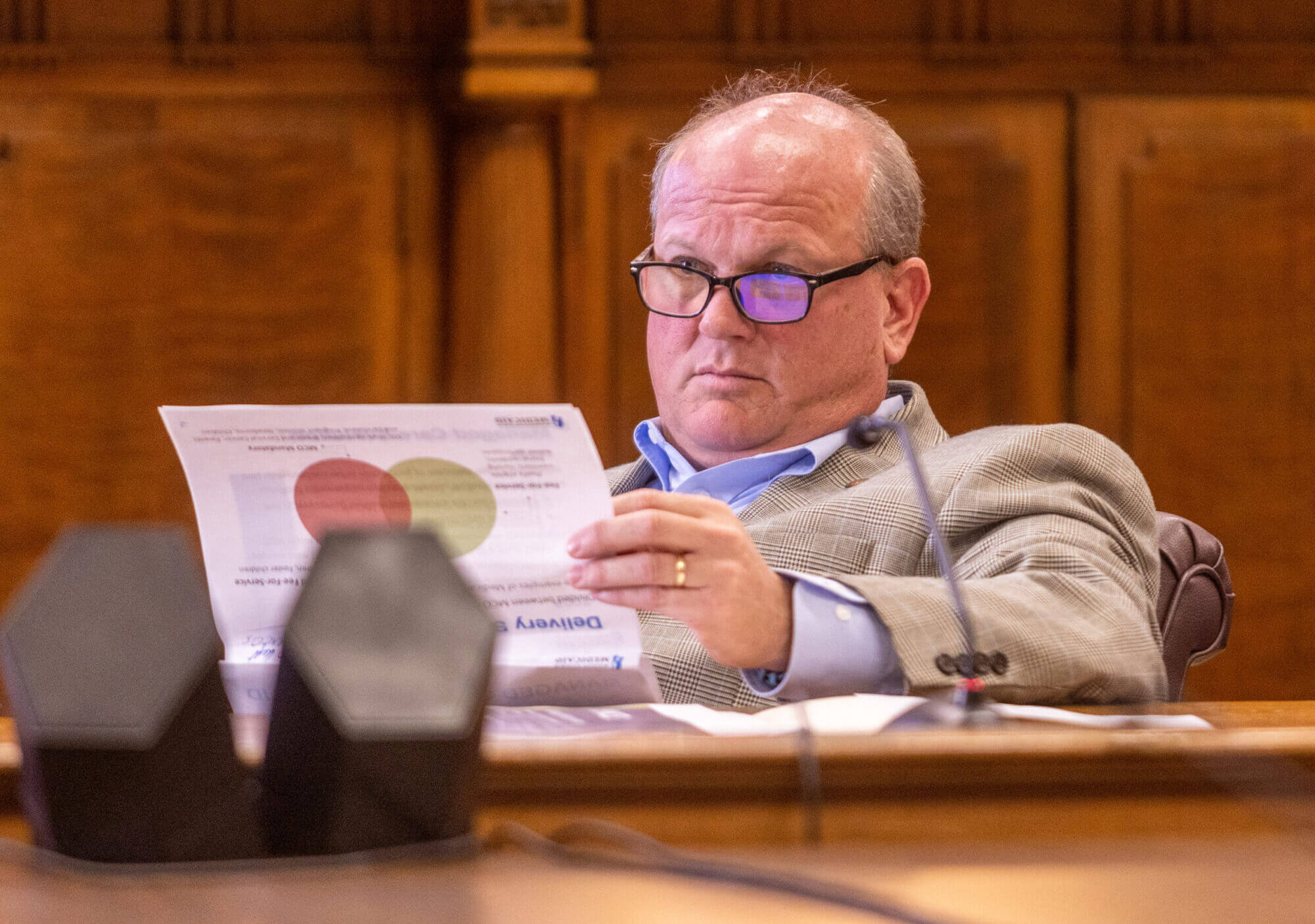
As lawmakers were working up what would become the literacy act that fundamentally changed reading education in Mississippi, leaders in the Legislature were signing off on Wiggins’ early education plan. It addressed the “patchwork of pre-kindergarten entities” in Mississippi and the lack of coordination between them. When students enroll in different pre-K programs, money follows — tuition at private day-care facilities or federal funding at Head Start are two examples. The collaboratives had a goal of eliminating the infighting that happens in communities over 4-year-olds by giving stakeholders a financial incentive to work together.
The bill passed by a vast bipartisan majority in 2013 and lawmakers appropriated $3 million for it. The Mississippi Department of Education selected 11 communities to host the first collaboratives.
In a collaborative, there’s a lead partner — usually the local school district, but it can be a nonprofit organization — that has local responsibility over the program. They’re in charge of disbursing funds, facilitating professional development and ensuring everyone is adhering to standards.
Those standards are rigorous. The bill requires collaboratives to use a curriculum that aligns with benchmarks from the National Institute of Early Education Research. This includes having teachers with bachelor’s degrees and at least 15 hours of professional development a year.
The collaborative’s lead partner is required to work with other local pre-kindergarten providers such as child care and Head Start centers to be eligible for the collaborative and its funding, which was originally $2,150 per student (That amount has since increased to $5,000). But the costs quickly add up. The $3 million from the Legislature got them started The state agreed to pay half of each student’s education costs. The rest had to come from the communities.
Enter the part that Wiggins is most proud of: To make up the other half, the Legislature created a tax-credit program. That means businesses and individuals can donate to their local collaborative and receive a dollar-for-dollar credit on their taxes.
“That created some skin in the game,” he said.

Setting students up for success
Deanna Hathorn holds open a book at the front of the classroom, and every face is turned toward her.
“‘Justin dreamt that he could fly,’” she reads in a lilting voice.
Then Hathorn directs her students: “Hold one finger up if you have dreams!”
Immediately, tiny index fingers fly into the air.
Petal, a suburb of Hattiesburg, was one of the first communities to opt into the early learning collaborative program.
Prior to the program, it was relatively common for Petal students to enter kindergarten without any classroom education because options were limited to Head Start and a handful of Christian-based schools, similar to many other Mississippi towns, according Jana Perry. Perry is Petal’s former primary school assistant principal and the current director of the district’s Coleman Center for Children and Families, the lead partner for the Petal Early Learning Collaborative.
That’s because pre-kindergarten was not funded by the state before 2013.
“The act was a game-changer,” she said. “If we didn’t have this, we would be so far behind. Why we are doing so well as a state is because of early childhood education.”
Wiggins said Petal is one of the state’s most successful early learning collaboratives, in its reach and academic achievement. About 300 kids in Petal enter the district’s kindergarten program every year. Most will have gone through the collaborative, which currently has 179 students across 10 classrooms at five sites.
The difference between the students who have had a year in the collaborative and the ones who haven’t is stark, Perry said.
Mississippi Department of Education data shows that collaborative students outperform their peers on the statewide kindergarten readiness assessment. That’s because the collaborative students enter kindergarten more familiar with classroom structure and the curriculum. Plus, some potential barriers to learning may have already been identified, Perry said. For example, collaborative teachers can intervene if a child has a speech impediment, potentially making a year’s worth of progress by the time that student enters kindergarten.
“We can go ahead and get them set up to succeed once they walk in the door,” she said. “And they know how to do school. Kids who haven’t been through pre-K really struggle in their first year in kindergarten.”
The impact of early education echoes throughout a child’s life, said Steven Barnett, founder of the National Institute for Early Education Research.
“The first thing you’ll notice is that the students do better when they get to kindergarten, and then they do better on those early grade exams,” Barnett said. “But the next thing you’ll notice is they’re less likely to fail and have to repeat. They’re less likely to need special education, and they’re going to be more likely to graduate from high school and go on to higher education.

“That’s the big payoff, because that’s where you get better health outcomes, better employment, better incomes.”
Petal superintendent Matt Dillon said the first cohort of early learning collaborative students are now in high school, and the impact of the program is tangible — in test scores, expected graduation rates and school environment.
“This is a community that really recognized the importance of early education,” he said. “And fast forward to today, we’re reaping the benefits.”
That success of early learning collaboratives is why, when Wiggins heard about the new state-funded pre-kindergarten program created in 2022, he was confused — and, honestly, a little agitated.
“Nobody asked me about it,” Wiggins said. “And if they had, I would have said, ‘No.’”
New program may fit smaller communities
Union, a tiny town in piney central Mississippi anchored by a couple of four-way stops, is home to about 2,000 people. Most of the town’s 4-year-olds are in three classrooms at the Union Elementary School’s campus, thanks to funding from the new SIP program.
On the whole, it’s not dissimilar from early learning collaborative classrooms in Petal. In rainbow-decorated rooms, children take care of baby dolls, listen to stories read aloud and match letters on worksheets.
But policy differences set the two programs apart.
The SIP program, which was funded in 2022, paid schools $100,000 for each early education classroom, and an extra $25,000 each if the school partnered with its local Head Start. However, that partnership is not required. This policy was slightly changed for the newest batch of participating schools — now, if they do not partner with the local Head Start, the district receives a fraction of that money.
Additionally, while the early learning collaboratives are enshrined in and regulated by state law, the SIP program is simply a line item in the annual education appropriation bill. That means its existence is subject to the whims of legislative approval each year.
The Mississippi Department of Education works hard to make sure all participating schools are in compliance — the SIP program meets all 10 of NIEER’s quality early education benchmarks, as does the collaborative program — but the agency doesn’t have to.
Jill Dent, the agency’s early childhood director, said in an emailed statement that the department advocates equally for both programs.
“Our goal is to support districts in choosing the model that best fits their local needs and capacity,” she wrote.
It’s not unusual, Barnett said, for states to have more than one early education program. But it does beg the question: Who does the SIP program serve?
“Sometimes, one program doesn’t fit everybody,” he said. “But sometimes, it’s just politics.”
The politics didn’t matter to longtime Union Superintendent Tyler Hansford. He just didn’t see a collaborative working for his community. It’s small, doesn’t have many child care centers and the closest Head Start — which Union does work with — is a 30-minute drive. And he’s happy with the decision he’s made, already able to see the positive impact the program is having in Union.
“We’re able to reach more students and get them in early,” he said. “What we’ve seen is that there’s tremendous benefit in that.”
Hansford saw more bang for his buck with the SIP program, along with 32 other communities across Mississippi. Perry and Barnett said they both understand why those districts have made the decision to opt into the SIP program over the collaborative program.
Some districts might not want to partner with as many entities as the collaboratives require because they’re happy with the way they do things. Others, such as Union, might not have as many resources or options in their community to support a collaborative.
But some places that are short on money have made the collaborative structure work, such as Tallahatchie County, a tiny community in the Delta with a median household income of $23,000.
Tallahatchie hosts one of the state’s original early learning collaboratives. The lead partner, nonprofit Tallahatchie Early Learning Alliance, brings together local Head Starts and East Tallahatchie School District and has served more than 1,000 students since the local program began in 2014.
There were no publicly funded pre-K classrooms prior to the collaborative and only a handful of child-care centers. Only two served low-income children and they had long waitlists, said Cheryl Swoopes, director of community engagement for SonEdna, which launched Tallahatchie Early Learning Alliance.
“With limited resources, it’s a process, but we’ve stayed the course,” she said. “We’ve had teachers and administrators tell us that they wouldn’t know what to do if TELA wasn’t here.”
Today, the Tallahatchie collaborative is the only coordinated, fully funded pre-K effort in the county, and in Wiggins’ view, if Tallahatchie can do it, anyone can.
“The ELC, it is work,” said Perry, from Petal. “There’s a lot of work. But it’s very worth it.”
Looking ahead
Despite stagnant state test scores this year, Mississippi continues to revel in the glow of its national academic achievements, particularly in literacy and early education.
Wiggins believes those achievements are in no small part due to the collaboratives. He hopes to see the program expand to include younger students and more communities in the next 10 years.
Access is still low, with enrollment rates of 17.7% of all Mississippi 4-year-olds. The SIP program reaches about 900 kids, or about 2.4% of 4-year-olds. A recent report from Barnett’s organization noted that neighboring Alabama serves twice as many four-year-olds.
Neither of Mississippi’s pre-K programs serve 3-year-olds.

Since early learning collaboratives were established, funding has steadily increased. The original $3 million allotment is now up to $29 million, plus $3.25 million for the program’s coaches.
The SIP program received $13 million in the most recent appropriations bill.
“Our scores in kindergarten readiness continue to go up, and the nation understands what we’ve done,” Wiggins said. “But we’ve got to continue to do things.
“We’ve got to reduce the friction in the early education world in Mississippi because it should be about the kids. We have something that works. We need to continue to support that.”
Delta State Black student’s hanging death is ruled a suicide


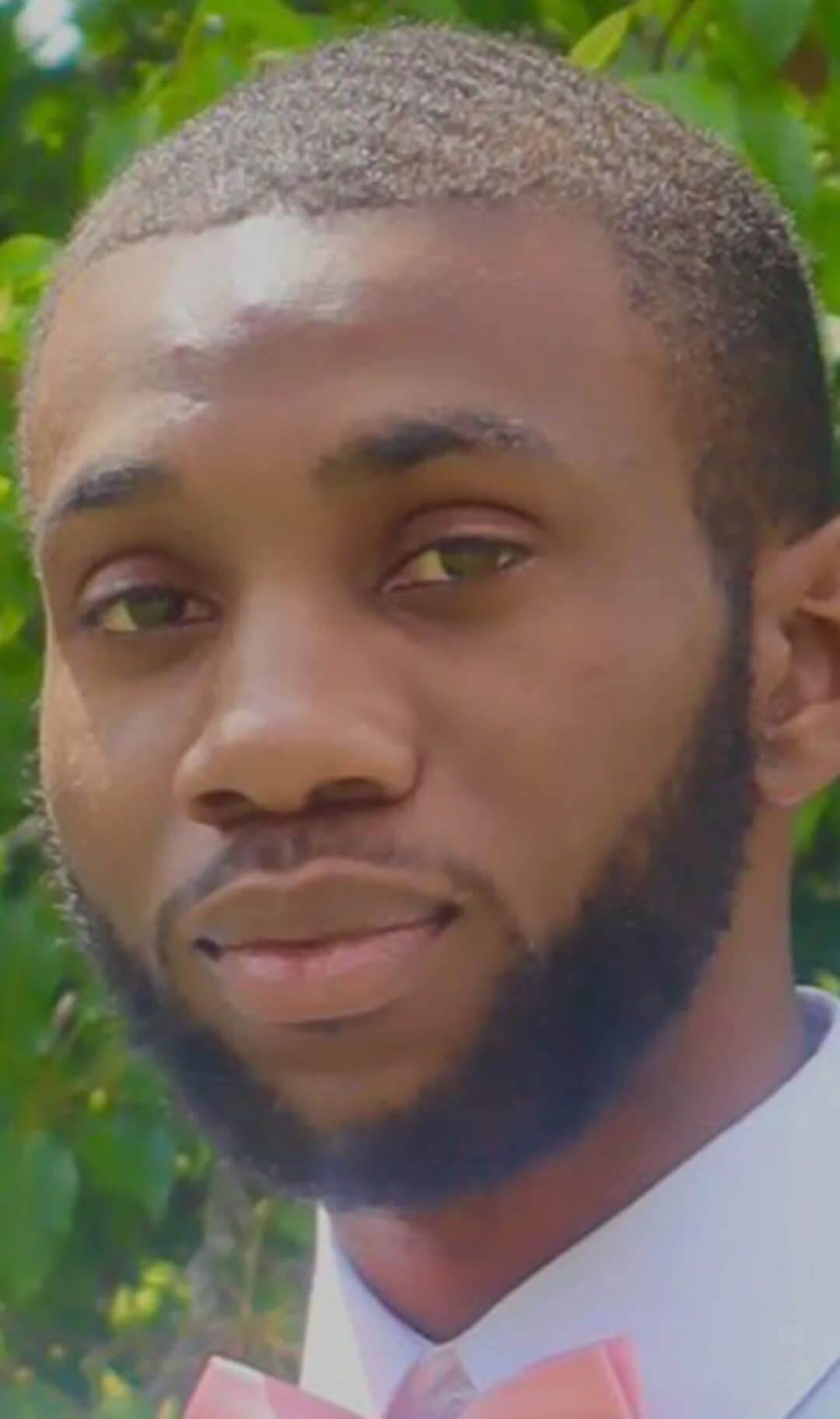
CLEVELAND – The Black student found hanging from a tree Monday at Delta State University died by suicide, according to the state medical examiner’s office. The Bolivar County coroner had earlier drawn the same conclusion and determined no sign of foul play.
The body of Demartravion “Trey” Reed was discovered shortly after 7:30 a.m. in a tree beside pickleball courts and dorms on the Cleveland campus.
In the hours and days after, many students and staff have felt besieged as what seemed like every few minutes their cellphones buzzed with new rumors and speculation. The campus was rattled.
What students and faculty saw and heard did not resemble a Cleveland they know.
It was a hot late summer day when Reed’s family joined Delta State University President Dan Ennis and local law enforcement for a press conference Wednesday. Across campus, students still pulled up to empty parking spots closest to their classes, loitered outside the student union and brought food to friends in the library or to their dorms.
Eight students and three faculty members interviewed by Mississippi Today shared a mix of fear, hope, grief and numbness.
One longtime Delta State employee and father said what took place was hard to put out of mind. He saw the body hanging when he approached the pickleball courts Monday morning, with police patrol car lights flashing nearby.
He said it remains the worst thing he’s seen during 14 years of working on campus.
“I just hope it gets better before it gets worse,” said “D,” who works as a groundskeeper and gets to work around 4 a.m. He wished to go by a nickname for fear of retaliation at work.
“You’ve got to take care of yourself,” he said. “That’s all you can do.”
A Delta native, he said Cleveland and Delta State are generally safer than nearby cities. He looked out on the main drive where a Cleveland police car followed a Delta State police car in a ring around the main quad. They maintained a moving perimeter.
He said he doesn’t trust local law enforcement and is skeptical of their statements that there was no evidence of foul play. The state medical examiner on Thursday confirmed the cause of death hanging and the manner of it was suicide.
It’s been a hard three weeks for the young father, whose son died three weeks ago from gun violence in a nearby city.
“I hate it,” he said of Reed’s death. “He was almost 21 years old. You can’t act like it didn’t happen.”
A different kind of Delta

Leticia Stevenson of Clarksdale is studying at Delta State to become a teacher. She said she was “a little freaked out” when she heard what happened.
“I was thinking to myself: Where is the public safety at?”
Her family 45 minutes away wanted her to withdraw from school, but she said she is determined to get her education and work in her dream field.
Her older relatives brought up the history of lynching.
She’s been leaning on her faith and has been keeping the Reed family in her thoughts. Despite the fear that she felt at first, she said she is looking forward to finishing her fall semester.
Cleveland is a lot more peaceful than where she grew up in Clarksdale, she said. The campus has been welcoming and locals are friendly, she’s found.
“It’s a small town,” she said.
For another student from Madison, the hanging similarly provoked fear. The student, who said she wanted to remain anonymous because she’s looking to get hired for a job on campus, found out about the death from an email blast when she was leaving a morning class.
She said she was nervous about attending school in the Delta given “its reputation” of crime. But has found Delta State to be a laid back, secure and warm environment. She has never felt it was dangerous because campus and city police are always patrolling.
One eight-year Delta State employee was in the cafeteria when he found out about Reed’s death. He saw a number of students and faculty clustered near each other following the developing story. He found himself conversing with several students that day.
“There’s just a lot of unknown. There’s still a lot we’re going to know,” said the employee, who did not want to give his name because of fear of retaliation in his administrative role. “I’m waiting for the process to work its way out.”
He said he feels comfortable on campus. He said Delta State and Cleveland are the kind of places where people know each other and tend to trust each other regardless of race and status. If your car is in a ditch, several cars will stop to ask if you need help, he said.
“It’s not a big campus,” he said.
Delta State’s enrollment in fall 2024 was 2,654, making it one of the smallest public universities along with Mississippi Valley State University and Mississippi University for Women. More than most other public universities in the state, Delta State draws primarily from nearby counties and cities.
Cleveland, with a population of roughly 10,000, has branded itself “A Different Kind of Delta” in tourism brochures as part of an effort to showcase the city’s charm. Unlike most other cities in the Mississippi Delta, Cleveland boasts a significant middle class and an engaged junior chamber of commerce. Its downtown rarely has an empty storefront, which is not the case in nearby cities and towns in the long-impoverished region.
‘Always looking around at my surroundings’
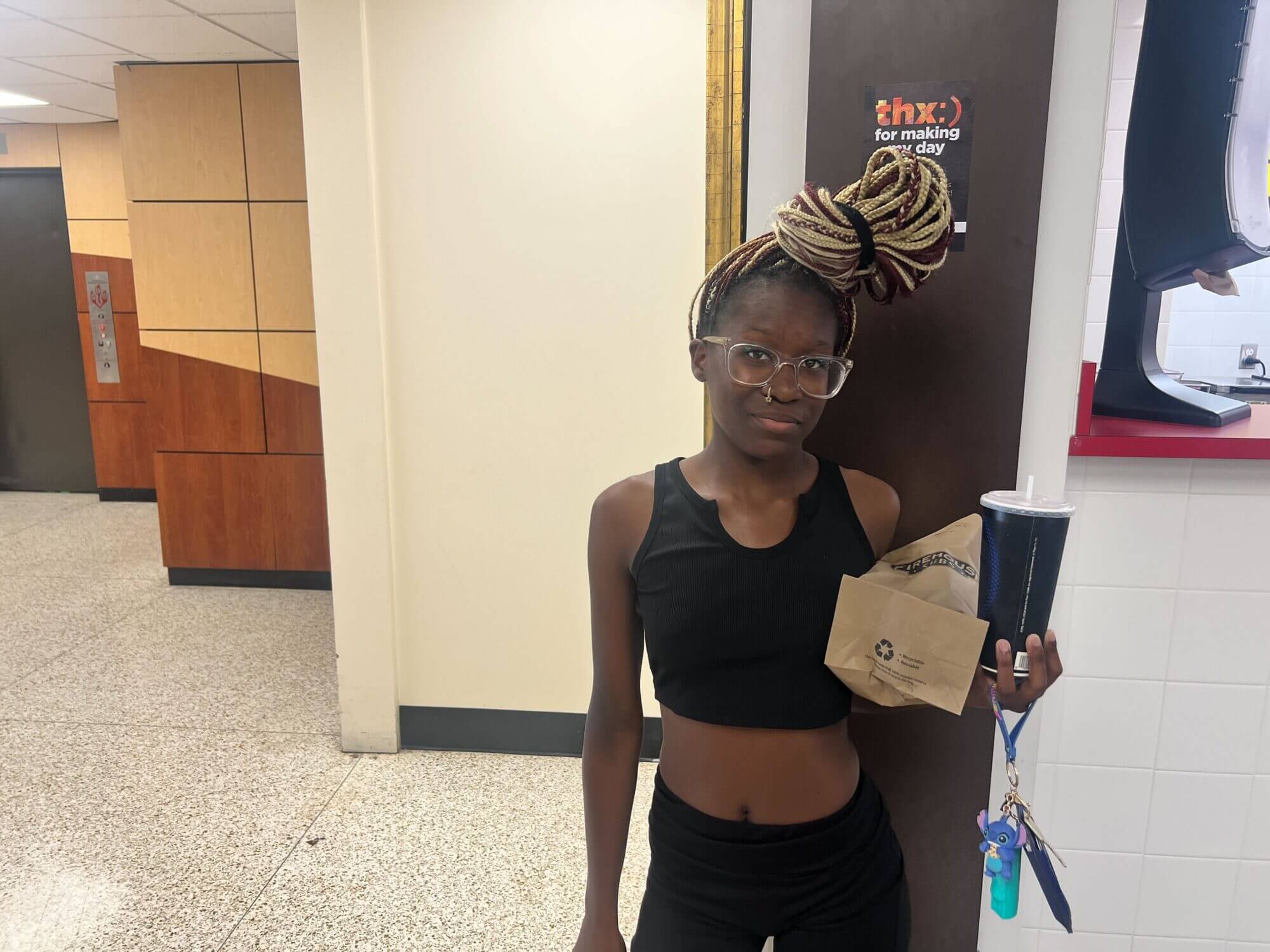
DSU student Paris Ricks said the news coverage has been hard to watch. Reed’s death was a tragedy that she struggled to understand.
“It’s sad,” Ricks said. “I’m still concerned, but I do feel safe.”
She first heard about Reed’s death while scrolling through social media. It later came up in conversation with family and friends on campus. Relatives wanted her to visit home and check in regularly.
Delta State is a mostly “chill” campus, she said. Ricks likes seeing familiar faces across campus. Her rural, Delta high school was also small but lacking the excitement of Cleveland and Delta State. Here, she can go to a bowling alley, a Tex-Mex restaurant, a downtown arts center and several boutiques and restaurants. There’s plenty of live music, too.
Despite feeling protected in Cleveland, Ricks takes extra precautions.
“Walk home in groups, especially if it’s at night,” she said. “I’m always looking around at my surroundings.”
One student who was carrying flyers for a student election said he has had trouble sleeping. He didn’t want to share his name because of the election.
While he didn’t know Reed personally, the student had come across him at events on campus.
“As a young Black male, I’ve never encountered any racial hate incidents or racism,” he said.
He acknowledged the unfortunate significance of the hanging taking place in what he referred to as a PWI, or predominantly white institution.
At Delta State, nearly 49% of students were white, 42% were Black and 9% were classified as another race in 2024. Among non HBCUs in the state, it boasts the highest Black student population.
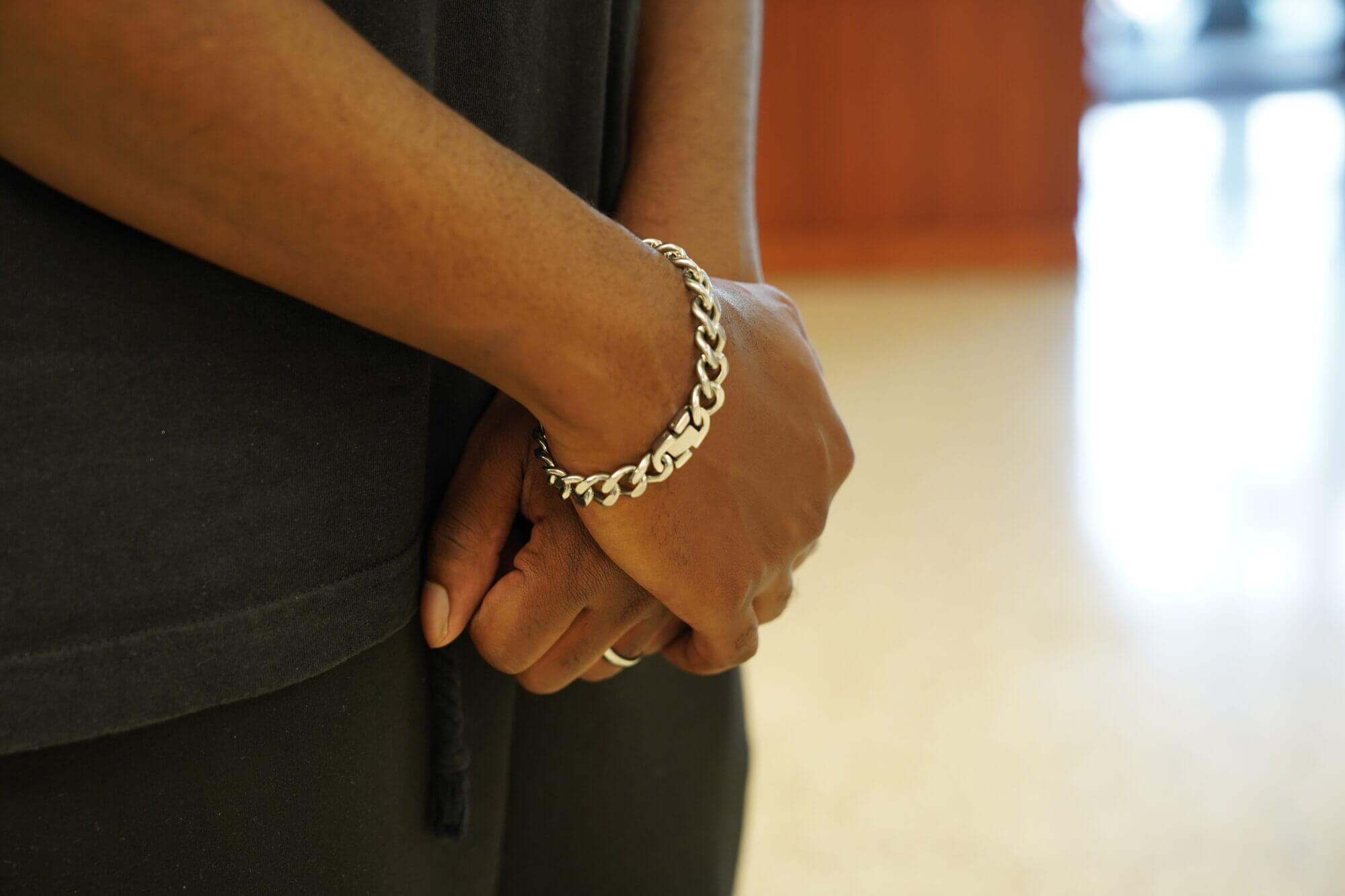
According to “JJ,” a current Delta State student who studies humanities and social science, a bigger conversation should be had about mental health.
“I just thought it was sad that he took his own life but I still want to wait till we get all that information,” said JJ, who didn’t want to give his last name because he will join the job market when he graduates in a couple of months.
A north Mississippi native, he said Delta State wasn’t a far college move. This week, his parents have called up each day to express their concerns. Like other parents of Delta State students, they have been expecting a visit as well as regular calls.
“It’s a chill campus and not much happens so when something like this happens, it’s kind of crazy in a way,” he said.
JJ said he doesn’t think what happened should discourage high schoolers from applying to and attending the university.
“You hear a lot of stuff about what they thought happened, and it’s not true,” he said.
A viral TikTok on Monday by a former Delta State University student who falsely claimed to be a relative of the deceased dominated timelines across the country and world. The young man spoke to a culture of racial killings and incidents on campus and in the city, which is neither backed up by crime statistics, local news reports or the experience of nearly all students interviewed on campus.
The video, which has since been taken down, alleged without evidence that Reed was the victim of a modern day lynching. Scrolling through social media applications, videos from across the country echo the same theory.
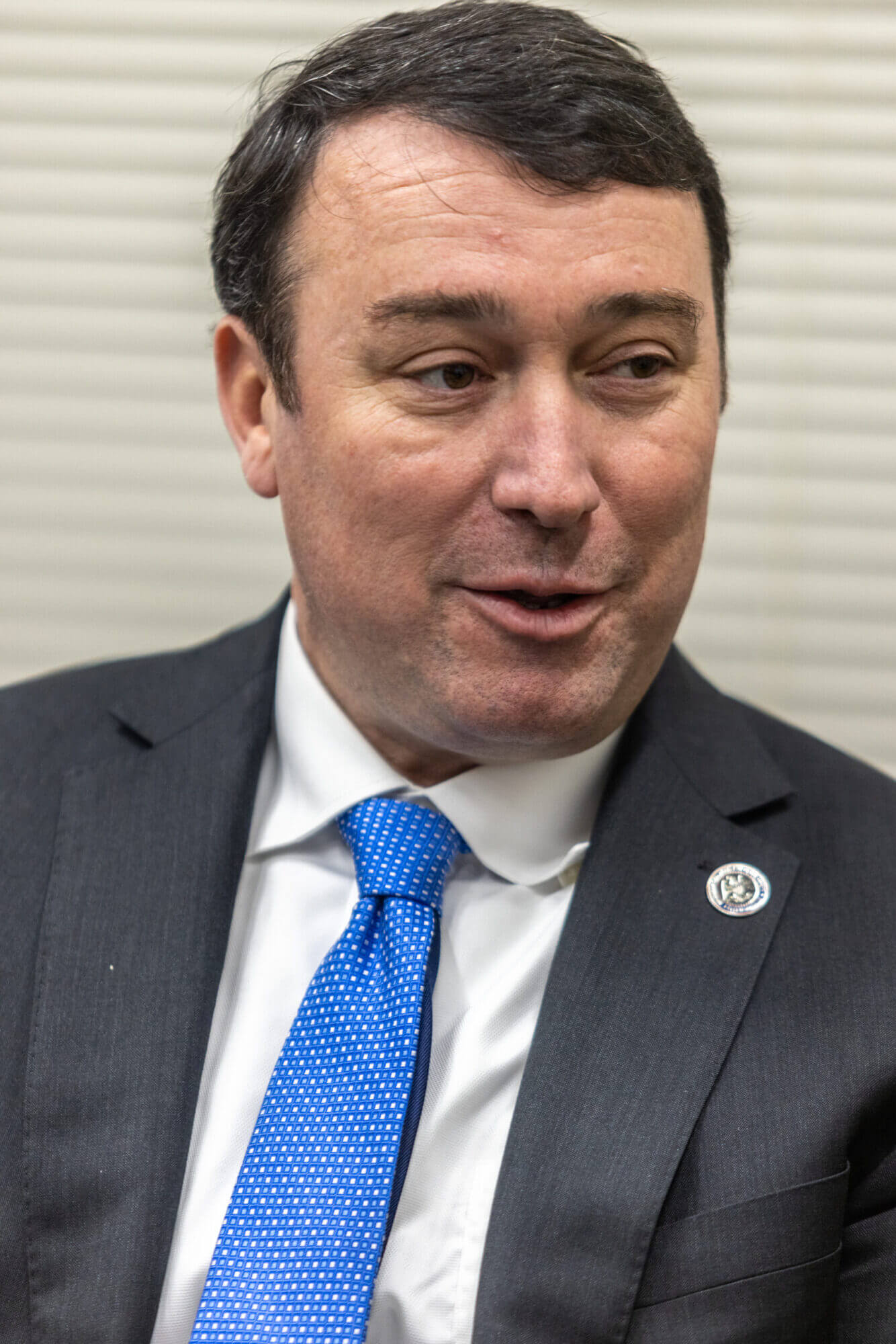
Mississippi Public Safety Commissioner Sean Tindell told Mississippi Today that the rush to judgment in this case was “a gross misrepresentation of where we are in Mississippi.”
It’s unfortunate that people and politicians began calling this a “lynching” before there was any investigation or determination regarding what happened, he said. “It’s frustrating.”
“Suicide is such a tragic situation. I don’t know anybody that hasn’t been impacted by it,” he said. “We need to do more to raise awareness and for those who need help to get help.”
JJ said he believes that it was a suicide and has been keeping the family in his thoughts. He hopes more students take advantage of the mental health resources and counselors on campus. They really helped out a good friend of his, who was struggling with the transition to college.
Delta State offers free consultations for professional counseling for students, faculty and staff. Counselors are available to help those struggling with anxiety, depression, grief, anger, trauma, adjustment to college life and addiction, among other mental health challenges. Free sessions were recently made available to students with the announcement of Reed’s death.
The campus is still tightknit and “relaxed,” JJ said. He’s glad he chose to attend Delta State when he was a high school senior rather than a bigger school where people feel more disconnected from classmates.
“It’s still home,” he said.
Jerry Mitchell contributed to this report.
If you or someone you love is having thoughts of suicide or mental distress, call or text 988, or chat online at 988lifeline.org. Communications are confidential, and a trained counselor can connect you to resources.