The City of Jackson is preparing to host the 82nd annual National Folk Festival, a three-day event to be held downtown November 7-9. The free-to-attend festival, the first of a three-year residency in Jackson, will bring around 300 artists, musicians, dancers and storytellers together for a weekend celebrating traditions such as blues, bluegrass and go-go music.
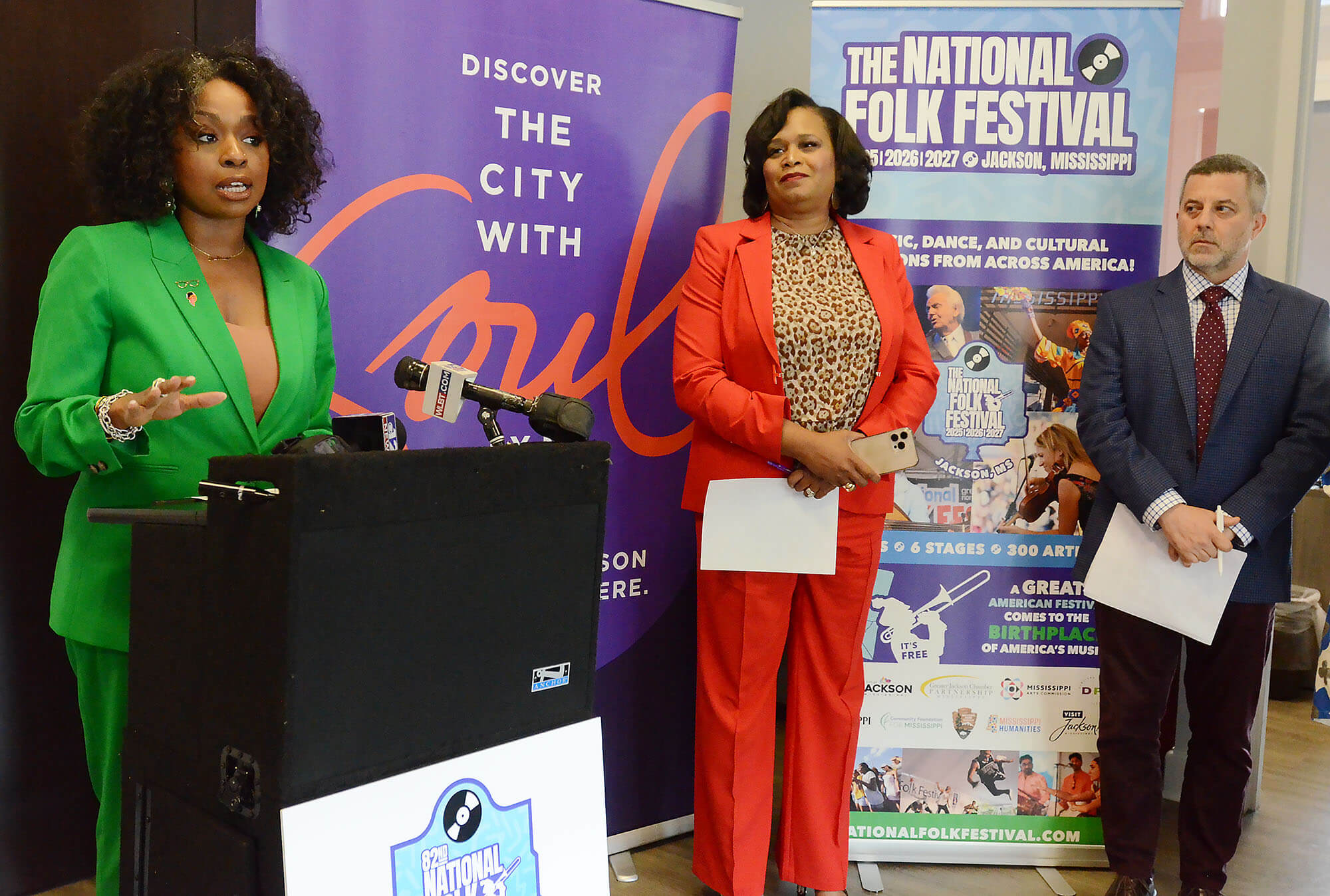
Dr. Ebony Lumumba (left) with Yolanda Clay-Moore and Blaine Waide, executive director of the National Council for the Traditional Arts, announce the eight musical artists slated to perform at the National Folk Festival press conference, Wednesday, April 30, 2025 in Jackson. Credit: Vickie D. King/Mississippi Today
“This moment is especially thrilling because it represents not just a lineup of remarkable performers but the beginning of something truly transformative for our city, a cultural legacy in the making,” said Jackson’s first lady Ebony Lumumba, chair of the executive committee for the National Folk Festival Jackson.
“For the next three years, Jackson will be home to one of the oldest and most celebrated cultural festivals in the nation, and that means that we are planting artistic and economic seeds that will blossom into something extraordinary for our residents, our artists, our young people and visitors from all over the world,” she said.
The National Folk Festival was created in 1934 and has traveled nationwide. With an anticipated 60,000 to 80,000 visitors in its first year, the event is expected to grow to welcome more than 150,000 people to the Capital City. The festival will stimulate economic growth in Jackson, with other host cities seeing $15 million to $30 million dollars of long-term annual impact by the end of its third year, said Blaine Waide, executive director of the National Council for the Traditional Arts.
On Wednesday, Waide and other key partners in the festival announced the first performers added to the lineup. Artists include sacred steel guitar band The Campbell Brothers, go-go group E.U. featuring Sugar Bear, and Mississippi-born, Chicago-based John Primer & The Real Deal Blues Band. Bluegrass singer Dale Ann Bradley, Irish artist Eileen Ivers, flamenco couple LOS RICOS featuring Sonia and Ismael, bomba band Plena Libre and the South Asian ensemble Riyaaz Qawwali will also perform.
Over the next coming months, more will be announced, including dancers, craftspeople and storytellers, leading to approximately 300 artists tapped to participate. Applications are open for food and market place vendors. The deadline to apply is May 19.
Thabi Moyo, local festival organizer, said that it’s not just a big weekend, but a promising opportunity for Jackson and Mississippi. Jackson was selected out of 42 cities that applied to host the festival.
“Mississippi has been at the National Folk Festival, but this is the first time that it’s come to the Deep South, but Mississippi has always been represented,” Moyo said. “That right there to me speaks to the influence of the type of music and culture, arts and culture and impact that we’ve had because it’s already out in the world and people love it.”
Blaine Waide, executive director of the National Council for the Traditional Arts (left) with Yolanda Clay-Moore, Dr. Ebony Lumumba and Thabi Moyo, dance during a press conference, Wednesday, April 30, 2025, to a snippet of video showcasing one of the eight musical artists slated to perform the National Folk Festival. Credit: Vickie D. King/Mississippi Today
In addition to the National Folk Festival, Moyo has been hosting Folk After 5 at Hal and Mal’s restaurant, which will be held every first Thursday leading up the the festival. Visitors can enjoy folk music played by a live DJ, and meet with organizers and learn more about the festival.
“I wanted to create a space that’s low stakes, that’s easy, where you can come engage with folks who are involved with making the festival happen,” Moyo said.
Waide said that Mississippi is the perfect place to host the National Folk Festival due to its cultural influence and legacy of creating history-making entertainers.
“It’s the home of Robert Johnson, Jimmie Rodgers, Pops Staples. You’ve got country music, blues music, gospel music,” Waide said. “… American musical history would not be what it is without the state of Mississippi, so it’s an appropriate place to have this festival.”
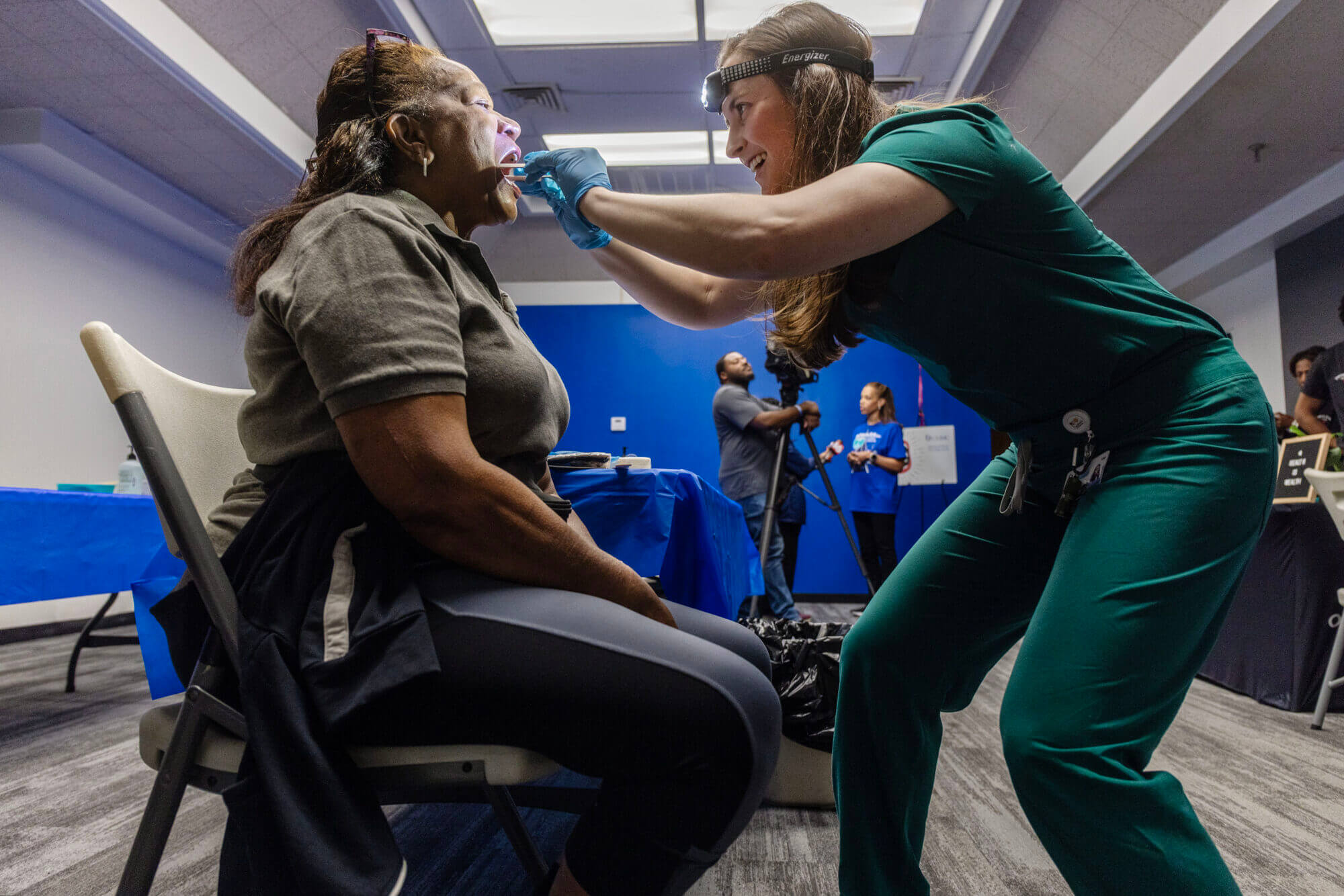
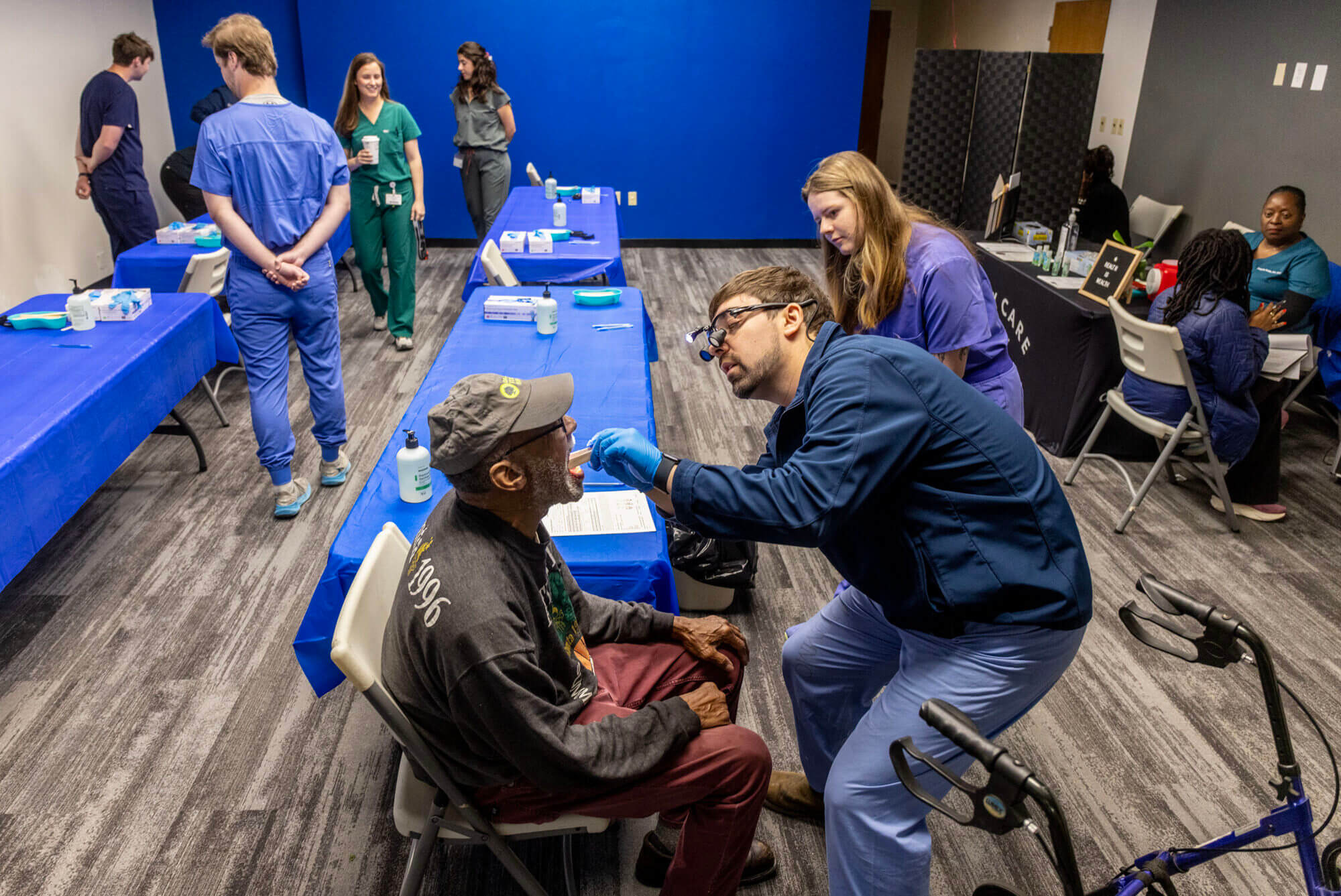
Resident physician Claire Babin, right, performs an oral cancer screening on Ella Holmes during a free oral, head and neck cancer screening at the Jackson Medical Mall on Wednesday, April 16, 2025. Credit: Eric Shelton/Mississippi Today
Physicians prepare for oral, head and neck cancer screenings during a free screening event at the Jackson Medical Mall on Wednesday, April 16, 2025. Credit: Eric Shelton/Mississippi Today
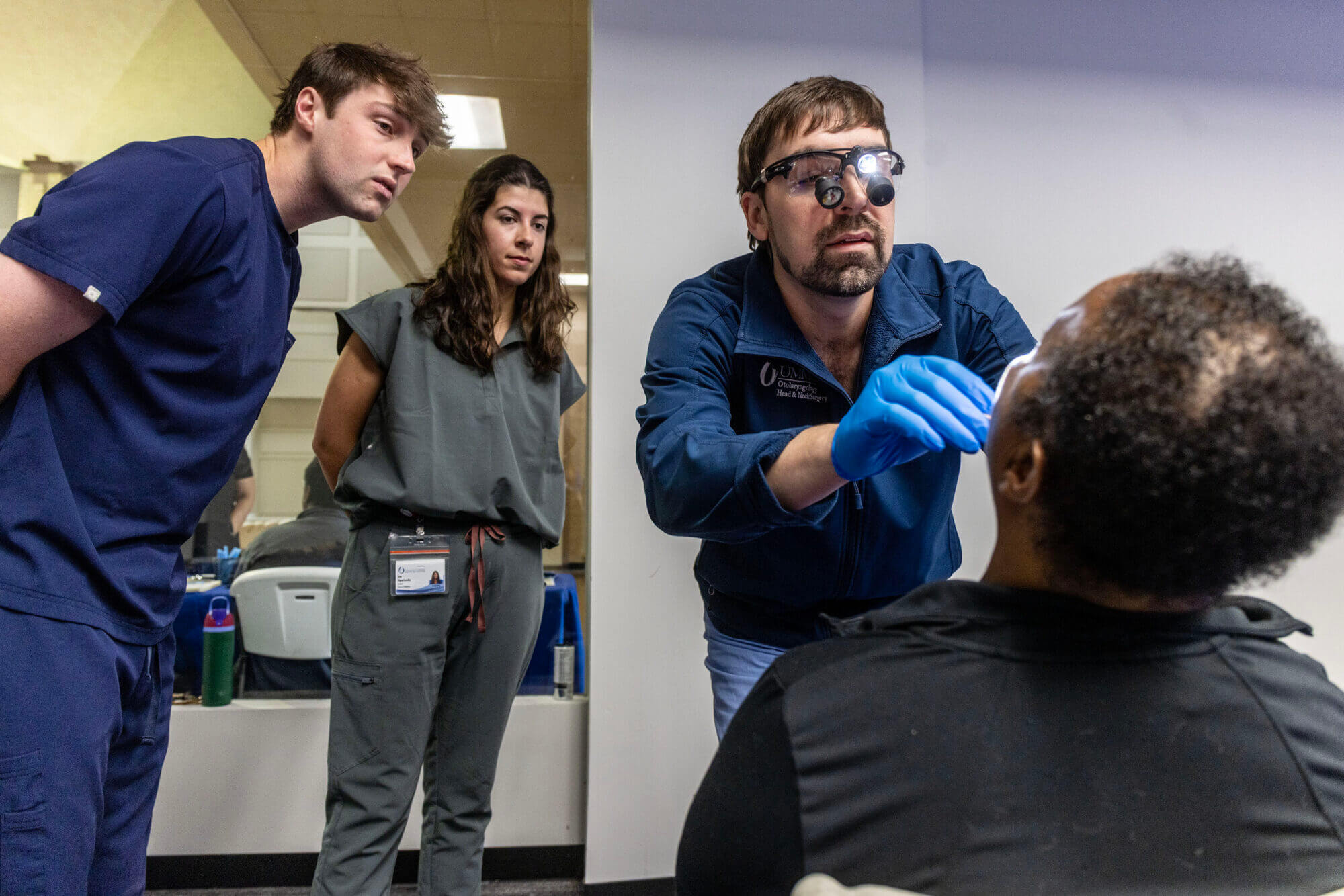
Resident physician Brooks Lampkin, center, screens Diane Carter for oral cancer as medical students Mason Nodurft, left, and Eva Kiparizoska observe during a free oral, head and neck cancer screening at the Jackson Medical Mall on Wednesday, April 16, 2025. Credit: Eric Shelton/Mississippi Today
Educational giveaways advocating against smoking are available during a free oral, head and neck cancer screening at the Jackson Medical Mall on Wednesday, April 16, 2025. Credit: Eric Shelton/Mississippi Today
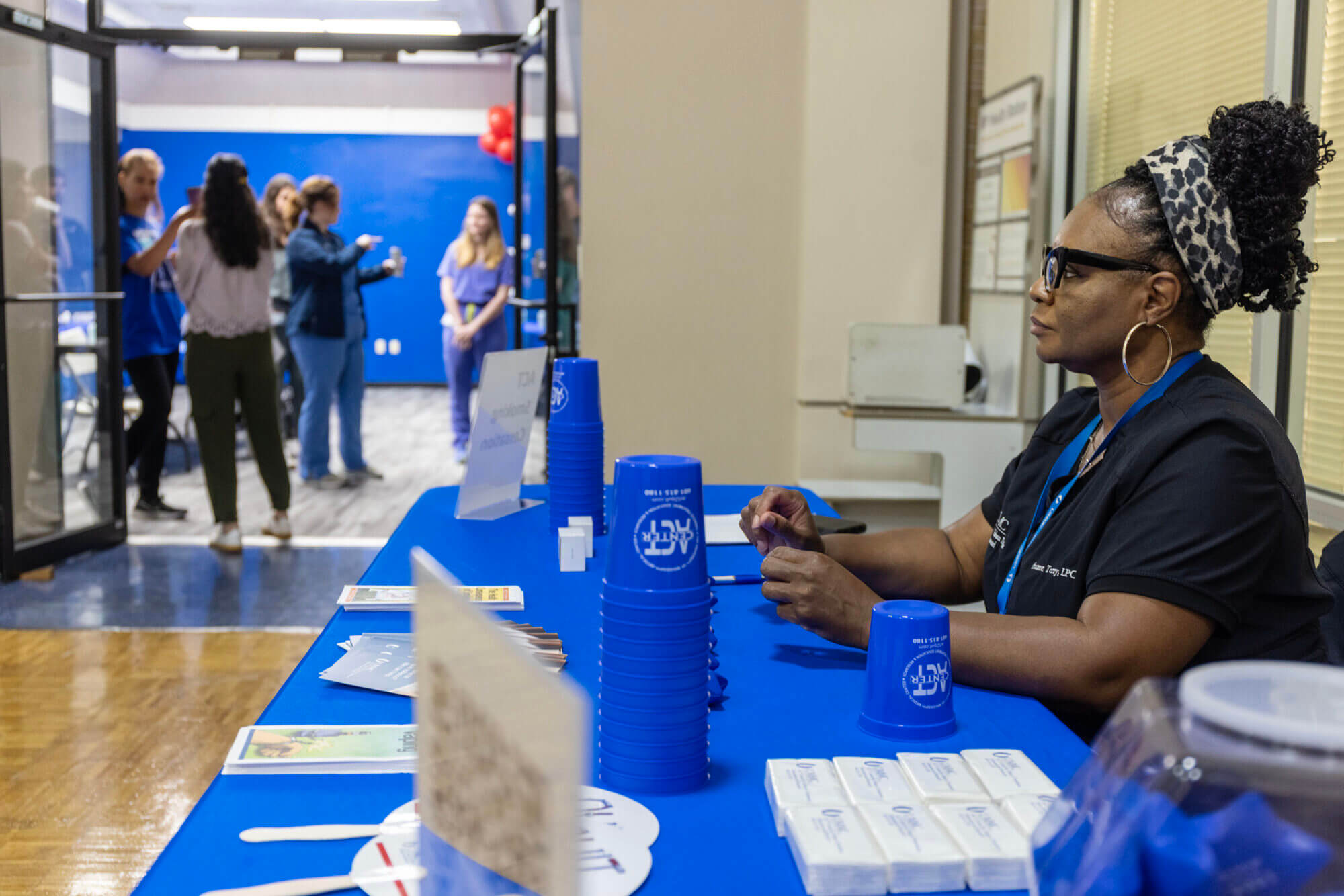
Sharon Terry, senior tobacco treatment specialist, waits for patients during a free oral, head and neck cancer screening at the Jackson Medical Mall on Wednesday, April 16, 2025. Credit: Eric Shelton/Mississippi Today
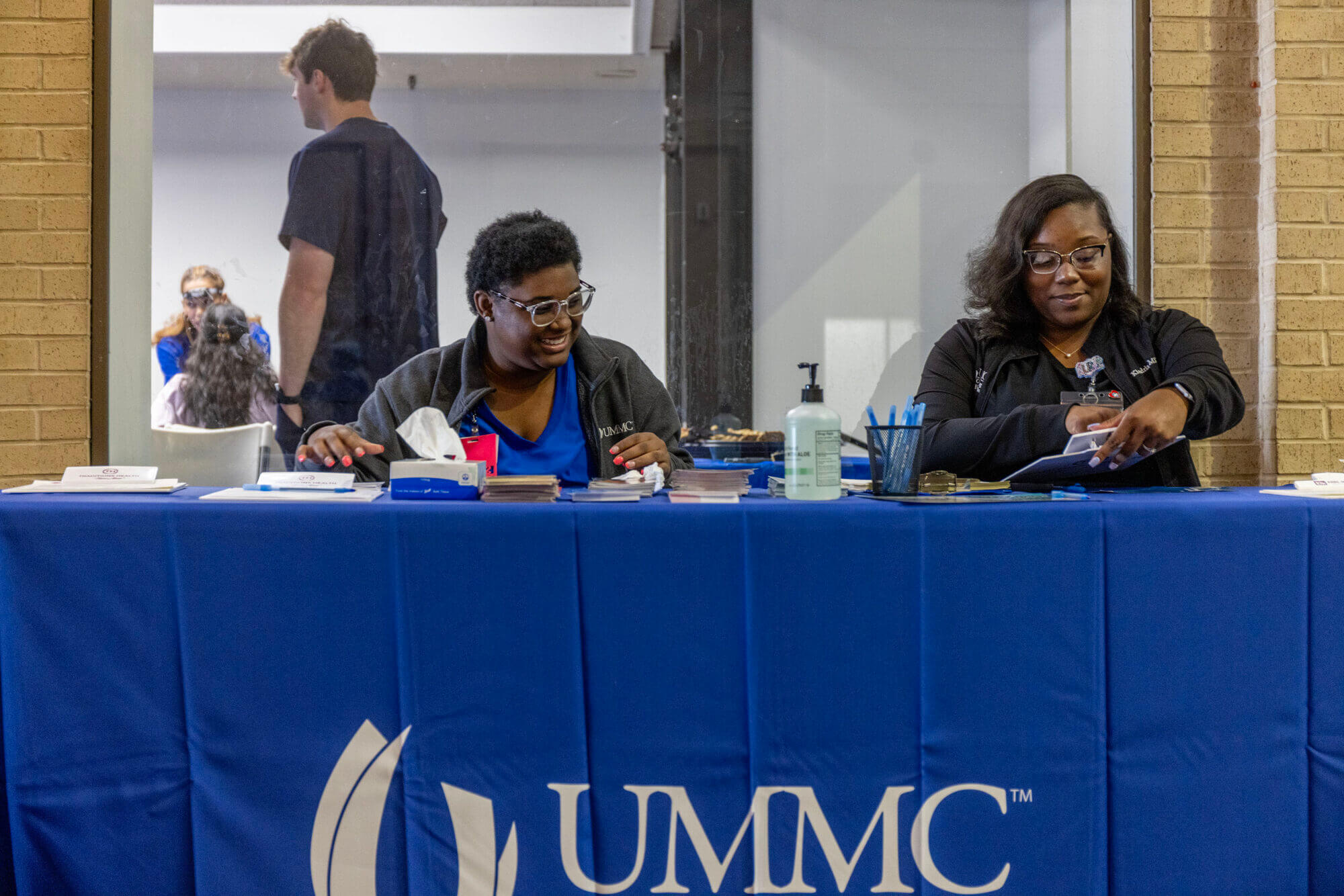
Skylar Robinson, medical office assistant, left, and Kiandria Bruce, registered nurse, review materials at the patient sign-in table during a free oral, head and neck cancer screening at the Jackson Medical Mall on Wednesday, April 16, 2025. Credit: Eric Shelton/Mississippi Today
Head and neck cancer literature is available during a free oral, head and neck cancer screening at the Jackson Medical Mall on Wednesday, April 16, 2025. Credit: Eric Shelton/Mississippi Today
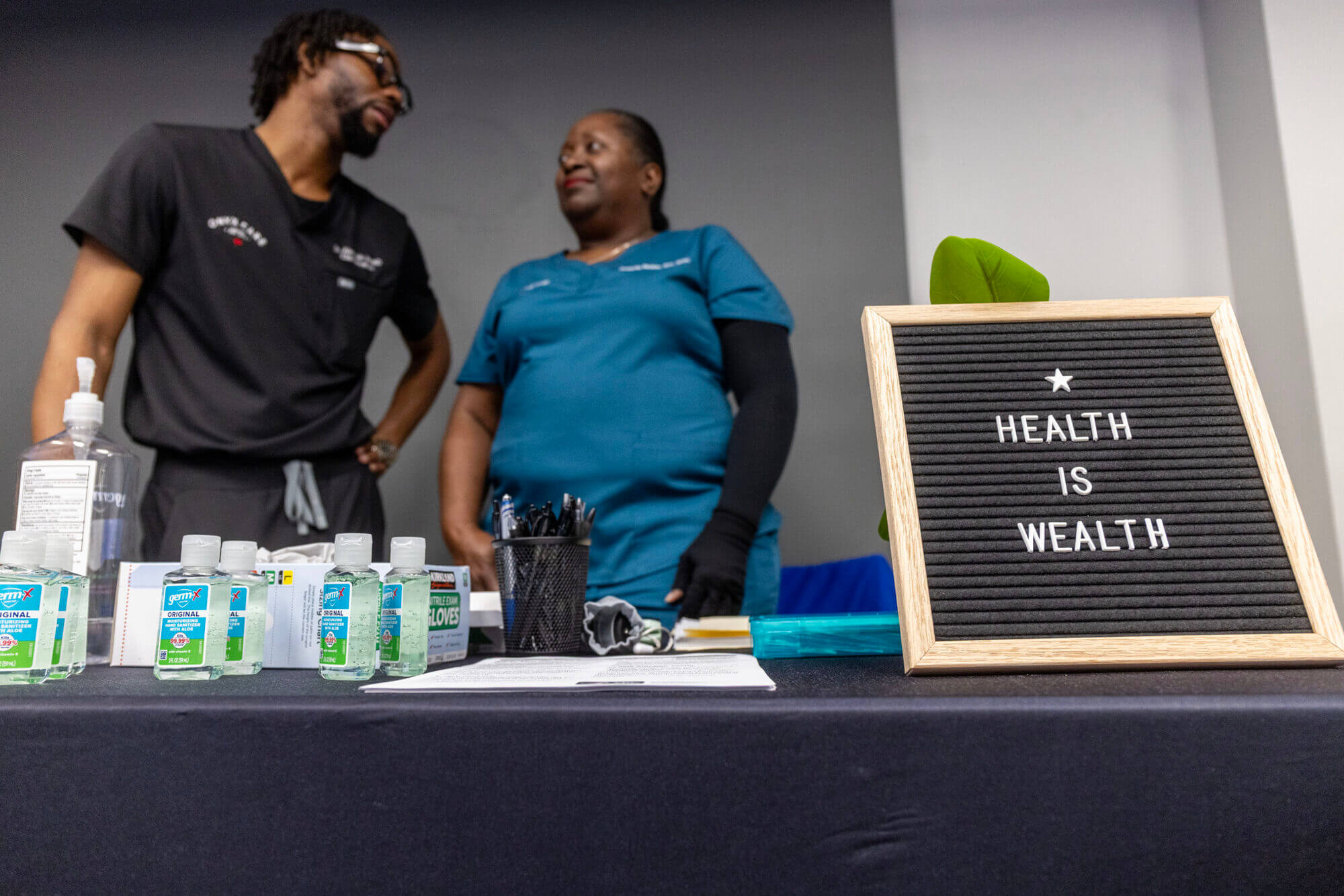
Dr. Alex Brooks and registered nurse Angela Noble talk during a free oral, head and neck cancer screening at the Jackson Medical Mall on Wednesday, April 16, 2025. Credit: Eric Shelton/Mississippi Today
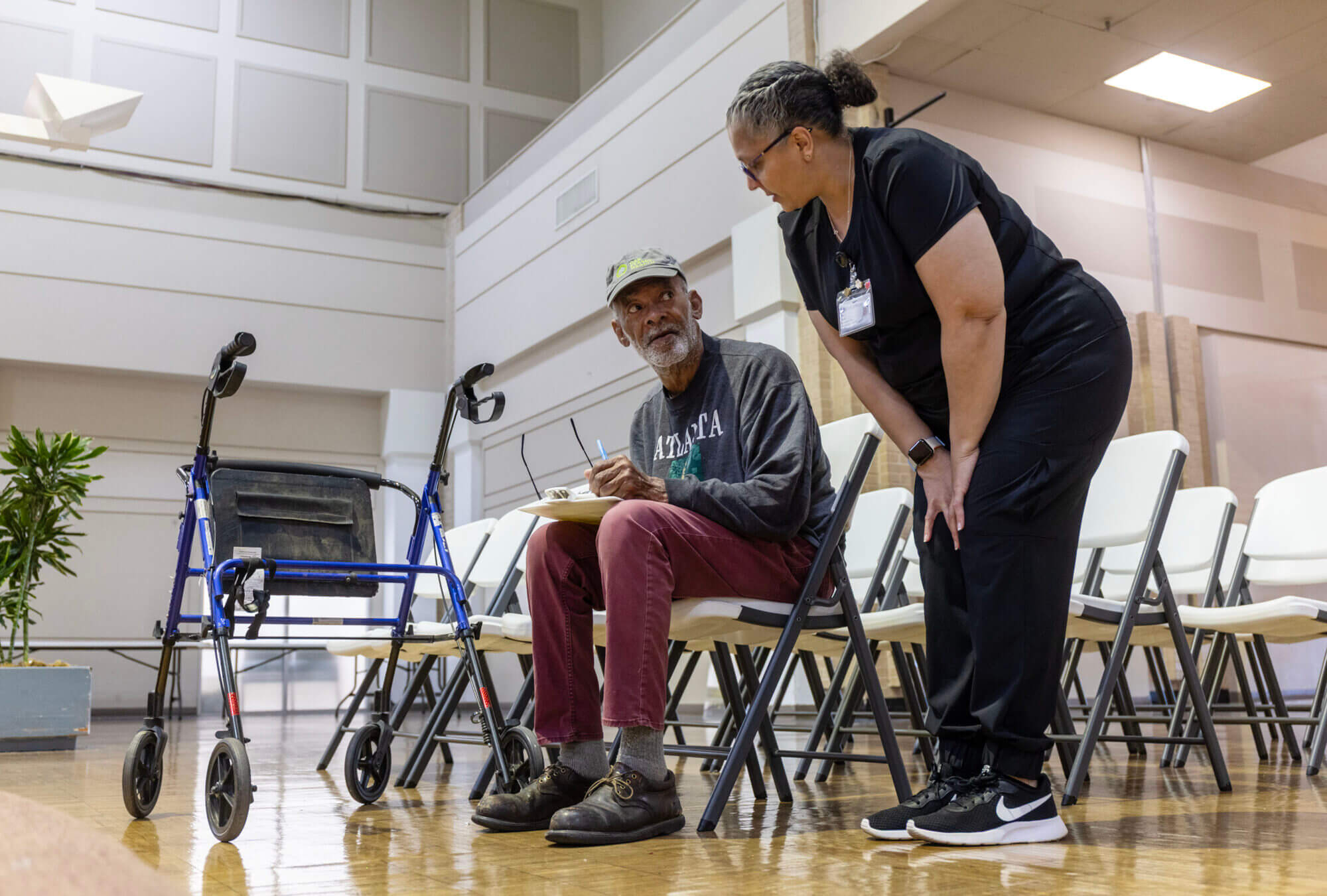
Nina Brown, clinical manager, helps Ned Bostic with paperwork during a free oral, head and neck cancer screening at the Jackson Medical Mall on Wednesday, April 16, 2025. Credit: Eric Shelton/Mississippi Today
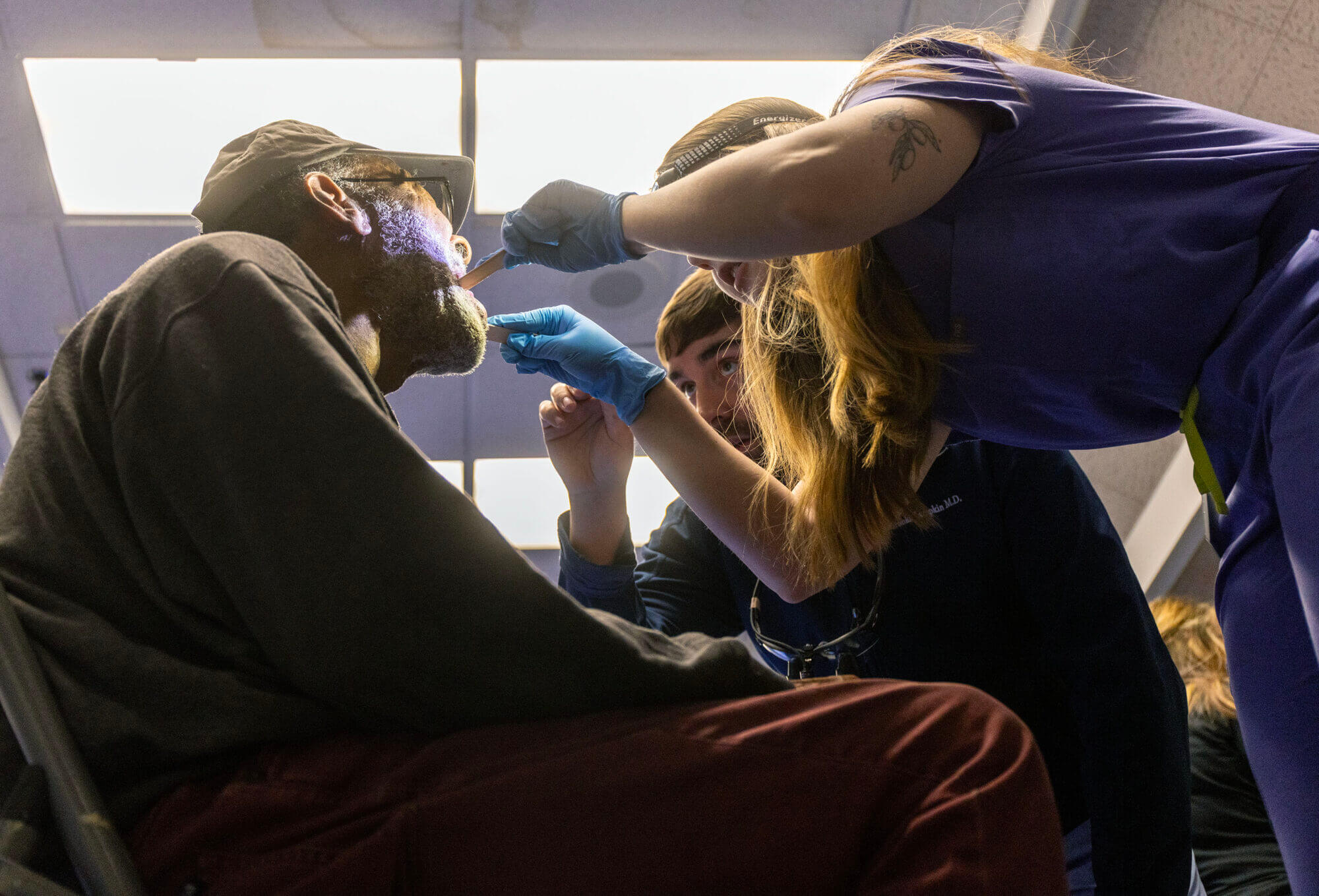
Resident physician Brooks Lampkin performs an oral cancer screening on Ned Bostic at the Jackson Medical Mall on Wednesday, April 16, 2025. Credit: Eric Shelton/Mississippi Today
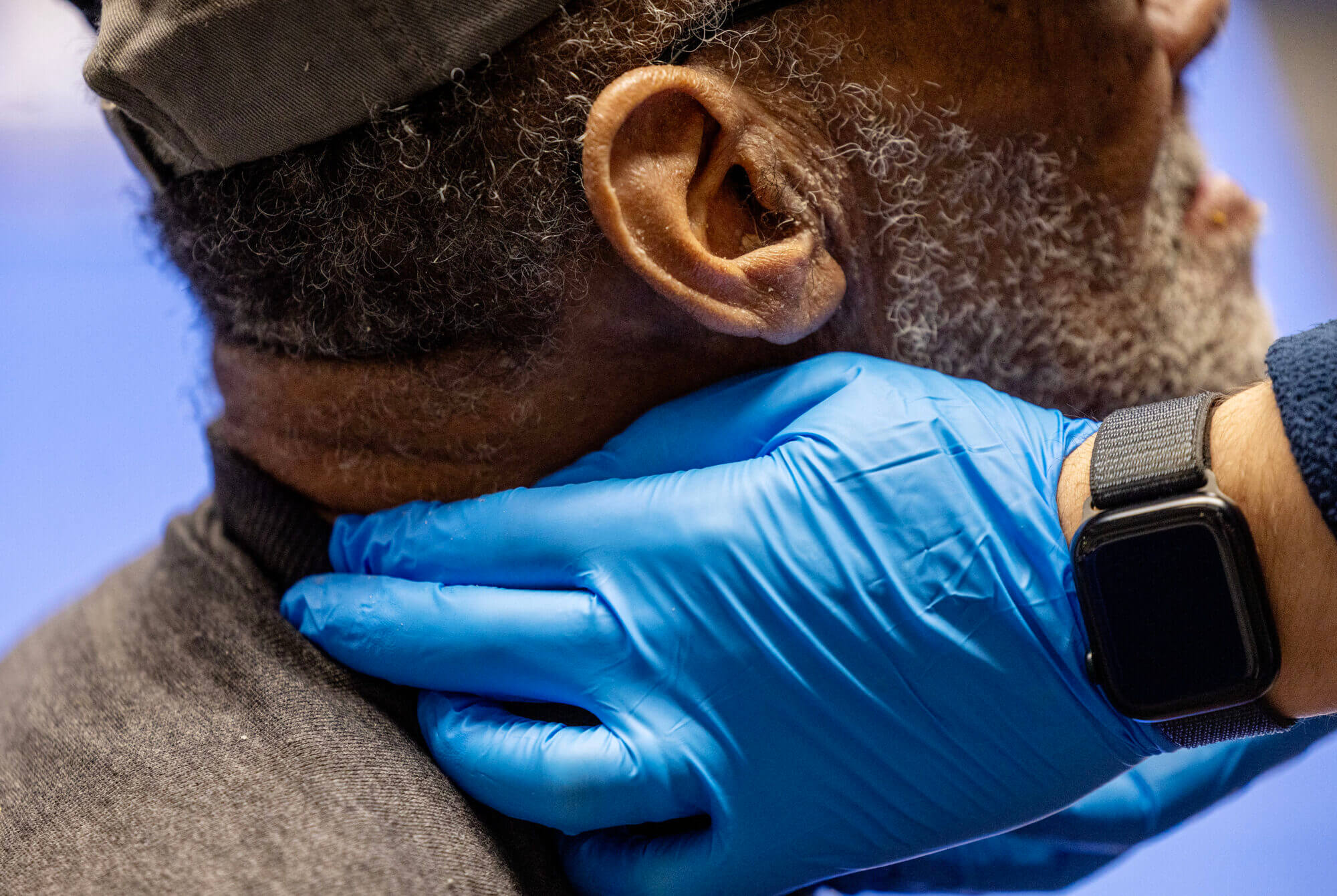
Ned Bostic receives a neck cancer screening during a free oral, head and neck cancer screening at the Jackson Medical Mall on Wednesday, April 16, 2025. Credit: Eric Shelton/Mississippi Today
Resident physician Brooks Lampkin, center, and medical student Hanna Watson examine Ned Bostic during a free oral, head and neck cancer screening at the Jackson Medical Mall on Wednesday, April 16, 2025. Credit: Eric Shelton/Mississippi Today
The University of Mississippi Medical Center’s Department of Otolaryngology-Head and Neck Surgery hosted a free oral, head, and neck cancer screening Wednesday at the Jackson Medical Mall as part of Oral, Head and Neck Cancer Awareness Week.
The event featured quick, noninvasive screenings aimed at catching cancer early — when treatment is most effective. Onyx Care provided free HPV vaccinations, while the ACT Center for Tobacco Treatment, Education, and Research offered resources on smoking cessation and free services.
“These screenings take about 10 minutes and can save lives,” said Dr. Gina Jefferson, head and neck surgical oncologist at UMMC. “The earlier a cancer is diagnosed, the better chance we have of curing it.”
Tobacco and alcohol use remain major risk factors for these cancers. However, physicians say an increasing number of cases are linked to HPV, especially among younger adults with no history of smoking or drinking. Dentists are often the first to spot early signs, which can include persistent sores, lumps in the neck, or difficulty swallowing.
Oral, head and neck cancers are among the most common globally. When found early, survival rates can exceed 80 percent.
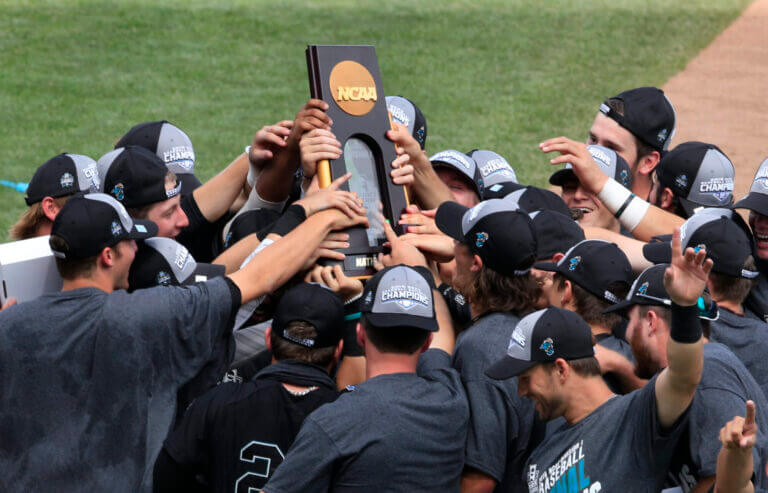
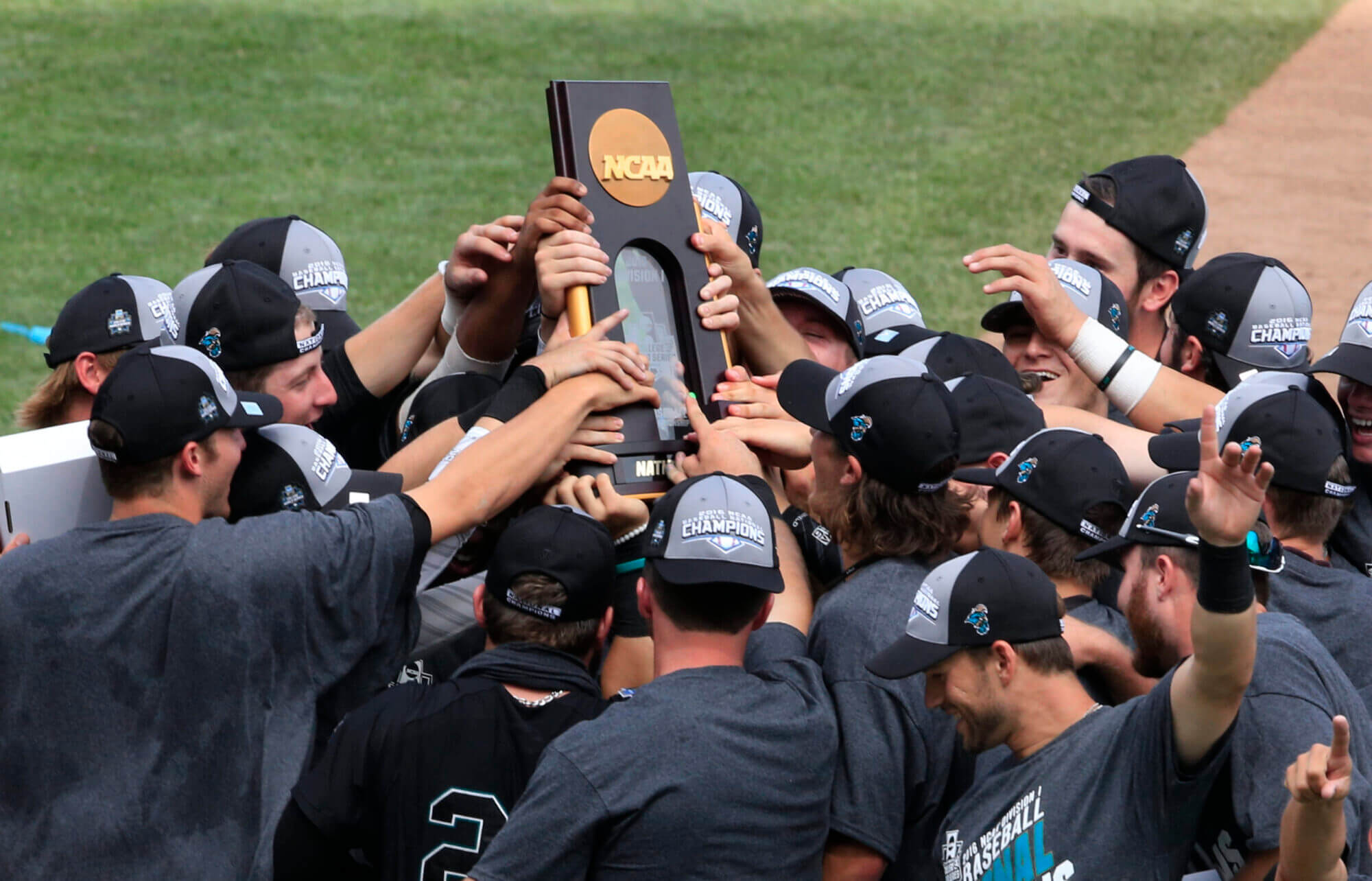
Mississippi State didn’t even wait until the end of the season to fire Chris Lemonis, who brought the national championship to Starkville not quite four years ago. Where do the Bulldogs go from here. Robbie Faulk who covers the Bulldogs more closely than anyone else joins the podcast to discuss the situation.
Mississippi Today is looking to speak with current and former mobile sports betting users. We’d like to speak with people who spend considerable amounts of time and money betting on sports through online gambling sites.
We’re interested in hearing the experience of people who have suffered from gambling addiction or problems, or friends and family members of people who have. We also would like to talk with people who believe legalizing mobile sports betting would benefit Mississippi and its residents.
We want to hear from you. Please take the survey below or contact Political Reporter Michael Goldberg by email at mgoldberg@mississippitoday.org
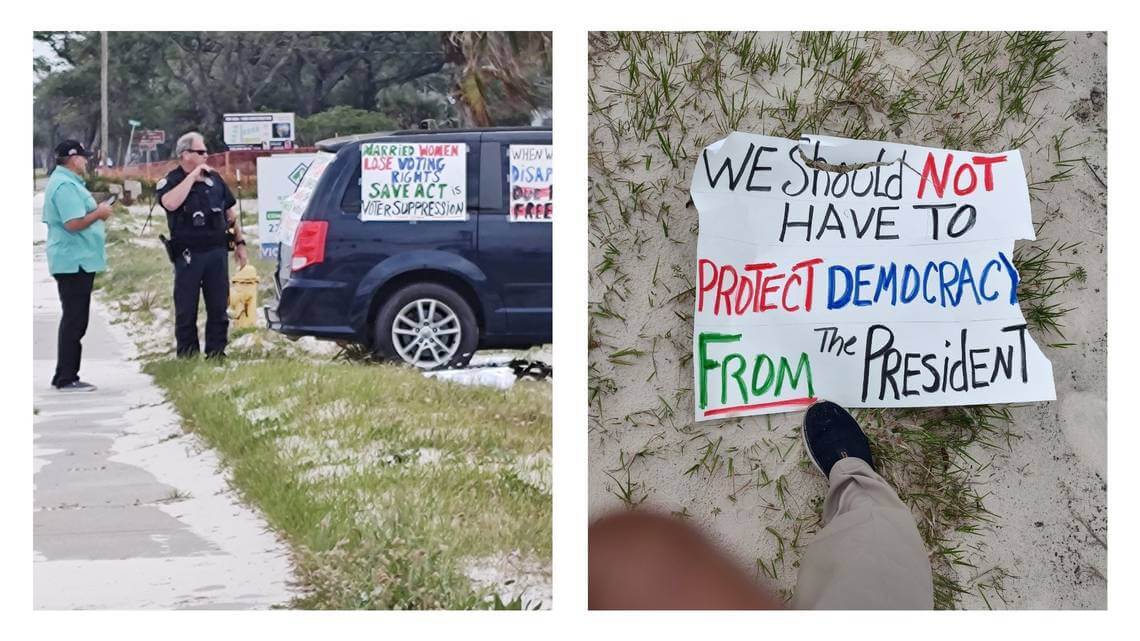
LONG BEACH — A retired Long Beach police officer arrested Thursday is accused of assaulting a woman holding a protest sign and threatening a second victim, Long Beach Police Chief Billy Seal confirmed Friday.
Police arrested Craig DeRouche, 64, for allegedly assaulting a woman during an encounter on U.S. 90 at Jeff Davis Avenue. He is charged with a second misdemeanor charge of assault by threat for allegedly threatening a man who reported that he saw the alleged attack and tried to intervene, Seal said.
A woman protesting on the Mississippi Coast was allegedly assaulted by a former police officer. Photo courtesy of the Sun Herald.
According to Seal, the protester, identified as a 74-year-old woman, was holding a protest sign supporting the right to due process under the U.S. Constitution for Americans before the assault occurred.
The woman, a Navy veteran, is now in stable condition in a local hospital.
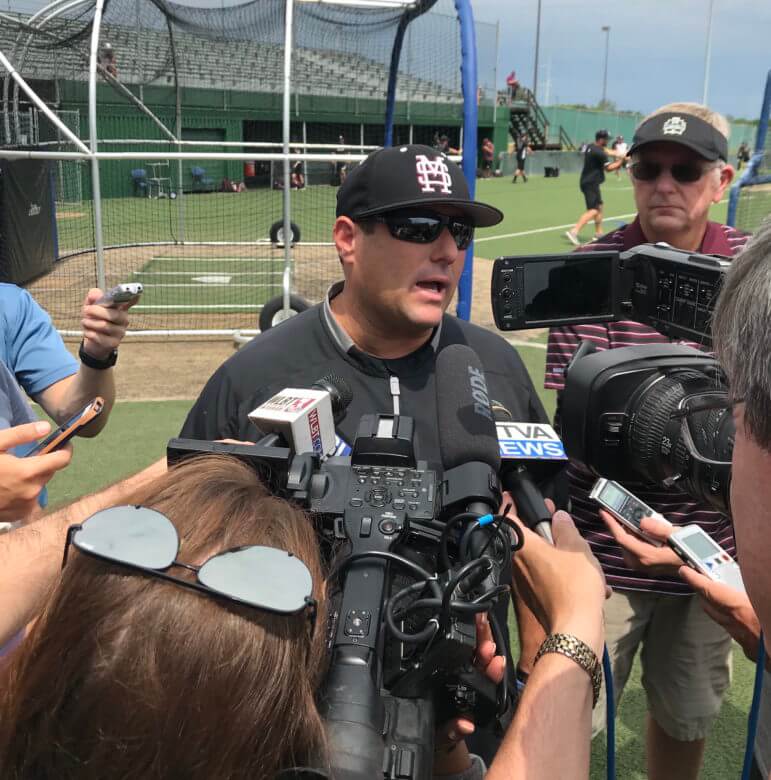
Chris Lemonis speaks to reporters during a press conference at the 2021 College World Series Credit: Rick Cleveland
On April 28, 2022, the Ole Miss baseball Rebels had won 23 games and lost 17 overall. They were 6-12 in the Southeastern Conference. The various Internet message boards were filled with posts calling for head baseball coach Mike Bianco’s dismissal. Yes, and two months later, Bianco and his Rebels won the College World Series.
Rick Cleveland
Contrast that with this: On April 28 of this year, Mississippi State’s Diamond Dogs had a 25-19 record overall, 7-14 in the SEC. The various Internets boards were filled with posts calling for head coach Chris Lemonis to be fired. He was.
In both those situations, the Mississippi teams were six games over the .500 mark overall. In both those situations, the teams had lost twice as many SEC games as they had won. Ole Miss stayed the course, and it paid off, remarkably so. In sharp contrast, Mississippi State pulled the trigger, and we shall see what happens next.
Another big difference in the two situations: Bianco had never won a national championship in his previous 20 years at Ole Miss. Lemonis won the first national championship in State history just four years ago.
You ask me, that national championship, not even four years ago, should have earned Lemonis, at the very least, the right to finish out this season. I don’t see anything to be gained with firing the man with three weeks remaining in the regular season. Most NCAA Tournament projections have Mississippi State listed as one of the first four teams out. The Bulldogs are ranked 45th in RPI against the nation’s 13th most difficult schedule. They are on the NCAA Tournament bubble, just as Ole Miss was three seasons ago.
This is not to say I believe that Lemonis, given the opportunity, would have done what Bianco did three years ago, But it is certainly within the realm of possibility. We’ve seen it happen. In baseball, more than any other sport, teams run hot and cold. State could have gotten hot, gotten on a roll in May and June and at least made it to the College World Series. It happens for someone nearly every year in college baseball. For that matter, it could still happen for State this year with interim head coach Justin Parker calling the shots.
And I know what many of those calling for the dismissal of Lemonis will say. They’ll say that in firing Lemonis now, State can get a head start on hiring a new coach to turn the program around. Not so. Any coach that the Bulldogs would hire is still coaching a team and will be coaching a team through at least May.
Traditionally, Mississippi State baseball is one of the nation’s top programs. State baseball facilities are second to none. Fan support is among the nation’s best.
But it is not, as athletic director Zac Selmon put it “the premier program in college baseball.” It is much more accurate to say State’s is a really good program in the premier conference in college baseball.
LSU, Texas, and Arkansas, all teams in the same conference, have similar fan support, terrific facilities and have enjoyed much more on-the-field success. Tennessee has improved dramatically. Ole Miss, Alabama, Auburn, Georgia, Texas A & M have made huge strides in facilities, fan support and baseball emphasis.
And here’s the deal: Tradition, facilities and fan support, while still important, all have become secondary issues when it comes to ingredients for success in college athletics. You know what really matters most? NIL and the ability to attract players in the transfer portal, that’s what. This is no longer amateur sports. It’s pay-for-play. It’s professional sports in every respect.
The first question recruits ask: What can you pay me? The first question any prospective coach will ask Mississippi State: How much money will I get to pay players? In Monday’s press release announcing the dismissal of Lemonis, Selmon was quoted as saying State’s baseball “NIL offerings” are second to none. There’s no way of knowing for sure, but I have heard otherwise from numerous sources.
I hate that we have reached this point in college athletics, but we most assuredly have. I also hate that Lemonis, a good man and a good coach, doesn’t get the chance to finish the season. I thought he had earned that.
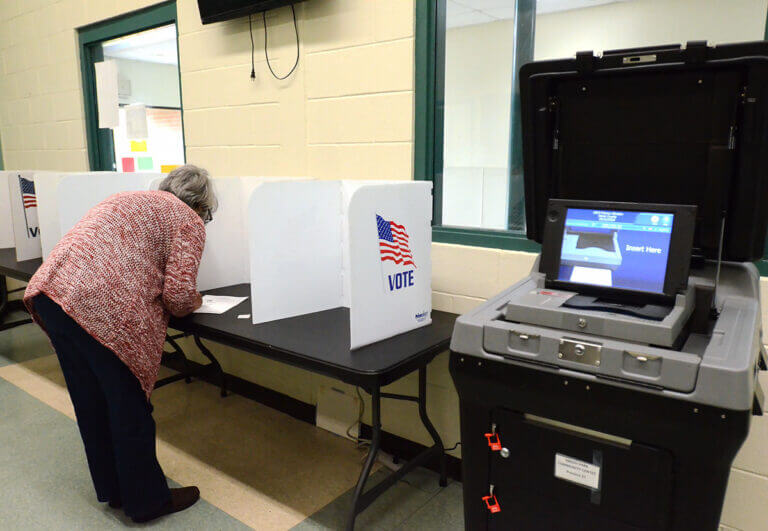
Mississippi officials are appealing to the U.S. Supreme Court a federal court ruling that struck down Mississippi’s five-day grace period for mail-in absentee ballots to arrive after Election Day.
Attorneys for the state filed court documents stating their intention to petition the nation’s highest court to overturn a decision from an appellate court that found a state election law conflicted with federal election laws.
U.S. District Judge Louis Guirrola halted all lower court action until the proceedings with the Supreme Court are completed.
The Republican National Committee, the state Republican Party and the Libertarian Party of Mississippi sued Secretary of State Michael Watson and local elections officials over a state law that allows election workers to process absentee ballots postmarked by Election Day for up to five days after the election.
The political parties argue that Congress is the only entity that can set specific parameters for federal elections, while state officials contend that federal law defers to states on specific details for conducting elections.
Judge Guirrola initially ruled in favor of the state, but the plaintiffs appealed. A three-judge panel of the U.S. Fifth Circuit Court of Appeals, one of the most conservative appellate courts in the nation, overturned Guirrola’s ruling and struck down the state law.
Now Mississippi officials are asking the Supreme Court to uphold the state law, a decision that could have broad implications for more than a dozen states that have similar laws on the books.
The litigation does not impact state or local races, including Mississippi’s current municipal elections. Mississippi’s next federal election will be the 2026 midterm, where all four of Mississippi’s U.S. House members are up for reelection, as well as U.S. Sen. Cindy Hyde-Smith.
A dedicated children’s play area is domestic violence shelter, Tuesday, Oct. 30, 2018. (AP Photo/Mary Altaffer)
Mississippi nonprofit centers that serve survivors of domestic violence, dating violence and sexual assault have been unable to apply for crucial federal grants, creating uncertainty and potentially jeopardizing services and staffing.
The U.S. Department of Justice awards tens of millions of dollars yearly through the Violence Against Women Act, but in February, grant information was taken down from the Office on Violence Against Women’s website right before the usual application deadline.
As of the end of April, the information hasn’t returned, and the office’s website announcing funding opportunities was last updated Feb. 6, telling applicants not to finalize any applications.
“So many times when you’re utilizing federal funds to pretty much run your organization, when those federal funds are cut, you have to start looking at cutting staff and services,” said Joy Jones, executive director of the Mississippi Coalition Against Domestic Violence, which receives VAWA funding.
“That is detrimental to victims of crime,” she added.
Since 2017, the U.S. Department of Justice has awarded nearly $50 million to Mississippi nonprofit centers, the State Department of Health and the Mississippi Band of Choctaw Indians. That’s money that has supported the operation of shelters, transitional housing, victim advocacy, education and more.
Other funding through VAWA includes training for law enforcement officers and prosecutors as well as support for rural communities and college campuses.
Meridian’s Care Lodge serves nine counties in the east central part of the state. Its executive director, Kim Neal, said federal grants support the organization’s emergency shelter, where over 200 women, men and children turned to last year.
She said a lot of the funding is to ensure people have basic needs like clothing, food and a safe environment, in addition to advocacy, like when survivors want to file charges or to seek a protective order.
Tupelo-based S.A.F.E., Inc. serves nine counties in northeast Mississippi. A rural grant has allowed the organization to do work at its domestic violence shelter and in the community, including throughout April – Sexual Assault Awareness Month.
Through federal and state grants, S.A.F.E, housed 55 people last year, including those who are homeless as a result of domestic violence and sexual assault, said Zowee Shanks, S.A.F.E’s executive director.
“When people are making these decisions to pull the grants out, they are not understanding these shelters do more work than at our 19-bed facility,” she said.
Another federal funding source for domestic violence and rape crisis centers is through the Victims of Crime Act. That act created the Crime Victims Fund, which collects fines and penalties from people convicted of federal crimes and distributes the money to states.
In October, the start of the federal government’s fiscal year, the crime fund is expected to be cut by $700 million, meaning less funding for states and victim service programs.
The Mississippi Department of Health uses VAWA and VOCA grants along with $12 million from the State Legislature to support victim services that many shelters provide, said Gregory Flynn, a spokesperson for the department.
Currently, the Health Department funds support ten of the 11 domestic violence shelters across the state, including Care Lodge and S.A.F.E, Inc.
At the same time as VAWA grants were frozen, the Justice Department cancelled funding for 365 grant programs for nonprofit organizations across the country working with crime victims. Some of the grant recipients were notified that their projects no longer “effectuate” the DOJ’s agencies, CBS News reported.
“It certainly concerns us,” Neal said about the wait for answers about the federal grants.
“Domestic violence doesn’t stop even though they may freeze the funding.”
Jackson mom Sequaya Coleman was applying for the first time for a voucher to help pay child care for her 2-year-old son when she heard the news.
She may not be getting any help from the state’s Child Care Assistance Program — at least not for the foreseeable future. The Mississippi Department of Human Services has put a cost-cutting hold on which families could apply.
Without it, Coleman, who works as a housekeeper, continues to rely on her relatives and friends to watch her kids, a 2-year-old and a 12-year-old, instead. She doesn’t know if she’s been rejected, but she is in a grey area. She applied in March, the month before the hold took place.
Beginning April 1, MDHS began limiting who could apply for new applications, redetermination applications, and “add a child” applications for child care certificates.
Families who do not fit one of six priority categories (on or getting off Temporary Assistance for Needy Families, are homeless, have foster children, are teen parents, are deployed military or families with special needs) cannot apply for new certificates or have their certificates renewed. There were 36,186 children with child care certificates in late March, a week before the hold began. About 10,800 did not fit any of the six priority categories.
Coleman is concerned that the lack of child care puts an extra strain on relatives and older children, creates a greater safety risk for young children, and makes it harder for communities to thrive.
Sequaya Coleman and her 2-year-old son Christian White, enjoying a morning at Hico Park in Jackson, Monday, April 28, 2025. Coleman, a housekeeper, wants a Child Care Payment Program voucher so she can keep workinig. Credit: Vickie D. King/Mississippi Today
“Our kids need the help, we need the help, because if you take the help from the American people, how do you expect us to thrive as Americans? How do you expect us to thrive as a state?” she said.
MDHS is trying to reduce the number of children receiving certificates to fewer than 27,000 to fit what the department can afford since COVID-19 relief funding dried up, with a target program cost of less than $12 million a month, said Mark Jones, chief communications officer for MDHS.
“We cannot accurately estimate how long the hold will remain in place, but we will be monitoring the situation very closely and will lift the hold as soon as we can,” he said.
MDHS will notify parents 60 days before their annual redetermination deadline. Parents who want to be notified can enter their email address in the application portal.
The Child Care Payment Program provides assistance to working parents and guardians for child care. The parent or guardian still has to pay the difference between what the program provides and the actual cost of tuition. They may also have to make a co-payment every month.
According to Jones, Mississippi has dedicated approximately $379.9 million from various COVID-19 relief funding programs to child care since 2020. Mississippi currently spends 85% of its funds from the Child Care Development Fund on child care certificates, which was about $127 million in fiscal year 2024 and more than the federal minimum they’re required to spend.
Mississippi also transfers 30% of its annual state funds from the Temporary Assistance For Needy Families program to child care. In 2024, that amounted to $25.9 million.
Carol Burnett, executive director of the Mississippi Low Income Child Care Initiative, speaks about a policy change by the Mississippi Department of Human Services, that removed a child support requirement for the Child Care Payment Program, at a news conference Monday, May 15, 2023, in Jackson, Miss. (AP Photo/Rogelio V. Solis)
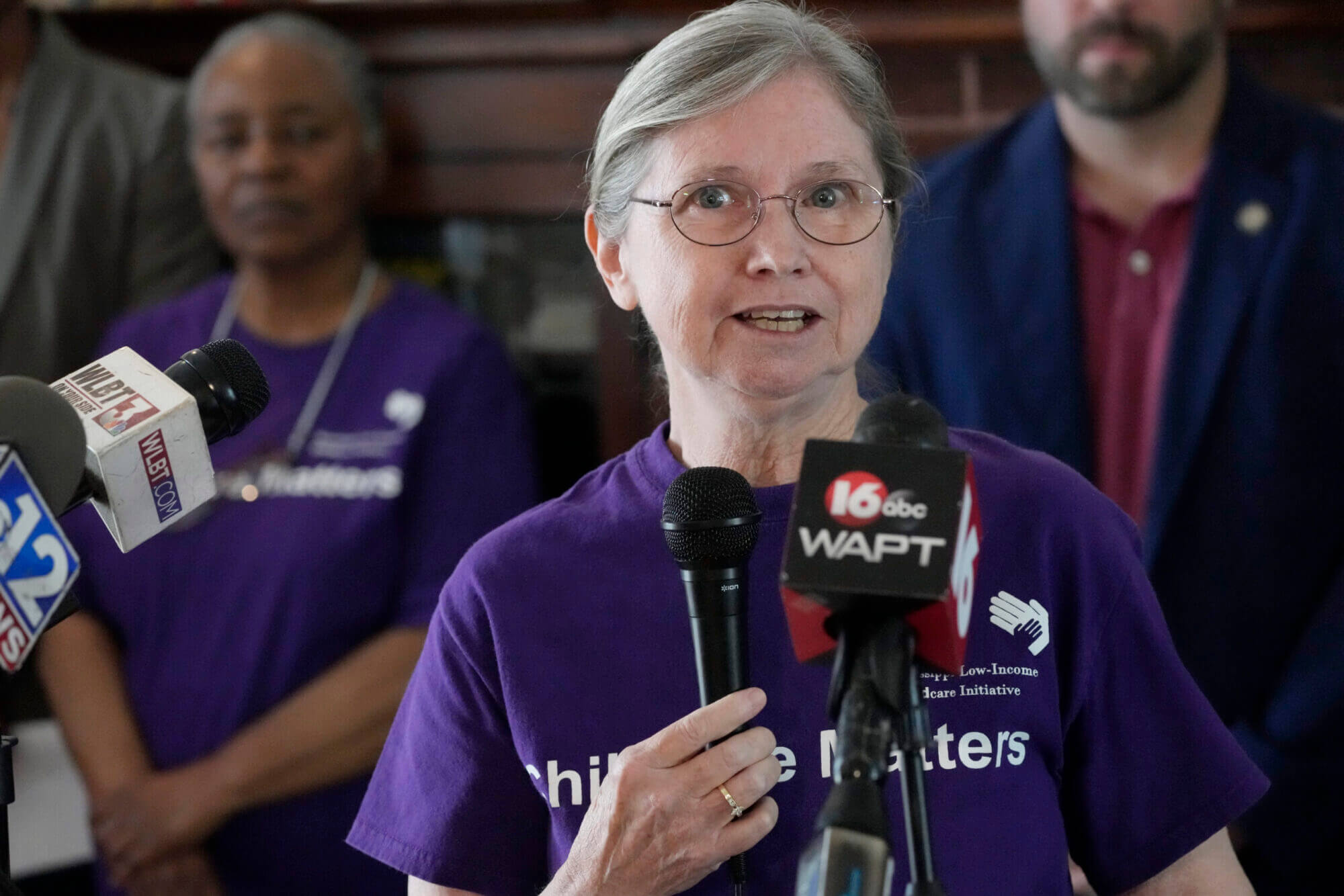
Carol Burnett, executive director of the Mississippi Low Income Child Care Initiative, explained the financial impact for families: “The CCPP can reduce the cost of child care by as much as 80%. And so if a family is gonna have to pick up what the CCPP has offered, it’s gonna really increase the cost of child care for that family.”
MLICCI’s Employment Equity for Single Moms program helps single mothers in Mississippi access resources for child care and workforce development to help single moms find higher-paying work.
A key part of the program is helping these mothers get on the Child Care Payment Program. MLICCI usually covers child care costs for its mothers while they wait to get assistance. Without the assistance, MLICCI can’t afford to pay for long-term child care.
“The biggest chunk of families on CCPP are low-income, single-mom-headed families who are working in jobs with low wages, and they’re not one of the six priorities,” said Burnett.
In addition to the financial impact on families, the hold on applications would disrupt education for children during a crucial period. Research has shown that children who attend quality early childhood education have better academic performance in elementary school.
“Without the CCPP vouchers, many families will not be able to afford child care, and so it’s likely that families’ child care arrangements will become unpredictable and piecemeal…and this uncertainty can cause children stress, which can hinder their development and growth,” explained Biz Harris, executive director of Mississippi Early Learning Alliance.
Deloris Suel, who owns Prep Company Tutorial Schools in Jackson with her husband,said she thinks parents would be able to teach their children at home with the right training, but it would be a strain on top of their other responsibilities.
“Child care today is not a babysitting service. There’s benchmarks and goals that we have to meet,” she said.
Prep Company Tutorial Schools serves 260 children, 61 of whom have child care certificates. Only two of their students fit among the six exception categories MDHS listed.
Last week, a group of child care providers, parents and child care advocates held a press conference on the south steps of the Capitol, urging MDHS to lift the limits on new applications and redeterminations, communicate better with providers and families, and use the current and carry-over TANF funds to supplement the child care voucher program.
At the end of 2023, MDHS had over $156 million in unspent TANF funds, as other states do. Nationwide, states had unobligated TANF balances of nearly $8 billion in 2023. Spending this money on child care would be doable without legislative action, MLICCI said, and has already been done in other states.
Burnett said she does not know why the state hasn’t used this method of funding. “I mean you would think that they would want to do that when they have the money rather than create this harm for so many families,” she said.
When asked why she thinks MDHS has been hesitant to use the available TANF funds, she said “I have two words: ‘Republican state.’ Because if we have other states joining hands to say, ‘Hey, we can pull this down from here.’ Why can’t Mississippi?”
When asked about using unspent TANF funds in this way, Jones responded, “MDHS is committed to following official federal guidance regarding conversion of TANF funds to CCPP. MDHS is resolved to utilize all available recurring revenue streams to support the CCPP and ensure the long-term viability of the program.”
Jones would not comment on why the department will not use left-over TANF funds.
Jones also stated, “MDHS has discussed the potential for a pause in CCPP certificates with the child care industry each month during the information sessions. The members of SECAC (State Early Childhood Advisory Council) were well aware of this potential pause as far back as 2023.”
Families can call the Child Care Payment Program call center at 800-877-7882 for questions or reach out to their nearest Resource & Referral Center for help.
Anna Wolfe contributed to this report.
Update 4/29/24: This story has been updated to clarify that the Department of Human Services has not responded to Sequaya Coleman’s application.
When Mississippi politicians are running for office, they often pledge transparency as if they mean it.
Next time you’re around such politicians, especially if they are legislators or running for the Legislature, you should ask them a few questions.
Ask them why the Mississippi Legislature exempts itself from the open records and open meetings laws it levies on all other divisions of state government, and why legislative leaders have even fought in court to keep proceedings involving a majority of a legislative chamber secret from the public.
Ask them why you cannot get on your phone or computer and easily search for who funds their campaign and by how much. Then ask them why you could go to any surrounding state (and nearly all others across the country) and easily and quickly find such information.
Then, ask the same for why you cannot easily, or sometimes at all, see who buys them expensive dinners, trips or gifts to influence their voting, or why there aren’t any prohibitions or limits on this as there are in other states.
Ask their thoughts on “gift laws,” or prohibition or limits on campaign donors getting massive government contracts from the people to whom they donate.
Ask them if they believe all the folks who lobby lawmakers even bother to register as lobbyists or report what they do to influence them.
Ask them why Mississippi government, state to local, provides so few public records online, or why agencies charge so much when they do cough up records.
Ask them why millions of dollars in out-of-state, secret-sourced “dark money” has been pouring into Mississippi elections in recent years, and what has been done to curb this.
Ask them to explain what Mississippi’s so-called “ethics laws” actually prohibit, what penalties they carry and what authority the so-called “Ethics Commission” has. Ask them how we compare here to other states, such as Alabama, where government ethics laws are actually enforced and their ethics agency has some authority.
For that matter, ask them who or what agency in Mississippi enforces campaign finance, ethics or lobbying laws.
Ask them why Mississippi’s attorney general recently decreed Mississippi’s campaign finance laws and limits to be so jacked up, convoluted and contradictory as to be unenforceable or un-prosecutable. Ask why the head of the state’s ethics agency has described Mississippi campaign finance laws as “a jigsaw puzzle that doesn’t fit.”
Ask them why, whenever even modest reforms such as campaign finance reporting requirements for politicians are proposed, lawmakers on both sides of the aisle act like their hair is on fire and line up to help kill it.
Ask them whether they believe Mississippi government is riddled with cronyism, nepotism or pay-to-play politics.
Then, finally, ask them whether they believe any of this might play a role in the historic and persistent government corruption that has often earned Mississippi the label of most corrupt state in the country.