Home Blog Page 6

New Stage Theatre in Jackson hosts world premiere of Bobby Rush musical

0
Audio articles are automated for accessibility. Humans wrote and edited the story; however, this audio has not been reviewed for accuracy and may contain errors. Read more about how we use AI to increase access to our reporting.

Three-time Grammy Award winner, 16-time Blues Music Awards winner, living blues legend and master showman Bobby Rush has entertained audiences worldwide in a career of more than seven decades, so safe to assume he is easy to spot, particularly at home in Jackson.

And yet, Rush managed to sneak into rehearsals at New Stage Theatre, as cast and crew careened toward opening night of a new musical about him, and hide. 

“I cheated a little bit, because I was here when they started, but I didn’t even want him to know,” Rush said, grinning as he pointed toward his co-writer on the musical and the show’s co-director and conceiver Stephen Helper. 

Rush scooched down in his seat to show how he hid about five rows back, lifting his head a bit for a peek at the action. He wanted to watch Helper’s reactions, see any changes in the show and judge whether actors liked the script (“You can always tell,” Rush said). But he didn’t want to make them nervous.

Then in rehearsal, the actor playing Rush walked down from the stage and into the aisle, playing to seats yet to be filled, when “Oh!” He found the man himself. “Mr. Rush is in the house, I see!”
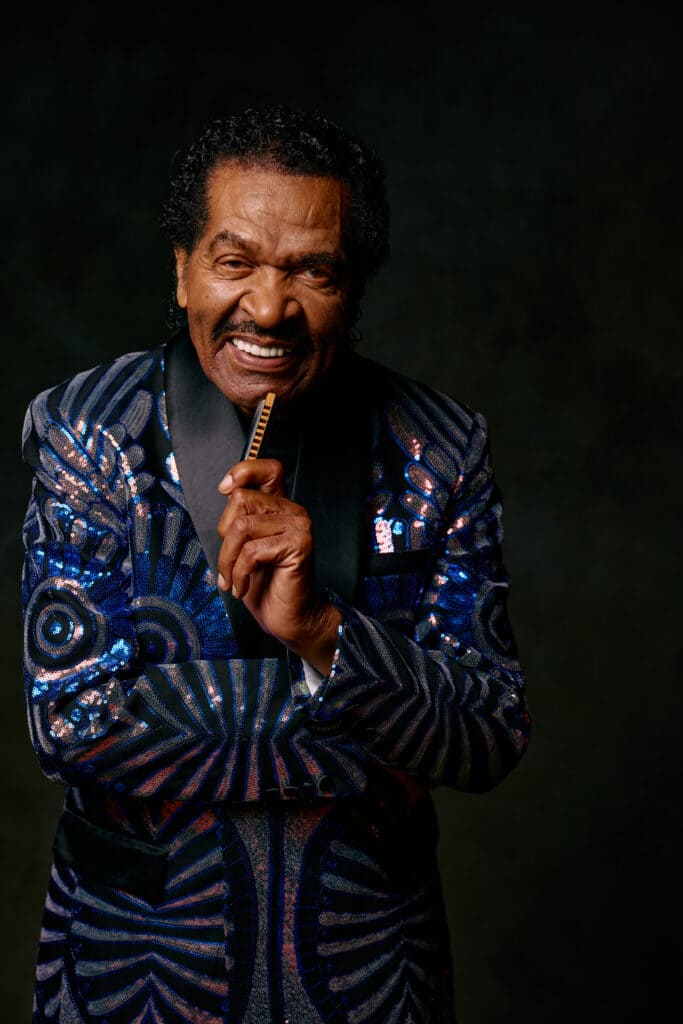
Bobby Rush Credit: David McClister

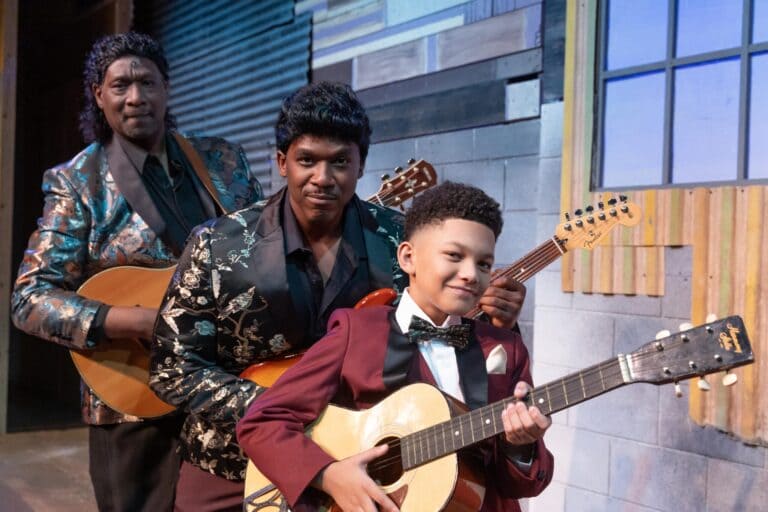
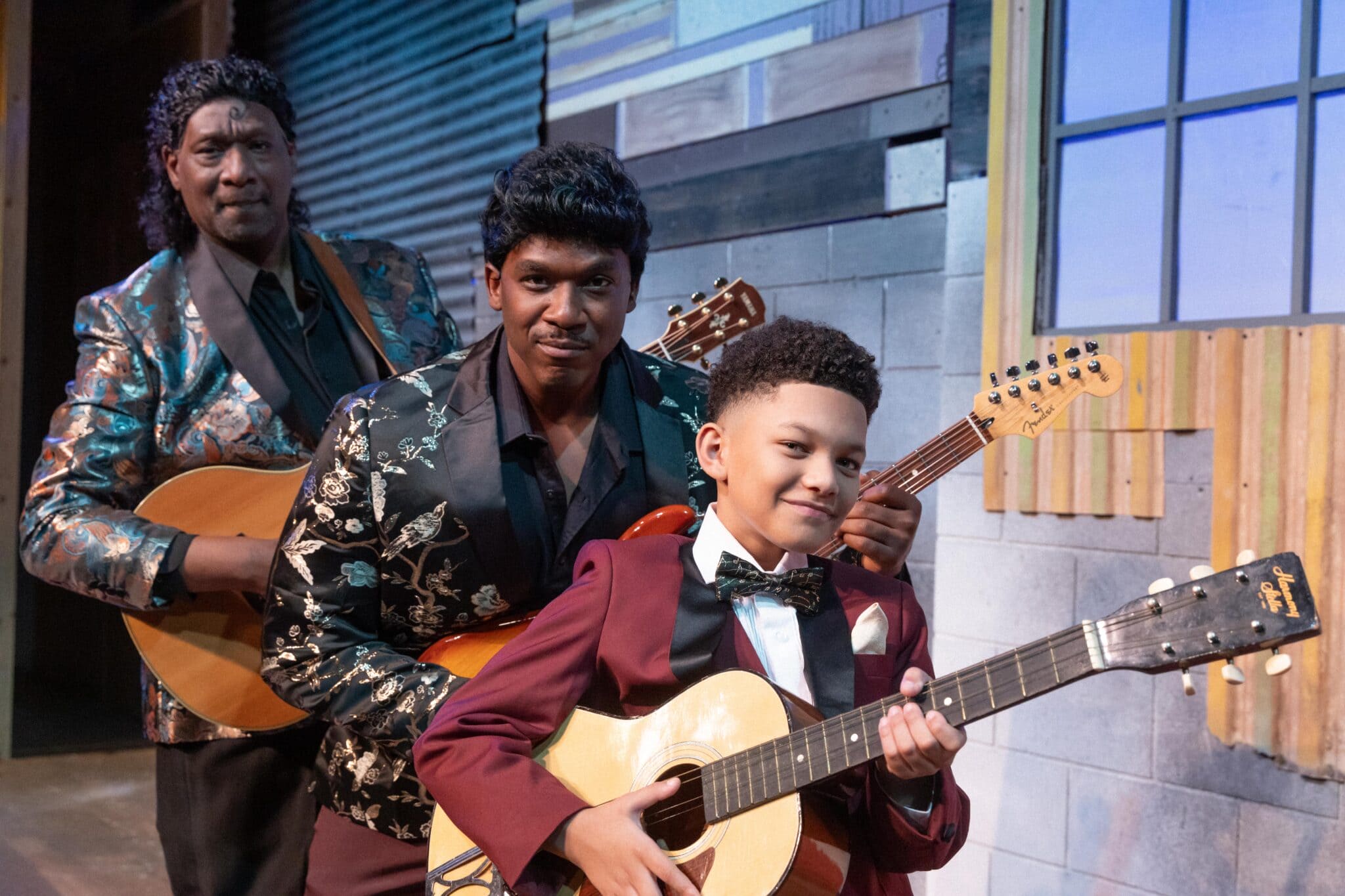
Theater-goers will find Rush there, too — not ducking between rows, but in Rush’s life story up on the stage, from sharecropper to blues superstar with a big batch of his songs propelling the journey.  “Slippin’ Through the Cracks: The Bobby Rush Musical” has its world premiere this week at New Stage Theatre. 

A $49,000 National Endowment for the Arts grant supported the world premiere production. Visit Mississippi, Visit Jackson, Times Square Production and Hinds County Board of Supervisors are also sponsors.

The show’s title is a nod to the musician’s wits and persistence to slip through the cracks in obstacles such as prejudice, hardship and loss to pursue his dreams.

The show’s run through Nov. 1 is the culmination of a goal set years back.

The inspiration for it came through the car radio as playwright Helper, best-known for co-conceiving the Broadway smash hit “Smokey Joe’s Cafe,” drove down the road one day. Rush’s sly and saucy song “Sue” grabbed his ear, made him laugh and set up shop in his imagination.
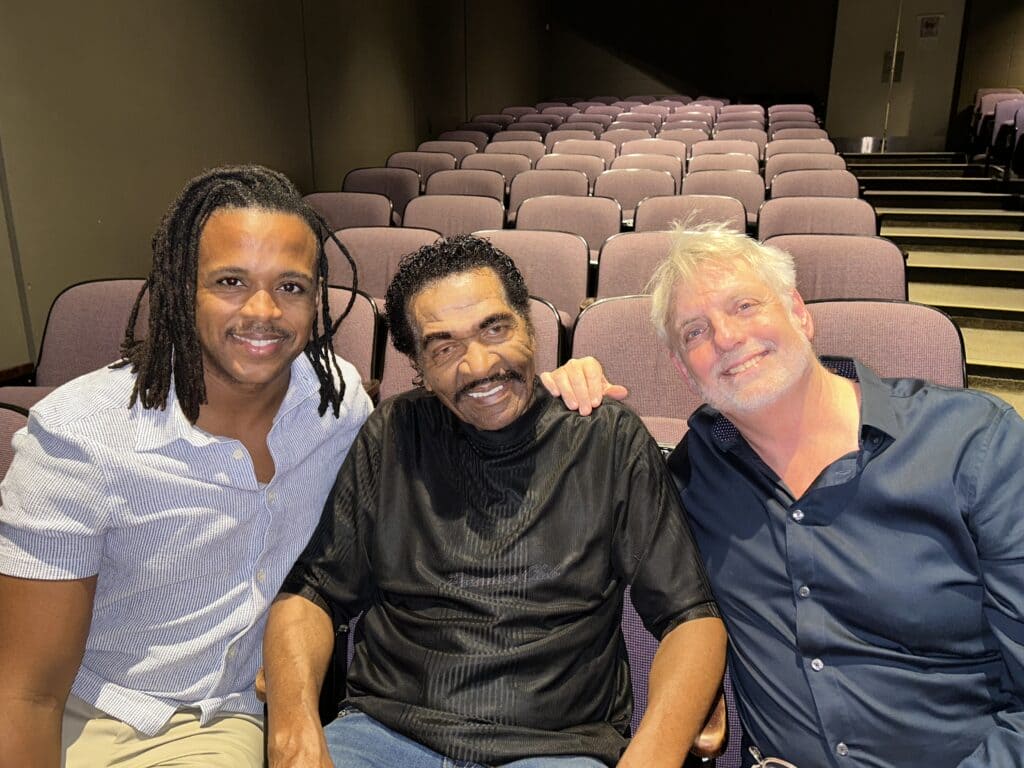
Co-director/choreographer Matthew Johnson Harris (from left), show co-writer and blues legend Bobby Rush and co-writer/co-director/conceiver Stephen Helper gear up for the world premiere of “Slippin’ Through the Cracks: The Bobby Rush Musical” at New Stage Theatre. Credit: Sherry Lucas

“It was bluesy but really funny,” said Helper, who also recognized a bit of vaudeville timing in the tune. “Its timing is impeccable. I thought if I heard that song in a theater, I’d have a great, great time. That was the kernel.”

Research about Rush revealed a story ripe for telling on the theater stage, and Helper reached out about creating a musical. As he and Rush worked on the project, a partnership bloomed into friendship. New Stage Theatre has worked with the show’s creators since 2021.

“I wanted to grow it from its roots,” Helper said of the musical. New Stage Theatre helped shepherd it along.

New Stage’s summer 2022 workshop reading had actors in folding chairs with still photos projected overhead to set scenes. Even with that bare-bones setup, players’ skills, its powerful story and the score packed with Rush’s songs electrified the experience, for a show that guests lapped up and grooved to.

More than a half dozen actors from that workshop are back in the world premiere, including Mark Henderson as older Bobby Rush. Also returning for the premiere production are Hosea Griffith, Nicholas Patrick, Vershaune Stamps, Joy Brashears Amerson, Jayla M. Lomax and Chris Roebuck. They are joined by Actors’ Equity members Rajeer Alford and Melessie Clark, Jaden White, Grady Champion, Quintin Powell, Joe Tomberlin and Nancy Bigelow Cheney.

Money raised from the workshop helped fund a similar presentation in New York City, which raised money for a production. A one-night concert at Chicago’s Goodman Theatre kicked off that theater’s New Stages Festival in 2023.

“Then, it’s just been some perseverance on my part,” Helper said. Noting New Stage Artistic Director Francine Thomas Reynolds’ interest in helping further the show or do a production, “It’s just taken that amount of time to get a slot,” he said. In the meantime, he fleshed out some bits, and tucked others tighter.
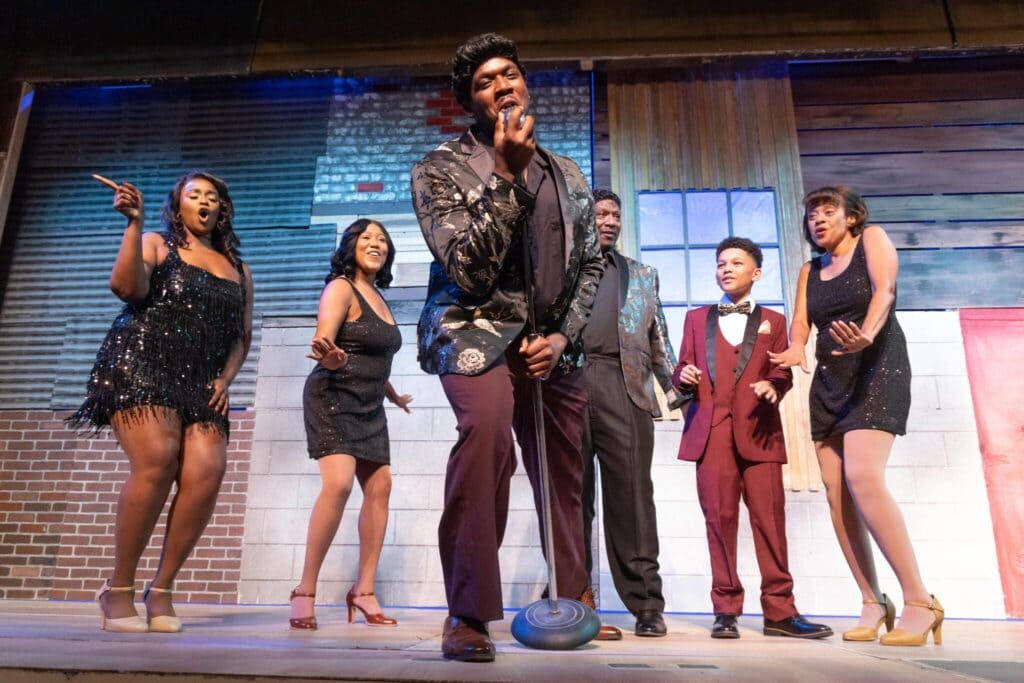
Melessie Clark (from left), Jayla M. Lomax, Rajeer Alford, Mark G. Henderson, Jayden White and Joy Brashears Amerson perform in “Slippin’ Through the Cracks” in its world premiere run at New Stage Theatre. Credit: Destin Benford, courtesy of New Stage Theatre

Premiering it in the South was important, he said, “in the roots, from its culture, from a cast who really knows the blues, who knows Bobby Rush’s music. They are just born with a kind of knowledge that informs the show.” He and co-director/choreographer Matthew Johnson Harris can draw upon that to keep a real sense of authenticity.

“This is the chance to really try it all out, in front of an audience, not on folding chairs but with people who’ve paid money to come,” Helper said.

The setting is ripe, too, because it is Rush’s home. 

“He’s an international hero, but he’s also a local hero,” Helper added. “It’s important for a Jackson audience to celebrate its own.”

Choreographer Harris embraced his luck, working on this musical with Rush’s music and the sweep of time it covers. “The nearly 93 years that Bobby has been on this Earth allows me to really use African-American social dancing from the 1930s, ‘40s, ‘50s, ‘60s, ‘70s, ‘80s, ‘90s and 2000s, and tell a story of joy and resilience,” he said. It offers a glimpse, too, at the evolution of dance moves, from the Charleston in early juke joint sequences, to a more ‘90s-based Kid ‘n Play move in the second act.

“What I hope to bring through movement and also through, just, cultural dramaturgy, is a love letter to Bobby, to Mississippi, to Black culture, to Black dance,” Harris said, “and use that as another storytelling device to just track time.”

Amid all the song and dance in “Slippin’ Through the Cracks,” there runs a strong thread of resilience. 

“Any woman or man in life is doomed to fail,” Rush said. “It’s not if, it’s when. But when you fall and you can get up, that’s the important thing of life. If you can’t get up, have enough strength to turn over and look up.”

At 92, Rush is still learning, he said. “I still have hope. I’m still enthused about the things that I do. And I still would rather do it well enough to make sure that people like what I’m doing. 

“Even if they don’t like it, they can say, ‘Well, I don’t like Bobby Rush, but damn, he’s good.’” Rush chuckled, along with Helper and Harris. “That’s all that matters to me.”

Ditto for this musical about a lifelong entertainer. 

“It has to be good,” Rush said.

Inspiration is built into his tale of surviving and thriving, wrapped up in and swept along by the folk funk grooves, humor and heart that made Rush a blues superstar.

“If I can slip through the cracks and be where I’ve been, and who I am as a blues singer and a Black man at that — if I can make it, you can, too,” Rush said.

That is a message that has already hit home. Harris, though blessed to work in commercial theater in New York City for several years, still felt “othered” because of his humble beginnings, even in rooms with all-Black peers (some who’d gone to Yale or Juilliard) or in shows about Black lived experience, he said. 

Rush’s song “Just Be Yourself” became his mantra and a life goal, and seeing Rush live in concert was a liberation, he said.

“As he was up there, being so much himself, and he ended, saying, ‘If a dirt-poor country boy can make it, so can you,’” Harris said, his own perspective shifted. He told himself, “You are here, working on Broadway and you are thriving and you are a young Black man in 2026. Could you imagine being a young Black man in 1956, like Bobby had to be?”

That “you can, too” line has always been in this show, Helper said. 

“But when it’s represented and spoken by a man who can prove it and lived it and had to work around so many obstacles to achieve it … the content of those words is so much more profound.

“It’s a great thought and we all want to subscribe to it when it’s said by you,” Helper turned to Rush, “and hopefully by little Bobby Rush in our show, it will land in the same way.”

Performances of “Slippin’ Through the Cracks; The Bobby Rush Musical” continue at 7 nightly through Saturday, on Oct. 27 and Oct. 29-31, 2 p.m. Sunday and Nov. 1, and at a special 1 p.m. matinee on Oct. 28. Tickets — $50 with discounts for students, senior citizens, military and groups — are on sale at New Stage Theatre; call 601-948-3533 ext. 223 or visit newstagetheatre.com. 
Reeves awards $32 million in federal funds to develop healthcare workforce and psychiatric services

0
Audio articles are automated for accessibility. Humans wrote and edited the story; however, this audio has not been reviewed for accuracy and may contain errors. Read more about how we use AI to increase access to our reporting.

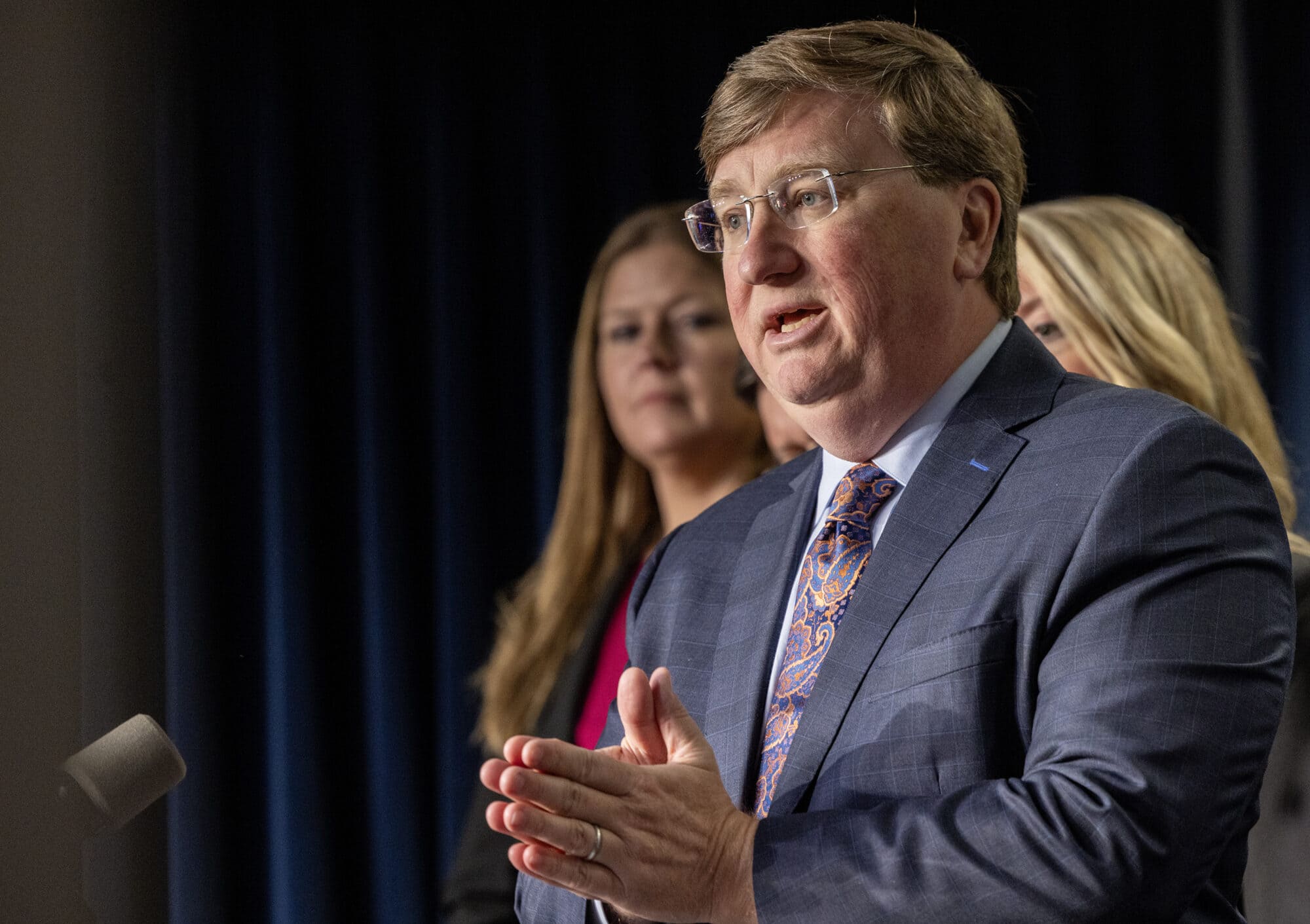
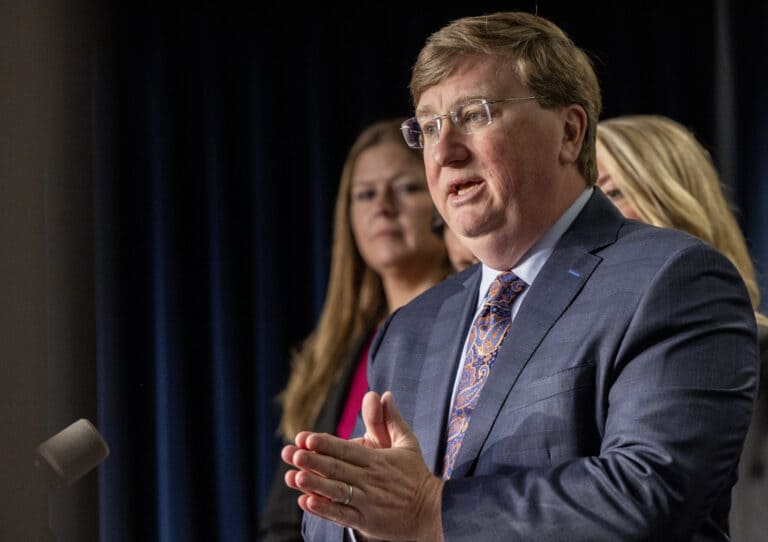
Gov. Tate Reeves on Wednesday awarded $32 million for healthcare workforce development and psychiatric emergency services as a part of a federal program to improve rural healthcare.

The 60 awards will support earn-while-you-learn programs for healthcare workers, workforce recruitment efforts, clinical mentorship projects and bolster interest in healthcare careers among middle and high school students. 

“These projects address different healthcare professions, but they share a common goal: removing the training bottlenecks that limit how many qualified professionals we can prepare to serve Mississippi,” Reeves said at a Wednesday press conference. 

The funds will also help establish three therapeutic units at hospital emergency departments to improve crisis mental healthcare.

Reeves was flanked by State Health Officer Dr. Dan Edney and Courtney Taylor, executive director of AccelerateMS, the state’s workforce development agency. Both agencies are collaborating with the governor’s office to distribute and oversee the funding awards. 

This is the second round of funding announced by Reeves as a part of the federal Rural Health Transformation Program. Mississippi was awarded nearly $206 million in December as a part of the national $50 billion program. States will receive payments over five years for initiatives designed to bolster rural healthcare and offset the disproportionate impact that federal spending cuts President Donald Trump signed into law in July 2025 are expected to have on rural hospitals.

In September, the governor announced 167 awards worth $104 million for projects aimed at helping rural providers make facility improvements, expand service offerings, upgrade technology systems, bolster cybersecurity defenses and increase telehealth capacity.

Nearly 400 applicants requested roughly $241 million in funding for the four workforce grants awarded. In total, state officials awarded roughly $19.2 million to these projects. 

Reeves said the programs will help to address Mississippi’s healthcare provider shortage. Programs he highlighted Wednesday include those to help licensed practical nurses become registered nurses while continuing to work, train experienced practitioners to mentor students and strengthen the rural pharmacy workforce. 

“We have Mississippians who want to work in healthcare, and we have communities that need healthcare professionals,” he said. “We’re bringing those two things together by making training more accessible, by helping people advance their careers and by building a workforce that can serve their own communities for years to come.”

University of Mississippi Medical Center Greenwood, Merit Health Central in Jackson and Memorial Hospital Gulfport will establish psychiatric emergency service units to expand access to specialized care for people experiencing mental health crises.

“Far too often, families in our state and others find themselves waiting in emergency rooms for far too long, before their loved ones receive appropriate psychiatric care,” said Reeves. “That’s really not the way it should be, and we’re going to work hard to change that.”

Applications are also open for small, rural providers to adopt or upgrade electronic health records, and for innovative pilot programs that aim to improve healthcare. The state is also seeking proposals for a statewide health information exchange to allow health care providers to securely share patient information and coordinate care.

“The frustrations of our rural providers in not having the patient information they need in real time will be eliminated,” Edney said. 

He said the exchange will also be a source of data that can help the Mississippi State Department of Health better understand health problems and propose solutions. 

Reeves previously said Mississippi has submitted its request for second-year funding as part of the Rural Health Transformation Program to the Centers for Medicare and Medicaid Services and expects to receive word by November on the amount of federal funding allocated to the state. 

New visitor center will highlight Vicksburg’s role in the Civil War

0
Audio articles are automated for accessibility. Humans wrote and edited the story; however, this audio has not been reviewed for accuracy and may contain errors. Read more about how we use AI to increase access to our reporting.

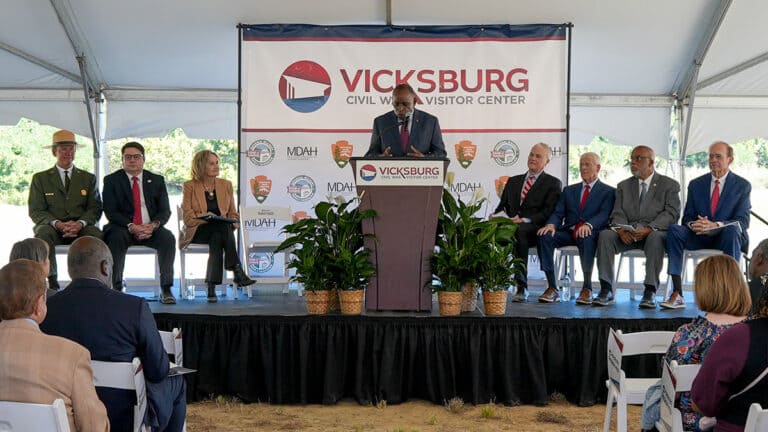
VICKSBURG – Mississippi officials Wednesday celebrated plans to build a $114 million Civil War museum and visitor center next to Vicksburg National Military Park, one day after President Donald Trump signed legislation that will help with the development.

This combination of images, released Wednesday, Oct. 21, 2026, shows the planned development of a Vicksburg Civil War Visitor Center and Museum at the Vicksburg National Military Park. Credit: Courtesy of the Mississippi Department of Archives and History

Historians consider the Siege of Vicksburg a key turning point in the Civil War. The Confederate surrender to Union Gen. Ulysses S. Grant on July 4, 1863, helped Union forces take control of the Mississippi River and effectively cleave the Confederacy into two.

“What you have here today is an opportunity to continue to expand the real story about who actually fought here and saved this country of ours, and ultimately put it back together,” U.S. Rep. Bennie Thompson said during the ceremony.

The expansive new building, set on nearly 13 acres adjacent to the national park, already one of the state’s largest tourist attractions, is expected to be completed by 2030.

The federal government established a national park in 1899 to commemorate the battle.A study cited by project supporters estimates the visitor center will help draw an additional 200,000 visitors to the region, pump $231 million into the local economy and create 1,630 jobs during its first seven years.

The planned 60,000-square-foot facility will include a museum exploring Vicksburg’s history from the prewar era through the siege, Union occupation and Reconstruction.

The space will also feature an event space, gift shop and cafe. Outdoor areas, officials said, will be used for educational programming such as living history demonstrations.

The federal government established the national park in 1899 to commemorate the battle.

Wednesday’s event featured a rare bipartisan appearance between Thompson, Mississippi’s lone Democrat in Congress, and Republican U.S. Sens. Roger Wicker and Cindy Hyde-Smith, who is campaigning for reelection.

“We’re here today as an exercise in bipartisanship,” Wicker said. “Today is a nod to persistence. This is a day to be remembered.”

Wicker called the project a lesson about the “complicated history” in Mississippi and across the country.

Thompson, who introduced the Vicksburg National Military Park Boundary Modification Act on March 16, 2026, said many Black Mississippians believe their stories have been overlooked at historic sites across the state. He expressed hope the Vicksburg center will be different by including exhibits that recognize Black soldiers who died during the war.

The legislation signed into law Tuesday transfers a small piece of the park to the state of Mississippi, which has given $56 million thus far to fund the visitor center and its operations, according to the state Department of Archives and History. State officials said the land will be used for trails to connect the park to the new visitor center.

The state Department of Archives and History said private donors have committed $15 million to the project. This combines with the state funding, plus $3 million so far from the federal government and up to $15.5 million from the City of Vicksburg and Warren County. Supporters also expect to raise more private money.

The state will own the new facility, with the National Park Service serving as its long-term tenant and interpretive partner, while the Friends of Vicksburg National Military Park and Campaign is leading private fundraising and marketing.

Lt. Gov. Delbert Hosemann, a Vicksburg native, helped secure the state money to get the project off the ground. He said his great, great grandfather fought for the Confederacy about half a mile from the patch of grass where the visitor center will be constructed.

“It’s fair to say the Hosemanns haven’t moved very far,” he said.

Spence Flatgard, who presides over the state archives and history board, said the visitor center will give ample space to “tell many, many stories.”

“Mississippi has the most compelling history of any state in America,” Flatgard said. “We’ve got it all. Civil War, civil rights, Native American history, birthplace of American music. We have a lot to be proud of.” 

The new facility, which has been under design for the past three years, will modernize the park’s aging visitor center, which officials said was prone to flooding. 

Mississippi Today Senior Editor Bobby Caina Calvan contributed to this report.

Correction, 10/21/2026: This article has been corrected to show that organizers describe Wednesday’s event as a celebration. It also has been updated with additional information about funding for the project.

More Mississippi county health departments could lose clinical services

0
Audio articles are automated for accessibility. Humans wrote and edited the story; however, this audio has not been reviewed for accuracy and may contain errors. Read more about how we use AI to increase access to our reporting.

As funding challenges persist, Mississippi health officials may cut clinical services at more county health departments. 

If taken, this step would continue changes the Mississippi State Department of Health made after the Legislature in 2023 denied the department’s request for $9 million to hire the nurses needed to fully staff county health departments and send nurses into the homes of low-income women with high-risk pregnancies. 

“Our goal is not to retreat from anywhere, just restructure and reorganize,” State Health Officer Dr. Dan Edney told Board of Health members at a meeting Oct. 14. 

Greg Flynn, a spokesperson for the health department, told Mississippi Today on Monday he could not say which counties are being considered for changes because the adjustments are still a “work in progress.” 

Edney said several county health departments with nurses on staff are seeing patient volumes too low to sustain that level of care. Other clinics, he said, may be able to support a physician or nurse practitioner and be upgraded to a higher level of service. 

During legislative budget hearings earlier this month, the health department requested level funding from lawmakers for the upcoming fiscal year, the third consecutive year the agency has not asked for a major increase. 

County health departments currently offer three levels of care as part of a reorganization Edney previously called a “pathway for survival.” 

  • Level 3 clinics, or “super clinics,” have a doctor or nurse practitioner on staff and offer a full range of services.
  • Level 2 clinics have a nurse on staff and offer limited clinical services and telehealth appointments with providers. 
  • Level 1 clinics do not have a clinician on staff, but offer federal programming for women and children. They serve as “access points” to other locations and may host occasional immunization events with nurses.

County health departments’ levels are not listed on the department’s website. Mississippi Today published a map in 2025 of department levels.

Edney said it is less costly to transport patients to a higher-level clinic than to provide a full range of services in every county. He said the state agency aims to be strategic in its planning to ensure that patients are close to a level 2 or level 3 clinic. 

All of the counties operating at a lower level of service have federally qualified health center partners providing access to low-cost healthcare, Edney said. 

“Our job is filling gaps, closing access loops and partnering with our community partners, and not competing,” he said. 

Lexington faces new lawsuit, days after settling with Justice Department

0
Audio articles are automated for accessibility. Humans wrote and edited the story; however, this audio has not been reviewed for accuracy and may contain errors. Read more about how we use AI to increase access to our reporting.

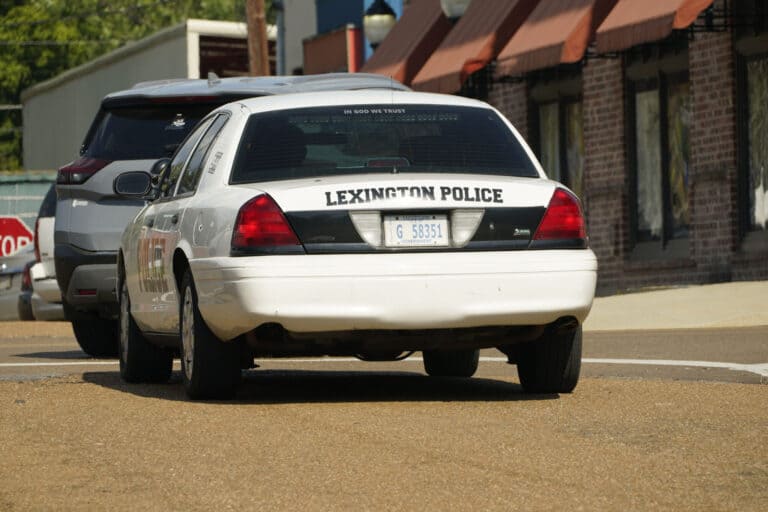
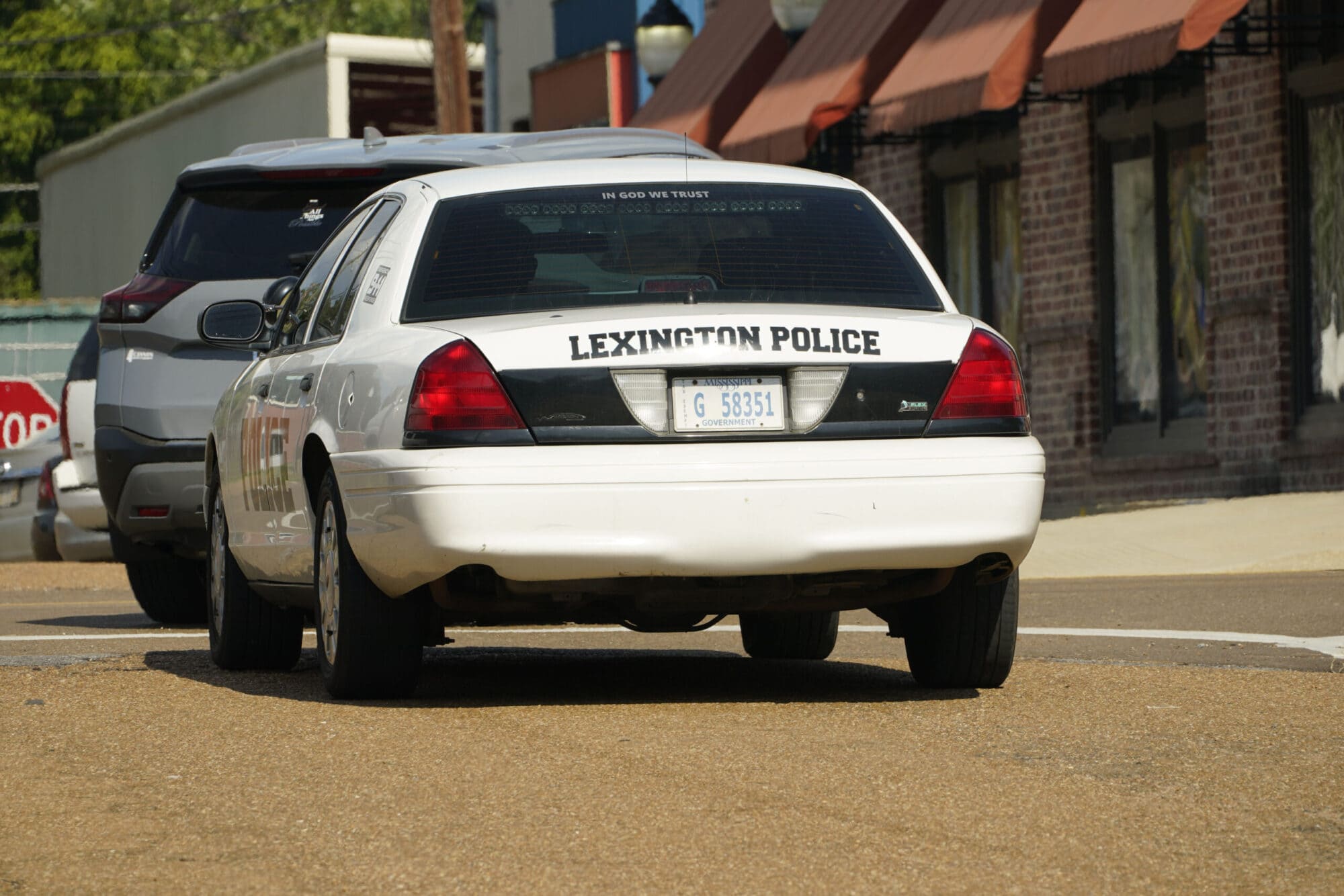
Legal groups are suing Lexington and its police department for free speech violations days after the city settled with the U.S. Department of Justice over its policing practices. 

The Southern Poverty Law Center and the ACLU of Mississippi are representing Lexington resident Terrance Gypson, who alleges that in May 2024 police officer Robert Boyd came at him with a Taser, threw Gypson to the ground and arrested him without probable cause. 

The 29-year-old was recording video of police action from a safe distance and didn’t interfere with officers, according to the lawsuit filed in the U.S. District Court for Southern Mississippi. 

“Recording the police is a critical tool to ensure that there is a fair record of what happens when police officers interact with the communities they serve; therefore, all citizens have a right to record the police in public spaces. Mr. Gypson’s right was violated,” Christoper Graves, senior staff attorney from SPLC, said in a Wednesday statement. 

Attorneys say police charged Gypson with misdemeanors of resisting arrest and disorderly conduct, and he was found guilty in Lexington Municipal Court. After an appeal, a Holmes County Circuit Court judge dismissed the charges with prejudice, meaning the case is permanently closed and cannot be refiled. 

The legal groups are seeking a judgment in favor of Gypson for unspecified compensatory damages. The lawsuit also calls for policy and practice reforms and tighter oversight of the police department. 

A lawsuit is one side of a legal argument. The city and department will have an opportunity to respond to the allegations in court filings. 

The SPLC and ACLU of Mississippi were among those whose suit against the city and police helped lead the Justice Department’s Civil Rights Division to an investigation that began in 2023. 

Months after the alleged police assault of Gypson, the Justice Department issued a report based on its investigation about how the Lexington police “engage in a pattern or practice of conduct that deprives people” of their constitutional rights. Those practices included retaliation against those who filmed officers and the jailing of people for unpaid fines. 

“Police have a powerful role in our society. That role must be performed within certain boundaries. When those boundaries are broken, police must be held accountable,” Joshua Tom, legal director of the ACLU of Mississippi, said in the statement with the SPLC. 

At the beginning of the year, the Lexington Board of Aldermen adopted reforms in response to the DOJ’s investigation and report. Among those actions was dismissing the city’s chief, Charles Henderson. In May, the city hired David Simmons, who has made rebuilding community trust a major goal.     

Henderson had begun leading the department in 2022 following the firing of his predecessor, Sam Dobbins.

The Lexington police force and its practices have been the subject of scrutiny since the publishing of a leaked recording featuring Dobbins using racial and homophobic slurs to describe use of force while on the job, including the killing of 13 people.  

Trump rallying in Mississippi on Monday to support Hyde-Smith

0
Audio articles are automated for accessibility. Humans wrote and edited the story; however, this audio has not been reviewed for accuracy and may contain errors. Read more about how we use AI to increase access to our reporting.

President Donald Trump will appear in Mississippi on Monday night to campaign for U.S. Sen. Cindy Hyde-Smith at the Crossroads Arena in Corinth, according to multiple sources familiar with the situation. 

Neither Hyde-Smith nor her campaign would confirm a Trump visit is imminent, but at an event in Vicksburg on Wednesday, Hyde-Smith told Mississippi Today that Trump is “trying to be helpful.”

“We feel very good about this,” Hyde-Smith told reporters. “It’s going to be 13 days, and we’re going to run through the tape so strong. I’m very proud of the record I have to run on. If he would like to, that would be fine.”

Trump has been traveling to normally safe Republican states ahead of the Nov. 3 midterms to try to drum up support and GOP voter turnout as his approval ratings have tanked and national pundits say races even in normally ruby red states are becoming more competitive.

His plans during his recent “midterm blitz” covering multiple states have been subject to change.

Scott Colom, the Democratic nominee for Senate, said in a statement that “Hyde-Smith is scared and that’s why she’s sending Donald Trump down here.”

“She’s scared to answer why she voted to cut health care, why she betrayed our farmers, and why she blocked the release of the Epstein files,” Colom said. “If she won’t answer for any of that, I challenge Donald Trump to a debate. Mississippians deserve to know why they are being betrayed.”

Former Vice President Kamala Harris is set to arrive in Mississippi on Thursday for an afternoon of campaigning with Colom in Columbus. Hyde-Smith said the presence of national Democratic figures could benefit her campaign.

“It tells me that Mississippi is pretty red,” Hyde-Smith said Wednesday. “And for them to bring their message that Mississippians don’t always agree with, I’m OK with that.”

Hyde-Smith also said she was tuning out pollsters and prognosticators who have said the race has grown increasingly more competitive as Election Day nears.

“We’ve been at this for a while,” Hyde-Smith said. “It’s just like most all campaigns. In the last few days you hear a lot of noise. It’s just noise, and we have our clear message.”

Hyde-Smith appeared at the Vicksburg event alongside Mississippi’s other Republican U.S. Senator, Roger Wicker, and Democratic U.S. Rep. Bennie Thompson. Wicker told Mississippi Today that former Mississippi Gov. Phil Bryant intends to go on a bus tour with Hyde-Smith to campaign in the coming days.

Wicker, Mississippi’s senior senator, said he believes Hyde-Smith is still leading, despite increased enthusiasm about the race among Democrats.

“This is very much a Republican state at the federal level,” Wicker said. “Kamala Harris is not particularly popular among a majority of the voters in Mississippi. So it’s sort of a statement as to the political philosophies of the two candidates. Senator Hyde-Smith is a mainstream Republican, and her opponent is very much aligned with Kamala Harris and folks like that.”

Trump is backing Hyde-Smith, a Republican seeking her second full term. He announced his “Complete and Total Endorsement” on March 26, 2025, calling her “100% MAGA.” She faces Colom, a district attorney in north Mississippi, and independent Ty Pinkins, who is a lawyer, in the Nov. 3 election.

A Democrat hasn’t won a U.S. Senate race in Mississippi since 1982, and Trump carried the state by about 23 points in 2024. Most national forecasters rate the race solid or likely Republican.

National Democrats have invested heavily in Colom’s race in recent weeks. Senate Majority PAC announced a $1.2-million ad buy to help Colom this week. Harris is campaigning for Colom in Columbus, former Transportation Secretary Pete Buttigieg is slated for the Gulf Coast, and Sen. Raphael Warnock held a Jackson rally. Barack Obama has also endorsed Colom.

Thompson, the state’s lone Democratic member of Congress, said Colom’s strength as a candidate presented his party with a rare opportunity to be competitive in a state Republicans have dominated for years.

“I think Scott’s running a textbook campaign. He’s getting out, meeting the voters and doing things that create energy around the campaign,” Thompson said. “The energy level is catching based on his support. So I’m excited about it. He’s what I think is a first-class candidate for Democrats to have.”

Thompson spoke to Mississippi Today a day after a Super PAC aligned with Senate Minority Leader Chuck Schumer announced a $1.2 million ad campaign on behalf of Colom. It was the PAC’s first infusion of funds into the race, and Thompson had previously been critical of national Democrats for failing to invest more in Colom’s campaign. On Wednesday, Thompson applauded Schumer’s investment, and said Democrats would increasingly look to the South in the future as newly competitive terrain.

“It means that people are looking South for direction,” Thompson said. “Historically, Democrats have written the South off. But with this investment and the number of people coming to the South, and it means we’re now in play again, and I think it’s a good thing. The future of the Democratic Party rests in the South.”

Whether Trump’s presence would help Hyde-Smith is an open question. Mississippi has consistently voted for Republican presidents since 1980, but Trump’s unpopular decision to start a war with Iran, along with tariff trade wars with numerous countries, has driven consumer prices up. 

Trump has been to Mississippi several times. He campaigned in Jackson in 2016 as the Republican presidential nominee, attended the opening of the Two Mississippi Museums in Jackson in 2017, spoke at a DeSoto County rally in 2018, and made a two-stop visit that same year to stump for Hyde-Smith in Tupelo and Biloxi. He also hosted a 2019 campaign rally for Gov. Tate Reeves. 

Update, 10/21/2026: This story has been updated with information about the time and place of the event.

Judge denies Trump administration request to dismiss NAACP lawsuit against xAI

0
Audio articles are automated for accessibility. Humans wrote and edited the story; however, this audio has not been reviewed for accuracy and may contain errors. Read more about how we use AI to increase access to our reporting.

A federal judge ruled that the Trump administration can intervene in the NAACP lawsuit against Elon Musk’s xAI, but blocked the federal government’s attempt to dismiss the case. 

“We are pleased the Court saw through the Department of Justice’s deeply flawed arguments, which aimed to block communities from holding xAI accountable for the harmful air pollution being pumped out by its illegal power plant,” Patrick Anderson, an attorney with the Southern Environmental Law Center, one of the organizations representing the NAACP in court, said Tuesday.

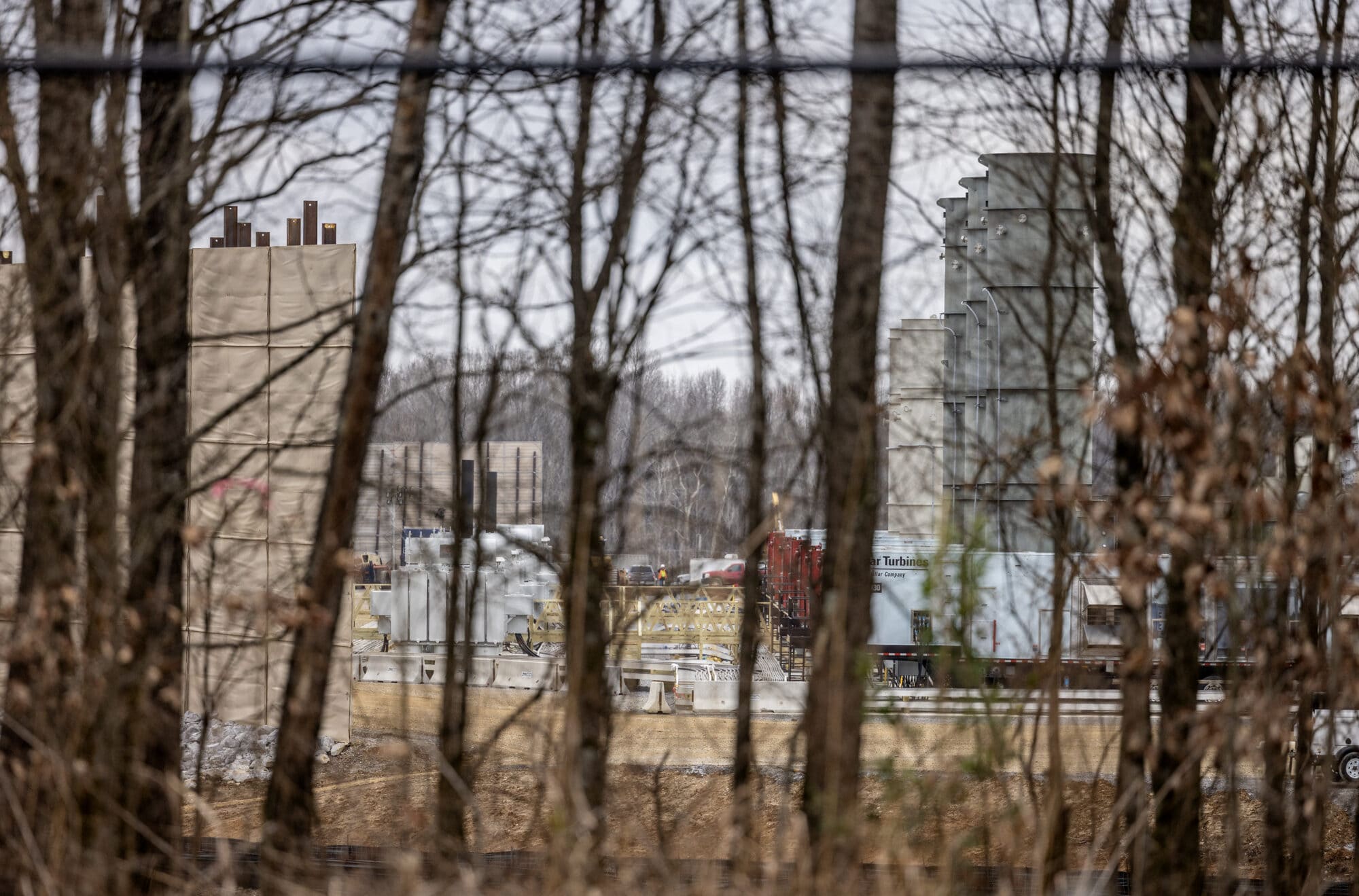
The NAACP is suing the company, now known as SpaceXAI, over its use of 69 gas turbines to power its data center in Southaven. In the suit, the organization alleges that SpaceXAI is polluting the air and violating the federal Clean Air Act. It has asked U.S. District Judge Debra Brown to prohibit the company from operating the turbines unless they go through the state permitting process. 

In June, the Department of Justice filed a motion to join the lawsuit with SpaceXAI. The DOJ said it could intervene because the suit deals with a federal law, and that the company’s data center is “a matter of paramount national security.” The company’s artificial intelligence chatbot, Grok, has helped launch missiles during the conflict with Iran.   

When the company first set up the turbines last year, the Mississippi Department of Environmental Quality told the company that it would not need air permits to operate because the turbines are “temporary” and “mobile.” 

The turbines are mounted on top of trailers and can operate for up to 12 months. However, MDEQ recently allowed the company to continue operating some of the generators for an additional five months due to a delay of the permanent turbines, which have air permits.

MDEQ maintains that the temporary turbines are operating in compliance with state regulations.

The Trump administration argued that it could dismiss the case because a federal agency, the Environmental Protection Agency, enforces the Clean Air Act. Brown denied the request to dismiss the case.

“The EPA’s role as a primary enforcer of the Clean Air Act does not mean that the federal government retains complete control over all Clean Air Act litigation,” Brown wrote in court filings.

“Congress intended to allow individuals to sue even when federal and state governments may, for whatever reason, decline to enforce the Clean Air Act,” Brown wrote. 

Receiver leading the Hinds County jail says officials give him too little money and information

0
Audio articles are automated for accessibility. Humans wrote and edited the story; however, this audio has not been reviewed for accuracy and may contain errors. Read more about how we use AI to increase access to our reporting.

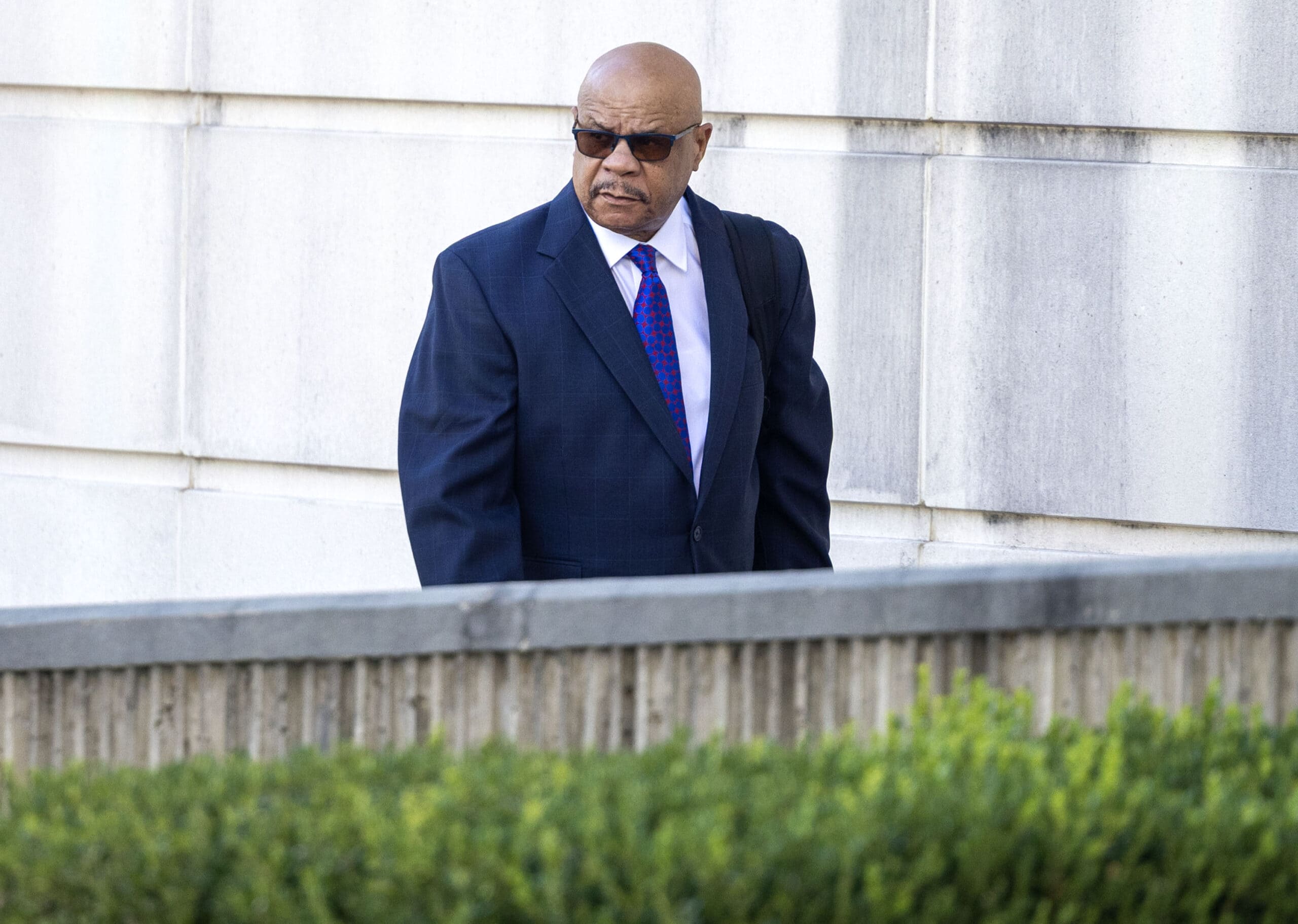
Hinds County Board of Supervisors President Robert Graham leaned over the wooden barrier dividing the courtroom from the sparse audience inside the federal courthouse in downtown Jackson. 

“This is a waste of time,” Graham said of Tuesday’s hearing about the troubled Hinds County Detention Center in Raymond. 

Technical difficulties with a projector had just led U.S. District Judge Carlton Reeves to pause the proceedings. Reeves had been in the midst of unpacking a thorny dispute over the jail’s budget between his appointed receiver, Maryland-based public safety consultant Wendell France Sr., and Hinds County.

France contended the county was providing him with too little information about the jail’s budget, impeding his efforts to improve unconstitutional conditions at the Raymond Detention Center, the county’s most troubled facility and the one under his direct control. 

“My only recourse was to come to court and say we didn’t approve a budget,” France told the judge. “I’m not sure what else I’m supposed to do as the receiver.” 

Through Nick Morisani, a private attorney hired to fight the federal consent decree, the county claimed it had, in fact, provided France with adequate information and resources. 

But when the court finally got its projector working, Morisani presented Reeves with a spreadsheet showing France had received significantly less money than he requested for salaries and capital improvements. 

The back-and-forth ultimately concluded with Reeves suggesting he would order the county to move detainees out of the Raymond Detention Center if it continues to obstruct France’s efforts to improve the unconstitutional conditions. 

“I’m not sure that anybody needs to be in the RDC period right now,” Reeves said. 

Morisani defended the county, asserting that France had $2 million left over from last year’s budget that he hadn’t spent. To this, France said he had overspent the jail’s budget, citing a line-item for professional services the county spent $3 million on last year despite originally allocating $150,000. 

France said he did not know what caused the overspending. “Tell me what the money is for,” he said. 

The path forward, Morisani said, could be clearer if the receiver would spend the money the county already gave him. 

“Maybe cooler heads can prevail that way,” Morisani said. 

“I don’t know if there are uncool heads around, Mr. Morisani,” Reeves responded. 

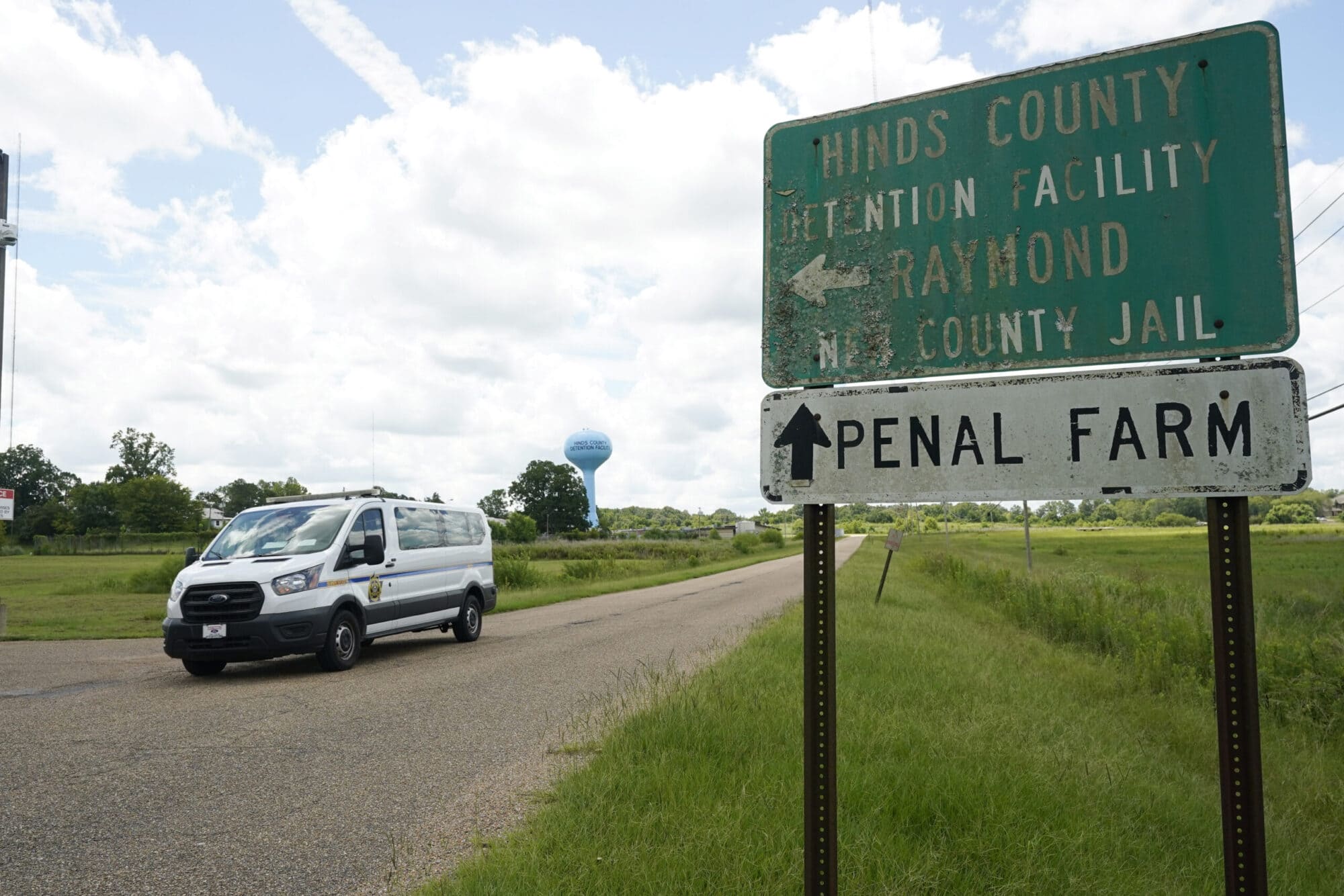
A Hinds County Sheriff’s Office van passes by the entrance to the Hinds County Detention Facility in Raymond, Miss., Monday, Aug. 1, 2022. On Friday, July 29, U.S. District Judge Carlton Reeves, placed the center into receivership after citing “severely deficient” conditions at the facility. Credit: AP Photo/Rogelio V. Solis

Reeves, the county, and Christopher Cheng, an attorney with the U.S Department of Justice, also haggled over how to interpret a 5th U.S. Circuit Court of Appeals order limiting the receivership’s scope. 

At one point, Morisani suggested the county would appeal if Reeves tried to direct its budget – an argument that drew a sharp response from the judge. 

“Well, I know we stayed at the 5th Circuit for over a year, and conditions got far worse,” Reeves said. “We can go back down that path again if that’s where Hinds County is going to drag the court.” 

The contentious hearing came more than a year after France finally assumed operational control of the Raymond Detention Center, a rare move that has occurred in a handful of jails and prisons around the country. 

In that time, the jail has continued to be crowded and deadly. 

“We should not get so tied up in the abstract budget issue that we miss the whole point,” Cheng said. 

In April, three men charged in a shooting at a south Jackson apartment complex were attacked within 24 hours of each other. Two of the suspects were housed in Raymond and a third suspect was housed at the Tallahatchie County Correctional Facility in the Mississippi Delta. 

Over the summer, an 18-year-old was stomped to death in the Raymond jail, just days after he was booked and arrested in connection to a killing at the same south Jackson apartment complex. A video of the beating circulated on social media. 

The county also admitted to Reeves that it was going to miss yet another self-imposed deadline on its main solution to the problems at its Raymond jail: Finishing construction on a new detention center just south of downtown Jackson. 

Reeves asked the county if it was going to hire enough people to staff the new facility. The county admitted it did not have a plan. 

“It’s a national problem, but it seems like when it comes to Hinds County that it’s only a Hinds County problem,” John Hall, an attorney representing Sheriff Tyree Jones, said of staffing at jails and prisons. 

In 2016, the U.S. Department of Justice sued the county alleging a pattern or practice of unconstitutional conditions in its detention facilities. The county and DOJ entered a consent decree with a list of changes to address jail conditions.

One year after Leland mass shooting, no indictments, only questions

0
Audio articles are automated for accessibility. Humans wrote and edited the story; however, this audio has not been reviewed for accuracy and may contain errors. Read more about how we use AI to increase access to our reporting.

Leland has marked a year since a homecoming block party in the heart of downtown erupted in gunfire, claiming the lives of eight people and leaving grieving families and the community to process the tragedy. 

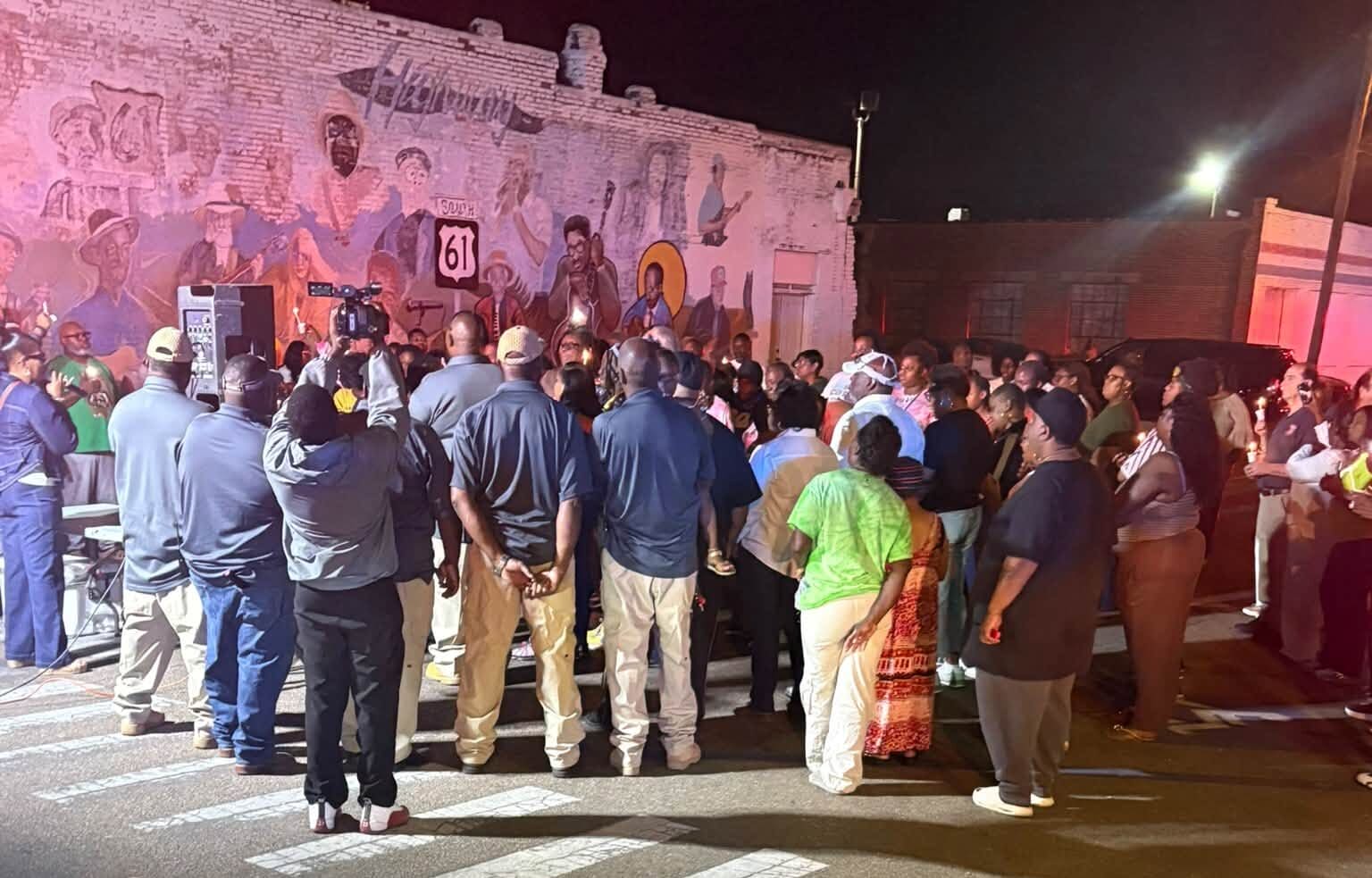
Families of the victims and residents returned to Main and Fourth Streets on the Oct. 11 anniversary of the nation’s deadliest mass shooting of 2025. Instead of chaos and people seeking cover from gunfire, the memorial offered music, prayer, candlelight and a balloon release. 

More people flock into town this week for Leland High School’s Friday homecoming festivities. Meanwhile, court records and statements from officials offer little indication of progress in the shooting investigation. No one’s been indicted, few have been charged and no motives have been established.

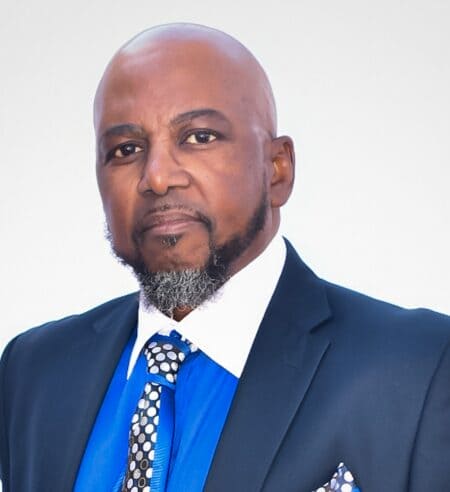
Leland Mayor John Lee Credit: Leland website

Leland Mayor John Lee said families and the community are still wondering why the tragedy happened and lacking the closure that only trials and convictions can begin to provide. 

“That’s going to be delayed,” Lee told Mississippi Today, noting that few cases have been brought forward in court. 

The eight who died are remembered: 

  • Oreshama Johnson, 41, was a Leland High School alum who enjoyed working with children. Shelbyona Powell, 25, of Greenville, liked to sing, dance and spend time with family.  Ebanee Williams, 25, graduated fourth in her class from South Delta High School in Rolling Fork and was called a fearless, artistic free spirit. 

Sixteen other people were wounded.

Authorities have charged and publicly identified five people they say were involved. But state and federal court records show none has been indicted for murder, while one has pleaded guilty to a potentially related gun possession charge and is now in federal prison. 

Local, county, state and federal agencies have investigated the case, which remains active and open. It is a complex case with no established timeline to complete the investigation, said Alex Gibert, a spokesperson for the Department of Public Safety. DPS oversees the Mississippi Bureau of Investigation, the Office of Homeland Security and the Bureau of Narcotics, which are among agencies involved in the investigation. 

“We recognize the tremendous impact this tragedy has had on the victims’ families, the Leland community, and the state of Mississippi. We understand the desire for answers and appreciate the patience of those affected as investigators continue their work,” the department said in an statement to Mississippi Today. 

“Our priority remains conducting a thorough investigation and ensuring that any findings are supported by the evidence.”

An early theory the FBI gave for motive was that the shooting may have been “sparked by a disagreement among several individuals.”

Gibert, though, would not comment about a potential motive, any firearms evidence collected, whether any evidence has been tested or other details “that could compromise the integrity of the case.” 

A bullet casing near the curb of North Main Street in Leland, Monday, Oct. 13, 2025, where a shooting resulted in multiple fatalities during a homecoming celebration days earlier. Credit: Vickie D. King/Mississippi Today

FBI Jackson Field Office spokesperson Marshay Lawson referred comment to the Leland Police Department, which she said was the primary investigator who invited the bureau to assist. 

Leland Police Chief Isaac Morris Sr. reiterated that the investigation is ongoing. Morris, who became chief in August, said much of that investigation had already been done under the previous administration. Jimmy Myrick was the chief when last year’s shooting happened and he was the department’s leader until his termination in the spring.  

The FBI released five names of people allegedly linked to the mass shooting. Terrogernal S. Martin, 33; Morgan Lattimore, 25; Teviyon L. Powell, 29 and William Bryant, 29 were charged with capital murder. Latoya A. Powell, 44, was charged with attempted murder.  

Investigators contacted in the past two weeks did not say whether additional people have been charged in connection to the shooting. 

Five suspects have been held at the Washington County Regional Correctional Facility in Greenville since last year, according to court records. 

Meanwhile, grand juries have met four times in Washington County to consider cases for indictment. Grand jury proceedings are secret, so it isn’t known if anyone has been indicted in the case. But indictments are typically public once suspects are served, which is something that could be done in this case with most of the known suspects in jail. 

Detainee awaits indictment a year later

Among those arrested in the mass shooting is Morgan Lattimore, whom authorities identified as being 25, although arrest records show his date of birth in 2008 would have made him 16 at the time of the arrest. He was charged with eight counts of capital murder and one count of attempted murder.

The high school student has had no prior convictions, according to his attorney. Lattimore missed his entire junior year and what currently would be his senior year. 

Lattimore’s bond was initially set at a $3.05 million cash bond – a figure he cannot afford and his attorney asked to be reduced. 

It took until at least June for his bond to be brought down to a $500,000 surety bond and for him to be housed separately from adults at the jail, according to a bond motion filed by his attorney, Stephen Edwards Jr., the Washington County public defender. 

On Oct. 12, Lattimore had a second bond hearing in Washington County Circuit Court, which led to a second reduction of $250,000. 

A surety bond enables his family to use a bondsman who can pay the full amount while the family pays 10%. Lattimore’s initial cash bond meant his family would have had to pay the entire amount without help. 

Edwards declined to comment on his client’s case. But in a Sept. 28 motion for bond reduction, the attorney argued that a lower bond would help his family make the payment and bring him home to Leland to await trial should he ultimately be indicted. 

Other suspects from the shooting have also had bond hearings this year, resulting in bond reductions from the million-dollar cash amounts to surety bonds ranging from $50,000 to $250,000, according to court records. 

Edwards has questioned since last December what evidence exists to establish probable cause that Lattimore shot and killed eight people and attempted to kill another at the homecoming block party. 

The attorney wrote that the only evidence presented at a December 2025 preliminary hearing for Lattimore and five co-defendants was testimony from an MBI agent who saw video of the incident.

Edwards said the video wasn’t provided to him or the court. According to the agent’s testimony, the video showed shots were fired from north of the crowd and some returned fire. The agent testified that Lattimore ran, took cover and returned shots, firing off “less than five shots,” according to court records.

Crime scene tape remains at the scene on North Main Street in Leland, Monday, Oct. 13, 2025, where a shooting resulted in multiple fatalities during a homecoming celebration days earlier. Credit: Vickie D. King/Mississippi Today

But Lattimore did not fire the initial shot, nor was he in the area where the initial shot took place, Edwards wrote. Testimony didn’t indicate who or what Lattimore shot at and if his bullets struck anyone. Lattimore also cooperated with the FBI, giving them a statement and his gun, according to his attorney. 

“The MBI essentially testified that Mr. Lattimore and others were charged because they chose not to keep running and taking cover, instead choosing to shoot back,” Edwards wrote in a December 2025 petition for writ of habeas corpus, a civil legal filing that allows people to challenge their detention. 

Washington County Circuit Judge Ashley Hines held a hearing in February at which a portion of surveillance video was played in court.  

The video showed Latimore in a crowd of people running after gunfire went off and how he fired fewer than five shots, court records state. That video also showed him among a group that took cover behind a vehicle and then running inside a building for safety. 

In April, Hines found probable cause to charge Lattimore with eight counts of capital murder. 

“Although he was not the only shooter or initial shooter, Lattimore had a gun which he shot multiple times,” Hines wrote in a March 12 order. “Eight people died and numerous people were injured during the shoot-out.”

Again, the video was not given to defense counsel, Edwards wrote in the September motion to reduce Lattimore’s bond.  

District Attorney Dewayne Richardson, whose district includes Washington County, did not respond to a request for comment about whether the Leland suspects have been indicted or if their cases are expected to be presented to a grand jury. 

Suspect convicted of federal gun charge

Court records show that William Bryant, one of the five the FBI identified was indicted on a federal gun possession charge and took a plea deal in exchange for the government agreeing not to charge him with related offenses, according to court records

The indictment states that he possessed a gun in Leland the day of the mass shooting, but it does not mention a location or time of day that Bryant had the weapon. 

A spokesperson from the U.S. Attorney’s Office for the Northern District declined to comment because of an active investigation. Gregory Park, the federal public defender who represented Bryant, did not respond to a request for comment. 

To help determine how much prison time he should serve, the federal government submitted one exhibit: Video of the Oct. 11, 2025, mass shooting. Mississippi Today has not been able to obtain a copy of the video or view it, and it is unclear whether it’s the same video Lattimore’s attorney has referenced. 

By July, he was sentenced to serve three years.

Undercurrent of public mistrust

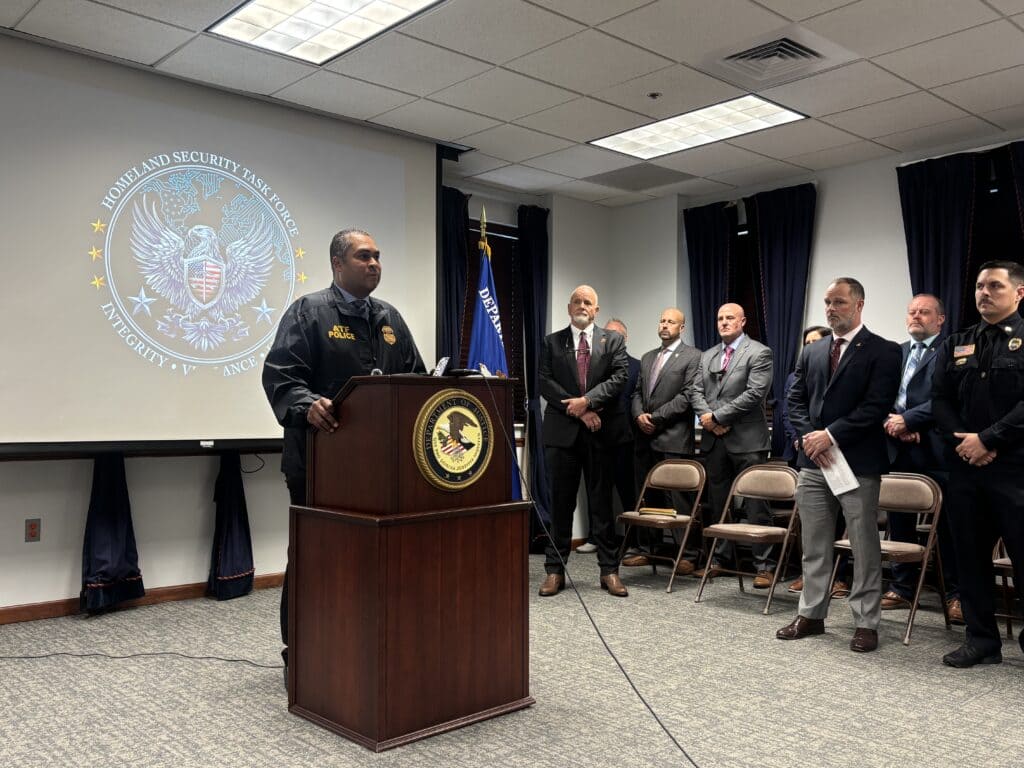
Joshua Jackson, special agent in charge of the Bureau of the ATF division overseeing Mississippi, announces his agents’ takedown of a trafficking ring in the Delta and Tupelo at the U.S. Attorney’s Office in Oxford on Wednesday, Oct. 7, 2026. Local police, state officers and federal agents banded together to execute the operations. Credit: Madeline Nguyen/Mississippi Today

Two weeks after the mass shooting, the FBI arrested more than a dozen law enforcement officers accused of public corruption for accepting bribes and helping to move drugs from the Delta and Tennessee – the culmination of a years-long investigation. 

Those charged include Milton Gaston, the former sheriff of Washington County whose department has been involved in investigating the Leland shooting. 

Since the arrests, at least seven officers have pleaded guilty and one was acquitted. 

At an October 2025 news conference announcing the arrests, Robert Eikhoff, special agent in charge of the FBI Jackson Field Office, said his agents faced initial impediments responding to the Leland shooting because of broken trust in law enforcement. 

“We learned of the community’s distrust of select law enforcement officers due to concerns of corruption,” Eikhoff said. “Law enforcement is only effective when the communities they protect can trust that law enforcement officers are honest in serving the community’s interest. Mississippians deserve and rightfully expect officers to obey their oath.”

Leland to return for homecoming

Across the Delta, homecoming traditions such as pageantry, football, music and tailgating continued despite homecoming-related shootings last year in Leland and Rolling Fork. 

For Leland, homecoming celebrations this year will look different than years before, local leaders said. 

The parade was moved to 10 a.m. from the afternoon on Friday, and the football game will start at 2 p.m. Leland police officers and Washington County sheriff’s deputies plan to provide security at the game, said Mayor Lee. 

Lee said some of the most noticeable changes will be no more tailgating and large gatherings on school or city property. He said people can still celebrate at home, saying it’s a right the city can’t “(take) away from them.” 

Chief Morris said his department has worked with the school district on safety, and he credited the district for safety measures such as bag checks and metal detectors that have resulted in no issues at games this season. 

“This is the one year anniversary of the mass shooting and we want to make sure everyone feels safe and comfortable coming to the game,” he said. 

“We’ll be happy for them to come back,” Morris said, “and celebrate our homecoming, as always.”

New video shows chaotic moments before Senatobia police shot toddler

0
Audio articles are automated for accessibility. Humans wrote and edited the story; however, this audio has not been reviewed for accuracy and may contain errors. Read more about how we use AI to increase access to our reporting.

Joseph Cranney is a reporter at Verite News. Mukta Joshi is a reporter at Mississippi Today. She is spending a year as a New York Times Local Investigations fellow. Eduardo Medina is a reporter covering the South for The New York Times. Devon Lum is a reporter on the Visual Investigations team at The New York Times.

Moments before a Mississippi police officer fired at a car in June, killing a toddler inside, five officers rushed out to a Walmart parking lot in pursuit of two women who were accused of stealing diapers and baby clothes.

Newly released videos show a gray sedan, carrying 1-year-old Kohen Wiley, his mother and another woman, reversing and slamming into a parked vehicle as police officers run toward the car and order the driver to stop.

As the car stops, the officers approach and surround the vehicle before the driver accelerates and lurches left, appearing to travel toward at least one of the officers before passing between two of them. At least one officer shoots into the vehicle.

The chaotic scene in Senatobia, captured on body cameras worn by two of the five officers and by surveillance cameras, provides the first glimpse of a shooting that has rocked the tiny city and raised questions about whether the officer was justified in opening fire at the vehicle.

This undated photo shows Kohen Wiley. The Mississippi Department of Public Safety says a police officer responding to a shoplifting call on Sunday, June 14, 2026, shot at a car that allegedly drove in the officer’s direction, with 1-year-old Kohen as a passenger. Credit: Courtesy of Carlos Haynes and Veronica Robinson

The Mississippi attorney general’s office, which declined to comment on the video, announced on Monday that it would not bring criminal charges against the officer who fatally shot Kohen.

The compilation of several body-cam and surveillance clips was first published by a Mississippi news outlet, Darkhorse Press. A law enforcement official confirmed its authenticity on the condition of anonymity because the official was not authorized to provide information about sensitive matters. A video analysis by The New York Times, Mississippi Today and Verite News showed the footage matched portions of video of the shooting captured by a bystander.

The body-cam footage released Tuesday is from the perspective of two of the law enforcement officers who responded to the scene in June, but not from the officer who fired. It does not show the entirety of the police response, nor does it clearly show Kohen, his mother and the other woman driving the vehicle.

The body-cam footage begins from the perspective of one of the officers, whose identity is unknown. It shows him rushing toward the gray sedan.

The footage then shows the vehicle move in reverse and hit a parked S.U.V. as officers approach, yelling at the driver to stop. When the sedan moves forward, at least one officer appears to be in front of it on the passenger’s side; a second officer also stands near the vehicle, closer to the driver’s side. Both have their guns drawn. As the vehicle approaches them, at least one of the officers opens fire. The officer appears to fire three more times while standing to the side of the vehicle.

Grainy surveillance footage included in the compilation published by Darkhorse Press also captures the moments from more of a bird’s-eye view. In that footage, two women — one holding a child — are seen running toward a vehicle and reversing in it as law enforcement officers chase them.

More video of the incident has yet to be seen by the public. Kohen’s family is scheduled to view it Thursday morning. Veronica Roberson, the toddler’s grandmother, said state officials had informed the family that the footage included surveillance videos from Walmart, along with five body-worn cameras.

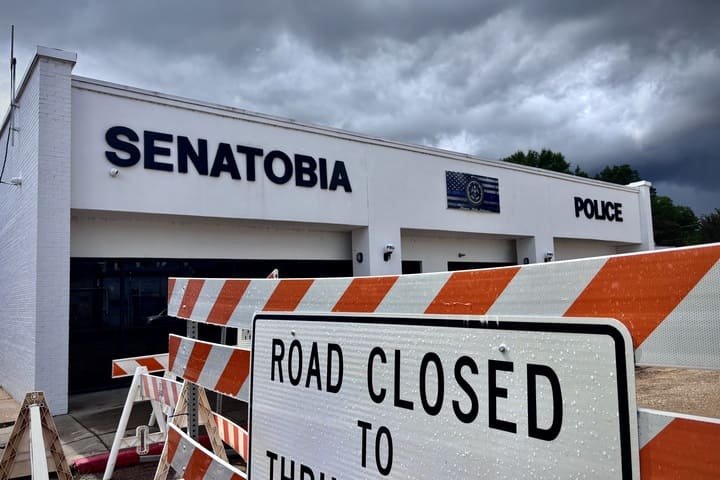
The Senatobia Police Department on Wednesday, July 15, 2026.
Credit: Mukta Joshi/Mississippi Today

Hunter Foster, an officer with the Senatobia Police Department, was placed on leave while state authorities investigated his actions at the Walmart. Although he has not been named as the one who opened fire, Officer Foster is the only officer among those present that day who was placed on leave.

The shooting death touched off weeks of protests and calls for transparency in Senatobia, a city of roughly 8,400 located roughly 40 miles south of Memphis. Activists and Kohen’s family had been calling on the authorities to release police body-camera or dashcam footage.

Kohen’s mother, Vellesiya Wiley, said she had been holding her son in her arms in the front passenger seat when the driver, Latoya Ferrell, tried to back out of a space and then drive forward. Ms. Ferrell was seriously injured. 

In the hours after the shooting, the Mississippi Bureau of Investigation issued a statement saying the police had fired at a vehicle when it drove toward an officer, “almost striking” one.

Attorney General Lynn Fitch, a Republican who is running for governor next year, has been Mississippi’s top prosecutor since 2020 and a vocal supporter of law enforcement, even as the Legislature has delegated her office the duty of reviewing investigations of police shootings and deciding whether to seek criminal charges. In late September, Fitch said she had cleared police in 82 of 86 officer-involved shootings during her time in office.

In a 2024 statement, she said, “The good men and women who wear the uniform to keep us safe and maintain law and order in our communities need to know that their Attorney General will always have their back. We are their partners and whether we call it Back the Blue or Back the Badge or Blue Lives Matter, it all comes down to this: Supporting law enforcement is the right thing to do.”

Jerry Mitchell and Julie Lee of Mississippi Today and Aric Toler and  Alexander Cardia of The New York Times contributed reporting.