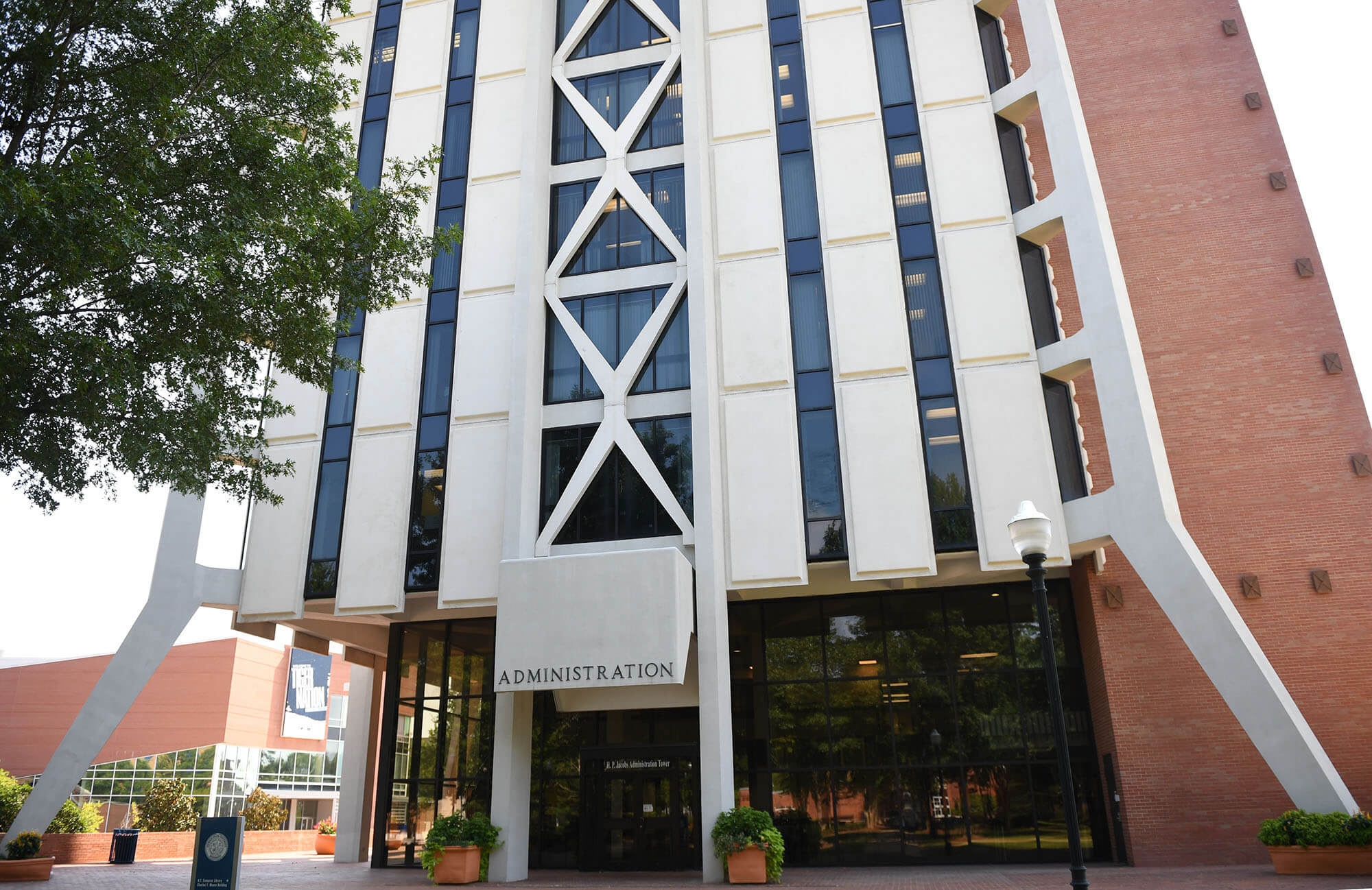
The University of Southern Mississippi and Omega Psi Phi Fraternity Inc. are facing a federal lawsuit from a student who was hospitalized after a hazing incident that resulted in surgery and a blood transfusion.
Rafeal Joseph filed a complaint Monday in federal court in Hattiesburg against the university; Valencia Walls, associate director of USM’s Office of Fraternity and Sorority life; Omega Psi Phi, a national Black fraternity organization; Nu Eta, USM chapter of the fraternity; and multiple other people.
According to the lawsuit, the abuse began in December 2022 when Joseph and other fraternity pledges for the Nu Eta chapter met in the library to have a “haze talk.” Members told pledges they would take their money and food and deprive them of sleep, and that the members would use intimidation and threaten pledges with physical abuse and beatings with a 2×4 plank of wood cut into the shape of a paddle, the lawsuit says.
The culmination of the hazing occurred in April 2023 during the fraternity’s “Hell Night,” a ritual where members beat Joseph and pledges severely with a wooden paddle, the lawsuit alleges. Joseph was sent to the emergency room, spent nearly 11 days in the hospital and had to relearn how to walk, the suit says.
University officials were made aware of the abuse and did nothing to help Joseph or discipline his abusers, according to the lawsuit.
The University of Southern Mississippi and Omega Psi Phi did not respond to Mississippi Today’s request for comment by press time Tuesday.
“We see violent incidents like these time and again across the nation but, instead of taking action, fraternity leaders and university officials alike sweep it under the rug and write it off as ‘boys will be boys,’” Bakari Sellers, a civil rights attorney at Strom Law Firm, who is representing Joseph, said in a press statement. “This isn’t youthful indiscretion. This isn’t tradition and it sure isn’t brotherhood. It’s criminal violence and abuse and it needs to end.”
The lawsuit also alleges that in fall 2022, a student who pledged Nu Eta, months prior to Joseph also suffered hazing injuries, including a torn ligament in his knee. It required the student to use crutches to participate in the fraternity’s probate ceremony. USM did not investigate hazing-related injuries suffered by this student or take action against the fraternity, according to the lawsuit.
“If someone struck a stranger with a 2×4, they’d face criminal charges,” Shequeena McKenzie, an attorney in Jackson who is also representing Joseph, said in a press statement. “USM’s response suggests that the same conduct inside a fraternity is somehow acceptable.”
Joseph is seeking compensation to cover medical bills, loss of income and attorney fees. He is also seeking a court order to stop defendants from continuing alleged behavior while leaving room for other remedies to be granted during a jury trial.
It is another instance in a high-profile hazing case against Omega Psi Phi. Earlier this year, Caleb Wilson, a Southern University student in Louisiana, died in an off-campus hazing incident involving the Beta Sigma chapter of the fraternity. Three members of the organization were later expelled from the fraternity and charged with crimes related to Wilson’s death.
Editor’s note: This essay is part of Mississippi Today Ideas, a platform for thoughtful Mississippians to share fact-based ideas about our state’s past, present and future. You can read more about the section here.
Political violence is no longer an abstract threat but a heavy reality for Americans.
In recent months, we have seen Pennsylvania’s Gov. Josh Shapiro and his family targeted during Passover, a Minnesota state legislator and her husband assassinated in their own home, another Minnesota legislator and his wife shot and now the high-profile killing of Charlie Kirk at a college campus rally. Most Americans are struggling to make sense of the state of our union.
Political fallout related to Kirk’s assassination has been immediate with a chilling effect spreading beyond violence itself.
ABC talk show host Jimmy Kimmel was yanked off the air temporarily for remarks he made about Kirk’s death. Both private citizens and public figures face the threat of professional ruin for speaking, or being perceived as speaking, too freely.
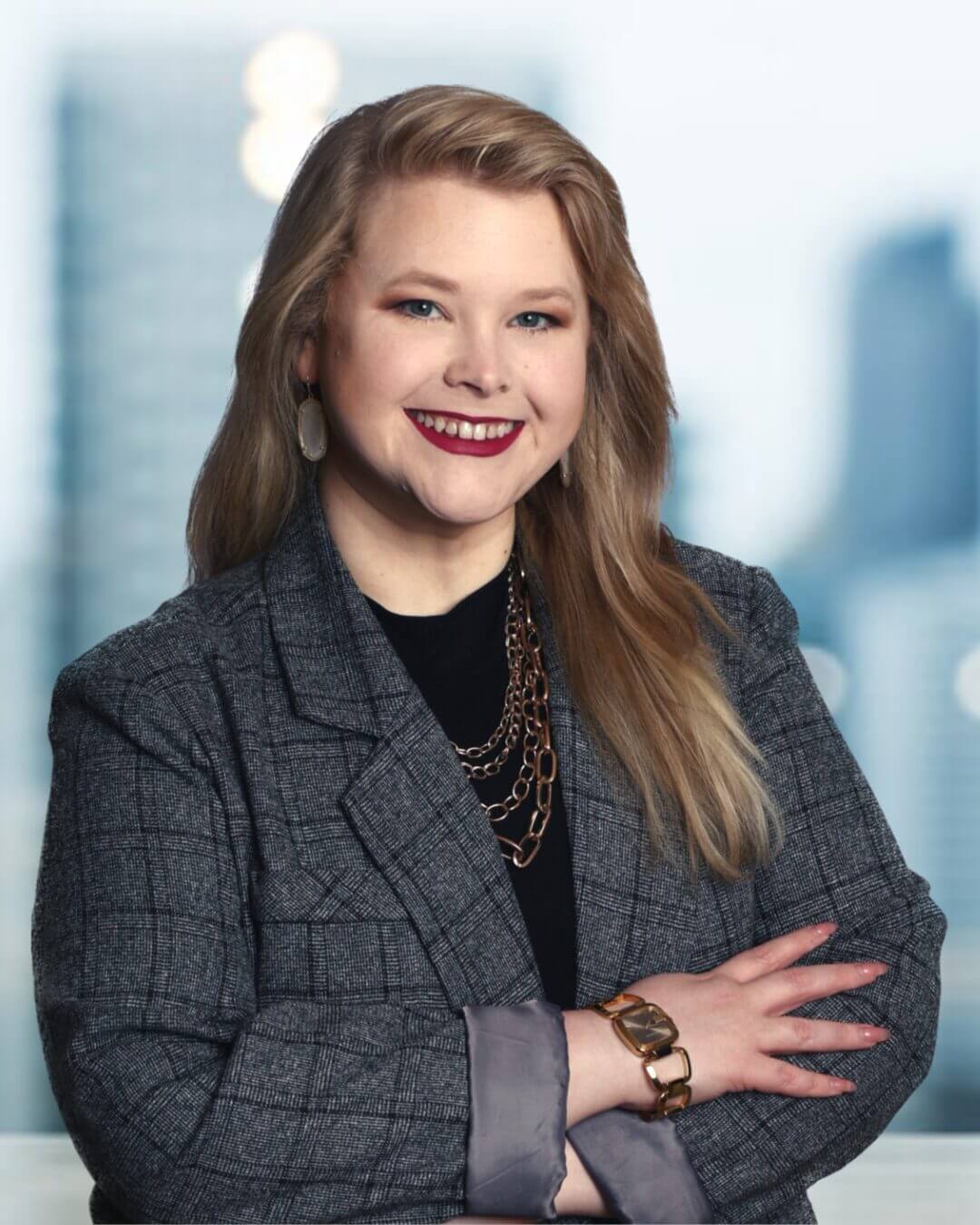
Kimberly Russell Credit: Courtesy photo
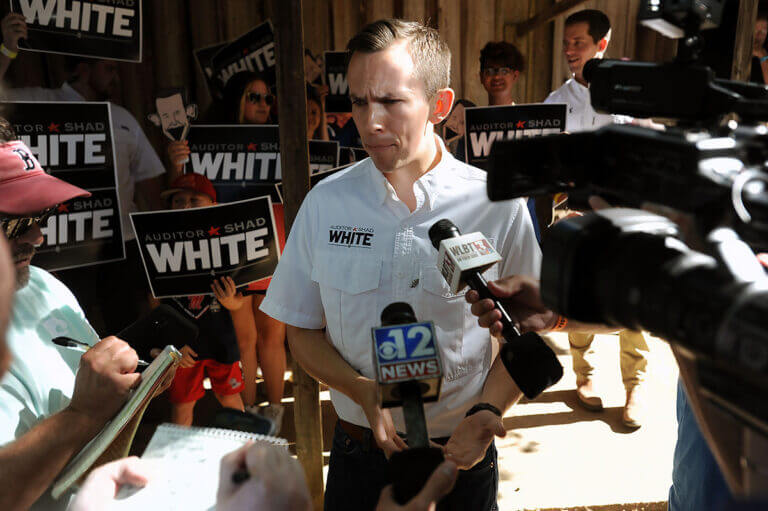
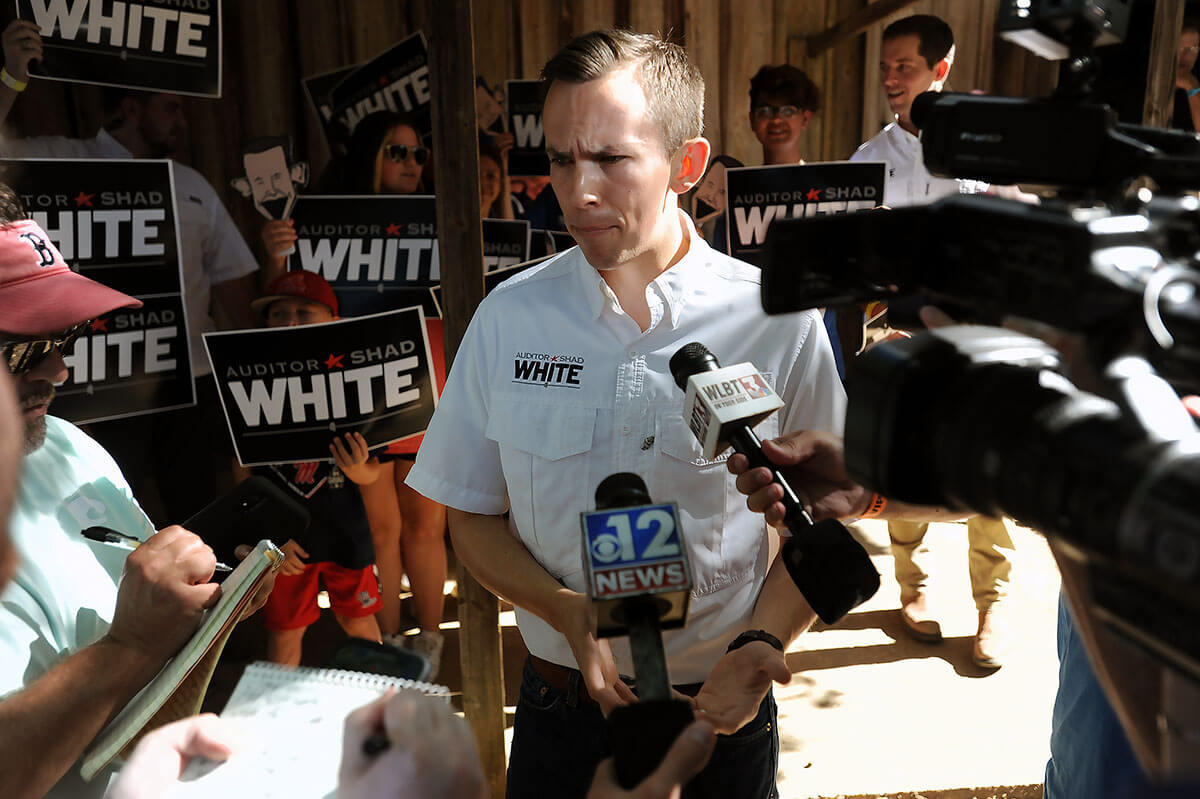
America is wounded. And the role of public officials should be obvious: lower the temperature, uphold the rule of law and safeguard citizens’ rights. Instead, state Auditor Shad White – the first millennial to serve in statewide office in Mississippi – chose to weaponize his platform and power against two women for expressing their views on their personal social media accounts.
On Sept. 11, Auditor White logged onto Facebook and X where he published the headshot, contact information and social media account of a University of Mississippi employee. Two days later, he doxed another Mississippian — a small business owner in Lucedale. With the Lucedale woman, White took it a step further and advised: “Everyone, I would buy from a differently owned local business if I were you.”
What followed should have been predictable and completely foreseeable to a Harvard-trained lawyer like White. Both women and their families received threats. Both now face the possibility of losing livelihoods and reputations they worked years to build.
This was not auditing. This was intimidation. This was the state’s chief watchdog turning his authority into a cudgel against his own constituents.
As state auditor, White has lawful tools at his disposal if he truly believes a public employee engaged in misconduct: internal reviews, disciplinary referrals, even formal investigations. Those mechanisms ensure due process that is the constitutional safeguard protecting every American from arbitrary government action.
White substituted the rule of law for online outrage in direct retaliation against private citizens for speech protected by the First Amendment.
When government officials weaponize their office to punish speech, it doesn’t just chill debate. It endangers lives. The predictable harassment these women now face is not an unfortunate accident; it is the natural consequence of a public official broadcasting their personal information to an inflamed audience of more than 38,000 followers.
What White did is not just bad judgment but an abuse of office. Elected officials swear an oath to their constituents and are bound by fiduciary duties to the taxpayers they serve. Using state resources and official platforms for personal political gain violates that trust and exposes the state, and its taxpayers, to legal liability.
It also sets a precedent no Mississippian wants: Your livelihood, your safety and your family can be put at risk at the whim of a politician chasing clicks. Today, it’s two women who criticized Charlie Kirk. Tomorrow, it could be anyone who dares to speak against those in power.
The irony should not escape anyone: White, who publicly champions Christian conservative values, singled out two vulnerable women at a moment when violence against political dissent dominates national headlines.
True leadership requires empathy and restraint. In his post about the woman in Lucedale, White wrote: “There is no place for political violence in America, even if you disagree with (Kirk).” It is baffling that White condemns political violence when it suits his brand of politics but remains silent while his own actions incite harassment against the very people he swore an oath to protect.
I’ve spent my career representing people and businesses facing government overreach and government failure, often when the stakes are high and emotion flows freely. What happened here in Mississippi is not a local story but a case study in how fragile constitutional protections become when officials place ambition above duty.
From Kimmel being pulled off air, to women in Lucedale and Oxford receiving threats, to families grieving after senseless acts of political violence, the throughline is clear: When speech is chilled, due process is eliminated. When power is abused, our civil rights are not safe.
That is why I fight in the courtroom and in the public square to hold government accountable and to ensure that, even in moments of chaos, the rule of law remains.
If Mississippi’s auditor believes weaponizing his office against his own citizens is acceptable conduct, then he has disqualified himself from holding any public office going forward. Because in America, we do not audit dissent. We audit dollars.
Bio: Kimberly Russell, Esq., is the founder of The Russell Law Firm in Washington. A former journalist turned litigator, she provides strategic support in trials and appeals. Her work focuses on protecting due process and strengthening the rule of law. She grew up in Brandon and earned her law degree from the University of Mississippi.
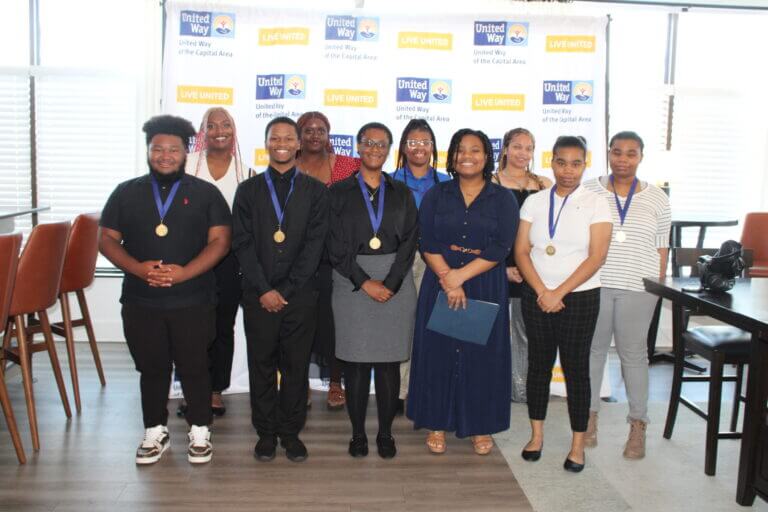
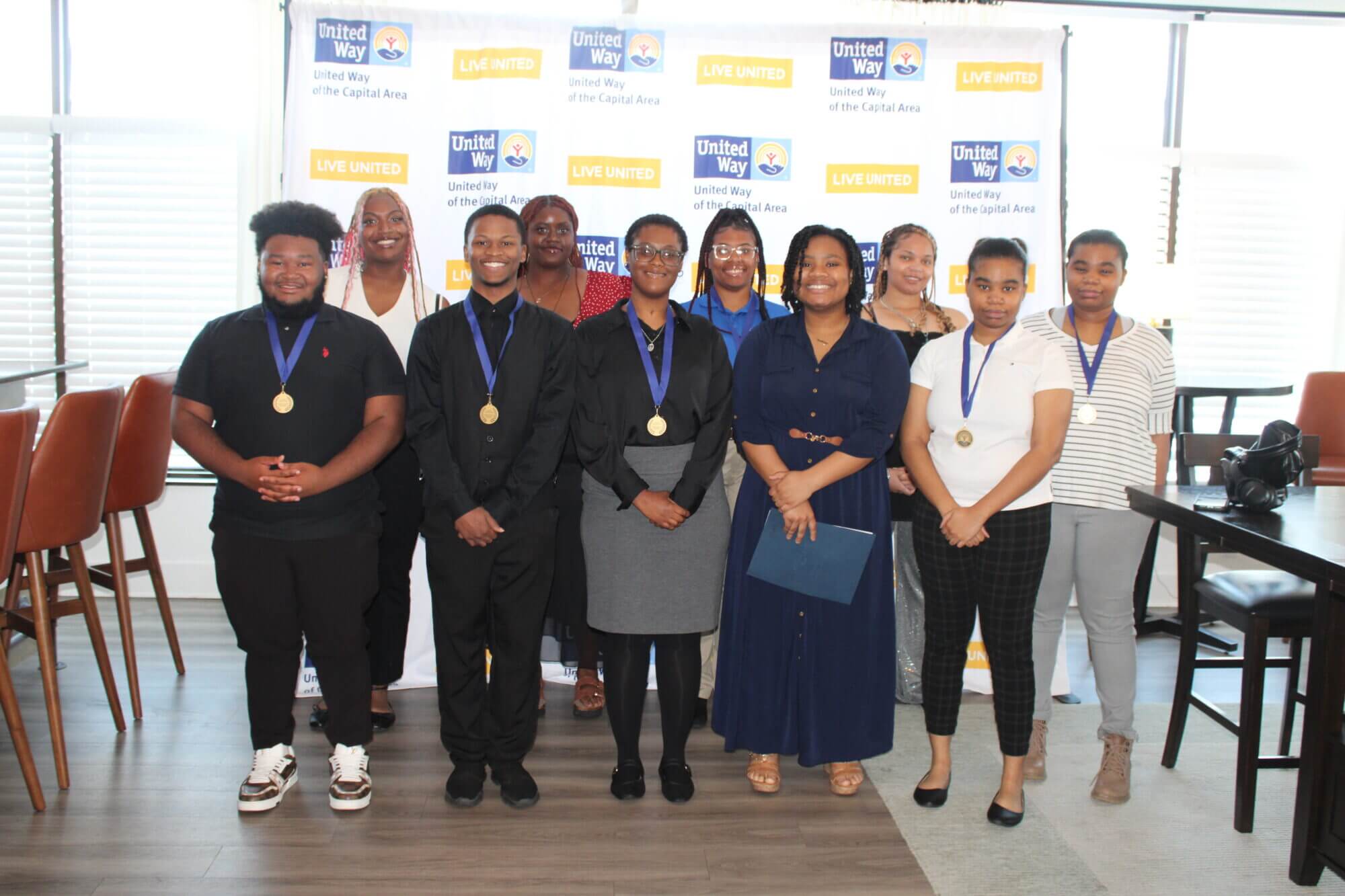
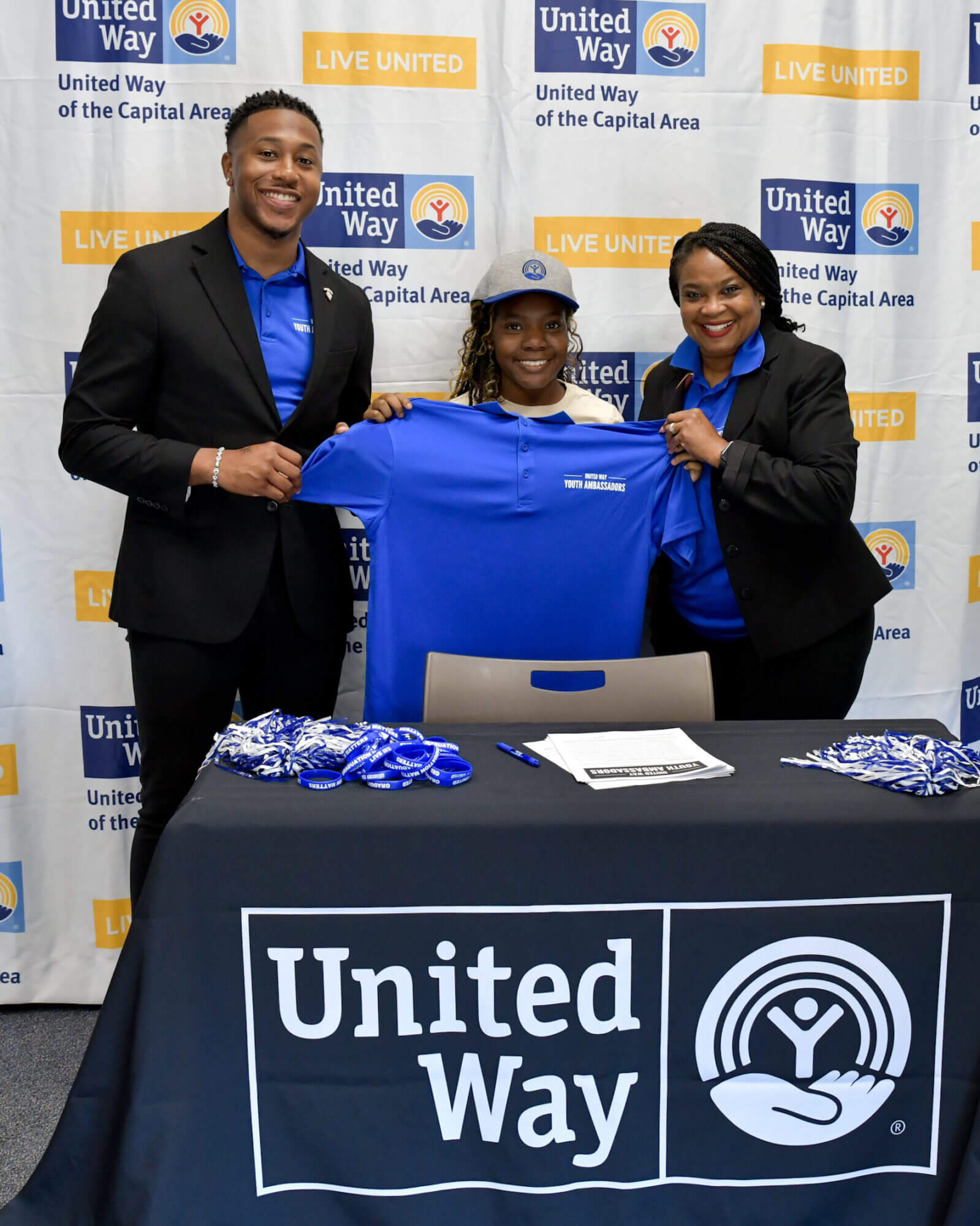
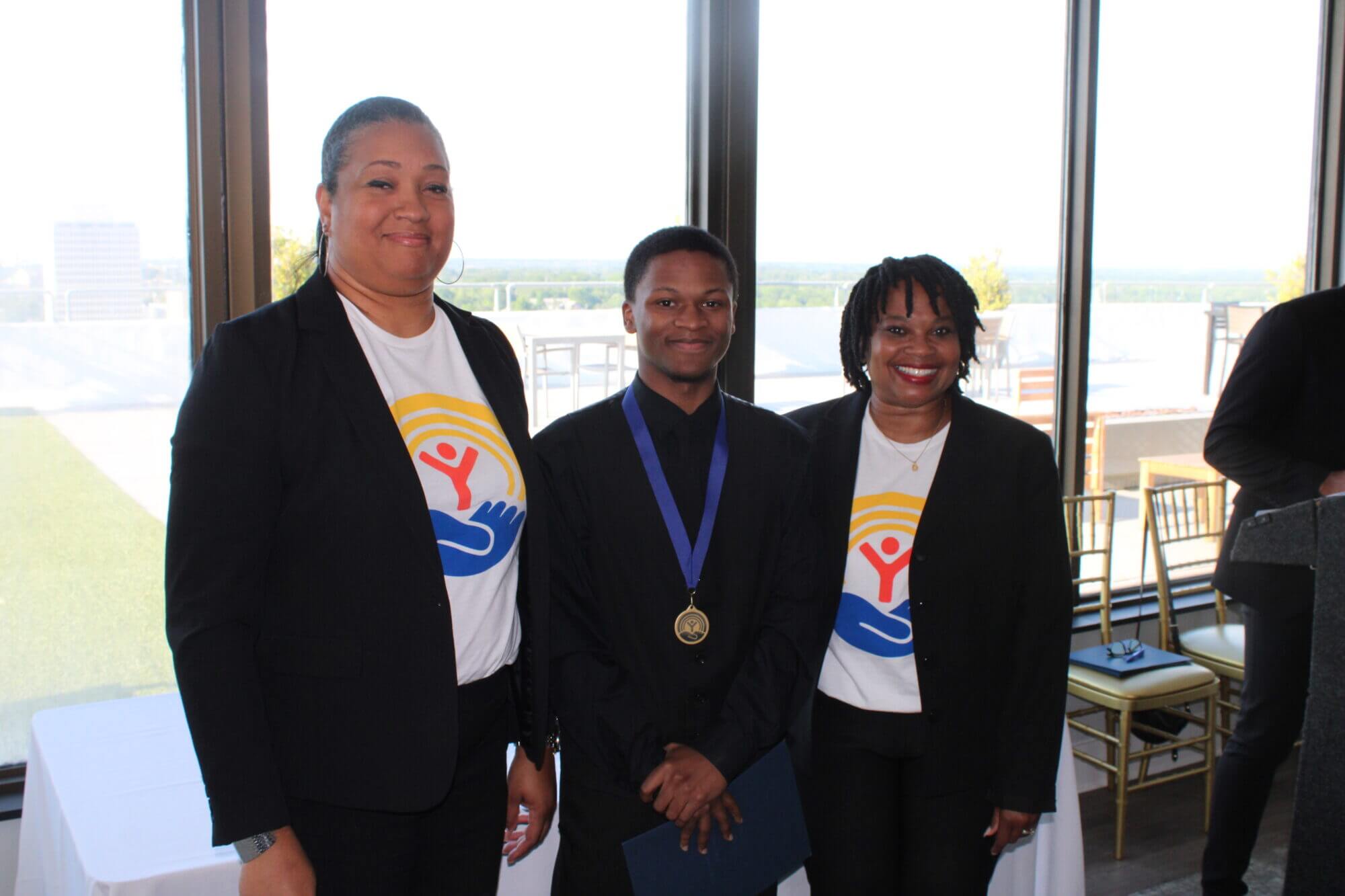
Keedrick Palmer, Director of Youth United, a United Way of the Capital Area program, has a mission that can be summed up in one powerful line: “Preparing next generation’s leaders today.” Motivated by his own experience growing up without strong guidance, Keedrick has been committed to positively shaping young lives since junior high. Now completing his first year leading the Mississippi program, his personal motto, “aspire to inspire,” fuels a passion for empowering students across his home state. Youth United currently operates in schools located in Hinds, Madison, and Rankin County, a two-year commitment for high school juniors who serve as ambassadors through their senior year.
Ashley’s Photography
At the center of Youth United and Keedrick Palmer’s approach are three pillars: community service and visible engagement in local neighborhoods; etiquette and professional presence, including in-person behavior and responsible social media use; and college and career preparation, which covers admissions navigation, scholarship searches, ACT guidance, and interview readiness. Recruitment is promoted through the website, social media, and radio. Students apply on their own, complete a formal application, and attend an in-person interview in professional dress, where they are evaluated on punctuality, preparedness, and communication. High school campus advisors serve as logistical partners for passes and school coordination, but the program emphasizes that selection is rooted in student self-advocacy.
Students say the program is already shaping their outlook. Seneca Kelly, a junior at Terry High School, said, “The program influences my passion for advocacy by giving me more opportunities to meet new people and experience stories from others’ points of view. I plan on using these skills by explaining to others that there is more than one way to look at things and sometimes you have to flip the page to see what you are looking for.”
Ashley’s Photography
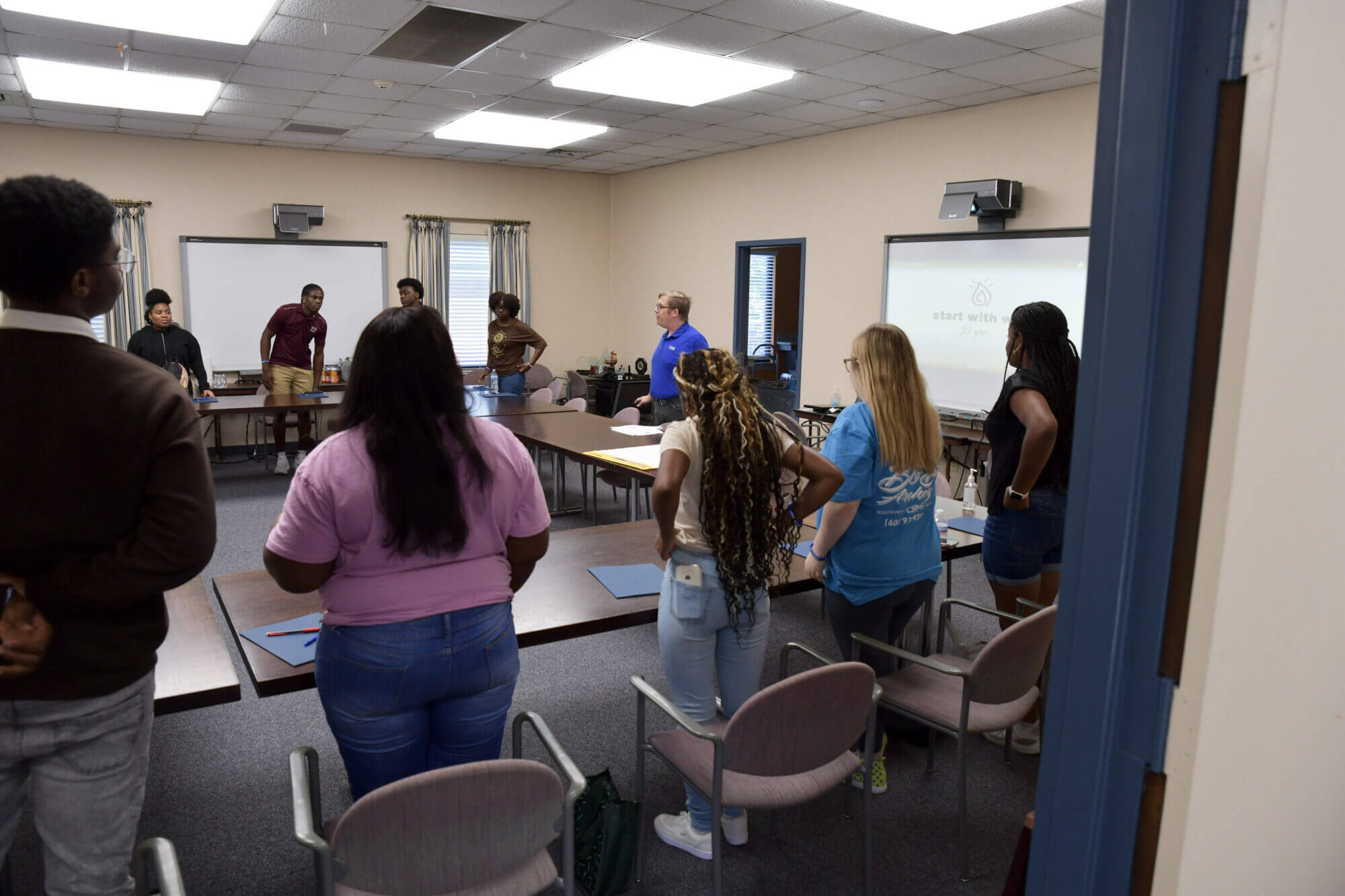
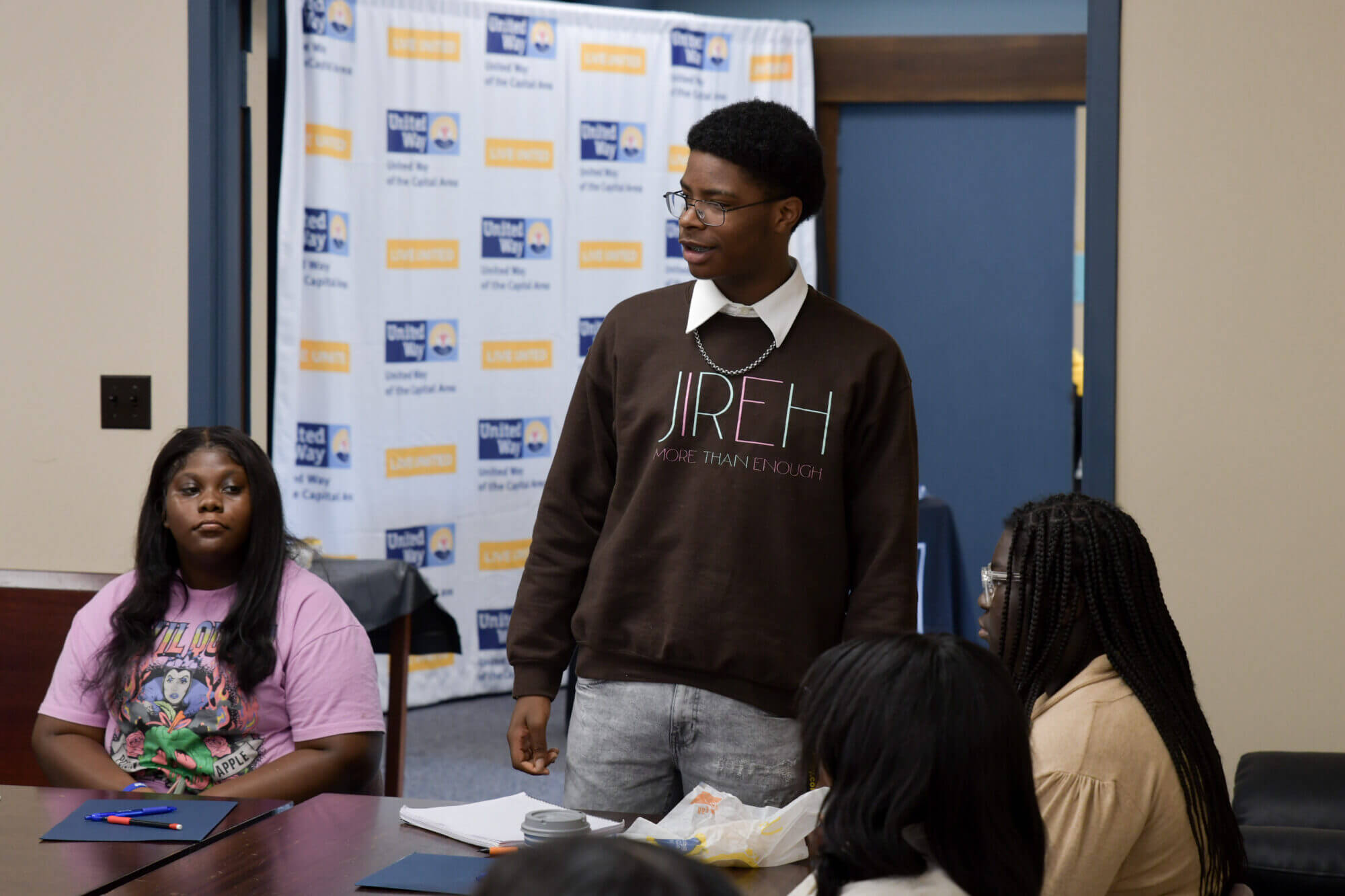
Monthly training takes place through the “Ambassador Bootcamp,” where community leaders, college representatives, legislative trainers, health professionals, and corporate partners offer presentations. Training sessions focus on building public speaking, networking, event planning, advocacy, and collaboration skills. Ambassadors are expected to bring what they learn back to their schools and communities, leading projects that align with United Way’s pillars of Health & Wellness, Education, and Economic Mobility. Students plan and execute engagement, schedule meetings, cultivate partnerships, and run events with minimal adult oversight.
For Ridgeland High School senior Kashvi Sukhadia, the program has changed how she views her community. “Before being a part of it, I often overlooked the challenges of my community, but as I worked on projects, I started to understand how deeply they affect people’s daily lives and why even small problems matter. One project that stood out to me was the Love Yours Health Symposium, a health awareness program that promoted different fields of health. By working on this project, I understood the importance of teamwork while seeing how I could make an impact on people my age by being active and contributing. I not only volunteered but also collaborated with students, guest speakers, and organizations all working side by side. This experience showed me that making an impact on others can be both meaningful to me and helpful to others.”
Ashley’s Photography
Community engagement efforts have included United Way Day at the Capitol, where students meet state legislators to raise issues they see locally; mental health symposiums; college and career fairs; school cleanups and “adopt a hallway” initiatives; mentoring and reading at elementary schools; and visits to nursing homes with snacks, crafts, and companionship. Students research local problems, identify resources, and design events as practical solutions.
Clinton High School junior Kerri West said the Ambassadors Program has helped her build essential leadership skills and collaborate with a network of like-minded peers and mentors. “A moment that made me feel proud was coming up with ideas and working with my peers on ways we could help different areas in our community,” she said.
Dr. Roosevelt Littleton
The program measures success in terms of students reached, service events completed, and attendance figures. Other measures include pre- and post-program self-assessments, surveys, and visible growth in confidence and leadership behavior. Participation, punctuality, follow-through on projects, and, when possible, college acceptances and scholarships are also tracked.
Keedrick acknowledges there are challenges. However, he remains optimistic about the program’s future. Plans include prioritizing fundraising to strengthen school-based events around college, careers, and mental health, and eventually creating an ambassador leadership retreat in Washington, D.C.
Mississippi Attorney General Lynn Fitch and Jackson Mayor John Horhn signaled the state’s local opioid settlement dollars could continue to mostly be spent for purposes unrelated to addiction as they touted the importance of doing everything possible to address the fentanyl crisis.
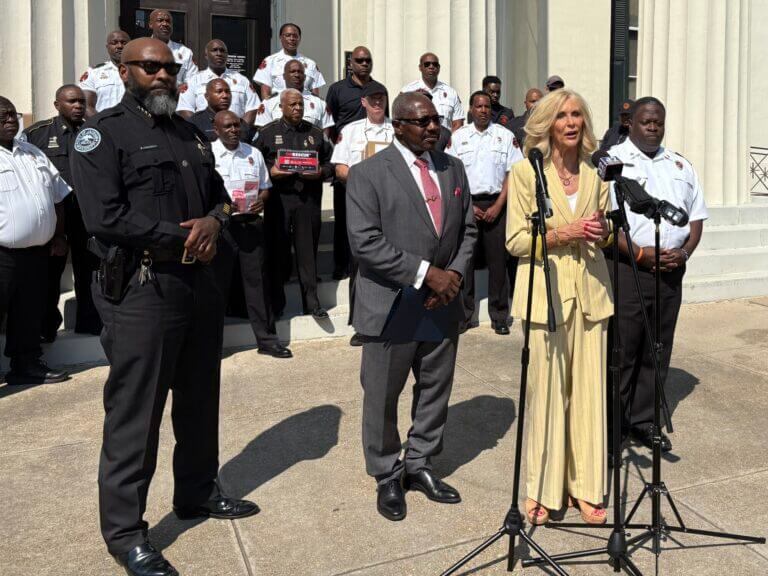
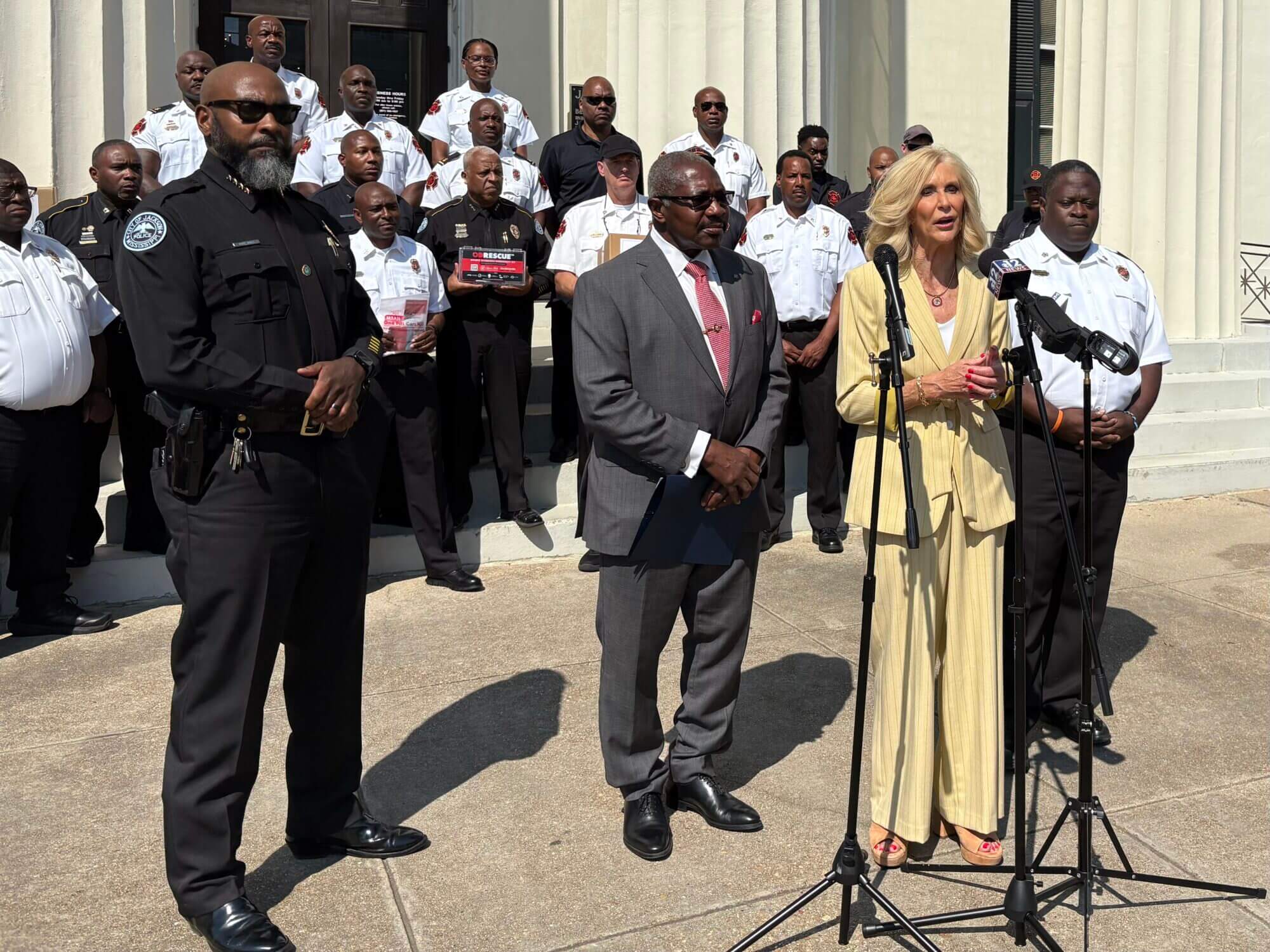
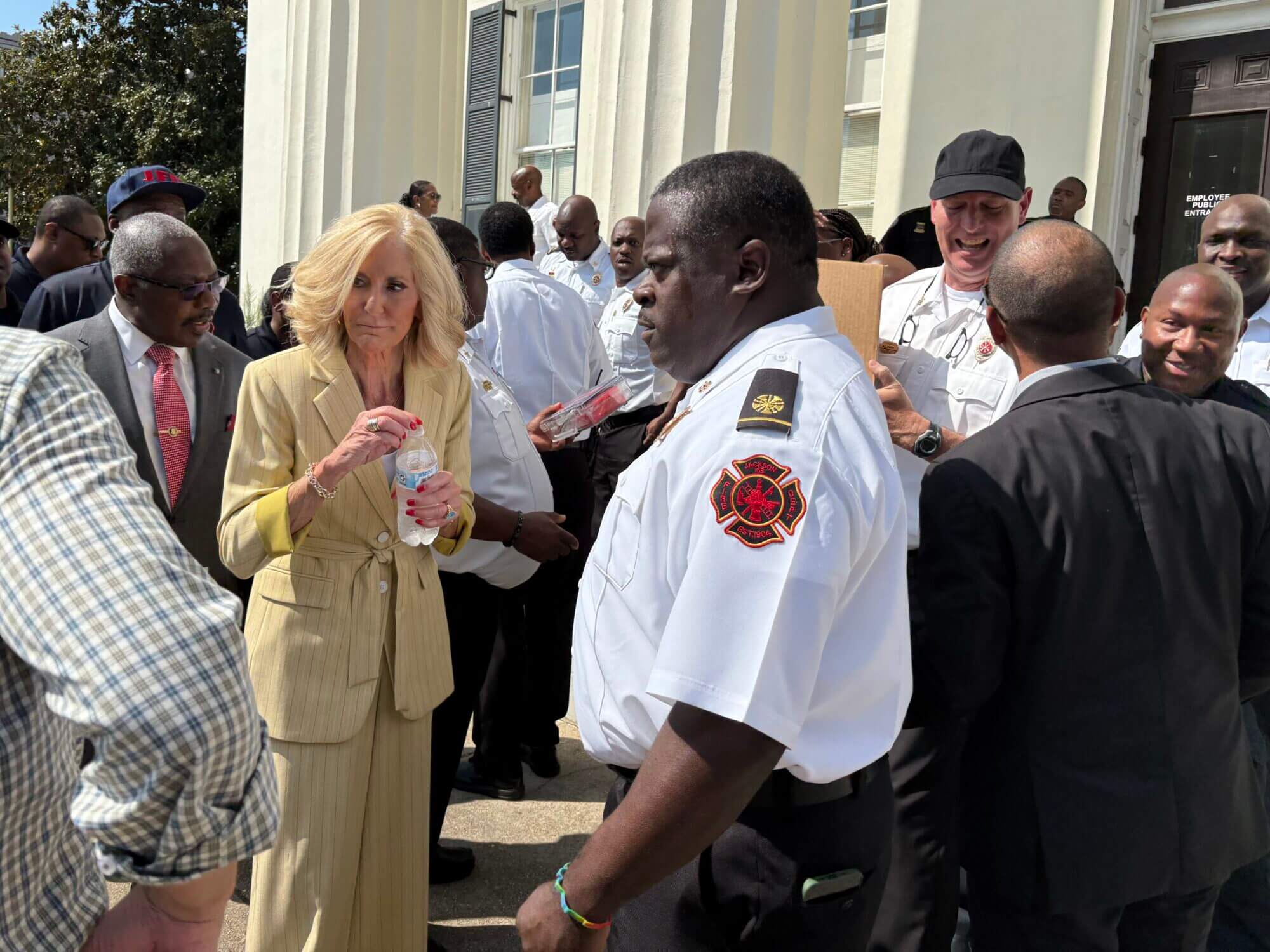
Horhn and Fitch held a joint press conference Monday morning in front of Jackson city hall to highlight that the city’s fire and police stations would now be stocked with the opioid overdose-reversing medication naloxone. It’s part of Fitch’s “One Pill Can Kill” campaign, a public awareness effort not funded by opioid settlement money to prevent fatal fentanyl overdoses.
Horhn spoke about the urgent need to prevent overdoses as he, Fitch, Interim Jackson Police Chief Tyree Jones and Interim Fire Chief Rasean Thomas stood in front of media microphones.
“Anything we can do to help mitigate the dangers posed by fentanyl use is a good thing,” Horhn told reporters.
Fitch echoed that message in her address.
“We see that there’s a crisis,” she said as Jackson first responders stood behind her holding boxes of naloxone. “We know what to do because we’re trained on this. We have the resources, the tools and the supplies.”
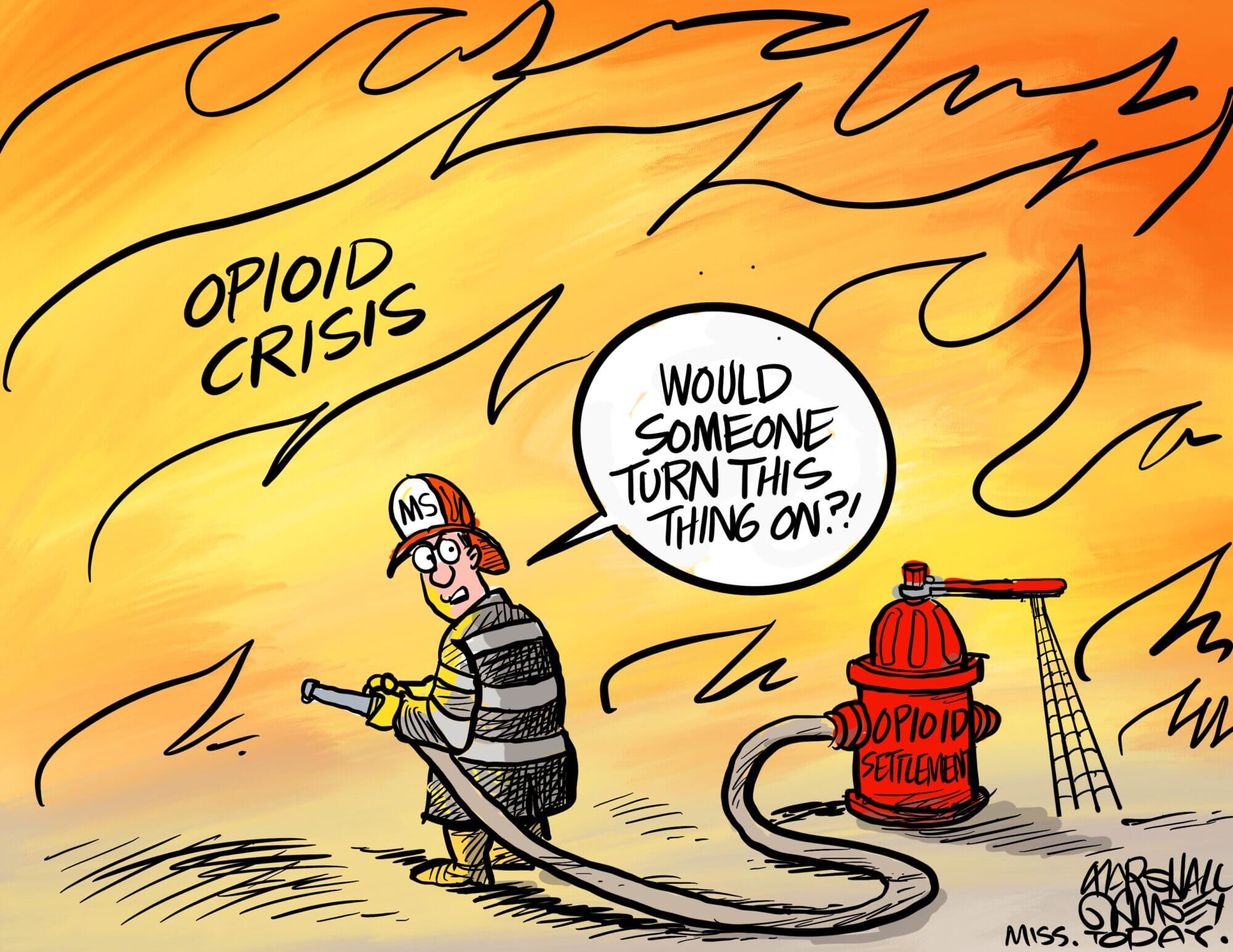
But neither said they would advocate that the lawsuit funds sent to cities and counties – paid by companies that contributed to the opioid crisis that has killed at least 1,300 Mississippians since the state received its first payment three years ago – be spent to mitigate those same dangers. The state has received over $124 million in lawsuit payments in the past three years, but less than $1 million has been used to address addiction so far.
Both the state and localities are expected to receive about $300 million more over the next 20 years.
Horhn — whose city has been spending a portion of its more than $500,000 of opioid settlement dollars for fiber optic cable installation, an office move and a shelving system — said he expects future payments to be used for the city’s violence prevention efforts. Chokwe Lumumba, Horhn’s predecessor, was mayor when Jackson spent money for general expenses.
Horhn said he and the city council might use some settlement dollars to prevent more overdoses, but he didn’t make any commitments to that.
“We also realize that we’ve got a serious violence prevention need in our city, and that’s an allowable expense,” he told reporters. “And so right now, that’s where we’re going to put the primary focus.”
When Mississippi Today asked Fitch if the state has done enough with opioid settlement money to prevent overdoses, Fitch said she was following the Legislature’s instructions and reviewing applications for overdose response projects with the Mississippi Opioid Settlement Fund Advisory Council. It’s a committee created by state lawmakers this year and chaired by Fitch to recommend how the Legislature should spend most of the state’s opioid settlement dollars.
“We’re getting people to vet those [applications] so we can make the distributions and the recommendations to the Legislature,” she said.
Lawmakers then decide which of those applications to accept or reject, and they expect to distribute those dollars in the summer of 2026.
Jackson Mayor John Horhn, left, Attorney General Lynn Fitch and Jackson Interim Fire Chief Rasean Thomas in front of Jackson City Hall on Monday, Sept. 22, 2025. Credit: Allen Siegler/Mississippi Today
Mississippi Today asked Fitch why Mississippi is the only state in the country to distribute less than $3 million of its opioid settlement funds to address addiction after the conference ended. Her spokesperson, Maryasa Lee, interrupted before Fitch could respond.
Lee said it was the Mississippi Today reporter’s third question at the event, and the attorney general’s office had already emailed the newsroom a statement about the spending. The statement did not address that question.
Most of Mississippi’s opioid settlement money is overseen by state government leaders, but they’ve only reported using their tens of millions of dollars for lawyers fees so far. The $15.5 million that cities and counties like Jackson have received can be spent on general expenses because Fitch wrote a contract in 2021 that says Mississippi’s local governments – unlike in at least 34 other states – can spend opioid settlement payments for any public purpose.
The lawsuits’ lawyers said that some spending unrelated to addiction is allowed, but they discouraged governments receiving the money from doing that. Most states required all their opioid settlement money to be spent to address addiction, and they’ve all spent more for that purpose than Mississippi — both in total dollars and as a percentage of settlement shares.
Mississippians struggling with opioid addiction face challenges when looking for treatment and recovery resources, even as the state has received these payments. Less than a third of people in the state who have an opioid addiction and use Medicaid, a federal-state health insurance program, received effective medication to treat the disease, according to a 2023 study.
When Mississippi Today showed public health advocates how the state’s cities and counties are spending their opioid settlement dollars, they were dismayed. Dr. Judith Feinberg, who helped author a guide on how the money could address the public health crisis, called Mississippi’s settlement spending “complete and utter bullshit.”
Several new candidates have entered Mississippi’s 2026 U.S. Senate race in recent weeks.
The general election is more than 13 months away, but the deadline to file paperwork to run for federal offices is Dec. 26, according to the secretary of state’s office.
Republican Cindy Hyde-Smith is running for a second full term in office. She is favored to defend her seat from Democrats, who haven’t elected a U.S. senator in Mississippi since John Stennis in 1982.
Facing a Senate map that many analysts say favors Republicans, Democratic Leader Chuck Schumer of New York has said he’s looking for ways to break the GOP’s ironclad grip on Mississippi in 2026.
Democrats have long believed the U.S. Senate was designed to over-represent small states, leading to a structural advantage for Republicans. That and President Donald Trump’s return to power have sparked renewed discussion in Democratic politics about how the party can become competitive in Republican-led states.
This could prompt the Democratic Senatorial Campaign Committee and the National Republican Senate Committee to spend millions on the race in the Magnolia State. At the end of June, Hyde-Smith’s campaign committee had just over $1.4 million in cash on hand.
Hyde-Smith has also attracted two Republican primary challengers, neither of whom has held elected office.
Party primaries are March 10, and the general election is Nov. 3, 2026. Here is an updated look at the field and the candidates’ backgrounds.
Republican Primary
Cindy Hyde-Smith — The Brookhaven native is the first woman elected to represent Mississippi in Congress. She served in the Mississippi Senate and as state agriculture commissioner before moving to the statewide post. In early 2018, then-Gov. Phil Bryant appointed her to the U.S. Senate to replace Republican Thad Cochran, who opted to retire. She won a special election later in 2018 to serve the remaining two years on the term Cochran started, and she won a full, six-year term in 2020.
Hyde-Smith is “100% MAGA”, according to Trump, who has already endorsed her. She launched her reelection campaign in late August by highlighting her advocacy for Mississippi farmers, her fight to restrict abortion rights and her close ties to the White House
“I can send a text to President Trump, and he responds,” Hyde-Smith said at her campaign launch.
In 2018 and 2020, Hyde-Smith defeated Democrat Mike Espy, an attorney and former congressman who served as U.S. secretary of agriculture during President Bill Clinton’s administration.
Sarah Adlakha — A physician from Ocean Springs, Adlakha said in her campaign announcement that she was running to “stand with President Trump to secure our border, stop reckless spending, and fight for Mississippi families.” Adlakha also told Mississippi Today she would work across the aisle to improve access to health care in Mississippi.
“I feel like not enough is being done from our representatives. I think we need people who are more effective and ready to actually go in there and work and legislate,” Adlakha said. “It’s not so much that I disagree with (Hyde-Smith’s) policies. I just feel like she could be doing so much more in the Senate to help our state.”
In one of her first public events last week, Adlakha called a press conference to urge Trump to send National Guard troops to Jackson, as he did in Washington and Memphis. Standing before a podium emblazoned with a “MAKE JACKSON SAFE AGAIN” sign, Adlakha said such a move would combat violent crime.
Andrew Scott Smith — The Florence resident owns a pork rinds business and calls himself the “Pigskin Politician.” He announced his bid for the U.S. Senate just hours before Hyde-Smith’s campaign launch event. He unsuccessfully sought the Republican nomination to challenge Democratic U.S. Rep. Bennie Thompson in 2024.
Smith said he was challenging Hyde-Smith because she has become disconnected from her constituents. Smith said he considers himself a monopoly-busting conservative in the mold of Teddy Roosevelt, and he hopes to address consolidation in the American economy through index funds. He also wants to focus on the “fiscal future” of the country by phasing out Social Security and federalizing the national debt.
DemocraticPrimary
Scott Colom — A native of Columbus, Colom is the elected district attorney of the 16th Circuit Court District in north Mississippi. He is the first Black person elected as the top prosecutor for the district. Then-President Joe Biden in 2023 nominated Colom to a vacant federal judicial seat in northern Mississippi, but Hyde-Smith thwarted the nomination.
In an interview with Mississippi Today, Colom said Hyde-Smith’s voting record shows she has prioritized “D.C. politics” instead of hard-working Mississippians, including her vote for Trump’s “One Big Beautiful Bill” that slashed social safety net programs and provided tax cuts for the wealthy.
If elected, Colom said he would push for legislation that raises the nation’s minimum wage and exempts law enforcement officers and public school teachers from paying federal income taxes.
Mississippi Today reached out to the Democratic Senatorial Campaign Committee and the National Republican Senate Committee for comment on the race.
Colom is “handpicked by Chuck Schumer and George Soros to push Democrats’ radical agenda on Mississippians,” said NRSC regional press secretary Samantha Cantrell.
The Democratic committee did not respond to a request for comment.
Priscilla Williams-Till — The civil rights activist and relative of Emmett Till said on her campaign website that she’s running to enact laws that “will address historical and ongoing inequalities, while representing marginalized communities that work towards an equitable society.”
“Even the election of former President Barack Obama, immigration controversy, and economic situation, it has become nearly impossible to keep track of hate organizations and the shocking rise in brutal attacks directed against individuals because they are Black, Latino, Asian, Disabled, Gay, or Women,” said Williams-Till, who grew up in Jackson.
Independent
Ty Pinkins — The unsuccessful Democratic candidate for secretary of state in 2023 and U.S. senator in 2024 has declared he’s also running for the Senate again in 2026 as an independent. Pinkins will be on the general election ballot without going through a primary.
Pinkins, a lawyer who lives in Vicksburg, announced his departure from the Democratic Party in June and attributed a lack of support from the state Democratic Party as part of the reason for his poor performance in past elections. Pinkins wrote that certain party leaders were “gatekeepers” who attempted to block him from advancing in politics.
Mississippi Today reporters Michael Goldberg and Taylor Vance recount their recent trip to Washington, D.C., and meetings with the state’s congressional delegation, covering topics including the use of National Guard troops in U.S. cities — potentially even in Jackson — disaster relief policies and the debate over the release of the Epstein files.
There is a chance that a rare case — not a pandemic but a single occurrence of bipartisanship on a health care issue — could break out in the U.S. Congress before the end of the year.
Such cases are few and far between, but national press reports indicate that the Republican-controlled Congress, fearing the backlash in the 2026 midterm elections, is pondering extending the program that provides enhanced federal financial assistance to people purchasing health insurance policies through the Affordable Care Act exchanges.
If the enhanced subsidies expire at the end of 2025 as scheduled, it would create a substantial increase in cost for the millions of Americans who get their health insurance coverage through the marketplace exchange — a key component of former President Barack Obama’s Patient Protection and Affordable Care Act.
During the administration of former President Joe Biden, Democrats increased the federal subsidies provided to help people pay for the ACA exchange policies. No Republican voted for the enhanced federal subsidies just as they did not vote for the ACA in 2010.
But now fearing a backlash in the 2026 midterm elections, some are reportedly trying to find a way to extend the enhanced subsidies for at least another year.
If the federal financial assistance for the cost of the marketplace policies expires, Mississippi will be hit particularly hard.
Unless Congress acts before the end of the year, the price of the marketplace’s health insurance policies will increase an estimated $480 annually in Mississippi, according to KFF, a national group that conducts health care research. The subsidies are provided based on income levels, so the costs for some could be much higher next year if the enhanced assistance expires at the end of 2025.
Participation in the marketplace by Mississippians has increased 242% in recent years since the enhanced federal assistance program was enacted, according to KFF. Only Texas has seen a greater increase at 255%.
Many of the Republicans who expect tough elections in 2026 now want to extend the program.
Republican Roger Wicker of Tupelo, Mississippi’s senior U.S. senator, is not up for reelection in 2026, but he has at times worked with Democrats on bipartisan health bills.
In 1997, Wicker, then a new member of the U.S. House, was part of a bipartisan alliance that passed the Children’s Health Insurance Program, which helped children of the working poor obtain health insurance.
The program has been pivotal in Mississippi, a state with one of the nation’s highest poverty rates and a large segment of its population working in low paying jobs. About 85,000 Mississippi children are enrolled in CHIP, according to Medicaid.gov.
The creation of CHIP occurred against big political odds. Before it was proposed, then-President Bill Clinton tried to pass his version of universal health care with First Lady Hillary Clinton leading that effort. The bill, which was derisively called Hillarycare, was savaged. The bill crashed and burned and created considerable ill will in Washington.
But in the wake of that failure, a bipartisan group of lawmakers, led by Sens. Ted Kennedy, a Democrat from Massachusetts, and Orrin Hatch, a Republican from Utah, passed CHIP. Hillary Clinton, history should note, is also credited with playing a role in the passage of CHIP.
Wicker was part of that bipartisan effort. Wicker, who had been a member of the state Senate only three years earlier where he chaired the Public Health Committee, viewed CHIP as a proposal that would help Mississippi families.
Trent Lott of Mississippi, who at the time was the Senate majority leader, opposed CHIP, calling it “a big government program.” Thad Cochran, the state’s senior U.S. senator, like Wicker, supported the program.
And Cochran, a key member of the Senate Appropriations Committee for years, played pivotal roles in ensuring CHIP continued in future years when it appeared it might be in jeopardy.
In 2025, it will be interesting to see if Wicker or any other member of Mississippi’s congressional delegation is instrumental in ensuring the enhanced subsidies continue for the ACA exchange.
After all, all four U.S. House members and Cindy Hyde-Smith, the state’s junior U.S. senator, will be up for reelection in 2026.
The Mississippi Institutions of Higher Learning Board has selected a search firm to assist with Jackson State University’s president search from the 11 proposals submitted. The position has been vacant since May when Marcus Thompson resigned as president less than two years into his tenure.
The state’s governing body that oversees Mississippi’s eight public universities voted in open session Thursday at its annual retreat to select Association of Governing Board of Universities and Colleges Search, an executive headhunting firm based in Washington, to assist with naming the historically Black university’s next leader.
The move is a departure from the IHL board’s usual pick, Academic Search, an executive firm it has used twice for past university president searches.
In 2023, the board hired Academic Search for $115,000 after Thomas Hudson, Thompson’s predecessor, resigned. The board also paid the firm $85,000 for the Delta State University search, which resulted in Dan Ennis.
The firm presented a proposal that “best matched the qualifications outlined in the formal request for proposals,” a press statement from the board said. Trustees said they will iron out a formal contract with the firm in the next few days.
In August, the board announced to the public it began its official search process three months after Thompson’s resignation. For months, alumni and supporters of the university have raised questions and called for a fair, transparent national leadership search for the university.
The board did not announce additional details regarding the JSU president search.
Correction 9/19/25: This story has been updated to correct that the vote on the search firm was in open session.
Editor’s note: This essay is part of Mississippi Today Ideas, a platform for thoughtful Mississippians to share fact-based ideas about our state’s past, present and future. You can read more about the section here.
I was born and raised in Meridian, Mississippi just four minutes from the Walgreens where I now work as a pharmacist. Some might say my roots in this community run deep.
Chris Waldron Credit: Courtesy photo
My family owned a group of independent pharmacies in the area for years, and when they were ready to exit the profession, Walgreens gave me the opportunity to continue doing what I’ve always known: caring for my community through pharmacy.
Today, I serve as a district immunization lead, which means I often lead local vaccine clinics and outreach efforts across the region. It’s a role that allows me to expand my impact beyond the pharmacy counter and bring care directly to the communities that need it most.
A big reason I’m so passionate about preventive care is because I’ve seen firsthand how vaccines can make a difference and how the absence of one can lead to regret.
I recently counseled two patients who are twins about the importance of getting the shingles vaccine. One accepted my recommendation and got vaccinated. The other declined. About a month later, the patient who didn’t get the vaccine came into the pharmacy with shingles.
The patient immediately expressed regret and wished they had gotten the shot. I walked them through when they’d be eligible to receive it, and they’re now planning to get vaccinated. That experience reminded me why I chose this profession — to help people make informed decisions that protect their health.
Mississippi has long struggled with low vaccination rates, and this year, I’m especially concerned.
Misinformation is making it harder for people to trust the principles of how vaccines protect us. I hear it every day: “I’ve never had the flu, so I don’t need the shot.”
But the truth is, flu vaccines aren’t just about individual protection. They’re about keeping our hospitals from being overwhelmed, reducing treatment costs and protecting our most vulnerable neighbors, including children, seniors and those with chronic conditions.
At my store on the east side of Mississippi, we take care of a lot of patients who need vaccines. I’ve worked hard to build trust with my patients, and they rely on me to make sure they’re getting the right care.
That trust is something I don’t take lightly. We host onsite vaccine clinics and do everything we can to raise awareness about the importance of getting vaccinated – especially in more rural areas where hesitancy is higher.
The misconceptions around flu vaccines aren’t new, but they’ve been amplified in recent years. That’s why it’s more important than ever to have honest conversations with your pharmacist – someone who knows your health history, your concerns and your community.
Getting a flu shot is quick, easy and one of the most effective ways to protect yourself and those around you.
I trust vaccines. I’ve seen firsthand how they help prevent disease and reduce hospitalizations.
And I’ll continue doing everything I can to make sure my neighbors in Mississippi have access to the care they need — starting with a simple flu shot.
Chris Waldron is a pharmacy manager and district immunization lead at Walgreens in Meridian. With a lifelong connection to the community and a background rooted in local pharmacy, Waldron now leads vaccine clinics and outreach efforts across the region. He’s especially passionate about preventive care and helping patients make informed decisions about their health.