Home Blog Page 13

Medicaid expansion would help overcome budget shortfall and harms of ‘big beautiful bill,’ physician says

0

Mississippi Today Ideas is a platform for thoughtful Mississippians to share their ideas about our state’s past, present and future. Opinions expressed in guest essays are the author’s own and do not necessarily represent those of Mississippi Today. You can read more about the section here.

This summer has been full of big moments. We celebrated our nation’s 250th birthday, and  more recently, Medicaid and Medicare – two health care safety net pillars that have helped  generations of Mississippians get the care they need, from babies to grandparents – turned  61. Summer is also peak time for back-to-school physicals and immunizations; services  largely supported by the Medicaid and the Children’s Health Insurance Program.

But this summer also marked another anniversary, one that brings less celebration and  more trepidation, the one-year anniversary of H.R. 1 — what President Donald Trump and  Congressional leaders have called the “one big beautiful bill.”
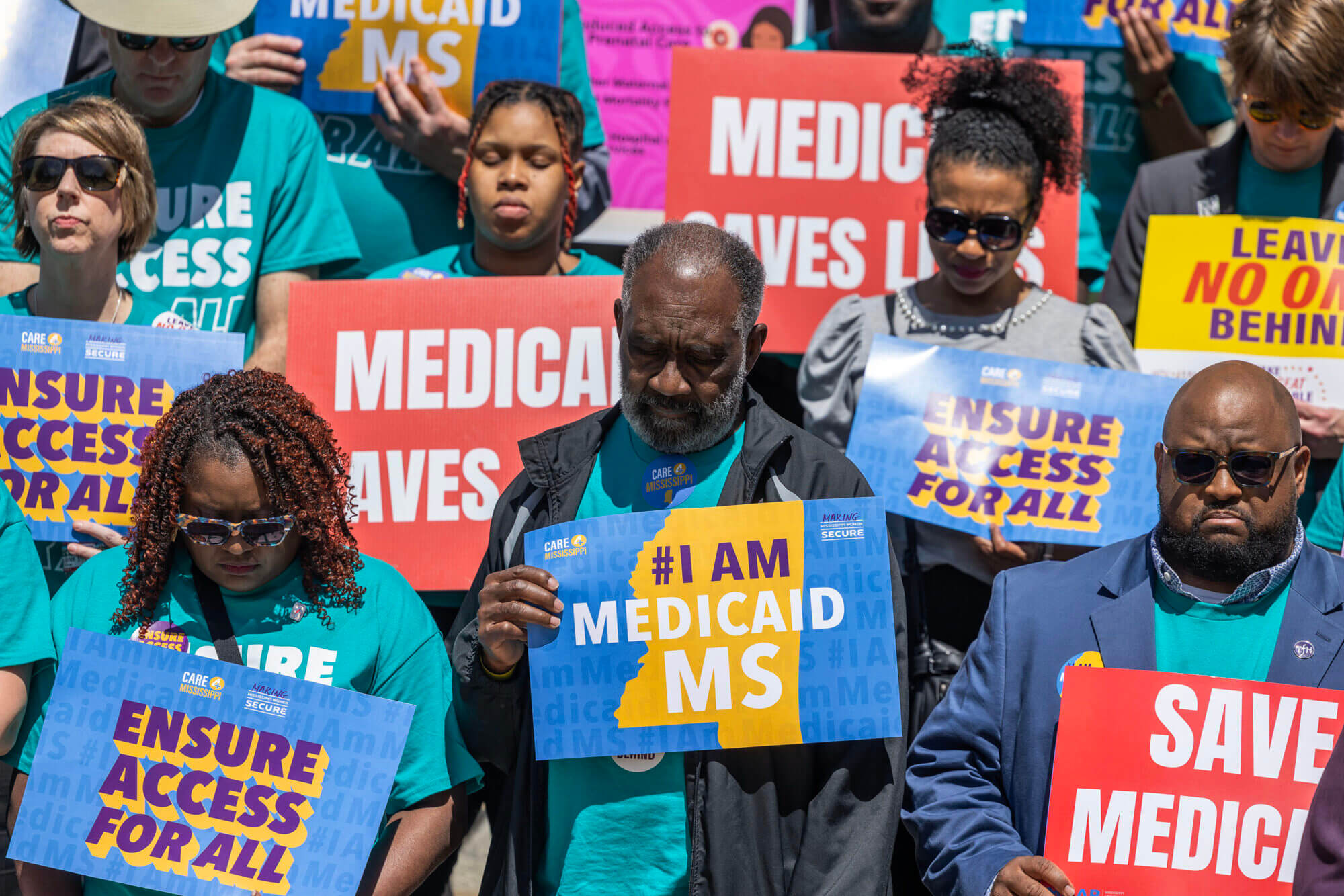
Supporters and lawmakers pray at the start of a press conference advocating for Medicaid expansion and protection at the Mississippi Capitol in Jackson, Miss., on Tuesday, March 18, 2025. Credit: Eric Shelton/Mississippi Today

Unfortunately, for Mississippi  families the effects will be anything but “beautiful.” Cuts to care to the tune of $1 trillion nationally mean stripping health care coverage away from people who need it and forcing  our state leaders to make tough choices on which essential services to keep running.

The  budget bill took a hatchet to funding for health care programs, shutting many  Mississippians out, and forcing the state to figure out how to keep the lights on.

The most stringent requirements of H.R. 1 impact states that have expanded  Medicaid, which Mississippi has not done. Our state budget will still feel significant  impacts due to H.R. 1’s cuts, such as restrictions on how Mississippi can generate revenue to support its Medicaid program. 

Unfortunately, our state’s Medicaid budget is facing other pressures, too.

In Mississippi, state financial support for Medicaid has been flat over the past 10 years.  Despite rising health care costs and budget pressures within the state Division of Medicaid, the state has done little to preserve Medicaid. Mississippi  has instead relied on short-term COVID-19 era federal funding to plug Medicaid budget gaps.

However, now that COVID funding has run out, Mississippi Medicaid faces a significant  funding deficit — one that will only grow due to policies in H.R. 1. This fiscal reality is concerning, and some legislators are worried that without changes, “[we’re] going to be in  the same boat” next year when it comes to balancing the Medicaid budget.

Without new solutions, the perpetual lack of state investment in Medicaid will jeopardize the health of nearly 700,000 children, pregnant women, older adults, disabled Mississippians and their families.

Amid these budget pressures, expanding Medicaid in Mississippi still remains a key  opportunity. Mississippi is one of just 10 states that still refuses to expand Medicaid, a decision that leaves tens of thousands of working families without affordable health coverage and deepens the strain on our hospitals, communities and economy. And although H.R. 1 adds additional barriers for states that expanded Medicaid, the benefits far outweigh these challenges.

In fact, an analysis by the Care4Mississippi coalition and Families USA found that Medicaid expansion would unlock significant savings for our state. By not expanding in 2026, our state is leaving $73.8 million on the table in the form of lost state tax revenue and state health care spending that could otherwise be covered by the federal government. From a  dollars-and-cents perspective, this funding would have made up for approximately one fifth of the department’s $390 million shortfall this year.

Plus, these expansion dollars could be counted on annually. When Mississippi expands Medicaid, the federal government will pay 90% of all costs. This federal matching  arrangement is permanent, supporting Mississippi’s Medicaid budget now and into the  future. Permanent funding provides security, allowing our state to maintain critical health programs and access to care.

Under Medicaid expansion, 67,000 more low-income Mississippians would have health coverage, dramatically reducing the costs of uncompensated care – health care that is  provided but not paid for when people cannot afford their care. That cost currently falls on Mississippi taxpayers and hospitals.

The budget challenges that lawmakers and the Division of Medicaid are grappling with are very real. Mississippi Medicaid has already warned that budget cuts will force the agency to  cut payments to providers. In addition, Mississippi must contend with H.R. 1’s substantial cuts to provider reimbursements, which dramatically limit Mississippi’s ability to boost  payments to hospitals and nursing facilities. These are payments that incentivize providers to see Medicaid patients.

Taken together, the state’s ability to adequately pay Medicaid and safety-net providers is in jeopardy, and the resulting downstream effects on patients’ quality care, access to doctors and health care affordability could be dismal.

Medicaid expansion in Mississippi would not only provide a more immediate counterweight to these budget pressures but also help generate significant economic growth in the long run.

Despite slowed momentum to expand access to care, Mississippi needs to consider additional investments that would bolster its Medicaid budget and offset costs.

For example, directing opioid settlement funds to the Division of Medicaid to support treating opioid use disorder or raising tobacco taxes to generate over $100 million per year are both strategies that would support the Medicaid program.

In addition to Gov. Reeves’s recent request for waivers to ban the purchase of sugary drinks and unhealthy processed foods using SNAP benefits, we should consider a statewide tax on sugary drinks. Researchers  have estimated a soda tax could bring over $100 million annually in revenue to the state. Taken  together with Medicaid expansion, which is a key investment in the future of the state’s health care system, these options would help our state overcome Medicaid budget challenges.

Our state’s Medicaid program needs greater investment, not less, and there are common sense, tried-and-tested solutions that can help do that. When we reflect on milestone  moments for our nation and our cornerstone public programs, our future — whether next year, the next 60 years, or the next 250 years — inevitably comes to mind. We need to set  up strong and sustainable programs where everyone in Mississippi can be their healthiest and access the care they need, regardless of their income.

As we sail into next year, we must take more sustainable solutions like Medicaid expansion and taxes on considerably unhealthy goods seriously. In short, we can’t just fix the leak in the hull; we need to build a better boat.

Bio: Dr. John Gaudet is a native Mississippian who has practiced pediatrics in Hattiesburg for many years. Since retirement, he has been involved in medical education, helping to train the next generation of physicians. 

Eligibility issues are not new in college sports. Here’s the proof.

0

This could be another column about how we’re in the first big weekend of the college football season and how the sport has gone absolutely bat-dung crazy. I could write about the court case down In Baton Rouge where a judge ruled eligible for LSU two former Ole Miss players who were recruited right out of NFL training camps.

Rick Cleveland

Or I could write about how the SEC has filed a federal lawsuit in Birmingham against LSU and its coach, Lane Kiffin, the Snidely Whiplash of college football. But if you read this column regularly, you already know how I feel about that issue, the state of college football in general and Kiffin in particular.

Besides, you can read about all that, ad infinitum, on practically every sports website in America. Bottom line: Nobody knows where all this is headed.

Instead of rehashing, I write today to tell you that these eligibility issues are nothing new in college football. Such controversies have been going on since before this aging sports writer was even a gleam in the eyes of his daddy, a sports writer himself. In fact, my late father, Ace Cleveland, loved to tell the story that follows. Much of it comes from him.

Our story begins in 1948. Ace Cleveland, who would go on to a Mississippi Sports Hall of Fame career in sports writing and sports publicity, was a young sports editor of the Hattiesburg American, his hometown newspaper. Only a couple years before he had returned home from World War II where he served in the Navy, primarily in The Philippines.

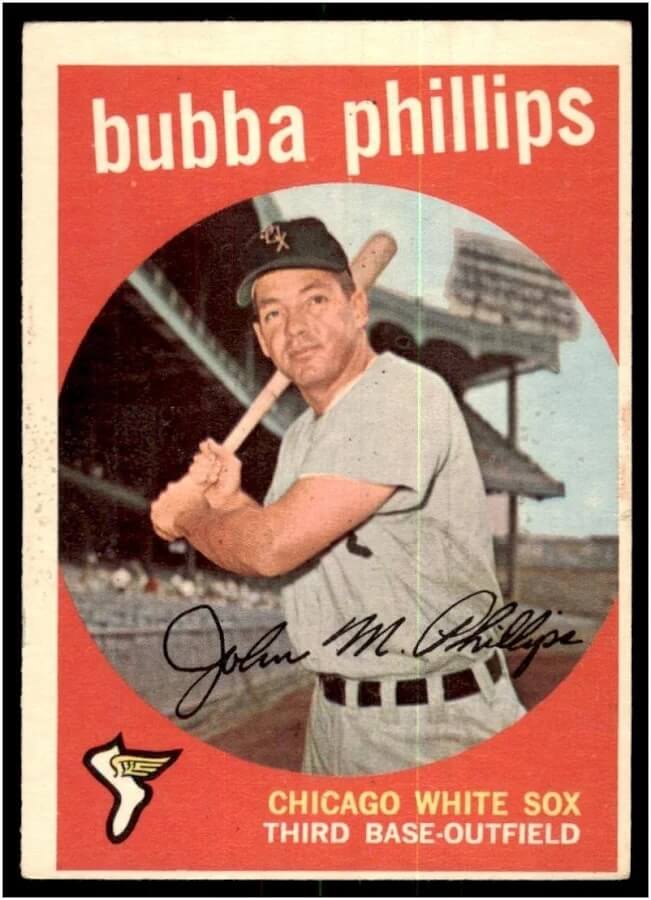
His main beat was Mississippi Southern, a salty small college team coached then by Reed Green. The Southerners featured many World War II veterans and one young scatback named John Melvin “Bubba” Phillips. Ace – yes, I called my dad by his nickname – would tell anyone who would listen that Phillips was the best broken field runner to ever step on a football field. Ace called him Bubber.

“You should have seen ol’ Bubber,” Ace would say.  “He was so quick and fast, nobody could tackle him. Hell, most people couldn’t even touch him.”

Quick story: Bubba Phillips, recruited by all the prominent Deep South football schools as a high school wunderkind in Macon, was en route to LSU to play for the Tigers. Someone alerted Green that Phillips’ bus would be making a pit stop in Hattiesburg. Green met the bus. Phillips’ luggage made it to Baton Rouge. Bubba never did.

Bubba was also gifted in baseball. In fact, that spring, he had signed a professional contract with the Detroit Tigers after an amazing workout in Detroit. But he still wanted to play football for Southern.

The rules were different then. Some college conferences allowed pros in one sport to play college sports in another. So Phillips’ eligibility that 1948 season was decided on a week-by-week basis.

On Oct. 23 of that year, the Southerners, as they were then known, were to play at Oklahoma City University, an undefeated team heavily favored because Philllips was ineligible for the game. Oklahoma City wasn’t in a conference but was trying to get into the Missouri Valley Conference, which barred professional athletes across the board. News reports all week said Phillips would not play.

Back then, it was a two-day bus trip from Hattiesburg to Oklahoma City, four days round trip. The newspaper couldn’t spare their one-man sports department  to be away that long – and probably didn’t want to pay the travel expenses either.

So it was that on Oct. 23, 1948, Ace was at the Western Union Station in downtown Hattiesburg getting a play-by-play account of the game. 

“It kept saying that this big ol’ lineman was scoring touchdowns and making long runs for Southern,” Ace said. “The guy was a guard, for goodness sakes. Here I was, 600 miles away from Oklahoma City and I knew who was wearing that guard’s uniform. It was Bubber!”

It was, indeed. Bubba Phillips scored on runs of 23, 48 and 95 yards and set up another touchdown with a 56-yard scamper. Southern won 55-20 on Oklahoma CIty’s homecoming.

Fast forward 11 years. Ace and his 6-year-old baseball-crazy son watched on TV as Bubba Phillips batted .300 for the Chicago White Sox in the 1959 World Series. Two nights after the series ended, Dad grilled steaks and our dinner guest was Bubber himself. I wanted to hear about the World Series and batting against Sandy Koufax, but they mostly talked about old times and certainly about the day Bubber ran wild while wearing somebody else’s jersey.

Crooked Letter Sports: It’s finally here!

0

The Cleveland boys celebrate the end of the longest offseason ever and the return of meaningful football, plus we catch up with Mississippi’s most decorated volleyball player, Jackson native Parker Bracken.

SEC sues LSU as athletes plead in court to regain eligibility with college sports season underway

0

Athlete after athlete took the stand in a state courtroom near LSU on Thursday to explain why they should be allowed to return to play college sports after turning pro while the commissioner of the powerful Southeastern Conference argued against them and the league doubled down by filing a lawsuit against the school in federal court.

The extraordinary confrontation came just two days before the 11th-ranked Tigers open the football season at home against Clemson a few miles from the courthouse. East Baton Rouge Parish Judge William Jorden scheduled the hearing over his temporary injunction preventing the NCAA from barring former pros or fifth-year college athletes, a stance also taken by the SEC and other Power Four conferences with rules adopted last week.

Former New Orleans Saints defensive lineman Zxavian Harris and former Cleveland Browns tight end Dae’Quan Wright, two players who hope to suit up for LSU, sat next to each other in the gallery as the hearing began and both took the stand.

Wright testified that he would not have tried to turn pro had he known about the possibility of getting another year in college. He said he was paid a $25,000 signing bonus by Philadelphia and would gladly pay that back for the chance to play for LSU, adding that he made around $1 million during four years in college.

Two LSU soccer players, Jazmin Ferguson and Jocelyn Ollivierre, won court earlier court orders and have already played this season. Ferguson testified that she was paid $4,500 by a USL team, but ended her contract and paid the money back in hopes of clearing the way to play for the Tigers again.

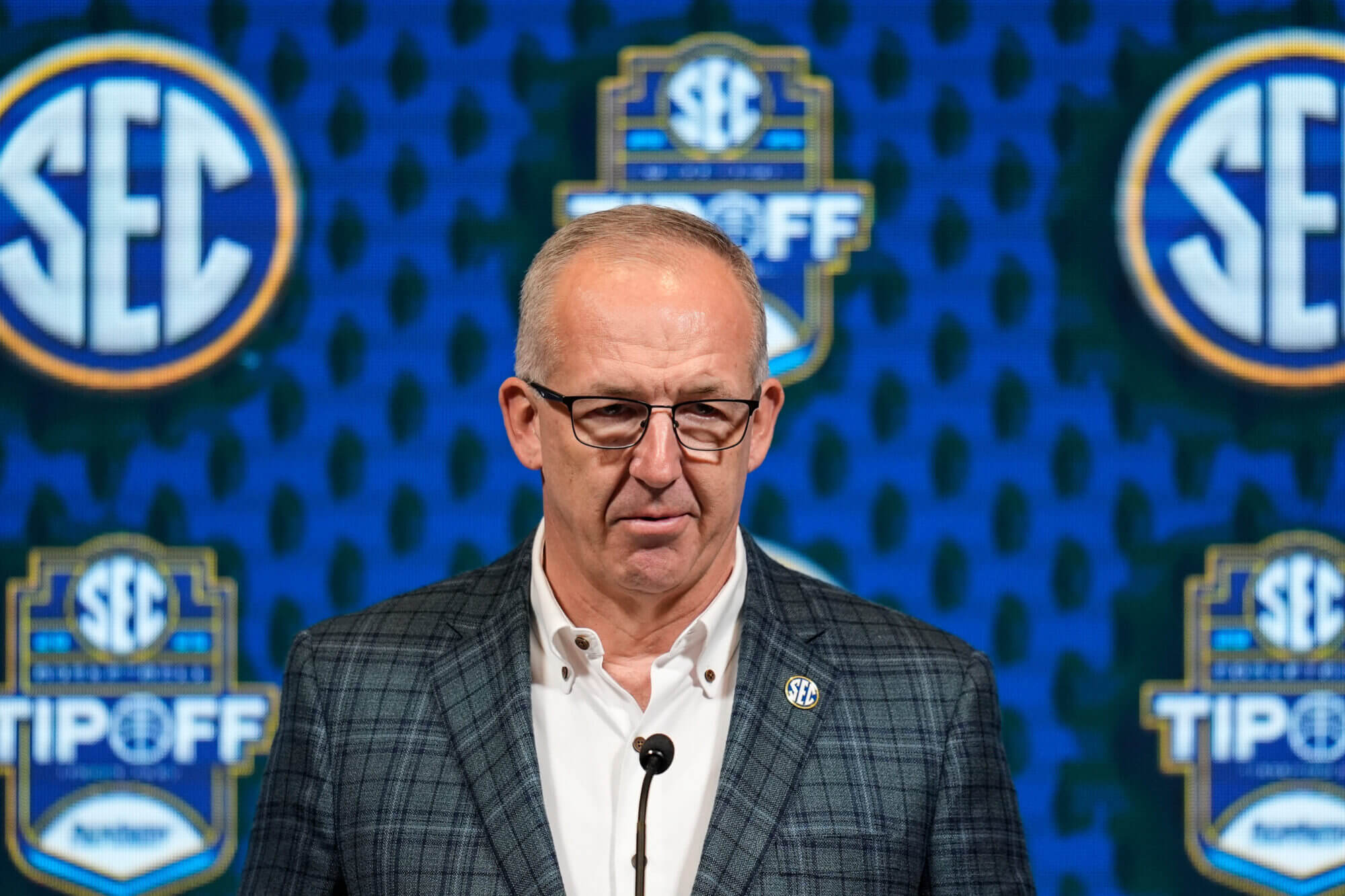
FILE – Greg Sankey, commissioner of the Southeastern Conference, speaks during NCAA college basketball women’s SEC Media Day, Oct. 16, 2024, in Birmingham, Ala. (AP Photo/Mike Stewart, File) Credit: AP Photo/Mike Stewart

The athletes testified after SEC Commissioner Greg Sankey was on the stand for more than two hours, defending the league’s authority to enforce its week-old rules barring former pros from returning to play at its 16 member schools. He said school presidents and chancellors felt that they needed to establish a line between professional and college sports and that there needed to be ways to hold schools accountable.

“The line between professional sports and college sports needs to be maintained,” Sankey testified, adding that the league was concerned about incoming athletes being displaced from limited roster spots.

As he spoke, the SEC filed the federal lawsuit against LSU and its leadership in Alabama, alleging the school had “waged a deliberate and coordinated campaign to recruit professional athletes” in defiance of league rules. The court filing against one of the league’s founding members in 1933 seeks an injunction barring LSU from violating the SEC’s First Amendment rights by forcing it to “associate with conduct that is contrary to the conference’s purpose and mission.”

Legal experts said the filing was a backup in case the the SEC loses in state court. Outside the courthouse in Baton Rouge, plaintiffs’ attorney Tony Clayton said: “I got a problem with that. I mean, you go around, you can file this suit in any state. You’re suing LSU. Sue them in Louisiana. You go to our nemesis: Alabama. Really? So, so that lets you know what the commissioner is all about.”

Questioning of Sankey turns sharp

In questioning Sankey, attorneys for the athletes cited numerous examples of when SEC eligibility rules align with NCAA rules, suggesting the potential of collusion. They questioned why league members met last week to adopt stiff penalties for the very actions addressed in the Louisiana state court’s temporary injunction against the NCAA.

The attorneys also asked why the SEC singled out players who signed contracts with specific U.S.-based leagues — the NFL, NBA and WNBA — but not overseas pro leagues or women’s pro soccer leagues. When Sankey tried to qualify an answer about whether the SEC had previously punished a school for adding a player with previous pro experience, Clayton said, “I didn’t ask how to build a clock. I’m just asking what time it is.”

Sankey acknowledged that there had previously been no such punishment, but that it had been considered against Alabama last basketball season when the Crimson Tide briefly added a former G-League player.

There was no indication when Jorden might rule but the football season is already underway and most teams playing this weekend. The SEC requires its schools to submit final 2026 rosters for the season by Friday.

Players going to court has become common

The players in question also include former Denver Broncos defensive back Blake Cotton, who like Harris and Wright is hoping to join LSU and new coach Lane Kiffin.

Wright, who played for Kiffin last season at Mississippi, started practicing at LSU this week, too late to be eligible for Saturday’s home opener against Clemson under the NCAA’s required seven days of practice. Harris, who also played at Ole Miss last season, has committed to LSU, while Cotton, who played at Utah last fall, has been recruited by Kiffin.

All three are among a host of athletes who’ve argued in lawsuits around the country that they are unfairly being denied an opportunity to spend a fifth year in college under newly adopted NCAA rules allowing for five full years of competition. In all, the NCAA says there are approximately 450 athlete plaintiffs seeking additional eligibility through litigation, with some 300 of them winning the ability to play at least for now.

The athletes in the case who signed pro contracts have argued they did so only because current rules that would have allowed them another college season weren’t adopted until after their decisions to leave for the chance to make an NFL roster.

The SEC contends the question before the judge should be a narrow one regarding whether the conference “can enforce and require its member institutions to comply with SEC rules.” The SEC’s proposed punishments include significant fines, up to half-season suspensions for coaches and member universities’ loss of voting privileges on league business matters.

Sankey provided an affidavit stating that SEC university presidents had voted 15-0 in favor of the new rules, with LSU’s Wade Rousse abstaining.

The fight over eligibility between schools and their own conferences and the NCAA has simmered for months and spilled into politics.

Georgia Attorney General Chris Carr reportedly sent a letter of support to Sankey, encouraging him to take “all measures available” to punish LSU if it added former NFL players. Louisiana Attorney General Liz Murrill, who attended the hearing and chatted with plaintiffs’ attorneys before the proceeding, countered in a brief that the NCAA had subjected athletes in the case to a “classic bait-and-switch.”

At DELTA FEST, HBCU leaders discuss how to prepare students for the evolving Southern economy

0

Leaders of historically Black colleges and universities want their institutions to prepare students for the rapidly changing workforce and careers in industries such as infrastructure, manufacturing, healthcare and education. 

They also said they want to ensure companies benefiting from the talent HBCUs produce also reinvest in those colleges and communities.

The leaders discussed those issues in two panels Wednesday during the first day of DELTA FEST, a three-day event that brought dozens of nonprofit executives, business leaders, entrepreneurs, politicians and community leaders to downtown Jackson. The event focused in part on how communities across Mississippi, Alabama, Arkansas, Tennessee, Louisiana and Georgia can benefit from more than $200 billion in capital investment in the region from industries such as manufacturing, healthcare and education.

Bobbie Knight, president of Miles College in Fairfield, Alabama, said HBCUs shouldn’t just produce talent that companies can recruit away. Instead, Knight said, leaders should create partnerships with corporations and companies to generate investments and opportunities for students that can also benefit the colleges and their surrounding communities.

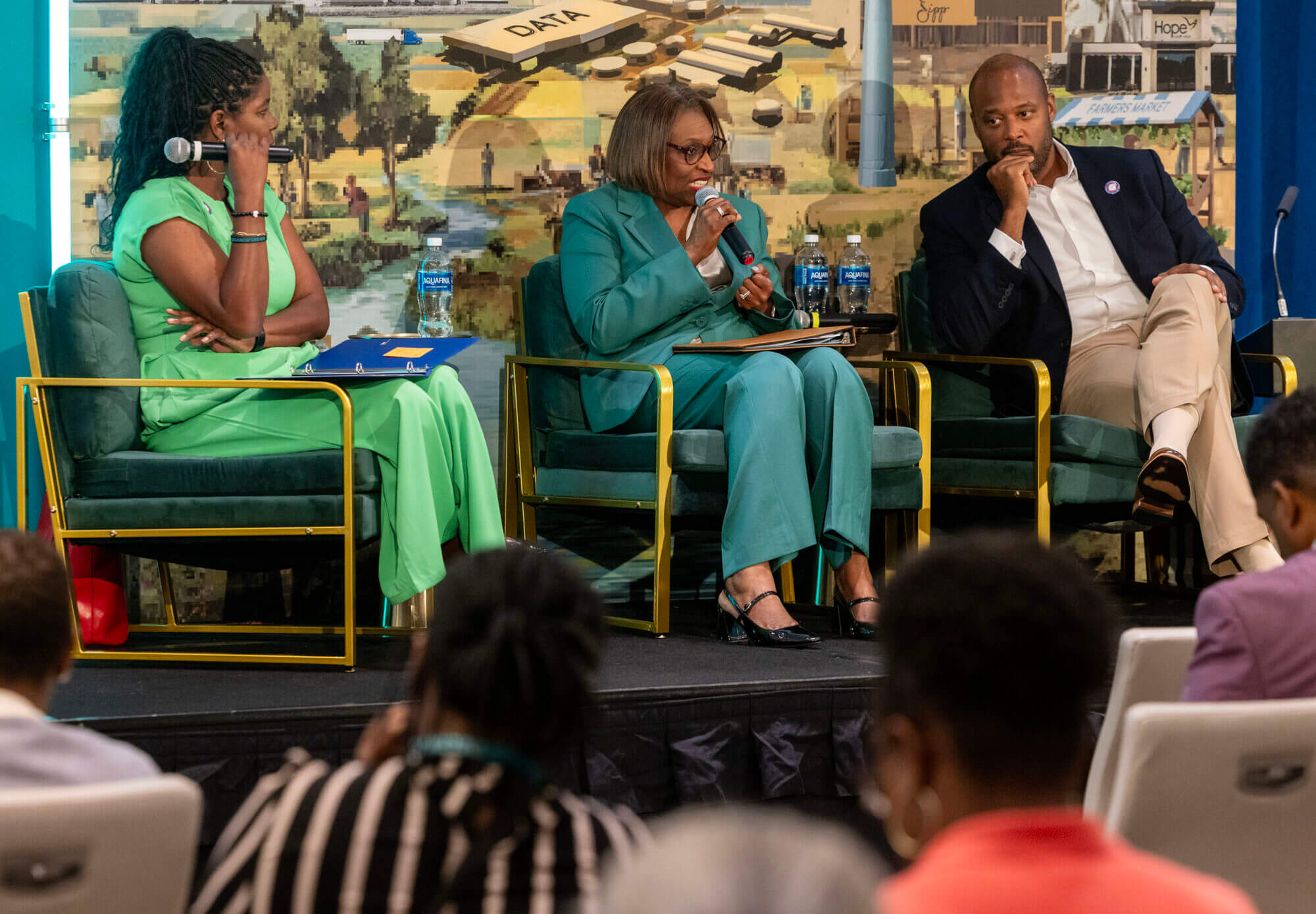
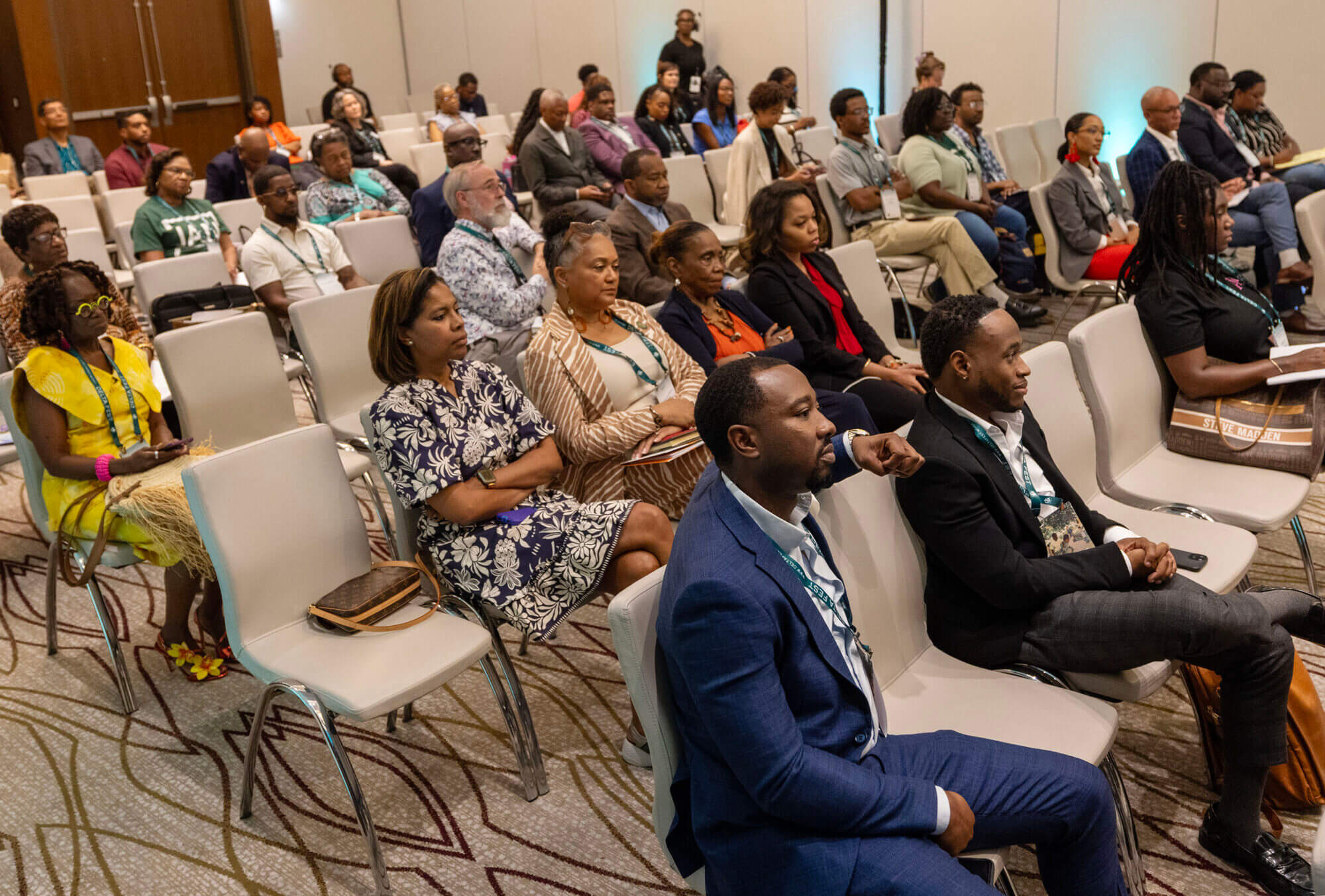
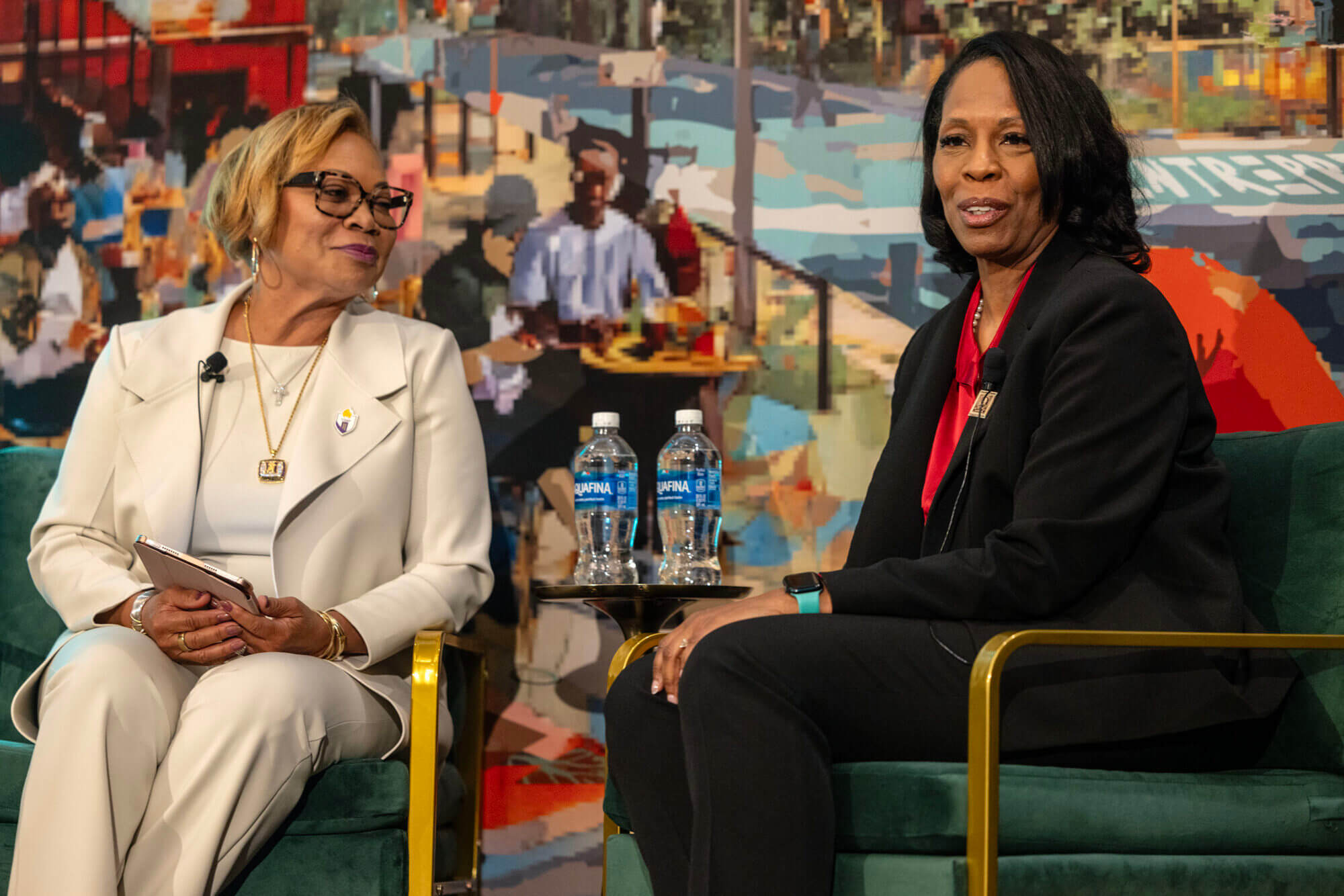
Members of the audience listen as Bobbie Knight, president of Miles College and Kellei Bishop Samuels, chief of staff and vice president for institutional effectiveness, research, assessment and planning at Tuskegee University, have a discussion during Delta Fest at the Westin Jackson, Wednesday, Sept. 2, 2026. Credit: Eric Shelton/Mississippi Today

One example is the Bessemer Built, a college scholarship initiative in Alabama. QTS Data Centers, a Virginia-based company and developers of a $14.5-billion data center campus called “Project Marvel,” committed $8 million to the program, which will pay Bessemer City High School graduates through the class of 2030 at least $10,000 each to attend specified Alabama schools including Miles College. The program is part of the company’s long-term investment in the city of Bessemer. 

Elsewhere in Alabama, Tuskegee University has tried to align its academic programs with workforce needs, said Kellei Bishop Samuels, chief of staff at the university.

As demands for pilots and aviation workers grew, the university expanded its aviation science  program after receiving $5.29 million more in federal funds in February.

“We are supplying the talent pipeline for the state to ensure that needs of the state are being met,” Samuels said. 

Building corporate, nonprofit, governmental and private partnerships also requires stable university leadership, Knight said. Frequent leadership turnover can make it more difficult for HBCUs to develop the long-term corporate and philanthropic relationships needed to attract investment.  

Bobbie Knight, president of Miles College, left, and Kellei Bishop Samuels, chief of staff and vice president for institutional effectiveness, research, assessment and planning at Tuskegee University, have a discussion during Delta Fest at the Westin Jackson, Wednesday, Sept. 2, 2026. Credit: Eric Shelton/Mississippi Today

“As president of a college, your main job is to bring resources into the institution,” Knight said. “If you’re going to have major donors and partnerships, they want to make sure you’re there, or the leadership is going to be there for the long term, whether it’s board or presidency.” 

In general, university presidents are serving an average of 5.9 years, according to the American Council on Education. The average tenure is even shorter for HBCU presidents: 4.22 years, according to a January report from the United Negro College Fund. Presidents of private HBCUs are serving an average tenure of 4.42 years, according to the report. 

The evolving use of artificial intelligence could provide an early test of how HBCUs navigate corporate partnerships. AI is one of the biggest changes institutions have confronted in recent years, said Yolanda Page, president of Stillman College in Tuscaloosa, Alabama. College faculty should embrace and update curriculum to mold students skills for the future workforce, she said. 

Tougaloo College has become central to discussions around AI and data center development, President Corey Wiggins said. Plans to build a data center near the Tougaloo campus have sparked community conversations about how local resources such as water, energy and land will be affected. 

Tougaloo leadership aims to build relationships with corporate and governmental partners to drive economic change at the college and in Jackson and Hinds County, Wiggins said. Part of that relationship-building will center on a justice framework, which is part of the legacy of the private historically Black college. 

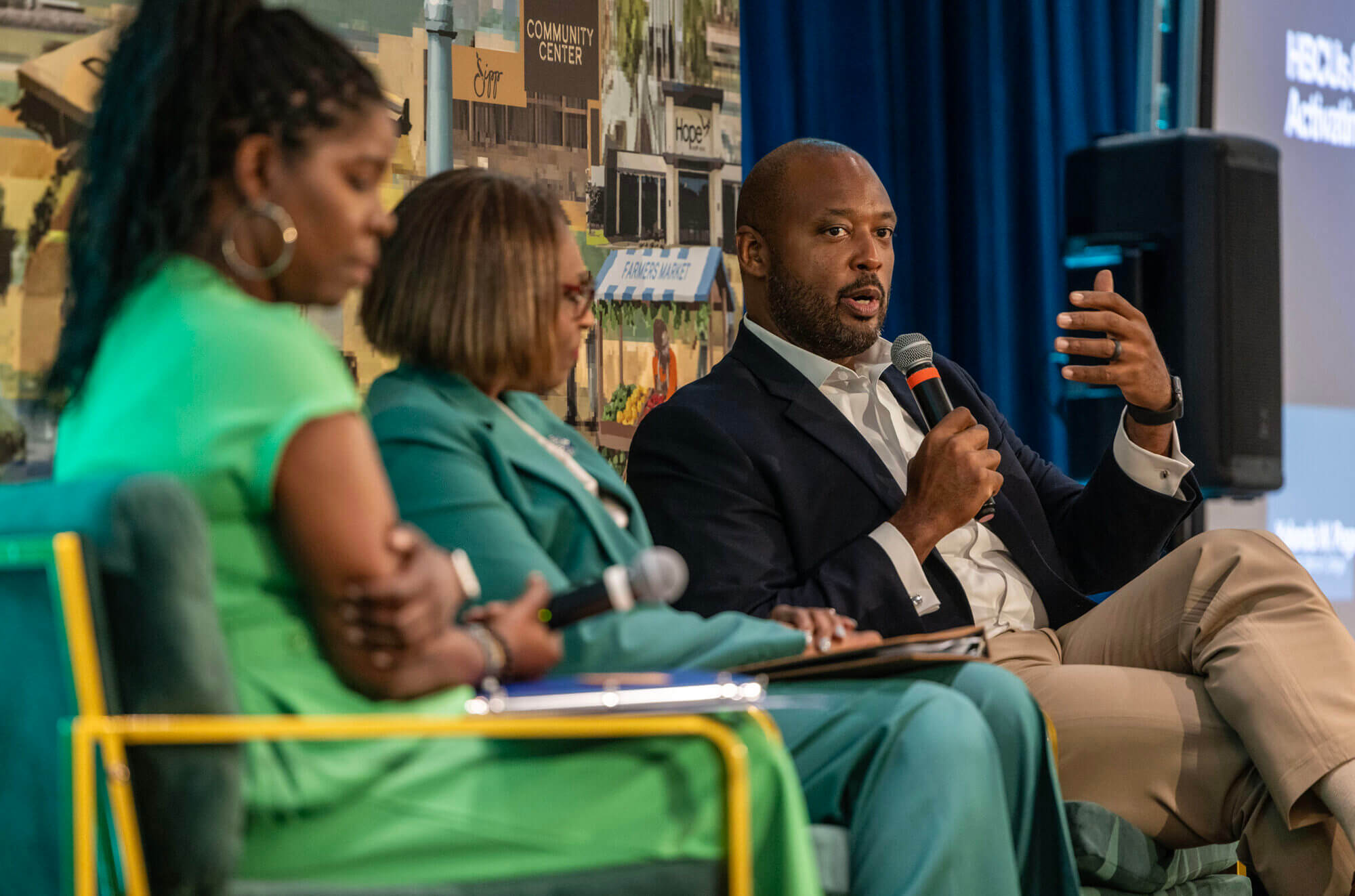
Corey Wiggins, president of Tougaloo College, speaks about HBCUs and the future of the workforce as moderator Melissa Faith Payne and Yolanda W. Page, president of Stillman College, listen during Delta Fest at the Westin Jackson, Wednesday, Sept. 2, 2026. Credit: Eric Shelton/Mississippi Today

Tougaloo leadership will hold institutions and people accountable for how they treat the community, Wiggins said.

“Our students deserve more, right? How do we strengthen the institution so we can deliver for our young people on campus and deliver for the community around us?” 

Ultimately, Page said, the goal of any HBCU leader is to ensure their graduates stay in their communities after graduation. 

It is also important for leaders to find employment for local residents, not just the students they serve, she said.

“We have to think outside of our box and beyond our respective gates,” Page said. “That’s how we can have community impact and see more communities thrive.”

Two former top Jackson State University administrators settle sex discrimination lawsuits

0

Jackson State University and the state college board have settled two sex discrimination lawsuits that were filed during Marcus Thompson’s brief tenure as the university’s president. 

On Aug. 25, the Mississippi Institutions of Higher Learning Board resolved a sex discrimination lawsuit filed in federal court by Debra Mays-Jackson, former JSU vice president and chief of staff. The details of the settlement are not publicly available, though Mississippi Today has filed a public records request for the settlement agreement from the state’s college board.

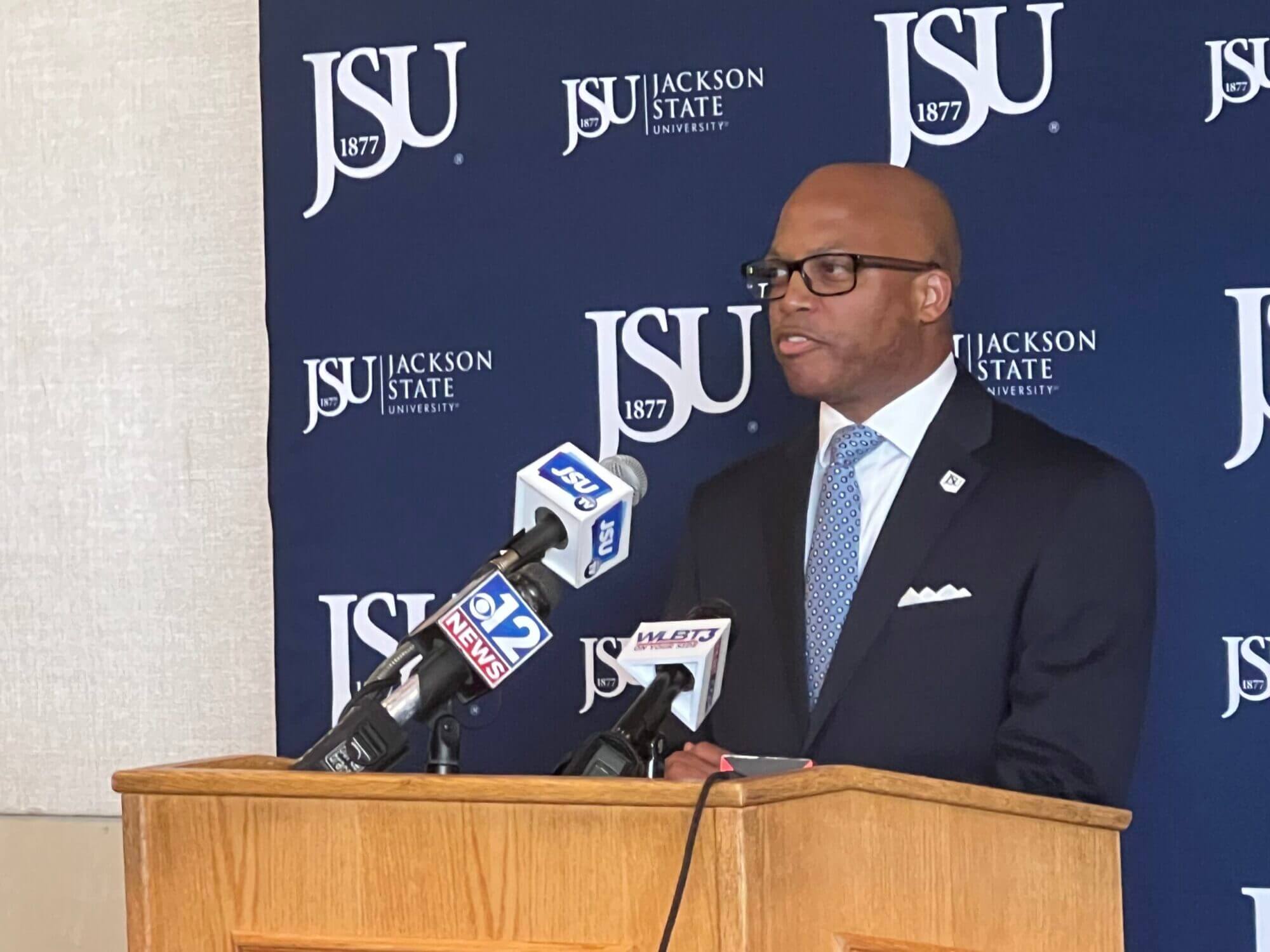
Marcus Thompson addressed reporters in his first press conference as Jackson State University’s 13th president on Nov. 30, 2023. Credit: Molly Minta/Mississippi Today

In 2023, Mays-Jackson sued the IHL board of trustees the same day it tapped Marcus Thompson to be president of Jackson State. Mays-Jackson contended that she was passed over for JSU’s presidency in favor of Thompson, a less experienced man. 

In her lawsuit, Mays-Jackson alleged she applied for the top job but was denied an interview. She said she wasn’t given the opportunity to be considered for the role because the state’s college board used a policy that allowed trustees to suspend the president search and hire anyone known to the board, regardless whether that person applied for the role.  

Trustees claimed qualified immunity, a legal protection from liability for government officials, in an effort to have the case dismissed. A district court judge ruled the trustees could not claim qualified immunity, but trustees appealed that decision.

In December, a federal appeals court sided with the lower court’s ruling and the case moved forward. Trustees and Mays-Jackson reached a settlement Aug. 25 and the case was dismissed, bringing closure to the three-year legal battle. Thompson resigned as president in May 2025 after a little more than a year of becoming leader of the institution. 

Attorneys for both Mays-Jackson and Thompson declined to comment when reached by Mississippi Today.

In June, Jackson State University reached a $150,000 settlement with Linda Rush, the former interim vice president of enrollment management at JSU. Rush alleged in a federal lawsuit that Thompson passed her over for a promotion and that she was subsequently fired because of her age and sex. A federal judge dismissed several of Rush’s claims last year but allowed one sex discrimination claim against Thompson to proceed.

Rush, who was 61 when she was fired, worked at Jackson State for nearly 25 years before her termination, according to her lawsuit. 

Thompson became JSU president in November 2023 and selected Kylon Alford-Windfield to lead the enrollment management division in January 2024. 

In her lawsuit, Rush accuses Thompson of favoring Alford-Windfield, a younger male colleague, for the permanent role. Thompson and Alford-Windfield were classmates in Jackson State’s executive doctoral program in urban higher education and fraternity brothers in Kappa Alpha Psi, according to the lawsuit. 

Rush alleges that after Alford-Windfield took over the division, she continued performing duties associated with his job, including preparing his cabinet reports and speaking notes. Sixty days later, Alford-Windfield fired Rush without reason, offered to write her a letter of recommendation and had her escorted from campus, according to the lawsuit. 

As part of the settlement, Rush also agreed not to apply to work at Jackson State or other public universities IHL oversees. If she does apply, the agreement says the university is not obligated to consider her application. Jackson State and Thompson did not admit wrongdoing as part of the settlement.

Lisa M. Ross, who represents both Rush and Mays-Jackson, declined to comment, as did attorneys for Alford-Winfield, Thompson and the university. Attorneys for the state’s college board did not respond to a request for comment. 

Andrew Young visits Mississippi for Medgar Evers lecture

0

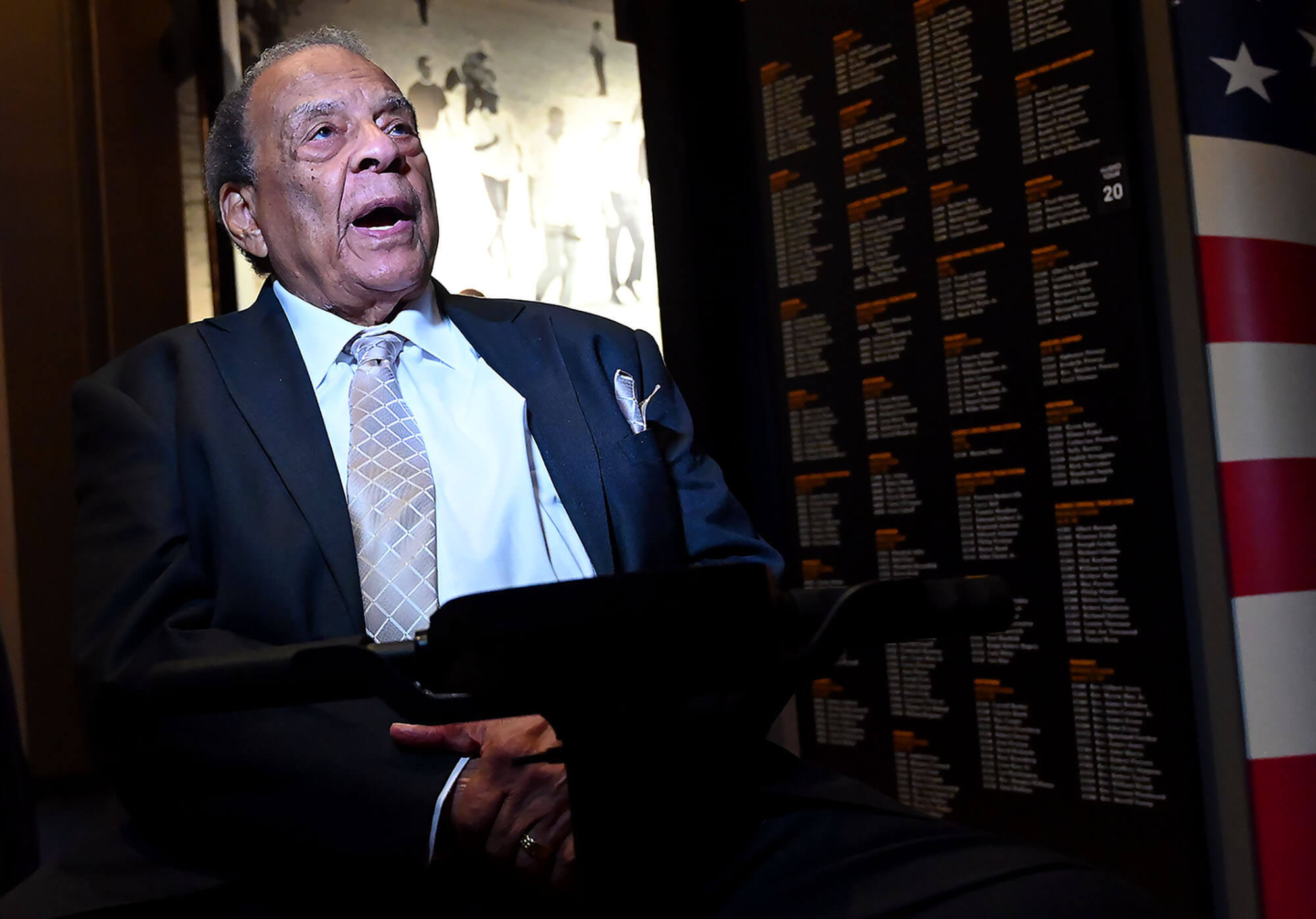
Andrew Young wheeled through the Mississippi Civil Rights Museum on Thursday, soaking in the history that he helped make.

The former pastor and civil rights leader, who worked closely with Martin Luther King Jr. at the Southern Christian Leadership Conference, was there during the 1966 March Against Fear in Mississippi. He was there when Grenada public schools began to integrate. Two years later, he was there when King was assassinated at the Lorraine Motel in Memphis. 

When the bullet struck King, it severed his spinal cord, Young said. “He couldn’t feel anything or hear anything.”

The first thing Young thought of as he witnessed the assassination was the Bible story of the prophet Elijah.

Young looked out over the Mississippi River as the setting sun seemed to catch fire in the sky. “It was a beautiful set of clouds,” he said. “It was about 6 o’clock in the evening. I said, ‘Damn, Martin’s going to heaven in a flaming chariot.’”

The former U.S. ambassador to the United Nations came to Mississippi to deliver the Medgar Wiley Evers Lecture, sponsored by the Mississippi Department of Archives and History, W.K. Kellogg Foundation and the Medgar & Myrlie Evers Institute.

Inside the museum Thursday morning, Young saw the pictures of the fight for civil rights and voting rights. He played a role in pushing the 1964 Civil Rights Act and the 1965 Voting Rights Act through Congress.

Two Mississippi Museums Director Michael Morris, left, and civil rights icon Andrew Young talk about the young man between them in the photograph during a tour at the Mississippi Civil Rights Museum, Thursday, Sept. 3, 2026, in Jackson. Credit: Vickie D. King/Mississippi Today

He glimpsed photographs of himself, King and James Meredith making their March Against Fear in Mississippi in June 1966. That march included a terrifying encounter in Philadelphia, where a white mob, including Klansmen, hurled eggs, rocks and racist slurs at the marchers.

In September 1966, when the first Black students tried to attend what had been an all-white public school in Grenada, a white mob attacked them with chains, pipes and clubs.

The mob broke plate glass windows where the students were, Young said. Days later, on Sept. 20, 1966, he, King and folk singer Joan Baez safely escorted the students to school. Young is expected to reunite with some of those former students Thursday.

Young recalled, too, the 1968 Poor People’s March on Washington that started in Marks and ended at the nation’s capital a month later.

In 1972, Young became the first Black member elected to Congress from Georgia since Reconstruction. He served as mayor of Atlanta during the time the city hosted the 1996 Olympic Games and served as co-chair.

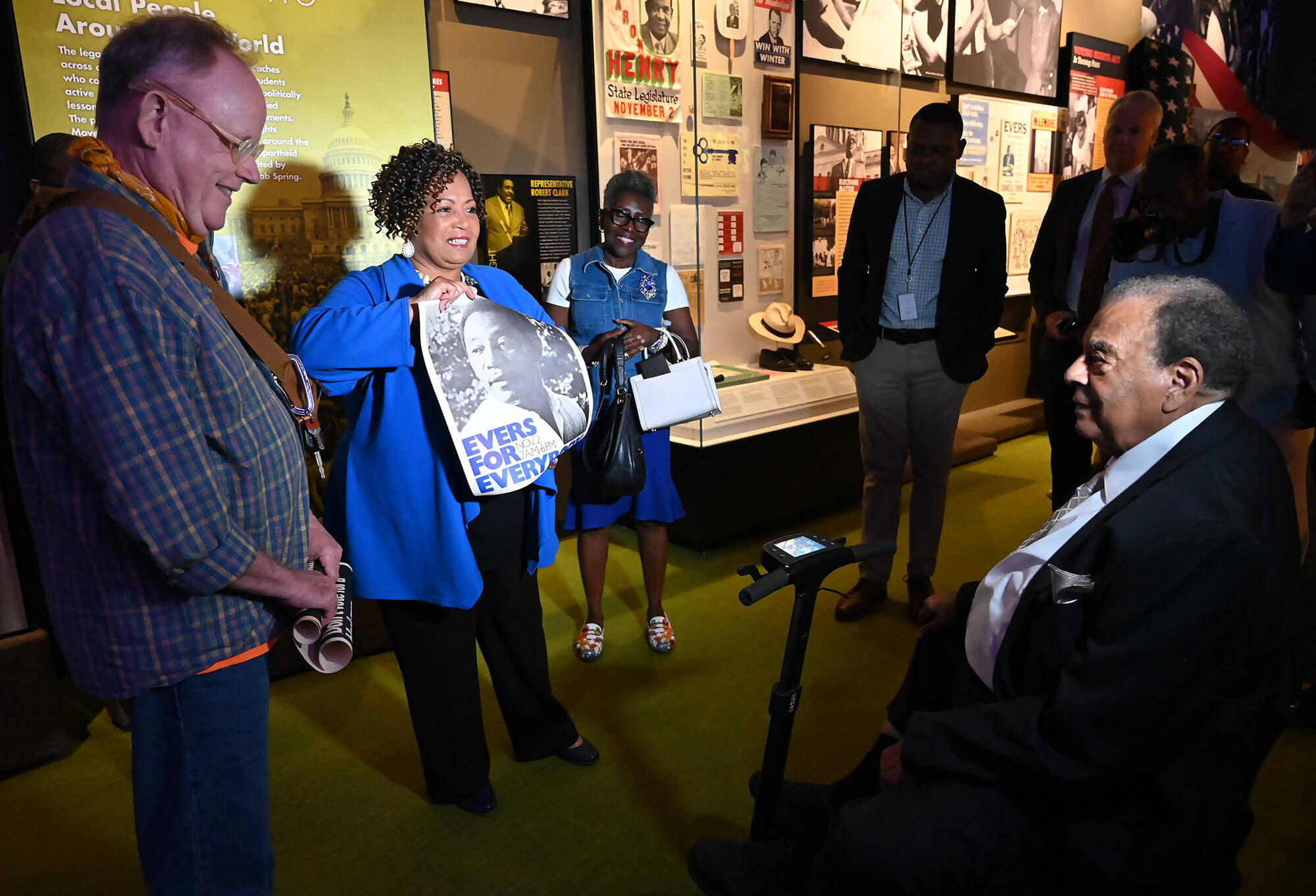
Rob Carpenter, left, drove from his Baton Rouge home in order to donate Charles Evers campaign posters to the museum. Carpenter met Reena Evers-Everette, daughter of Medgar Evers, and civil rights icon Andrew Young, Thursday, Sept. 3, 2026, in Jackson. Credit: Vickie D. King/Mississippi Today

The 94-year-old native of New Orleans continues to chair GoodWorks International, an organization that pushes for economic development in the Caribbean and Africa. His memoirs include “A Way Out of No Way” and “An Easy Burden.”

When he saw a photograph of Fannie Lou Hamer in the museum, he talked about hearing that she had been beaten in the Winona jail in 1963. Those from the Student Nonviolent Coordinating Committee who tried to free her were arrested, too.

Young said he and fellow civil rights leader James Bevel traveled there in hopes of freeing Hamer and the others. When Hamer and the others emerged, Young shared the awful news he had heard on the radio — NAACP leader Medgar Evers had been assassinated.

“Medgar Evers has been a hero in my head and my heart,” Young said. “In every picture I see, I see his strong character, and his faith in his people.”

In 1977, the White House provided a plane for Young to travel to Mississippi for Hamer’s funeral, he said. “To have a presidential delegation attend her funeral showed how much progress had been made.”

After finishing his tour Thursday, Young said it’s easy to think the museum deals only with the past.

“We’re not looking back on it, we’re in the middle of it. We would normally look at this exhibit as the old days,” he said. “The only thing we can do is realize this is not history. We’re still in a struggle to save Black men’s bodies and white men’s souls.”

He has known hate his whole life. He grew up in New Orleans across the street from an office for the American Nazi Party. “I could look out my window and see the swastikas,” he said.

That hate is still happening, he said, and that’s why the struggle continues. “I don’t think we’re losing ground,” he said. “We’ve come too far from where we started from.”

After he left the museum, he spoke with Jackson State University students and urged them to make a difference with their lives. “It’s not what you want,” he told the students. “It’s what you were created for.”

He recalled his father’s advice on keeping an even keel, even when confronting hatred. “My daddy’s message was, ‘Don’t get mad, get smart. That’s how I made it.”

He told students that he almost dropped out of Howard University — until he happened to run into an old classmate in New Orleans who had left school in the third grade. When he asked the classmate where he had been, the man replied that he had been in every reform school and prison in Louisiana.

When Young shared that he was thinking about dropping out, the old classmate replied, “Motherf—er, if I ever catch your Black ass on the street and you not in school, I’m going to beat the s— out of you. You got to get your ass back in school and you got to be somebody.”

Young said he took those words as his marching orders.

After graduating from Howard, he recalled going through North Carolina on the way back to Louisiana. “Everything in the sky looked perfect. The cornfields were yellow. The cows were eating,” he said. “It suddenly hit me that everything has a purpose for me, and whoever made all of this made everything with a purpose for me.”

From that moment forward, he said he decided that if he found something no one else wanted to do, he would take that as a divine cue, and he’s lived that way since.

On Thursday night, Ebony Lumumba, who chairs JSU’s Department of English, asked Young what he meant when he told students, “We don’t belong to ourselves.”

Young replied, “‘To whom much has been given, much shall be required.’ It’s not suggested. It’s required.”

He praised the courage of E.W. Steptoe, who went to the Amite County courthouse to register to vote, only to encounter white men with guns. Young quoted Steptoe as telling the armed mob, “You can kill me, but I’m gonna vote.”

Steptoe recruited many other Black Mississippians to register to vote, too, and eventually ran for Congress. “If we had 2,000 more people like that over the last 10 years,” Young said, “we wouldn’t be in the mess we are in right now.”

Over the decades, “ we have been through ‘many dangers, toils and snares,’ and God’s amazing grace has seen us through,” he said. “As long as you trust in that, you’ll find a way to make it.”

No one said the way is easy, he said, “but God didn’t bring us this far to leave us. I’m not nervous about the future. I know God is still on the throne.”

He shared the words that King quoted from abolitionist James Russell Lowell at the end of the Selma march in 1965:

Truth forever on the scaffold,

Wrong forever on the throne,

Yet that scaffold sways the future,

And, behind the dim unknown,

Standeth God within the shadow,

Keeping watch above his own.

Mississippi issues Lafayette burn ban after senator puts heat on agency amid drought

0

The Mississippi Forestry Commission confirmed Thursday a burn ban is in place for Lafayette County after a lawmaker who represents the area publicly criticized the agency’s process.

Sen. Nicole Boyd, a Republican from Oxford, sent a letter Wednesday to the commission questioning why it hadn’t issued a temporary burn ban for the county. In addition to little rainfall over the last month, Boyd said the county has had to handle 16 different fires since the beginning of August.

“I understand the stated reason is that Lafayette County has not experienced enough fire activity,” the state senator wrote to State Forester Russell Bozeman in a letter she posted to Facebook. “That rationale is backwards. A burn ban is a prevention tool, not a reward for waiting until enough fires have already occurred.”

Lafayette County Board President Brent Larson said the county initially requested the ban Wednesday morning, but was verbally denied by one of the state’s regional foresters.

“The normal course of action is, we approve it, I sign off on it, send it to (MFC), they sign off of it,” Larson told Mississippi Today. “They have never given us a problem, never.”

Larson claimed MFC denied the ban because the area hadn’t seen enough wildfires.

“We hadn’t had rain at all in a month, hardly, and you’ve got people out here we’re trying to protect,” he said. “I was mad, I mean I was disgusted and dumbfounded.”

MFC on Thursday told Mississippi Today that a ban had been put in place that morning after the agency received the necessary information from Lafayette County.

“Our goal is to work closely with local officials and make timely decisions based on the best information available to protect the public and our firefighters,” Bozeman said in an emailed statement, asking “all Mississippians” to use extra caution with outdoor burning.

“(MFC) shares Senator Boyd’s concerns about wildfire risk and public safety. The Commission’s initial determination was based on the information available to our wildfire professionals at the time. There is no predetermined number of fires required to approve a burn ban; rather, we evaluate the totality of available conditions, including drought, rainfall, fuel conditions, weather, fire activity, and other relevant factors.”

Sen. Nicole Boyd, R-Oxford, speaks during the Mississippi Opioid Settlement Fund Advisory Council meeting at the Carroll Gartin Justice Building in Jackson, Monday, Nov. 3, 2025.

In addition to Lafayette, the commission on Thursday approved burn bans for eight other counties: Copiah, Rankin, Jefferson, Covington, Grenada, Lawrence, Franklin and Jefferson Davis. A county can request a ban, and then MFC approves the request, the agency’s website says.

A burn ban status prevents “anything with an open flame that produces an ember,” the agency defines, including campfires, bonfires, fire pits, fire rings, burn barrels, debris burning and field burning. Propane, gas and charcoal grills are allowed, as well as propane and gas heaters. Violators can receive fines from $100 to $500.

The Delta is seeing the worst of the ongoing drought, according to data from the U.S. Drought Monitor. Parts of Bolivar and Washington counties are seeing “exceptional drought” — the highest level on the monitor’s intensity scale — while parts of Sunflower, Leflore and Humphreys counties are having “extreme drought.” There are no active burn bans from the state in those counties.

It’s unclear when Lafayette County requested the burn ban or what initial response it received from MFC. The county’s Board of Supervisors President Brent Larson did not respond to calls for a clarification, and Fire Department Chief Wes Anderson declined to comment, citing “political things going on.”

The city of Oxford on Tuesday asked residents to conserve water during a “historically high summer demand” during the ongoing drought. The notice highlighted the strain caused by outdoor irrigation, which makes up over 50% of the city’s peak water consumption.

“We are relying on our community’s proactive cooperation to protect the City of Oxford water system,” the notice read, asking residents to cut back on watering times by 50%.

Below average rainfall for August, more drought expected

Most of Mississippi was under a heat advisory as of Thursday, according to the National Weather Service, which means the heat index for the area has surpassed 105°F. The past month has seen lower rainfall throughout the state when compared to an average August. Greenville, for instance, recorded just 0.44 inches of rain for the month, compared to the nearly 3 inches it usually sees that time of year.

“Earlier in the summer, we had a lot of low-level moisture, and a combination of that higher humidity and hot temperatures, that’s what’s pushing our heat indices well into the advisory and warning categories,” NWS Memphis meteorologist Corey Chaskelson said.

Chaskelson said the forecast for his office’s area, which covers north Mississippi, shows little chance of rain over the next week. The ongoing El Niño event, part of a global weather pattern, is resulting in drier and warmer conditions, although those are common for the region this time of year, he explained.

The Mississippi State Department of Health cautions residents to stay hydrated during extreme heat and to avoid alcoholic and caffeinated beverages. For other tips, including signs of heat stroke, visit the MSDH or CDC website.

Disillusioned with the healthcare system, these physicians stopped taking insurance

0

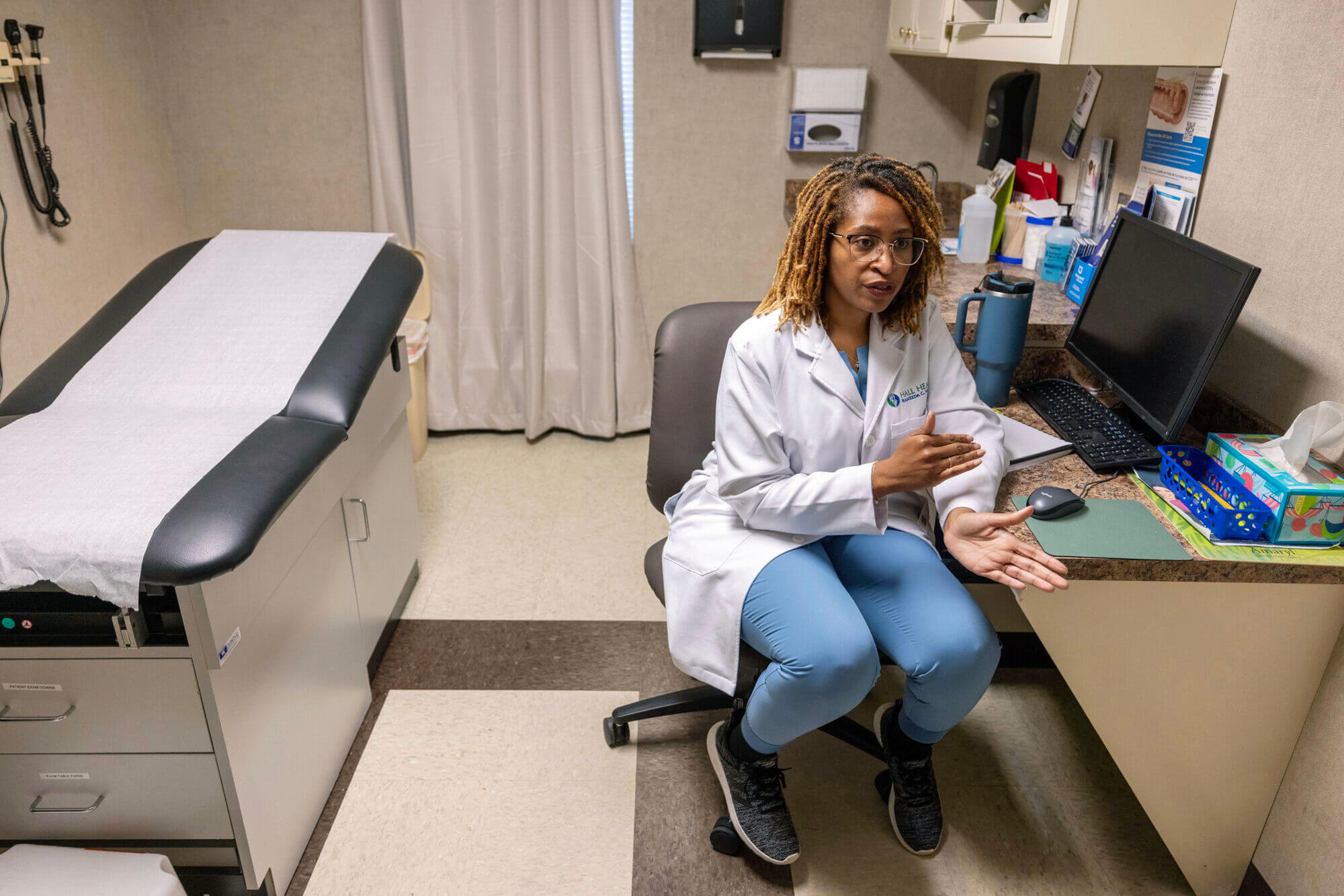
Dr. Rasheeda Hall didn’t want to cut her patients’ appointments off after the allotted 15 minutes, but she didn’t have much of a choice. 

Working as a family physician at a hospital and clinics in southeastern Mississippi, Hall said she watched as her patients were rushed through visits, sometimes giving her as little as five minutes to diagnose conditions, educate her patients, discuss treatment plans and write prescriptions. She tried setting timers on her phone and asked nurses to knock on the exam room door when her time was up, but she kept running over.

Insurance companies’ billing practices influenced the amount of time she was able to spend with patients and the care she could provide to them. Neither she nor her patients were getting what they needed. 

“I just started realizing there has got to be a better way,” she said. 

Hall opened Hall Health in Hattiesburg in 2024. The clinic uses the direct primary care model, a type of practice that does not accept insurance and instead provides a slate of primary care services to patients who pay a monthly subscription fee. Hall schedules appointments for 30 or 60 minutes, doubling or quadrupling the time she has to spend with patients.

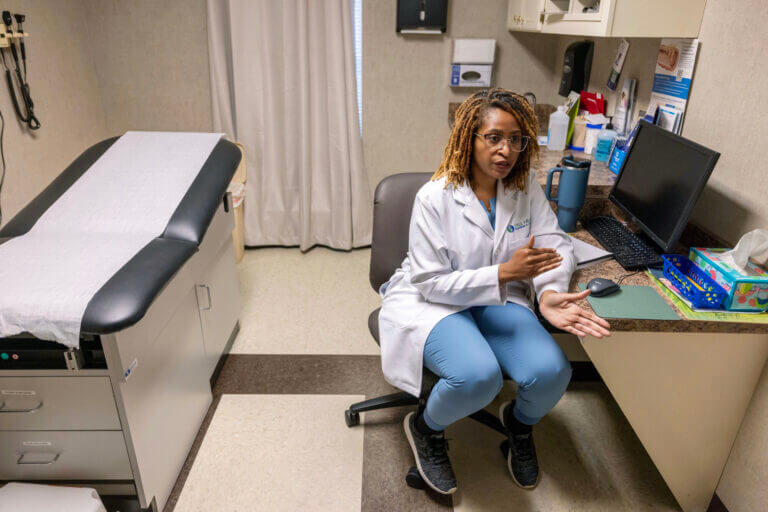
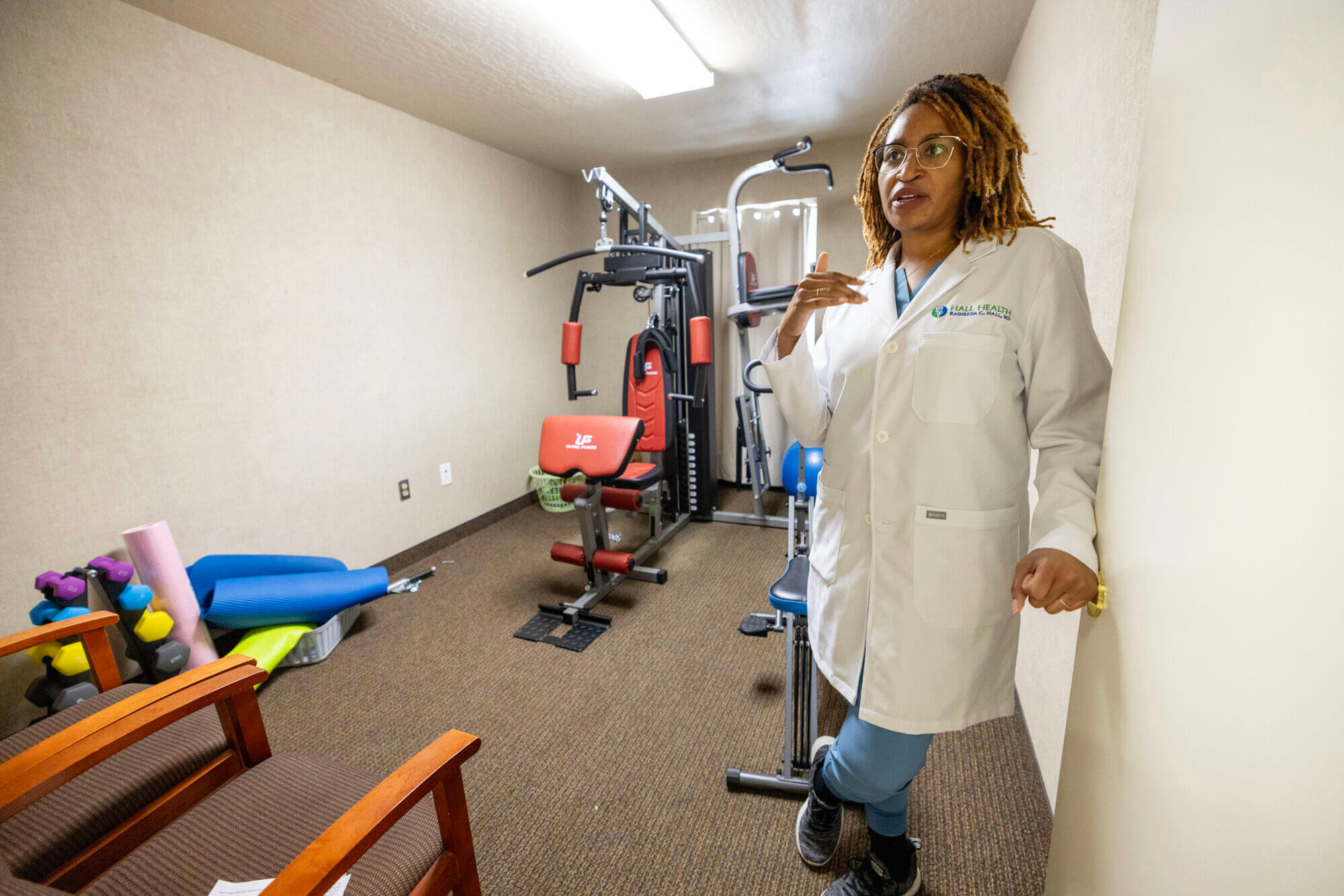
Dr. Rasheeda Hall talks about how she encourages her patients to exercise to help combat some health-related issues at her clinic, Hall Health, Friday, Aug. 28, 2026, in Hattiesburg. Credit: Eric Shelton/Mississippi Today

The model is growing in popularity nationwide, including in Mississippi. This approach to care typically gives patients direct access to their doctors, unlimited in-person and telehealth visits and longer appointments. On average, direct primary care practices charge roughly $100 per member each month, according to a 2024 survey of over 450 practices across the United States published in July by the Direct Primary Care Alliance, a membership organization for providers.

Hall said she has seen a “big uptick” in patients who sought out her practice this year because they are struggling to afford the cost of health insurance after the expiration of enhanced federal tax credits for Affordable Care Act marketplace plans in December. Mississippi has seen one of the steepest drops nationally in coverage rates after the subsidies ended, and health policy experts expect uninsurance rates in the state to rise. 

Some doctors and patients say that direct primary care allows doctors to provide higher quality, preventive care to their patients and avoid costly hospitalizations. They argue it avoids the drawbacks of insurance incentives and can make primary care services more affordable for patients. But some health policy experts warn the model is not a substitute for insurance, disproportionately serves higher-income patients and could worsen primary care physician shortages.

The Mississippi Direct Primary Care Act, passed by the state Legislature in 2015, requires doctors to establish in signed agreements outlining the scope of their services and fees that direct primary care memberships are not insurance. The law also prohibits physicians from refusing to serve patients because of preexisting conditions. 

About 1 in 5 of Hall’s patients are uninsured. Hall works to help them find affordable healthcare services by offering labs at wholesale rates, connecting them with financial assistance programs and helping them find the best rates for services outside of her scope. But she said she makes it clear to patients that direct primary care does not replace insurance, because it does not cover specialty or emergency medical services. 

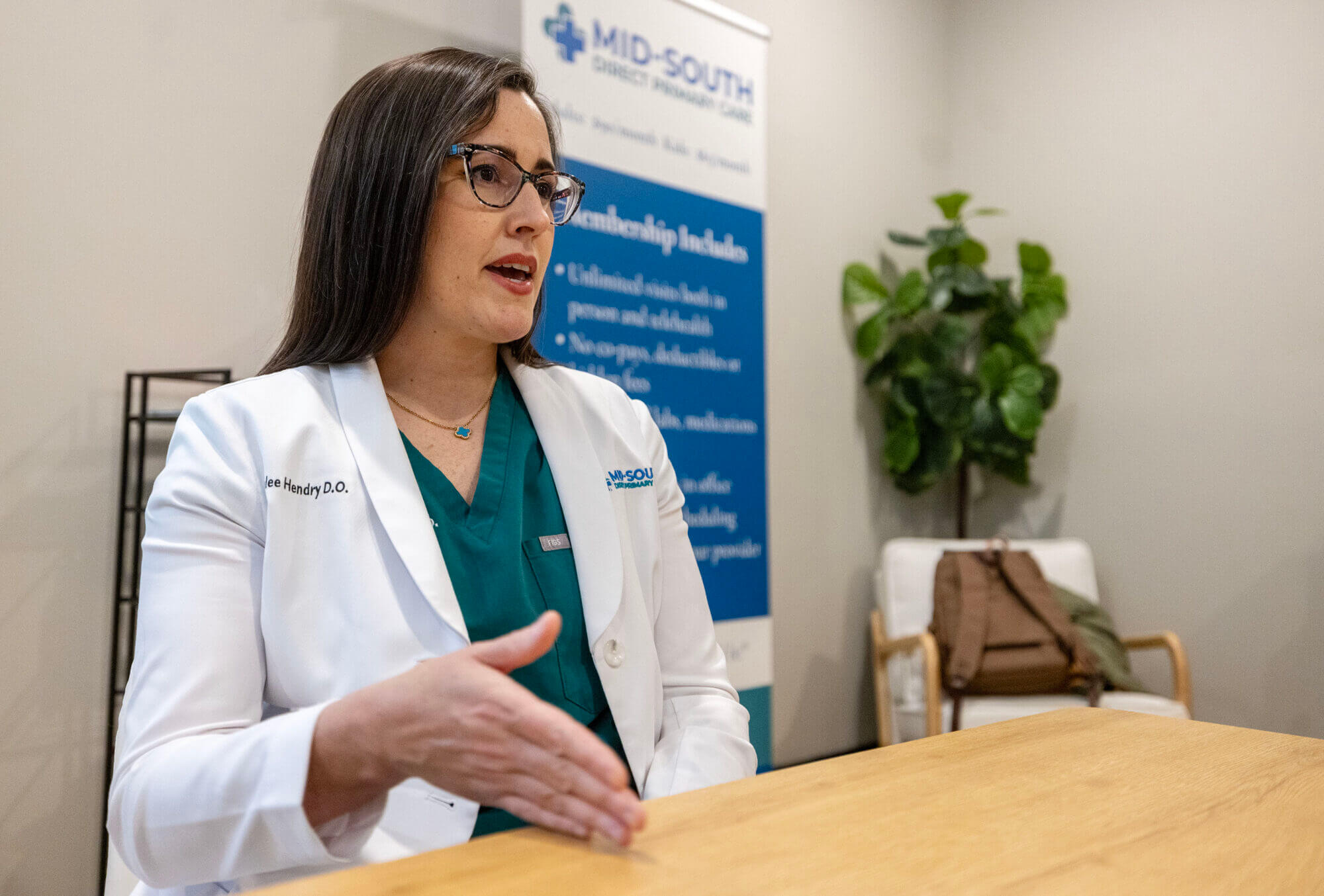
Sharon Conner has been a patient of Dr. Ashlee Hendry at Mid-South Direct Primary Care in Petal for about a year. A former nurse, truck driver and beautician, Conner is disabled and unable to work after a workplace injury. She lives on a limited income and does not have health insurance. 

Conner said the ability to schedule same or next-day appointments with her doctor, along with being able to text her questions about her care, has allowed her to continue receiving quality primary care and maintain her health without insurance. She hopes to qualify for Medicaid coverage but says she will continue to pay to see Hendry if she does because of the high-quality care she provides, and believes the cost is fair. Hendry has also helped Conner navigate disability and food benefit applications and connected her with affordable diagnostic testing. 

“She is the advocate that I want by my side,” Conner said. 

‘An assembly line’

Hendry opened her direct primary care clinic in 2022 and now operates two locations, in Petal and Hattiesburg. Like Hall, she said she had grown disillusioned with a medical system she felt prioritized moving patients through quickly and micromanaging providers over giving doctors the time and discretion needed to provide meaningful care. 

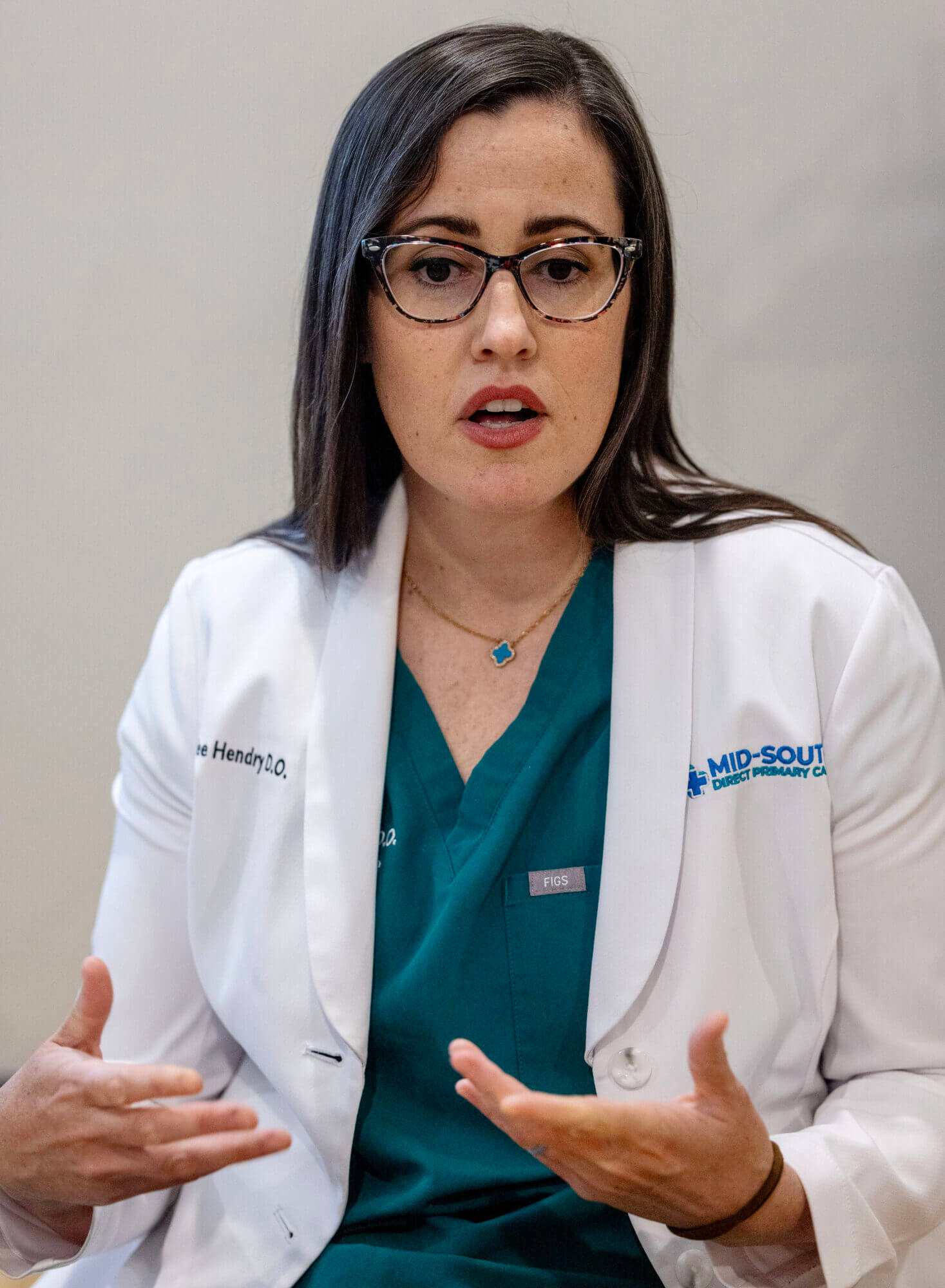
Dr. Ashlee Hendry discusses prior authorization policies and the differences between self-pay and insurance prices for health care at her clinic, Mid-South Direct Primary Care, Friday, Aug. 28, 2026, in Hattiesburg. Credit: Eric Shelton/Mississippi Today

At her first job working at an outpatient primary care clinic for a Memphis-based hospital system, Hendry said she saw more than 30 patients a day. 

“What I learned there was that medicine has kind of evolved into an assembly line and the name of the game there was to see as many patients as you can,” she said. “I wasn’t sleeping at night wondering what was missed.”

After three years, Hendry took a job at a Hattiesburg hospital. There, she found the churn of a similar “referral machine.” She began to look closely at how patients were being billed for services. Her interest in price transparency in medicine developed while she was in medical school and struggled financially as a single mother of a toddler. 

She noticed that patients were sometimes charged for lab tests the hospital did not fulfill and billing codes were adjusted after visits, causing patients to be charged more for services. She said she raised her concerns, but when the hospital’s management did not rectify the issues, she left her position, successfully exiting a restrictive non-compete agreement. 

Hendry seized the opportunity to open her own direct primary care practice. She found an affordable space to rent, and her husband, who works in construction, helped her flip the space in 30 days. In the first 24 hours after she announced its opening, 100 patients signed up. 

Since then, Hendry said word of the clinic has spread rapidly, especially among patients struggling to afford health insurance. She now has a waitlist for new patients. About half of her patients have insurance, though she does not accept insurance for the services she provides. Patients can, however, use their insurance to cover lab work or other health care services.   

“We have so many patients reaching out: ‘Hey, I just lost my insurance. My premium went up $500 a month, I literally cannot afford it,’” she said.

More time and transparency

Having more time with patients allows her to better understand the health disparities they face, Hall said. Most of her patients are middle-aged Black women, many of whom, she said, have previously not received the care and attention from healthcare providers they deserve.

She often begins appointments with a simple question: “How are you doing?”

“I look them in their eyes, and they start crying,” Hall said. “Because nobody has taken the time to stop and actually care to hear the response.” 

Extra time and lower caseloads can also give direct primary care physicians the ability to offer more high-quality care for their patients.

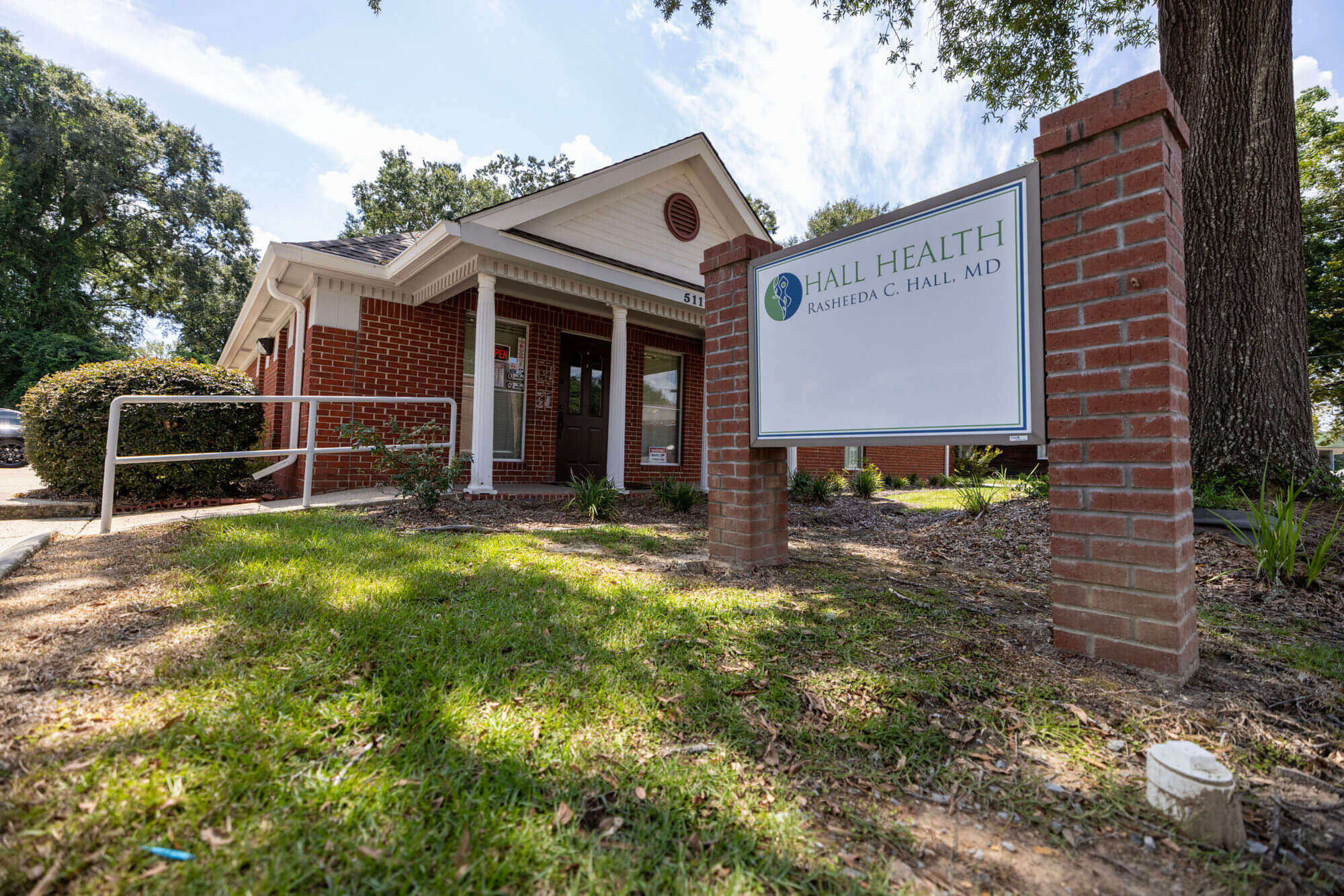
Dr. Rasheeda Hall’s clinic, Hall Health, pictured here on Friday, Aug. 28, 2026, is located in the 500 block of West Laurel Avenue in Hattiesburg. Credit: Eric Shelton/Mississippi Today

Hendry said she now sees no more than 12 patients a day, even at her busiest. The additional time allows her to take a deeper look at patients’ medical histories and research difficult or unusual cases. In one case, extensive research, including joining rare disease support groups and seeking out genetic testing for a patient, helped her diagnose a rare autoimmune disorder. In another case, she noticed a pattern in a patient’s past lab results that led her to identify the warning signs of leukemia, a trend she said other providers had previously missed. 

Hendry also takes time to call around to specialists to seek out the lowest prices for her patients. She has recorded some of these calls in viral videos reaching millions of views on social media. By asking questions about prices, she said she has discovered some hospitals charge out-of-pocket prices for services that are lower than for some patients with insurance coverage.

Her videos have prompted strong responses from viewers with insurance, she said, who expressed surprise at the out-of-pocket costs for some services and the variability in cost based on the type of insurance coverage a patient has. 

Dr. Ashlee Hendry discusses prior authorization policies and the differences between self-pay and insurance prices for health care at her clinic, Mid-South Direct Primary Care, Friday, Aug. 28, 2026, in Hattiesburg. Credit: Eric Shelton/Mississippi Today

“The insanity that a medical doctor is calling to negotiate pricing like a dang used car sale deal,” one commenter wrote in response to Hendry calling imaging centers and hospitals for out-of-pocket MRI costs. 

After one of her videos went viral, Hendry said her office received a call from a hospital asking her to stop telling patients about out-of-pocket prices.

“It’s not the self-pay patients that are surprised,” Hendry said. “It’s the ones who have been insured for their entire life who have never seen what the real price of things are that are shocked and mad.”

Kellie Harper of Beaumont has health insurance, but she said as a patient of Hendry’s, she has learned more about how to ask questions about medical costs in order to find the most affordable care for her family. 

“I ask about self-pay services before I give my insurance information to anybody,” Harper said.

Seeking a solution 

Dr. Robert Berenson, an institute fellow at Washington, D.C.-based policy think tank The Urban Institute, previously oversaw Medicare payment policy for the Centers for Medicare and Medicaid Services. He practiced primary care for over a decade before turning to policy. He said he sympathizes with doctors who feel as if they are “on a treadmill,” but does not believe direct primary care is a solution to the broader, more complex problem of companies profiting from providing healthcare services and low insurance payments for primary care services. 

“It puts off the day of reckoning,” he said. “What are we going to do to try to save primary care?”

The model is not a solution, he said, because it exacerbates physician shortages by reducing the number of patients a doctor is able to serve. 

But some direct primary care physicians argue this is faulty logic, because primary care physicians experiencing burnout might instead decide to leave the field entirely. Almost half of primary care physicians reported feeling burnout in 2023, according to a 2025 report from the U.S. Health Resources and Services Administration. 

Direct primary care is not the solution to all of healthcare’s complex problems, but it can play a role in keeping talented physicians in the healthcare field, said Dr. John Vanderloo, the past president of the Mississippi Academy of Family Physicians and first direct primary care physician to serve in that role. 

“It’s not the end all be all, but it is, I think, renewing the spirit of the physician who is burned out,” he said.  

Berenson said he also has concerns that some proponents of direct primary care overstate what primary care practices can provide. Patients without insurance could face significant financial risks if they are diagnosed with cancer or another serious condition, or require emergency care or costly medications, he said. 

“We have to have major reforms in the insurance industry, but I don’t think you can take care of patients by yourself,” Berenson said. “Those days are done.”

Primary care doctors, too, acknowledge the model isn’t affordable for every patient. Hendry, who charges $100 a month per adult, said the cost is the one aspect of the model that bothers her. 

Hall said she hopes to create a nonprofit arm of her practice to provide lower-cost care to patients through the direct primary care model. But she said her practice cannot alone serve as the solution to all of the challenges facing medicine. 

“I’m one person, and I can’t fix all of healthcare’s problems,” Hall said.

Hundreds of thousands of eligible kids in the US are waiting for childcare assistance

0

INDIANAPOLIS — There’s the mother of two who needs a full-time job to keep up with the bills, but can’t afford full-time childcare. There’s the medical technician who stopped buying groceries and turned to food banks so she could pay for her infant’s care.  

There’s the baby who remained in foster care, even after his mother completed the steps to bring him home. She had found a job, as the state required, but couldn’t afford his childcare.  

It’s hardly news that childcare is expensive, straining the budget of even middle-class parents. But these families all qualify for government-funded childcare assistance, intended to drastically reduce the childcare bills of needy parents so they can work or go to school. Instead, Indiana’s program, which had run short on funds, waitlisted them.  

Hundreds of thousands of children were sitting on childcare assistance waitlists in 23 states and the District of Columbia as of this spring, according to an analysis by The Associated Press. In three more states, some eligible parents were turned away before they even applied because of enrollment freezes. 

Childcare assistance, funded by the federal government with help from states, is supposed to aid working parents who are low-income, homeless or caring for foster children. But waitlists have ballooned since 2023, when eight states had them, according to the AP analysis. Reporters collected waitlist and enrollment data from 47 states and the District of Columbia.  

Meygan Maloney looks through a toy with her son Callum Wilson, 3, Friday, Aug. 28, 2026, at their home in Hartford City, Ind. Credit: AP Photo/Cara Penquite

Many of the waitlists first started after $28 billion in pandemic aid expired in the fall of 2024. The Republican-led Congress declined to extend the extra money. Some states have increased funding to try to fill the gap, but families’ need for childcare assistance has only grown, as they’ve faced mounting costs for food and gas. 

While eligible families sit on waitlists, untold numbers of adults are sidelined from education or the workforce because they can’t afford childcare. Those parents who remain in school or keep working make difficult tradeoffs. In interviews, parents described forgoing necessities, falling behind on bills or relying on acquaintances to watch their children. Unable to find viable childcare, some have resorted to bringing their children with them to work or class.  

For Meygan Maloney’s family in rural Indiana, waiting for childcare assistance means month after month of falling short financially. Maloney was working as a caregiver for disabled adults before she had her second child in 2023. Around the same time, the family took emergency custody of a close relative’s newborn daughter.  

The next three years were marked by deepening financial struggles. Maloney only received $300 a month to care for her foster daughter, and both toddlers were put on a waitlist when she applied for childcare vouchers for 2025. 

While the girl returned to her family in the fall, Maloney and her husband are still behind on bills. They recently refinanced their home, and her husband is working seven days a week as a tire technician and delivery driver. A local childcare provider gave her a steep discount, allowing her to leave her son four mornings a week to clean at a local hospital.  

“I felt useless as a stay-at-home mom. I felt like I wasn’t contributing to our household,” Maloney said, her voice cracking. “We’re trying to get out. But for us to get out, we need the assistance.”  

Foster parents left to pay for childcare in Indiana 

Indiana started its waitlist in December 2024, a few months after pandemic aid ran out and it became clear the state would struggle to support families already in the program. Until May of this year, it put virtually everyone who applied on the waitlist, including foster parents. By spring 2026, nearly 37,000 children were waiting for assistance. 

Maloney and other foster families feel like they were misled by the state, which had for many years paid for childcare for foster children. Malinda Cox, an Indianapolis mom who took in a newborn last year, said she was forced to dip into her family’s savings to pay for the baby boy’s childcare so she could return to work. At one point, she considered giving up custody of the boy because her family could not afford his childcare bill. 

In the meantime, the boy’s biological mother was completing the requirements she had to satisfy to take him home. She had taken parenting classes and gotten a job. But she could not afford daycare, and because the boy could not get childcare assistance, he had to remain with Cox. 

“We started to feel, like, guilty. He should be home with his mom, but (because of) this massive system upset, he’s not,” Cox said. 

Books, toys and a painting rest on a shelf in a corner with a sign reading “Callum’s Corner” in Meygan Maloney’s living room Friday, Aug. 28, 2026, at their home in Hartford City, Ind. Credit: AP Photo/Cara Penquite

In April, Indiana Gov. Mike Braun, a Republican, announced the state would send $200 million in surplus funds to the state’s childcare assistance program. So far, the money has allowed it to move roughly 8,000 children off the waitlist. The state says it plans to use the funds to give assistance to an additional 6,000 children. 

Even before the recent growth in waitlists, federal funding for childcare assistance has always fallen short of providing for every needy family, only providing enough money to serve a fraction of those eligible. Experts say waitlists represent the tip of the iceberg, because many eligible families who need the help don’t know about the program or haven’t applied, daunted by tales of long waitlists. 

The origins of the funding shortfall are cultural, said Ruth Friedman, who headed the Office of Child Care under Democratic President Joe Biden. For decades, “childcare was the responsibility of the family,” she said. “The system is fundamentally broken, and if the government doesn’t help fix the system … it will not be affordable for families.” 

There are stark differences of opinion on whether the government should provide help — or how much. This year, 40 congressional Republicans called for “robust” funding of the federal program that underwrites childcare assistance. Instead, it received the same money as the year before. President Donald Trump said during his campaign that he could make childcare more affordable by using tariff revenue, but this spring he told a White House audience that paying for childcare should be up to states. 

“We’re fighting wars. We can’t take care of daycare. You got to let a state take care of daycare, and they should pay for it, too,” Trump told people gathered for an Easter luncheon.  

His administration has largely focused on allegations of fraud in the program, at one point halting funding to five Democratic-led states. After a lawsuit, a judge ordered Trump’s administration to restart the funding.  

Moms bring babies to college or work 

Without affordable childcare options, parents have resorted to bringing their children with them to work or school.  

In Minnesota, Deaira Gresham’s 1-year-old daughter Seaira has been on the waitlist for childcare assistance since birth, one of 9,000 children in her state awaiting aid as of this spring. Gresham, who works as an in-home health aide and takes a full load of classes at a chiropractor school, had some help with Seaira from her mother. But oftentimes, she was forced to take Seaira with her to class and to the homes of her clients. It took a toll — Gresham failed several classes juggling school and caring for a baby. 

This fall, she lucked out, getting a childcare grant for parenting students, allowing her to put Seaira in full-time care. 

“Parents are in desperate need,” Gresham said. “We need that break. We need to be able to go to school, go to work and know that our kids are in good hands.” 

It’s not just their work or college classes that parents worry about. Research has shown that high-quality childcare can boost a child’s social-emotional and academic development.  

Meygan Maloney plays with her son Callum Wilson, 3, Friday, Aug. 28, 2026, at their home in Hartford City, Ind. Credit: AP Photo/Cara Penquite

Carmen Perez, who lives north of San Francisco, has applied for childcare help for all four of her children. Her eldest son never received it before aging out of the program. He struggled academically in ways that his sisters, who attended subsidized preschool, did not.  

Now her two-year-old son is on a waitlist. She fears he will face the same challenges as his older brother. “It makes me sick.” 

On a rainy May day in Indianapolis, Cox bundled up her foster son and delivered him to a social worker. She packed up her own car with the boy’s things — clothes, diapers and a small changing table. The boy’s biological mother still had not gotten childcare assistance, but Cox had negotiated a deal with a childcare provider to offer a massive discount. When even that was out of the mother’s reach, Cox agreed to pay half. 

She arrived at the boy’s new home to watch him reunite with his mother. She felt a mix of grief over parting with him and elation over seeing his delight with his mother.  

Three weeks later, the mother got notice: He had finally been approved for a voucher.

____ 

Correction, 9/3/2026: This story has been updated to correct the total number of children being helped by Indiana’s childcare subsidies. An estimated 8,000 children have come off the waitlist and 6,000 more are projected to move off the list, bringing the total to 14,000, not 8,000.  

____ 

The Associated Press’ education coverage receives financial support from multiple private foundations. AP is solely responsible for all content. Find AP’s standards for working with philanthropies, a list of supporters and funded coverage areas at AP.org.