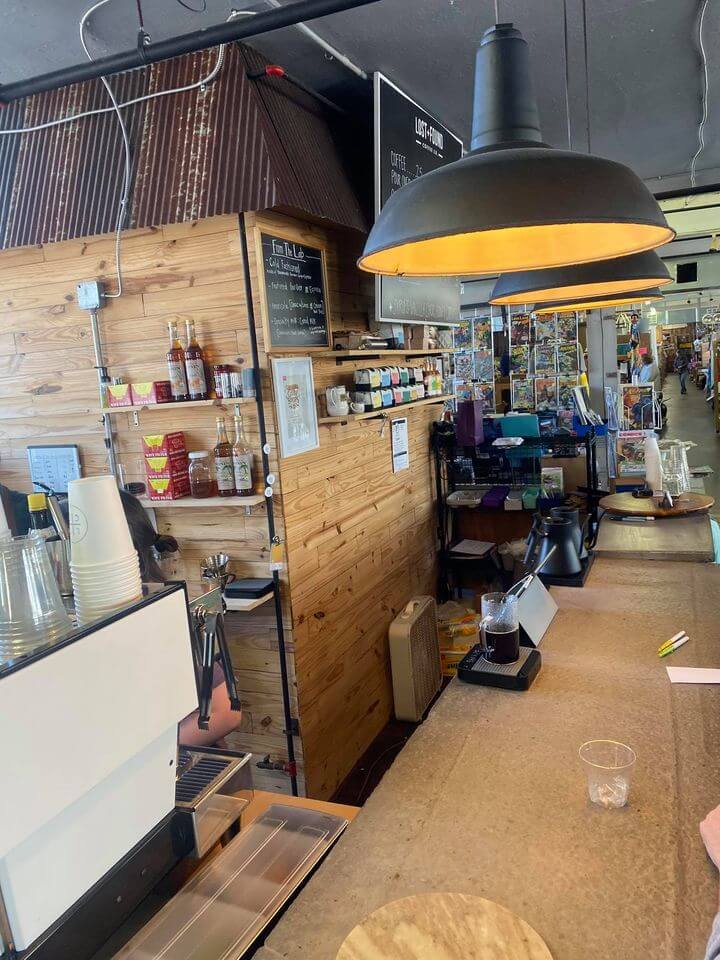
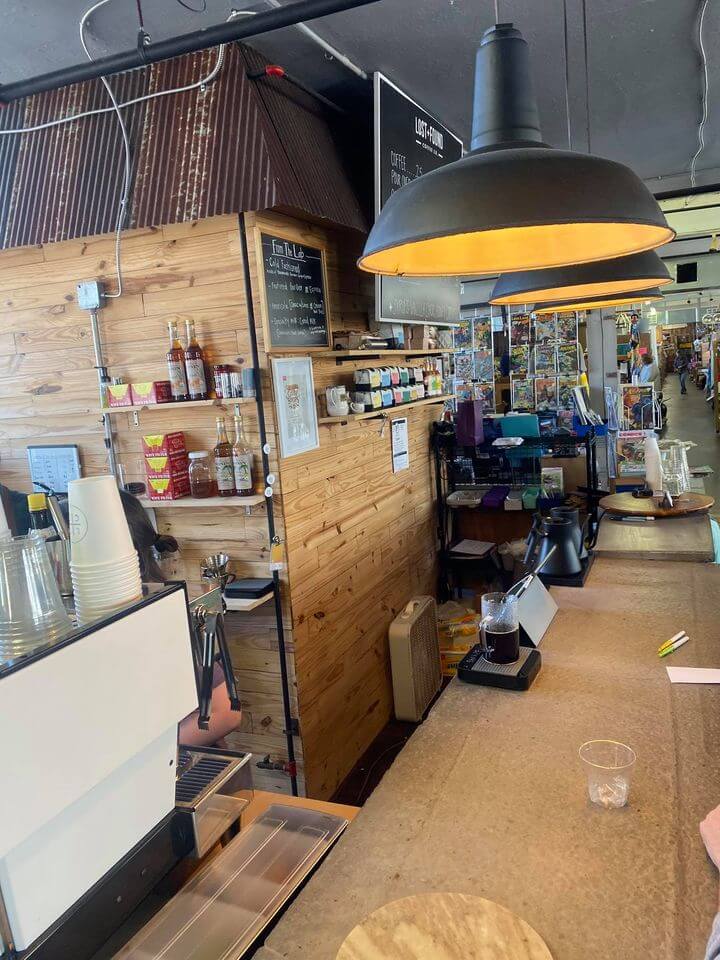
Lost+Found Coffee Company @ 248 South Green Street, Tupelo,MS. inside Relics in Downtown Tupelo. Open Monday through Saturday from 10:00am till 6:00pm.
With most any restaurant or coffee house, it’s a balance between atmosphere, menu, and know how. For a coffee shop, Lost & Found has it going on!
You could spend the better part of a day just strolling through both floors of the antique building looking at all the treasures. When your ready for a coffee break, the knowledgeable baristas can help you choose the perfect pick me up!
They have everything from a classic cup of joe to the creamiest creation you could imagine! From pour overs to cold brews. From lattes, mochas, to cappuccino’s, Lost & Found Coffee Company has got ya covered!
So the next time you want to hunt for lost treasures, or find the perfect cup of coffee, Lost & Found Coffee Company has got ya covered! See y’all there!
Visit my blog for events, contests, new restaurants, LOCAL Favorites, and their FAMOUS foods!
Help us grow our community @ Eating Out With Jeff Jones * visit our page * Click community * Invite friends * Like and share this post
Message me If you would like to have your restaurant, menu, and favorite foods featured in my blog. Over 18,000 local Foodies would love to see what you have to offer!
Do you thrive on the unexpected? Are you waiting for the next fire to crop up?
Have you ever noticed that you can plan something so intricately and you are still going to catch the glitches when life throws you a curve ball? It is one of the beauties of life that we can never prepare for. The unexpected. The only difference is our response to the unexpected. Do we have a knee jerk reaction that finds us swerving to gain back control of our life? Or do we instead just go with the flow and decide to embrace the scenic route life decided to take us on? Our response to life can cause us more stress or we can just enjoy it for what it is in that moment of time. I used to thrive on the unexpected. It was part of my career for many years. The never knowing what “fire” was going to sprout up that day and how I was going to need to put it out. Even this week as we launched our newest book in my publishing company. I thought I had it all planned out only to run into major “hiccups” within 72 hours of the launch. I could either stress out or take it in stride.
Slow and Steady
As my dad retired I watched him take a different approach to life than I had ever seen him take before. I mean, all you have to do is climb up in the cab of his king ranch Ford pick-up and see he is a changed man. He drives slower than anyone should even be allowed to drive out on the roads these days. He knows how to drive, so don’t go yelling at him next time you are stuck behind him. Trust me, my mom does enough yelling for all of us at him about that! He just takes life these days. His sentiments are that he lived in the fast lane his whole life. Rushing to be on time to work, rushing to come home to his family, the constant busy we get entangled with as adults…now, he doesn’t have to be busy and he is going to enjoy that. Truth is, I can’t even be mad at him for that. Now that I am an adult out here rushing from one thing to the next, I totally could use some driving twenty miles per hour in my life some days. Took me getting to nearly forty to even be able to say that though.
The lesson in his wisdom can be heard by all. Some things we lose it over won’t even amount to anything five years from now, yet we gave them so much energy in the moment. All the things we think are so important that we must do and do now. Most will not really matter years from now, yet we poured our soul into them. What would change if we took the time to just enjoy life? To just flow with things as they happened? When hit with something we didn’t expect, we embraced it instead of fighting it? What would happen? I dare say we might have more peace? I probably would be a lot calmer. I probably wouldn’t lose my temper near as much. I probably wouldn’t have anxiety or stress on the daily. I would probably take time to enjoy life more. I certainly wouldn’t yell at the slow driver in front of me.
What about you? Next time you get behind someone driving slowly…take back the name calling and curse words. Maybe take back all of the assumptions that they don’t know how to drive. Maybe use it as a reminder to take a moment, roll down your window, soak in the sunshine. I can promise you that wherever the heck you are going, you will still get there. Maybe that person figured out life and you can use their wisdom too. If they are driving a blue king ranch Ford truck, I can assure you that he is just enjoying his day and he would want you to enjoy yours too. Matter of fact, I wish I had listened to his wisdom a lot more in my earlier days instead of waiting until now.
Here is a plain, searchable text version (most other versions we found were Images or PDF files) of City Of Tupelo Executive Order 20-018. Effective Monday June 29th at 6:00 PM
The following Local Executive Order further amends and supplements all previous Local Executive Orders and its Emergency Proclamation and Resolution adopted by the City of Tupelo, Mississippi, pertaining to COVID-19. All provisions of previous local orders and proclamations shall remain in full force and effect.
LOCAL EXECUTIVE ORDER 20-018
The White House and CDC guidelines state the criteria for reopening up America should be based on data driven conditions within each region or state before proceeding to the next phased opening. Data should be based on symptoms, cases, and hospitals. Based on cases alone, there must be a downward trajectory of documented cases within a 14-day period or a downward trajectory of positive tests as a percent of total tests within a 14-day period. There has been no such downward trajectory in the documented cases in Lee County since May 18, 2020.
Hospital numbers are not always readily available to policymakers; however, from information that has been maintained and communicated to the City of Tupelo, the Northeast Mississippi Medical Center is near or at their capacity for treating COVID-19 inpatients over the past two weeks without reopening additional areas for treating COVID-19 patients. The City of Tupelo is experiencing an increase in the number of cases of COVID-19. The case count 45 days prior to the date of this executive order was 77 cases. That number increased within 15 days to 107, and today, the number is 429 cases. The City of Tupelo is experiencing increases of 11.7 cases a day. This is not in conformity with the guidelines provided of a downward trajectory of positive tests. By any metric available, the City of Tupelo may not continue to the next phase of reopening.
Governor Tate Reeves in his Executive Order No. 1492(1)(i)(1) authorizes the City of Tupelo to implement more restrictive measures than currently in place for other Mississippians to facilitate preventative measures against COVID-19 thereby creating the downward trajectory necessary for reopening.
That the Tupelo Economic Recovery Task Force and North Mississippi Medical Center have formally requested that the City of Tupelo adopt a face covering policy.
In an effort to support the Northeast Mississippi Health System in their response to COVID-19 and to strive to keep the City of Tupelo’s economy remaining open for business, effective at 6:00 a.m. on Monday, June 29, 2020, all persons who are present within the jurisdiction of the City of Tupelo shall wear a clean face covering any time they are, or will be, in contact with other people in indoor public or business spaces where it is not possible to maintain social distance. While wearing the face covering, it is essential to still maintain social distance being the best defense against the spread of COVID-19. The intent of this executive order is to encourage voluntary compliance with the requirements established herein by the businesses and persons within the jurisdiction of the City of Tupelo.
It is recommended that all indoor public or business spaces require persons to wear a face covering for entry. Upon entry, social distancing and activities shall follow guidelines of the City of Tupelo and the Governor’s executive orders pertaining to particular businesses and business activity.
Persons shall properly wear face coverings ensuring the face covering covers the mouth and nose,
1. Signage should be posted by entrances to businesses stating the face covering requirement for entry. (Available for download at www.tupeloms.gov).
2. A patron located inside an indoor public or business space without a face covering will be asked to leave by the business owners if the patron is unwilling to come into compliance with wearing a face covering
3. Face coverings are not required for:
a. People whose religious beliefs prevent them from wearing a face covering. b. Those who cannot wear a face covering due to a medical or behavioral condition. c. Restaurant patrons while dining. d. Private, individual offices or offices with fewer than ten (10) employees. e. Other settings where it is not practical or feasible to wear a face covering, including when obtaining or rendering goods or services, such as receipt of dental services or swimming. f. Banks, gyms, or spaces with physical barrier partitions which prohibit contact between the customer(s) and employee. g. Small offices where the public does not interact with the employer. h. Children under twelve (12). i. That upon the formulation of an articulable safety plan which meets the goals of this
Executive Order businesses may seek an exemption by email at covid@tupeloms.gov
FACE COVERINGS DO NOT HAVE TO BE MEDICAL MASKS OR N95 MASKS. A BANDANA, SCARF, T–SHIRT, HOME–MADE MASKS, ETC. MAY BE USED. THEY MUST PROPERLY COVER BOTH A PERSON‘S MOUTH AND NOSE.
Those businesses that are subject to regulatory oversight of a separate state or federal agency shall follow the guidelines of said agency or regulating body if there is a conflict with this Executive Order.
Additional information can be found at www.tupeloms.gov COVID-19 information landing page.
Pursuant to Miss. Code Anno. 833-15-17(d)(1972 as amended), this Local Executive Order shall remain in full effect under these terms until reviewed, approved or disapproved at the first regular meeting following such Local Executive Order or at a special meeting legally called for such a review.
The City of Tupelo reserves its authority to respond to local conditions as necessary to protect the health, safety, and welfare of its citizens.
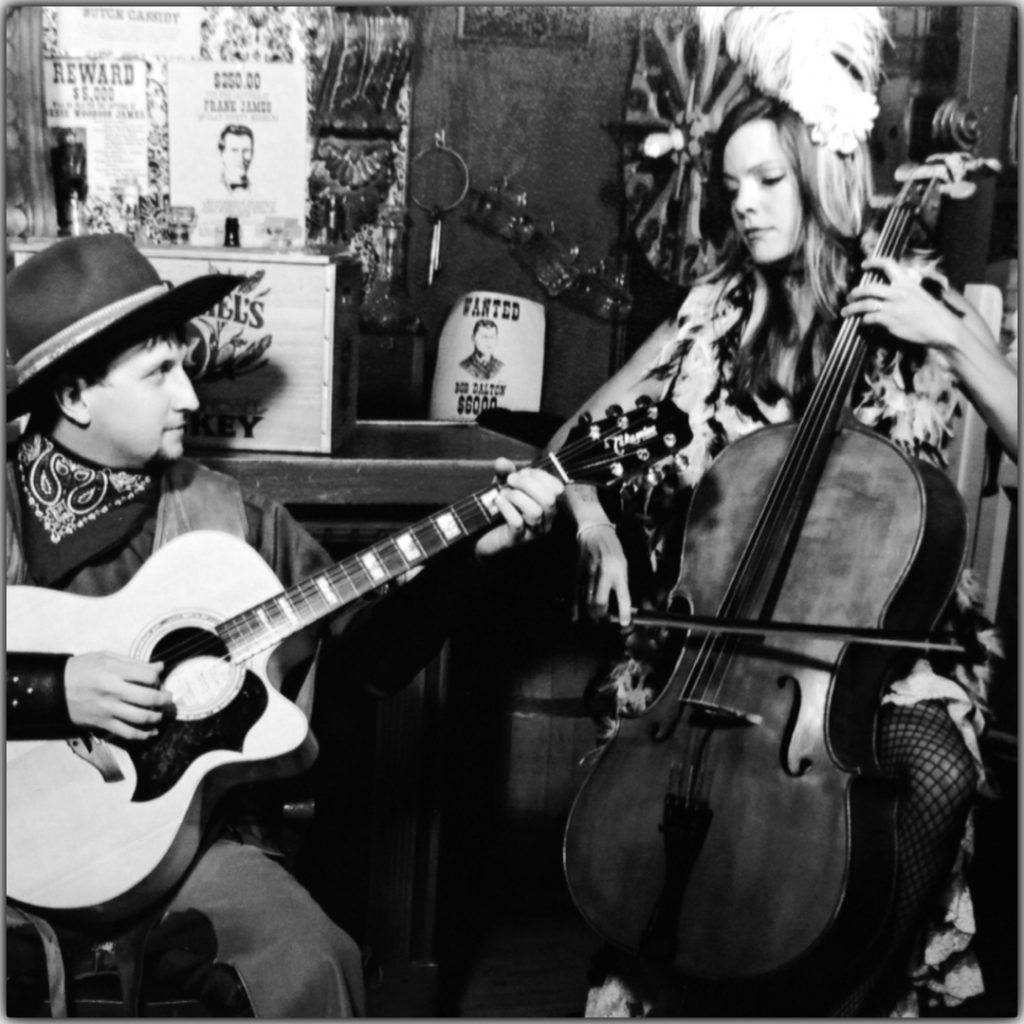
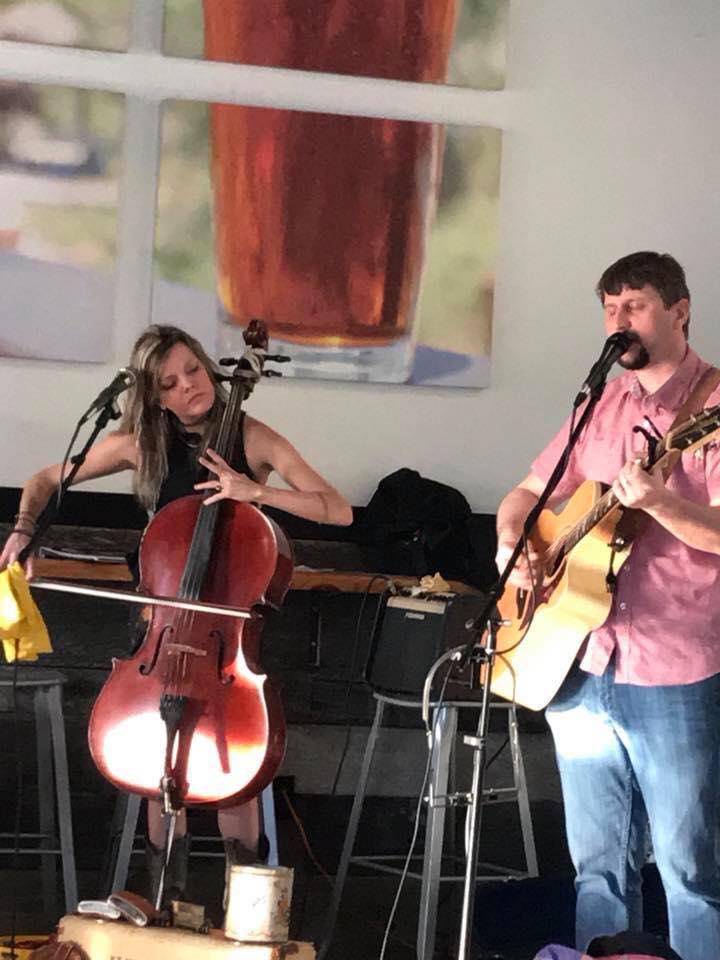
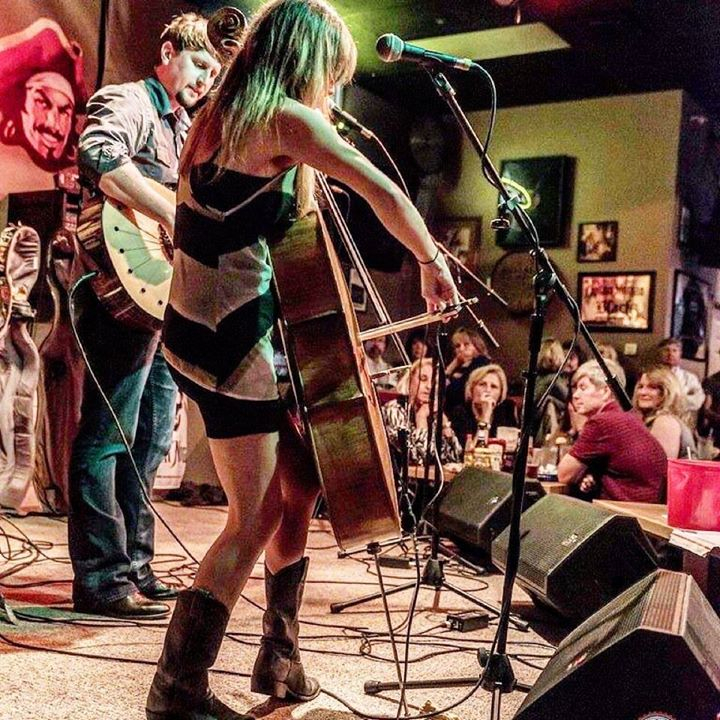
Honeyboy and Boots are a husband and wife, guitar and cello, duo with a unique style that is all their own. Their sound embodies Americana, traditional folk, alt country, and blues with harmonies and a hint of classical notes.
Drew Blackwell, a true Southerner raised in the heart of the black prairie in Mississippi. First picked up the guitar at fourteen, he was greatly influenced by his Uncle Doug who taught him old country standards and folk classics. Later on in high school, he was mentored and inspired to write (and feel) the blues by Alabama blues artist Willie King. (Willie King is credited for bringing together the band The Old Memphis Kings.)
Drew has placed 3rd in the 2019 Mississippi Songwriter of the Year contest with his song “Waiting on A Friend” and made it to the semi finalist round on the 2019 International Songwriting Competition with his song “Accidental Hipster.”
Honeyboy (Drew) can also be found belting out those blues notes as the lead vocalist for the Old Memphis Kings and begins everyday with a hot cup of black coffee!
Courtney Blackwell (Kinzer) grew up in Washington State and comes from a talented musical family. She began playing cello at the age of three taking lessons from the cello bass professor Bill Wharton at the University of Idaho. Her mother was most influential in her progression of technique, tone quality, and ear training. Since traveling around much of the South, she has enjoyed focusing on the variety of ways the cello is used in ensembles. When she plays, you will feel those groovy bass lines making way to soaring leads create an emotional and magical connection between you and her music.
Courtney enjoys working in the studio, collaborating with artists and continuing to challenge the way cello is expressed.
They have opened for such acts as Verlon Thompson, The Josh Abbott Band, Cary Hudson (of Blue Mountain), and Rising Appalachia.
Honeyboy And Boots have performed at a variety of venues and festivals throughout the southeast, including the 2015 Pilgrimage Fest in Franklin, TN; Musicians Corner in Nashville; the Mississippi Songwriters Festival (2015-2018); and the Black Warrior Songwriting Fest in Tuscaloosa, AL (2018-2019). They also came in 2nd place at the 2015 Gulf Coast Songwriters Shootout in Orange Beach, FL.
They have two albums, Mississippi Duo and Waiting On a Song, which are available on their website, iTunes, Amazon, and CD Baby.
The duo also just released their fourth recording: a seven-song EP called Picture On The Wall, which was recorded with Anthony Crawford (Williesugar Capps, Sugarcane Jane, Neil Young). It is now available on Spotify, Itunes, Google Music, and CD Baby.
Who or what would you say has been the greatest influence on your music?
My Uncle Doug, because he began to teach me guitar and introduced me to a lot of great older country music.
Favorite song you’ve composed or performed and why?
“We Played On” because it’s about our family reunions, where we would sit around and play guitar and share songs.
If you could meet any artist, living or dead, which would you choose and why?
Probably Willie Nelson. He’s my all time favorite.
Most embarrassing thing ever to happen at a gig?
A guy fell on top of me while I was performing. I was sitting down. He busted a big hole in my guitar.
What was the most significant thing to happen to you in the course of your music?
Getting to perform at Musicians Corner in downtown Nashville. Probably the biggest crowd we’ve ever been in front of.
If music were not part of your life, what else would you prefer to be doing?
I don’t know, maybe fishing or golf.
Is there another band or artist(s) you’d like to recommend to our readers who you feel deserves attention?
Our friends, Sugarcane Jane. They are a husband/wife duo from the Gulf Shores area. Great people and great artist.
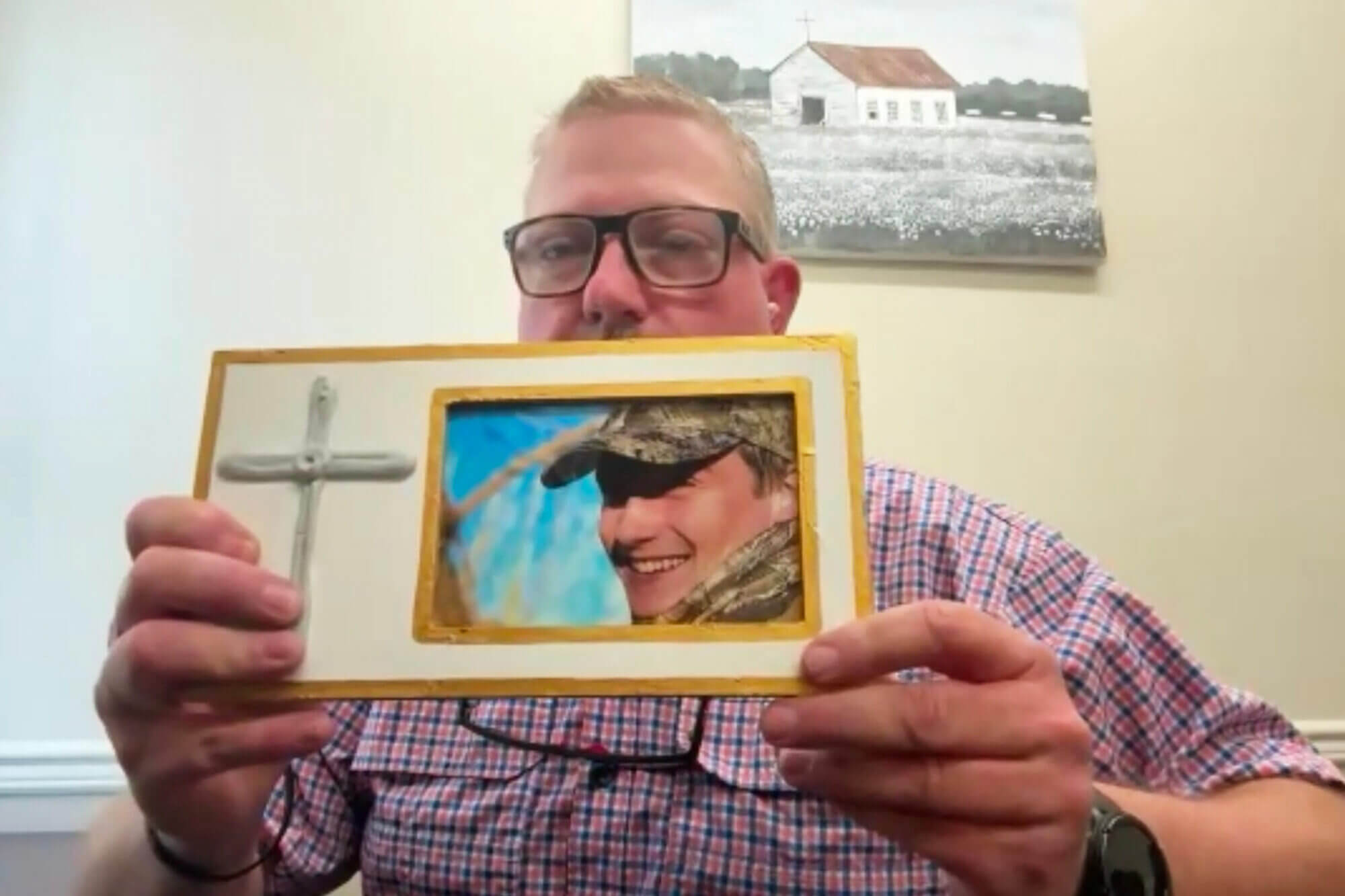
A Nigerian man will face federal prosecution for sextortion of a Mississippi teenager, leading to the 16-year-old’s death by suicide.
On Friday, Adebola Festus Adekunle, 26, of Lagos, Nigeria, appeared in federal court in Oxford.
He is charged with a number of crimes, including the sexual exploitation that resulted in the death of Walker Montgomery of Starkville and production of child sexual abuse material.
In 2022, Walker died by suicide after Adekunle, allegedly posing as another person, convinced the teenager in an Instagram message to open a video chat and have a sexual encounter, not knowing it was recorded, said Brian Montomgery, the teen’s father in a campaign video against sextortion.
Later, Adekunle contacted Walker again and allegedly demanded $1,000 to prevent the video from being sent to friends and family. The teen said he didn’t have the money and begged for the video not to be released. By the early morning, he was dead.
“Walker Montgomery should be here with us today. He should be moving into his dormitory, meeting up with friends, and running to class. That he is not is a tragedy,” Attorney General Lynn Fitch said in a Friday statement.
“This trial cannot bring back Walker, and the Montgomery Family will always hurt. But I hope that today they get some closure, and some assurances that Walker will get justice.”
The FBI arrested Adekunle in Nigeria in August 2023 as part of a wider operation to arrest sexual extortionists targeting minors in the United States. He was extradited to the U.S. Thursday.
He faces up to a life sentence. The charge of child exploitation resulting in death alone carries a mandatory 30-year sentence.
“Sextortion is a serious crime with devastating consequences. Its impact on victims and their families is profound and long‑lasting,” Special Agent in Charge of the FBI Jackson Field Office Robert Eikhoff said in a Friday statement. “The extradition of Adekunle sends a clear and unmistakable message: crossing state lines does not erase criminal charges, and international borders do not shield individuals from accountability.”
The FBI says it has seen an increase in financial sextortion cases targeting minors.
U.S. Attorney Scott Leary gave credit to state, federal and international partners, including Nigeria’s attorney general and the minister of justice in working on the case.
In 2021, Mississippi criminalized revenge porn. A first offense is a misdemeanor that carries six months in jail or a $1,000 fine. A second offense is a felony punishable with a year in jail or a $2,000 fine.
To remember Walker and address future crimes, the Mississippi Legislature passed “Walker’s Law” making sextortion a criminal offense punishable by up to five years in prison for a first offense and up to 15 for a third or subsequent offense.
In addition, Gov. Tate Reeves signed the “Walker Montgomery Protecting Children Online Act,” which requires age verification on social media platforms. Months after its passage, industry trade group NetChoice challenged the law’s constitutionality, and a federal judge issued an injunction blocking its enforcement. The state appealed to a panel of the 5th U.S. Circuit Court of Appeals.
When her office defended the law, Fitch told the judges that age verification could help protect young people from “sexual abuse, trafficking, physical violence, sextortion and more,” activities that the First Amendment does not protect.
Last year, the federal appeals court allowed the age verification law to take effect.
Curtis Nichouls had a love for Jackson, and it extended deep within the community.
In the wake of the filmmaker’s death last week, those who knew him are fighting to continue Nichouls’ legacy.
“I believe he laid a lot of groundwork,” said Wes Miller, a director and one of the many trying to keep that legacy alive. “It’s for us to figure out where that ended with his passing, and where we can pick up that mantle and keep it going.”
Miller and Nichouls worked on various projects together — including Nichouls’ 2022 action-thriller “A Day to Die,” a film set and shot in Jackson, starring Bruce Willis as one of the lead actors.
The two originally met in 2016 during location scouting for Miller’s film “Atone.” Miller recalled the two instantly becoming close friends and business partners. This led to the creation of Nichouls’ production studio Sweet Unknown South, which sought to build a vibrant film industry in the south.
“He believed in Jackson,” Miller said.
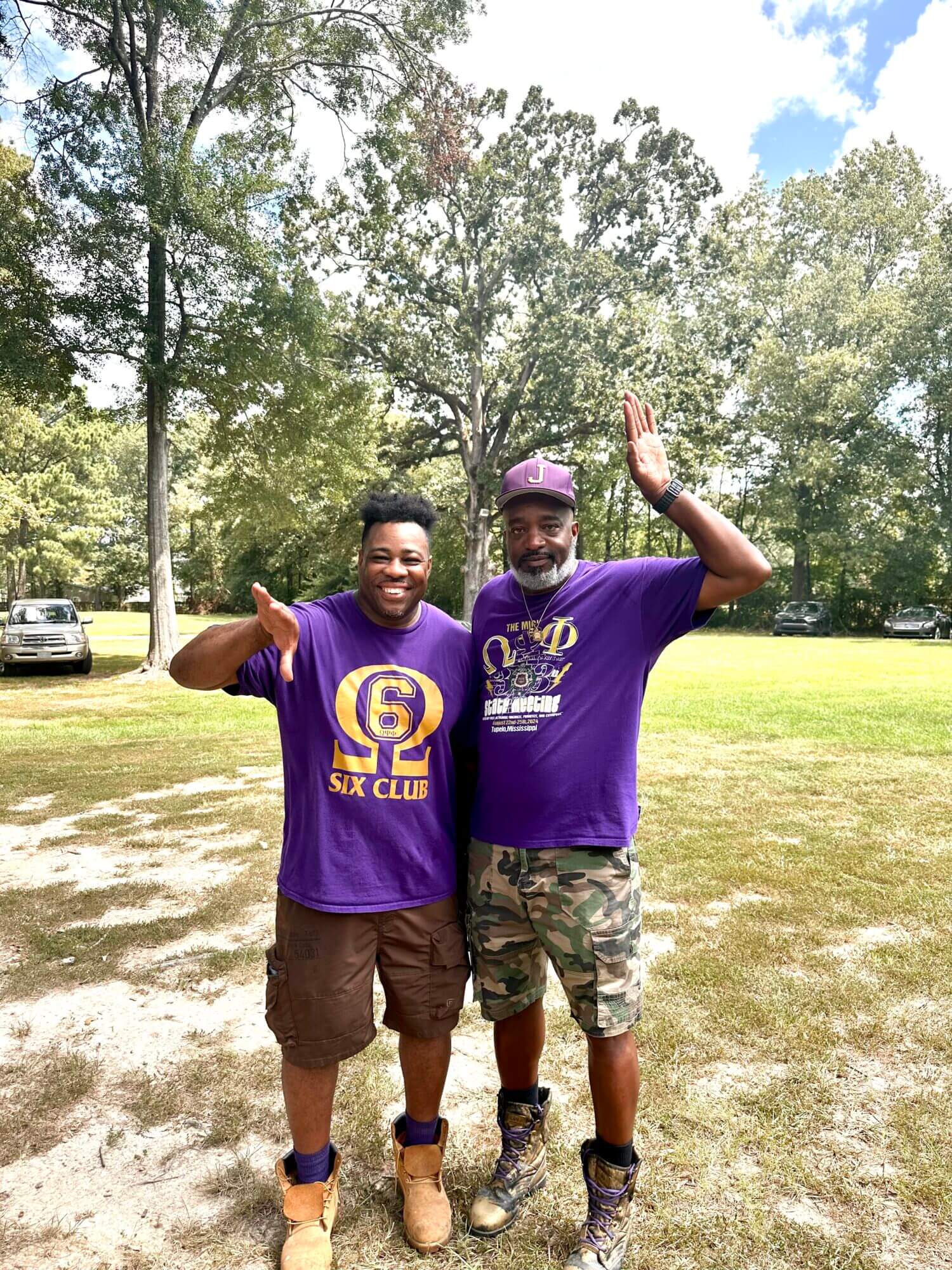
Nichouls often fought for movies to be made in the capital city. His production company Sweet Unknown South allowed local college and high school students to intern in an effort to support the local industry. He often volunteered with his fraternity Omega Psi Phi.
“That was one of the tenets of Sweet Unknown South,” Miller said. “That was born from each of our desires to give opportunities to people in the filmmaking world who traditionally would not have access to it. “
Nichouls was found in his Jackson home Aug. 21 — a result of a welfare check request from family members, according to media reports. The Hinds County Coroner’s Office did not respond to requests for further details.
His production company was housed inside the old Dillard’s anchor store at Metrocenter Mall. Nichouls acquired the building in 2024 after approval of his $360,000 bid for the property by Jackson City Council.
Financing for the property unraveled, according to Jackson City Attorney Drew Martin, adding that Nichouls was allowed to use the facility for several months before he was asked to vacate the property.
During that time, the 172,000-square-foot space would be revitalized into a studio for filmmakers. Local film producer Amile Wilson had his sci-fi feature “The Strange” filmed in the studio before it closed. Wilson said Nichouls’ death came as a shock.
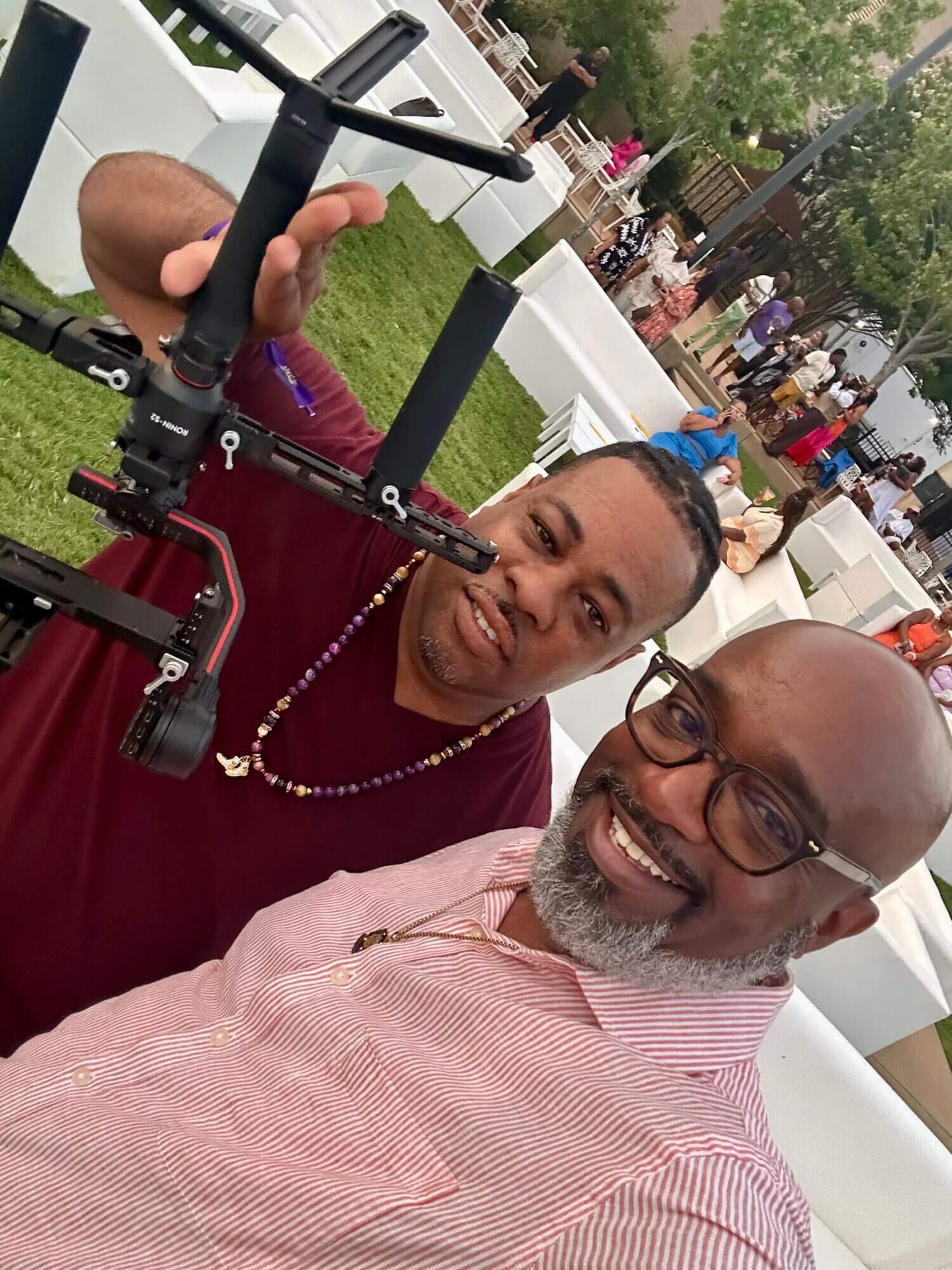
Curtis Nichouls, left, poses with Clarence Irby at the Central MS Coalition of Chapters Annual Summer Breeze Scholarship event in Downtown Jackson on Saturday, Aug. 2, 2025. Credit: Courtesy of Clarence Irby
“As recently as two weeks ago I was going over reps and locations with him for two projects,” Wilson said.
Wilson had recently written a script, with Nichouls in mind for a leading role. Recasting him will be difficult, he said, because he could only see Nichouls in the role.
Wilson described Nichouls as a huge man with a kind and gentle soul. He plans to finish the project as a tribute to the late filmmaker.
Posts flooded social media in the days after his passing, recalling Nichouls’ dedication to Jackson and his kind spirit to the community.
Clarence Irby was one of many who remembered him.
The two were a part of the EKK Omega Men. They crossed paths in 2023 and often worked together during the fraternity’s philanthropic ventures.
Nichouls was absent from the organization’s 35th annual state meeting last week — something that Irby said was unlike him. Irby called Nichouls to see where he was.
He never received an answer.
“I knew when I called and you didn’t answer or return my call, something wasn’t right. Gone too soon!!!!” Irby stated in a Facebook post.
In an interview with Mississippi Today, Irby recalled Nichouls’ smile during an EKK Omega Men’s cookout for kids returning to school – calling it one of his favorite memories of the late filmmaker.
“He just touched so many people in so many different ways,” Irby said. “We know the void that will be there, but we’re holding up well.”
Omega Psi Phi members from across the state gathered Thursday for a funeral service.
Irby said more events are expected to be held in Nichouls’ honor.
WASHINGTON — Voting rights, the work of the civil rights movement and racial justice took center stage on the National Mall Friday, with protesters gathering ahead of midterm elections and following a wave of changes to voting laws and redistricting that some have condemned as detrimental to Black Americans.
Hundreds of people gathered near the steps of the Lincoln Memorial for the 2026 “Defend the Vote” March on Washington, organized by the Rev. Al Sharpton and Martin Luther King III, echoing the Rev. Martin Luther King Jr.’s 1963 march. The event follows the U.S. Supreme Court’s landmark April decision in Louisiana v. Callais that reinterpreted key provisions of the Voting Rights Act of 1965, allowing Southern states to redraw their congressional maps in a way that erodes equal representation in Black communities.
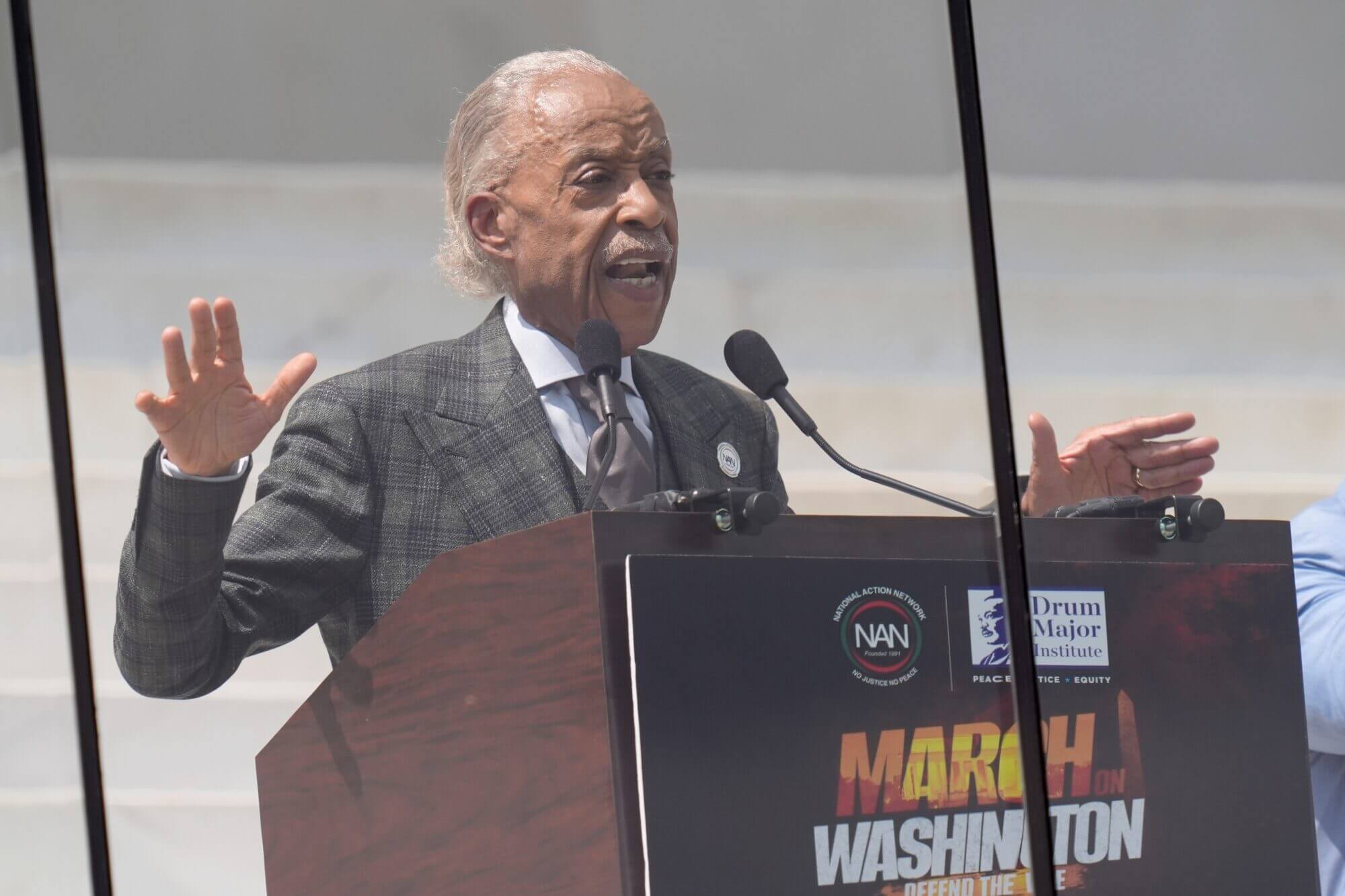
“We’ve been doing these marches for years, but this is probably the most important because this is the first year we are marching that the voting rights bill has been nullified by the Supreme Court,” Sharpton, founder of the National Action Network, said in an interview with The Associated Press.
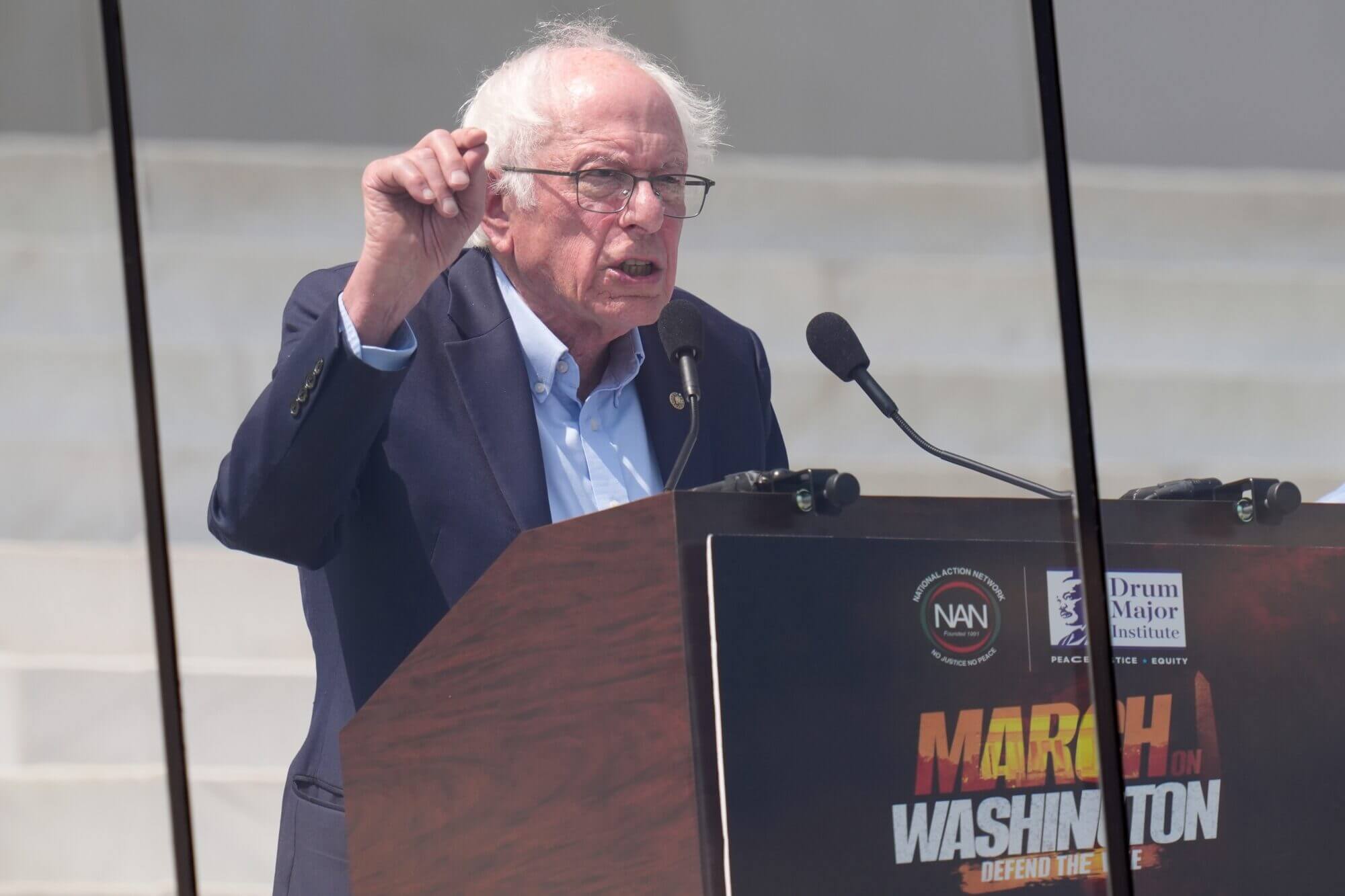
Sen. Bernie Sanders speaks during the March on Washington rally at the Lincoln Memorial on the National Mall, Friday, Aug. 28, 2026 in Washington. Credit: AP Photo/Manuel Balce Ceneta
Some call it a ‘very dangerous moment in American history’
Friday’s event harkened back to King Jr.’s historic March on Washington for Jobs and Freedom in 1963, when more than 200,000 people gathered at the foot of the Lincoln Memorial. That march, an inflection point in the Civil Rights Movement, came at a fraught moment, when economic headwinds, civil unrest, political division and the Vietnam War bitterly divided Americans.
Sen. Bernie Sanders, I-Vt., one of dozens of speakers at the event, said that now is a “very dangerous moment in American history” and that the “dream of a more just and equitable society has never been under greater threat than it is right now.”
He placed blame on Republican President Donald Trump and the Supreme Court’s conservative majority, listing attempts to purge voter rolls, obtain sensitive voter data, restrict mail-in and early voting, and redraw Congressional districts as part of threats to voting rights.
“Today, we have a president along with the Supreme Court members he appointed carrying out the most significant assault on voting rights since segregation, targeting virtually every aspect of the electoral system,” Sanders said.
Martin Luther King III told the AP that the Civil Rights movement’s work “is further eroding” in the wake of the April ruling.
He said his father would be disappointed with the state of the country, but current civil rights advocates should be undaunted.
“Had he lived, we’d be on a totally different trajectory,” the younger King said. “These would not be issues; they would have been resolved. I don’t think he would be surprised because he understands our history and understands those who are trying to retain power. But the challenge is challenging our communities to engage even more.”
King’s Drum Major Institute, a progressive think tank and community action group, co-hosted the march with Sharpton’s group.
Ray Turner, a 65-year-old Maryland retiree, sat Friday on the steps in front of the Lincoln Memorial. He came independently, carrying a sign that read “(Puny) Hands off our elections.”
“The lies about the 2020 election being stolen continue to be sounded, even though they’ve been disproved,” Turner said, adding, “Now they’re trying to use this to prevent people who are legal citizens, legal voters, from voting.”
The Rev. Al Sharpton speaks during the March on Washington rally at the Lincoln Memorial on the National Mall, Friday, Aug. 28, 2026 in Washington. Credit: AP Photo/Manuel Balce Ceneta
“This march is about people who refuse to be counted out. When the courts and the legislature broke apart District 6, they did not just redraw lines,” Rep. Cleo Fields, D-La., said in a texted statement. “They told hundreds of thousands of Black families from Baton Rouge up through the Delta that their voice could be taken away at any moment.”
Fields’ district was central in the Supreme Court decision that hollowed out the Voting Rights Act of 1965. The court ruled that his district, created just one term ago to permit a second majority-Black district in a state where Blacks make up 33% of the population, was unconstitutional because it relied too heavily on race.
The court has held that maps can be redrawn for partisan reasons.
Louisiana’s legislature rushed to redraw the district after the decision, reshaping it to cluster around predominantly white communities in the Baton Rouge area and southern Louisiana.
Embattled Black lawmakers see need for continued rights push
Rep. Shomari Figures, an Alabama Democrat whose majority-Black district was targeted by the state’s Republican-led redistricting effort, said the original voting rights fight required local movements, national figures, lots of coordination and strategy. He sees this year’s march as a continuation of that legacy.
“My district includes Montgomery, which was the birthplace of it all. It started with a bus boycott in 1955 and that, ultimately, morphed into a broader struggle for civil rights and led to a more broad Civil Rights Movement,” Figures told the AP.
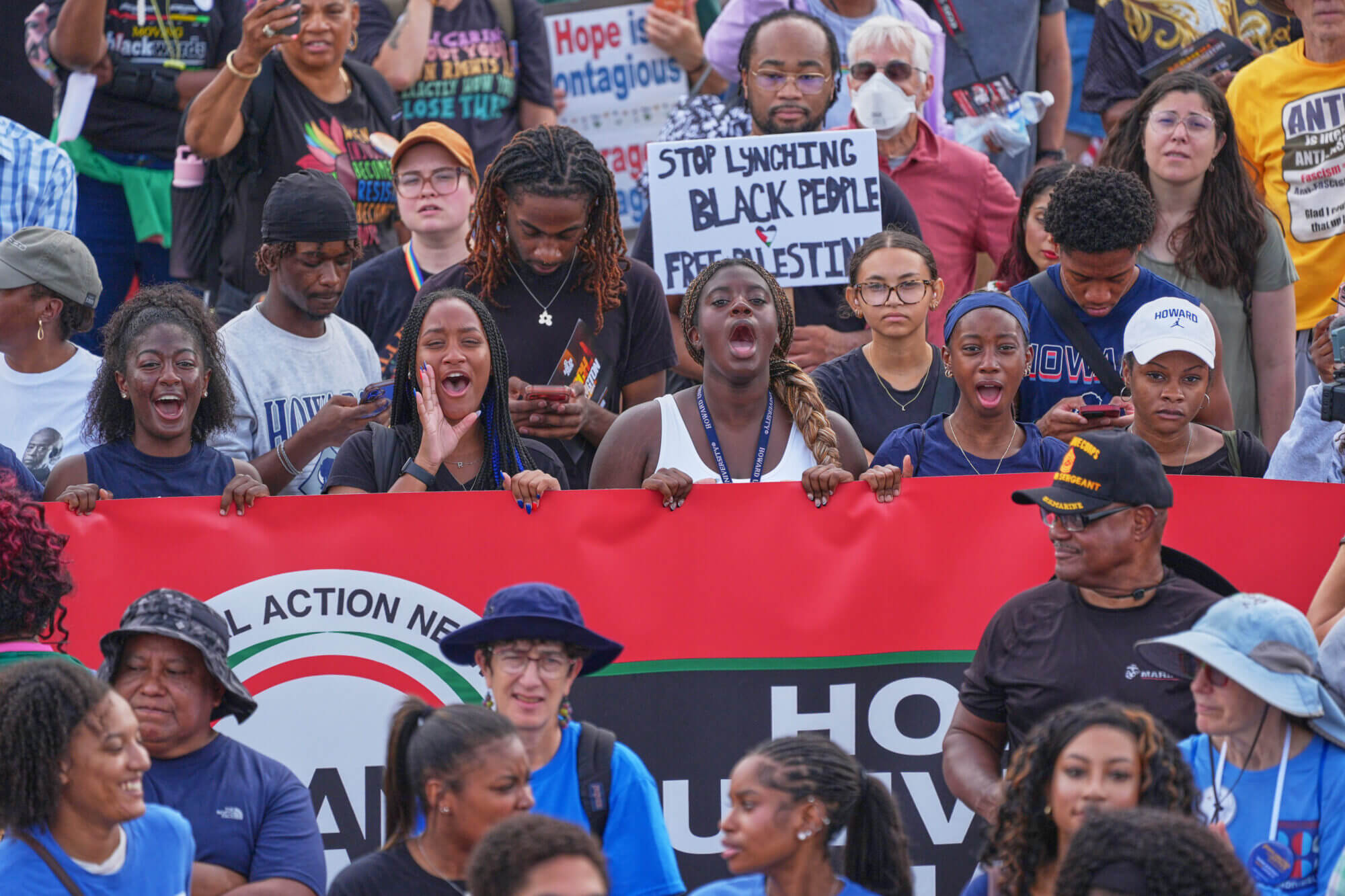
Demonstrators shout to speakers during the March on Washington, near the Lincoln Memorial, Friday, Aug. 28, 2026, in Washington. Credit: AP Photo/Mariam Zuhaib
Ahead of Friday, organizations participating in the march filed new claims in their federal lawsuit against President Donald Trump’s executive order restricting mail-in voting. The Supreme Court cleared a path Monday for possible implementation of the order, though it remains unclear how much can be put in place before the midterms.
Late Thursday, a federal judge in Boston who is hearing some of the lawsuits against that executive order put a temporary halt on the administration from moving forward with it. Time is running short to make any significant changes to voting in the midterms, with the first mail ballots scheduled to be sent out next week.
Associated Press writers Gary Fields in Washington and Kimberly Chandler in Montgomery, Alabama, contributed.
With reformed policies and outside help, the Mississippi Opioid Settlement Fund Advisory Council will open its second annual grant application Monday for tens of millions of lawsuit dollars intended to address the state’s overdose crisis.
The council, along with the state Legislature, oversees most of the $430 million of Mississippi funds paid by corporations accused of catalyzing hundreds of thousands of overdose deaths. Now, the council instructs organizations to apply for grants through an online portal.
Mississippi Attorney General Lynn Fitch also serves as council chair and is campaigning to be the Republican candidate for state governor. In an email, her office’s spokesperson, MaryAsa Lee, said the application portal is designed to “reduce the burden on applicants.” The office has also created an email for organizations to send questions they may have about the application process.
“If a question and its answer would be useful to other applicants, it will be added to the published FAQ on the website,” Lee said.
The new website was designed and administered by The Steadman Group, a Colorado-based behavioral health consulting group the council contracted this year. The Mississippi Legislature passed a bill in the 2026 legislative session that instructed Fitch’s office to partner with a third-party group, one that could address opioid settlement application problems lawmakers and council members identified in the previous cycle.
One of those issues was opportunities for council members to influence the reviews of applications that could benefit their own organizations. The portal website echoes language in the law, telling applicants that people who review their proposals have confirmed they have no conflicts of interest.
The application will be live for six weeks, during which Steadman plans to host two webinars for groups interested in applying for Mississippi opioid money. Lee said those who cannot attend can email the new applicant support address with questions.
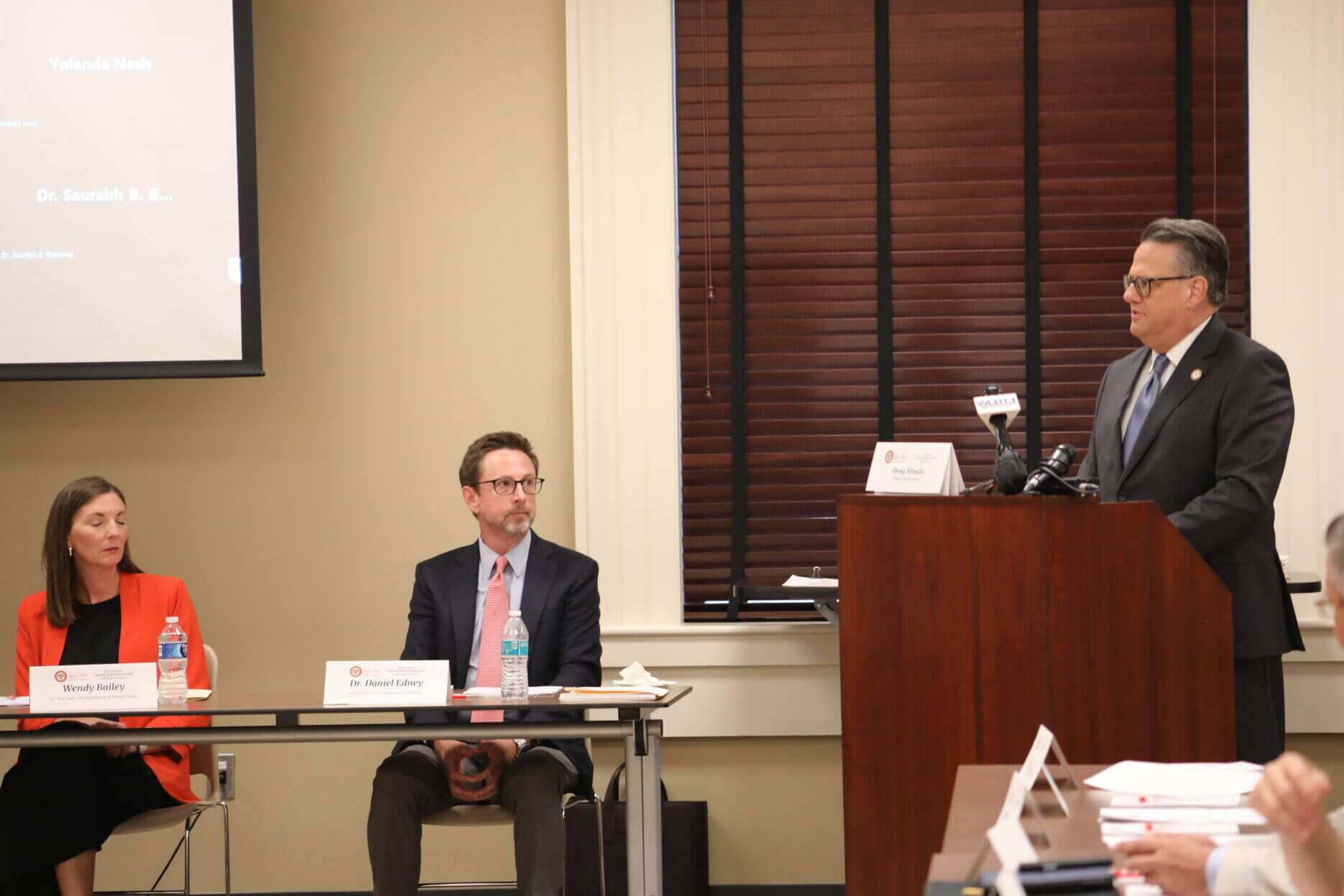
At the opioid committee’s August meeting, Deputy Attorney General Doug Miracle said Steadman will do the initial review of applications before council members finalize their recommendations to the Legislature. State lawmakers will then consider those suggestions in the 2027 regular legislative session.
Steadman told Mississippi Today in June that one of its main focuses this fall will be ensuring each application is held to a consistent standard.
Like other states, Mississippi began receiving its first national opioids settlement payments in 2022. Unlike other states, Mississippi didn’t use any of the over $130 million it accumulated over its first few years until July — except for lawyers fees and dollars local governments could use for any public purpose.
Mississippi Today Ideas is a platform for thoughtful Mississippians to share their ideas about our state’s past, present and future. Opinions expressed in guest essays are the author’s own and do not necessarily represent those of Mississippi Today. You canread more about the section here.
Mississippi continues to face persistent gaps in mental health service delivery, but these challenges are most noticeable in rural and underserved communities where resources remain limited or altogether nonexistent.
As a social worker, I routinely observe the consequences of these rural mental health crisis disparities. Individuals and families struggle with untreated depression, anxiety, trauma and substance use disorders not because they are unwilling to seek help, but because structural barriers make meaningful access nearly impossible.
Addressing this crisis is not only a public health priority – it is a moral imperative grounded in the core social work values of service, social justice, and respect for the inherent dignity and worth of every person.
Mississippi’s longstanding mental health workforce shortage directly affects service availability in rural counties. More than half of Mississippi is designated as a mental health professional shortage area, and some counties have no licensed clinicians at all.
Individuals may face long travel to the nearest provider, compounded by limited transportation options and financial constraints. When families must choose between attending therapy and losing a day’s wages, mental health care becomes inaccessible by design rather than by circumstance.
Kinya Johnson Credit: Courtesy photo
Financial barriers also play a substantial role. Mississippi maintains one of the nation’s highest uninsured rates. Even when services exist, cost remains an obstacle for individuals with limited income or those who fall into coverage gaps with no insurance.
Stigma further complicates access. The fear of judgment within close-knit rural communities often suppresses help-seeking behaviors. Minority populations – Hispanic families, Black residents and immigrant communities – encounter additional obstacles such as linguistic limitations, cultural mistrust of formal systems and historical inequities that have shaped their relationship with healthcare institutions.
The consequences of unmet mental health needs extend beyond individual well-being. Communities experience increased emergency room utilization, escalating suicide risk, higher rates of substance use and avoidable involvement in the criminal legal system. Schools struggle to support students dealing with untreated trauma, and employers lose productivity when workers lack access to care. These outcomes generate significant economic costs borne by taxpayers, hospitals and social service systems.
Recent data from the Mississippi Department of Mental Health demonstrates rising mental health-related emergencies, particularly in rural counties.
Without substantial intervention, these trends will continue to place strain on already overburdened systems and deepen existing disparities.
Mississippi has taken commendable steps toward strengthening community mental health. The growth of Certified Community Behavioral Health Clinics (CCBHCs) and the expansion of telehealth coverage under the Division of Medicaid have increased access points for many residents. These efforts demonstrate recognition that community-based, integrated care is essential.
However, progress remains uneven. Certified Community Behavioral Health Clinics are not yet available statewide. Telehealth access is limited by inadequate broadband infrastructure in rural communities. Workforce shortages continue due to insufficient recruitment incentives.
Minority populations often lack culturally responsive services, particularly bilingual providers. Ongoing federal oversight stemming from litigation addressing Mississippi’s reliance on institutional care underscores the need to expand community-based services and modernize the whole system.
Mississippi’s growing Hispanic population, particularly in agricultural and manufacturing regions, faces distinct barriers including language access limitations, insurance gaps and fear of engaging public systems due to immigration-related concerns. Black communities in the Delta and other rural regions encounter disparities rooted in historical and structural inequities that continue to shape health outcomes.
Culturally responsive, community-based interventions are essential to reducing these disparities and building trust.
Mississippi has clear, actionable strategies available. First, expanding Certified Community Behavioral Health Clinics statewide would ensure consistent, comprehensive mental health services. Strengthening workforce recruitment through loan repayment programs, salary incentives and rural training pipelines is essential for filling provider shortages. Improving transportation access through voucher programs and partnerships with community organizations would reduce missed appointments. Broadband expansion is critical to making telehealth more viable. Enhancing school-based mental health programming, particularly in high-poverty districts, would support early intervention.
Increasing culturally and linguistically responsive services – including bilingual providers and community health workers – remains vital. Finally, strengthening Medicaid reimbursement and coverage would increase affordability for low-income families.
Mississippi’s rural mental health crisis is both urgent and solvable.
Policymakers must prioritize funding for community-based services, broadband infrastructure and workforce expansion. Community leaders and organizations must continue working to reduce stigma and create culturally responsive pathways to care. As social workers, we must persistently advocate for systems that ensure all Mississippians have access to comprehensive mental health services.
A healthier Mississippi begins with dismantling barriers and investing in solutions that uphold the dignity and worth of every person.
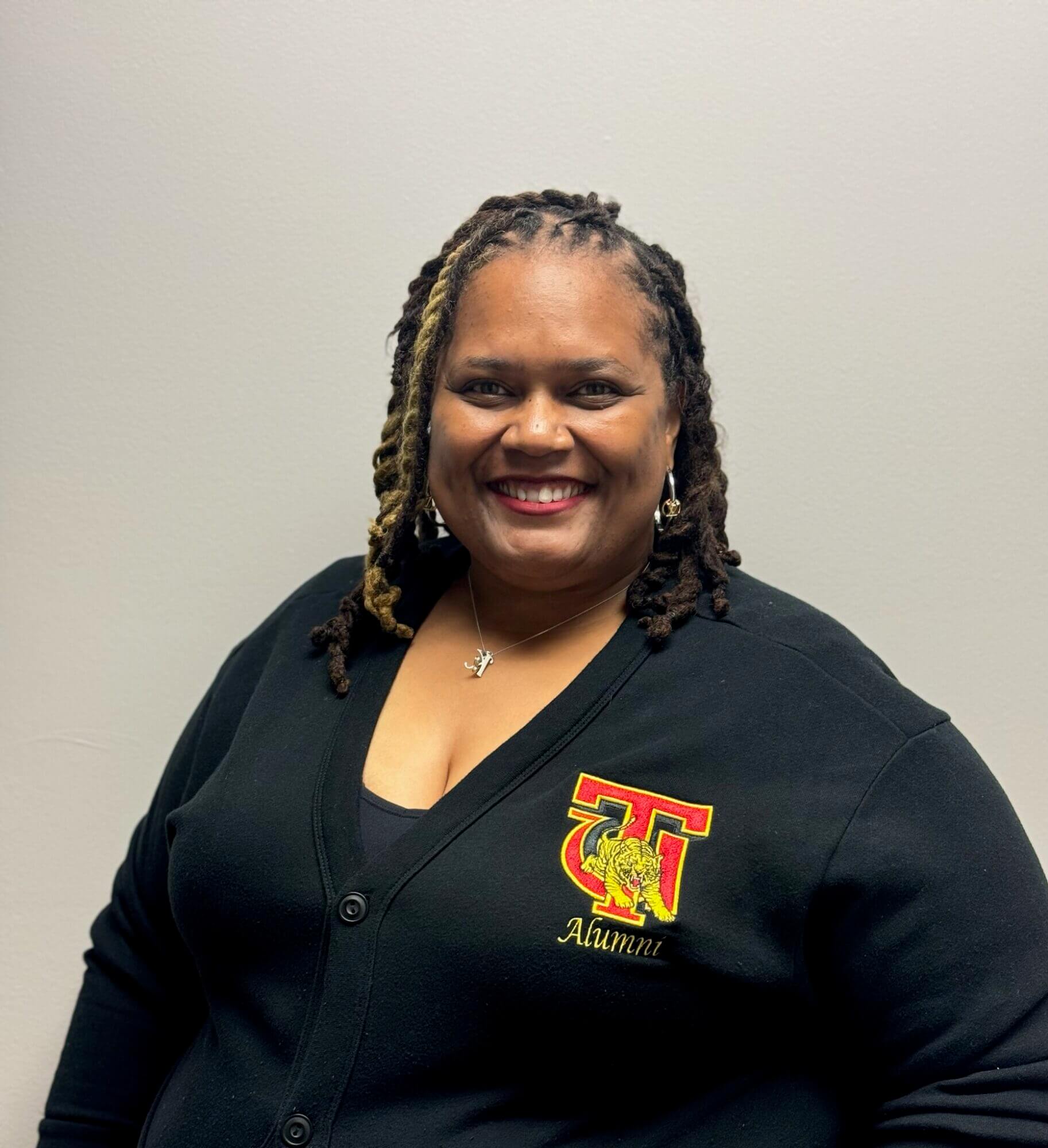
Kinya Johnson was born and raised in Ripley in north Mississippi. She is a Tuskegee University graduate and is currently a licensure specialist for the Mississippi Department of Child Protective Services. Johnson is a social work professional whose career has been rooted in serving children, families and vulnerable individuals. She is currently pursuing a master of social work and is passionate about turning professional experience into advocacy, amplifying the voices of underserved communities and helping create policies that promote safety, dignity and meaningful change.
Scott Colom, the Democratic nominee for U.S. Senate, has called on Republican incumbent U.S. Sen. Cindy Hyde-Smith to participate in town halls and a debate before November’s midterm election.
A Hyde-Smith campaign spokesman said she has been busy traversing the state announcing funding she’s secured for Mississippi and other accomplishments as a senator.
Colom at a Thursday press conference in downtown Jackson launched his “Where’s Cindy” tour, in which he plans to hold five town halls in five cities between Aug. 31 and Sept. 4. Colom said he wanted to organize the town halls to allow voters to ask questions before the Nov. 3 election.
“She needs to do one town hall,” Colom said. “She can pick the reddest county in the state.”
Hyde-Smith participated in a 2018 debate during a special election runoff with opponent Mike Espy. She did not debate Espy two years later when she was running for her first full six-year term.
Ty Pinkins is an independent candidate also running against Hyde-Smith and Colom. He has also challenged both party nominees to participate in a debate.
When asked at the Thursday press conference if he would participate in a debate with Pinkins, Colom said he would participate in any debate “any time our junior senator shows up.”
In response to Colom’s “Where’s Cindy” question, Jake Monssen, Hyde-Smith’s campaign manager, said in a statement that Hyde-Smith has been at Delta State announcing funds secured to enhance the university’s aviation program, in Franklin County celebrating recent collaborations to keep rural hospitals open and other towns throughout the state.
“I can tell you where she isn’t,” Monssen said. “Sen. Hyde-Smith isn’t with Scott Colom in George Soros’ apartment in NYC, promoting gender transition surgeries for children and other extreme policies of the radical left.”
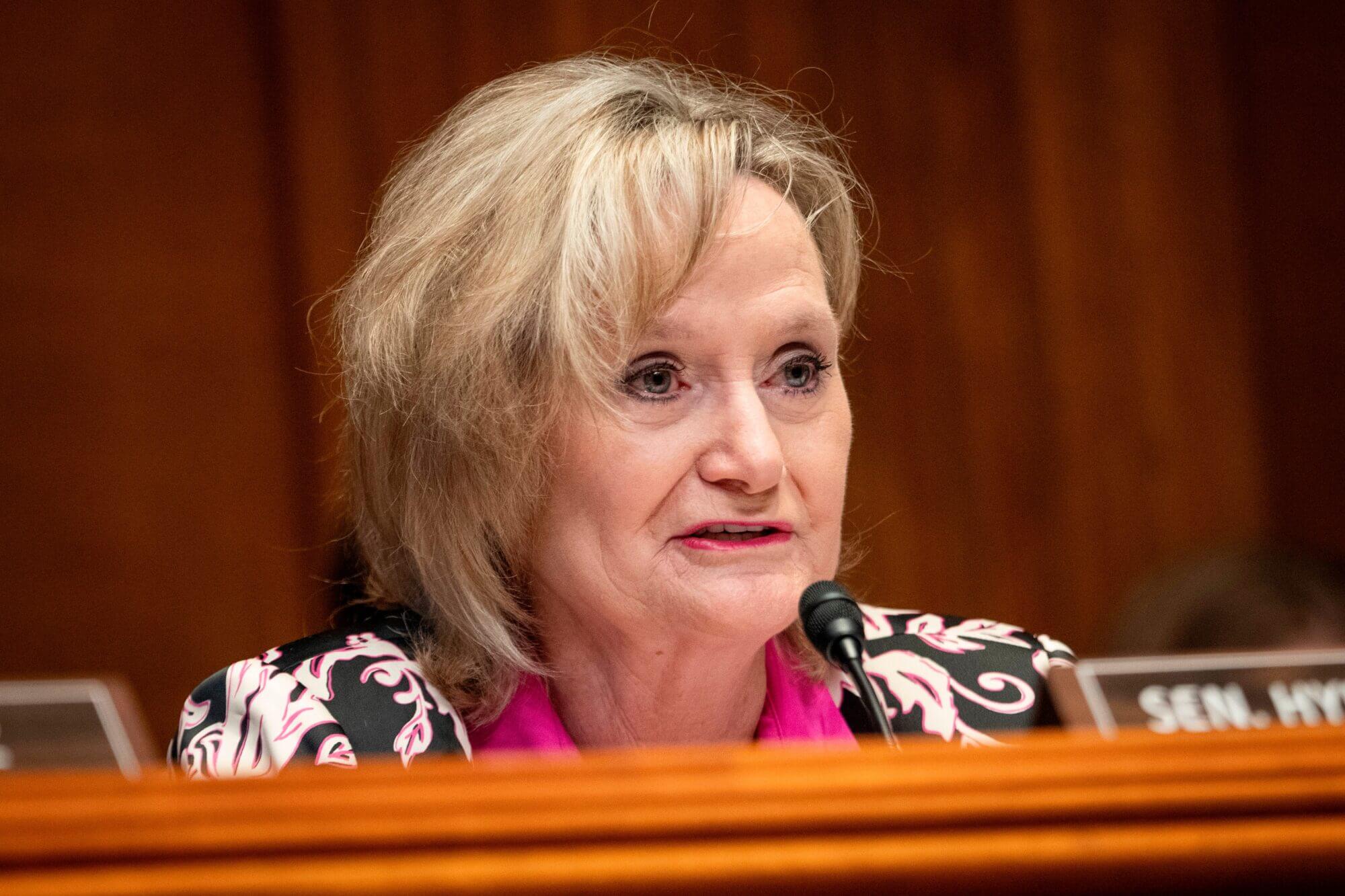
Sen. Cindy Hyde-Smith, R-Miss., speaks during a hearing on Capitol Hill in Washington, on May 2, 2024. (AP Photo/Jacquelyn Martin, File) Credit: AP Photo/Jacquelyn Martin
Monssen’s statement is referring to Soros, a billionaire who regularly donates to Democratic candidates. Soros has donated to Colom’s campaign, though the Democratic nominee has defended that by saying hundreds of Mississippians have also donated to his campaign.
Colom at the Thursday press conference also blasted Hyde-Smith for not doing more to oppose President Donald Trump when it comes to tariffs, agriculture policy and war with Iran, all of which have contributed to higher costs for consumers.
“Listen, she totally gave away our voice on tariffs,” Colom said. “If you look at the Constitution, it’s clear that the Congress, including our senator, is supposed to be Mississippi’s voice when it comes to tariffs.”
Hyde-Smith, Colom and Pinkins will compete in the general election on Nov. 3. Oct. 5 is the last day that people can register to vote in time for the election, and voters can vote by absentee beginning on Sept. 19.
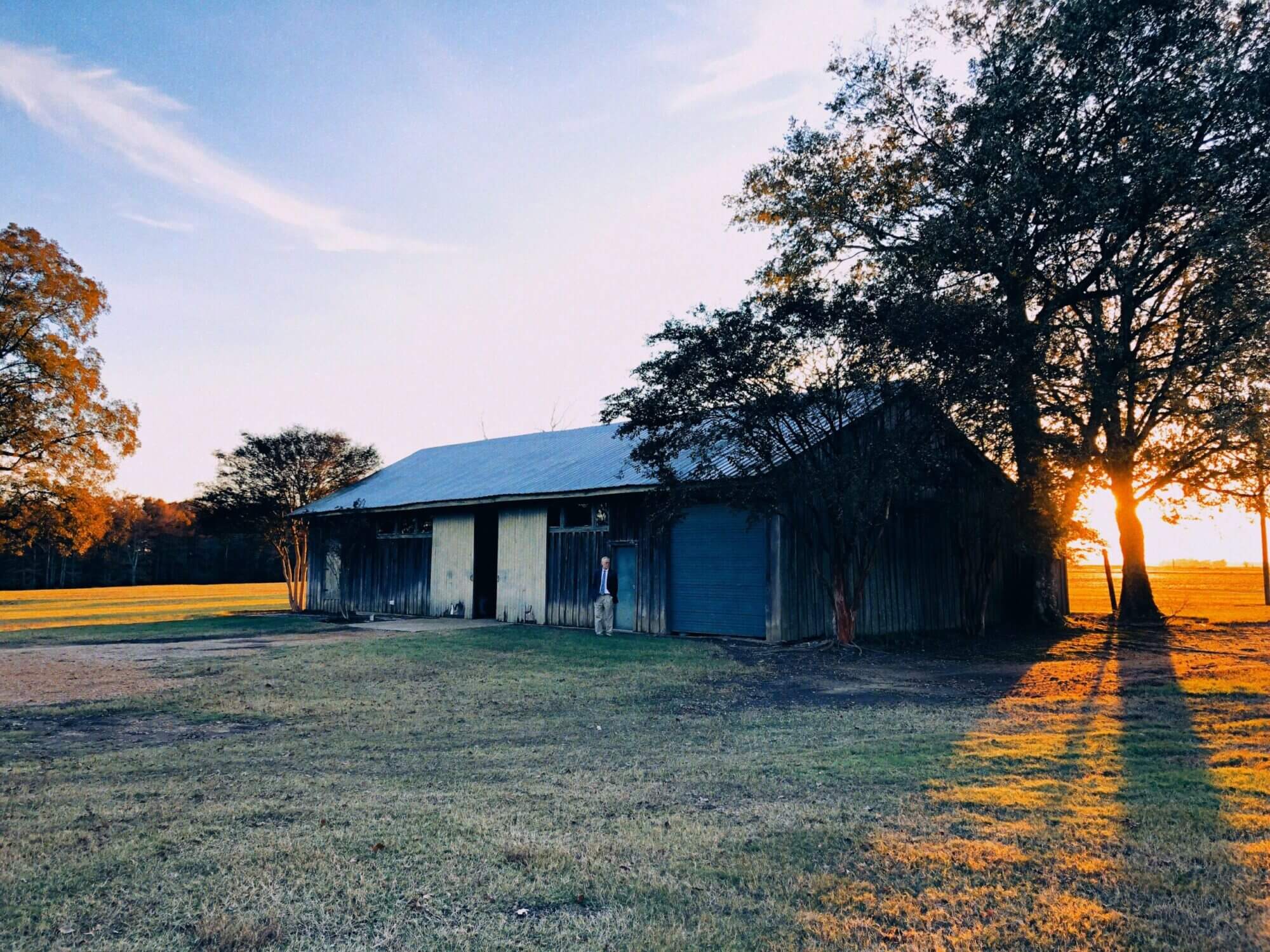
On Saturday, the barn where Emmett Till was tortured and killed will take its first step toward becoming a public memorial.
“For the first time since his lynching, this site is no longer someone’s shed, where they kept their personal belongings, but it will be used as a reverent memorial for Till’s life and legacy,” said Patrick Weems, executive director of the Emmett Till Interpretive Center.
Since the 2024 publishing of Wright Thompson’s best-selling book, “The Barn,” about the site, center attendance has nearly doubled from 2,000 or 3,000 a year to about 5,000 people. Another 25,000 a year are seeing the center’s traveling exhibits on Till.
Although the barn is not open to the public, several hundred people have visited it informally since the center purchased the barn in November, resulting in far more traffic than before, Weems said.
“People go out of their way to find us. We don’t advertise. It’s word of mouth.”
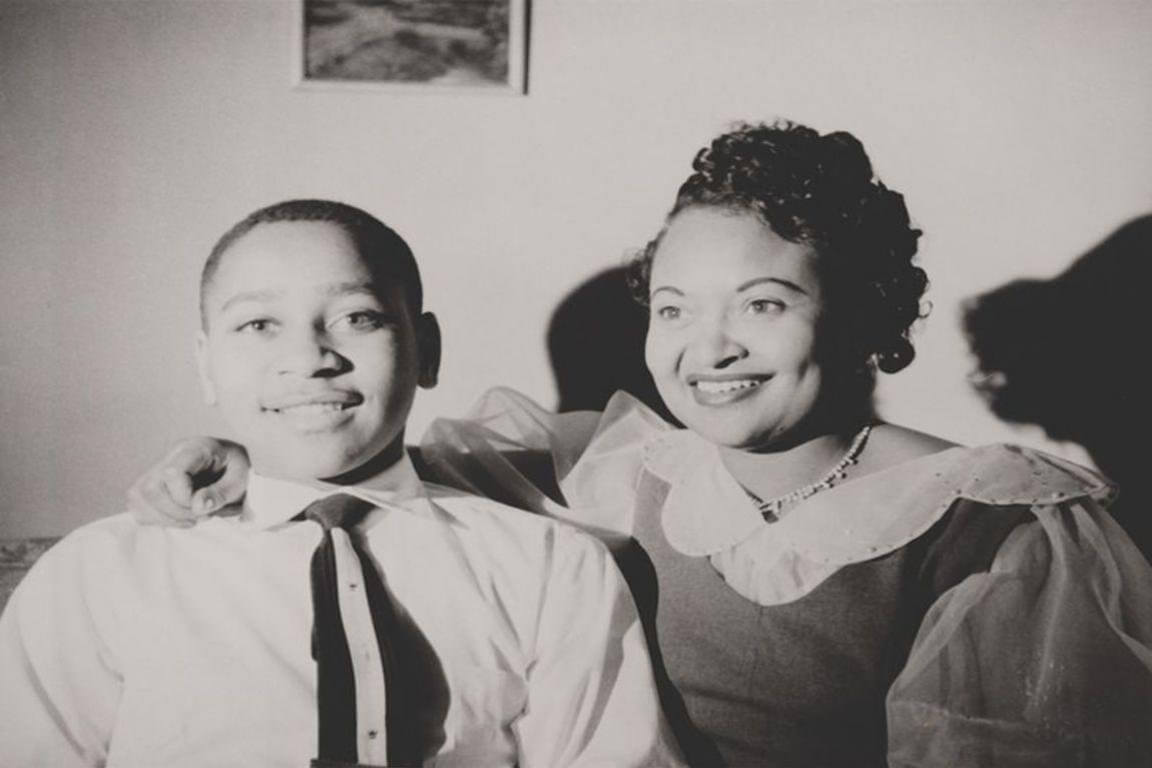
A mob of white men killed Till, a Black teenager visiting from Chicago, on Aug. 28, 1955. His mother, Mamie, insisted on opening his casket “so that the world could see what they did to my boy.” That act helped spark the modern Civil Rights Movement.
Saturday’s memorial service will honor the mother and son. Visitors will gather at 9 a.m. at the Mound Bayou Museum of African-American Culture & History and ride in a caravan to the barn for a wreath laying and concert by the Mississippi Mass Choir, followed by the service.
Emmett Till and his mother, Mamie Till-Mobley.
“Preserving this barn where Emmett Till was murdered is as important as preserving the balcony of the Lorraine Motel where Martin Luther King stood when he was shot,” said Devery Anderson, who is updating his book, “Emmett Till: The Murder That Shocked the World and Propelled the Civil Rights Movement,” to include the memorial.
Now that the barn is in the center’s hands, he said, people can go beyond reading about this history — they can touch it.
The first time he stood there, Anderson said he thought about “the beating, screams and bloodshed that happened in that very spot, the killers crouching over Till as he took his final breath.”
Tears flowed from Anderson’s eyes. “I knew I was on sacred ground.”
In recent decades, the barn in the Mississippi Delta belonged to a local dentist. Television producer Shonda Rhimes donated $1.5 million needed to buy the property and the barn — a purchase that drew some criticism.
“Of all the Emmett Till sites, this was the hardest to decide whether to purchase it or not,” Weems said. “We landed on yes. If we’re going to tell the truth about what happened to him, you have to have the barn. It’s ground zero.”
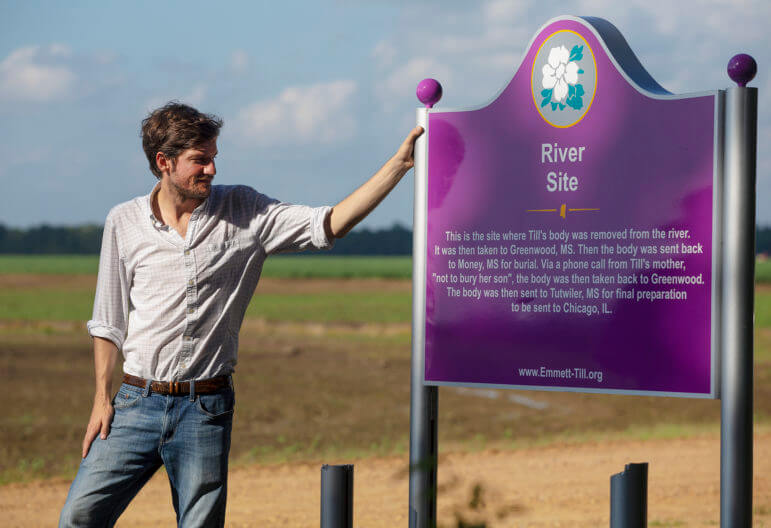
Patrick Weems, co-founder of the Emmett Till Interpretive Center, takes a look at the new Emmett Till river marker during a rededication ceremony for the marker on River Road in Glendora Thursday, June 21, 2018. Credit: Eric J. Shelton, Mississippi Today/ Report for America
Since its purchase in November, officials have built a privacy wall to separate the barn from the previous owner’s property. They are now working on transforming it into a place of memory, Weems said.
“We not only want to honor Emmett Till and Mamie Till-Mobley, but the witnesses who testified against the killers,” he said. “Willie Reed knew full well the consequences he would suffer for telling the truth, and he did it anyway.”
On the day Till was killed, Reed was walking down the road when he saw a truck drive past and head to the barn. There were four white men and three Black men as well as someone hunkered down in the truck.
At the 1955 murder trial of Roy Bryant and J.W. Milam, Reed testified that he heard screams and “licks like somebody was whipping somebody,” coming from the barn. He also identified Milam as the one who emerged from the barn to get a drink.
After torturing Till, who had just turned 14, the killers shot him dead and dumped his body into the Tallahatchie River, where he was found three days later.
In spite of Reed’s testimony, the all-white jury acquitted the killers, who justified their torture and murder of Till because he reportedly whistled at Bryant’s wife.
Reed fled to Chicago, changed his name and died in 2013 without fanfare.
The center has purchased adjacent property near where Reed’s home was located and plans to honor him there as well as turning the barn into a memorial space, Weems said.
The dream is to create parking spaces on the adjacent property and have visitors cross on a bridge over the cypress bayou to the barn, he said. Plans also include the restoration of the barn to the way it looked in 1955, he said. “We’re hoping to raise the resources to do that.”
Darryl Johnson Jr. is the former mayor of Mound Bayou and pastor of the Walk of Faith Covenant Church. Credit: Courtesy of Emmett Till Interpretive Center
Overall plans are still in progress, he said. “How do you honor Emmett Till? How do you honor Willie Reed?”
Darryl Johnson Jr., former mayor of Mound Bayou and pastor of the Walk of Faith Covenant Church, said after starting the Mound Bayou museum, he saw the importance of Mamie Till-Mobley’s courage. She wouldn’t let the injustice done to her son die with him, he said.
“People who support the justification given to kill that young man are still hiding the truth,” he said. “We have to face the truth so that we can receive the love of God, and the way we participate in his love is by loving our fellow man.”
Ashley Nelson, a writer who formerly worked for the International Coalition of Sites of Conscience, visited the site for the first time in July.
“I don’t think anyone stands untouched at Auschwitz,” she said. “The same is true at the barn.”
Gloria Dickerson, who leads the Emmett Till Academy in Drew, grew up hearing her mother talk about the barn where Till was killed, but she didn’t visit it until six or seven years ago. The barn brought back memories of her mother and reminders of what “African Americans have gone through in Mississippi,” she said. “It was emotional.”
Gloria Dickerson of Drew is the founder of We2together Creating Change. She grew up close to the barn where Emmett Till was tortured and killed. Credit: Courtesy of We2together
Making the barn a memorial preserves history and provides a place for reflection and healing. “We’re going to heal ourselves and move forward,” she said. “The fight is not over.”
Vonkerius Jackson, program facilitator for Carrying Our Voices, took several Indianola High School students to visit the barn. “You forget that he was barely 14, and the barn is so dark and lonely,” he said. “To hear the history of it was just, ‘Wow.’”
The hate that led to Till’s slaying, though, has never vanished, he said. “It’s crazy how quiet racism can be and how bold it can be at other times.”
He pointed to the sign memorializing Till, which was shot hundreds of times and had to be replaced with one that was bullet-proof, he said.
After visiting the barn and the center, Jackson learned how much Till loved to joke and laugh. “Nobody talks about how he brought so much joy to the world,” he said.
The visit made Till come alive, he said. “It humanizes his history and inspires me. We have to keep his history alive. The truth is, Mississippi’s history never dies; it just keeps on going in a circle.”
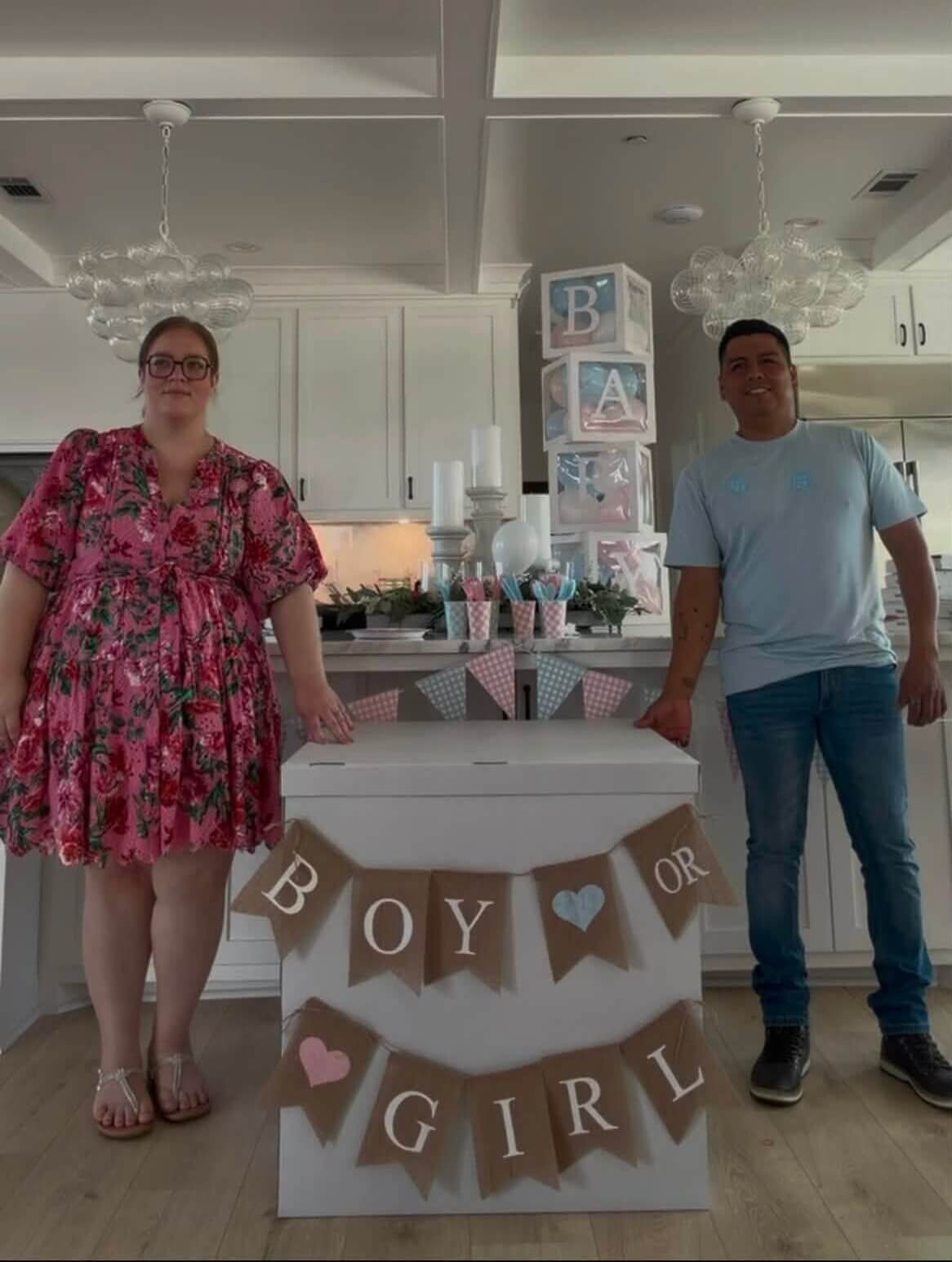
Ever since Catherine Cool and Heriberto Reyes-Ochoas married over a decade ago, she has worried about immigration officials detaining her husband.
Each time Reyes, nicknamed Eddie, drove from their home in Hancock County to work at a marine construction company in Slidell, Louisiana, she felt anxious that he wouldn’t make it back home.
That fear struck last week when Reyes got into a fender bender about 10 minutes from home in Kiln. Nobody was injured, but the Mississippi Highway Patrol trooper who responded determined Reyes, who emigrated from Mexico 20 years ago, did not have legal immigration status and took him to the local jail.
The 34-year-old spent the weekend there before paying bond to leave Monday, only for U.S. Immigration and Customs Enforcement to take him into custody the next day. By Thursday, Reyes was at the Adams County Correctional Center in Natchez facing deportation proceedings.
“This is like a nightmare come true,” Cool, who is 35 and an American citizen, told Mississippi Today. “But we’re going to do what we can.”
The couple celebrated their 12th wedding anniversary last weekend while Reyes was in jail. She is pregnant with their first child, who is due in January.
‘He’s here doing the right thing’
In the mid-2000s, when Reyes was a teenager, he and an uncle traveled through Texas and made their way to Mississippi. When his uncle left, Reyes lived with an older woman and her family until he was able to be on his own, Cool said.
The couple met as teenagers working at a Mexican restaurant in Bay St. Louis. They have been together since 2010 and married four years later.
Heriberto Reyes-Ochoas, nicknamed Eddie, and his wife Catherine Cool are expecting their first child due in January. They have been married since 2014 and met as teenagers, a few years after Reyes came from Mexico with a family member. Reyes has been going through the process to obtain permanent residency and had been waiting for an interview through a consulate office. Credit: Courtesy of Savannah Corbitt
Reyes has taken steps to secure permanent residency, starting with a petition by an American sponsor which had been approved years ago. Because he did not have lawful entry into the U.S., Reyes has had to seek a green card through consular processing, said Delaney Mecham, Reyes’ attorney.
The last step in that process is an interview with the consulate in Mexico. But, his attorney said there are some challenges to that. The U.S. Department of State has paused the visa application process and interviews while Reyes was waiting for one. Any adult who entered the country without authorization and then leaves is subject to a 10-year bar from reentering. Although a waiver has been filed to enable Reyes to go to a consulate interview, Mecham said there is the possibility he wouldn’t be able to return to the U.S.
“We’re not trying to hide the way he came in,” Cool said. “We’re doing what we’re supposed to do through relief given to people like him through the government, and it still doesn’t seem to help.”
Reyes does not have a criminal record, according to his wife.
Cool’s sister, Savannah Corbitt, shared Reyes’ story on Facebook Wednesday morning and it has been shared over 500 times. The post directs people to call U.S. Rep. Mike Ezell’s office and the offices of U.S. Sens. Roger Wicker and Cindy Hyde-Smith. People sharing and responding to the post have also suggested contacting Gulf Coast state lawmakers.
In the post, Corbitt wrote that Reyes has been part of the family for years. They’ve known each other since they were teenagers. He’s held her children when they were young and has shown up for birthdays, family dinners, holidays and other ordinary days, she said.
“If you know Eddie, you know exactly what kind of man he is,” Corbitt wrote. “He is the person who will do anything he can for anyone who needs him. And right now, he needs us.”
Corbitt also started a petition calling for Reyes’ release from detention while his immigration proceedings continue.
What happened?
The day of the minor accident, the trooper told Reyes he had an immigration warrant against him and detained him. They were confused about the warrant because, Cool said, Reyes’ only contact with immigration officials has been through a petition and waiver filed on his behalf through the U.S. Citizenship and Immigration Services.
Reyes’ detention by the trooper was possible through the 287(g) program, which allows local and state law enforcement to work with ICE. The Mississippi Department of Public Safety signed an agreement last year giving the Highway Patrol and several other divisions authority to enforce federal immigration laws during routine policing.
Mecham said local and state law enforcement’s willingness to work with ICE has led to children being separated from their parents and two-parent households turning into single-parent ones.
He said he sees the partnerships as more of a political talking point than a practical benefit for communities. Mecham said a better use of resources would be for local law enforcement to address violent crime and local policing rather than civil immigration matters. The federal government has the resources to address its immigration laws, he said.
“At a community level, these rules will cause more harm for our community,” Mecham said.
Once in ICE custody, officers interviewed Reyes at their office in Gulfport and determined he would be detained, his wife said.
Mecham said he requested ICE release Reyes on personal recognizance or on parole, but that did not happen.
ICE will likely not grant the bond, Mecham said, even though there is nothing in the record to indicate Reyes is a flight risk or a danger to the community. Reyes has strong incentives to appear in immigration court, Mecham said. He noted that his client is near the end of a lengthy process to obtain a green card, and the life Reyes has built with Cool on the Gulf Coast is another incentive.
‘He’s willing to fight it’
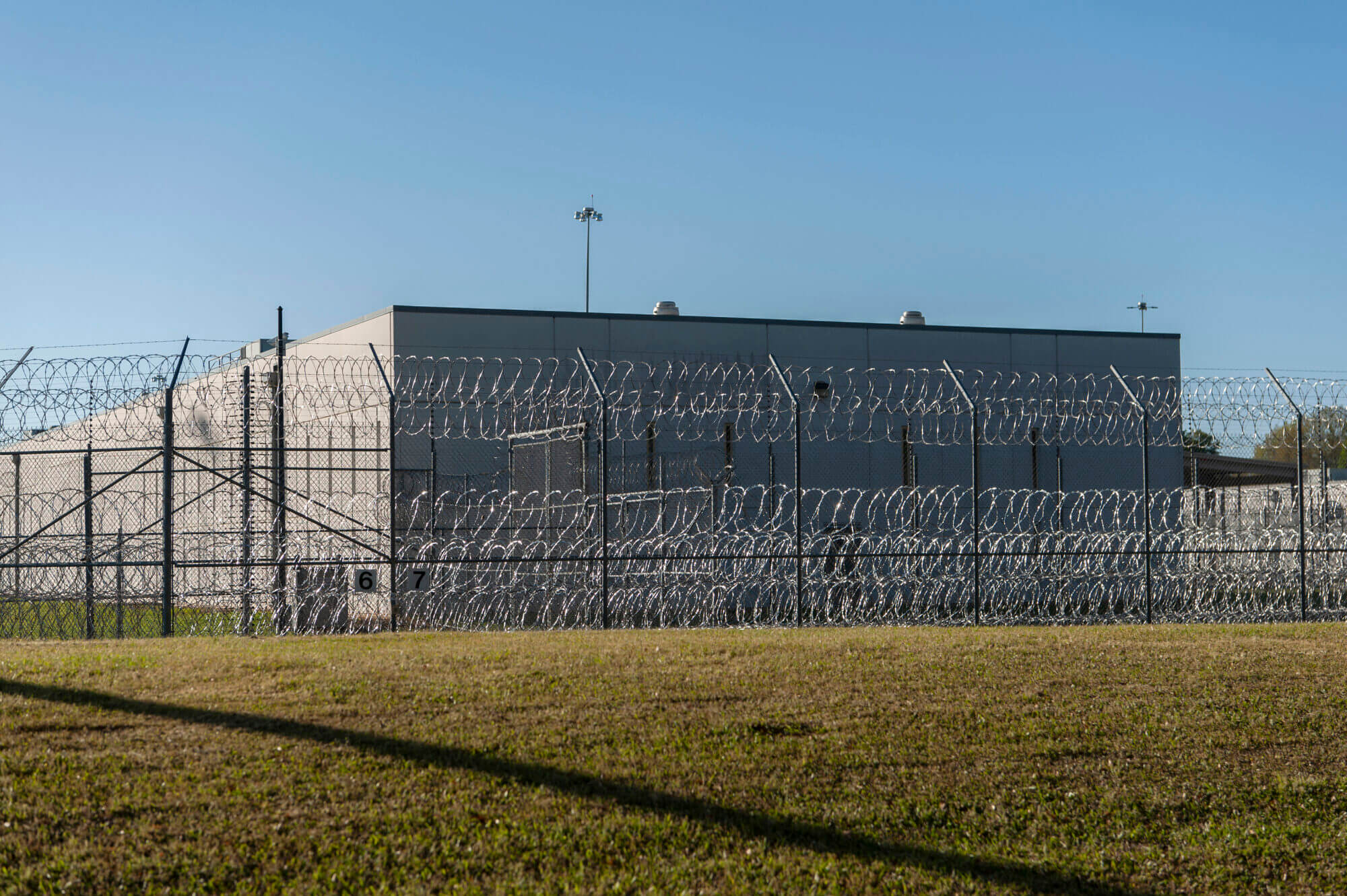
The Adams County Correctional Center in Adams County, Miss., on March 19, 2026. Credit: Rory Doyle for The New York Times
Cool works in Mecham’s immigration office, and she said she has seen the impact of immigration enforcement and detention on people. Now she is experiencing it.
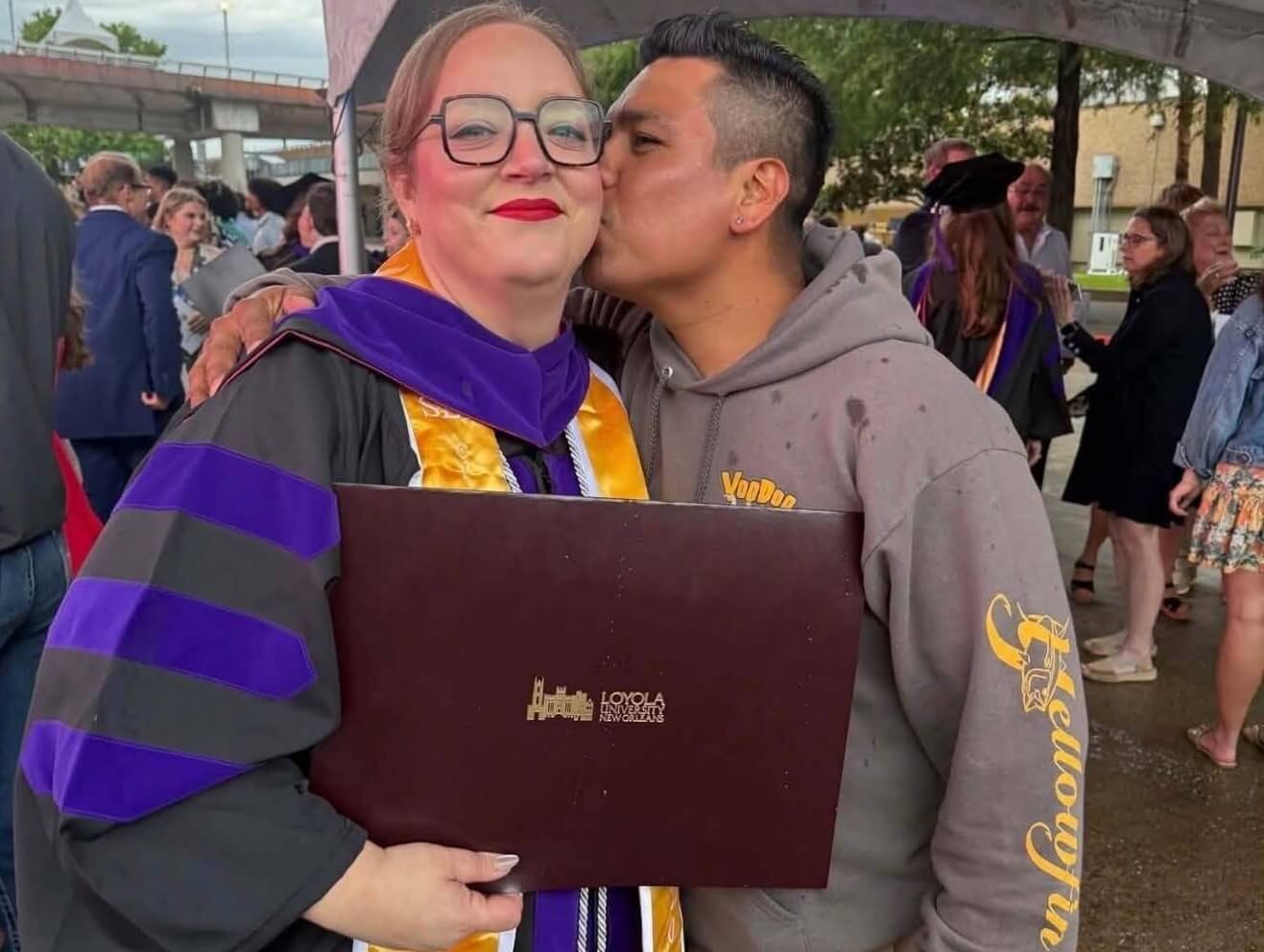
For the past seven years, Cool has worked in the immigration field and is pursuing a career in immigration law. She graduated from Loyola University New Orleans in May and plans to take the bar exam in February.
Cool visited Reyes when he was still at the jail, but on Wednesday he was transferred from Hancock County. She and family thought he would be taken to a detention center in Louisiana, but on Thursday he called her from the Adams County facility to say he was there.
He seems upset and doesn’t understand the situation, Cool said.
His attorney will consider other ways to secure his release, such filing a habeas corpus petition in federal court.
“He said he’s willing to fight it to try and get out,” Cool said.
Mississippi State University campus police detained a student Wednesday after an employee reported that he had threatened to blow up the financial aid office, an allegation the student and his attorney deny.
Zayden Leonard, 21, a junior majoring in biological sciences, was trying to resolve an issue with his financial aid.
He went to the university’s financial aid office to get his questions answered in person, and while waiting for help, six campus police officers approached him, handcuffed him and took him into custody, said civil rights attorney Harry Daniels, who is representing Leonard.
Campus police detained Leonard for less than an hour, and officers later told him an employee in the financial aid office had reported that he threatened to blow up the office, Daniels said. If true, conviction for that crime could result in up to 10 years in federal prison.
Leonard was not charged, university spokesman Sid Salter said in an email.
The university has a responsibility to maintain a safe environment for students, faculty, staff and visitors, Salter said. When concerns are reported involving potential threats to campus personnel or operations, the university follows safety and reporting procedures, he said.
“The university cooperates with appropriate law enforcement authorities while also ensuring that students have access to applicable university resources and support services,” Salter said.
Daniels said the incident was dangerous and unjustified.
“People who weaponize law enforcement to show power should be held accountable for their actions,” Daniels said. “The situation could have ended up deadly.”
Daniels said Leonard and his family are “shell-shocked” and considering legal action.
MSU declined to provide additional details, citing ongoing legal and student disciplinary processes. Salter reiterated that Leonard has not been charged. Campus law enforcement said it is directing questions about the incident and investigation to the university’s communications department.
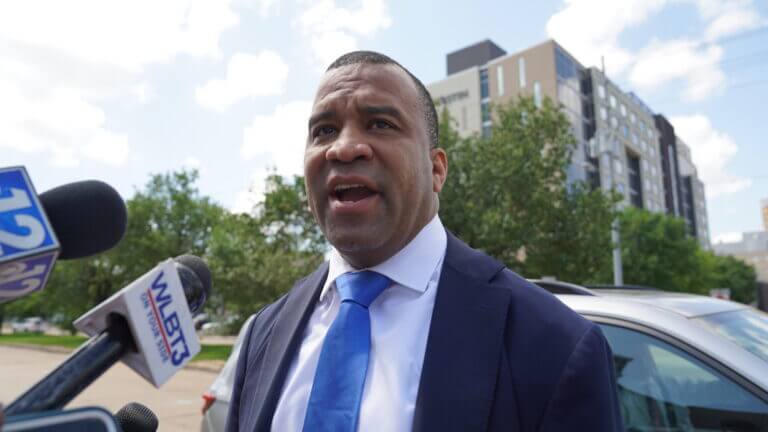
Days before Brad McCullouch would be appointed the Hinds County district attorney in July, he sat down in a tan Shaquille O’Neal executive chair in a mostly empty corner office on the fifth floor of the Hinds County Courthouse.
Prompted by a public records request from Mississippi Today, McCullouch decided to look for financial and payroll records. He tried to find invoices, accounting software, usernames and passwords for the office’s bank accounts, and audits.
What he found instead, he said, was a black three-ring binder of checks that date back to January 2026.
The apparent lack of recordkeeping was one reason McCullouch said he asked the state auditor’s office to review the Hinds DA’s finances under former Hinds County District Attorney Jody Owens, who pleaded guilty in June to a federal corruption charge and left office soon after.
“I’m realizing that it’s basically one person who is paying all the bills, and I’m thinking, ‘We need somebody to look at all this,’” McCullouch said.
Patchwork of financial oversight
The siloed documentation persisted due in part to a system of patchwork financial oversight for district attorney offices in Mississippi. Regulatory agencies that are supposed to receive financial reports complain of a lack of enforcement power, and accountability depends on the initiative of a particular district attorney.
Once completed, McCullouch’s requested review will be the first audit of the Hinds DA’s office the auditor’s office has recorded since at least 2013, according to Jacob Walters, a spokesperson for the auditor.
District attorneys in Mississippi also face no penalties if they do not notify the state treasury of the existence of bank accounts holding public money, even though state law says district attorneys should file an annual report with this information.
The Hinds DA’s office has not filed such a report to the state treasurer’s office since 2017, according to a treasury spokesperson.
Along with audits, these filings are among the few mechanisms that exist in Mississippi to hold district attorneys accountable for how they spend self-generated funds, such as drug seizure money or fees from pre-trial intervention programs.
These reports also would have been useful to McCullouch. In his role as Owens’ second-in-command, the Madison attorney said he knew of a few bank accounts the office had at Trustmark, because he was a co-signor.
Brad McCullouch, a Madison attorney appointed by Gov. Tate Reeves as Hinds County district attorney in July, discusses proposals he believes could reduce crowding at the jail. Credit: Molly Minta/Mississippi Today
After taking the reins, McCullouch went to Trustmark with an assistant district attorney, who suggested he ask the bank for all the DA’s accounts.
That’s how he learned the DA’s office had seven accounts at Trustmark, some of which McCullouch didn’t know about.
McCullouch said he hopes to have an independent audit of the office completed by the time he leaves his post after the Nov. 3 special election.
In a text message to Mississippi Today, Owens wrote that he paid for an independent audit of his office so he could provide a copy to the Mississippi State Health Department as part of a grant application. Mississippi Today has not retrieved that audit from MSDH by press time.
“To my knowledge there was no independent audits done in our office in the four years before I was elected,” Owens wrote.
The missing audits and treasurer reports for the Hinds DA’s office span the terms of two district attorneys in Hinds County, Owens and his predecessor, the late Robert Shuler Smith.
Smith, who served as Hinds DA from 2008 to 2019, also drew legal scrutiny during his controversial tenure. The Mississippi Attorney General’s Office unsuccessfully pursued various criminal charges against Smith for years, notably accusing him of illegally advising criminal defendants.
But office paperwork was disorganized under Smith, some former prosecutors told Mississippi Today. Paper files routinely went missing. When Owens was elected in 2019, he implemented an online case management system.
Records from 2021 and 2024 show that Owens followed reporting requirements for state funding for prosecutor salary supplements by responding to emails from a Department of Finance and Administration employee who was checking which offices were receiving the extra pay.
Dearth of documents
It is difficult to say how much money is under the purview of the Hinds DA’s office, because of the complexity of the funding for district attorney offices in Mississippi and the dearth of documents. That’s one reason why an audit could be so useful in understanding the finances of one of the most powerful institutions in public life, said Amanda Beck, an accounting professor at Georgia State University who specializes in government auditing.
“It’s public property so the public deserves to know how that money has been spent,” she said.
District attorney’s offices in Mississippi are funded through a mix of state, county and self-generated money. Oversight exists for state and county funds: District attorneys must report how they spend this money to the state Department of Finance and Administration or to local county governments.
But virtually no such enforceable checks and balances exist for self-generated funds, due to the loopholes in state law. Unlike other public funds, this money is solely managed and overseen by the district attorney’s office.
Plus, little guidance exists for district attorneys in Mississippi on how to comply with state regulations. Stephanie Wood, the current president of the Mississippi Prosecutor’s Association, said the organization does not provide training to district attorneys on how to comply with state oversight laws.
Hal Kittrell, a longtime district attorney in the 15th Circuit Court District in south Mississippi, said his office voluntarily pays for an independent audit every year. He doesn’t know why or when the audits started. He said it is just something the office has always done, ever since Kittrell was an assistant district attorney nearly 30 years ago.
“There’s 23 DAs and 23 ways of doing things,” he said.
The patchwork oversight for district attorneys means just one person knows the whole scope of a district attorney’s finances: The district attorney, said Sen. Brice Wiggins, a Republican from Pascagoula who chairs the Senate Judiciary A Committee.
“If you have never served (as a district attorney) you don’t know and would never know how those funds come in and what would go out,” Wiggins said.
Audits required but not always done
Because district attorneys receive state funding, Mississippi statute requires the auditor’s office to audit district attorney’s offices. This is typically done by working with CPA firms to conduct the audits.
While state law mandates the auditor’s office to annually audit state government offices, the law does not specify a schedule for district attorney offices. The law also does not provide for a punishment if district attorney’s offices fail to obtain or file audits.
“There’s no penalty if it’s not getting done, so it’s basically not a law,” said Walters, the auditor’s spokesperson.
When Walters opened a filing cabinet containing audits of district attorneys’ offices in Mississippi to check for records, the folders for other offices contained multiple documents. But he said the folder for the Hinds DA’s office contained just one – a contract for a 2013 audit.
The audit, however, was never filed with the auditor’s office.
David Ewing, the owner of the accounting firm that signed the 2013 contract, said he couldn’t find the final copy of the report in his files, which led him to speculate the audit wasn’t submitted to the auditor’s office because it was never completed. He said his firm hasn’t attempted to audit the Hinds DA’s office since 2013.
Without more stringent requirements, the state auditor relies on district attorneys to self-report suspected wrongdoing in their offices. Past instances of financial crimes involving district attorney employees often involve the office’s self-generated funds.
Since fiscal year 2018, the auditor has taken enforcement action in just two cases against district attorney’s offices, according to a review of the auditor’s annual reports. Both instances involved DA employees embezzling from the office’s self-generated funds.
Walters said some funding for district attorneys is covered by audits of county governments. But these can be out of date: The most recent audit the state auditor has on file for Hinds County was in 2022.
All eyes on Hinds DA audit
Kittrell said he thinks district attorneys across the state will be looking for the outcome of the Hinds DA audit so they can ensure their independent audits are up to par. He noted that the elected offices are unique compared to other government entities in Mississippi, since district attorneys are not quite state offices, but not local agencies, either.
“We’re kind of an oddity among any agency that I know,” he said.
District attorneys are not only virtually unchecked in how they spend their self-generated funds. Mississippi’s top prosecutors are also given special powers to pick and choose crimes to prosecute in their circuit court.
This power wasn’t lost on Owens: He frequently remarked on it to undercover FBI agents who were investigating him. At least one comment that made it into the 2024 federal indictment bore resemblance to McCullouch’s recent realization after his search for financial records turned up short.
“I’m not trying to overemphasize this, you guys, but my ability to prosecute people… there’s only one me,” Owens was quoted saying in the indictment.
Update 8/27/2026: This story has been updated to show that the auditor’s office often works with CPA firms to conduct audits of government bodies.